A coalition of seven Western governments has released a set of cybersecurity guidelines aimed at shaping the development of sixth-generation wireless networks, seeking to embed security principles into the architecture of the technology long before it reaches commercial deployment.
Authorities from the United States, United Kingdom, Australia, Canada, Japan, South Korea and Germany jointly issued the framework, outlining how security-by-design practices should guide the evolution of 6G standards. Officials involved in the initiative say the document is intended to influence the global standard-setting process as research into the next generation of mobile networks accelerates.
The guidelines focus on ensuring that security considerations are integrated into every stage of 6G design, from hardware manufacturing and software development to supply chains and network management. Policymakers involved in the effort argue that building safeguards at the earliest stages of technological design can reduce vulnerabilities that often emerge once infrastructure becomes widely deployed.
Government representatives described the framework as an attempt to prevent the types of security weaknesses that have plagued earlier communications technologies. Fifth-generation networks introduced advanced capabilities such as network slicing, ultra-low latency and expanded device connectivity, but they also raised new concerns about software vulnerabilities and the risk of state-sponsored cyber operations targeting critical infrastructure.
Under the coalition’s recommendations, developers and telecommunications equipment manufacturers are encouraged to prioritise transparency, rigorous testing and resilient system architecture. The guidelines also emphasise open and interoperable standards, reflecting concerns among policymakers that reliance on limited suppliers or proprietary technologies could increase security risks.
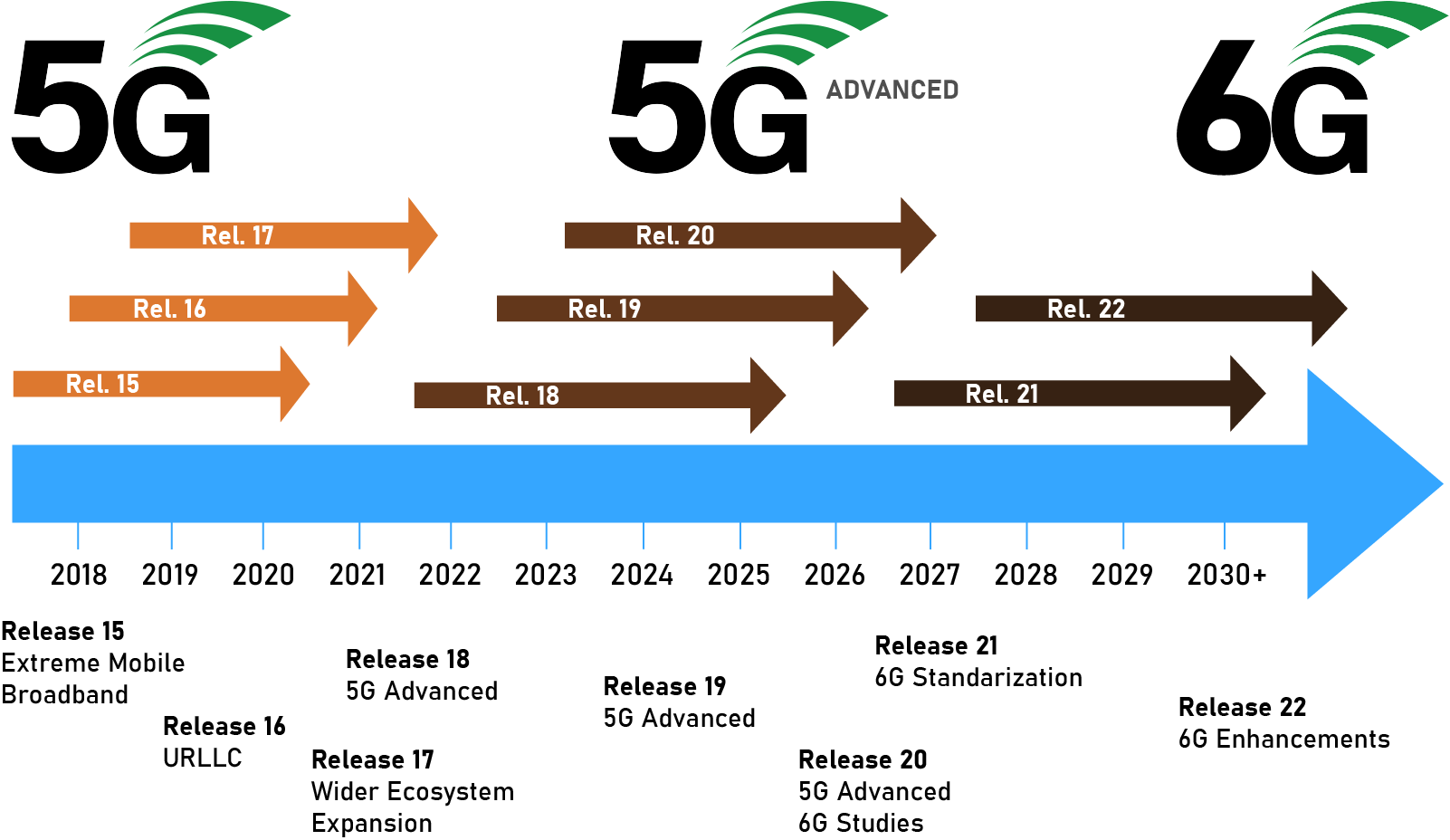
Officials involved in drafting the framework argue that the global race to define 6G standards has already begun, even though widespread deployment is not expected until the early 2030s. Research programmes across North America, Europe and Asia are exploring new radio technologies capable of transmitting data at speeds significantly higher than those achieved by 5G networks.
Sixth-generation systems are expected to operate at extremely high frequencies and integrate advanced artificial intelligence tools to manage network performance. Researchers anticipate that such networks could support applications ranging from immersive virtual environments and holographic communications to real-time industrial automation and autonomous transportation systems.
Those possibilities also raise new security concerns. Telecommunications experts warn that the massive scale and complexity of future networks could increase the attack surface for malicious actors. Devices connected through the so-called “Internet of Everything” may number in the tens of billions, making effective cybersecurity safeguards essential to protect both consumers and national infrastructure.
Officials involved in the coalition initiative say the goal is not to impose binding regulations but to encourage common design principles across the global technology ecosystem. The framework encourages engineers, academic researchers and private companies to consider cyber resilience when drafting technical standards within international bodies responsible for telecommunications governance.
Industry groups and academic institutions are expected to play a central role in translating the recommendations into practical standards. Telecommunications firms developing new chipsets, base stations and network software will ultimately determine how security concepts are implemented within commercial systems.
The guidelines highlight several priority areas, including secure software development practices, protection against supply-chain manipulation and stronger mechanisms for verifying the integrity of network components. The document also calls for the adoption of zero-trust security models, which assume that potential threats may exist both outside and inside network environments.
Another key element involves strengthening collaboration between governments and the private sector. Telecommunications infrastructure is largely owned and operated by private companies, meaning cybersecurity measures must be integrated through cooperation between regulators, equipment manufacturers and service providers.
Analysts say the coalition’s effort reflects broader geopolitical tensions surrounding telecommunications infrastructure. Debates over network security have intensified during the rollout of 5G systems, with governments scrutinising the role of vendors and raising concerns about potential espionage or sabotage through network equipment.
Technology policy specialists argue that lessons from the 5G era are shaping the approach to 6G development. Security issues that emerged after earlier networks were deployed demonstrated the difficulty of retrofitting protections into complex global infrastructure. Designing safeguards at the outset is widely viewed as a more effective strategy.
Researchers working on next-generation wireless systems say early alignment among governments could help ensure consistent standards across regions. International coordination is considered crucial because telecommunications technologies rely on globally harmonised protocols that allow devices and networks to function across borders.
Follow Arabian Post
Select Arabian Post as your preferred source on Google and MSN News for trusted business news and Arab politics and updates.