Arabian Post Staff -Dubai
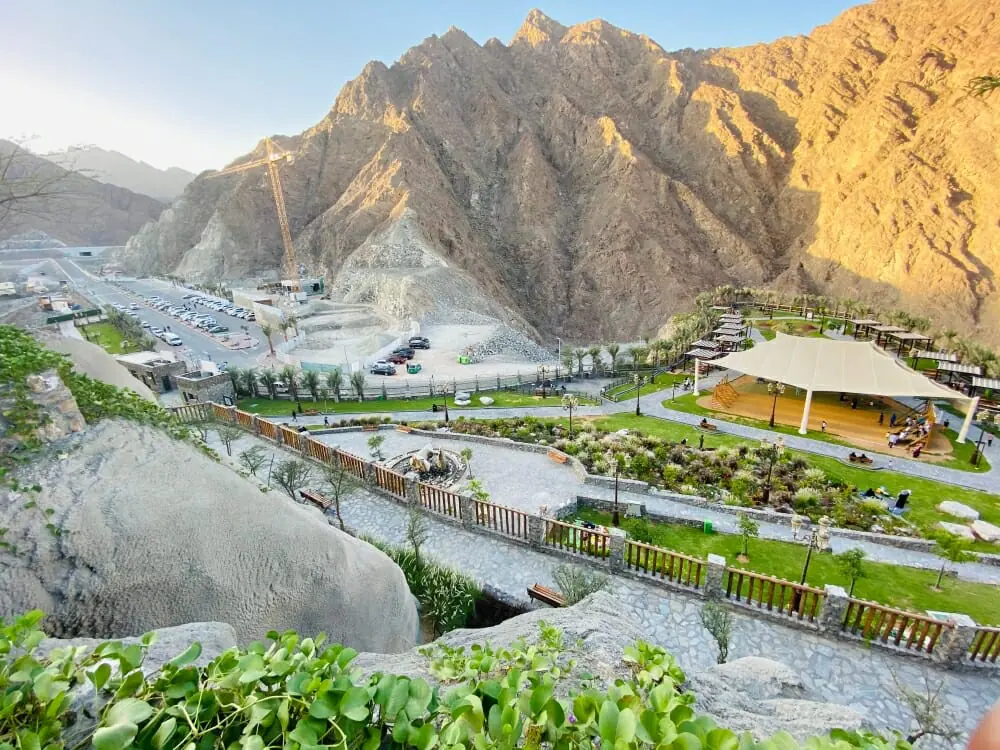
Sheikh Dr Sultan bin Mohammed Al Qasimi, Supreme Council Member and Ruler of Sharjah, has unveiled an ambitious plan to transform Khorfakkan into a city encircled by dense forests designed to enhance air quality and promote a sense of wellbeing among residents.
Addressing an audience that included environmental planners and gardening enthusiasts, the Ruler outlined a long-term vision in which the coastal city, located on the eastern flank of the emirate along the Gulf of Oman, would be characterised by abundant tree cover, higher oxygen levels and reduced carbon dioxide concentrations. He said the project aims to create an atmosphere of comfort and tranquillity, linking urban planning with environmental stewardship.
Khorfakkan, already known for its mountainous backdrop and waterfront developments, has undergone substantial infrastructure upgrades over the past decade, including road networks, public beaches and cultural landmarks. The proposed greening initiative marks a shift towards ecological enhancement as a defining feature of its next phase of growth. Officials in Sharjah have repeatedly emphasised sustainability as a cornerstone of policy, aligning with broader national strategies focused on climate resilience and carbon reduction.
Sheikh Dr Sultan described the initiative not simply as a landscaping exercise but as an integrated environmental programme. He spoke of creating “forests of trees” that would act as natural lungs for the city, improving oxygen availability while lowering atmospheric carbon dioxide. He also referred to increasing the presence of what he termed “positive electrons”, a phrase commonly associated with negative air ions in environmental science, which some studies suggest may contribute to improved mood and perceived air freshness, although scientific consensus on their health impact remains mixed.
Urban forestry specialists note that expanding tree cover in coastal and semi-arid environments requires careful species selection, soil management and irrigation planning. Indigenous and climate-adapted species are often prioritised to ensure resilience against high temperatures and saline conditions. Large-scale planting also necessitates long-term maintenance strategies, including pruning schedules and water conservation measures, to avoid ecological strain.
Beyond the macro vision, the Ruler devoted part of his address to practical horticultural guidance, offering detailed advice to flower enthusiasts and amateur gardeners. He highlighted the importance of selecting suitable soil, explaining that plant health depends heavily on soil composition, drainage and nutrient balance. Obtaining quality soil from reliable sources, he said, is a foundational step in successful planting.
Light exposure formed another central theme of his remarks. Different flowering species require varying intensities and durations of sunlight, and he stressed the need to regulate light conditions carefully, particularly in a climate where summer temperatures can be extreme. Adjusting shading, positioning pots strategically and understanding seasonal changes were among the points he underscored.
Pruning schedules were also addressed, with guidance to complete necessary trimming before March to encourage healthy growth cycles. Horticulture experts broadly agree that pruning at the appropriate time can stimulate stronger flowering and prevent disease, particularly in regions where spring marks a critical transition period for plant development.
Sharjah has established a reputation for investing in cultural, educational and environmental projects. Under Sheikh Dr Sultan’s leadership, the emirate has developed universities, libraries and heritage sites, alongside conservation initiatives. Environmental policy has increasingly intersected with urban development, reflecting regional and global concerns over climate change, water scarcity and sustainable land use.
Nationally, the United Arab Emirates has committed to achieving net-zero emissions by 2050 and has expanded renewable energy capacity while promoting sustainable urban planning. Local initiatives such as the Khorfakkan forest plan can be viewed within this broader framework, though their success will depend on effective implementation, long-term funding and scientific oversight.
Environmental economists point out that urban greening can yield measurable benefits, including reduced heat island effects, improved air quality and enhanced property values. However, they caution that large-scale planting must be accompanied by careful resource management, particularly in water-scarce environments. The balance between ecological ambition and environmental practicality remains a key consideration.
Residents in Khorfakkan have witnessed steady transformation of their city, from tourism-oriented projects to road expansions linking it more closely with Sharjah city. The prospect of extensive forest belts adds a new dimension to its identity, positioning it as a potential model for integrating natural landscapes with urban living along the eastern seaboard.
Follow Arabian Post
Select Arabian Post as your preferred source on Google and MSN News for trusted business news and Arab politics and updates.