

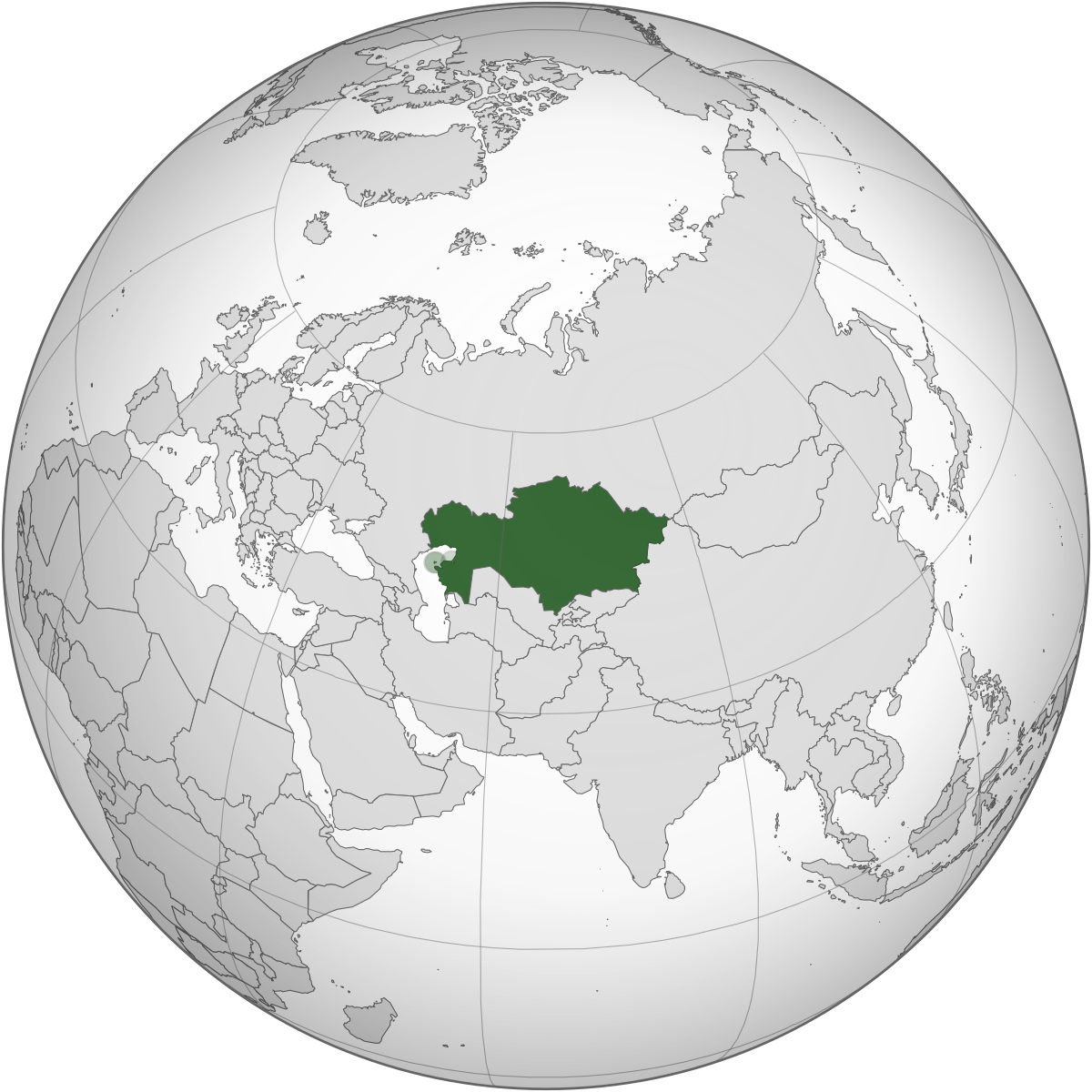
Telegram has announced plans to establish an office in Kazakhstan as part of efforts to comply with the country’s regulatory framework. The decision comes following an agreement between the Kazakh government and the messaging app to streamline content regulation and address the challenges posed by illegal and unauthorized channels. This move marks a significant step in the platform’s attempt to align itself with local laws while maintaining its global presence.
Kazakhstan, like many other nations, has been tightening control over digital platforms, pushing for increased cooperation with technology firms to regulate the spread of harmful content. Authorities in Kazakhstan have raised concerns over the use of messaging platforms like Telegram for illegal activities, including the distribution of extremist materials, drug trafficking, and unauthorized protests. In response, Telegram has agreed to assist the government in swiftly removing such content and blocking unauthorized channels that violate local laws.
As part of this effort, Telegram will establish a physical presence in the country, a development welcomed by the Kazakh government, which seeks to increase oversight of online activities within its borders. By working closely with the government, Telegram aims to ensure that it adheres to Kazakhstan’s regulatory requirements while providing a secure platform for its users.
Kazakh officials view this partnership as a critical tool for maintaining public safety and curbing the misuse of digital platforms for illegal activities. Digital transformation is a key focus for Kazakhstan, and controlling harmful content is essential to ensuring that technological advances benefit society without compromising national security. Telegram’s willingness to engage with the government is seen as a positive step towards building a safer online environment.
The Kazakh government has previously faced challenges in managing online content, particularly on platforms like Telegram that prioritize privacy and encryption. While these features are vital for safeguarding personal communications, they have also made it difficult for authorities to monitor illegal activities. By establishing a local office, Telegram is expected to enhance its response to the government’s concerns and provide a more effective mechanism for dealing with illegal content.
Telegram has a reputation for maintaining a strong commitment to user privacy and freedom of speech, which has often led to tensions with governments attempting to impose stricter regulations. However, the company has demonstrated flexibility in adapting to local laws in various countries where it operates. Its decision to open an office in Kazakhstan follows similar moves in other regions where governments have demanded more accountability from tech firms.
In Kazakhstan, the focus will likely remain on curbing extremist content and illegal activities while balancing the need for user privacy. Telegram’s encryption services have attracted millions of users worldwide, and any measures introduced in Kazakhstan will need to respect the platform’s core principles of secure communication.
The Kazakh government’s collaboration with Telegram comes amid broader efforts to modernize its digital landscape. As part of its digitalization strategy, the country has been promoting the development of online services and communication platforms, aiming to boost economic growth through technological innovation. Ensuring that these platforms operate within a clear regulatory framework is seen as crucial for the success of this strategy.
Telegram’s willingness to cooperate with Kazakhstan’s regulatory bodies is likely influenced by its desire to maintain access to the growing user base in the country. Central Asia has become an important market for tech companies, and securing compliance with local regulations is essential for maintaining long-term growth in the region. As part of this process, the Kazakh government has signaled that it will continue to engage with global tech firms, encouraging them to contribute to the country’s digital transformation while adhering to local laws.
The partnership between Telegram and the Kazakh government may also serve as a model for other nations in the region, where concerns over online safety and content regulation are rising. Governments across Central Asia have been exploring ways to manage the impact of social media and messaging platforms, which have increasingly become central to public discourse. By working with Telegram, Kazakhstan may set a precedent for regulatory cooperation that other countries could follow.
At the same time, Telegram’s decision to open an office in Kazakhstan could raise questions about how the company balances regulatory compliance with its commitment to user privacy and free expression. Critics of increased government regulation often argue that such measures could infringe on civil liberties and limit open communication. As Telegram navigates these challenges, it will need to carefully manage its relationship with the government while continuing to protect the privacy of its users.
Telegram founder Pavel Durov has long emphasized the importance of privacy and security in digital communications, and the platform’s encryption services remain a key feature. However, as the company expands its global operations, it is also facing increasing pressure to cooperate with governments to prevent misuse of the platform. Kazakhstan’s regulatory demands reflect broader global trends, where governments are seeking more control over online content while balancing the need for secure communication tools.
Also published on Medium.
Follow Arabian Post
Select Arabian Post as your preferred source on Google and MSN News for trusted business news and Arab politics and updates.




