

Arabian Post Staff -Dubai
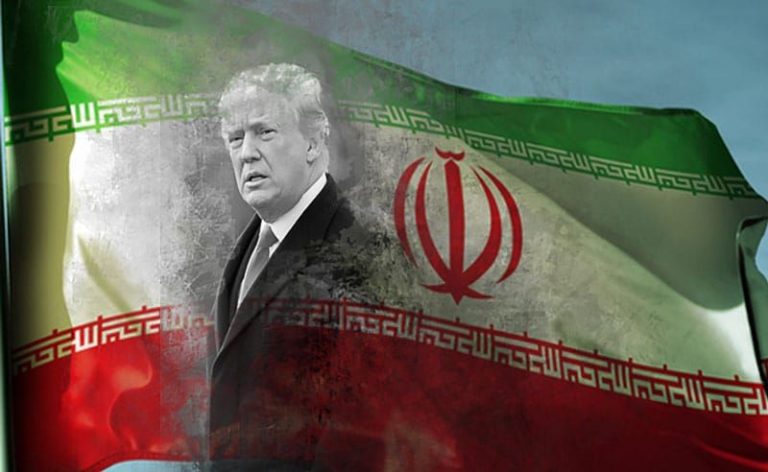
The proposed arrangement would extend the current pause in fighting for 60 days and open a new round of negotiations on Iran’s nuclear programme. It has not yet received final approval from Trump, who held talks with senior national security officials at the White House after negotiators produced a draft understanding.
Trump signalled that he viewed the framework as a potential diplomatic opening, but he also set out demands that Iran has not publicly accepted. These include a permanent bar on nuclear weapons, unrestricted navigation through the Strait of Hormuz, the removal of maritime mines and guarantees over Iran’s enriched uranium stockpile. Tehran has pushed back against several of those points, insisting that sovereignty over the waterway and the scope of nuclear talks cannot be dictated by Washington.
The talks follow weeks of military escalation that drew in US forces, Iran and Israel, disrupting energy markets and raising fears of a wider regional war. The ceasefire has lowered the immediate risk of direct confrontation, but its extension has become entangled in the same issues that triggered the conflict: Iran’s nuclear capacity, missile capability, sanctions pressure and security arrangements across the Gulf.
A central sticking point is the Strait of Hormuz, the narrow waterway through which a major share of the world’s seaborne oil trade passes. Washington wants guaranteed access for commercial shipping without tolls or military harassment. Iran has argued that management of the strait must be handled through regional understandings, including with Oman, and has resisted any language that would amount to a surrender of strategic leverage.
Sanctions relief is another unresolved element. Tehran wants oil restrictions eased and frozen assets released as part of any extended truce. US officials have been cautious about offering financial concessions before Iran makes verifiable commitments. The release of billions of dollars in frozen funds has been discussed, but the White House has not publicly committed to such a step.
The nuclear file remains the most politically sensitive issue for both sides. Trump has said Iran must never obtain a nuclear weapon and has criticised earlier diplomatic arrangements as insufficient. Iran maintains that its nuclear programme is for civilian purposes and has rejected proposals that would require it to surrender control of enriched uranium or accept conditions it sees as undermining national sovereignty.
The proposed deal appears designed to defer the hardest questions rather than settle them immediately. It would extend the ceasefire and create a negotiating channel, but it does not appear to contain a final settlement on enrichment, missile limits, regional forces or sanctions sequencing. That makes Trump’s decision politically risky: approval could prevent a return to fighting, while rejection could revive military tensions within days.
The pressure on the White House is also economic. Any disruption in the Gulf can push up crude prices and fuel costs, feeding domestic political concerns. At the same time, Iran hawks in Washington are warning against a deal that allows Tehran to retain nuclear infrastructure, preserve missile capacity or gain sanctions relief without sweeping concessions.
Iran’s leadership faces its own constraints. Hardline factions are wary of any agreement that looks like capitulation after military confrontation. Diplomats in Tehran have therefore sought to present the talks as a process based on reciprocal steps, not unilateral concessions. Officials have also rejected suggestions that an agreement has already been finalised, saying decisions remain under review.
Regional actors are watching closely. Gulf states want a durable reduction in maritime risk and a return to stable energy flows, while Israel remains focused on Iran’s nuclear and missile programmes. Any ceasefire extension that leaves those issues unresolved may calm markets temporarily without removing the drivers of confrontation.
The next phase will depend on whether Trump accepts the draft understanding as a bridge to broader talks or demands more explicit Iranian commitments before signing off. For now, the proposed 60-day extension offers a diplomatic route away from renewed conflict, but the gap between US conditions and Iran’s public position remains wide.
Also published on Medium.
Follow Arabian Post
Select Arabian Post as your preferred source on Google and MSN News for trusted business news and Arab politics and updates.




