Arabian Post Staff -Dubai
The competing statements left diplomacy in a delicate phase on Friday, with Washington presenting the outline of a breakthrough while Iran signalled that core demands remained unresolved. The proposed arrangement, if completed, would aim to end months of confrontation, restore safer passage through one of the world’s most important energy corridors and open a further negotiating track on Iran’s nuclear programme.
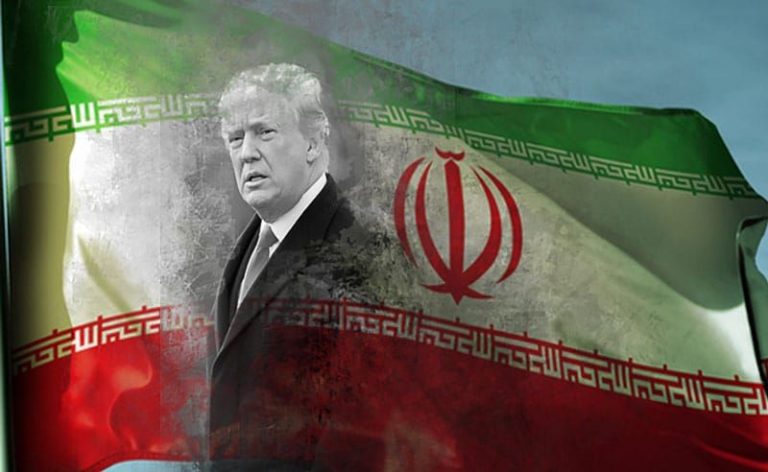
Trump, speaking from the Oval Office on Thursday, said a “great settlement” was close and that he had cancelled planned military strikes after being told the final points had been approved at the highest level in Tehran. He said the Strait of Hormuz, partly shut to commercial shipping during the conflict, would reopen once the documents were signed. A signing could take place in Europe over the weekend, with Vice President JD Vance expected to lead the US delegation.
Iran’s foreign ministry, however, said speculation over the timing and location of any signing was premature. Spokesperson Esmaeil Baghaei said Tehran had not reached a final decision and would not compromise on its “red lines”. The statement appeared designed to slow expectations created by Trump’s announcement while preserving space for negotiations through intermediaries.
The Strait of Hormuz has been at the centre of the crisis because it carries roughly a fifth of globally traded oil and large volumes of liquefied natural gas. Any durable reopening would ease pressure on shipping, insurance, crude prices and regional energy security. Oil markets moved lower after Trump’s remarks, reflecting hopes that a diplomatic settlement could restore more predictable Gulf traffic, though traders remained wary of renewed clashes.
The framework under discussion is understood to include continued de-escalation, steps to restore shipping through the strait, and a limited negotiation window on nuclear issues. Iran has sought relief from sanctions, access to frozen funds and guarantees that its export routes will not be blocked. Washington’s central demand remains a verifiable assurance that Iran will not acquire a nuclear weapon.
The gap between the two sides remains substantial. Tehran has resisted demands that would be seen domestically as surrendering strategic leverage, while Washington faces pressure from regional partners and Congress to ensure that any agreement has enforceable limits. Israel has said it is not a party to the deal and has maintained that Iran’s nuclear and missile infrastructure must be addressed more directly.
Qatar and other Gulf states have played a central role in keeping channels open, while regional governments have pressed for a reopening of shipping lanes after weeks of disruption. Saudi Arabia, the UAE, Bahrain and Kuwait have all been exposed to the economic and security risks of the confrontation, including threats to ports, energy facilities and airspace.
Military tensions have not disappeared. US forces were reported to have intercepted Iranian drones near the Strait of Hormuz even as diplomatic claims were being made. Iran has also accused the United States of shifting positions during talks, while Washington has blamed Tehran for threats to commercial shipping and regional bases.
The political stakes are high for Trump, who has framed the possible settlement as proof that military pressure can produce a diplomatic outcome. His critics argue that the public announcement may have run ahead of Iranian approval and could complicate final bargaining. Iranian officials, facing their own hardline pressures, are unlikely to endorse language that suggests they accepted terms under threat of renewed strikes.
The April ceasefire, already weakened by repeated exchanges, provides the immediate backdrop to the talks. Both sides have accused each other of violations, and shipping operators have treated the strait as a high-risk zone. Crew safety, war-risk insurance and naval escort arrangements are expected to remain central issues even if an agreement is signed.
Also published on Medium.
Follow Arabian Post
Select Arabian Post as your preferred source on Google and MSN News for trusted business news and Arab politics and updates.