

Arabian Post Staff -Dubai
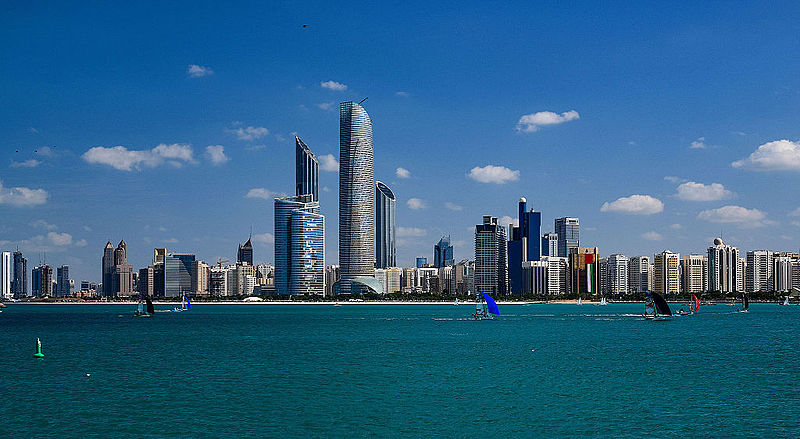
Abu Dhabi’s Natural History Museum has unveiled an impressive collection of ancient treasures, including rare fossils that offer a glimpse into the planet’s distant past. The museum, which is fast becoming one of the UAE’s key cultural landmarks, showcases a wide range of specimens that span millions of years, including a fossil of a seven-million-year-old four-tusked Arabian elephant. This creature roamed the landscape of Abu Dhabi at a time when rivers, forests, and savannas were dominant across the region. The exhibit also includes a diverse range of dinosaurs, prehistoric mammals, and artifacts from space that offer insight into both Earth’s and the universe’s history.
The fossil of the four-tusked elephant is among the most significant of the museum’s collection. Its discovery is not just a testament to the ancient biodiversity of the region, but it also sheds light on the evolution of the elephant species, a topic that has fascinated paleontologists for years. The four-tusked elephant, now extinct, once walked the earth alongside other prehistoric creatures in what was then a verdant environment in the Arabian Peninsula. The specimen was uncovered in the Liwa desert, an area known for its rich fossil beds, which have yielded remarkable discoveries over the years.
Beyond the elephant, the museum’s display includes several dinosaur fossils that provide critical insights into the creatures that once inhabited this part of the world. The museum’s paleontology team has worked diligently to preserve these delicate specimens, each offering unique stories of ancient ecosystems. Notably, the fossils of a sauropod, an enormous herbivorous dinosaur, are on display. These massive creatures, which once thrived during the Mesozoic Era, now serve as a reminder of the sheer scale of life forms that existed millions of years ago.
In addition to the terrestrial fossils, the museum’s collection extends into the cosmos with its exhibition of meteorites and scale models of celestial bodies. Among the more captivating items on display is a sample of the famous meteorite that landed in the UAE desert. This rock, which dates back to the formation of the solar system, provides a tangible link to the earliest days of our universe. The museum’s collection of space-related artifacts not only highlights the UAE’s growing interest in space exploration but also emphasizes its role as a hub for scientific research in the region.
The design of the museum itself is as innovative as the exhibits it houses. Its architecture is a fusion of traditional Arabian elements with modern techniques, symbolizing the UAE’s commitment to blending heritage with progress. The structure is visually striking, with large, circular windows that mirror the moon’s phases, and spaces that open up to natural light, evoking a sense of discovery and exploration. As visitors move through the museum, they encounter carefully curated displays that guide them through Earth’s geological history, from its formation to the age of mammals and beyond.
The museum’s unveiling has been met with enthusiasm by the scientific community, as it marks a significant step in advancing the region’s status as a center for paleontological and archaeological research. Dr. Ahmed Al-Mansoori, a leading paleontologist involved with the project, remarked that the museum would be a valuable resource for researchers and students alike. “This museum will be a place where future generations can learn about the Earth’s history and its diverse forms of life,” he said. His sentiments reflect the broader educational mission of the museum, which is not only to display ancient treasures but also to educate the public about the processes that shaped the natural world.
The museum is also playing an essential role in fostering international collaboration. Experts from across the globe have contributed to its exhibits, and the museum is actively involved in numerous international paleontological digs. Through partnerships with other museums and universities, it seeks to expand its collection and provide a platform for global research initiatives. This exchange of knowledge will undoubtedly benefit both local and international scientific communities, as the museum continues to establish itself as a world-class institution.
One of the museum’s more interactive exhibits is its virtual reality (VR) section, which allows visitors to engage with the prehistoric world in an immersive way. Using advanced technology, guests can experience life in the age of dinosaurs, observing how these creatures lived, moved, and interacted with their environment. This cutting-edge technology, paired with the physical exhibits, creates a dynamic learning experience for visitors of all ages.
The Natural History Museum in Abu Dhabi is set to become an integral part of the city’s cultural landscape. Its mission to explore the natural world and its history is further enhanced by its strategic location in a city that has increasingly become a cultural crossroads for science, art, and heritage. Abu Dhabi’s drive to become a global center for innovation is reflected in its investment in such scientific endeavors, contributing not only to the UAE’s prestige but also to the wider global knowledge base.
Follow Arabian Post
Select Arabian Post as your preferred source on Google and MSN News for trusted business news and Arab politics and updates.




