

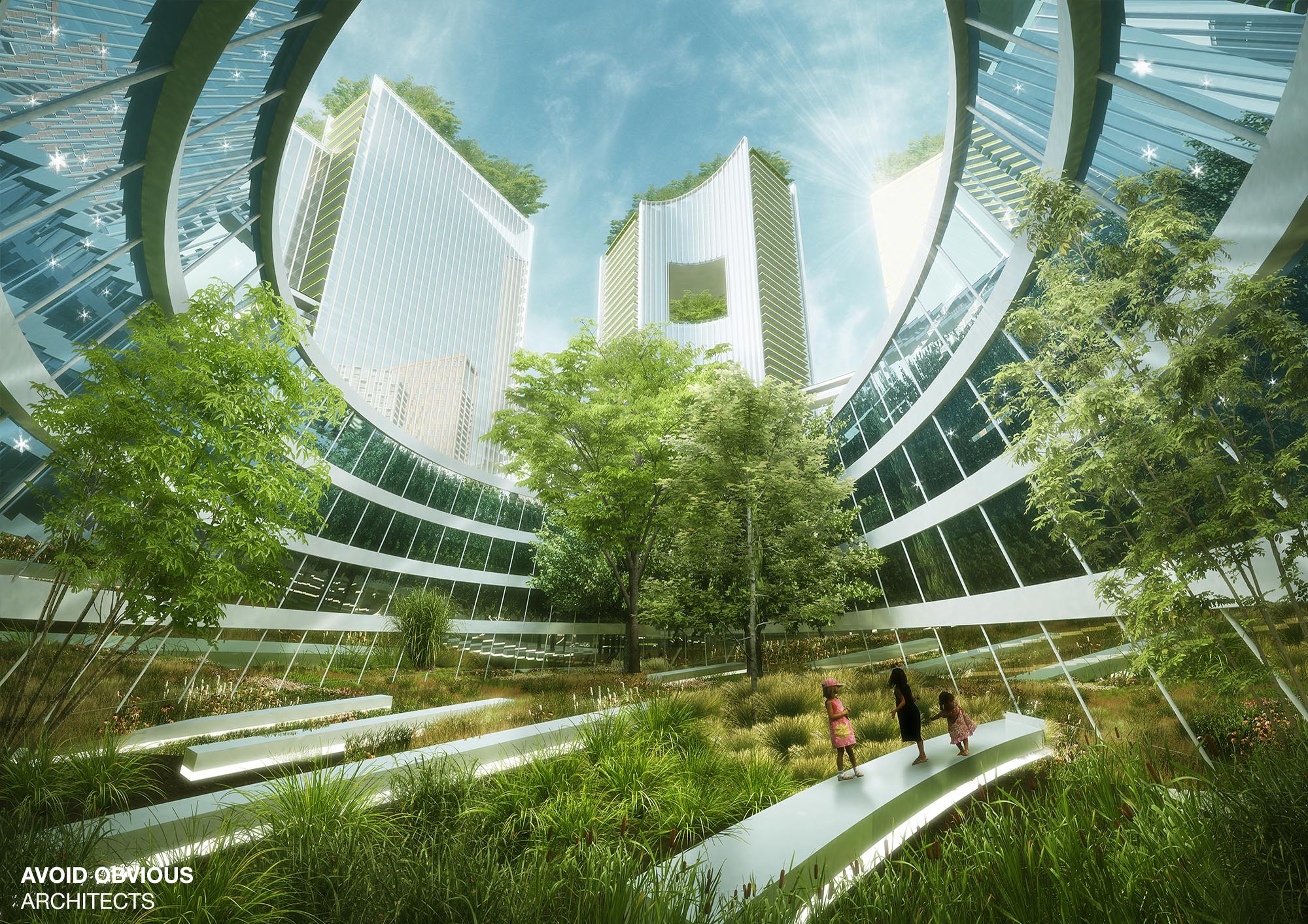
The world’s cities are facing a multitude of challenges, from resource depletion and pollution to social inequality and climate change. Architects are increasingly recognizing that conventional design approaches are no longer sufficient. To address this, a new movement is gaining ground:creative transdisciplinary architectural design. This approach breaks down silos between different disciplines, fostering collaboration between architects, engineers, sociologists, urban planners, and even community members. The goal?To design buildings and urban spaces that are not only aesthetically pleasing and functional but also contribute to achieving the Sustainable Development Goals (SDGs) set by the United Nations.
The SDGs encompass a wide range of interconnected goals, from ensuring clean water and sanitation to promoting sustainable cities and communities. Transdisciplinary design recognizes these interlinkages and seeks solutions that address multiple goals simultaneously. For instance, a building designed with energy efficiency in mind can also incorporate rainwater harvesting systems, reducing strain on water resources. Green roofs can provide insulation, reducing energy consumption for heating and cooling, while also creating urban habitats for pollinators.
One key aspect of this design approach is community engagement. By involving residents in the design process, architects can create spaces that are truly responsive to local needs and aspirations. This can lead to more equitable and inclusive developments, fostering a sense of ownership and community pride.
Technology is another powerful tool in the hands of these transdisciplinary teams. Building information modeling (BIM) allows for the integration of data from various disciplines, facilitating the creation of highly optimized and sustainable designs. 3D printing offers exciting possibilities for using local, recycled materials for construction, minimizing environmental impact.
Challenges, of course, remain. Transdisciplinary collaboration requires a shift in mindset for all involved, moving away from traditional, specialist ways of working. There can also be difficulties in navigating the complex web of regulations and stakeholder interests.
However, the potential rewards are significant. By embracing creativity and collaboration, architects are poised to play a leading role in shaping a more sustainable future for our cities. Through transdisciplinary design, the built environment can become a powerful tool for achieving the SDGs, ensuring a healthier planet and a more equitable future for all.
____________________________________
This article first appeared on Greenlogue and is brought to you by Hyphen Digital Network
Follow Arabian Post
Select Arabian Post as your preferred source on Google and MSN News for trusted business news and Arab politics and updates.



