

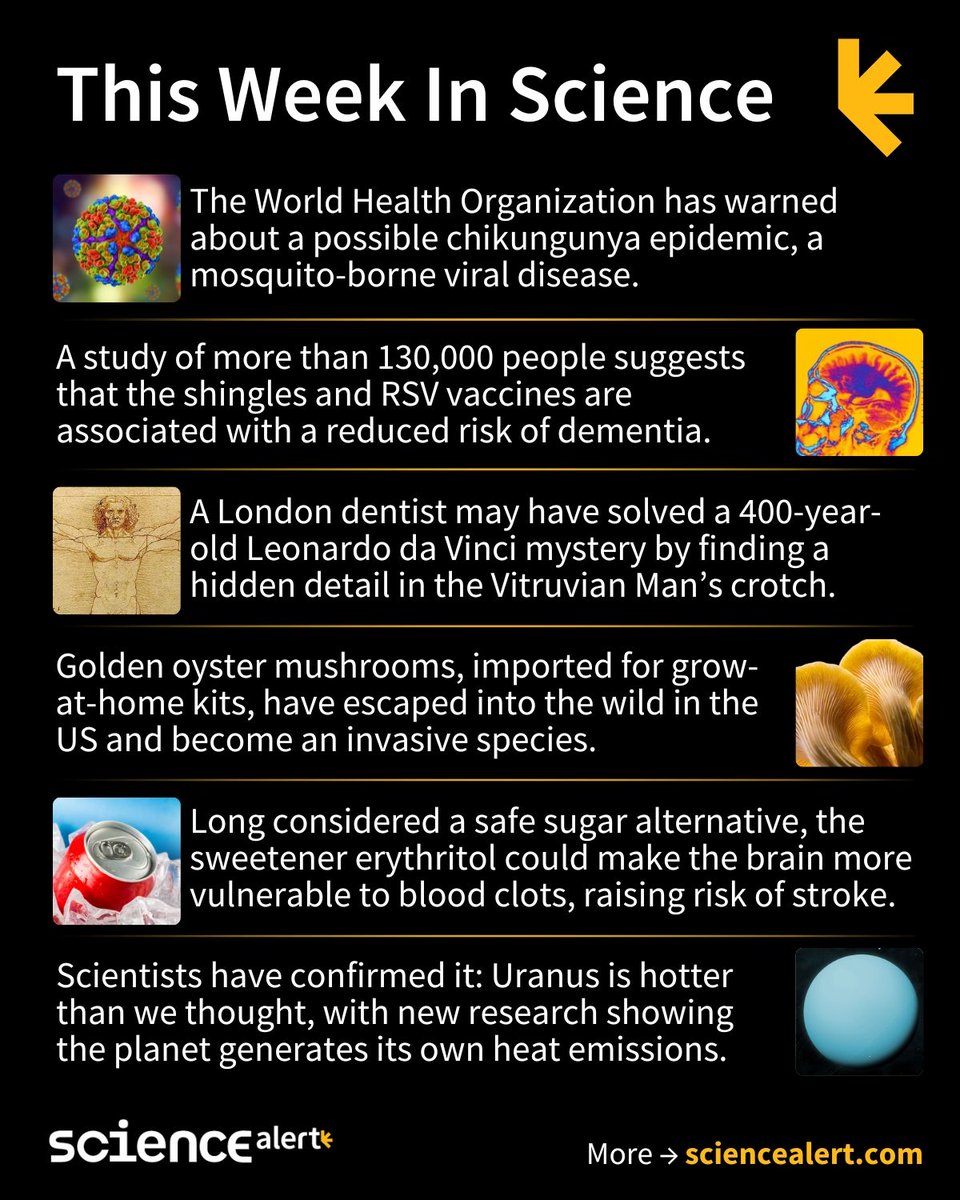
Erythritol, a low-calorie sweetener widely used in sugar-free drinks, protein bars, keto snacks and diabetic-friendly foods, is facing renewed scrutiny after new research found it can harm cells lining tiny blood vessels in the brain in ways that may favour clotting and reduce normal vessel relaxation. The study adds to a growing body of evidence that has raised questions over whether one of the food industry’s most popular sugar substitutes is as benign as once believed.
The latest findings come from laboratory work on human cerebral microvascular endothelial cells, which help regulate blood flow and protect the brain’s circulation. Researchers reported that exposure to erythritol at levels designed to reflect those found after consuming artificially sweetened products increased oxidative stress, reduced nitric oxide production, raised endothelin-1 signalling linked to vessel constriction, and blunted release of tissue plasminogen activator, a substance involved in breaking down clots. Taken together, those changes point to conditions that could make ischaemic stroke more likely. The work, however, was conducted in cells rather than in people, meaning it shows a plausible biological mechanism rather than direct proof that consuming erythritol causes stroke.
That distinction matters because the debate over erythritol has shifted from a simple question of calorie reduction to a wider discussion about cardiovascular safety. A 2023 study led by researchers at Cleveland Clinic found that higher circulating erythritol levels were associated with an increased risk of major adverse cardiovascular events, including heart attack and stroke. The same study also reported that erythritol appeared to promote thrombosis in experimental settings. Since then, a 2024 intervention study in healthy volunteers found that consuming a typical erythritol-sweetened drink increased platelet reactivity, adding to concern that the sweetener may make blood more prone to clotting.
Scientists and regulators are still weighing how far those signals should change consumer advice. Erythritol has long been marketed as a useful substitute for sugar because it has almost no calories, does not raise blood glucose in the same way as table sugar, and is common in products aimed at people managing obesity, diabetes or carbohydrate-restricted diets. That commercial appeal has helped it spread through a vast range of packaged foods. Yet some researchers caution that its popularity may have outpaced long-term understanding of what repeated high exposures do inside the vascular system, especially when people consume several sweetened products in a day.
The scientific picture is not one-sided. Reviews of the literature note that the evidence base remains mixed and that not all studies point in the same direction. Some human work has failed to show statistically significant harm to vascular function, while reviewers have also noted that circulating erythritol can come not only from food but also from metabolic processes within the body, complicating interpretation of observational data. A 2025 review in Cardiovascular Research described both harmful and potentially neutral or context-dependent findings, underlining that the field has not settled into consensus.
Even so, the trend in published research has become harder to dismiss. Beyond observational links and platelet studies, newer genetic and mechanistic work has continued to associate erythritol with coronary disease, myocardial infarction and stroke risk, though such studies do not close the case on causation. The main contribution of the brain-cell study is that it gives researchers a more detailed explanation of how erythritol could influence stroke biology: by stressing endothelial cells, reducing their capacity to widen vessels and weakening their clot-dissolving response. That mechanistic thread helps connect earlier population findings with what may be happening at tissue level.
For consumers, the practical difficulty is that erythritol can be easy to miss. In Great Britain, authorised additives including erythritol, also labelled E968, appear in ingredient lists, but many shoppers still associate sugar-free claims with safety rather than trade-offs. Health authorities have not moved to ban erythritol. It remains authorised for use, while international regulators and expert bodies continue to assess emerging evidence. The World Health Organization has already advised against using non-sugar sweeteners as a tool for weight control or reducing noncommunicable disease risk, though that guidance was broader than erythritol alone.
Follow Arabian Post
Select Arabian Post as your preferred source on Google and MSN News for trusted business news and Arab politics and updates.




