

Arabian Post Staff -Dubai
The Mombasa and Al Bahiyah were hit while travelling through the southern shipping lane within Omani territorial waters, the UAE Ministry of Defence said. Fires broke out on both vessels and caused material damage before emergency teams brought the blazes under control.
The crew member killed aboard the Mombasa was a national of India. Six other nationals of India and two Ukrainians were injured, with four reported to be in a serious condition. Authorities did not immediately disclose the identities of the casualties or provide details about where the injured were receiving treatment.
The Ministry of Foreign Affairs condemned the strikes as a deliberate attack on civilian commercial vessels and a grave breach of international law. It said the UAE reserved the right to take measures needed to protect its security, sovereignty and economic interests.
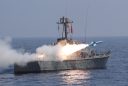
Tehran’s Islamic Revolutionary Guard Corps claimed responsibility for targeting the vessels. It alleged that the tankers had switched off their navigation systems, ignored repeated warnings and attempted to travel through a restricted or mined route.
The UAE did not confirm those claims. Its account placed both vessels in the designated southern shipping lane and inside Oman’s territorial waters when the missiles struck. No statement from Muscat had clarified whether Omani authorities had tracked the tankers or received warnings before the attack.
The conflicting versions are likely to increase scrutiny of vessel-tracking records, radio communications and Automatic Identification System data. Maritime investigators will also examine the missiles’ trajectories and the position of each tanker at the moment of impact.
The attack marked a sharp escalation in Iran’s campaign against commercial shipping following renewed fighting with the United States. Several merchant vessels have been struck or threatened in and around Hormuz during the conflict, forcing operators to delay voyages, reconsider routes and impose additional security measures.
The International Maritime Organization has condemned attacks on commercial ships and warned that seafarers should not be placed at risk because of geopolitical disputes. Its council has urged restraint and called for the protection of civilian navigation through the waterway.
Hormuz remains the world’s most important energy transit chokepoint. More than a quarter of global seaborne oil trade and about one-fifth of worldwide oil and petroleum product consumption passed through the strait during 2024 and the first quarter of 2025. Roughly one-fifth of global liquefied natural gas trade also used the route, largely through exports from Qatar.
The tanker strikes therefore carry implications well beyond the immediate military confrontation. Shipping companies face higher insurance premiums, crew-safety concerns and potential restrictions from flag states. Longer diversions are difficult because most Gulf oil exports lack sufficient alternative pipeline capacity.
Oil markets reacted to the widening conflict, with Brent crude trading near $85 a barrel after rising as fears of supply disruption returned. Prices have become highly sensitive to shipping movements, military warnings and statements concerning control of the strait.
The attack also presents a diplomatic challenge for the UAE, which has sought to protect trade routes while avoiding direct involvement in hostilities between Washington and Tehran. Abu Dhabi has maintained that civilian infrastructure and commercial shipping must remain outside the conflict.
The location of the strikes inside Omani waters adds another layer of concern. Oman has traditionally acted as a mediator between Iran, Gulf governments and Western powers. Military action within its territorial waters risks complicating those efforts and undermining Muscat’s ability to preserve channels for de-escalation.
Iranian forces have argued that they are enforcing maritime security measures and responding to hostile military operations. Gulf governments and international shipping bodies reject the targeting of merchant vessels, saying navigation disputes cannot justify attacks that endanger civilian crews.
Also published on Medium.
Follow Arabian Post
Select Arabian Post as your preferred source on Google and MSN News for trusted business news and Arab politics and updates.




