

Arabian Post Staff -Dubai
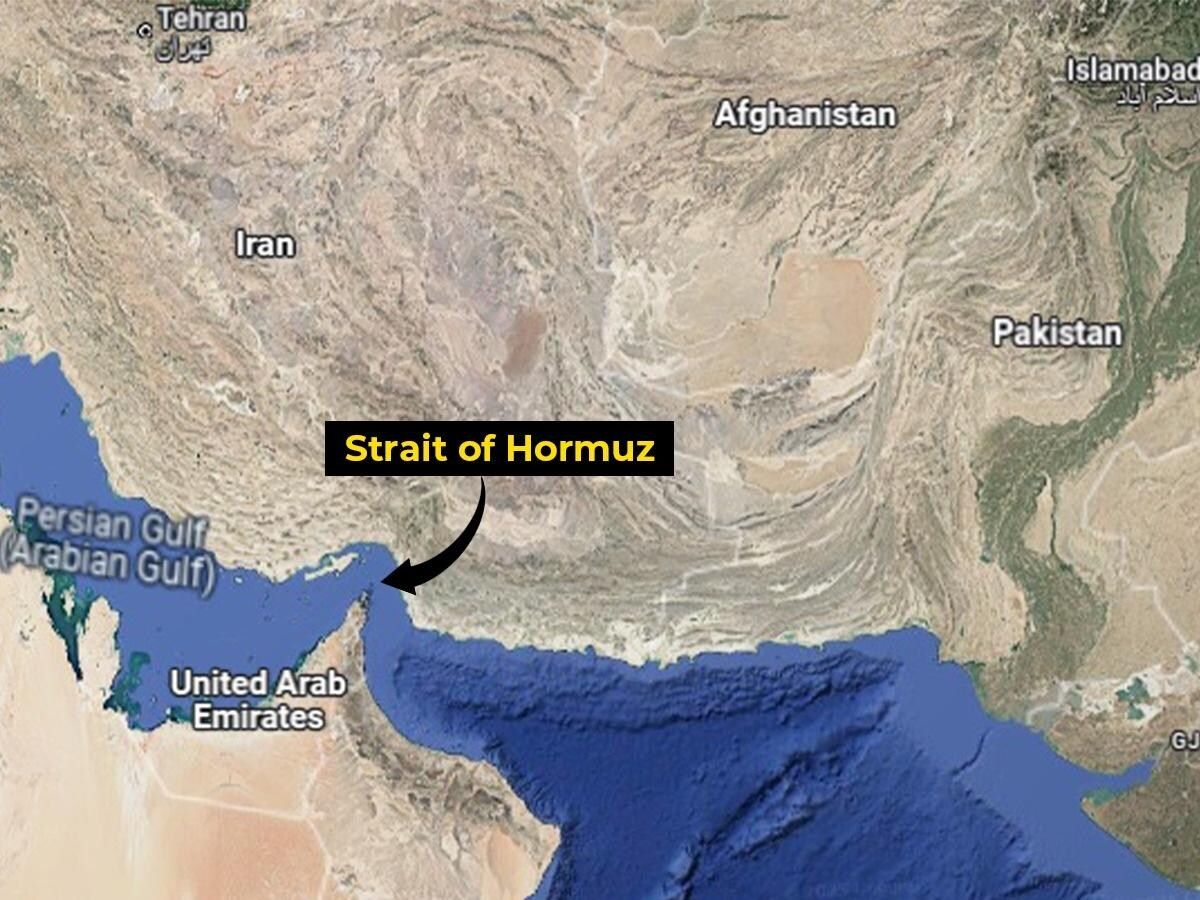
Commercial movement through the Strait of Hormuz is showing only the faintest signs of life, with a handful of vessels crossing under tightly controlled conditions as Iran continues to hold effective power over who may pass and when. Tracking data compiled by Bloomberg showed average weekly two-way transits rising to seven vessels through Monday from five a week earlier, a small increase that still leaves flows far below normal levels. Other shipping data points to a similarly thin pattern, with seven vessels crossing in a 24-hour period at the start of the week and several others turning back before entering the strait.
That modest pickup does not amount to a reopening. The waterway remains heavily restricted after the conflict involving Iran, the United States and Israel sharply escalated at the end of February, pushing insurers to pull war-risk cover from parts of the Gulf and leaving large numbers of ships at anchor. Reuters reported on March 2 that at least 150 vessels had dropped anchor around the Strait of Hormuz and surrounding waters as the security environment deteriorated. By late March, the Joint Maritime Information Center was still rating the regional maritime threat as critical and had recorded at least 20 security incidents involving commercial vessels and offshore infrastructure since March 1.
What is changing is not the level of danger but the emergence of a selective channel for vessels viewed by Tehran as acceptable. Iranian officials and reporting from Reuters indicate that passage has increasingly been available to what Iran has described as non-hostile or friendly countries, a category that has included China, India, Pakistan, Iraq and Russia. That has created a narrow corridor in which politically acceptable cargoes and fleets can move, while much of the rest of global commercial shipping continues to face blockage, delay or prohibitive insurance costs.
China has provided one of the clearest examples of that pattern. Reuters reported that three Chinese ships sailed through the strait after coordination with relevant parties, with two COSCO-operated container vessels succeeding on a second attempt after turning back on March 27. Analysts cited by Reuters said those vessels were the first non-Iranian container ships to leave the Gulf since the war began, underlining how little genuine commercial normality has returned. Their transit mattered not just because of the ships themselves, but because it signalled that clearance is possible when diplomatic and political conditions align.
South Asian shipping has followed a similar route. Two LPG tankers, BW Elm and BW Tyr, were reported by Reuters on March 28 to be crossing the strait bound for India, adding to four other LPG tankers that had already moved out with cooking gas cargoes. Another Reuters account published on March 31 described how the LPG tanker Pine Gas was permitted to leave through an unusual narrow channel north of Larak Island after waiting for weeks, before being escorted onward by the navy. Even after those departures, however, significant numbers of vessels remained stranded in Gulf waters, showing how selective access has done little to resolve the wider choke on trade.
Energy markets are reading the same message. OPEC output fell sharply in March, with Reuters’ survey putting the drop at 7.3 million barrels a day month on month to 21.57 million barrels a day, the lowest level since mid-2020. The heaviest reductions came from producers that rely most on Hormuz-linked exports, though Saudi Arabia and the United Arab Emirates retained some flexibility through routes that can bypass the strait. Barclays has estimated that a prolonged disruption could remove 13 to 14 million barrels a day of supply, a scale large enough to keep freight costs, insurance premiums and crude prices under sustained pressure even if a few approved ships keep moving.
Shipping specialists say the operational picture is also distorted by tactics that make the route harder to monitor in real time. Reuters has reported that some operators have switched off AIS transponders and sailed at night to reduce visibility, while Kpler has warned that satellite navigation interference across the Gulf is complicating vessel monitoring. That means any apparent improvement in traffic has to be treated cautiously: some ships are moving without full visibility, some voyages are being delayed or rerouted, and others are waiting for political approval rather than commercial readiness.
Also published on Medium.
Follow Arabian Post
Select Arabian Post as your preferred source on Google and MSN News for trusted business news and Arab politics and updates.




