

OPEC Pledges Enduring Role as Anchor in Global Oil Landscape
Haitham Al Ghais, Secretary General of the Organization of the Petroleum Exporting Countries, has affirmed that OPEC will remain a pillar of market stability and a critical voice for oil’s role in the world for decades. Delivered to coincide with OPEC’s 65th anniversary, his remarks emphasised the organisation’s long‐standing mission and future direction.
OPEC projects oil demand to reach around 123 million barrels per day by 2050, driven by economic expansion and growing populations. Al Ghais warned that predictions of a near-term decline in relevance or “peak oil” should be viewed with scepticism in light of long‐term demand forecasts and OPEC’s historical resilience.
He noted that oil remains indispensable across many spheres of daily life: transportation, construction, food production and healthcare. Oils and petroleum derivatives, he said, are foundational not just for consumers but for societal and economic prosperity more broadly. Without them, critical infrastructure and supply chains could be severely disrupted.
Al Ghais described OPEC’s foundation in 1960 as a unifying vision for oil-producing nations, asserting sovereign control over production, supporting regular supply to consuming nations, and ensuring a fair return for investors. He reflected on the group’s evolution, including its expansion and the formation of the OPEC+ framework in 2016, which he said strengthened its ability to respond to global shocks such as those caused by the COVID-19 pandemic.
The 65-year mark, he argued, is not simply an anniversary but a reaffirmation of core objectives: balancing producer and consumer interests; dialogue and cooperation with non-OPEC producers; and emphasizing a holistic, multi-technology approach to energy security and poverty alleviation in developing regions.
He also stressed that energy security is “inconceivable without oil,” especially for societies coping with energy poverty. For OPEC, the challenge ahead involves ensuring that growth in demand is met “in a sustainable way” that incorporates environmental, social and economic considerations, while keeping market stabilisation efforts front and centre.
 By D. Raja The coming to power of the BJP with an absolute majority in the 2014 general elections was not merely a routine transfer of power from one democratically elected government to another. It marked a qualitative shift in the very nature of our polity. The BJP is the political arm of the Rashtriya […]

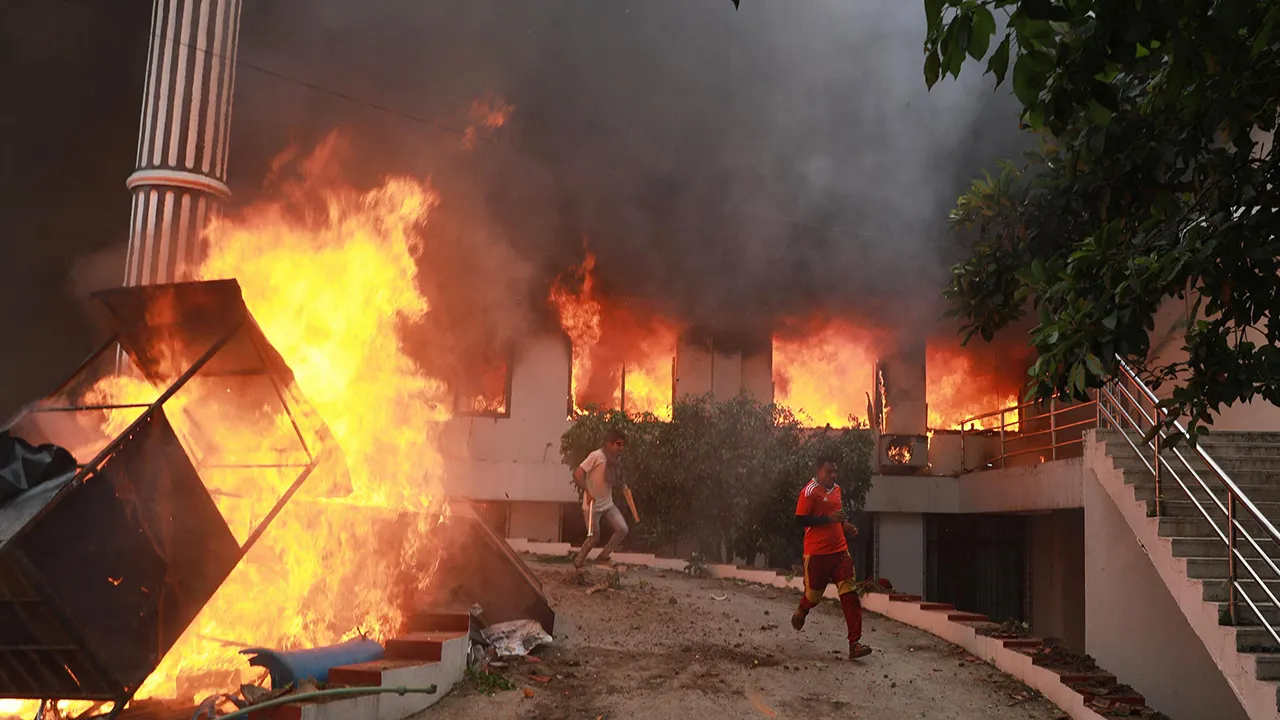
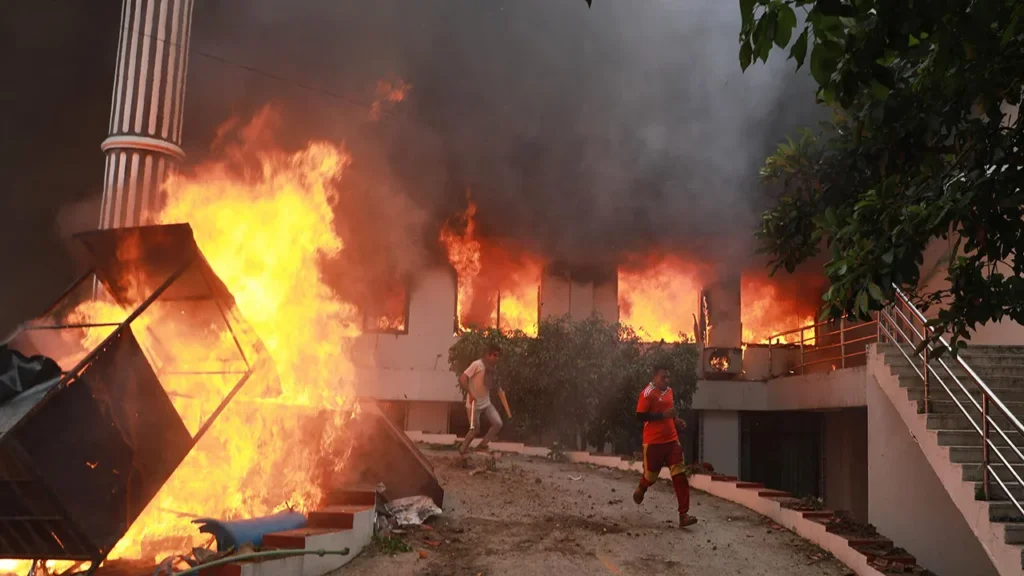 By Sushil Kutty Nepal burned and continues to simmer. Next, France is in turmoil. French citizens have invaded streets and roads blocking all that stands in their way, from roads and buildings and commercial establishments. The agitators are calling it ‘Block #verything Movement’, which is not only telling, prophetic and on the dot but is […]

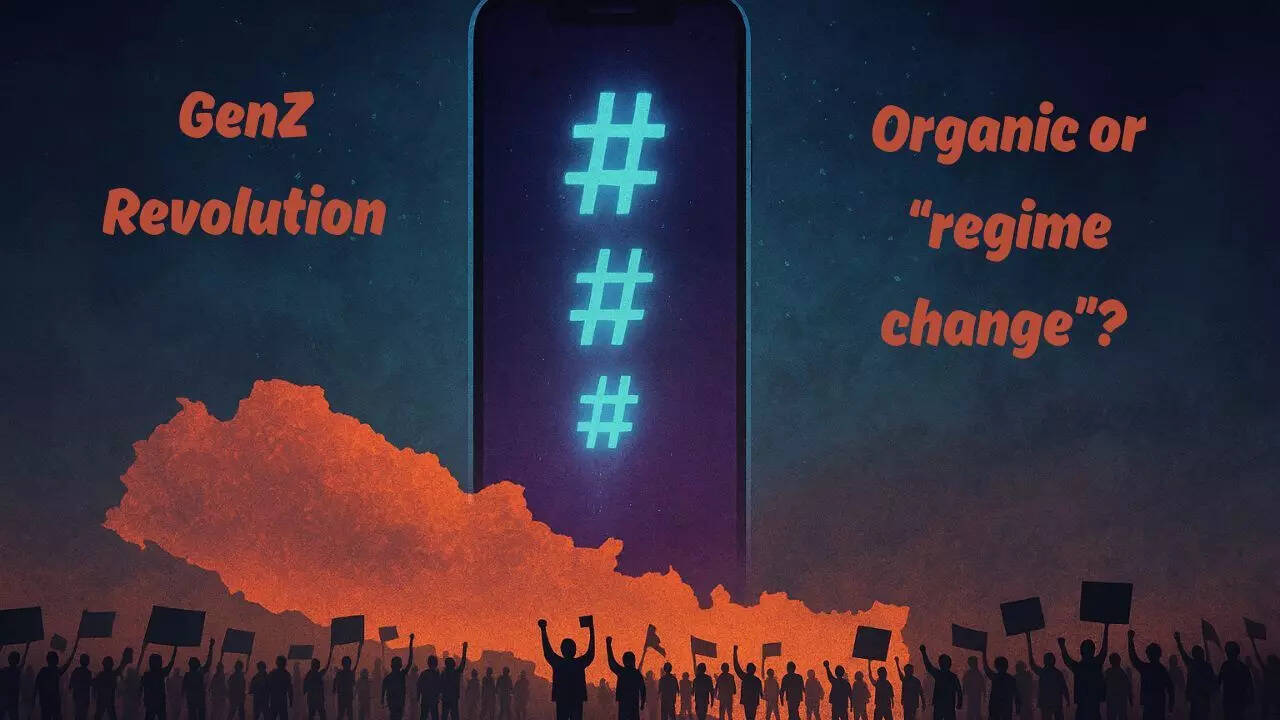
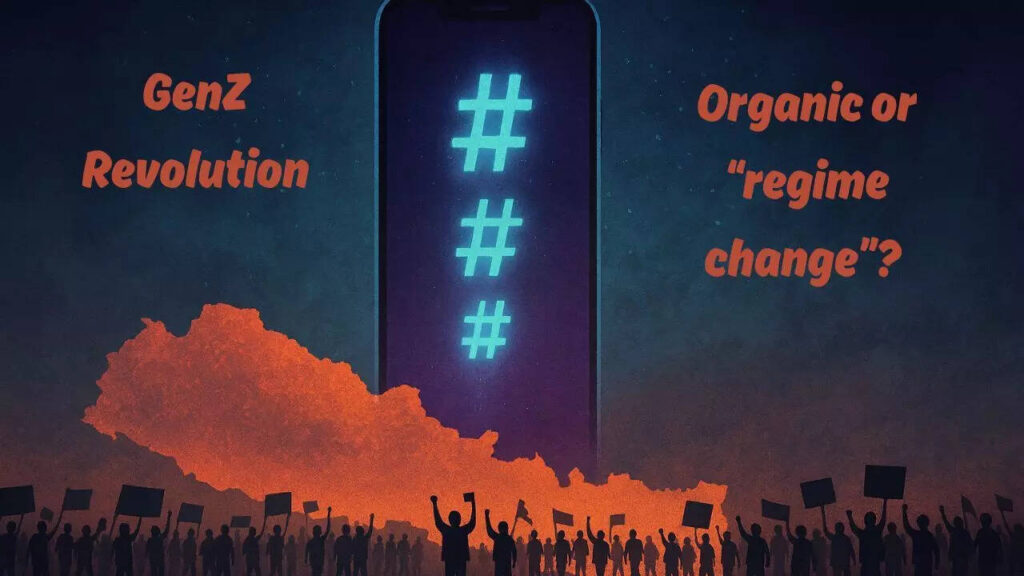 By Nitya Chakraborty The two day uprising in Nepal on September 8 and 9 resulting in the ouster of the KPS Oli government following the attacks and burning of the Parliament Building, Supreme Court and the official and private residences of the present and former powerful ministers, was an expression of total revolt by the […]



