News related to
Arabian Post Special

Aldar Properties has shattered records in Abu Dhabi’s luxury real estate market by selling an eight-bedroom mansion in the exclusive Faya Al Saadiyat development on Saadiyat Island for Dhs400 million. This sale marks the highest price ever achieved for a residential property in the emirate, further cementing the strong demand for ultra-luxury homes in the UAE capital.

The sprawling property, which covers an area of 6,561 square metres, is situated within the prestigious Saadiyat Beach Golf Club. It offers residents breathtaking panoramic views of the Arabian Gulf, as well as lush greenery that adds to the exclusivity of the location. Its prime beachfront position places the mansion in one of the most sought-after areas for high-net-worth individuals, both locally and internationally.

This transaction follows Aldar’s previous success in the luxury segment, including the sale of a penthouse at the Nobu Residences on Saadiyat Island earlier this year for Dhs137 million. Both sales highlight the increasing appeal of the UAE’s high-end real estate market, particularly among overseas buyers.

Analysts attribute the sustained demand for such properties to a combination of factors, including the UAE’s strong economic performance, favourable government policies, and its status as a global business hub. The country has long been a magnet for wealthy investors, drawn by its tax advantages, world-class infrastructure, and lifestyle offerings.

In addition to these elements, Saadiyat Island itself remains a key driver of Abu Dhabi’s luxury property sector. Known for its cultural landmarks, including the Louvre Abu Dhabi, and its proximity to the city centre, the island has become a prime location for affluent buyers looking for the perfect blend of privacy, comfort, and access to world-class amenities.

The sale of the mansion is also seen as a sign of the growing interest in high-end properties located within exclusive developments that offer an all-encompassing lifestyle. Such properties are increasingly seen as more than just homes but as status symbols, offering unparalleled levels of comfort, privacy, and security.

Market observers also note that there is a broader shift occurring in Abu Dhabi’s property market. While the city has traditionally catered to mid-range and luxury buyers, there is now a distinct increase in the number of ultra-luxury homes being developed, particularly in areas like Saadiyat Island, Al Maryah Island, and Yas Island. This reflects the growing wealth in the region and the changing demands of buyers who are seeking residences that offer an exceptional standard of living.

Beyond luxury, the rise of sustainability and eco-consciousness is also influencing buyer preferences. As a result, developers like Aldar are increasingly incorporating eco-friendly features in their designs, from energy-efficient systems to sustainable building materials. These elements are becoming key selling points for buyers who place value not just on luxury, but also on environmental responsibility.

Despite global uncertainties, the UAE’s property market has managed to remain resilient, driven by continued foreign investment and a steady inflow of expatriates. Property experts predict that the momentum in Abu Dhabi’s high-end market will continue, with further developments expected to emerge in the coming years, particularly in sectors like hospitality and mixed-use real estate.

Aldar’s recent success in the luxury segment is not just a reflection of the company’s ability to capitalise on this growing trend, but also a testament to its reputation as a leader in high-end residential developments. The developer’s ability to push boundaries and redefine luxury living in the UAE capital positions it at the forefront of an increasingly competitive market.

By Nitya Chakraborty The Left wing section in the Democratic Party in the United States of America led by Senator Bernie Sanders is on upswing even though the party establishment seems clueless to deal effectively with the challenge thrown by the second term President Donald Trump to the very existence of its rival party. After […]

Dubai Land Department has formalised a groundbreaking partnership with Masdar City, paving the way for companies operating within Abu Dhabi’s prominent free zones to acquire land plots and properties under the freehold ownership system in Dubai. This strategic memorandum of understanding aims to provide these companies with a more expansive and regulated pathway to invest in the Dubai real estate market, in line with the emirate’s broader vision to bolster its economic landscape.

The MoU was signed by Majid Al Marri, CEO of the Real Estate Registration Sector at DLD, and Ahmed Baghoum, CEO of Masdar City, during an official event in Dubai. The agreement marks a significant step in enhancing Dubai’s real estate market, which is actively adapting to new investor demands and aims to remain a competitive player on the global stage.

This collaboration is part of a wider effort to increase the attractiveness of the Dubai property market, with a focus on aligning with the Dubai Real Estate Strategy 2033. As part of this strategy, the city aims to enhance its status as a global hub for investment, business, and residential opportunities. By granting companies in Masdar City the ability to own land and property in Dubai, the DLD is encouraging greater foreign investment and further integration of the free zone’s economic sectors with the emirate’s broader financial ecosystem.

The development comes as part of Dubai’s commitment to expanding its investment opportunities across various sectors. This MoU reflects the UAE’s ambition to tap into innovative and sustainable business models, especially in green and technology-driven industries. Masdar City, which has long been recognised as a leader in sustainable urban development, is expected to play a pivotal role in further shaping the region’s real estate future. The partnership also signals a convergence of real estate and green innovation, capitalising on both sectors’ growth trajectories.

Masdar City, known for its focus on sustainability, is home to a growing number of businesses and startups involved in renewable energy, environmental solutions, and green technologies. By facilitating real estate ownership for these companies in Dubai, the DLD is fostering an environment that encourages companies operating in these industries to expand and deepen their investments in the UAE’s economic framework.

For Masdar City, the agreement opens up new opportunities for its tenants, creating a more expansive environment in which businesses can thrive, with the potential for significant capital appreciation as Dubai’s real estate market remains one of the most stable and profitable in the region. This move is also expected to elevate the city’s global competitiveness by promoting a broader base of businesses, both within Masdar and the UAE at large.

The impact of the collaboration extends beyond just Masdar City, as it could set a precedent for similar partnerships with other free zones across the UAE. By allowing companies established in these zones to acquire freehold properties in Dubai, the deal may become a template for expanding the emirate’s real estate portfolio to a wider range of international businesses. This would further diversify Dubai’s economy, making it more resilient to external market fluctuations and better positioned for future growth.

The MoU is also aligned with the Dubai Land Department’s efforts to provide a comprehensive regulatory framework that ensures transparency and ease of investment. By streamlining the process for companies seeking to buy real estate in Dubai, the agreement simplifies procedures that may have previously been perceived as barriers to entry, thereby improving the investment climate in the city.

As global markets continue to shift and adapt to new economic realities, Dubai remains at the forefront of innovation in property ownership models. With its unique approach to offering a blend of residential, commercial, and industrial opportunities, the city continues to cater to a wide range of investors, both local and international.

The collaboration between Dubai Land Department and Masdar City reinforces the UAE’s strategy of creating an attractive and dynamic environment for business, while also ensuring sustainable growth. With the expanding role of free zones in driving the nation’s economy, this move is expected to provide tangible benefits for both Masdar City tenants and the wider Dubai real estate market, positioning the emirate as a leader in global real estate investment.

By Nitya Chakraborty The recent months have not been comfortable for India with its two neighbours Pakistan and India, but as regards the third most powerful neighbouring county China, th scenario has turned different. India-China ties which became bitter at the time of clashes in Galwan valley in 2020, started softening from last year and […]

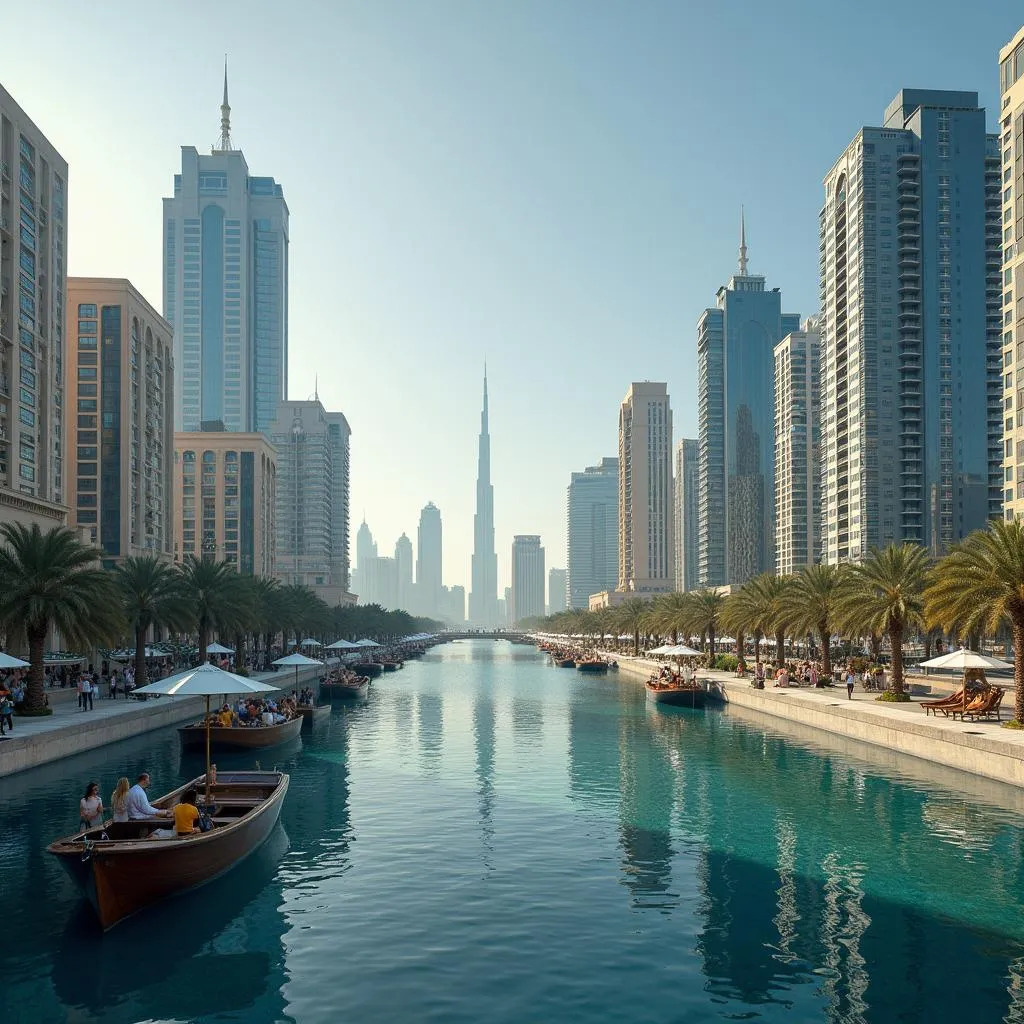

Global oil consumption has shifted, with demand now peaking in the third quarter instead of the traditional fourth, signalling a structural change reshaping markets during the summer months. Analysts point to stronger consumption from Asia—particularly China and India—alongside diminished heating fuel use in advanced economies as key drivers behind this trend, which carries significant implications for trading patterns, strategic reserves and pricing dynamics.

Industry data show that consumption of heating oil and kerosene in wealthy nations has declined steadily. In the US, fewer households rely on refined petroleum for heating—dropping from 17 % in 1990 to just 9 % today—while Europe has seen even steeper falls. Conversely, jet fuel use during Northern Hemisphere summers has grown, especially as holiday travel resumes. This has pushed demand peaks into July–September, reversing a long-standing seasonal rhythm.

Fuel consumption patterns in emerging economies present a stark contrast. Many countries, including those closer to the equator, rely on oil year-round for industrial power, electricity generation, and water desalination. Saudi Arabia, for instance, burned over 800,000 barrels per day of crude in just one summer to power air conditioning—a volume comparable to Belgium’s entire daily petroleum demand.

Climate change compounds the shift. Milder winters reduce heating demand, while hotter summers elevate energy needs for cooling and travel. In 2025 so far, global oil consumption in the third quarter is projected to exceed fourth-quarter levels by approximately 500,000 barrels per day—the fifth recorded year this has happened since 1991.

This transformation carries consequences for market tightness and pricing. Although OPEC+ and rising non‑OPEC output have attempted to balance supply, physical markets appear increasingly tight during summer months. In mid-July, Brent crude hovered in the mid‑US$60s, reflecting supply constraints despite softening from spring lows. Speculative traders, noting robust seasonal demand, have also increased their net long positions in Brent and gasoil contracts.

Asia’s role has been pivotal. China ramped refinery runs to over 80 % of capacity in June—the highest levels in five years—as stockpiling alongside consumption drove strong throughput. Meanwhile, Asia’s crude imports rose by around 510,000 bpd in the first half of 2025, underscoring the region’s impact. Despite cautious forecasts from the IEA and OPEC—projecting crude demand growth of 700,000 bpd and 1.29 million bpd respectively—actual refinery intake and imports suggest potential underestimation.

India’s fuel consumption trends provide further insights. June data from the Petroleum Planning and Analysis Cell show fuel demand was 20.31 million tonnes—down 4.7 % from May but up 1.9 % year-on-year—reflecting monsoon-related dips typical through August and September. Diesel usage, especially linked to industry and logistics, is a key part of India’s expanding consumption profile.

OPEC+ has responded to these dynamics. In August, the alliance approved production increases of roughly 548,000 bpd aiming to satisfy peak Q3 demand. Simultaneously, US shale output remains robust; American producers reported nearly 13.5 million bpd in April, although well completion rates have slowed, reflecting the dependency on prices.

Nevertheless, the market outlook grows more uncertain as it heads into fourth quarter. The EIA forecasts OECD inventories will build to 62 days’ worth of supply in the second half of 2025—rising further to 66 days by end-2026—signalling a potential surplus as summer demand wanes. EIA projections for 2026 also expect US production to decline, with WTI prices retreating toward US$53 per barrel.

Pricing reflects this shift. Oil markets have shown summer tightness in 2025, but expectations for a Q4 surplus weigh on medium-term prices. The IEA forecasts refinery throughput will drop from a projected August peak of 85.4 million bpd to about 81.7 million bpd by October, implying weaker demand later in the year.

The shift in seasonality thus becomes a critical market pivot. Traders, refiners and producers must recalibrate strategies around production schedules, storage cycles and investment decisions. Q3 now demands heightened vigilance—from physical balancing to hedging strategies—while Q4 may require reassessment of storage utilisation and pricing risk.

By Nitya Chakraborty After nearly a year of frosty relations between the two neighbours India and Bangladesh, signs are there of a breakthrough as India is sending a team of burn doctors and nurses to Dhaka to treat the victims of the Monday’s devastating crash of a fighter jet plane leading to the death of […]
By Dr. Gyan Pathak Health issue is the officially stated reason for the Vice President of India Jagdeep Dhankhar’s resignation, but it has a political context. It was only in December 2024, Dhankhar had rebuked its own government led by PM Narendra Modi over not talking to agitating farmers of Punjab. He had said that […]
Advertisements

Dubai is known for its vibrant event scene, from corporate functions and exhibitions to weddings, private dinners, and luxury celebrations. With so many events taking place every day, finding the right catering Dubai provider has become an essential part of successful planning. Key Factors to Consider When Booking Catering in Dubai Menu Variety Dubai is a multicultural city, and guests often expect a wide selection of international cuisines. […]

Titan Company has struck a deal to acquire a 67% stake in Dubai-headquartered luxury jeweller Damas from Qatar-based Mannai Corporation in a transaction valued at 1.04 billion dirhams, or approximately $283.2 million. The move is poised to significantly strengthen Titan’s footprint in the Gulf region, positioning the Tata Group company among the largest subcontinent-origin jewellery players operating in the Middle East.

The acquisition agreement, announced on Monday, marks a pivotal expansion for Titan beyond its current presence in the UAE, where it has operated under the Tanishq brand since October 2020. The transaction is expected to close by 31 January 2026, subject to regulatory approvals and customary closing conditions. Titan will also retain an option to purchase the remaining 33% equity in Damas after 31 December 2029, effectively laying the groundwork for full ownership over time.

The deal will give Titan direct access to Damas’ well-established network of 146 outlets across the six Gulf Cooperation Council nations — United Arab Emirates, Saudi Arabia, Qatar, Oman, Kuwait, and Bahrain. With only seven Titan-operated Tanishq stores currently open in the region, the acquisition presents a strategic leap in scale, market share, and regional brand visibility for the Bengaluru-based jeweller.

Damas, founded in 1907, is one of the most recognisable names in the Middle East’s luxury jewellery market. It has developed a reputation for catering to the region’s taste for high-end gold and diamond jewellery, and is known for its broad in-house product range and partnerships with international luxury brands. Mannai Corporation, which has owned Damas since 2012, has been looking to streamline its portfolio, prompting the divestment.

For Titan, the acquisition offers both a fast-track into the premium Gulf retail market and an opportunity to accelerate synergies across procurement, branding, and customer experience. The company is expected to retain Damas’ brand identity and existing management structure, allowing the Dubai-based business to continue leveraging its established reputation while benefitting from Titan’s supply chain and operational expertise.

The Middle East has been a target market for Titan’s international ambitions, driven by the strong presence of the South Asian diaspora and a deep-rooted cultural affinity for gold. The GCC region’s jewellery market is estimated to be worth over $10 billion, with gold accounting for a large share of consumer demand. Analysts view Titan’s acquisition of Damas as a strategically sound move in an environment where cross-border consolidation is becoming increasingly common in luxury retail.

Titan has grown to become one of the most dominant jewellery retailers in South Asia through its flagship brand Tanishq, which is positioned as an accessible luxury label offering a blend of traditional and contemporary designs. The company also operates sub-brands such as Mia and Zoya, each catering to specific consumer segments. Over the past decade, Titan has expanded into new domestic categories and entered select global markets, but the Damas deal marks its most ambitious international push yet.

The acquisition is being viewed by market observers as a significant play within the broader Tata Group strategy of boosting global brand equity across consumer-facing businesses. Following the group’s international expansions in hospitality, automotive, and technology, Titan’s move consolidates Tata’s multi-sectoral presence in the Gulf and taps into a region with rising demand for premium lifestyle offerings.

Financial analysts have underscored the deal’s strategic value, citing Damas’ established customer base and premium positioning, which could drive faster break-even timelines than greenfield expansion. Furthermore, the GCC’s favourable demographic trends and consistent gold demand have added to investor optimism around the deal’s long-term prospects.

Despite geopolitical uncertainty and fluctuations in gold prices, jewellery retail in the Gulf continues to enjoy high volumes due to cultural norms and steady tourist inflows, especially in the UAE. Titan’s increased footprint through Damas will place it in a better position to cater not just to residents but also international shoppers across the region’s major commercial and tourist hubs.

Titan has confirmed that the acquisition will be funded through internal accruals and debt, with no equity dilution expected in the near term. The company’s board has approved the investment, and the transaction is aligned with its long-term capital allocation strategy.

Executives at Titan have expressed confidence in Damas’ future growth trajectory and have indicated that the company will invest further in marketing, store refurbishment, and digital initiatives to modernise the customer journey. Damas’ product portfolio, which includes bridal sets, heritage pieces, and limited-edition designs, will remain intact as Titan aims to preserve the local flavour while infusing global best practices.

By Pinarayi Vijayan The life of Comrade VS Achuthanandan who passed away at the age of 101 on Monday is a remarkable chapter in the history of Kerala in general and the revolutionary movement here in particular. Comrade VS Achuthanandan was a symbol of a brilliant tradition of struggle, extraordinary determination and uncompromising fighting stance. […]
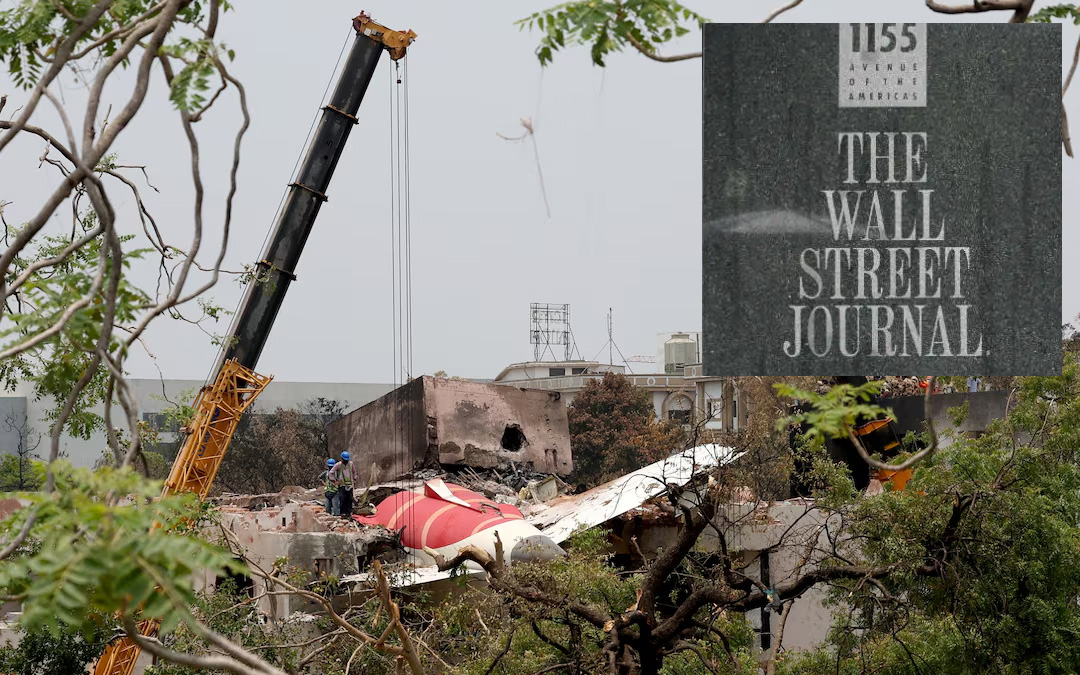
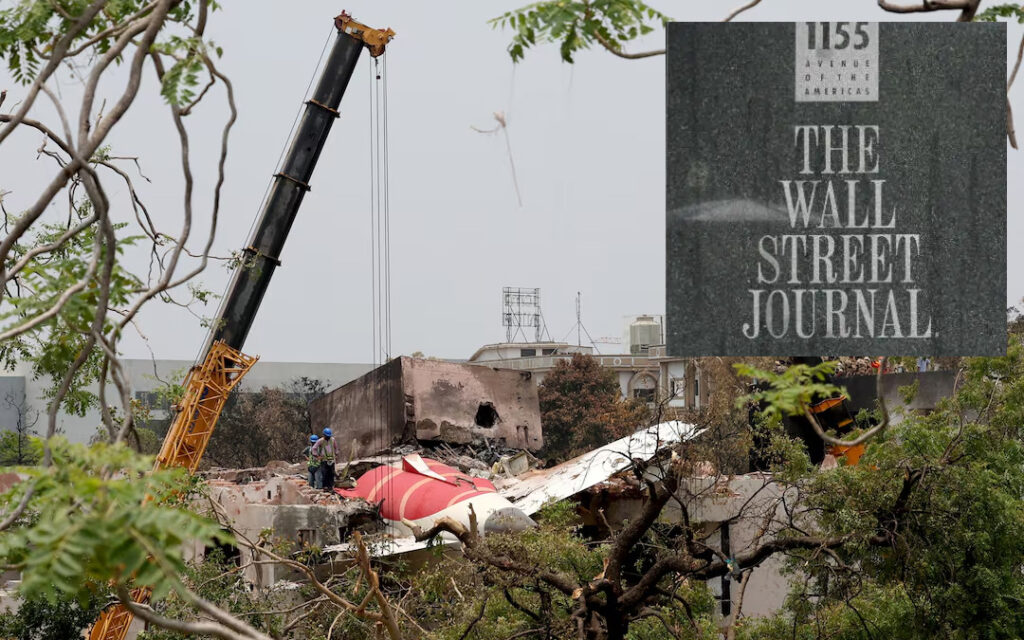
By K Raveendran The Wall Street Journal’s report on the Ahmedabad Air India crash has triggered a storm of controversy not only for what it suggests but also for what it deliberately avoids. The claim that the crash, which took 260 lives, may have been caused by the senior pilot unintentionally or mistakenly putting the […]


By Nitya Chakraborty The INDIA Bloc constituents are finally meeting in New Delhi on Saturday, July 19 to discuss the strategy for the monsoon session of the Parliament beginning on July 21 as also an assessment of the developments in the country including increasing threat to the electoral democracy in the third term of Narendra […]

Dubai Chamber of Digital Economy and Dubai Finance have entered into a strategic partnership to bolster the emirate’s ambitions of becoming a fully cashless economy. A Memorandum of Understanding signed between the two bodies outlines a coordinated framework that targets improved governance, fintech innovation, and wider digital payment adoption, in line with the objectives of the Dubai Cashless Strategy.

The agreement was formalised during a ceremony attended by H. E. Abdulrahman Saleh Al Saleh, Director General of Dubai Finance, and H. E. Mohammad Ali Rashed Lootah, President and CEO of Dubai Chambers. Representing the respective institutions, Saeed Al Gergawi, Vice President of Dubai Chamber of Digital Economy, and Ahmad Ali Meftah, Executive Director of the Central Accounts Sector at Dubai Finance, signed the document on behalf of their organisations.

This collaboration underscores Dubai’s growing emphasis on integrating digital solutions across public and private sector transactions, as the emirate positions itself as a global fintech and smart governance hub. The new agreement aims to accelerate digital payments across government services while enhancing efficiency, security, and accessibility.

Under the framework of the MoU, both entities will establish joint task forces, undertake regular progress evaluations, and implement technology-driven initiatives to modernise financial infrastructure. The emphasis will be on enabling end-to-end digital transactions for individuals and businesses interacting with government entities.

Officials involved in the signing highlighted the strategic relevance of the initiative, citing the pivotal role of digital transformation in achieving Dubai’s broader economic diversification goals. Saeed Al Gergawi remarked that this step would unlock new economic potential and reinforce Dubai’s reputation as a leader in digital innovation. He noted that the Chamber aims to promote the use of cashless technologies across all levels of society, particularly among small businesses and startups.

Ahmad Ali Meftah echoed similar sentiments, noting that the DOF views this partnership as an opportunity to develop governance models that leverage real-time payment data and analytics to improve decision-making and transparency. He added that it marks a milestone in the effort to optimise public sector financial management through advanced digital tools.

The Dubai Cashless Strategy, announced previously by the Dubai Government, focuses on transforming the way residents and businesses conduct financial transactions. Its three-pillar approach—governance, innovation, and the shift towards a cashless society—provides the structural foundation for this latest collaboration. The strategy also aligns with the UAE Digital Government Strategy 2025, which aims to foster a holistic digital ecosystem nationwide.

Dubai has already made significant strides towards cashless integration. Key government services, including health, transport, and municipal utilities, have seen widespread uptake of digital payments. A growing number of private sector entities—particularly in retail, hospitality, and real estate—have also moved to offer fully contactless payment options.

Data from payment solutions providers and financial regulators suggest that consumer behaviour in Dubai is increasingly shifting towards digital modes. Contactless transactions, QR-code payments, and mobile wallet usage are seeing double-digit growth, reflecting both convenience and trust in digital platforms. E-commerce platforms and delivery services in the city have reported a significant drop in cash-on-delivery usage, replaced by integrated payment gateways.

Despite the surge in adoption, challenges remain. Concerns over cybersecurity, digital exclusion among certain demographics, and interoperability between platforms continue to demand coordinated attention. Experts believe that public-private partnerships, like the one signed this week, are vital to addressing these gaps. The joint initiative between Dubai Finance and Dubai Chamber of Digital Economy aims to prioritise inclusive design and data security in all future systems.

Digital finance specialists have observed that the commitment from high-level institutions such as DOF and Dubai Chambers is an indication of long-term policy backing. The formalisation of this cooperation may lead to more unified regulatory frameworks, making it easier for startups and global fintech players to operate in Dubai’s ecosystem.

The agreement is also expected to boost investor confidence, particularly among digital-first businesses exploring Middle East expansion. Analysts note that initiatives aimed at institutionalising digital payments often serve as catalysts for broader technology adoption, including AI-driven financial services and decentralised finance platforms.

By T N Ashok WASHINGTON: In a landmark but largely silent move, the U.S. Supreme Court has paved the way for former President Donald Trump to dismantle the Department of Education, terminate thousands of federal employees, and slash funding to states — all without providing a single word of legal justification. Issued as a terse […]

Building a successful food delivery app requires more than a great idea—it needs the expertise of a reliable mobile app development company in Dubai and the right framework to ensure performance, scalability, and a smooth user experience. In this blog, we’ll explore: Why framework choice matters in app development Best frameworks to build food delivery app in Dubai How to choose the right framework for food startup […]

Swatch Group’s first‑half figures underscore a deepening crisis in its key Asian markets after the Swiss watch‑maker disclosed a 7.1 per cent drop in sales, generating CHF 3.059 billion, falling short of market forecasts of CHF 3.2 billion. Operating profit plunged 67 per cent year‑on‑year to CHF 68 million, signalling an urgent warning to investors and management alike.

China, alongside Hong Kong and Macau, remains the primary weak spot, contributing 27 per cent of total revenues. Falling demand across these regions continues to undermine core sales and profit performance. Despite encouraging double‑digit growth in North America and market share gains in countries such as Japan, India and the Middle East, these gains have yet to compensate for the shortfall from Greater China.

Net profit attributable to owners collapsed to CHF 3 million, compared with CHF 136 million during the same six‑month period last year. This dramatic decline illustrates the scale of the downturn, making it Swatch’s worst half‑year performance in recent memory.

Analyst commentary has been scathing: Vontobel described this period as “an ugly half year for Swatch Group in all respects”. The fallout from slowed Chinese consumer activity has been compounded by negative currency effects—Swiss franc appreciation cut CHF 113 million from turnover relative to constant‑currency comparisons.

Adding fresh complexity, new U. S. tariffs threaten to raise costs on Swiss watch imports by up to 31 per cent. Industry stakeholders now warn that these levies could further weigh on margins, with retailers like Watches of Switzerland projecting a margin squeeze in the year ahead.

Beyond external pressures, a growing number of investors are scrutinising Swatch’s internal governance. Shareholder activism has surfaced, with calls for more oversight of the centrally controlled Hayek family, whose dual‑class voting structure remains a source of contention. Net profits collapsed by 75 per cent to CHF 219 million in 2024, but critics assert that this malaise runs deeper. GreenWood Investors, led by Steven Wood, has launched a push to join the board, advocating for brand revitalisation, governance reforms and a strategy pivot toward luxury exclusivity akin to Hermès and Ferrari.

Management, though addressing short‑term volatility, emphasises Swatch’s entrenched strengths. Its vertically integrated manufacturing, with over 150 production sites, and the success of the affordable MoonSwatch line demonstrate resilience. The company has pledged that cost‑cutting measures and a pipeline of new product launches—particularly in the U. S. and Japan—should drive a rebound in the second half of the year.

The first‑half slump follows broader downturns last year, when revenue declined 12.2 per cent to CHF 6.74 billion in 2024, and operating profit fell 75 per cent to CHF 304 million. That drop reinforced trading floor rumours of governance fatigue and brand dilution at high‑end labels like Omega and Breguet.

Economically, China’s consumer landscape remains unsettled. A combination of property market stress, slower GDP growth and official campaigns discouraging conspicuous consumption have dampened luxury spending. Swiss watch exports to China and Hong Kong plunged by double digits in early 2024, while only the lower‑priced Swatch line bucked the trend in the region, gaining 10 per cent in sales volume.

Swatch Group’s corporate ambition to maintain full production capacity and avoid layoffs during weak demand, while strategically commendable, has weighed on margins—especially in the production segment. Management asserts this decision safeguards long‑term capabilities and is now beginning to bear fruit, with production margins improving since June.

Mixed signs beyond China offer guarded optimism. North America posted record sales, Japan recorded robust growth, and emerging markets like India and the Middle East offered upside. These regions now form the central axis of Swatch’s recovery strategy.

DP World, Deendayal Port Authority and Polish tech firm Nevomo have formalised an agreement to pilot Nevomo’s MagRail system—a self-propelled, electric linear‑motor freight train—on a 750‑metre stretch at the port in Kandla. Signed on 15 July 2025 by top executives from each organisation, the deal marks India’s first experiment with autonomous magnetic rail freight within an operational port environment.

The partnership will pilot MagRail technology on existing railway tracks to autonomously transport containerised and bulk goods. Powered by electric linear motors, MagRail wagons eliminate diesel use, promising reductions in logistics time, operational costs and CO₂ emissions. The trial is designed to enhance port-hinterland connectivity and support India’s broader logistics modernisation under the National Logistics Policy and the PM‑Gati Shakti agenda.

DP World, a global supply chain specialist, is leading efforts to integrate this advanced freight solution. The Deendayal Port Authority—a significant multi‑cargo terminal under central government jurisdiction—is hosting the pilot to assess real‑world viability. Nevomo will provide its proprietary MagRailBooster system, designed for seamless integration with existing port rail networks. This three‑way collaboration reflects an alignment of private innovation and public logistics priorities.

According to Sushil Kumar Singh, chair of the port authority, the initiative represents “a strategic advancement in port infrastructure, enhancing capacity and operational efficiency to support growing cargo demands,” signalling strong institutional backing. Sultan Ahmed bin Sulayem, DP World’s group chairman and CEO, emphasised that MagRail will “reduce transit times and optimise infrastructure use,” adding value for customers while promoting sustainability.

Nevomo’s CEO, Przemek “Ben” Paczek, said the project would “showcase MagRail’s real‑world potential in boosting freight efficiency,” reflecting confidence in the technology’s applicability to closed‑loop logistics systems. Harj Dhaliwal, Nevomo’s Chief Business & Capital Programmes Officer, was credited with advancing the partnership. European rail specialists have already acknowledged MagRail’s promise in port and metro-campus settings.

Industry experts note that MagRail addresses several persistent bottlenecks in freight logistics: it offers rapid container shunting without the need for diesel road vehicles, improves yard cycle times, and integrates with existing rail infrastructure, minimising capital expenditure. The pilot’s green credentials also align with global port decarbonisation targets.

Situated at Kandla, which recently welcomed a large satellite terminal by DP World with a TEU capacity of 2.19 million, the trial supports the port’s expansion strategy. Officials hope that MagRail can help optimise operations across the new and existing facilities.

Planning documents suggest a phased implementation: initial tests on a limited 750 m section within the yard, followed by performance metrics on speed, energy use, reliability, and integration before broader deployment. Results from this pilot are expected to influence decisions on port rail automation nationwide.

This initiative positions India at the forefront of port logistics innovation within Asia. Similar systems have been deployed or tested in Europe, but this marks India’s first on‑site demonstration combining magnetic propulsion and autonomy in a live port. Industry observers see potential for replication at other major ports, boosting capacity and reducing carbon footprints across maritime‑logistics hubs.

Adoption of MagRail could revolutionise short‑haul freight by enabling fast, consistent and emissions‑free movement of containers between berths, storage yards, and hinterland connections. For DP World and the port authority, a successful trial could translate into scalable technology upgrades and competitive advantages in trade facilitation.

Bahrain’s Crown Prince Salman bin Hamad Al Khalifa has unveiled a $17 billion investment plan in the United States following a high-level meeting with President Donald Trump at the White House. The announcement signals deepening economic and strategic ties between Manama and Washington, with deals cutting across aviation, energy, and defence sectors.

A key feature of the plan includes a contract worth approximately $7 billion under which Gulf Air, Bahrain’s flag carrier, will purchase 12 Boeing aircraft. The agreement also includes an option for six additional planes and 40 aircraft engines from General Electric. The deal was presented as a tangible outcome of bilateral discussions, reinforcing Bahrain’s commitment to US industry and technology.

Crown Prince Salman described the deals as “real” and economically sound, addressing scepticism often associated with foreign investment pledges. The statement, made from the Oval Office, was aimed at highlighting the financial credibility of the agreements. “These aren’t fake deals,” he remarked, drawing a sharp contrast with previously publicised but unfulfilled investment promises by other nations.

The Bahraini leader’s Washington visit followed a similar pattern to President Trump’s earlier engagement with Saudi Arabia, during which over $600 billion in US investment commitments were secured. Trump had also finalised a $142 billion arms agreement with Riyadh. Bahrain’s announcement is now being viewed as a strategic move to bolster its position as a reliable economic and security partner of the United States.

The investment plan is expected to deliver significant economic dividends to both countries. For the US, the immediate impact would be in job creation, especially across Boeing’s manufacturing facilities and GE’s industrial operations. For Bahrain, the plan strengthens access to cutting-edge aviation technology and helps modernise its national infrastructure in both civil and defence aviation.

The timing of the announcement also reflects the evolving regional security dynamics in the Gulf. Iran’s influence and the broader geopolitical situation were key discussion points during the White House meeting. Bahrain, which hosts the US Navy’s Fifth Fleet, has remained a close military ally to Washington. The investment commitment not only serves economic purposes but also underscores Bahrain’s alignment with US strategic objectives in the Middle East.

Observers note that the choice of sectors—aviation, defence technology, and energy—signals Bahrain’s intent to link its national growth trajectory with American innovation and industrial capability. Gulf Air’s fleet expansion through Boeing jets and GE engines is viewed as a cornerstone of this agenda. Beyond the aviation component, additional investment is expected in energy-related projects and advanced technology, although specific agreements in these areas are yet to be publicly detailed.

The financial scope of the investment echoes previous patterns of engagement between Gulf monarchies and US administrations. Bahrain’s capital injection arrives amid growing competition among Gulf states seeking to secure American technological partnerships and defence cooperation, while positioning themselves as key regional intermediaries.

For President Trump, who had prioritised foreign investment in US manufacturing and defence during his tenure, the $17 billion figure plays into the broader narrative of restoring domestic industrial capacity through global alliances. It also fits into the administration’s push for balancing trade relationships and encouraging allies to contribute more significantly to US economic interests.

Strategic analysts have pointed out that the Gulf kingdom’s outreach comes at a time when regional alliances are undergoing shifts. Bahrain has been at the forefront of some of the Arab world’s diplomatic realignments, including its role in the Abraham Accords. The alignment with US economic and security goals could further consolidate its position as a trusted partner in American foreign policy planning for the Gulf.

Crown Prince Salman’s visit marked the continuation of a trend where Middle Eastern states use bilateral state visits to announce substantial investment projects. These announcements serve dual purposes: generating domestic political capital for US leaders while allowing foreign partners to project influence and economic modernisation.

Washington policymakers have signalled approval of the deals, suggesting that the partnership with Bahrain could deepen further in sectors such as infrastructure development, cyber-security, and military training. While the specifics of such cooperation are yet to materialise in binding agreements, the tone from both capitals points toward an expanding strategic partnership.

By Nitya Chakraborty India-China bilateral relations have started showing cautious improvement with the signals from both the leaderships of the two biggest countries of Asia that they are keen to restore normal political and economic ties. Indian external affairs minister Dr. S Jaishankar’s meeting with the Chinese President Xi Jinping on Monday in Beijing was […]

The National Centre of Meteorology issued an advisory este morn for southeasterly winds gusting up to 40 km/h across the UAE, leading to heavy dust and sand lifting in internal and coastal areas. The conditions are expected to significantly reduce horizontal visibility—at times below 2,000 metres—between roughly 08:45 and 17:00. Abu Dhabi Police cautioned motorists to drive with care, maintain low speeds, and avoid distractions like using phones or filming while on the move.

Winds forecast for the day have already led to hazy skies over urban centres, with dust clouds drifting across highways and neighbourhoods. Officials warn that compromised visibility on roads will heighten accident risks, prompting emergency services to remain on alert.

Abu Dhabi Police reinforced the message, urging:

“Drivers to remain alert and reduce speed … For your safety and the safety of others on the road, please avoid using mobile phones or taking videos while driving.”

The statement formed part of a broader appeal urging residents to secure outdoor items and stay informed via official channels.

High winds sweeping the region echo seasonal patterns observed in previous years. The meteorological phenomenon known as “Shamal” brings northwesterly gusts that whip up desert dust, especially during summer’s peak between April and October. These episodes often downgrade visibility to well under 2 km. In fact, storms recorded in 2008, 2009 and 2010 show how recurrent and sudden these events can be.

An Abu Dhabi dust storm struck last Thursday, when winds triggered restricted visibility and led authorities to issue similar warnings earlier in July. The NCM had foreseen rough sea conditions in the Arabian Gulf, cautioning mariners of choppy waters and advising against unnecessary travel offshore.

Studies by geophysics experts at Khalifa University and warnings from the World Meteorological Organization indicate that shifting climate patterns may be contributing to increased dust frequency in the Gulf, with “early summer and late winter” transitions becoming more pronounced.

Commuters in Abu Dhabi, Dubai, Al Ain and Sharjah were met with drifting dust obscuring visibility, particularly on highways and arterial routes. Between 1 pm and 3 pm yesterday, multiple reports noted local visibility dropping below 1 500 metres near Dubai International Airport and adjacent roadways.

Transport authorities are urging drivers to obey reduced speed limits displayed on overhead electronic boards, as fine particles may settle on windshields, diminishing visibility further. School bus operators, logistics firms, and delivery services have been advised to take precautions or suspend outdoor activities until conditions improve.

Indoor spaces and construction sites are under advisory to ensure dust mitigation measures are in place, including sealing entrances and using air filtration systems. Medical professionals have also warned individuals with respiratory concerns to limit outdoor exposure and keep medications close at hand.

The repeated advisories align with broader international efforts to establish regional early-warning systems. During last spring, the World Meteorological Organization highlighted Saudi Arabia’s leadership in a Gulf-wide sand and dust storm monitoring initiative.

Given the projected continuation of these conditions into the evening, motorists and residents are advised to remain alert. The police statement urged community action:

“For your safety and the safety of others … please avoid using mobile phones or taking videos while driving.”

The pattern of such weather events reflects the UAE’s climate trends, where extreme heat, strong winds, and suspended dust become frequent during the summer months. These conditions contribute to regional cautionary measures and highlight the interplay between natural climate cycles and growing urban risk exposure.

Momentum across the United Arab Emirates’ equity capital markets is building as the second half of 2025 begins, while Saudi Arabian firms preparing share issuances are confronting investor concerns over lofty valuations. May’s launch of a residential real estate investment trust on the Dubai Financial Market reignited market sentiment after a lull in listing activity during the previous year. Investor interest is intensifying ahead of expected deals […]

By Dr. Gyan Pathak One day after the “locking down” of the Chief Minister of Jammu & Kashmir Omar Abdullah, his cabinet ministers, his party National Conference legislators, along with leader from the PDP, People’s Conference, and J&K Apni Party in their homes to prevent them from paying homage to Martyrs of July 13, 1931 […]

Globally recognized UI/UX and growth marketing agency Tenet (We Are Tenet) selected to spearhead digital growth initiatives for Yomly, two-time ‘HR Software of the Year’ winner at the Entrepreneur Middle East Tech Innovation Awards, as the company accelerates international expansion & enterprise market penetration. Dubai, UAE — July 14, 2025 — Tenet, an award-winning global growth marketing and UI/UX design agency, today announced its selection as the […]

A tide of tariffs is sweeping across Europe, and the damage is becoming visible just as earnings reports begin to drop. President Trump’s trade decisions are no longer a future threat; they’re now a present force reshaping European corporate performance. The timing is brutal. What was expected to be a modestly positive second quarter for European earnings has shifted into decline, with weakness now concentrated in a […]

VISHNU RAJA
RYO YAMADA
HITORI GOTOH
IKUYO KITA