News related to
Arabian Post Special

Ethereum is once again challenging heavy resistance levels, sparking optimism among investors. The second-largest cryptocurrency by market capitalisation is showing signs of strength as it attempts to break through critical price points that have stalled its upward momentum in the past. This has caught the attention of analysts, who are predicting significant gains for the cryptocurrency in the final quarter of the year, driven by an anticipated surge in demand and institutional interest.

Ethereum’s price has been hovering in a narrow range, with investors closely watching for a decisive breakout. A clear move above its resistance level could signal a shift in market sentiment, potentially setting the stage for a new wave of bullish activity. Analysts have set their eyes on key technical indicators, suggesting that Ethereum may soon see a substantial increase in value, potentially surpassing previous highs and breaking new ground before the year’s end.

Meanwhile, Dogecoin, a long-standing favourite in the cryptocurrency space, continues to show resilience despite a fluctuating market. The meme-inspired coin is inching closer to its familiar ceiling, prompting speculation on whether it will finally break through and hit new highs. Dogecoin has experienced various cycles of growth and retracement, and many investors are now wondering if it can capitalise on Ethereum’s upward momentum and sustain a bullish rally of its own.

Dogecoin’s price action remains tied to broader market trends, but its reputation as a speculative asset with viral potential could play a pivotal role in driving future price movement. As the crypto community looks to Ethereum for cues, Dogecoin’s loyal following and established place in the market ensure it will continue to draw attention, particularly as some analysts see the potential for a significant rally in the latter half of the year.

On the other hand, Remittix, a newer entrant to the market, is steadily gaining traction. The cryptocurrency’s rapid rise can be attributed to an upcoming listing tied to a hard funding threshold, creating buzz in investor circles. Remittix has quickly become a focal point for those looking for high-growth opportunities in the crypto space. With its market debut on the horizon, analysts are forecasting a potential 500% gain in the short term as the market eagerly anticipates its full-scale launch.

The excitement surrounding Remittix is built on the expectations of a broader, global remittance network offering low-cost and instant cross-border payments. Its underlying technology and potential use case could position it as a viable player in the increasingly competitive financial services sector. As it prepares for its debut, Remittix is showing the type of explosive growth that crypto enthusiasts eagerly seek, especially when backed by a clear roadmap and strategic funding milestones.

The broader market conditions continue to show signs of improvement, with Ethereum, Dogecoin, and Remittix all benefitting from a renewed investor appetite for cryptocurrencies. As the final quarter approaches, analysts are bullish on the prospects for these assets, highlighting the crucial technical levels that could signal significant gains.

Ethereum’s position is especially important, given its role as a leader in the blockchain space. Any positive momentum in Ethereum could trigger a broader market rally, lifting altcoins like Dogecoin and Remittix along with it. As market conditions evolve and investor sentiment strengthens, these cryptocurrencies are poised to be among the key beneficiaries of what could be a dynamic finish to the year.

Terra/Luna founder Do Kwon has pleaded guilty to charges of misleading investors in the wake of the cryptocurrency platform’s dramatic collapse. The South Korean entrepreneur’s admission follows an extensive investigation into the catastrophic failure of his company, which resulted in billions of dollars in losses for global investors.

Kwon’s once-promising cryptocurrency project, Terra, alongside its native token Luna, was heralded as a revolutionary model in the digital finance space, promoting a stablecoin system backed by a complex algorithm. However, as Terra’s market value spiralled downward in May 2022, the system’s instability became glaringly apparent, triggering a collapse that sent shockwaves through the entire crypto industry.

At the heart of the scandal is the assertion that Kwon misled investors by downplaying the risks of the Terra/Luna ecosystem. During several public appearances and through communications with investors, Kwon had portrayed the Terra network as safe and resilient. His claims were underpinned by his ability to maintain a high market value for Luna and the purported stability of TerraUSD, a stablecoin tied to the project. The failure of the system, when TerraUSD’s peg to the US dollar faltered, led to an unprecedented crash in Luna’s value, rendering it almost worthless.

The legal proceedings against Kwon were initiated shortly after the collapse, with allegations of fraud, market manipulation, and a blatant disregard for investor protection laws. Following his arrest in Montenegro earlier this year, Kwon’s legal troubles intensified, with prosecutors alleging that his actions were tantamount to a Ponzi scheme, designed to artificially inflate the market for Luna and its associated assets.

Kwon’s defence team initially argued that he did not intentionally deceive investors and that the Terra/Luna collapse was the result of market conditions beyond his control. However, his guilty plea signals a change in approach. Experts suggest that Kwon may have opted for a guilty plea in order to avoid prolonged legal battles, especially as the mounting evidence pointed towards significant flaws in the way he operated the project.

The plea has drawn significant attention, not just from the cryptocurrency community, but also from regulators worldwide who have been closely monitoring the growing number of legal cases involving crypto fraud and market manipulation. The Terra/Luna crash is widely seen as one of the most significant incidents in the volatile history of cryptocurrency, highlighting the risks associated with algorithmic stablecoins and the lack of regulation in the sector.

Kwon’s case has also reignited discussions about the need for comprehensive regulation in the cryptocurrency space. Many in the industry believe that the failure of Terra/Luna could have been prevented or mitigated had there been clearer regulatory oversight governing the behaviour of blockchain-based projects. In the aftermath of the collapse, several global regulators have moved to draft stricter guidelines aimed at improving transparency and accountability for digital assets, particularly those promising stability through mechanisms like algorithmic stablecoins.

The consequences of Kwon’s actions extend beyond financial losses. The collapse of Terra/Luna resulted in a loss of trust in the cryptocurrency market, with many investors becoming wary of similar projects that promise high returns with little risk. While the crypto sector has made efforts to rebuild its reputation, the Terra/Luna scandal remains a cautionary tale for anyone entering the volatile world of digital finance.

For investors, the aftermath of the collapse has been bitter. Many are still seeking compensation, and several class action lawsuits have been filed against Kwon and his associates. However, the road to recovery for those affected may be long, as legal proceedings unfold and the extent of Kwon’s liability is determined.

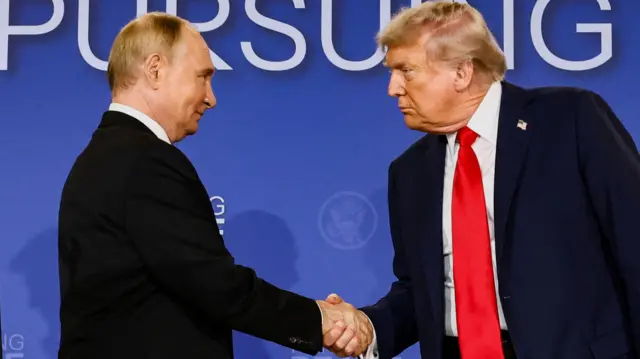
By Ashok Nilakantan Ayer ANCHORAGE, ALASKA: The much-anticipated summit between U.S. President Donald Trump and Russian President Vladimir Putin in Anchorage, Alaska, billed as a potential turning point in the grinding Ukraine war, ended without a ceasefire agreement, and without the celebratory luncheon that White House aides had originally pencilled into the schedule. After the […]

Binance’s Chief Security Officer, Jimmy Su, has identified North Korean hacking groups as one of the most significant threats facing the cryptocurrency sector in 2025. As the world’s largest cryptocurrency exchange, Binance has been at the forefront of monitoring and responding to cyber threats. Su’s recent statements have highlighted the urgency of addressing the escalating risk posed by North Korean cyber actors targeting the crypto industry.

The North Korean government has long been linked to a series of cyberattacks aimed at funding its regime through illicit means, with cryptocurrency exchanges being prime targets. These attacks have become more sophisticated over time, with state-backed hackers employing advanced techniques to infiltrate systems and steal millions of dollars’ worth of digital assets. Experts argue that this is part of a broader strategy to bypass international sanctions imposed on North Korea.

Su’s comments, made during an industry event in early 2025, point to a clear rise in the volume and sophistication of these attacks. According to Binance’s internal threat intelligence, these cybercriminals are using increasingly advanced malware, social engineering tactics, and even direct network intrusions to steal sensitive data and crypto assets.

An ongoing investigation by Binance’s security team revealed that these hackers have been exploiting vulnerabilities in the infrastructure of crypto exchanges and DeFi platforms. In some cases, they have used phishing emails and fake job offers to target employees of key financial institutions, hoping to gain access to privileged systems. Such tactics are a clear indication of a well-coordinated operation with global ambitions.

One of the most concerning trends identified is the use of sophisticated ransomware attacks, which have forced some exchanges to pay hefty ransoms to prevent the loss of critical data. The high-profile hacks have raised questions about the resilience of the global financial ecosystem to such breaches, especially as more governments and institutions begin to integrate blockchain technology into their operations.

North Korean actors, according to cybersecurity experts, have also shown an increasing willingness to attack smaller and lesser-known exchanges. This shift in focus comes as these platforms often lack the robust security protocols that larger exchanges like Binance and Coinbase have implemented. As a result, they are seen as softer targets, vulnerable to exploitation.

The financial implications of these attacks are staggering. Since 2019, estimates suggest that North Korean hackers have stolen over $2 billion in cryptocurrency. This is in addition to the $250 million reportedly taken from a major South Korean exchange in 2023. The stolen funds are typically laundered through complex networks of wallets and mixers, making it challenging for authorities to track and recover the stolen assets.

Su’s remarks have sparked a broader discussion about the need for improved cybersecurity measures within the cryptocurrency sector. Many industry leaders have called for a more collaborative approach, involving private companies, governments, and international law enforcement agencies. A unified strategy could help create a more secure environment for the rapidly expanding digital asset market.

The North Korean government has long denied any involvement in cyberattacks. However, international cybersecurity firms have linked numerous incidents to Pyongyang’s operatives, underscoring the persistent threat posed by the country’s cyber espionage efforts. Furthermore, it is widely believed that these hacking groups are funded by the regime to help finance its nuclear weapons programme and other illicit activities.

Efforts to combat these threats have led to increased investment in security technology, including more advanced encryption methods, real-time monitoring tools, and fraud detection systems. In addition to these technological solutions, some exchanges are considering implementing stricter Know-Your-Customer regulations to combat money laundering and ensure compliance with international financial rules.

As the stakes continue to rise, both industry players and regulators face a significant challenge. The rapid growth of blockchain technologies, along with the increasing use of decentralised finance applications, has created a complex and evolving landscape where traditional security measures are often inadequate. As a result, companies must remain vigilant and proactive in defending against cyber threats from state-sponsored actors like North Korea.

While North Korea’s cyber campaign remains a major concern, it is not the only threat facing the cryptocurrency sector. Other nation-states, including Iran and Russia, have been linked to similar activities, further complicating efforts to secure the digital assets market. However, the ongoing attention on North Korean actors serves as a reminder of the global reach and scale of the problem.

Air Arabia Abu Dhabi has announced the commencement of seasonal flights connecting the UAE capital to Yekaterinburg, Russia, marking an important step in the airline’s expansion strategy. The new service, which will operate during the winter months, offers a direct, low-cost option for travellers between the two regions, catering to the rising demand for affordable travel during peak seasons.

The flights, operating non-stop, provide an efficient travel option for those seeking to connect between the UAE and Russia. Air Arabia’s Abu Dhabi-based operations have grown rapidly, with the airline seeking to solidify its position as a key player in the region’s budget airline sector. The new route to Yekaterinburg highlights the airline’s commitment to enhancing connectivity between the Middle East and Russia, particularly as demand for travel has surged.

Yekaterinburg, one of Russia’s major cultural and industrial hubs, has become a significant destination for business and leisure travel from the UAE. The city, which is located in the Ural region, is known for its rich history, thriving arts scene, and strategic importance as an economic centre. The direct flight to this city will make it easier for both tourists and business professionals to travel, bolstering the already strong ties between Russia and the UAE.

This launch also reflects a broader trend in the aviation industry, where low-cost carriers are rapidly expanding their international routes to cater to an increasing number of travellers looking for budget-friendly travel options. As competition intensifies among airlines, Air Arabia’s expansion is timely, offering more affordable alternatives to traditional, higher-priced carriers, and positioning the airline as a competitive force in the region.

The decision to introduce seasonal flights also underscores Air Arabia’s flexibility in adapting to seasonal travel demand. As the winter season typically sees an uptick in travel, the airline is poised to cater to holidaymakers and those travelling for business, aligning with the growing interest in international travel. By offering this seasonal route, Air Arabia aims to provide its customers with more options without compromising on affordability.

For the UAE market, this development is significant. As the country continues to strengthen its position as a global hub for travel and tourism, having direct air links to cities in Russia, such as Yekaterinburg, provides an added dimension to the UAE’s international appeal. The move comes as part of a wider strategy to enhance bilateral relations between the UAE and Russia, focusing on expanding both tourism and business opportunities.

Air Arabia’s service to Yekaterinburg is also expected to appeal to a broader demographic, especially Russian nationals residing in the UAE. The ease of direct travel will foster stronger connections between these communities and provide greater access to the cultural and economic opportunities of both countries. With Russia being a major trading partner of the UAE, the new flight route is expected to foster greater collaboration in both sectors.

The airline has also taken steps to ensure that its passengers are well catered for. In line with its low-cost offering, the airline continues to provide high-quality service at an affordable price, which includes modern aircraft with amenities that appeal to a wide range of customers.

The cryptocurrency market has suffered a significant blow, with over $500 million in liquidations across positions within just one hour. This sharp decline follows the release of the latest U. S. Producer Price Index report, which revealed unexpectedly high inflation figures. The data has dashed investor hopes for imminent interest rate cuts by the U. S. Federal Reserve, sparking widespread panic and a sell-off across multiple crypto assets.

The PPI report, which tracks the change in prices that producers receive for goods and services, showed an uptick in inflation that exceeded analysts’ expectations. The results were particularly alarming given the U. S. Federal Reserve’s ongoing battle to control inflation. As a result, the market now faces a more aggressive stance from the central bank, with investors bracing for potential rate hikes rather than cuts, at least in the short term.

This shift in sentiment has had a dramatic impact on risk assets, particularly in the volatile crypto market. Bitcoin, Ethereum, and several altcoins saw rapid declines in their valuations, with the overall market sentiment turning bearish. Liquidation volumes surged as traders, particularly those with leveraged positions, were forced to sell their assets to cover their margin calls.

Bitcoin, the largest cryptocurrency by market capitalisation, saw a drop of over 5% in just a few hours, while Ethereum and other major altcoins followed suit with steep losses. The sell-off was not confined to smaller coins either; large-cap cryptos that are usually seen as more stable also witnessed significant price drops. Some analysts have warned that the market could continue its downward trajectory if inflation remains persistent and the Fed keeps its hawkish policy stance in place.

The crypto market had previously been showing signs of optimism, especially after recent rallies that saw prices inch higher. Many market participants had hoped that the Federal Reserve, under pressure from slower economic growth, would begin to reduce interest rates in the latter half of 2023, which would typically support riskier assets like cryptocurrencies. However, the latest PPI figures dashed such expectations, leading to a sharp reversal in market sentiment.

The primary concern now is the potential for more stringent monetary tightening, which could further dampen investor appetite for high-risk assets. Rising interest rates often drive capital out of speculative markets, as higher borrowing costs make riskier assets less appealing compared to traditional investments like bonds or equities.

Some analysts are predicting that the current market instability could persist for some time, especially if inflationary pressures continue to be a concern. “Cryptocurrencies are still seen as speculative assets, and as long as inflation remains high and the Fed is tightening, there is little room for these assets to flourish,” said one senior strategist at a leading global investment bank.

The liquidations across the crypto market serve as a stark reminder of the inherent risks of trading in this volatile space. Traders leveraging their positions to maximise profits are particularly vulnerable in such an environment, as even small fluctuations in price can trigger substantial losses. The crypto market’s high leverage environment is often seen as a double-edged sword, where both potential rewards and risks are amplified.

Beyond the immediate price impact, there are broader concerns about how the crypto market might react to further tightening measures by the Fed. If inflation continues to exceed expectations, market participants may be forced to adjust their strategies, potentially driving further price declines.

This shake-up has led to heightened calls for regulation within the crypto space. Industry experts have long argued that greater oversight is needed to protect investors and reduce the risks associated with volatile market movements. The sudden surge in liquidations underscores the importance of establishing clearer guidelines for trading and risk management in cryptocurrencies.

US markets have been hitting record levels this week, and the catalyst of growing conviction that the Federal Reserve will cut rates in September. The Dow surged 463 points on Wednesday, the S&P 500 notched another all-time high, and the Nasdaq also finished at a record for the second straight day. The optimism is being driven by a tamer-than-expected inflation report that has traders assigning a near […]

Advertisements
By R. Suryamurthy When Prime Minister Narendra Modi ascends the Red Fort on August 15 to deliver his Independence Day address, the nation will be listening for the usual rhetoric of progress, resilience, and pride. This year, the subtext must be different. With a possible face-off with U.S. President Donald Trump looming at next month’s […]


Sentient has rolled out The GRID, an open-source network for artificial general intelligence enabling developers to build, share and monetise AI agents. The launch introduces a decentralised alternative to closed AI platforms such as OpenAI, offering token-based monetisation and interoperability across Web2, Web3 and multiple blockchain ecosystems. At launch, The GRID presents over 40 AI agents, 50 data sources and more than 10 distinct models. Developers gain […]

By Nitya Chakraborty The India-US trade war over Donald Trump’s 50 per cent tariff on Indian exports to the USA with effect from August 27 this year has assumed a major political dimension linking the political future of both Indian Prime Minister Narendra Modi and the United States President Donald Trump. For Narendra Modi, the […]

Hyperliquid, a decentralised exchange platform, has resolved a significant technical issue that temporarily hindered user access to its trading services. The glitch, reported by users in various online communities, involved a disruption that prevented some traders from executing orders and impacted the platform’s ability to update prices accurately. The malfunction, which occurred during a period of high trading volume, raised concerns about the reliability of the system, with some users expressing frustration over the lack of transparency and communication from the platform’s support team.

The issue first came to light after multiple reports surfaced from users who found themselves unable to place or complete transactions, while others faced price slippage due to delays in the system’s updates. The disruption coincided with a surge in demand for certain assets, leading to increased pressure on the platform’s infrastructure. Hyperliquid acknowledged the problem in a statement, revealing that it was related to a backend technical failure in its order-matching system, which handles the execution of trades.

Technical teams at Hyperliquid worked quickly to address the malfunction, with a fix implemented within several hours. The platform’s engineers carried out a series of updates to its infrastructure and order-matching logic, designed to prevent such issues from recurring. Hyperliquid assured its users that it was closely monitoring the situation and would continue to improve its systems to ensure a smooth trading experience in the future.

This glitch on Hyperliquid is part of a wider trend that has raised concerns about the stability of decentralised exchanges, which rely on smart contract-based mechanisms to execute transactions. While decentralised platforms are often touted as more secure and resistant to manipulation, they can face unique technical challenges that centralised exchanges do not. These issues range from software bugs to network congestion and other performance bottlenecks, particularly during periods of heightened activity.

In light of this disruption, many users have called for greater transparency from decentralised exchange platforms regarding their technical operations. Some have questioned whether such glitches could undermine trust in the decentralised finance space, which is increasingly seen as an alternative to traditional financial systems. The DeFi ecosystem has seen explosive growth in recent years, with millions of dollars flowing through platforms like Hyperliquid. However, incidents like this highlight the vulnerabilities inherent in even the most sophisticated blockchain-based systems.

Hyperliquid’s response to the outage, including the quick deployment of a fix, has been largely positive among the platform’s users, although many are still wary of potential future disruptions. Several traders noted that while the issue was resolved swiftly, the lack of clear communication from the platform during the downtime was a point of contention. Some have suggested that platforms like Hyperliquid could benefit from providing users with more detailed updates in real time, especially during periods of service disruption.

The incident has also sparked a broader conversation within the DeFi community about the need for better infrastructure and risk management protocols. Experts have pointed out that while decentralised exchanges offer innovative features such as privacy and self-custody of funds, their technological foundations must be solid enough to handle spikes in demand without compromising the user experience.

What do you associate flowers with? Maybe it’s your dad’s or mum’s birthday, when you celebrate it with your family. Perhaps a romantic date with your partner, when the whole world stops and it’s just the two of you, delicious food and a nice glass of wine. And flowers remind you of your wedding day, where everything is covered and decorated with soft pastel coloured flowers, gentle […]

By Ashok Nilakantan Ayer When the U.S. President Donald Trump slapped heavy tariffs on a range of Indian goods this month, Prime Minister Narendra Modi responded almost immediately with quiet contingency planning: supply a targeted, limited financial backstop to exporters and small manufacturers whose cash flows are being squeezed by sudden loss of competitiveness in […]

Bitcoin continues to follow the fluctuations of global liquidity, with the broader M2 money supply maintaining a positive correlation with its price movements. Recent data indicates that the cryptocurrency has largely mirrored the ebb and flow of liquidity across financial markets, suggesting that the ongoing dynamics between global monetary policies and Bitcoin’s performance could set the stage for further price gains or potential setbacks in the near future.

The M2 money supply, a key indicator of money in circulation that includes cash, checking deposits, and easily convertible near money, has witnessed significant growth over the past few years. This expansion has been a central feature of global central banks’ responses to economic challenges, including the COVID-19 pandemic and subsequent economic recovery efforts. As governments continue to inject liquidity into their economies through various monetary policies, Bitcoin has benefitted from a favourable environment, with its price often tracking the liquidity’s upward trends.

Bitcoin’s price movements have been closely tied to these liquidity expansions. Historically, periods of increasing global money supply have seen the digital asset rise in tandem, benefiting from increased investor confidence and speculative demand. As central banks keep interest rates low and maintain expansive fiscal policies, the resulting surge in M2 liquidity tends to fuel risk appetite in financial markets, often spilling over into assets like Bitcoin.

However, the current economic climate is marked by signs that this positive correlation might face new challenges. While Bitcoin’s price has largely remained on track with liquidity growth, early signs suggest that a potential correction could be imminent. Some market analysts point to signals such as diminishing returns on investments in certain financial markets, growing inflationary pressures, and tightening monetary policies in select regions as indicators that liquidity-driven asset prices, including Bitcoin, might soon face downward pressure.

The potential for a Bitcoin correction is also being discussed more openly as the cryptocurrency approaches new all-time highs. Historically, Bitcoin has experienced sharp price adjustments after reaching peak levels, driven by a combination of profit-taking, shifting sentiment among institutional investors, and changes in macroeconomic conditions. As a result, while the positive liquidity-Bitcoin correlation remains intact for now, market watchers are increasingly cautious, aware that the prevailing optimism could be replaced by a recalibration in response to evolving economic factors.

At the heart of the concern is the likelihood that the global liquidity boom, fuelled by expansive monetary policies, may be coming to an end. Some central banks, especially in developed economies, have already started to signal their intention to reduce stimulus measures. The United States Federal Reserve, for example, has been gradually winding down its bond-buying programme, a step that many analysts view as the first indication of a potential shift towards tighter monetary conditions. Should this trend continue, it could have significant repercussions for Bitcoin’s price, which has thrived in an environment of abundant liquidity.

Bitcoin’s reliance on speculative investment has always made it vulnerable to shifts in broader financial market conditions. As institutional investors and retail traders adjust their portfolios in response to global liquidity changes, the cryptocurrency market often experiences heightened volatility. A slowdown in liquidity growth, combined with the tightening of fiscal policies, could lead to increased market caution, potentially slowing down Bitcoin’s momentum.

Despite these concerns, Bitcoin’s long-term outlook remains closely intertwined with global liquidity. As central banks continue to maintain expansive monetary policies, the cryptocurrency may still benefit from an influx of capital seeking higher returns in an environment of low interest rates. However, the risk of a market correction should not be underestimated. With rising inflationary pressures in many countries and increasing calls for tighter monetary policies, Bitcoin’s trajectory could experience turbulence in the short term.

By Nantoo Banerjee The regular news feed by India’s Enforcement Directorate on alleged massive money laundering by the Reliance Anil Ambani Group (RAAG), which is also known as the Anil Dhirubhai Ambani Group (ADAG), seems to have been designed more to create an abominable sensation around the flamboyant entrepreneur than any other serious purpose. The […]


Santos has agreed to extend the exclusive due diligence period for its proposed $18.7 billion acquisition by an international consortium led by Abu Dhabi’s National Oil Company. The extension, which will last until August 22, follows ADNOC’s initial offer made in June to purchase Australia’s second-largest gas producer. The consortium’s offer, priced at $5.76 per Santos share, includes ADNOC’s investment arm XRG, Abu Dhabi Development Holding Company, and the private equity firm Carlyle.

The agreement marks a significant step in ADNOC’s strategy to expand its global portfolio, particularly in the energy-rich Australian market. ADNOC, which has shown increasing interest in diversifying its energy assets, is now in the midst of an exclusive window to scrutinise the deal further. This process allows the consortium to continue its due diligence without competing offers interfering, a critical phase before a final agreement can be reached.

The initial bid, which valued Santos at approximately $18.7 billion, garnered attention for its scale and ambition. The offer of $5.76 per share represents a premium over Santos’ market value at the time the proposal was made. As the deal progresses, market observers are watching closely for any developments that might influence the final terms.

Santos, headquartered in Adelaide, is a key player in the Australian energy sector, with substantial stakes in natural gas fields and LNG projects. The company’s assets are seen as valuable in the context of rising global energy demands, particularly in Asia-Pacific markets. Santos has been working to strengthen its position in the energy sector, with a focus on cleaner energy options while maintaining its role as a major fossil fuel supplier.

The involvement of ADNOC in this deal is particularly noteworthy. ADNOC, already a dominant player in the global oil and gas industry, has been exploring opportunities outside of the Middle East as part of its broader strategy to secure energy assets worldwide. The consortium’s bid for Santos highlights ADNOC’s intentions to further diversify its portfolio, especially in the burgeoning Asia-Pacific energy market.

ADQ, Abu Dhabi’s sovereign wealth fund, has also been actively investing in international markets. Known for its strategic acquisitions, ADQ’s partnership with ADNOC on this deal strengthens its position in global energy investments. Carlyle, a prominent private equity firm, adds another layer of financial muscle to the consortium, indicating the serious intent behind the bid.

The extended due diligence period provides all parties involved the time needed to ensure that the terms of the acquisition are fully evaluated. This includes a detailed analysis of Santos’ financial health, operations, and future prospects. The due diligence process is critical to determining whether the proposed offer is fair and in line with the long-term strategic goals of ADNOC and its partners.

Although the extension has been granted, market analysts remain cautious. They are closely monitoring how global energy market fluctuations might impact the deal’s progression. The energy sector, while lucrative, remains volatile, influenced by factors such as shifting geopolitical landscapes, regulatory changes, and the ongoing transition towards renewable energy sources.

In addition to financial considerations, the deal’s strategic value for ADNOC and its partners cannot be understated. For ADNOC, securing a larger foothold in Australia’s gas sector could provide both immediate returns and long-term stability, particularly in the face of fluctuating oil prices. Furthermore, as global energy companies look to meet the growing demand for liquefied natural gas, the acquisition of Santos could bolster ADNOC’s LNG production capabilities.

Santos’ shareholders will also be closely watching the developments, with many likely to evaluate the offer in light of the company’s future growth potential. Santos has been positioning itself to leverage Australia’s growing demand for LNG, particularly from China and Japan, two of the world’s largest LNG importers. However, concerns over the impact of external factors on the gas market could complicate the evaluation of such an offer.

By Nitya Chakraborty The stage is finally set. U.S. President Donald Trump will be meeting the Russian President Vladimir Putin in Alaska in USA on August 15 to discuss the Ukraine war issue and bring about a settlement for facilitating a long term solution. If a framework of a solution is reached, President Putin will […]

The UAE is on track to finalise key trade and investment agreements with the Eurasian Economic Union by the end of this year, according to Sultan Ahmed Al Zeyoudi, Minister of State for Foreign Trade. These deals are expected to significantly bolster economic relations and facilitate the UAE’s efforts to diversify its economy beyond oil.

Al Zeyoudi’s announcement reflects the UAE’s growing ambition to expand its trade network, particularly with nations in the Eurasian region. The EAEU, which includes Russia, Armenia, Belarus, Kazakhstan, and Kyrgyzstan, represents a significant economic bloc that the UAE sees as a vital partner in its long-term economic strategy.

The agreements focus on enhancing investment flows and providing broader access to regional markets. Both parties are keen to foster deeper collaboration in sectors such as energy, technology, agriculture, and logistics. With its strategic location as a global trade hub, the UAE is positioning itself as a bridge for Eurasian nations to access markets across the Middle East, Africa, and South Asia.

The economic benefits for the UAE are substantial, aligning with the country’s efforts to diversify its economy away from oil dependency. The UAE government has long pursued a strategy of enhancing non-oil sectors, such as tourism, renewable energy, and advanced technology. According to Al Zeyoudi, these agreements are an integral part of that vision, as they promise to unlock new avenues for investment and business partnerships.

For the member countries of the EAEU, the deals offer access to the UAE’s advanced infrastructure, highly developed financial systems, and a favourable business environment. The UAE’s well-established role in global logistics and trade is a valuable asset for EAEU nations, many of which have been seeking new markets and economic partners in recent years.

Trade relations between the UAE and EAEU countries have been growing steadily over the past few years. The UAE is already one of the largest trading partners for Russia and Kazakhstan in the Middle East. However, the planned agreements will formalise and expand this economic cooperation, creating a more structured and comprehensive framework for bilateral trade.

Experts suggest that the agreements will have a significant impact on both sides. The UAE stands to benefit from an influx of investment, particularly in sectors like technology and agriculture, where EAEU nations have strengths. Meanwhile, the EAEU countries are likely to gain access to the UAE’s advanced financial markets and industries, accelerating their own economic development.

Al Zeyoudi highlighted that these agreements are not just about trade but also about long-term strategic cooperation. The UAE, with its robust diplomatic and economic capabilities, is offering more than just commercial partnerships; it is providing a platform for wider regional collaboration. This aligns with the UAE’s broader foreign policy goals of strengthening relations with emerging economies and expanding its global influence.

The discussions on these trade deals have intensified in the wake of growing geopolitical shifts, particularly in the context of the global economic reordering. The UAE’s proactive stance in seeking new trade alliances is also a response to the changing dynamics in global trade and investment. By deepening ties with the EAEU, the UAE aims to position itself at the forefront of economic integration across multiple regions.

The agreements are also likely to play a crucial role in enhancing the UAE’s role in the global economy. As countries in the Middle East and Central Asia seek to strengthen their economic positions amid a rapidly changing global landscape, the UAE’s ability to provide a gateway for trade and investment becomes increasingly important.

Al Zeyoudi has been vocal about the need for greater economic diversification and international collaboration. This year, the UAE government has continued to focus on expanding its trade relations beyond traditional partners, with Asia, Africa, and Europe emerging as key regions of focus. The finalisation of the Eurasian agreements will mark another milestone in the UAE’s evolving foreign trade strategy.

Reliance Industries, one of India’s largest conglomerates, faces significant decisions about its oil sourcing strategy amid increasing pressure from the United States to reduce its reliance on Russian crude. The Indian government, which became a major purchaser of seaborne Russian oil following Moscow’s 2022 invasion of Ukraine, is now under mounting diplomatic pressure from Washington to cut its energy ties with Russia. The shift in policy would have substantial implications for the global oil market and India’s refining industry.

Reliance, which operates the world’s largest refining complex in Jamnagar, Gujarat, is central to this decision. With the capacity to process 1.4 million barrels per day, Reliance’s massive refining operation plays a pivotal role in India’s energy landscape. Historically, the company has sourced significant volumes of Russian crude oil, a practice that began in earnest after the geopolitical upheaval caused by Russia’s invasion.

However, as the US ramps up its diplomatic efforts, India faces a delicate balancing act. Although India has repeatedly asserted its right to make independent decisions on energy imports, the US has been clear in its stance, urging the country to align with Western sanctions that limit Russian energy purchases. Washington’s pressure is focused not only on the political ramifications but also on the global strategy to curtail Moscow’s economic resilience through these sanctions.

Energy trade sources indicate that should Reliance cease purchasing Russian crude, the company would likely revert to Middle Eastern suppliers. The Middle East’s geographical proximity to India and its robust oil production capabilities make it an ideal alternative for Reliance’s vast refining operations. As global oil markets fluctuate, the alignment with Middle Eastern suppliers could allow Reliance to maintain its production capacity without significant disruptions.

Industry experts note that the Organisation of the Petroleum Exporting Countries has been adjusting its output to accommodate changing demand patterns. OPEC’s decision to unwind its voluntary cuts has already resulted in increased crude oil production, providing more flexibility to companies like Reliance. This additional supply from the Middle East would likely ease the transition if Reliance moves away from Russian crude, experts suggest.

Nevertheless, shifting reliance back to Middle Eastern oil is not without its own set of challenges. While this move might reduce geopolitical tensions, it would also expose Reliance and other Indian refiners to fluctuations in Middle Eastern production and pricing. Additionally, the cost dynamics could differ, especially given the complexities of supply chain logistics, transportation costs, and currency fluctuations that could affect the price of crude oil sourced from the Gulf.

For India, the implications go beyond just the refiners. The country’s broader energy strategy could come under scrutiny as it seeks to maintain a balance between meeting domestic demand and adhering to international diplomatic pressures. As a major energy consumer, India has long sought to diversify its sources of crude oil to ensure stable supply chains, and the shifting sands of global politics only heighten the complexity of these decisions.

The pushback from Russia, meanwhile, is likely to become more pronounced. Moscow’s strategy in the face of sanctions has been to maintain its role in global energy markets by finding alternative buyers, including India and China, for its oil exports. With the growing Western pressure, Russia is expected to explore additional avenues for securing energy trade relationships, potentially targeting markets in Asia that are less susceptible to US-led sanctions.

The Abu Dhabi Housing Authority has entered into agreements with three national banks to offer top-up housing finance at subsidised interest and profit rates. This initiative aims to enhance accessibility to homeownership for UAE nationals, a central goal of the authority’s efforts to expand affordable housing options in the capital.

The latest collaboration will allow individuals who have already received funding under the ADHA’s housing loan programme to access additional financial support. The move is designed to ease the financial burden on homeowners by offering more flexible payment plans and lower rates, a critical factor in the current economic climate.

The newly established partnerships involve top national banks, further broadening the scope of the ADHA’s housing initiatives. By securing these collaborations, the authority aims to build stronger financial partnerships within the sector, ensuring more inclusive access to property ownership for citizens. In total, the initiative is expected to benefit hundreds of Emirati families, with an anticipated surge in demand due to the competitive financing terms.

These agreements come as part of a broader strategy to increase homeownership rates across the UAE. In recent years, the government has intensified efforts to make housing more affordable for nationals, with various initiatives addressing the financing gap for first-time homeowners and those wishing to upgrade their homes.

One key aspect of these new arrangements is the focus on easing the strain of high property prices, which have been a barrier to homeownership for many nationals, particularly in urban areas like Abu Dhabi. Under these new terms, eligible individuals can access additional funds to cover the increasing costs of property ownership while benefiting from interest rates that are considerably lower than the market average.

For the participating banks, this initiative represents a further opportunity to tap into the growing demand for home loans. The ADHA’s housing programme has already seen strong uptake, and these new partnerships are expected to foster a sense of long-term trust between the government and financial institutions. The banks are anticipated to leverage their extensive customer networks to ensure the accessibility of these financing options to as many eligible nationals as possible.

With the UAE’s real estate market still facing challenges, especially for first-time buyers, these developments signify a critical step towards more equitable homeownership opportunities. By working with national banks, ADHA is addressing the economic disparities that can prevent nationals from owning their homes, aligning with broader national goals of social stability and financial inclusion.

This collaboration also ties into the broader vision of diversifying the economy and reducing reliance on non-housing sectors by fostering homegrown economic growth. Providing affordable housing options for nationals is a pivotal part of these ambitions, ensuring that families can build long-term wealth and stability through property ownership.

The new financing schemes are part of an ongoing drive to not only increase the number of homeowners but also improve the living standards of UAE nationals by offering improved housing conditions. While much of the focus has been on infrastructure projects and urban development, there is now an increased emphasis on ensuring that the growing population of UAE nationals can access property that suits their needs and income levels.

Corporate treasuries and investment funds have made significant moves into Bitcoin this year, with a staggering 371,111 BTC purchased since January. This figure, more than three times the amount mined during the same period, signals the growing influence of institutional investors in the cryptocurrency market. These acquisitions come amid an evolving strategy pioneered by Michael Saylor, the founder of MicroStrategy, whose company continues to lead the pack in BTC purchases.

Saylor, an early advocate of Bitcoin, has been vocal about the digital asset’s potential as a hedge against inflation and a store of value, especially in an era of increasing economic uncertainty. MicroStrategy’s strategy of accumulating Bitcoin on its balance sheet has served as a model for other corporate investors looking to diversify their cash reserves. The company currently holds over 150,000 BTC, solidifying its position as the largest publicly traded corporate holder of Bitcoin.

This trend is not limited to MicroStrategy alone. A growing number of public companies have followed suit, with many purchasing Bitcoin as part of their long-term investment strategies. Among the most prominent in this movement are Tesla, which made a significant BTC purchase in early 2021, and Block, the payments company founded by Jack Dorsey. Both have maintained substantial Bitcoin holdings, and their actions continue to inspire others in the corporate sector to consider the digital asset as a viable alternative to traditional assets like cash or bonds.

The accumulation of Bitcoin by public companies and investment funds is also evidenced in the growth of Bitcoin-backed exchange-traded funds. Major ETFs have amassed nearly $151 billion worth of BTC, accounting for a significant 6.47% of the total circulating supply. This figure reflects the increasing mainstream acceptance of Bitcoin and the growing appetite for institutional investors to gain exposure to the cryptocurrency market without the direct complexities of buying and storing the digital asset.

The Bitcoin ETF market has rapidly matured, with various products offering different exposure options. Grayscale Bitcoin Trust and the Purpose Bitcoin ETF, for example, have emerged as key players, providing institutional and retail investors alike with a more accessible way to hold Bitcoin. These funds have not only bolstered institutional interest but also helped legitimize Bitcoin as an asset class in the eyes of traditional finance.

One of the key factors driving this wave of institutional adoption is the desire for better yield in an environment of low-interest rates and rising inflation. Bitcoin’s scarcity, with a maximum supply of 21 million coins, makes it an attractive proposition for funds and corporate treasuries looking for an alternative store of value. As inflation fears continue to loom, particularly in the wake of expansive monetary policies enacted during the COVID-19 pandemic, Bitcoin offers an attractive hedge against potential currency devaluation.

The maturity of the Bitcoin network and its increasing institutional infrastructure, including custodial services, derivatives markets, and improved regulatory clarity, have made it easier for large investors to enter the market with confidence. This growing institutional infrastructure is also helping reduce some of the risks traditionally associated with cryptocurrency investments, such as security concerns and price volatility.

However, not everyone is convinced of the long-term benefits of Bitcoin. Critics argue that the digital asset remains highly speculative, with no inherent value other than what investors are willing to pay. Regulatory uncertainty also continues to cast a shadow over the market, with governments worldwide scrutinizing the use of Bitcoin in financial systems and its role in money laundering and illicit activities.

By Nitya Chakraborty The additional 25 per cent tariff on Indian exports to the USA announced by President Donald Trump to be effective from August 27, has led to an intense ideological and political battle within RSS, the BJP as also among the industrialist friends of Prime Minister Narendra Modi who are active members of […]



Apprehension has returned to US stock markets, and the reasons are becoming increasingly difficult to ignore. Many asset allocators I speak with are questioning valuations that appear stretched and overly reliant on a handful of technology giants. Although the S&P 500 and the Nasdaq 100 reached fresh highs just last week, the rally already feels vulnerable. Outside the United States, sentiment is notably more optimistic. In Europe, […]

By R. Suryamurthy Prime Minister Narendra Modi’s declaration that he is willing to “pay a heavy price” to stand by Indian farmers in the face of escalating U.S. trade tariffs has captured headlines—but not necessarily for the right reasons. It is a speech crafted more for the political stage than the policy war room. Beneath […]
VISHNU RAJA
RYO YAMADA
HITORI GOTOH
IKUYO KITA