Variable Parking Fees Set to Launch Around Key Venues
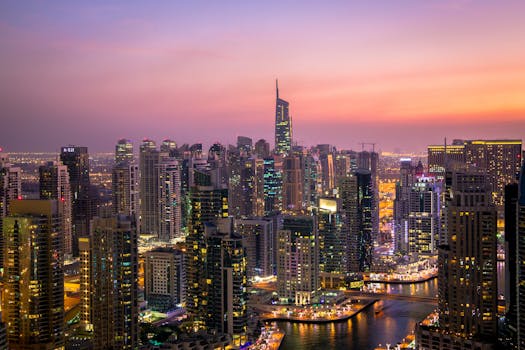
Dubai has rolled out a new system for parking fees in designated zones near major event venues. The system, which went into effect today, introduces variable pricing, with rates set to increase during large-scale events. The move is part of ongoing efforts to streamline traffic management and improve the overall visitor experience in high-demand areas, including around the Dubai World Trade Centre .
Under the new policy, parking charges will rise to Dh25 per hour during events, a significant increase from the regular fees, which will remain lower during non-event periods. The increased rates apply to the parking areas closest to key venues, such as those surrounding DWTC, which hosts a variety of international conferences, exhibitions, and events that draw large crowds.
The decision to introduce variable parking fees comes after growing concerns over congestion in the vicinity of these event zones. Dubai’s authorities have been actively working on strategies to manage the influx of visitors to major events, ensuring both the smooth flow of traffic and accessibility to key locations.
Officials explained that the rise in parking fees during events is designed to encourage visitors to use alternative modes of transport, such as public transit, which would help alleviate the pressure on parking spaces. The implementation of this system is also expected to contribute to reducing the environmental impact by promoting greener transport options.
The new fee structure is part of a broader effort to modernise the city’s infrastructure in anticipation of increased demand as Dubai continues to establish itself as a global hub for business, culture, and tourism. The city’s proactive approach to managing its transport systems is also a reflection of its ambitions to maintain high standards of urban planning and sustainability.
While the fee hike may be seen as a necessary adjustment in light of the growing demand for parking, it has drawn mixed reactions from residents and visitors alike. Some express concerns that the increased charges could disproportionately affect those attending less prominent events or those who may rely on parking due to the lack of public transport options in certain areas. Others welcome the change, viewing it as a positive step towards ensuring better traffic management and improving the overall quality of life in high-demand zones.
Transport experts have emphasised the importance of integrated planning when it comes to urban mobility. As Dubai continues to develop and expand, experts suggest that a more comprehensive approach to transport, which includes enhanced public transportation networks and better parking management strategies, will be crucial to maintaining the city’s appeal to both residents and visitors.
The Dubai Roads and Transport Authority has been at the forefront of this initiative, working closely with local authorities to ensure the effective implementation of the new fee structure. RTA has also highlighted the expansion of alternative transport options, such as the Dubai Metro and bus services, as essential components of the strategy to support the city’s growing population and increasing number of tourists.
This change aligns with Dubai’s long-term vision of reducing traffic congestion and carbon emissions. The city’s leaders have repeatedly expressed a commitment to sustainable urban development, with a particular focus on reducing the number of private vehicles on the roads. The introduction of variable parking fees is one of many measures designed to support these goals, encouraging more people to rely on public transportation rather than private cars.
Dubai’s move to introduce variable parking fees is also reflective of a broader trend seen in major cities around the world, where dynamic pricing models have been introduced to manage traffic congestion and improve access to key areas. Cities like London and New York have employed similar strategies to control the flow of vehicles in high-traffic zones, with varying degrees of success.
In addition to the economic and environmental benefits, the new pricing model is expected to have a positive impact on the city’s public transportation system. By encouraging more people to use the Metro or buses, the pressure on parking spaces should be alleviated, making it easier for those who truly need to park to find a spot. This shift is expected to help optimise the use of available infrastructure, benefiting both residents and visitors who rely on public transport for their daily commute or during special events.

 By Ruth Milkman LONDON: Michael Burawoy had three lifelong passions. The first was English football, specifically Manchester United, the team he supported from childhood and to which he remained loyal for the rest of his life. The other two were Marxism and sociology, into which he poured his prodigious energies for over half a century. […]
 By Dr. Gyan Pathak In pursuance of Equality of opportunity and treatment, an ILO Committee of Experts has asked India again to amend the definition of wage, ensure job evaluation, equal remuneration for the same job to male and female workers, and end discrimination on religious or caste basis especially for Dalit Muslims and Dalit […]
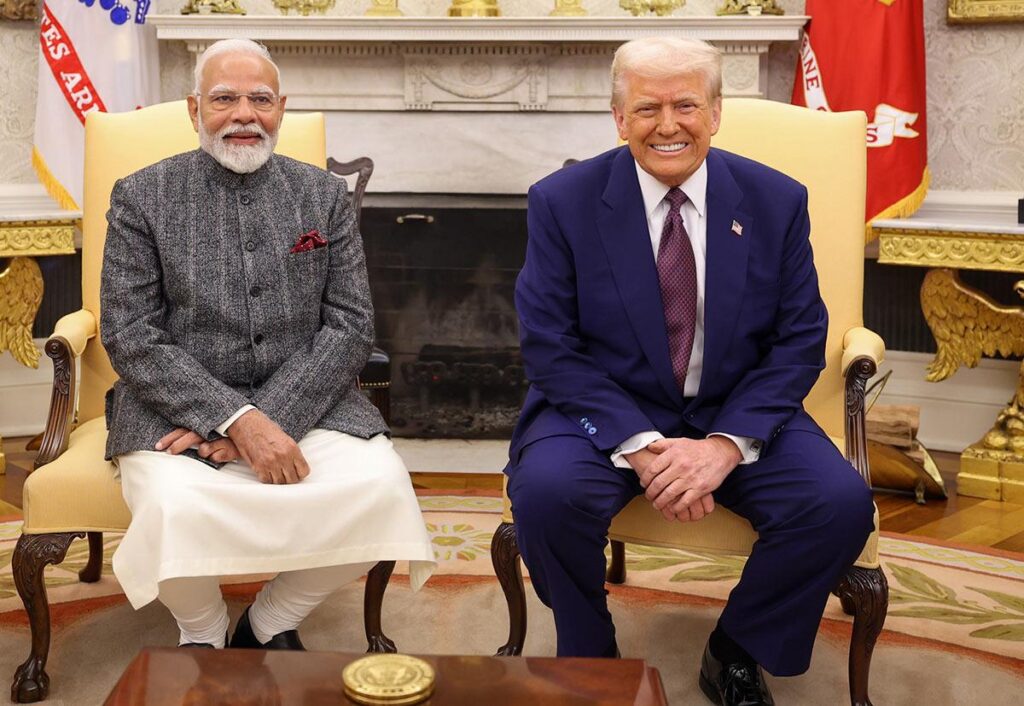 By K Raveendran The Indo-US joint declaration presents a striking imbalance, appearing more as a dictated statement than a mutually crafted agreement. The document is overwhelmingly skewed in favour of the United States, particularly in the domain of defence procurement, where it reads less like a diplomatic understanding and more like a sales pitch for […]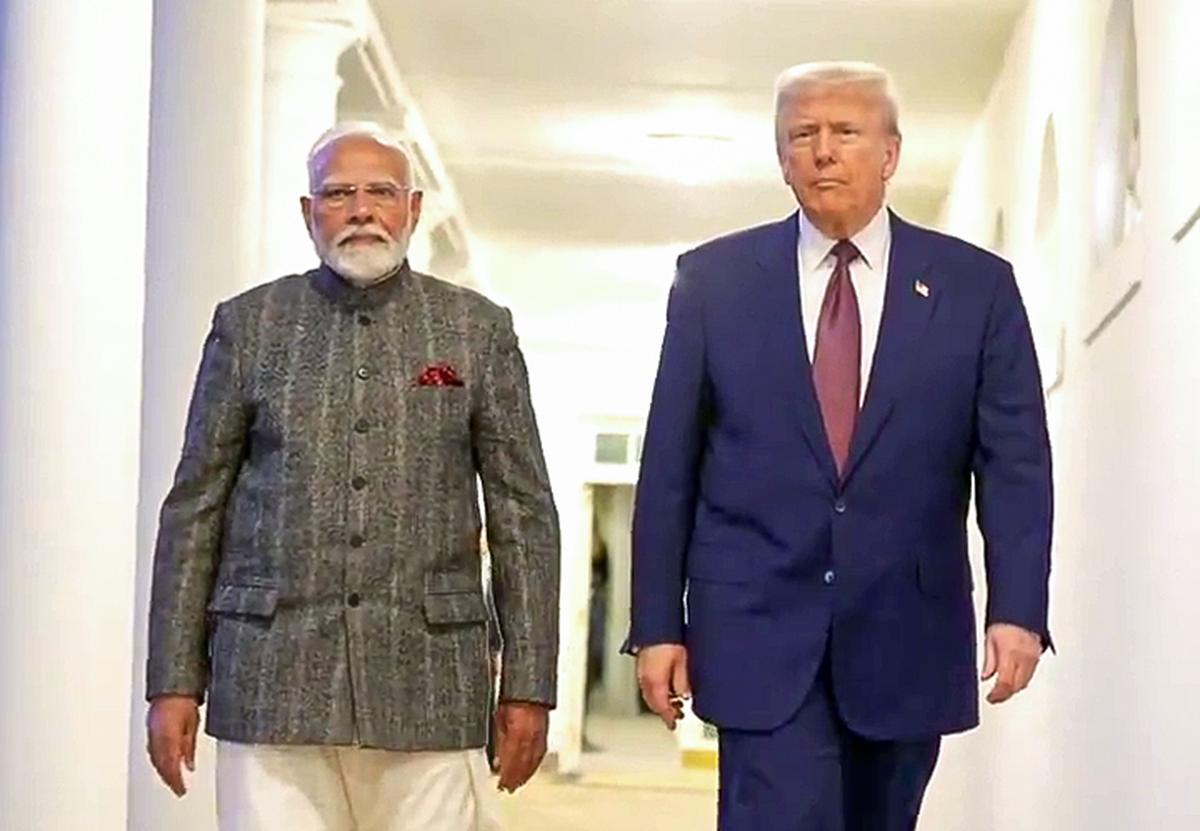
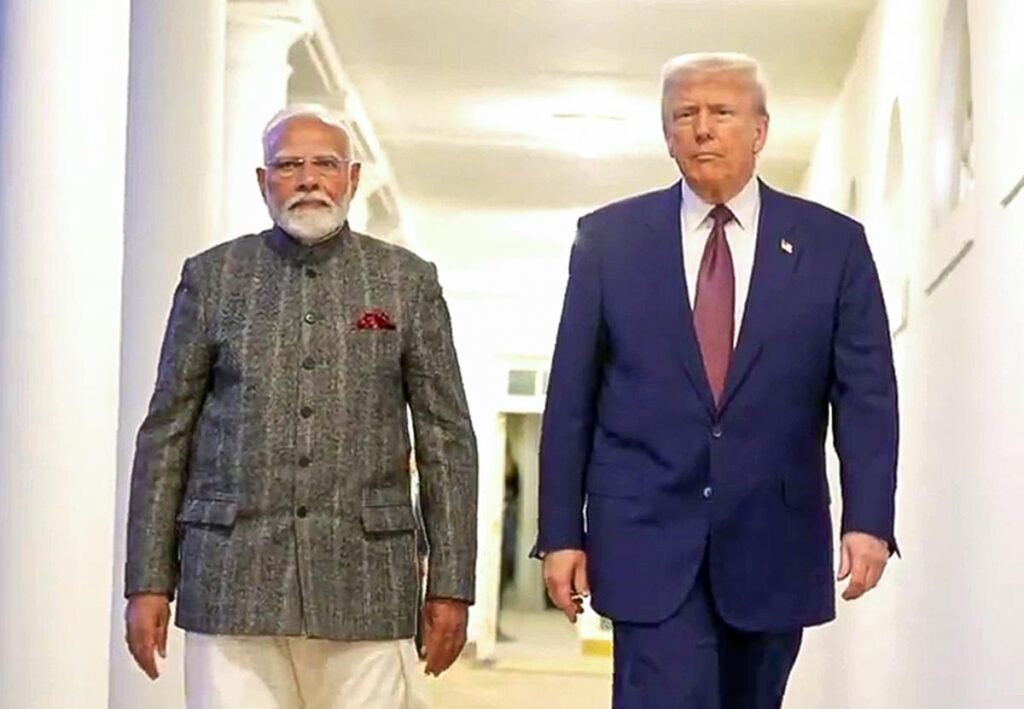 By Nitya Chakraborty The outcome of Prime Minister Narendra Modi’s meeting with the U.S. President Donald Trump in White House on February 13 may have its impact on the interim government of Bangladesh headed by Dr. Mohammad Yunus, who is in power since August 8, 2024 in the wake of the ouster of Sheikh Hasina […]

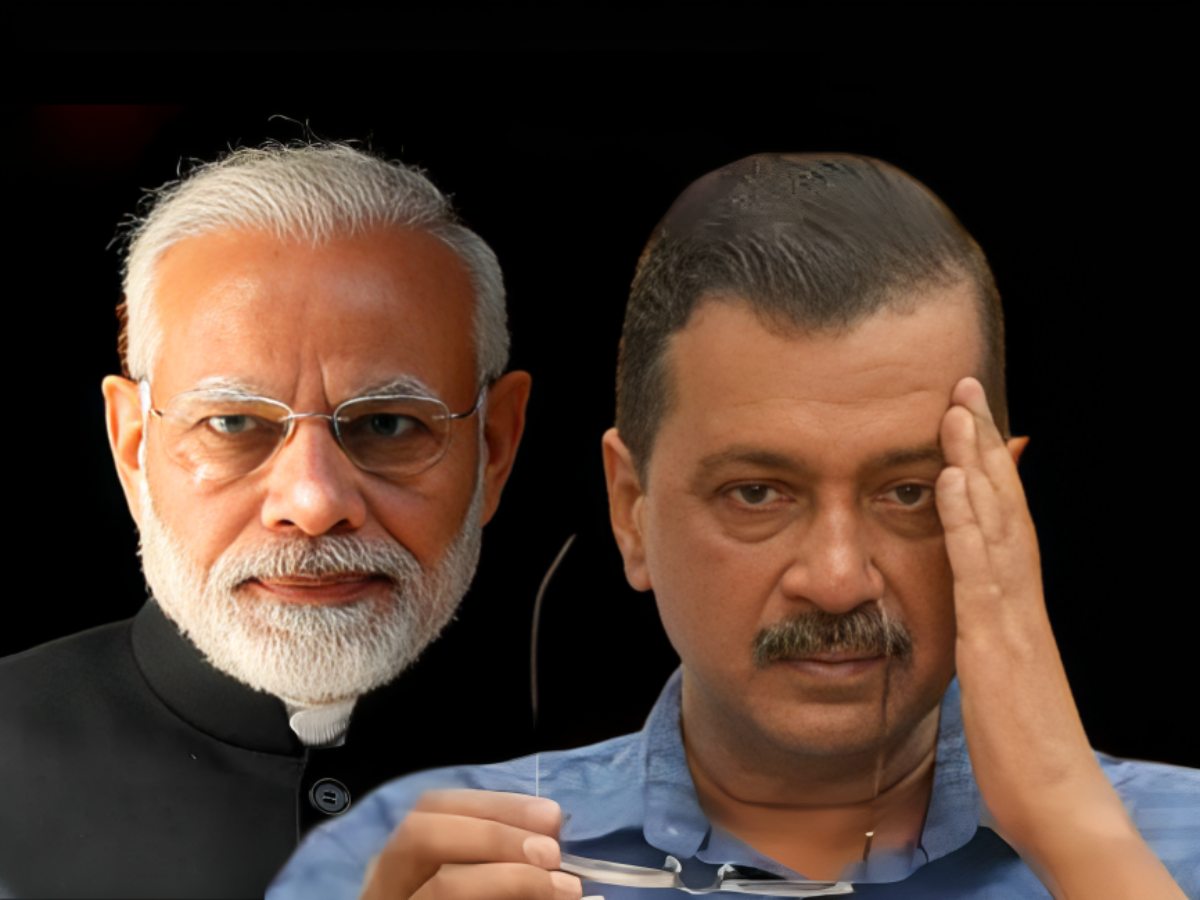
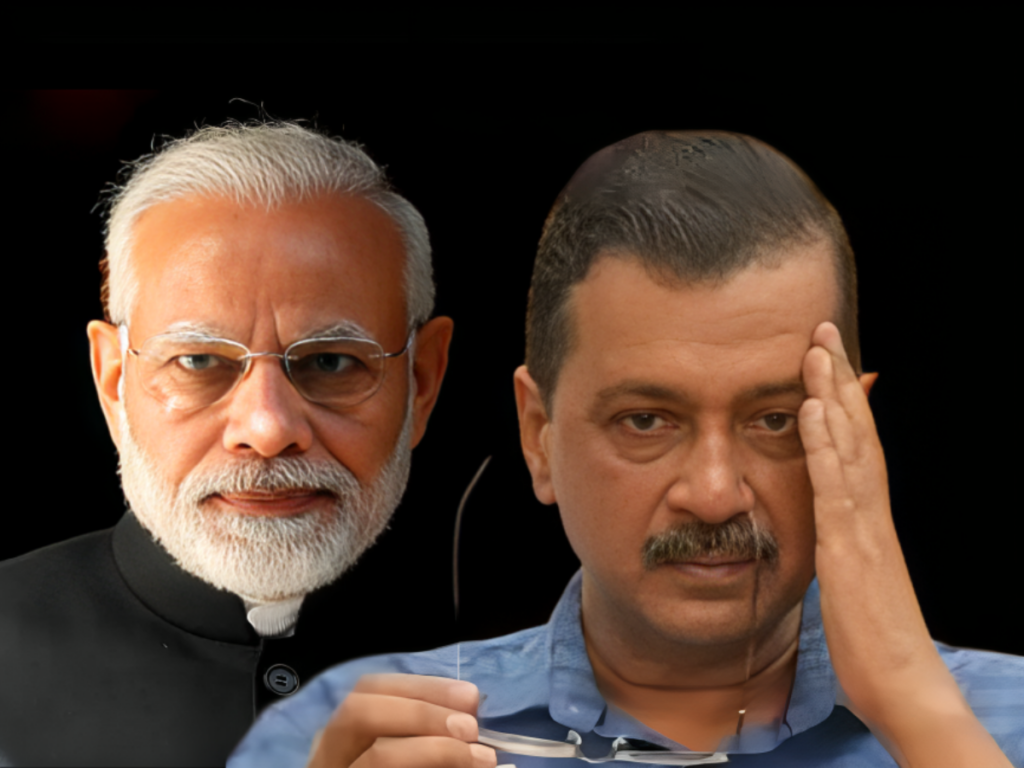 By P. Sudhir The BJP has won the Delhi assembly election with a tally of 48 seats, polling 45.6 per cent of the vote. The Aam Aadmi Party (AAP) won 22 seats getting 43.6 per cent of the vote. The difference between the two was only 2 per cent but it translated into 40 seats […]
 By K Raveendran Prime Minister Narendra Modi’s call for greater emphasis on the Global South in the evolving world order shaped by artificial intelligence is a strategic proposition. With AI becoming the most critical technological force of the 21st century, it is imperative that developing nations, particularly those in the Global South, have a role […]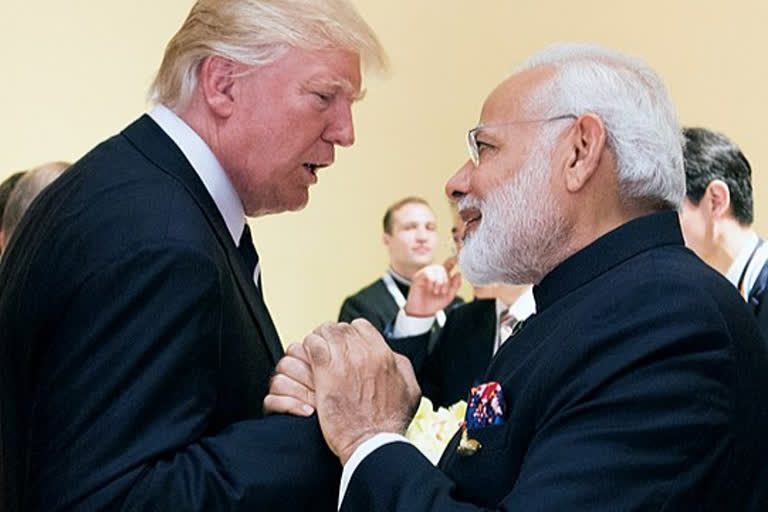

 By Nantoo Banerjee With Indian Rupee (INR) dwindling almost daily against US Dollar (USD), it is good the Union Budget for 2025-26 has stopped repeating on making the Indian economy a $5-trillion GDP to become the world’s third largest by the end of this year or anytime too soon. The budget also provides no indication […]

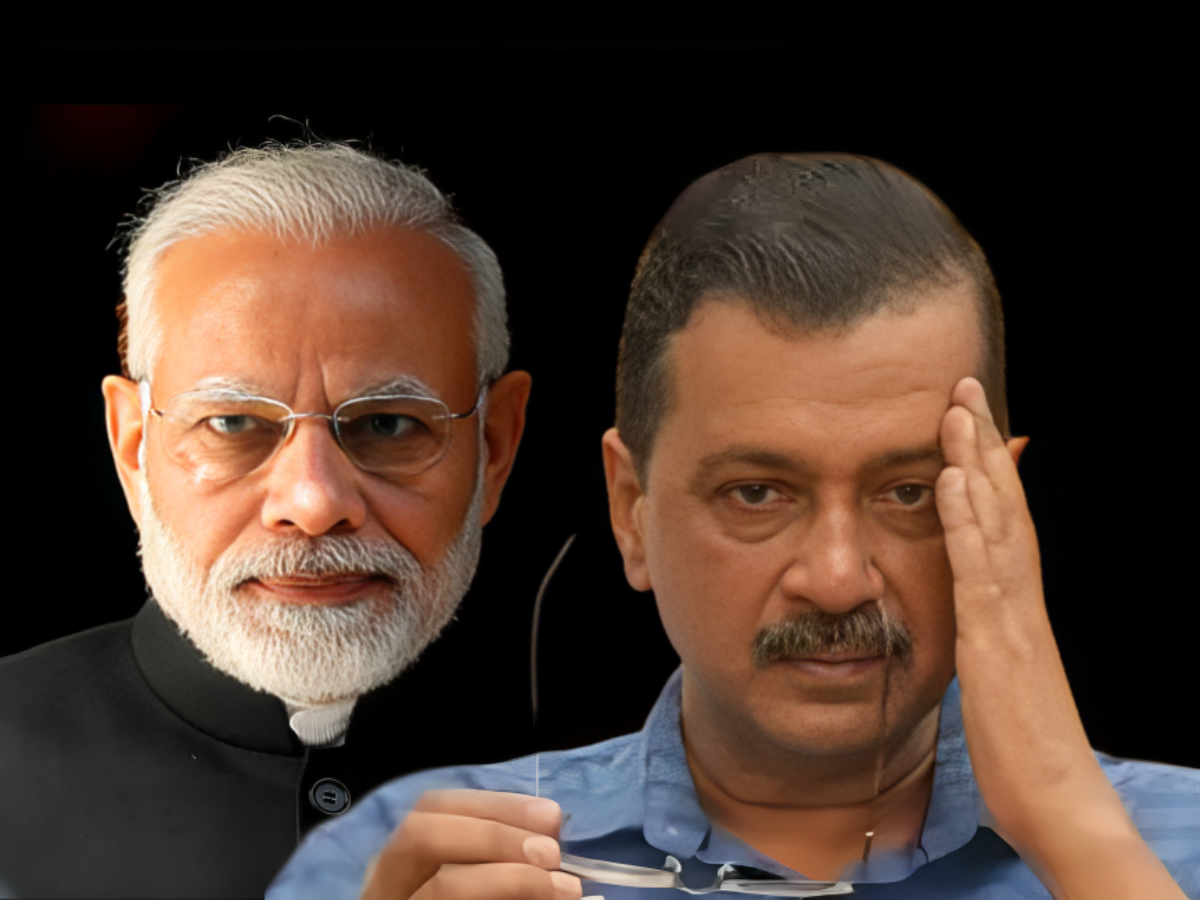
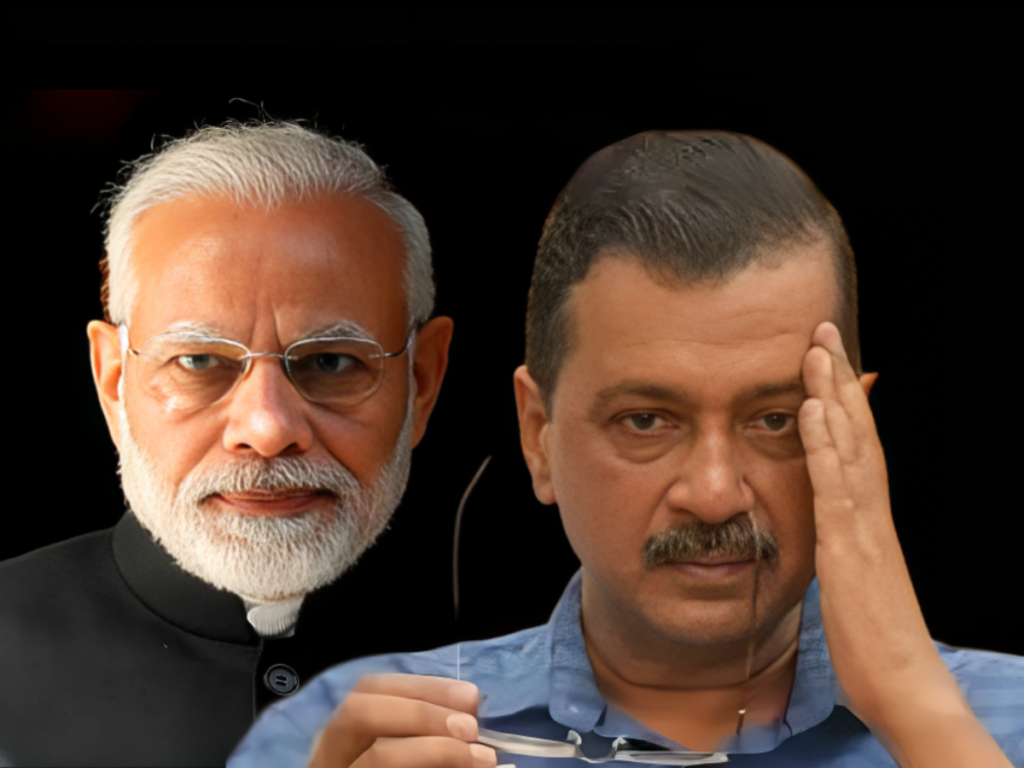 By Nitya Chakraborty The victory of the BJP in the Delhi assembly elections defeating the ruling Aam Aadmi Party (AAP) convincingly is certainly a jolt to the opposition INDIA bloc, but it does not mean the end of AAP, or the final tolls for the INDIA bloc, as some commentators in the national media and […]
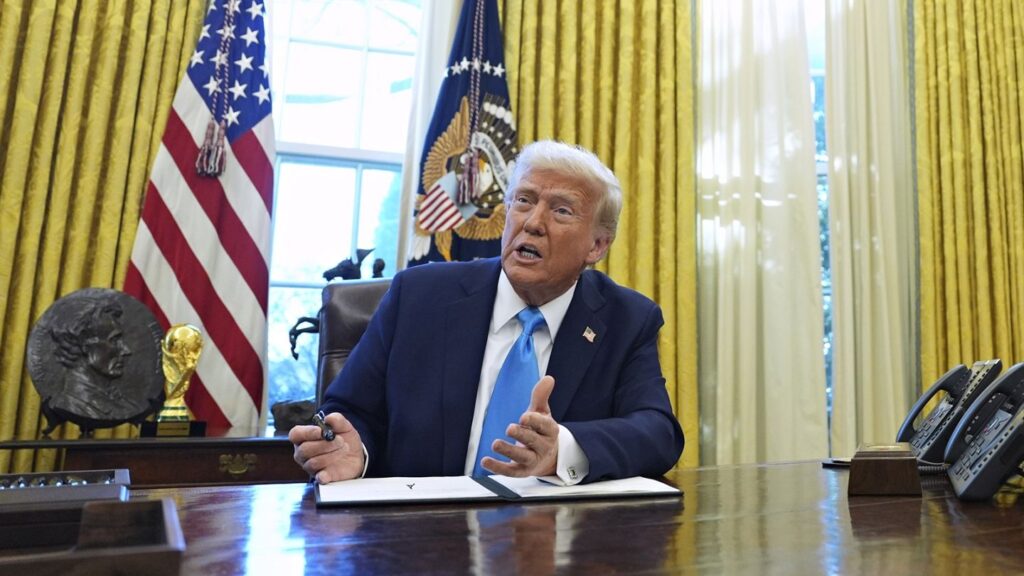 By Satyaki Chakraborty U.S. President Donald Trump has started breaking all conventions about abiding by international laws b h announcing the U.S. government’s sanctions against the International Criminal Court (ICC) taking the plea that the ICC is biased against the U.S. and Israel. Donald Trump launched sanctions against the global body, which is seen as […]
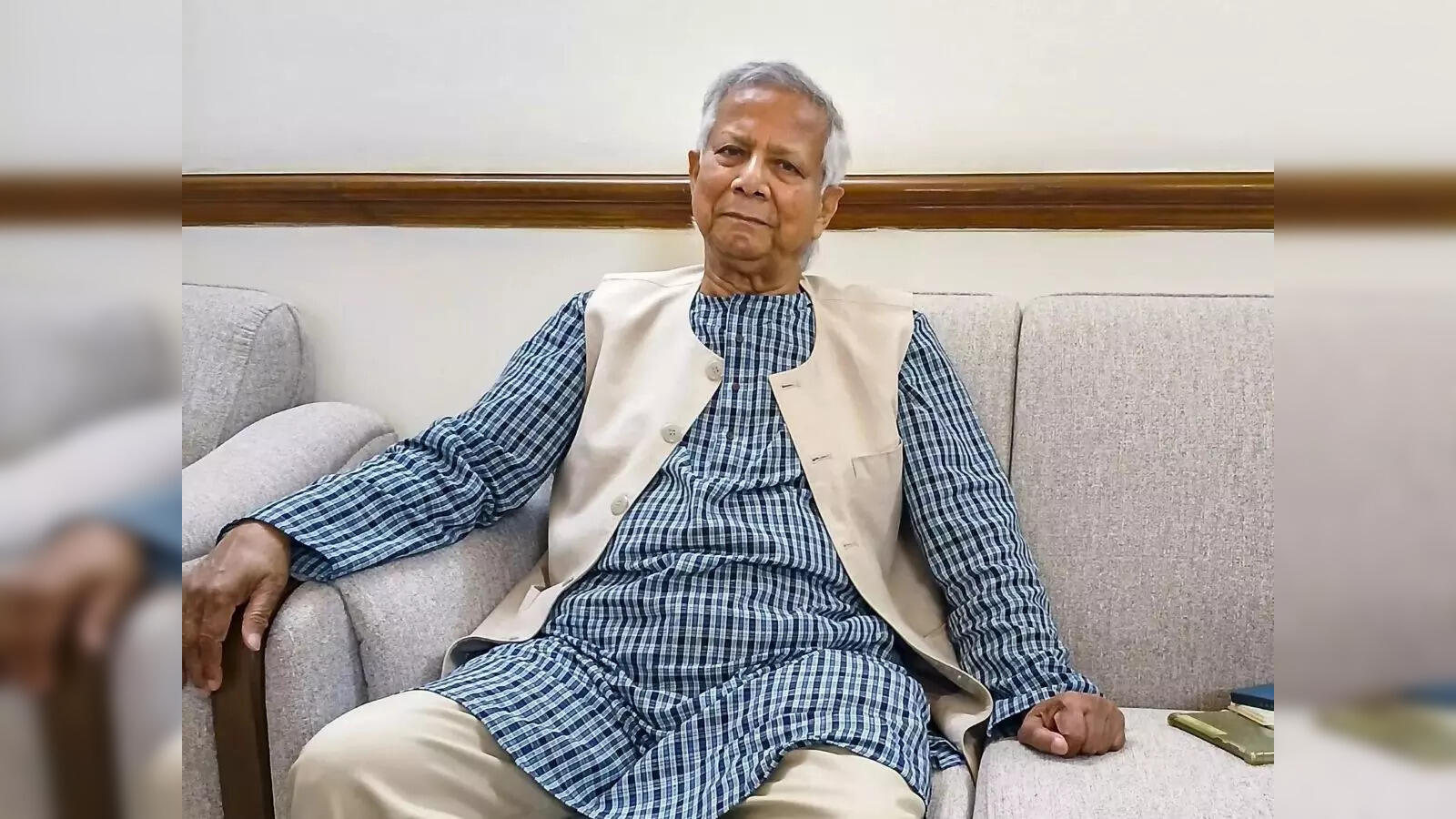
 By Nitya Chakraborty Exactly six months have passed since the installation of the interim government in Bangladesh on August 8, headed by Dr. Mohammad Yunus, three days after the ouster of the Awami League government led by former Prime Minister Sheikh Hasina. Hasina, daughter of the founder of the present Bangladesh, the late Sheikh Mujibur […]