News related to
Arabian Post Special

By Nantoo Banerjee Trade unionism seems to have lost focus in India. It has failed to reform itself to keep pace with economic reforms and globalisation, and changing job scenarios. It is also facing the biggest leadership crisis. The poor public and industry response to the nationwide strike call by 10 central trade unions on […]

Dubai authorities have issued a warning after a surge in phishing emails impersonating companies such as McAfee Security and PayPal. These messages falsely claim that debit transactions of around AED 1,400 or AED 2,200 have been processed, instructing recipients to cancel the payment within 24 hours. The ruse prompts panicked victims to call a provided number, where scammers gain remote access to their computers and harvest sensitive personal and financial data.

Law enforcement agencies in the emirates highlight this scam as a sophisticated iteration of classic technical support fraud. Dubai Police reported nearly 500 arrests related to phone-based fraud last year, while Sharjah Police uncovered another gang that misused remote-access prompts to defraud residents of AED 3 million via 173 bank accounts. Cybercrime units from across the UAE have reiterated that legitimate companies never solicit remote access, issue invoices from personal accounts, or demand immediate cancellation via unsolicited calls.

Cybersecurity experts confirm that such scams operate by embedding urgency and trusted branding within fraudulent invoices. In some cases, genuine McAfee or PayPal logos are used, with phishing emails exploiting official domains like “@paypal. com” to evade security filters. Most alarmingly, McAfee Labs noted that PayPal-related phishing attempts have spiked sevenfold compared to a month earlier, indicating that cybercriminals are increasingly refining their tactics.

These email scams typically follow a multi-stage process. Victims first receive a customised invoice claiming unauthorised charges. Alarmed by the sum, recipients are directed to call a phone number that leads to a scam call centre. Once connected, scammers initiate remote access software—such as AnyDesk—using the pretext of ‘fraud prevention’, and subsequently extract bank details, personal data and in some cases install malware.

Anecdotal evidence from victims underscores the psychological impact of the scam’s design. One government employee from Dubai reported receiving an email from someone named “Jarred” bearing a McAfee invoice. Convinced that she had skipped a subscription renewal, she reached out via the provided number to cancel. Similar stories have surfaced across the UAE, often involving the extraction of remote passwords and sensitive credentials.

Authorities emphasise vigilance. They advise members of the public to verify any invoice or billing-related email by visiting official websites or contacting customer support via verified communication channels. Users should never allow remote access in response to unsolicited calls.

Globally, this scam mirrors trends seen in the UK and North America. Consumer watchdog Which? identified parallel phishing campaigns wherein emails purporting to be from McAfee or AVG warned of antivirus renewals. These messages aimed to persuade users to scan QR codes or download malicious software to seize device control. York University’s Information Security team also identified fake McAfee renewal notices that claimed subscription charges had been processed, urging recipients to call to reverse the transaction, only to be prompted for remote access.

PayPal’s system has also been exploited via its official invoice and address‑confirmation tools. Scammers can trigger legitimate PayPal alerts by entering a user’s email, bypassing email filters and lending credibility to the scam. Subsequent messages urge recipients to call fake “support” phone numbers, leading to remote-control software installation under the guise of account verification.

Security specialists recommend the following countermeasures:
Always verify invoices by logging into the official company site or app rather than interacting with email links or phone numbers.
Inspect email senders carefully to ensure they match legitimate company domains.
Avoid granting remote access or installing software when prompted by unsolicited callers claiming to represent vendors.
Register suspicious emails with relevant authorities—PayPal’s phishing email forwarding service, and McAfee’s scam reporting email addresses are official avenues.

Email marketing firms and cybersecurity analysts also note that the sharp rise in such scams reflects a broader shift by criminals towards hybrid phishing campaigns that combine urgency, trusted branding and remote access elements. Authorities across the UAE continue to intensify public awareness efforts, urging residents to scrutinise any invoices involving unfamiliar charges above AED 1,000.

The Indian rupee weakened further against the UAE dirham, trading at approximately ₹23.36-23.40 per dirham amid a stronger US dollar and heightened global trade tensions. This decline continues the trend from earlier in the month, providing a beneficial window for expatriates in the Gulf remitting funds home.

Market pressures stemmed from fresh US tariff threats under President Trump, triggering broader dollar appreciation and weighing on emerging-market currencies. The dollar index hovered near 98, while US non-deliverable forwards priced in a rupee rate around ₹85.90-86 per dollar.

Currency exchange houses in Dubai report a steep drop in the rupee–dirham rate. It has fallen from around ₹23.29-23.30 recently to lows of ₹23.36-23.40. Analysts suggest the trend may extend to ₹23.50 or possibly ₹23.60, especially if additional US tariffs are imposed on broader trade partners without a trade deal with India.

Financial managers in Dubai believe that non‑resident Indian workers are taking advantage of these levels. One treasury manager anticipates further rupee weakness until India finalises any trade arrangements with the US. Exchange-house sources confirm a decline in remittances during July—attributed partly to summer holidays—but note an uptick in transfers as expatriates act on the current exchange rates.

The backdrop of US trade policy remains a significant influence. US announcements of 30% tariffs on EU and Mexico imports effective August 1, and potential large levies on BRICS nations, have contributed to dollar strength and weighing on Asian currencies including the rupee. Although India has not yet received formal tariff notices, market participants are interpreting ongoing trade rhetoric as negotiating tactics, cushioning immediate currency volatility.

A weakened rupee benefits remitters, who can convert savings at more favourable rates. Gulf-based exchange officials report NRIs are actively sending funds home wherever possible. One senior official described a notable spike in AED‑INR transactions when the rate hit ₹23.50, marking the lowest point since early April.

Typically, remittance volumes dip in summer due to travel and expenses, yet this year’s trend bucks the seasonal norm. An Economic Times analysis notes a sustained surge in fund transfers since mid‑June, with industry sources commenting: “Last Thursday was one of the best days in recent weeks for AED‑INR remittances”.

Analysts emphasize that the current remittance window aligns with forex volatility and the dollar’s rally—driven by global trade uncertainty and safe‑haven demand. Surprisingly, gold, not the dollar, has been the primary beneficiary of geopolitics in recent weeks, offering an unusual twist in safe‑asset flows.

Looking ahead, significant factors likely to influence the rupee–dirham rate include the trajectory of US-India trade talks, the rollout of any new American tariffs, and global investor risk appetite. Should a US‑India agreement emerge, the rupee could stabilise or recover; however, absent any deal, dollar strength may persist.

For expatriates in the Gulf, the current divergence between weaker rupee and firmer dollar represents a strategic opportunity. With the potential for rupee to decline further, remittances increase the value of transfers sent home in the near term.

Oil traded in a narrow range as tariffs and sanctions threats unsettled global markets, weighing heavily on the outlook for energy demand. Brent hovered just above $70 a barrel, while West Texas Intermediate stayed above $68. Futures markets weakened as U. S. equity-index futures dropped following fresh trade tensions between Washington and key global partners.

U. S. President Donald Trump escalated tariff threats, targeting both the European Union and Mexico with 30 per cent duties and flagging potential levies against Brazil, the Philippines, Japan, South Korea and others. Markets interpreted this as a risk to economic momentum, especially in energy‑sensitive regions of Asia, denting crude demand expectations. At the same time, Asian buyers adopted a cautious stance, amplifying downward pressure on oil.

Against this backdrop, investors are eyeing a scheduled “major statement” from President Trump concerning Russia. Anticipation of new sanctions against the country, a major oil producer, lent modest support to prices that might otherwise have fallen further. Still, this support was checked by rising output from OPEC+ and a pause in geopolitical flare-ups in the Middle East.

Data from the International Energy Agency signals that global oil markets remain relatively tight. Summer driving seasons and increased refinery activity have buoyed demand, although analysts note that elevated output from Saudi Arabia—above its OPEC+ quota—puts a dent in any sustained rally. The kingdom disputes claims of non‑compliance, stating marketed crude remains within agreed limits.

Market watchers also flag OPEC+ plans to hike production by approximately 548,000 barrels per day in August, potentially followed by another boost in September. ING warns these moves could put the market into surplus in the final quarter of 2025. Additionally, the group revised its global demand forecasts downward for 2026–29, citing weakening growth in China.

Further clouding the outlook, heightened tariff uncertainty is exerting macroeconomic drag. The IEA forecasts a meaningful drop in global oil consumption growth for 2025, down a third from earlier projections, due in part to Trump’s tariff measures. Analysts stress that inflationary pressures and slower global trade would dampen energy demand.

From a logistical standpoint, renewed Houthi tensions in the Red Sea have introduced another variable, interrupting shipping and supporting prices marginally. Still, Middle East volatility has largely receded compared with levels seen earlier this year.

Looking ahead, market players are set to digest a blend of geopolitical and macroeconomic signals. Key Chinese trade figures due soon may reveal shifts in demand. OPEC+ decisions on output will be scrutinised closely, as will the next moves in Washington’s trade and sanctions policy. Meanwhile, U. S. gasoline consumption remains robust, with the Energy Information Administration reporting a 6 per cent increase to 9.2 million barrels per day—signalling that underlying demand has not yet faltered.

Oil markets are caught between supportive fundamentals—such as strong summer demand, supply constraints from Russia and geopolitical flare‑ups—and sobering headwinds from proposed tariffs, elevated output and macroeconomic uncertainty. Traders remain cautious, awaiting concrete policy developments from Washington, data releases from China, and steps by OPEC+ to navigate a market landscape that is anything but stable.

UAE’s Ministry of Energy and Infrastructure has restated its unwavering aim to lift crude oil production capacity to five million barrels per day by 2027 amid shifting global energy demand. The clarification from Abu Dhabi follows remarks from the Energy Minister indicating potential capacity growth beyond that goal.

Aligned with its declared strategy, the nation insists the 5 million bpd target remains intact. Energy Minister Suhail Mohamed al‑Mazrouei, speaking at the Opec International Summit in Vienna, emphasised the UAE could scale up to six million bpd if global markets required—while making clear this figure is not an official target.

Presently, UAE’s production capacity stands at around 4.85 million bpd. The ministry’s public affirmation underscores long‑established plans by Abu Dhabi National Oil Company to align with wider economic imperatives, including state‑led diversification and responsible growth.

On the sidelines in Vienna, Minister al‑Mazrouei pointed to oil inventories that have not surged, interpreting it as evidence of sustained market demand. He characterised the additional million barrels potential as a proactive choice, contingent on demand, rather than a binding pledge.

Opec+ has already increased the UAE’s production quota this year, acknowledging its heavy investment in expanding capacity from 3 million to 4.85 million bpd. That quota adjustment reflects a bid to balance output with capacity and avoids penalising investment-led increases.

Global energy forecasts cited at the summit envision oil demand climbing by nearly 19 percent to 123 million bpd by 2050, driven by economic growth, urbanisation, and energy‑intensive industries such as artificial intelligence. Despite this, Opec has revised its short‑term forecast downward amid signs of slowing demand in China. Long‑term growth, however, is expected from regions including Asia, the Middle East and Africa.

ADNOC’s accelerated expansion plan—bringing forward its 5 million bpd capacity objective from 2030 to 2027—was endorsed by the board under the leadership of His Highness Sheikh Mohamed bin Zayed Al Nahyan, supported by CEO Sultan Ahmed Al Jaber. The strategy forms part of a broader state-led drive combining energy security with economic diversification and sustainability.

While bolstering its crude oil output, ADNOC is also investing heavily in low‑carbon solutions. It allocates about US $5 billion annually to clean energy and has set a net‑zero emissions ambition for 2045. The company is integrating solar and nuclear power into offshore fields and is implementing carbon‑capture technologies in major developments.

ADNOC’s low-carbon division recently acquired Germany’s Covestro for US $16 billion, signalling a move to diversify into value‑added petrochemicals such as plastics, foams and ammonia. Its strategy foregrounds gas, chemicals and downstream operations alongside oil capacity growth, in anticipation of structural shifts in global energy use.

The UAE is poised to become the world’s fourth-largest oil and liquids producer if the anticipated expansion is achieved, trailing only the United States, Saudi Arabia and Russia. At six million bpd capacity, it would surpass producers such as Canada, China, Iraq and Iran in scale.

However, uncertainties remain. The pace of global energy transition, the adoption of renewables, and potential peaking of oil demand—especially in China—pose risks to long-term strategy. But the UAE appears ready to hedge by maximizing flexibility: build for five million bpd, yet leave room to stretch if markets demand.

The public reaffirmation by the ministry serves both domestic and international audiences: showcasing earnest delivery of targets, reassuring investors on energy stability, and reinforcing the UAE’s position as a stabilising force within Opec+.

Oil prices have shifted sharply this week, with demand forecasts now under pressure from escalating trade tensions fuelled by fresh tariffs. Brent crude is trading in the high‑60s per barrel, while benchmark WTI hovers around mid‑60s, reflecting growing investor caution. Analysts point to revised supply and demand projections as indicators of a changing market landscape.

An International Energy Agency monthly report has cut its global oil‑demand growth forecast for 2025 to 700,000 bpd, the slowest pace since 2009 outside the pandemic, down from 720,000 bpd last month. The downgrade reflects weaker consumption in emerging markets and a cooling US‑China trade outlook. Supply continues to outpace demand as OPEC+ ramps up production; global output in June rose by about 950,000 bpd to reach 105.6 mbpd.

The IEA notes the oil market remains technically in surplus, with inventories building globally—even as regional stock draws persist. Oil runs at refineries have slowed, particularly in the US and China, enabling downward revisions in demand projections. Enverus Intelligence Research offers a counter‑view, pointing to balanced OECD inventories and sustained summer demand north of 1 mbpd, which may support higher prices.

The US Energy Information Administration expects US crude oil production to plateau at roughly 13.4 mbpd in 2025, dropping modestly later this year as lower prices curb drilling activity. Despite this, producers remain vulnerable to profit erosion unless prices stabilise in the $65–70 range.

President Trump’s trade moves have reignited fears of another global trade war, with new tariff letters dispatched to Brazil, South Korea, Japan, the Philippines and others this week. Threats of 50% duties on exports such as copper, semiconductor components and auto parts are weighing heavily on commodity‑linked equity markets and raising recession risk concerns. Oil prices dropped more than 2% on Thursday as benchmark futures responded to the potential hit to economic growth.

While some market participants remain in “wait‑and‑see” mode, given Trump’s unpredictability and history of policy reversals, the overarching effect is to dampen demand forecasts. Onyx Capital’s head of research, Harry Tchilinguirian, cautions against overreaction but acknowledges that tariffs are adding to inflationary pressures and may reinforce Federal Reserve caution.

Geopolitical flashpoints in the Middle East continue to influence sentiment. Oil surged in June as Iran threatened to close the Strait of Hormuz, which handles almost 20% of world oil shipments, but prices eased once the waterway remained open. Meanwhile, Saudi Arabia raised official prices to consumers, citing strong demand in China’s post‑pandemic recovery, though refiners are reporting margin squeezes.

Financial institutions have started to reflect this shifting environment in their projections. A Reuters‑polled group of 40 analysts revised Brent average forecasts for 2025 to $67.86 per barrel—up marginally from May—while predicting demand growth of only around 730,000 bpd. JP Morgan cut its annual Brent estimate to $66, citing rising OPEC+ output and sluggish consumption. TD Economics trimmed its forecast further, expecting 2025 WTI to average near $62, warning of sustained downward pressure from trade risk and oversupply.

Two factors loom large over the coming months. First, the path of trade tensions: further tariff escalations or retaliatory actions could erode industrial activity and fuel sales. Second, OPEC+ strategy: with the bloc unconstrained in raising output, additional production could overwhelm tepid demand, pushing prices below current levels. The IEA projects supply growth for 2025 at 2.1 mbpd, while demand is seen rising just 700 kbpd.

On the financial front, hedge fund positioning has turned cautious, registering the sharpest drop in bullish sentiment since February. Traders are forecasting narrower price ranges ahead, with elevated volatility as tariff developments hit market headlines.

Forward‑looking forecasts remain mixed. EIA projects Brent to average $68.89 in 2025 and $58.48 in 2026, marking a seasonal decline. Enverus suggests the upside remains intact if demand holds steady, especially with summer driving season underway. Market watchers also note that rising gas‑to‑oil switching costs, refinery restarts and diminished spare capacity could temper price declines.

China’s consumption is also under scrutiny. While Beijing seeks to stimulate growth through fiscal and monetary tools, investor sentiment remains fragile. Saudi’s decision to push prices higher was based on perceived strengthening in Chinese demand, but many analysts caution that any slow‑down could rapidly tip the balance.

Emerging long‑term trends offer some balance. IEA’s long‑term outlook suggests oil demand will continue rising through the late 2020s, driven by non‑OECD economies and slower clean‑energy adoption, delaying peak demand beyond 2030. Nonetheless, short‑term price direction seems firmly tied to macroeconomic risks and geopolitical dynamics.

By K Raveendran The most important takeaway from the Supreme Court’s stand on the Special Intensive Revision (SIR) of Bihar’s electoral rolls is a reminder that while the Election Commission of India (ECI) has the constitutional authority to take all necessary steps to ensure free and fair elections, it does not have the license to […]
Advertisements
By Prakash Karat The infamy that the Narendra Modi government’s foreign policy has earned in the recent period, is something that cannot be understated. On June 13, the United Nations General Assembly adopted a resolution moved by Spain calling for an immediate and unconditional ceasefire in Gaza. The resolution accused Israel of using “starvation of […]

The summer months bring warmth, sunshine and long perfect days. These conditions are great for enjoying your garden, but with the seasons, benefits also come from challenges. Those soaring temperatures you’d love to sunbathe in and lead to burnout plants. An increasing number of pests can lead to destroyed vegetables, and the dry soil can threaten your plant’s growth. You want to keep your garden healthy, thriving […]

Stonepeak, a US-based infrastructure investor, has agreed to acquire a 50 per cent co-controlling stake in IFCO Group from a subsidiary of the Abu Dhabi Investment Authority. The transaction positions Stonepeak alongside European mid-market investor Triton, which will continue its existing 50 per cent ownership. Financial terms were not disclosed, and the deal remains subject to customary regulatory approvals, with completion targeted in the fourth quarter of 2025.

Founded in 1992, IFCO operates one of the world’s largest reusable packaging container systems, managing over 400 million units and facilitating approximately 2.5 billion shipments of fresh food annually across more than 50 countries. This extensive network, supported by around 140 service centres, serves more than 18,000 growers and over 300 retailers, delivering substantial cost efficiencies, sustainability gains, and operational scalability compared to single-use packaging.

ADIA initially invested in IFCO’s carve-out from Australian logistics group Brambles in 2019, following a $2.5 billion sale to Triton. Over the intervening years, IFCO has undergone a comprehensive strategic and operational transformation, including enhanced digitalisation and an expanded global footprint, setting the stage for this latest ownership transition.

IFCO’s chief executive officer, Michael Pooley, praised the combined expertise of Stonepeak and Triton, emphasising that the new partnership will support growth and reinforce IFCO’s “market leading position globally”. Nikolaus Woloszczuk, Senior Managing Director at Stonepeak, described IFCO as a “critical component of the logistics infrastructure delivering fresh produce” and underlined the firm’s commitment to accelerating the company’s expansion—particularly in North America—as part of Stonepeak’s broader infrastructure investment strategy.

Triton’s co‑head of business services, Stephan Förschle, affirmed the firm’s ongoing commitment to IFCO, signalling confidence in the combined vision with Stonepeak to deliver value through digitalisation and sustainability initiatives. Representing ADIA, executive director Hamad Shahwan Aldhaheri noted that since the 2019 investment, IFCO had built “solid foundations for the future, based on strong operational performance and enhanced digital capabilities”.

Advisory teams have been engaged from both sides of the transaction. Citi and Morgan Stanley served as financial advisers to ADIA and Triton, with Bank of America also representing ADIA, while Kirkland & Ellis and Latham & Watkins provided legal counsel. Stonepeak was advised by Citi financially and Kirkland & Ellis legally.

Analysts indicate that the deal could value IFCO at approximately €5.5 billion including debt, implying a consideration near €2 billion for the 50 per cent stake, according to Bloomberg. This valuation reflects IFCO’s robust market position and future growth prospects in sustainable logistics.

The combination of Triton’s deep sector knowledge and Stonepeak’s infrastructure expertise—including its focus on transport, logistics, and digitalisation—positions IFCO to capitalise on rising demand for circular economy solutions in food supply chains. With container reuse gaining regulatory momentum and retailer focus on waste reduction intensifying, IFCO’s closed-loop model is becoming increasingly central to sustainable logistics strategies.

Market observers expect this deal to reinforce growing investor interest in circular supply chain infrastructure, especially as environmental and governance factors shape capital allocation. The high valuation underscored by global advisory firms suggests confidence in IFCO’s ability to deliver both financial returns and environmental impact through its RPC-based system.

The completion of this transaction in late 2025 will mark a significant milestone for all stakeholders. ADIA exits after six years of investment and strategic support. Triton remains, signalling continuity in governance and operation. Stonepeak enters as a long-term partner, with capital and network to help scale IFCO’s platform further—particularly in North America.

Air Arabia has recommenced double daily non‑stop flights between Sharjah and Damascus from 10 July 2025, marking a pivotal renewal of air connectivity between the UAE and Syria. The low‑cost carrier’s decision, following a suspension since 2012, responds to rising demand and broader regional diplomatic easing.

The carrier’s reinstated schedule includes two early departures from Sharjah at 04:15 and 10:45, landing in Damascus at 06:30 and 13:00, respectively. Return services depart Damascus at 07:30 and 14:00, arriving in Sharjah at approximately 11:40 and 18:10 local time. Utilising Airbus A320s and A321s, Air Arabia’s fleet will provide in‑flight entertainment via ‘SkyTime’, on‑board dining through ‘SkyCafe’, and loyalty benefits under its ‘Air Rewards’ programme.

During a launch ceremony at Sharjah International Airport, attendees included Adel Al Ali, Group CEO of Air Arabia, and Ali Salim Al Midfa, Chairman of Sharjah Airport Authority, indicating the route’s strategic significance. A reception at Damascus International Airport featured UAE Ambassador Hasan Ahmed Mohammed Sulaiman Alshehhi and Syria’s Chargé d’Affaires Ziad Yahya Zaher Edin.

CEO Al Ali emphasised the route’s importance in serving the substantial Syrian diaspora in the UAE, estimated at over 350,000 individuals, and facilitating enhanced travel for business, tourism, and family visits. He remarked, “This route holds particular significance in serving the Syrian diaspora in the region and meeting the growing travel demand between the UAE and Syria.” The airline anticipates this service will bolster trade ties, with bilateral trade having reached US $680 million in 2024—a 23 percent increase over 2023.

Air Arabia’s restoring of direct flights aligns with a wider trend of regional airlines re‑engaging Syria. Emirates is scheduled to recommence services to Damascus from 16 July, expanding to daily flights by October. Flydubai resumed operations on 26 June. Additionally, national carrier Syrian Air has restarted several regional services since January, while Qatar Airways reinstated a Doha‑Damascus route in early January. Turkish budget airline Anadolu Jet launched flights from Istanbul and Ankara in April.

Damascus International Airport itself underwent closure during an opposition offensive in December 2024, later reopening with limited commercial flights. Full international traffic resumed in January 2025, with renovation support from Turkey in February.

The renewal of these services carries deeper geopolitical significance, reflecting a subtle shift in diplomatic engagement with Syria. In April, the UAE’s General Civil Aviation Authority formally lifted suspensions on flights to Syria, and UAE‑Syrian ministerial talks have since addressed aviation, banking, and consular matters.

Travel agents and industry analysts have interpreted the move as a calculated expansion of Air Arabia’s network, offering cost‑conscious alternatives to Gulf‑Europe‑Syria itineraries, especially for the UK and Europe‑based Syrian diaspora. The airline’s fare structure and twice‑daily service are expected to attract both long‑standing diaspora links and emerging trade flows.

Independent aviation analysts note that Air Arabia’s streamlined operations, lean cost base, and digital platform—covering bookings via website, app, call centre, and travel agencies—are key competitive advantages. The company now serves more than 90 global destinations, including recent additions such as Sochi, Prague, and expansion within Russia and Europe.

Despite the optimism, security concerns remain. Damascus Airport was only partially reopened in January, and while the civil aviation authority has announced upgrades, full operational stability depends on infrastructure restoration and geopolitical calm. Some observers caution that air travel to Syria may still face intermittent regulatory or safety challenges, advising prospective travellers to monitor advisories and airlines’ updates closely.

Nevertheless, the resumption of the Sharjah–Damascus route represents a turning point for mobility in the region. By restoring a decade‑long link, Air Arabia reinforces its position as a catalyst for regional integration and economic exchange, while filling a transport gap for displaced communities and traders across the Gulf.

By Nitya Chakraborty The 17th BRICS summit held in Brazil on July 6 and 7 has helped in partially restoring the image of the Indian Prime Minister Narendra Modi as the defender of the interests of Global South against the increasing attacks on the political and economic interests of the developing nations by the United […]

A growing number of startup founders are using AI-driven red‑teaming methods to rigorously probe their business concepts, exposing weak spots before costly launches. This combative approach adapts cybersecurity tactics for entrepreneurial due diligence, helping entrepreneurs pre‑empt real‑world failures. AI red‑teaming involves prompting ChatGPT with roles such as “penetration tester”, “ruthless competitor” or “regulatory enforcer”, each tasked with systematically dismantling a business idea. The AI critiques everything from […]

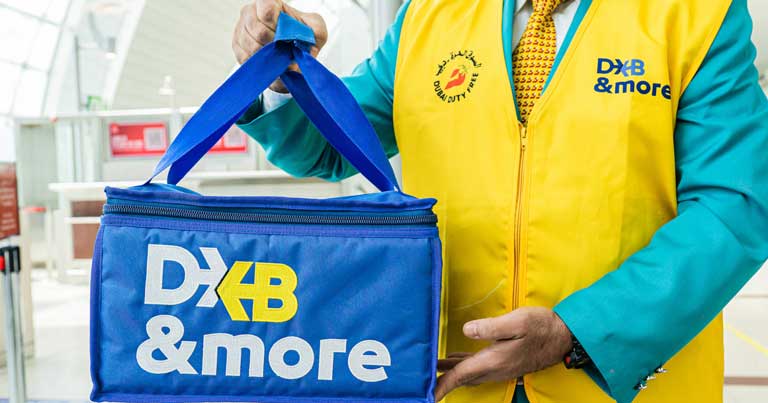
Dubai International Airport has introduced DXB Greet & Go in Terminal 3, revolutionising the way arrivals are greeted. Licensed hotels, tour operators and transport providers can now tap QR codes—replacing traditional placards—to meet guests efficiently in a dedicated arrivals area.

The initiative, officially live since early July, provides an authorised meeting zone designed to improve passenger flow and elevate hospitality standards. Dubai Airports has established this as part of its strategy to ease congestion and reduce stress at peak arrival times.

This digital-first service streamlines the reception experience: instead of waiting among crowds, drivers and host staff now scan pre-shared QR codes, guiding travellers directly to designated areas where they are met by clear signage. The system aligns with security protocols while offering better clarity and comfort.

Industry observers describe DXB Greet & Go as another milestone in Dubai’s automation and smart-performance ambitions. It complements prior enhancements—like biometric Smart Tunnels and QR-code navigation tools—designed to process high passenger volumes more swiftly while preserving a premium touchpoint.

Key regional operators have already registered. A senior operations manager at one of Dubai’s leading hospitality chains noted guest satisfaction has improved, citing fewer missed connections and faster handovers. Dubai Airports spokesperson emphasised that launch partners are primarily “licensed entities” committed to seamless, branded guest engagement.

Compliance and coordination with security teams were paramount in crafting the scheme. The dedicated meeting point follows stringent screening criteria and maintains oversight from airport operations, ensuring guest meets do not impinge on wider terminal safety. It also alleviates footfall in busy corridors, especially during peak periods.

Analysts see branding and service quality benefits. Sharply reducing wait times at arrivals enhances early impressions for high‑value guests, business travellers and VIPs—key revenues for both hotels and airport retail operators. And as QR-based systems gain traction worldwide, DXB’s approach may offer a replicable benchmark for other global gateways.

Passengers have already reported smoother arrivals. A recent poll by a GCC‑based travel blog found that 87 percent of users appreciated the clarity of designated zones and reduced crowding. Several said using the service felt more “personalised and modern”, aligning with expectations for a luxury travel experience.

Onboarding requires minimal effort: partners register via Dubai Airports’ platform, receive official QR codes linked to flight details, and station meeting personnel accordingly. QR scanning synchronises with flight schedules, activating the service only once the flight has landed and passengers have disembarked.

Dubai Airports reports the system has quickly gained traction among boutique hotels and VIP ground handlers, with expansion plans underway. Terminal 3—the main hub for Emirates—is expected to expand the service across other terminals if demand continues.

The move also integrates with existing smart journeys like DXB Express Maps, enabling visitors to navigate lounges, shops and gates by QR scanning digital kiosks. The combined effect is a frictionless experience from landing to departure, supporting ambitions to top 100 million annual passengers.

By Dr. Gyan Pathak Though on the eve of the workers’ all India general strike on July 9, 2025, Union Ministry of Labour, Government of India, tried to downplay the strike action by claiming that213 unions had informed of their staying away from the strike, India actually witnessed on Wednesday the largest ever general strike […]

To choose the best creative agency in Dubai, which is located in the center of the innovation hub of the Middle East, it is not enough to just choose a vendor; rather, it is necessary to choose a brand partner for the long term.  The city of Dubai, which is one of the most competitive, multicultural, and technologically advanced marketplaces in the world, demands advertising firms that […]

Birthdays are one of life’s most special moments, and there’s no better way to express your love and best wishes than with a beautiful bouquet of flowers. Flowers carry deep meanings, and they instantly brighten up any occasion, especially birthdays. However, when you’re on a budget, it can be tricky to find the perfect bouquet that looks beautiful without draining your wallet. Luckily, you don’t have to […]

By Dr. Gyan Pathak Election Commission of India’s order of June 24, 2025 for conducting Special Intensive Revision of Electoral Rolls in Bihar violates its core constitutional responsibility, and is contrary to the well-defined protocol and procedure, and hence whimsical. In the note explaining the process of annual revision/updation of electoral rolls, the ECI has […]

String.com, launched this week by the Pipedream team, allows users to describe in plain English the AI agent they want, and the platform instantly crafts, tests and deploys fully functional agents without the need for manual coding. This marks a milestone in automation and agentic AI, combining natural language input with backend integration to accelerate deployment of intelligent workflows. The platform’s creator, Tod Sacerdoti, explained that String […]

Sterling’s recent rally has little to do with the UK economy suddenly outperforming expectations. It has everything to do with the dollar falling out of favour. When the pound hit $1.365 this week—its strongest level since early 2022—it was a flashing red signal that international investors are losing faith in the greenback. Let’s not pretend this is about interest rates. The Federal Reserve is still holding firm, […]

Bitcoin Core developer Jon Atack was briefly arrested in El Salvador this weekend after his neighbour lodged a complaint stemming from a heated dispute over property boundaries. Police detained Atack under a statute protecting women from violence, but released him about an hour later, returning his phone and passport. He described the officers as “professional and friendly”, emphasising the incident was unrelated to his work in cryptocurrency.

Atack, a long‑time contributor to Bitcoin Core and a United States citizen, said the altercation began when he and a neighbour argued over perceived encroachment on property lines. During the exchange, he allegedly used insulting language, prompting the neighbour to report him for “violence against women”—an offence under El Salvador’s Special Comprehensive Law for a Life Free of Violence for Women, introduced in 2012.

Law enforcement briefly held Atack. He posted on X that officers confiscated his phone and passport, which he said cut him off from communication. The neighbour’s allegation triggered the arrest, which could have led to imprisonment according to the law invoked. However, no charges were formally pressed, and he was released within the hour.

Atack explained the conversation escalated when he referred to the neighbour as “stupid”, a comment she perceived as aggressive. Under local defamation statutes, such insults can carry severe legal consequences, including up to eight years in prison.

Communication from the Bitcoin community amplified concern over Atack’s detainment. Prominent developers expressed support on social media, viewing the suspension of his civil liberties—even temporarily—as disproportionate to the circumstances. One post highlighted that the law in question is often criticised for its broad and punitive scope.

The incident has reignited debate in the crypto ecosystem regarding legal vulnerability when community figures travel abroad. Advocates argue that Atack’s detainment underscores the importance of cultural and legal awareness for global actors, particularly in jurisdictions known for rigorous enforcement of social protection measures.

El Salvador’s government has actively positioned the country as a beacon for Bitcoin regulation since adopting the cryptocurrency as legal tender in 2021. Yet critics have argued that reliance on strict social legislation could introduce uncertainty for international visitors, investors and developers. Atack’s predicament brought this into stark focus, especially as he noted the incident was rooted in personal disagreement rather than political or financial motivations.

During the brief detention, Atack described the authorities as courteous, with one officer telling him he “might have to stay in jail”, but ultimately releasing him after confirmation that no threats had been made. He said he was relieved and treated fairly, though the experience left him shaken.

Atack is now back with his belongings and resuming his work, having reaffirmed his gratitude online. He wrote: “This was the first time I’ve been in cuffs and God willing also the last time.”

Legal experts in El Salvador note that the LEIV law was intended to address a persistent issue of gender‑based violence. However, its application to verbal altercations—including insults—has drawn criticism as overly broad. The law’s defenders argue that it safeguards women’s dignity, while detractors claim it grants excessive prosecutorial discretion over matters that could be resolved civilly.

The crypto community is watching closely as this story unfolds. For developers and investors engaged in global travel, Atack’s experience serves as a cautionary tale about how social and legal norms interact with professional mobility. While El Salvador markets itself as a forward‑looking nation for digital assets, Atack’s case suggests that everyday disputes can escalate swiftly under local statutes.

Atack has no ongoing legal proceeding and intends to remain in the country. He said his focus remains on his Bitcoin Core contributions, and he expressed hope that the episode would spur discussion over legal clarity for international tech practitioners operating under unfamiliar jurisdictions.

Observers stress that Atack’s swift release and the respectful treatment he received may reflect positively on the impartiality of Salvadoran law enforcement. Yet, they also warn that the preventive seizure of personal documents and potential for detention highlight essential areas for legal and diplomatic safeguards to protect visiting professionals.

By Nantoo Banerjee It is difficult to believe that India, the world’s fourth largest economy by gross domestic product (GDP) and a major military power, ranks below even the tiny states of Kuwait and Greece when it comes to defence spending as a percentage of GDP. Considering the tricky geo-political situation in the south Asian […]

UAE authorities have categorically dismissed claims that cryptocurrency investors can secure a 10‑year golden residency visa, stating that such privileges are reserved for specific sectors such as real-estate investors, entrepreneurs, top-tier talents, scientists, specialists, leading students and graduates, humanitarian pioneers and frontline workers.

In a joint statement, the Federal Authority for Identity, Citizenship, Customs and Port Security, the Securities and Commodities Authority and the Virtual Assets Regulatory Authority made clear that no visa pathway exists based solely on digital asset investment. The clarification, issued in response to social media promotions tied to TON coin staking, noted that licensed companies dealing in virtual assets must follow standard visa procedures set by Dubai authorities—contradicting any assertion of automatic long-term residency for such investors.

The declaration emphasised that golden residencies, formally known as “golden visas,” are awarded selectively. Eligible recipients include individuals contributing significantly through real-estate acquisition, entrepreneurship, exceptional professional or academic achievements, humanitarian efforts, scientific innovation and frontline services. Digital asset holders, including those with TON coin, are not part of this framework.

VARA underscored that any licensed firm engaged in virtual assets must adhere strictly to visa regulations approved by Dubai’s government. The authority explicitly stated that TON is not among the licensed virtual asset service providers regulated by VARA—which serves as a reminder that third-party programme claims cannot confer regulatory endorsement or visa rights.

Market reactions were swift. TON’s market value dropped roughly 6% after the regulators’ denial, reversing an earlier 10% rally sparked by reports suggesting that staking over $100,000 of the cryptocurrency for three years would qualify investors for golden residency. The dip reflects investor recalibration, as participants digest the official position.

Crypto-focused platforms including Cointelegraph and CryptoBriefing reported that the golden visa narrative around TON did not originate from UAE government entities, but from promotional efforts tied to TON itself or affiliates. Such promotions framed virtual-asset investments as viable residency routes, a stance regulators assert is misleading.

Historically, the UAE has granted golden visas to boost innovation and long-term commitment within its economic ecosystem. Introduced in 2019, the visa allows extended residency ranging from five to ten years for designated groups, including investors, researchers, medical professionals, outstanding students, frontline responders and humanitarian workers. The UAE’s focus has been on attracting tangible economic and social capital—not speculative virtual-asset portfolios.

The political economy of the golden visa scheme underscores the government’s desire to diversify its talent pool while retaining high-calibre individuals. Notably, real-estate investors must typically commit AED 2 million or more, and entrepreneurs require projects valued at least AED 500,000, alongside approved incubator backing. There is no parallel threshold for cryptocurrency holdings.

VARA’s clarification additionally served as a broader caution to the public, urging consumers to engage only with fully licensed and regulated entities in the virtual-asset space. This aligns with the authority’s ongoing efforts to mitigate risk, prevent fraud, and ensure compliance within the rapidly evolving crypto sector.

Legal analysts note that agencies like ICP, SCA and VARA carry statutory authority over immigration, securities and virtual asset regulation, respectively—a strong indicator that their joint statement holds legal weight. Any company or platform claiming otherwise could face regulatory investigation for misleading representations.

Industry experts praised the clarity of the communication, saying it helps dispel misconceptions among investors attracted by sensational claims. “Regulation must keep pace with innovation,” commented one Dubai-based compliance specialist. “But investors also bear responsibility to verify claims, particularly when residency and investment are involved.”

Within the wider crypto ecosystem, this development is neither isolated nor unexpected. Regulators across jurisdictions have increasingly emphasised that digital-asset holdings alone rarely guarantee immigration benefits. The UAE’s decisive response may serve as a model for governments balancing openness to innovation with prudence in immigration policy.

Moving forward, observers will watch closely whether the UAE institutes any formal framework for crypto-linked residency benefits. VARA and SCA have previously launched licensing regimes for exchanges and service providers, hinting at a broader regulatory ecosystem under development. However, until there is explicit policy inclusion, golden visa eligibility remains restricted to well-defined categories.

Legal scholars suggest that should UAE authorities wish to incorporate virtual-asset investment into residency policy, formal amendments would need to be tabled via corporate regulations and immigration law. Meanwhile, the current guidelines offer clear instruction: digital asset investment, regardless of size, is not sufficient to obtain a golden residency in the UAE.


Dubai’s Knowledge and Human Development Authority has confirmed that three esteemed international institutions—the Indian Institute of Management Ahmedabad, the American University of Beirut, and Saudi Arabia’s Fakeeh College for Medical Sciences—will launch branch campuses in the emirate for the 2025–26 academic year. This move aligns with Dubai’s strategic Education 33 and broader Dubai Economic Agenda D33, designed to enhance its status as a global education hub.

The Indian Institute of Management Ahmedabad is renowned for its Business and Management programme, currently ranked 27th globally by the QS World University Rankings by subject. The American University of Beirut holds a position of 237th in the overall QS World University Rankings. Fakeeh College for Medical Sciences brings specialised strength in health and medical education to Dubai’s portfolio.

Dr Wafi Dawood, CEO of KHDA’s Strategic Development Sector, emphasised that the initiative “reflects the emirate’s international stature” and aligns with goals to enhance graduate competitiveness, boost educational tourism ten-fold by 2033, broaden Emirati workforce integration, and bolster economic diversification. The strategy also aims to see international students making up 50 per cent of Dubai’s higher education population by 2033, contributing an estimated AED 5.6 billion to the sector’s GDP.

Dubai’s higher education ecosystem already includes 41 private international providers—37 of which are branch campuses—including the University of Manchester Dubai and University of Birmingham Dubai, whose home institutions rank 35th and 76th respectively in QS 2026. Curtin University Dubai and University of Wollongong in Dubai also feature within the top 200 global rankings.

The emirate recorded a 20 per cent rise in total private university enrolment for 2024–25, with international students growing by 29 per cent to reach over 42,000 across more than 700 programmes. This marks the highest student population to date in Dubai’s sector.

A broader pipeline is in place, with several other globally ranked institutions currently in advanced discussions with KHDA to establish Dubai campuses. The initiative supports Dubai’s ambition to position itself among the world’s top ten cities for university education by 2033.

Dubai International Academic City, the emirate’s dedicated higher education zone, accommodates around 27,500 students across 27 colleges and three innovation centres, offering over 500 programmes. Many of the new branch campuses are expected to be located within DIAC or Dubai Knowledge Park, reinforcing the emirate’s capacity for transnational education.

Amid growing demand, student housing projects have expanded to meet the needs of a diverse population representing more than 150 nationalities. Dubai’s education authorities have also prioritised research collaboration and academic innovation through cross-border partnerships, consistent with KHDA’s quality framework.

VISHNU RAJA
RYO YAMADA
HITORI GOTOH
IKUYO KITA