News related to
Commodity

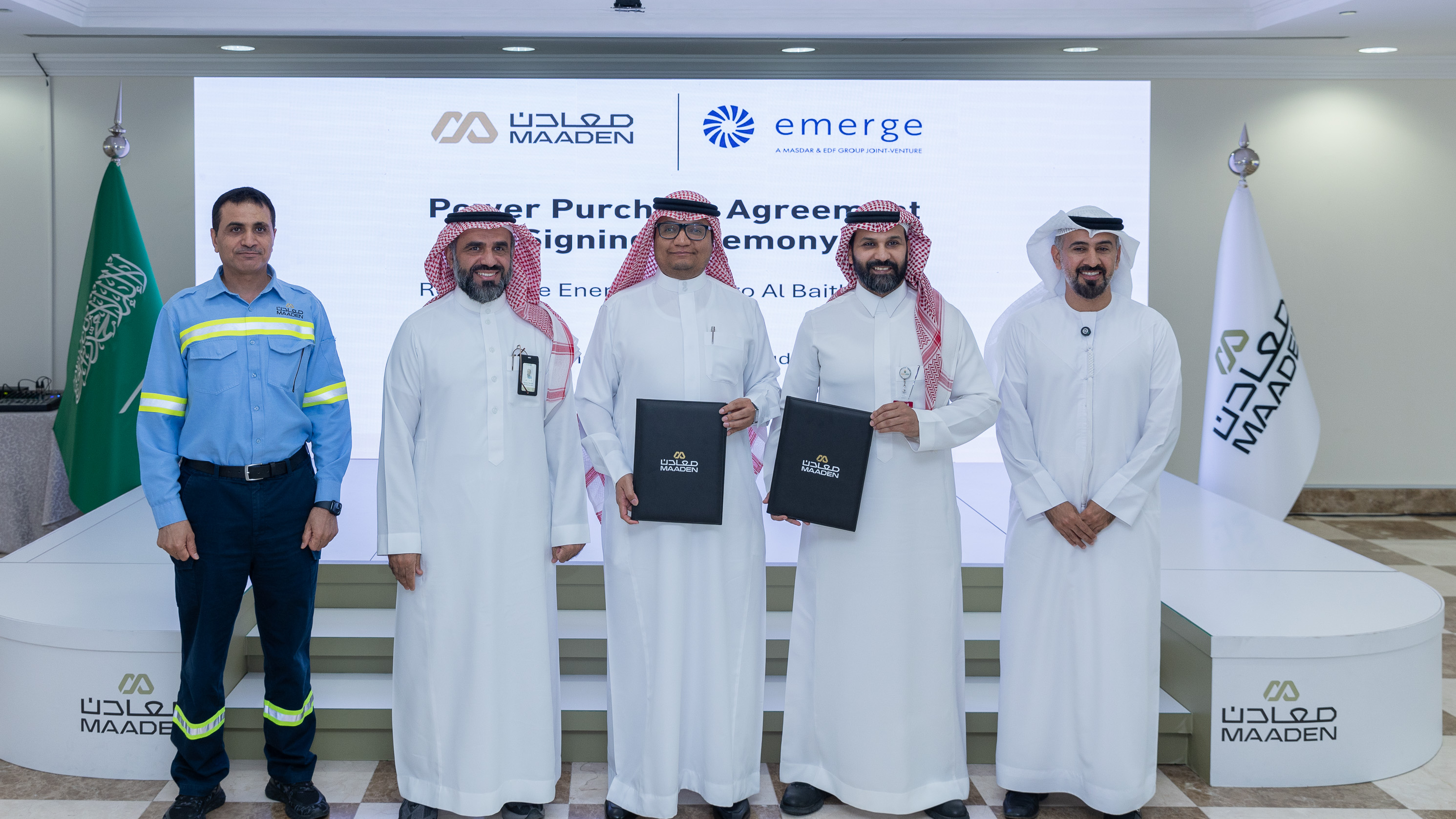
Saudi Arabian Mining Company, widely known as Saudi Arabian Mining Company, has outlined plans to establish a joint venture with Midana Exploration Pay Ltd to advance minerals exploration, development and mining across licensed areas of the kingdom, in a move that underscores the country’s push to expand its non-oil resource base.

Under the proposed structure, the joint venture will be capitalised initially at $5 million, with Maaden holding a controlling 50.1% stake and Hancock owning the remaining 49.9%. The vehicle is expected to focus on early-stage exploration as well as the development and eventual sale of mineral resources identified within approved concession blocks, subject to regulatory clearances.

The announcement comes as Saudi Arabia accelerates efforts to map and commercialise its estimated multi-trillion-dollar mineral endowment, a pillar of the Vision 2030 strategy aimed at diversifying fiscal revenues and building domestic industrial supply chains. Officials and industry executives have repeatedly highlighted underexplored deposits of gold, copper, zinc, phosphate, bauxite and rare earth elements as areas of strategic interest.

Maaden, majority owned by the Public Investment Fund, has over the past decade evolved from a single-commodity operator into a diversified mining champion spanning gold, aluminium, phosphate fertilisers and industrial minerals. The proposed partnership with Hancock signals a renewed emphasis on upstream exploration, an area that demands specialised geological expertise, patient capital and risk-sharing arrangements.

Hancock, through its local exploration arm, has built a portfolio of prospecting licences and geological data across several regions of the kingdom. Industry observers say its familiarity with Saudi Arabia’s licensing framework and field operations complements Maaden’s balance sheet strength, project development experience and access to downstream markets.

According to people familiar with the matter, the joint venture is designed to move swiftly from desktop studies to on-ground surveys, including geophysical mapping and targeted drilling. Any commercial discoveries would then be evaluated for standalone development or integration into Maaden’s existing asset base, depending on scale, mineral type and infrastructure considerations.

The modest initial capital reflects the early-stage nature of the venture, with provisions allowing for additional funding rounds as projects advance. Mining analysts note that exploration budgets often expand sharply once priority targets are identified, particularly for metals linked to energy transition technologies such as copper and battery minerals.

Saudi Arabia has spent heavily on geological surveying over the past few years, releasing high-resolution data to attract private and foreign investors. The Ministry of Industry and Mineral Resources has also reformed the mining law to streamline licensing, strengthen environmental oversight and provide longer concession terms, measures that have been welcomed by global miners.

Within this policy backdrop, Maaden’s majority stake ensures strategic alignment with national priorities while allowing its partner operational flexibility. The 50.1-49.9 split also gives Maaden consolidation rights over any successful projects, a factor likely to reassure lenders and potential offtake partners at later stages.

Market participants see the joint venture as part of a broader trend of collaborative exploration models in the kingdom, where state-backed entities pair with specialised firms to spread risk and accelerate discovery timelines. Similar structures have been adopted in other resource-rich jurisdictions seeking to build domestic mining ecosystems without shouldering all the geological risk alone.

Environmental and social governance considerations are expected to feature prominently as projects move forward. Saudi regulators have tightened requirements around land rehabilitation, water use and community engagement, and Maaden has publicly committed to aligning new developments with international sustainability benchmarks.

Arabian Post Staff -Dubai Abu Dhabi National Energy Company PJSC, known as Abu Dhabi National Energy Company PJSC, and Emirates Water and Electricity Company have finalised a 3.6 billion dirham agreement for the Al Dhafra Power Plant, marking a significant addition to Abu Dhabi’s generation capacity and underlining continued investor confidence in the emirate’s regulated utilities framework. The transaction centres on a long-term project financing structure in […]

United Arab Emirates policy makers are accelerating the shift towards a technology-driven economic model, placing innovation, advanced industries and the knowledge economy at the centre of long-term growth as the country seeks to reduce reliance on hydrocarbons and strengthen competitiveness across global markets. Federal strategies over the past decade have converged around building a diversified economy anchored in artificial intelligence, financial technology, clean energy and advanced manufacturing. […]

DraftKings has entered the fast-growing arena of regulated prediction markets with the launch of a new app offering event-based contracts tied to real-world outcomes, marking a notable expansion beyond its core sports-betting business. The company said its CFTC-approved platform, DraftKings Predictions, is live in 38 states, positioning the sports-wagering giant at the intersection of finance, forecasting and gaming at a time of heightened scrutiny over how Americans bet on non-sporting events.

The move places DraftKings alongside a small but expanding group of firms offering event contracts overseen by the US Commodity Futures Trading Commission, a regulatory route that differs from state-by-state gambling laws governing sports betting. Through DraftKings Predictions, users can take positions on outcomes ranging from economic indicators to political and cultural events, structured as contracts rather than traditional wagers. The company argues the model emphasises price discovery and market participation rather than gambling, a distinction that has been central to regulatory debates.

DraftKings said the new product operates through a CFTC-registered entity and complies with federal commodities law, allowing it to reach customers in states where sports betting remains restricted. The company framed the launch as a response to consumer demand for alternative ways to express views on real-world outcomes, while maintaining that safeguards are in place to limit misuse and ensure transparency. Executives have also pointed to risk-management tools and customer-verification standards similar to those used in its sportsbook operations.

The expansion comes as prediction markets gain renewed attention in the United States. Platforms offering event contracts have existed for years, often used by academics and traders to forecast elections or economic trends, but broader public adoption has accelerated as digital platforms have simplified access. Supporters argue these markets aggregate information efficiently and can produce forecasts that rival traditional polling or expert analysis. Critics counter that they blur the line between informed trading and speculative betting, particularly when contracts reference sensitive political events.

Regulators have taken a cautious but engaged stance. The Commodity Futures Trading Commission has emphasised that event contracts must meet standards designed to prevent market manipulation and protect the public interest. Questions over which types of events are permissible have led to consultations and, in some cases, requests for platforms to pause or modify offerings. DraftKings’ entry suggests confidence that its structure aligns with federal expectations, though the space remains under active review.

For DraftKings, the strategic rationale extends beyond regulatory arbitrage. The company has spent the past decade building a large, data-rich user base through daily fantasy sports and online sportsbooks. Prediction markets offer a way to diversify revenue streams and engage customers outside traditional sports calendars, potentially smoothing seasonal fluctuations. Analysts note that margins and customer behaviour in event-contract trading differ from sports betting, with pricing dynamics closer to financial markets than odds-making.

Competition is intensifying. Smaller, specialist platforms pioneered the sector, while mainstream financial apps have shown interest in integrating event contracts as a form of alternative asset. Kalshi, one of the most prominent CFTC-regulated prediction exchanges, has argued that clear federal oversight provides legitimacy and scalability. The arrival of a household name such as DraftKings is likely to increase public awareness and could accelerate policy discussions about the boundaries of the market.

The launch also raises political and ethical considerations. Event contracts linked to elections or public policy outcomes have drawn criticism from lawmakers who worry about perceptions of profiting from democracy or crises. DraftKings has indicated it will curate offerings carefully and comply with any guidance restricting certain categories. The company has previously faced regulatory challenges in the evolution of daily fantasy sports and sports betting, experience that may inform its approach to navigating this new terrain.

Investors are watching closely. DraftKings’ shares have historically been sensitive to regulatory signals and product expansion news, reflecting the company’s reliance on favourable legal frameworks. Entering prediction markets could bolster its growth narrative, but it also exposes the firm to federal-level policy shifts rather than the patchwork of state decisions that shaped sports betting’s rollout. The cost of compliance, technology build-out and potential legal challenges will influence how quickly the segment contributes to earnings.

Ministry of Finance has announced Cabinet Decision No. 153 of 2025, setting out the application of the reverse charge mechanism on the trading of metal scrap between VAT-registered businesses in the UAE, with the framework scheduled to take effect on 14 January 2026. The move is positioned as a targeted adjustment to the country’s value-added tax regime, aimed at strengthening compliance and reducing tax leakage in a sector long regarded by authorities as vulnerable to misreporting and cash-based transactions.

The decision has been issued under the provisions of Federal Decree Law No. 8 of 2017 on Value Added Tax, along with its subsequent amendments, and Cabinet Resolution No. 52 of 2017 covering the Executive Regulations of the VAT law. Together, these instruments provide the legal basis for shifting VAT liability from the supplier to the recipient in specified transactions, a mechanism already familiar to many businesses operating in regulated or high-risk supply chains.

Under the reverse charge mechanism, the obligation to account for VAT on a transaction moves from the seller to the buyer, provided both parties are registered for VAT. In the context of metal scrap trading, this means suppliers will issue tax invoices without charging VAT, while purchasers will self-account for the tax in their VAT returns, subject to the normal rules on input tax recovery. Officials say the approach is designed to curb evasion practices that can arise where VAT is charged but not remitted to the tax authority.

The Ministry of Finance has framed the decision as part of a broader effort to fine-tune the VAT system since its introduction in 2018, responding to sector-specific risks identified through audits and market monitoring. Metal scrap trading, which often involves multiple intermediaries and fluctuating commodity prices, has been highlighted in several jurisdictions worldwide as an area where reverse charge measures can enhance transparency and simplify enforcement.

The cabinet decision on scrap VAT treatment reflects a policy choice already adopted in parts of Europe and Asia, where tax authorities have used reverse charge rules to counter carousel fraud and other forms of abuse linked to recyclable materials and metals. By aligning with these international practices, the UAE is seeking to balance ease of doing business with the need for robust revenue protection.

Industry participants are now assessing how the change will affect cash flow and contractual arrangements. For suppliers, the removal of VAT charging on eligible scrap transactions may reduce administrative burdens and the need to finance VAT amounts pending recovery. Buyers, on the other hand, will need to ensure their accounting systems can correctly self-assess VAT and reflect the entries accurately in periodic returns. Tax advisers note that while the mechanism is neutral in theory for fully compliant, fully taxable businesses, errors in classification or documentation could lead to penalties.

The decision applies specifically to transactions between registrants, underscoring the importance of verifying counterparties’ VAT registration status. Businesses involved in mixed supplies, or dealing with unregistered parties, will need to distinguish carefully between transactions subject to the reverse charge and those that remain under the standard VAT rules. This distinction is expected to be a focal point of guidance and compliance reviews ahead of the January 2026 effective date.

Officials have indicated that further clarification will be issued through administrative guidance to define the scope of “metal scrap” covered by the decision, drawing on existing definitions used in customs and commercial practice. Market participants expect this to include waste and scrap from metals such as iron, steel, aluminium and copper, though the final interpretation will determine how widely the measure applies across recycling and manufacturing chains.

The timing of the announcement gives businesses more than a year to prepare, adjust contracts and update systems. Tax specialists view this lead time as significant, allowing companies to conduct impact assessments and staff training without disrupting ongoing operations. It also provides an opportunity for the authorities to engage with industry bodies and address practical concerns before enforcement begins.

HONG KONG SAR – Media OutReach Newswire – 18 December 2025 – IX Asia Indexes today announced the 2nd Half 2025 Review of the IX Digital Asset Industry Classification System (“DAICS®“), aiming to provide professionals worldwide with a transparent and standardized classification scheme to determine sector and exposure of particular digital assets. DAICS® classifies digital assets into 2 main categories: a) Cryptocurrencies and b) Asset Backed Tokens (ABTs) in a 3-tier system for each category. For Cryptocurrencies: Tier 1-Industry/ Tier 2-Sector/ Tier 3-Sub-sector; and for ABTs: Tier 1-Asset Type/ Tier 2-Branch/ Tier 3-Sub-branch. The results are as follows:

  • DAICS® coin coverage: As of 3rd December, the top 50 coins by average market capitalization across the past 90 days
  • DAICS® market capitalization coverage: 96.98%*
  • The % coverage of market capitalization of the 50th ranked coin: 0.048%**
  • Member changes within the Top 50 Coins in DAICS®: eight coins added and nine coins deleted
  • Additions: Zcash (ZEC), World Liberty Financial USD (WUSD), PayPalUSD (PYUSD), Memecore (M), Worldcoin (WLD), Story (IP), Arbitrum (ARB), KuCoin (KCS)
  • Deletions: Mantra (OM), GateToken (GT), Official Trump (TRUMP), VeChain (VET), Render (RENDER), First Digital USD (FDUSD), Filecoin (FIL), Cosmos (ATOM), Algorand (ALGO)
  • 9 Green Coins labelled: Cronos (CRO), Pi (PI), Internet Computer (ICP), Hedera, Sui (SUI), Toncoin (TON), Arbitrum (ARB), Mantle (MNT), Tron (TRX)

Note:
*Special currency treatment of DAICS® applies, where any wrapped or second-level cryptocurrency is not considered in the calculation for the market capitalization of DAICS®

**Based on 3rd December 2025
G: Green Coin

The rankings of additions and deletions for the DAICS® top 50 cryptocurrencies are listed in Appendix 1. All classification changes, including the ixCrypto Infrastructure Index and ixCrypto Stablecoin index, will take effect on 23rd January 2026, with market capitalization, rankings, and weightings available at www.ix-index.com.

1. Cryptocurrencies

1.1. Structure and Definitions

Tier 1: Industry Changes
The industry groups remain unchanged, with 5 industries and the respective weightings as follows:

Industry Weighting (%)
Payment (110) 73.87%
Infrastructure (120) 19.89%
Financial Services (130) 4.82%
Tech & Data (140) 0.22%
Media & Entertainment (150) 1.20%

Tier 2: Sector Changes
The number of sectors has increased from 17 to 18. There is one new sector added under the industry group “Tech & Data (140)”:

Identification (14040)
Definition: Cryptocurrencies that facilitate decentralized identity authentication and/or blockchain-based validation of digital intellectual property rights. The classification emphasizes trust, data consent, and privacy as core architectural features while the crypto by itself is not an identity token.

1.2. Reclassification Changes
This review doesn’t have any reclassification of the existing coins. The DAICS® 2H 2025 cryptocurrencies classification is available in Appendix 2.

1.3. Green Coin Label
This review identifies 9 Green Coins, classified based on their energy-per-unit-transaction, which is defined as the amount of energy consumed for a successful single unit transaction of the coin in the blockchain network. The coins selected rank in the top 20 percentile of the least energy-consuming cryptocurrencies out of the 50 DAICS® constituents. The top 20 percentile’s threshold in this review is ≤ 0.150 Wh. The table below lists these low-energy coins.

Industry Low Energy-per-transaction (≤ 0.150 Wh)
Payment (110) CROG
PIG
Infrastructure (120) ICPG
SUIG
ARBG
TRXG
HBARG
TONG
MNTG
Financial Services (130) NIL
Tech & Data (140) NIL
Media & Entertainment (150) NIL


Note: G as ‘Green Coin‘ labelling for cryptocurrencies that adhere to the principles of sustainability

2. Asset Backed Tokens (ABT)

2.1. Structure and Definitions

Tier 1: Asset Type Changes
The asset types remain unchanged at 6 as follows:
1) Culture (205),
2) Real Estate (215),
3) Financials (235),
4) Entertainment (255),
5) Natural Resources (265), and
6) Green Economy (275)

Tier 2: Branch Changes
The number of branches has increased from 31 to 32, with a new branch added under Financials (235): Tokenized funds (23540).

2.2. Classification Changes
This review doesn’t have any reclassification of the existing assets.

2.3. Coverage of DAICS®
A classification summary and definition table of both cryptocurrencies and ABTs are available in Appendices 3 and 4. For further information regarding the methodology of the DAICS®, please refer to the “IX Digital Asset Industry Classification System”- principle and guiding methodology on the company website https://ix-index.com/daics.html.

For more details on DAICS® qualification criteria, please email [email protected].

Appendix 1

Additions and Deletions in DAICS® Top 50 Cryptocurrencies

Additions
Current Rank Cryptocurrencies
28 Zcash (ZEC)
31 World Liberty Financial USD (WUSD)
41 PayPal USD (PYUSD)
45 MemeCore (M)
46 Worldcoin (WLD)
49 Story (IP)
50 Arbitrum (ARBG)
51 KuCoin (KCS)

Deletions

Prev. Rank Cryptocurrencies Current Rank
34 Mantra (OM) 300+
41 GateToken (GT) 67
43 OFFICIAL TRUMP 56
45 VeChain (VET) 55
46 Render (RNDR) 58
47 First Digital USD (FDUSDG) 71
48 Filecoin (FIL) 61
50 Cosmos (ATOM) 54
51 Algorand (ALGO) 52

G: Green Coin

Appendix 2

Classification of the Top 50 Coins by Industry and Sector
Category

Industry Sector Cryptocurrencies
Cryptocurrencies (1) Payment:

Blockchain based money, designed for transactional purposes. This includes daily transactions usage and stablecoins.

Transaction & Payment BTC
XRP
BCH
XLM
LTC
XMR
CROG
ZEC
PIG
KAS
Stablecoin USDT
USDC
USDe
DAI
WUSD
PYUSD
Infrastructure:

Bedrock blockchain that facilitates the operation of other decentralised applications. This includes the creation and running of dedicated blockchain platforms, achieving interoperability between networks, increasing the amount or speed of transactions etc

Application Development Protocol & Smart Contract ETH
SOL
TRXG
ADA
HYPE
SUIG
AVAX
HBARG
TONG
NEAR
ETC
APT
ICPG
Interoperability LINK
DOT
ATOM
Scaling & Sharding MNTG
ARBG
POL
Supporting System NIL
Financial services:

Tokens that provide on-chain asset management services, crypto-exchange services, funding, lending and other capital markets related services

Exchange Tokens BNB
LEO
BGB
UNI
OKB
KCS
Lending & Borrowing AAVE
Staking ENA
Financial Asset Tokenization ONDO
Tech & Data:

Provision of data management and storage, and development of innovative crypto technology

Storage & Sharing NIL
Data Management NIL
Artificial Intelligence TAO
Identification
(NEW)
WLD IP
Media & Entertainment:

Recreational and media services. Including content creation and distribution, advertising through crypto-asset incentive mechanisms, gaming and collectibles

Social Media & Community DOGE
SHIB
PEPE
M
Streaming NIL
Gaming NIL
Metaverse NIL

Note:
G as ‘Green Coin‘ for cryptocurrencies that adhere to the principles of sustainability

NEW for newly added sector

Appendix 3

DAICS® Industry and Sector Definition

Category Industry Sector Sector definition
Cryptocurrencies (1) Payment: (110)

Definition
Blockchain based money, designed for transactional purposes. This includes daily transactions usage and stablecoins.

Transaction & Payment
(11010)
Cryptocurrencies that are used for store of value, unit of account, medium of exchange
Stablecoin
(11020)
Cryptocurrencies where price is pegged to a / a basket of, reference asset
Infrastructure: (120)

Definition
Bedrock blockchain that facilitates the operation of other decentralised applications. This includes the creation and running of dedicated blockchain platforms, achieving interoperability between networks, increasing the amount or speed of transactions etc.

Application Development Protocol & Smart Contract
(12010)
layer-1 blockchain network that facilitates DApp creation and smart contract execution and smart contract
Interoperability
(12020)
Network that increases inter-connectivity and integration of the fragmented cryptocurrency ecosystem
Scaling & Sharding
(12030)
Networks that increase the ability to cope with the influx of many transactions at a time and blockchain network that can be split into smaller partitions, to improve scalability and process transactions quicker
Supporting System
(12040)
Networks/sidechains that improve functionality of layer-1 network
Financial services: (130)

Definition
Tokens that provide on-chain asset management services, crypto-exchange services, funding, lending, and other capital markets related services

Exchange Tokens
(13010)
Cryptocurrencies that represent the stable coin in the exchange ecosystem and allow users to covert from digital asset on decentralised or centralised system int fiat currencies
Lending & Borrowing
(13020)
Borrowing and lending crypto assets with interest in return and other secondary financial tools derived from primary underlying asset, such as crypto futures and options
Staking
(13030)
Holding and “staking” of certain amount of cryptocurrency in a wallet to facilitate network operations
Financial Asset Tokenization (13040)

Cryptocurrencies/protocols that focus on the tokenized issuance and management of financial assets
Tech & Data: (140)

Definition
Provision of data management and storage, and development of innovative crypto technology

Storage & Sharing
(14010)
Crypto protocols that provide decentralized storage and/or sharing of data filing and resources.
Data Management
(14020)
Networks/Protocols that facilitate the indexing and querying of data from blockchain(s), enabling efficient data retrieval and management for decentralized applications
Artificial Intelligence
(14030)
Cryptos/Protocols that facilitate the use of AI powered apps or projects directly using blockchain platform.
Identification
(14040) (NEW)
Cryptocurrencies that facilitate decentralized identity authentication and/or blockchain-based validation of digital intellectual property rights. The classification emphasizes trust, data consent, and privacy as core architectural features while the crypto by itself is not an identity token.
Media & Entertainment: (150)

Definition
Recreational and media services. Including content creation and distribution, advertising through crypto-asset incentive mechanisms, gaming and collectibles

Social Media & Community
(15010)
Cryptos that provides mast social community and followers without a close secondary industry sector
Streaming
(15020)
Cryptos that provides rights to access decentralised video-streaming sites
Gaming
(15030)
Cryptos which mainly used in gaming or gaming supporting industry
Metaverse
(15040)
Cryptos that is commonly used in collective virtual open space, created by the convergence of virtually enhanced physical and digital reality. This includes the use of VR and/or AR and/or 3D.

Note: NEW for newly added sector

Appendix 4

DAICS® Asset Type and Branch Definition
Category

Asset Type Branch Sub -branch
Asset-Backed Tokens (2) Culture: (205)

Definition
Real asset relating to sports, art, cultural drama, festive collectibles and design IPs etc.

Art
(20510)

This shall be further developed in the future with more digital assets available in the market

Sports
(20520)
Festive Collectibles
(20530)
Design IPs
(20540)
Drama and Play IPs
(20550)
Real Estate:(215)

Definition
Assets that mainly derived its valuation from property, real estate, and land

Commercial Property
(21510)
Residential Property
(21520)
Governmental Property
(21530)
Residential and Commercial Land
(21540)
Financials: (235)

Definition
Real financial asset including listed company shareholdings on regulated centralised exchanges and private company shareholdings; debt instruments; property trusts and derivatives that settled on regulated exchange (CeFi and DeFi).

Tokenised Securities (Company Securities, ETF)
(23510)
Tokenised Debts
(23520)
Tokenised REITs
(23530)
Tokenised Funds(NEW)
(23540)
Entertainment: (255)

Definition
Ownership of the IPs assets in the area of entertainment in real world such as concert, play, shows, circus, musicals, songs, movies, games, events and programs, and souvenir collectibles that is derived from the above areas.

Movies
(25510)

This shall be further developed in the future with more digital assets available in the market

Songs
(25520)
Concerts
(25530)
Gaming
(25540)
All Other Entertainment Events and Collectibles
(25550)
Natural Resources: (265)

Definition
Natural resources asset that derived directly from sea, sky, atmosphere and underground and can be classified as a commodity with standardisation such as precious metals, agricultural, energy and metals.

Precious Metals
(26510)
Agricultural
(26520)
Energy
(26530)
Metals
(26540)
Green Economy (275)

Definition
Ownership of Projects Asset that falls under the definition of the UN 17SDG²s, with over 80% of the income or jobs provided on these 17 initiatives.

No Poverty & Zero Hunger
(27510)

Following definition of the United Nations
17 sustainable development goals²

Good Health and Well-Being
(27520)
Quality Education
(27530)
Gender Equality
(27540)
Clean Water and Sanitation/Affordable and Clean Energy
(27550)
Decent Work and Economic Growth/ Industry, Innovation, and Infrastructure/ Partnerships for the Goals
(27560)
Reduced inequalities/ Peace, Justice and Strong Institutions
(27570)
Sustainable Cities and Communities/Responsible Consumption and Production
(27580)
Climate Action
(27590)
Life Below Water & Life on Land
(27500)

Note: NEW for newly added branch

² United Nations 17 sustainable development goals covering 1) No Poverty 2) Zero Hunger 3) Good Health and Well-Being 4) Quality Education 5) Gender Equality 6) Clean Water and Sanitation 7) Affordable And Clean Energy 8) Decent Work and Economic Growth 9) Industry, Innovation and Infrastructure 10) Reduced inequalities 11) Sustainable Cities and Communities 12) Responsible Consumption and Production 13) Climate Action 14) Life Below Water 15) Life on Land 16) Peace, Justice and Strong Institutions and 17) Partnerships for the Goals https://sdgs.un.org/goals

The issuer is solely responsible for the content of this announcement.

About DAICS®

DAICS® covers both cryptocurrencies and asset-backed tokens (“ABTs”), to be reviewed semi-annually at the end of June and December. On the cryptocurrency side, it is a three-tier system that groups cryptocurrencies into 5 main industries: 1) Payment, 2) Infrastructure, 3) Financial services, 4) Technology & Data, and 5) Media & Entertainment. These industries are further divided into sectors and sub-sectors to be introduced in the future. Under asset-backed tokens, there are 6 asset types: 1) Culture, 2) Real Estate, 3) Financials, 4) Entertainment, 5) Natural Resources, 6) Green Economy. These asset types are further divided into branches and sub-branches to be introduced in the future.

About the IX Asia Tokenization Advisory Committee and Working Group

The establishment of the IX Asia Tokenization Advisory Committee (“Advisory Committee”) is to pursue the goal and vision of formulating a standard for a global tokenization framework in a compliant and transparent way. The key role of the Advisory Committee is to formulate the guidelines and references for tokenization in terms of infrastructure, business, financial stability, sustainability, internal control, and classification. The Advisory Committee is comprised of industry-recognised leaders from blockchain consultancy, sustainable projects, and the field of the Art industry.

The establishment of the Working Group is to identify, evaluate and recommend key directions and founding principles according to their specific industry knowledge and expertise in relating to the creation of the specified token. It will examine and propose improvements to the guidelines and references for tokenization. The working group is formed of a diverse group of market experts representing relevant sectors and markets, to provide input and discuss case studies for creation of tokenization framework, best practices and development of real-world projects.

For more information about IX Asia Tokenization Advisory Committee & Working Group, please visit .

Apple is evaluating the assembly and packaging of iPhone chips in India as part of a broader effort to rebalance its global supply chain, with CG Semi emerging as a potential partner, according to people familiar with the matter and public disclosures by companies involved in India’s semiconductor push. The move would mark a deeper localisation step beyond final device assembly and signal confidence in India’s ability to host advanced backend semiconductor operations.

The discussions centre on outsourced semiconductor assembly and test, a critical stage that follows wafer fabrication and precedes integration into devices. Apple’s A-series and M-series chips are designed in California and fabricated by Taiwan Semiconductor Manufacturing Company. Packaging and testing have largely been concentrated in East Asia, with China playing a central role through specialised facilities. Shifting part of this work to India would reduce geographic concentration risk while aligning with policy incentives offered by New Delhi to attract high-value electronics manufacturing.

CG Semi, the semiconductor arm of CG Power and Industrial Solutions, has been positioning itself as a contender in this space through a joint venture with Japan’s Renesas Electronics and Thailand’s Stars Microelectronics. The consortium has outlined plans for an OSAT facility in Gujarat, supported by central and state incentives under the Semiconductor Mission. While timelines and customer commitments have not been formally disclosed, the venture has been presented by partners as targeting advanced packaging for automotive and consumer electronics chips, an overlap that fits Apple’s requirements.

People tracking the talks caution that Apple’s evaluation remains exploratory. The company typically subjects suppliers to multi-year qualification processes covering yield, reliability, intellectual-property safeguards and environmental standards. Any decision would depend on CG Semi’s ability to meet Apple’s exacting specifications at scale and to integrate with the existing manufacturing ecosystem that includes contract assemblers such as Foxconn and Tata Group entities already producing iPhones in India.

India’s pitch rests on a combination of incentives and momentum. Production-linked incentive schemes have helped lift smartphone assembly volumes, with Apple accounting for a growing share of exports. The government has since widened support to semiconductors, offering capital subsidies, infrastructure backing and fast-tracked approvals. Backend operations are viewed as a pragmatic entry point, requiring lower capital expenditure and shorter build times than wafer fabs, while still delivering skilled jobs and technology transfer.

Industry analysts say Apple’s interest reflects a global trend among chip designers to diversify OSAT footprints amid geopolitical tensions and supply disruptions. Packaging has become more complex as chips move to advanced nodes and heterogeneous integration, raising the strategic value of reliable partners. “Advanced packaging is no longer a commodity step; it’s a differentiator,” said one semiconductor consultant who advises multinational clients on Asia manufacturing strategies. “Design houses want redundancy without sacrificing quality.”

For CG Semi, an Apple engagement would be transformative. CG Power, part of the Murugappa Group, has roots in electrical equipment rather than semiconductors. Its partnership with Renesas brings process know-how and credibility, while Stars Microelectronics contributes OSAT experience from Thailand. Securing a marquee customer would accelerate learning curves and help anchor a local supplier network for substrates, testing equipment and specialised chemicals.

There are constraints. India’s semiconductor ecosystem remains nascent, with gaps in materials, talent depth and logistics that could challenge tight production schedules. Power reliability, water availability and customs efficiency are under scrutiny by global manufacturers. Apple has previously paused or redirected supplier plans when execution risks appeared elevated, underscoring the need for consistent policy implementation at the state level.

Apple has not commented publicly on specific supplier discussions. CG Power has also refrained from naming potential customers, reiterating in filings that its semiconductor venture is at a development stage. Officials involved in the Semiconductor Mission have said backend projects are progressing and that customer announcements will follow commissioning milestones.

Advertisements

The U. S. Senate has deferred action on a highly anticipated crypto market structure bill, with the Senate Banking Committee confirming that it will not hold a markup vote on the legislation this year and plans to resume deliberations in early 2026. The decision prolongs regulatory uncertainty for digital asset markets and leaves unresolved how federal authorities will oversee cryptocurrency trading platforms, brokers, issuers and decentralised finance […]

Abu Dhabi-based International Holding Company has increased its ownership in Invictus Investment Company to about 40 per cent after acquiring an additional 17.5 per cent stake in a transaction valued at roughly Dhs420m, signalling a deeper strategic alignment between one of the region’s largest conglomerates and a global commodities trading platform. The investment was executed through the purchase of about 196 million shares in a major block […]

Bhutan has entered the digital asset arena with the rollout of a sovereign gold-backed token built on the Solana blockchain, marking a cautious but notable step by the Himalayan kingdom into tokenised finance. The initiative, unveiled on Thursday, aligns with Bhutan’s long-standing emphasis on economic stability and social well-being, while testing how blockchain technology can be used to modernise public finance without undermining monetary discipline. The token […]

Global development officials are assessing faltering progress on sustainable development targets as the United Nations Development Programme warns that economies and communities face mounting pressures from climate shocks, widening inequality, and geopolitical instability. The review comes at a time when the Global Environment Outlook 7 underscores the scale of environmental disruption, projecting that unchecked climate change could shave about 4 per cent off annual global GDP by […]

The investment landscape of 2026 is being shaped by a set of forces that are measurable, global, and impossible for any serious investor to overlook. The noise around short-term market swings has masked the reality that structural trends—not sentiment—are driving the next decade of value creation. Investors focused on what actually moves markets should concentrate on seven megatrends that are now setting the pace. The first is […]

A federal judge has granted Kalshi a temporary stay against enforcement by Connecticut Department of Consumer Protection, pausing a directive that ordered Kalshi — along with Robinhood Derivatives and Crypto. com — to stop offering sports-event contracts to residents. The move underscores the intensifying legal battle between state regulators framing such contracts as illegal gambling and the platform’s claim that its products fall under federal derivatives regulation […]

Alpha Dhabi Holding PJSC has unveiled a three-year dividend policy offering annual payouts of AED 2 billion, with a built-in 5 per cent increase each year starting from the 2025 financial year. The Abu Dhabi–listed investment house also proposed a share buyback scheme of up to AED 1 billion, capped at 10 per cent of its issued share capital. The dividend plan is subject to approval by […]

By Dr. Gyan Pathak When Indian rupee was falling in the Mumbai market against US dollar on Wednesday, December 3, 2023 – sliding past the 90-a-dollar mark for the second day, plumbing a new low of 90.29 in the morning trade after opening flat at 89.96, analysts were pegging the next level for the beleaguered […]

The article CEA’s Calmness Over Steep Fall Of Rupee Ignores Key Risks To India appeared first on Latest India news, analysis and reports on Newspack by India Press Agency).

The Connecticut Department of Consumer Protection has ordered Kalshi, Robinhood and Crypto. com to stop offering sports-event contracts to state residents and to allow withdrawal of all funds held on their platforms. The move puts Connecticut among a growing number of states rejecting the argument that such contracts constitute federally regulated derivatives rather than gambling.

The cease-and-desist letters cite multiple violations: the trio lacked a Connecticut sports betting licence, were offering wagers to individuals under the state’s minimum age of 21, and were targeting individuals on the state’s self-exclusion list and college campuses. Regulators flagged these practices as unfair and potentially open to insider trading, given the platforms’ broader access to events with widely known outcomes. The state warned of civil or criminal action if platforms did not comply.

The action in Connecticut comes after a series of legal defeats for Kalshi in several states. In Nevada, a federal judge ruled that Kalshi is subject to state gaming laws, rejecting its claim that only the federal Commodity Futures Trading Commission has jurisdiction over its contracts. That decision freed state regulators to enforce gaming rules against the firm. Previously, regulators in Arizona, Maryland, Illinois, Montana, Ohio and New Jersey had also issued similar orders, some of which led to ongoing litigation.

In Nevada, following the judge’s ruling, Robinhood suspended new sports-event contracts effective December 1, with Crypto. com taking a similar step. Kalshi, however, opted to appeal rather than shut down — underscoring a broader conflict over whether state gambling laws or federal derivatives regulation should govern this space.

By K Raveendran An evolving convergence of political intent and economic pragmatism is giving fresh momentum to the India–Russia relationship, placing the forthcoming summit in New Delhi as a significant moment in a partnership that has already weathered decades of geopolitical shifts. The visit of President Vladimir Putin, framed within the terminology of a ‘Special […]
The article Delhi Summit To See A New Strategic Reset In India-Russia Partnership appeared first on Latest India news, analysis and reports on Newspack by India Press Agency).

Matein Khalid want my Arabic friends to address me from now on as Abu Nuhas or Father of Copper. Why? The red metal that has been human kind’s best mineral friend for 30,000 years is also the best conductor of electricity known to man, woman or beast as the AI revolution necessitates a multi-trillion dollar demand shock in upgrading the power grid as the world electrifies, decarbonizes […]

The prediction-market platform Polymarket has gained regulatory clearance to resume operations in the United States following approval from the Commodity Futures Trading Commission. The move positions Polymarket to re-enter a market it exited after a settlement with the regulator in 2022, signalling a major shift in how event-based trading may evolve in the US financial ecosystem.

Polymarket, founded by Shayne Coplan in 2020 and headquartered in New York City, agreed to pay a US$1.4 million penalty in 2022 for running an unregistered derivatives trading platform for US users and subsequently blocked American access. The company operated offshore in the interim. The pathway back into the domestic market opened when Polymarket acquired QCX LLC, a Florida-based derivatives exchange and clearinghouse that already held CFTC licences. That acquisition cost US$112 million, paving the way for regulatory compliance. Filings show QCX was designated as a “designated contract market” by the CFTC on 9 July 2025.

In September the CFTC issued a no-action letter to QCX and QC Clearing, exempting them from certain swap-data reporting and record-keeping requirements in relation to event contracts. This relief underpinned Polymarket’s return plans. According to sources the platform is now onboarding select US customers in a beta phase ahead of full rollout, with initial trading markets expected to focus on sports and pop-culture outcomes. Polymarket has stated it will operate through a fully regulated US-compliant structure and self-certify markets for US users.

Polymarket stands in a more competitive field than when it left. Peer Kalshi, likewise a US-licensed event-contract platform, secured major funding and a US regulatory victory in the preceding period. Kalshi’s US positioning has prompted other entrants—including FanDuel and DraftKings—to develop federally compliant “predictions” offerings. Polymarket’s re-entry means the event-trading sector is becoming a more mainstream component of financial and sentiment-based markets rather than a niche crypto experiment.

Industry watchers view the CFTC’s approval as indicative of a broader regulatory willingness to accommodate prediction markets, provided they operate under transparent, licenced frameworks. Acting CFTC Chair Caroline Pham has previously described event contracts as an “important new frontier.” Polymarket’s CEO Coplan declared on social media: “Polymarket has been given the green light to go live in the USA by the @CFTC. Credit to the Commission and staff for their impressive work. This process has been accomplished in record timing.”

Polymarket claims that global users placed about US$6 billion worth of predictions in the first half of 2025 alone on its platform, covering politics, entertainment and economy. Critics contend that even under regulated models, event markets carry risks of gambling-style behaviour and could present transparency and integrity challenges. Some US state regulators have expressed concern that such products may bypass traditional gaming laws under the guise of financial contracts.

Beijing has initiated sweeping agricultural trade measures targeting the United States, Canada and the European Union as a means to counter duties imposed on Chinese electric vehicles. The move centres on sectors worth billions of dollars in export value and signals a new front in the global tariff standoff as Chinese factories ramp up global auto-sales ambitions.

According to official announcements and industry trackers, China imposed tariffs and import restrictions on major agricultural products including soybeans, pork, canola and cognac after Western governments raised tariffs on Chinese EV imports—some reaching 100 per cent in the US, and up to 35 per cent in the EU. Those duties stemmed from concerns about subsidised manufacturing, imports displacing domestic output and national-security implications tied to EV supply-chains.

One Chinese commercial diplomat told Canadian media that Ottawa’s export restraints on Chinese EVs directly triggered Beijing’s agriculture penalties. Canadian farmers in canola and pulses markets have already seen orders plummet and export corridors shut or taxed heavily. European spirits producers also face duties: cognac exports to China, valued at around $1.7 billion annually, have dropped by about 35 per cent since the levy took effect.

Analysts say the strategy is calculated. While China’s domestic market remains protected from full import competition, its international agriculture import volumes give Beijing leverage. An academic at Peking University noted that “a slight adjustment in China’s import preferences can ripple through farming regions and rural constituencies that carry significant political weight”. By focusing on sectors with concentrated politically-sensitive producers, China increases the pressure on Western governments to reconsider EV levies.

On the Western side, officials are signalling that they are unlikely to surrender their EV-tariff stance. A senior analyst at a Brussels-based think-tank said that the European Commission had “clearly shown that it was not willing to back down from the EV case”, citing China’s rapid auto-industry progress and state-support programmes. With climate targets and supply-chain security on the table, Western capitals view EV tariffs as integral to domestic industry viability.

Yet the backlash in agriculture could be deeper and more enduring than the EV duties themselves. A supply-chain expert explained that new contracts, logistics investments and alternative-buyer relationships developed in response to Chinese import suspensions may lock in shifts for years to come. In concrete terms, U. S. soybean farmers—who sold $12.6 billion worth to China in 2024—have seen export volumes fall to zero for key new-crop shipments, while Canadian producers of rapeseed and pea oil are facing a near-complete market closure under 100 per cent tariffs.

Observers point out that agriculture is an especially potent tool in trade diplomacy because it touches multiple layers of the economy: from regional employment to global commodity markets and corporate finances. By wielding farm-product bans or tariffs, Beijing can inflict political damage in sending countries while avoiding direct escalation of high-tech sectors where Western governments might respond more aggressively.

For Western farm sectors the choices are stark. Some firms are exploring alternative markets in Latin America, Africa or South-East Asia, while others are pressing their governments for compensation or trade-negotiation efforts. Meanwhile, Western trade officials are increasingly emphasising diversification of supply-chains away from China, which may dampen China’s leverage over time.

The Abu Dhabi Investment Authority is reportedly exploring the option of reducing its stake in the Qatari telecommunications giant Ooredoo QPSC. According to sources familiar with the matter, the sovereign wealth fund is considering raising between $500 million and $600 million through the sale of part of its holdings. ADIA currently owns approximately 10% of Ooredoo, a stake valued at around $1.26 billion. While the sovereign wealth […]

Saudi Arabia’s Public Investment Fund, one of the world’s largest sovereign wealth funds, has drastically reduced its holdings in a range of US-listed companies, including notable names like Pinterest Inc. and Linde Plc, marking a significant shift in its investment strategy. The move, which took place during the third quarter, reflects a broader recalibration of the fund’s international portfolio, as its stake in US equities dropped to its lowest level in nearly a year.

The PIF, valued at approximately $1 trillion, exited positions in nearly a dozen companies, signaling a shift away from some major US stocks. Alongside Pinterest and Linde, the fund also sold its entire stake in Prologis Inc. and Air Products and Chemicals Inc. This latter company is involved in the co-development of a green hydrogen plant in Neom, a major infrastructure project that is central to Saudi Arabia’s ambitious Vision 2030 goals.

The decision to divest from such high-profile firms raises questions about the long-term strategy of the PIF, which has been a key player in driving economic diversification and attracting international investment into the kingdom. The fund’s move comes as part of a broader effort to diversify its portfolio, reducing exposure to certain industries while increasing investments in sectors like technology, entertainment, and renewable energy, which align more closely with Saudi Arabia’s future growth ambitions.

Despite the sell-off, the PIF has maintained its commitment to expanding its investments in sectors aligned with its Vision 2030 objectives. The PIF has been a driving force behind many of Saudi Arabia’s high-profile investments, including backing for initiatives like the Red Sea Development Project, entertainment ventures, and tech giants. However, the recent pullback from US stocks suggests a possible shift towards domestic and regional investments, as well as a greater focus on emerging markets and future-facing industries.

The exit from Pinterest and Linde is noteworthy given the size and profile of these companies. Pinterest, a popular social media platform, has faced challenges in terms of user growth and profitability, while Linde, a leading industrial gas firm, has seen its stock fluctuate in line with broader economic trends. Prologis, a real estate investment trust focused on logistics, has benefitted from the global e-commerce boom but has been impacted by changing market dynamics in the logistics and real estate sectors. Meanwhile, Air Products’ involvement in green hydrogen is central to its long-term growth strategy, and the PIF’s decision to divest from this project could signal a rethinking of its commitment to certain green initiatives.

The PIF’s latest moves are part of a larger trend among sovereign wealth funds globally to recalibrate their investment portfolios in response to shifting economic conditions, including rising inflation, fluctuating commodity prices, and growing geopolitical uncertainty. These factors have made traditional investments in stocks and bonds more volatile, prompting funds like the PIF to seek greater diversification and look for opportunities in less conventional markets, including technology startups and renewable energy.

Saudi Arabia’s economic strategy under Vision 2030 has focused on reducing the country’s reliance on oil revenues and investing in new industries to create sustainable long-term growth. This vision has influenced the PIF’s approach, which has actively pursued investments in global tech companies, entertainment, and infrastructure projects. The fund has also sought to boost its international profile through high-profile investments in companies like Uber, Lucid Motors, and the Electric Vehicle market.

Investcorp Capital, a prominent Abu Dhabi-listed alternative investments firm, has acquired the US-based Kanawha Scales & Systems, marking a strategic move to broaden its services sector portfolio. The acquisition, which was arranged by Investcorp, comes at a time when the company looks to strengthen its presence in the industrial services space. Although the financial details of the deal have not been disclosed, ICAP has highlighted the significance […]

Grant Williams, a globally recognised commentator in the fields of gold and finance, has been confirmed as the keynote speaker for the upcoming Dubai Precious Metals Conference, organised by the Dubai Multi Commodities Centre. The conference, scheduled to take place in the coming weeks, is set to attract a wide range of industry professionals, investors, and experts within the precious metals sector.

Williams, known for his insightful analysis and expert commentary, has a reputation for his deep understanding of global financial markets, with a particular focus on commodities and gold. His involvement in the conference underscores DMCC’s ambition to reinforce Dubai’s position as a key player in the global precious metals industry. This year’s event is expected to explore critical issues facing the precious metals market, including regulatory shifts, technological advancements, and economic challenges.

The Dubai Precious Metals Conference has become a highly anticipated gathering, drawing key figures from across the financial and commodities sectors. Attendees can expect discussions on market trends, investment strategies, and the evolving landscape of gold trading, with Williams offering his expert perspective on global macroeconomic factors that influence the precious metals market. His analysis is expected to provide attendees with a thorough understanding of the dynamics shaping the industry.

In addition to Williams, the conference will feature a host of other prominent speakers and panellists from leading financial institutions and trading platforms. These experts will delve into a range of topics, from the impact of geopolitical events on commodity prices to the growing role of digital platforms in precious metals trading. This year’s conference is poised to be one of the most significant gatherings for industry professionals, highlighting the importance of staying ahead of market shifts and understanding the factors that drive the sector’s growth.

The DMCC’s efforts to host such a high-profile event reflect the centre’s continued commitment to expanding Dubai’s influence in global trade and commodities. As the world’s largest free zone for precious metals trading, DMCC has long been a hub for the buying, selling, and storage of gold, silver, and other precious commodities. By inviting top-tier speakers like Grant Williams, DMCC is ensuring that its events remain at the forefront of global discussions on precious metals, providing invaluable insights for businesses and investors in the sector.

The importance of the conference is amplified by the growing interest in gold as an investment asset, particularly amid volatile market conditions. As the world navigates uncertain economic times, many investors are turning to gold and other precious metals as safe-haven assets. The conference will offer timely discussions on how investors can optimise their portfolios in light of current economic trends, as well as exploring the emerging opportunities and risks in the precious metals market.

Dubai’s strategic location as a key global financial hub makes it an ideal venue for such discussions, especially as the city continues to strengthen its position in the commodities sector. The DMCC, with its robust infrastructure and regulatory framework, provides a conducive environment for the growth of the precious metals industry. The Dubai Precious Metals Conference is a vital event for all those involved in or seeking to enter the precious metals market, and the involvement of Grant Williams as a keynote speaker further elevates the stature of the event.

VISHNU RAJA
RYO YAMADA
HITORI GOTOH
IKUYO KITA
Just in:
Hong Kong schedules Gulf-Asia investment forum for 2027 // Danone expands consumer insight capabilities to accelerate nutrition innovation through Southeast Asia R&I Application Lab upgrade // Google identifies autonomous AI systems conducting vulnerability attacks // Row over Sabarimala toilet disruption // Over 360 electricity distribution professionals meet in Seoul for CIRED’s first major event in the Asia-Pacific region // Mangroves Documentary Premieres, Exploring How Cities and Wetlands Coexist // Ramayana triggers high tourist traffic to Jatayu rock centre // ASEAN adopts binding pact on regional digital commerce // Mangroves Documentary Premieres, Exploring How Cities and Wetlands Coexist // Microsoft restores cloud services after gateway software failure // Fraudsters register brand lookalikes within a day // Hong Kong International Airport Online Shop Winter Festive Offer // Galaxy Resort Presents: “Plácido Domingo & José Carreras: The Legends United Opera Gala” // Bora Group 3Q26: Revenue and Net Income Expansion Continues U.S. Manufacturing and Biologics Footprint Complete; Margin Expansion to Follow as Utilization Improves // First Abu Dhabi Bank proposes AED15 billion share sale // EU levies definitive duties on five steel suppliers // JPMorgan restores transactions after banking payments disruption // Govt offers talks to protesting teachers after CM signal // Dubai airport passenger traffic drops 28.1% amid conflict // Mexican journalists demand accountability after Acapulco reporter killed //