Just in:
Regulator demands answers on controversial power deal // Fraudsters register brand lookalikes within a day // Ukraine faces $32.6 billion financing gap amid legislative delays // Broermann Medical Innovation Award 2026: Three Pioneers of Modern Obesity and Diabetes Therapies Honored // Row over Sabarimala toilet disruption // Bankrupt Indian Business Barons Mostly Live Life King-Size // Microsoft restores cloud services after gateway software failure // Dubai airport passenger traffic drops 28.1% amid conflict // Danone expands consumer insight capabilities to accelerate nutrition innovation through Southeast Asia R&I Application Lab upgrade // Takaichi exchanges greetings with Chinese minister at Manila summit // UK privacy regulator flags GTA 6 phishing threats // Mubadala and Centerbridge secure £1.17bn Canaccord wealth agreement // Bora Group 3Q26: Revenue and Net Income Expansion Continues U.S. Manufacturing and Biologics Footprint Complete; Margin Expansion to Follow as Utilization Improves // Google identifies autonomous AI systems conducting vulnerability attacks // Mangroves Documentary Premieres, Exploring How Cities and Wetlands Coexist // EU levies definitive duties on five steel suppliers // Mangroves Documentary Premieres, Exploring How Cities and Wetlands Coexist // JPMorgan restores transactions after banking payments disruption // ASEAN adopts binding pact on regional digital commerce // Pink Economy report puts equal rights at the heart of Thailand’s road to Bangkok WorldPride 2030 //

News related to
Commodity

Robinhood Markets has introduced Bitcoin and cryptocurrency futures trading, expanding its investment services to include crypto-based derivatives. The move aims to cater to the growing demand for cryptocurrency investment tools, allowing users to speculate on Bitcoin’s price movement without directly holding the cryptocurrency.

The company, which first gained popularity with its user-friendly stock trading app, has been expanding its portfolio to meet the evolving needs of retail investors. By adding crypto futures to its platform, Robinhood is positioning itself as a more versatile trading hub, aligning with the trend of traditional financial services adapting to the growing influence of digital assets.

Crypto futures are agreements to buy or sell an underlying asset at a future date for a predetermined price. Unlike spot trading, where investors purchase cryptocurrencies directly, futures allow traders to bet on price movements without owning the actual coins. This could attract more investors who prefer speculating on price fluctuations while avoiding the complexities of cryptocurrency storage and security.

The timing of Robinhood’s move comes at a moment when cryptocurrency markets are gaining broader attention and legitimacy, especially as institutional players like hedge funds and large banks enter the space. Futures trading offers a higher level of risk compared to traditional buying and selling, but it also provides significant opportunities for profit, making it an appealing option for both seasoned traders and newcomers to the digital asset space.

This expansion into futures trading also follows growing interest in Bitcoin and other cryptocurrencies from both individual and institutional investors. Bitcoin’s price has seen substantial fluctuations, and futures trading provides a method for hedging against these market swings. It is also seen as a strategic maneuver for Robinhood to compete with other trading platforms, such as Coinbase and eToro, which have been incorporating more cryptocurrency offerings.

Robinhood has long been known for its disruptive approach to finance, offering commission-free trading on stocks and options. Its decision to venture into cryptocurrency futures aligns with its broader goal of democratizing finance and making more sophisticated financial tools accessible to everyday investors. Crypto futures, however, come with unique risks, especially given the volatility of cryptocurrency prices. Critics have expressed concern over the potential for inexperienced investors to face significant losses.

Futures contracts are commonly used by institutional traders, but Robinhood’s entry into this market is designed to make these instruments more approachable for retail investors. The platform’s streamlined user interface could attract novice traders who may have shied away from futures trading due to its perceived complexity. With Bitcoin futures trading, investors will be able to enter both long and short positions on Bitcoin, allowing them to profit from price movements in either direction.

Robinhood’s push into cryptocurrency futures is not just a response to demand but also a calculated strategy to capture a larger share of the expanding digital asset market. As the cryptocurrency market continues to mature, the availability of new products like futures trading could play a key role in attracting more diverse investor participation. The move is also expected to bolster Robinhood’s position as a major player in the broader financial ecosystem, offering products ranging from equities to commodities, alongside digital assets.

While the crypto futures market is still evolving, regulatory scrutiny remains a key concern. The U.S. Commodity Futures Trading Commission and the U.S. Securities and Exchange Commission have both indicated their interest in providing clearer regulations around cryptocurrency derivatives. Future developments in regulatory policy will likely influence how Robinhood and other platforms navigate the crypto futures space.

For Robinhood, the integration of Bitcoin and cryptocurrency futures into its platform signifies an ongoing transformation of its business model. With an increasing number of retail traders showing interest in digital assets, the company’s ability to adapt and introduce new products will be pivotal in maintaining its competitive edge.

The platform’s expansion into this space also places additional focus on the growing trend of financial democratization. By bringing sophisticated trading tools like crypto futures to a broader audience, Robinhood continues to challenge traditional financial institutions and reshape the way investors access and trade various asset classes.

The introduction of crypto futures comes at a time when market volatility has been a consistent characteristic of the crypto landscape, with Bitcoin regularly experiencing dramatic price swings. This volatility, while presenting opportunities for skilled traders, also makes it crucial for retail investors to fully understand the risks involved in futures trading.

In offering crypto futures, Robinhood is also tapping into a demographic that seeks more diverse and complex financial products. Futures markets allow traders to speculate on the price of assets like oil, gold, and Bitcoin, providing exposure to various types of commodities in addition to traditional stocks. By integrating these financial instruments into its app, Robinhood positions itself as a go-to platform for users interested in broader investment opportunities.
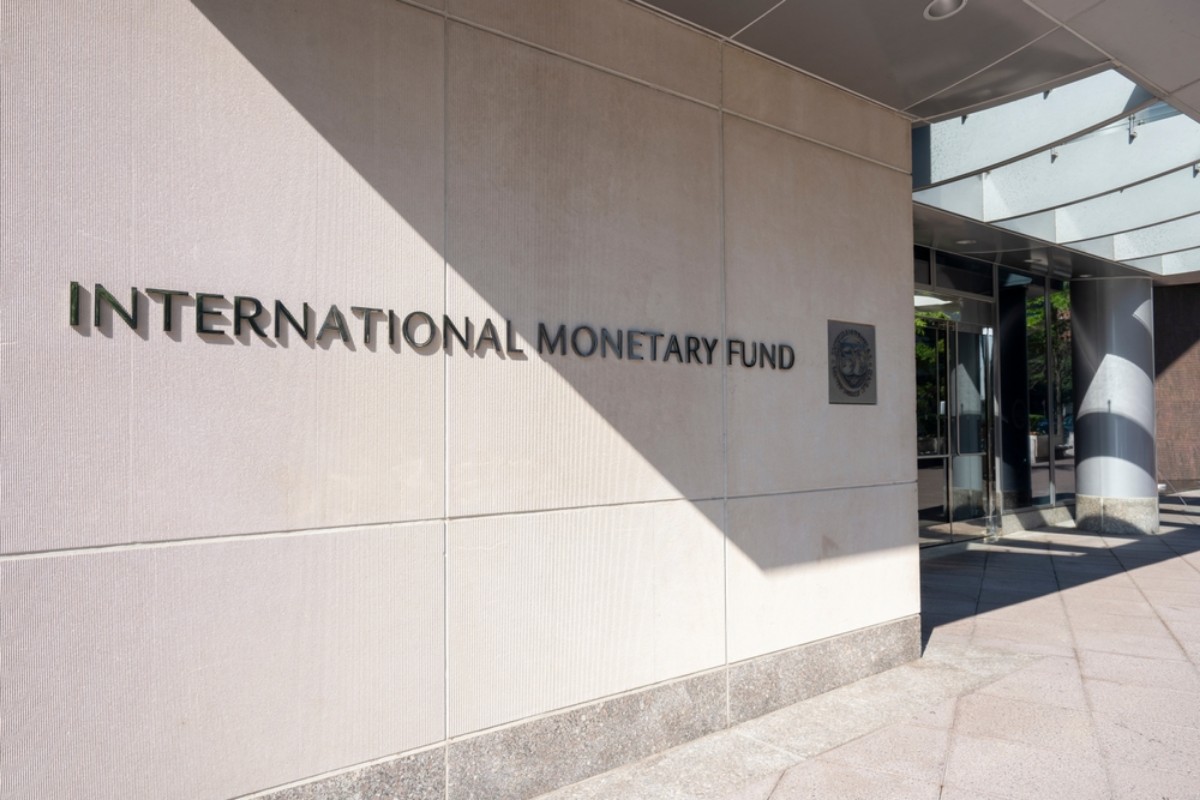

The International Monetary Fund (IMF) has revised its 2025 gross domestic product (GDP) growth projection for Saudi Arabia downward to 3.3%, attributing this adjustment primarily to the extension of oil production cuts by the Organization of the Petroleum Exporting Countries and its allies (OPEC+).

This revision marks a significant decrease from the IMF’s earlier forecast of 4.6% growth for the same period. The 2024 growth estimate has also been lowered to 1.4%. These adjustments have influenced the broader economic outlook for the Middle East and Central Asia region, with the IMF now anticipating a growth rate of 3.6% in 2025, down from the 3.9% projected in October.

The downward revision is largely due to the decision by OPEC+ to extend oil production cuts. In December, the alliance, which includes Saudi Arabia, postponed the commencement of output increases by three months to April 2025 and further extended the full unwinding of cuts, citing concerns over weak demand and rising production from non-OPEC+ countries.

Despite the anticipated slowdown in oil sector growth, Saudi Arabia is actively pursuing its Vision 2030 initiative, aimed at diversifying the economy and reducing dependence on oil revenues. The non-oil sector has shown resilience, with projections indicating growth rates exceeding 4% in both 2024 and 2025. This expansion is supported by substantial investments in large-scale projects, including NEOM and the Red Sea developments.

The IMF also forecasts a 2.6% decline in energy commodity prices for 2025, a more significant drop than previously expected. This projection reflects the complex dynamics of global oil markets, where production decisions by major exporters like Saudi Arabia play a crucial role in influencing prices.

KUALA LUMPUR, MALAYSIA – Media OutReach Newswire – 14 January 2025 – 2024, a year of geopolitical stress and major political changes, is drawing to a close. It is time to focus on the future and identify new trading opportunities. However, according to Octa broker, the outlook for the global economy is uneven and mixed, ‘rife with uncertainties and riddled with challenges’, so traders are advised to […]

HONG KONG SAR – Media OutReach Newswire – 10 January 2025 – Today, IX Asia Indexes announced the 2nd Half 2024 Review of the IX Digital Asset Industry Classification System (“DAICS®“), aiming to provide the professionals worldwide with a transparent and standardized classification scheme to determine sector and exposure of particular digital assets. DAICS® classifies digital assets into 2 main categories: a) Cryptocurrencies and b) Asset Backed […]

Finex, an Indonesian broker with over a decade of success, launched a trading marathon campaign to start the New Year with 100% rebates and other attractive rewards. JAKARTA, INDONESIA – Media OutReach Newswire – 10 January 2025 – On December 24, Finex started a month-long promotion, offering an engaging trading experience with gifts and a generous 100% rebate. Titled “Get X2”, the promo allows participants to exchange […]

KUALA LUMPUR, MALAYSIA – Media OutReach Newswire – 10 January 2025 – Developments such as Forex market volatility, rising commodity prices, and Southeast Asia’s economic growth are poised to reshape the trading landscape in 2025. Market participants need to be aware of these trends to develop strategic approaches and mitigate risks. Kar Yong Ang, a financial market analyst at Octa broker, highlights key trading trends to expect […]

BANGKOK, THAILAND – Media OutReach Newswire – 27 December 2024 – PTT Oil and Retail Business Public Company Limited (OR) is driving international growth and sustainable innovation, leveraging its diverse portfolio to navigate volatile global markets. Amid geopolitical uncertainties and fluctuating oil prices, OR has posted robust financial results and unveiled a strategic roadmap aimed at transforming its business for a sustainable and inclusive future. For the […]

Advertisements

A significant rise in criminal activities linked to cryptocurrency has become evident as digital assets continue to attract widespread attention. Fraud, hacking, and illicit transactions are taking advantage of the growing market, drawing the focus of law enforcement agencies worldwide. The allure of cryptocurrencies for both investors and criminals has generated a rapidly expanding industry that remains vulnerable to abuse. In 2024, the global cryptocurrency market’s value […]

Oil prices experienced a modest increase on Monday, buoyed by lower-than-expected U.S. inflation data that has rekindled hopes for potential policy easing. However, the market remains cautious due to projections of a supply surplus in the coming year.

Brent crude futures rose by 36 cents, or 0.5%, reaching $73.30 per barrel. Similarly, U.S. West Texas Intermediate (WTI) crude futures climbed 39 cents, or 0.6%, to $69.85 per barrel. This uptick follows a period where both benchmarks had seen declines exceeding 2% in the previous week, influenced by signals from the U.S. Federal Reserve indicating a more measured approach to policy easing.

Analysts interpret the subdued inflation figures as a potential catalyst for the Federal Reserve to consider easing monetary policies, which could stimulate economic growth and, by extension, increase energy demand. Tony Sycamore, an analyst at IG Markets, noted that the cooling inflation data has alleviated concerns following the Federal Reserve’s recent hawkish stance on rate cuts.

Despite these positive indicators, the oil market is contending with forecasts of a supply surplus in 2025. J.P. Morgan analysts project that supply will outpace demand by approximately 1.2 million barrels per day next year, exerting downward pressure on prices. This anticipated surplus is compounded by expectations of peaking oil consumption in major markets.

In China, the world’s largest crude importer, state-owned refiner Sinopec forecasts that the nation’s oil consumption will peak by 2027, driven by declining demand for diesel and gasoline. This projection adds to concerns about future demand in a market already wary of oversupply.

The strength of the U.S. dollar is another factor influencing oil prices. A robust dollar makes oil more expensive for holders of other currencies, potentially dampening demand. The dollar’s recent ascent to a two-year high has added pressure to commodity prices, including oil.

Despite significant challenges posed by extreme weather conditions in Indonesia and Australia, Delta Dunia Group reported a stable revenue of USD 1.35 billion during 9M 2024. EBITDA for 9M 2024 declined by 16% YoY to USD 252.3 million, impacted by weather-related production declines and planned investments. Net loss significantly improved to USD 17.4 million, down from USD 26.6 million reported in 1H 2024, despite a 20% increase […]

KUALA LUMPUR, MALAYSIA – Media OutReach Newswire – 18 December 2024 – 2024 has been a year of contradictory events, significant economic changes, and major political shifts. On a positive note, it was the year when global central banks finally managed to tackle inflation, partly induced by the negative and far-reaching effects of the COVID pandemic and partly by the more recent geopolitical events. After holding borrowing […]

Brian Quintenz, the head of crypto policy at Andreessen Horowitz, has emerged as a frontrunner for the position of chair at the Commodity Futures Trading Commission (CFTC). This potential appointment has generated considerable attention, particularly in the context of shaping the future of cryptocurrency regulation in the United States. Quintenz’s deep-rooted experience with the regulatory landscape, particularly his tenure at the CFTC under the Trump administration, positions him as a key figure in guiding the U.S. government’s approach to digital assets and derivatives markets.

During his tenure as a commissioner at the CFTC from 2017 to 2021, Quintenz made a significant impact in the world of financial regulation. He was one of the first regulators to recognize the growing importance of digital assets, including cryptocurrencies like Bitcoin and Ethereum, and the need to develop a regulatory framework that both fosters innovation and protects investors. Quintenz was known for his support of the crypto industry, advocating for clearer and more consistent rules governing digital asset markets. His work on derivatives, particularly around crypto futures contracts, laid the foundation for much of the regulatory framework in place today.

Quintenz’s appointment to the CFTC chair could signal a more crypto-friendly regulatory environment in the U.S., one that aligns with the priorities of industry advocates who have long argued for clearer rules to enable innovation without stifling growth. The CFTC, under Quintenz’s guidance, is expected to build upon his prior work, including his advocacy for creating a comprehensive regulatory framework that supports digital asset trading while ensuring financial stability.

Quintenz’s potential leadership is seen as crucial for addressing the growing demand for regulation in the cryptocurrency space, particularly as institutional interest in digital assets continues to rise. The U.S. has been grappling with questions around the appropriate regulatory body to oversee crypto markets, with the CFTC and the Securities and Exchange Commission (SEC) often at odds over jurisdictional issues. Quintenz, however, has long argued that the CFTC is best suited to oversee crypto derivatives and related markets due to its expertise in futures and commodities. If confirmed, Quintenz could play a pivotal role in resolving these jurisdictional disputes and advancing a clear, unified regulatory framework.

Under Quintenz’s leadership, the CFTC could also take a more proactive role in fostering innovation within the digital asset space. His track record at Andreessen Horowitz, one of Silicon Valley’s most influential venture capital firms, shows his keen understanding of the intersection between technology and regulation. At the firm, Quintenz has worked closely with emerging blockchain companies and crypto projects, providing guidance on navigating the complex regulatory landscape. This experience gives him a unique perspective on how to balance the need for regulation with the desire for innovation, making him a natural fit to lead the CFTC as it continues to evolve its approach to crypto.

The crypto industry, which has faced increasing scrutiny from lawmakers and regulators, would likely welcome a more consistent and favorable regulatory framework under Quintenz’s leadership. While some in the industry have expressed concerns about regulatory overreach, many are hopeful that Quintenz’s appointment could provide the clarity and stability needed to drive continued growth. The ongoing battle over cryptocurrency regulations has been marked by conflicting signals from different regulatory bodies, with the SEC taking a more aggressive stance on enforcement, particularly against centralized exchanges. In contrast, the CFTC has been more focused on ensuring that financial markets, including crypto derivatives, function within a legal framework that promotes transparency and market integrity.

One of the key challenges that Quintenz would face as CFTC chair is the evolving nature of the crypto market. With innovations like decentralized finance (DeFi) and non-fungible tokens (NFTs) continuing to gain popularity, the regulatory framework needs to be adaptable enough to keep pace with rapid changes in the industry. Quintenz’s previous work at the CFTC, where he helped craft rules for Bitcoin futures and other digital asset contracts, suggests he understands the importance of staying ahead of market developments and ensuring that regulation evolves in tandem with technological advancements.

Quintenz’s approach to digital asset regulation will likely focus on protecting consumers without stifling innovation. His stance during his time at the CFTC and his work at Andreessen Horowitz indicate that he views regulation as a tool to create a level playing field for all market participants while fostering innovation. This would be in stark contrast to some of the more stringent regulatory approaches favored by other factions within the U.S. government, which seek to impose more controls over the growing crypto market.

His potential appointment also comes at a time when the U.S. is facing mounting pressure to establish a clear and consistent regulatory framework for digital assets. Other countries, such as the European Union, have moved forward with comprehensive crypto regulation, and the U.S. risks falling behind in the global race to regulate emerging financial technologies. Quintenz’s appointment could help solidify the U.S.’s position as a leader in digital asset regulation, ensuring that the country remains competitive while safeguarding the financial system.

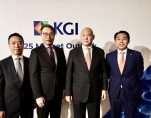
Balancing Global Dynamics HONG KONG SAR – Media OutReach Newswire – 4 December 2024 – Today, KGI has released its 2025 Market Outlook, covering regions including Mainland China, Hong Kong, Taiwan, the U.S., Singapore, and Indonesia. (From left) Cusson Leung, Chief Investment Officer at KGI; James Chu, Chairman at KGI Securities Investment Advisory; James Wey, Head of International Wealth Management at KGI; Kenny Wen, Head of Investment […]

Alex Mashinsky, co-founder of Celsius Network, is set to plead guilty to charges of fraud tied to his role in artificially inflating the value of the CEL token, which was pivotal to the cryptocurrency platform. This development follows Mashinsky’s decision to change his plea, marking a significant shift in the high-profile case. Prosecutors allege that Mashinsky misled investors by manipulating the token’s price to attract users and generate personal profits, estimated at $42 million.

Celsius Network, once a major player in crypto lending, allowed users to earn returns on digital assets and access loans backed by cryptocurrency. However, its financial collapse in 2022 revealed vulnerabilities exacerbated by broader market turmoil, including the failure of the Terra-Luna ecosystem. Mashinsky is accused of using deceptive practices to assure investors of Celsius’s stability, despite the company’s mounting risks, and misrepresenting the safety of their deposits.

The charges against Mashinsky encompass fraud, securities violations, and market manipulation. Prosecutors highlight his attempts to inflate CEL’s value through fraudulent means, claiming this misled investors and caused significant losses. His upcoming guilty plea represents an acknowledgment of his role in these allegations and aligns with broader scrutiny on transparency within the crypto sector.

Celsius filed for bankruptcy in mid-2022 after halting customer withdrawals, with billions in assets trapped in the platform. Mashinsky’s case has drawn parallels to other high-profile crypto frauds, such as the collapse of FTX, where founder Sam Bankman-Fried faced criminal prosecution for mismanaging user funds. These incidents underscore the growing legal risks for executives in the digital asset industry and the heightened focus on regulatory enforcement.

The trial proceedings have also addressed complex legal interpretations of securities and commodities laws. Earlier attempts by Mashinsky to have charges dismissed were rejected, with judges affirming the validity of the allegations under both the Commodity Exchange Act and the Securities Exchange Act. If convicted on all counts, Mashinsky could face a lengthy prison sentence, reflecting the severity of his alleged misconduct.

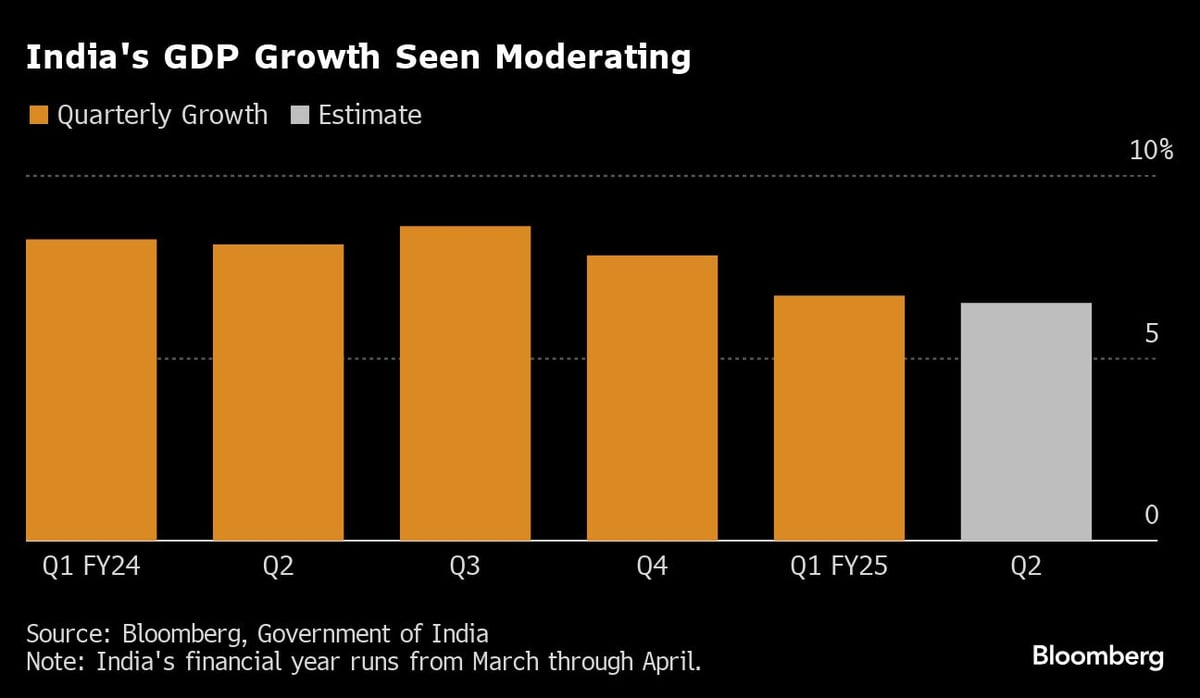
By Dr. Gyan Pathak Slowing down of GDP growth to seven quarters low of 5.4 per cent during second quarter of the financial year 2024-25 and contraction of the wages during the same period for the first time since the pandemic (March 2021) shows that India has fallen into a vicious circle of decline in […]


Delta Dunia Group, via its indirect subsidiary BUMA International [1], will expand its presence in the Bowen Basin in Queensland, through a US$455 [2] million proposed acquisition of a 51% interest in the Dawson Complex, one of Australia’s largest metallurgical coal mines. The proposed acquisition further delivers on the Group’s multi-year strategic plan to diversify into a leading coal services provider and producer, leveraging its industry-leading capabilities. […]

Saudi Arabia has secured its first-ever credit rating upgrade from Moody’s Investors Service, a significant achievement that reflects the kingdom’s growing economic resilience and fiscal reforms. The credit rating agency raised the country’s rating from “A1” to “Aa3”, with a stable outlook, signaling enhanced investor confidence in the nation’s economic future.

This upgrade marks a turning point for Saudi Arabia, which has been actively pursuing a broad range of reforms under its Vision 2030 strategy. The country has made substantial strides in diversifying its economy away from oil dependence, focusing on non-oil sectors such as tourism, entertainment, and technology. The reforms have attracted attention from international investors and have been instrumental in Saudi Arabia’s efforts to modernize its economy.

The decision to upgrade Saudi Arabia’s rating is largely attributed to the country’s improved fiscal management and its ability to weather global economic challenges, including fluctuations in oil prices. Moody’s noted that the kingdom’s budgetary performance has been significantly strengthened by its efforts to boost non-oil revenues, such as through the implementation of a value-added tax (VAT) and reforms to its labor market and public sector.

Saudi Arabia’s efforts to diversify its revenue base have yielded positive results, according to financial analysts. Non-oil revenues have surged in recent years, providing the kingdom with a more stable financial foundation that is less reliant on volatile oil markets. Additionally, the government has made significant progress in reducing its fiscal deficits, which had been a major concern in previous years.

In a broader context, this upgrade is seen as a key indicator of the kingdom’s ongoing transition from an oil-dependent economy to one with a broader, more diversified economic base. Under Vision 2030, Saudi Arabia has committed to investing heavily in sectors like renewable energy, entertainment, and technology, with major projects such as the futuristic city of Neom and the Red Sea tourism developments receiving international attention. These initiatives are designed to boost foreign investment, create jobs, and reduce the kingdom’s economic vulnerability to oil price volatility.

The improvement in Saudi Arabia’s credit rating also comes at a time when the country has been actively pursuing strategic partnerships with global powers and international corporations. This includes strengthening its ties with the United States, China, and key European nations, as well as attracting international investment in various sectors. Moody’s noted that the kingdom’s international relationships have provided it with valuable opportunities to diversify its economic activities and deepen its global integration.

However, challenges remain as Saudi Arabia continues to navigate its ambitious reform agenda. While the country has made notable progress in certain areas, there are still concerns about the pace of some reforms and the potential for social unrest, particularly in relation to the country’s labor market and the integration of women into the workforce. Furthermore, while non-oil revenues have grown, they still represent a small fraction of the total fiscal intake, and the kingdom remains vulnerable to fluctuations in global commodity prices.

Despite these challenges, the positive shift in Saudi Arabia’s credit rating is viewed as a testament to the strength of its ongoing reforms and the successful implementation of key economic strategies. Investors have responded favorably, with some expecting further upgrades in the future as the kingdom’s economic transformation gains momentum.

The country’s sovereign wealth fund, the Public Investment Fund (PIF), is another key element of Saudi Arabia’s vision for the future. The PIF has been tasked with diversifying the kingdom’s investments beyond oil, and it has already committed to several high-profile projects in renewable energy, technology, and infrastructure development. The fund’s growing portfolio is seen as an essential component in ensuring the long-term stability of the kingdom’s economy.

While the rating upgrade offers an optimistic outlook for Saudi Arabia’s economic future, experts caution that the kingdom must remain vigilant in its efforts to reduce its dependence on oil and address lingering social and political challenges. Continued economic diversification, fiscal discipline, and the management of the nation’s growing public sector will be critical to maintaining the momentum of these reforms.

In light of these developments, it is clear that Saudi Arabia is on a transformative path, one that seeks to reshape its economic landscape and enhance its standing on the global stage. The upgrade from Moody’s is a significant milestone in this journey, and the kingdom’s leaders are now tasked with ensuring that the reforms and initiatives driving this transformation continue to produce tangible results.

KUALA LUMPUR, MALAYSIA – Media OutReach Newswire – 21 November 2024 – As a critical resource in the global economy, oil is integral not only to the energy sector but also to industries such as transportation, manufacturing, and agriculture. Changes in its prices impact inflation rates, production costs, and global trade. For instance, oil price increases can accelerate global inflation. This effect ripples through various sectors, with […]

The global economic outlook for emerging markets (EMs) faces mounting pressure, with US trade policies under former President Donald Trump continuing to disrupt trade and growth patterns. Citigroup analysts predict that these shifts, primarily driven by tariffs and protectionist measures, will exacerbate the challenges that EMs already grapple with, such as inflation, currency instability, and volatile capital flows. However, one country in the Middle East stands resilient: Saudi Arabia. The kingdom’s economic diversification efforts and strategic positioning in global markets have placed it in a favorable position despite ongoing global economic turbulence.

Trump’s trade war, initiated during his presidency, was centered on tariffs and trade barriers, primarily targeting China, but with ripple effects felt across various sectors and regions. As the Biden administration seeks to reverse some of these policies, analysts remain concerned about the long-term effects of trade disruptions that began during the previous administration. Trade relationships between the US and major economies have been restructured, pushing supply chains into new configurations and altering global market dynamics.

Citigroup’s latest forecast outlines how these global shifts impact emerging markets in particular, given their high exposure to US tariffs and trade restrictions. Countries in Asia, Latin America, and Africa are expected to see a slow recovery, as protectionist policies strain international trade and hinder foreign direct investment (FDI) inflows. For these nations, the US-China trade tensions have underscored their vulnerability to global supply chain disruptions. Export-dependent countries, particularly in the manufacturing and agriculture sectors, may face reduced market access to some of their largest trading partners, further hindering growth prospects.

Yet, some countries are managing to navigate these headwinds with relative ease. Saudi Arabia, buoyed by its ongoing economic reforms under the Vision 2030 initiative, appears to be one of the more resilient players in the face of these global shifts. The kingdom has significantly reduced its reliance on oil exports by developing non-oil sectors such as tourism, entertainment, and technology. Moreover, its vast sovereign wealth fund, the Public Investment Fund (PIF), has strategically invested in sectors poised for growth, such as green energy, healthcare, and artificial intelligence.

Saudi Arabia’s successful diversification strategies have positioned it to weather the storm of changing global trade conditions. Citigroup’s analysis highlights that while the US’s trade policies could dampen global economic growth, Saudi Arabia’s economic stability remains largely intact. The kingdom’s ability to maintain steady oil revenues, coupled with its ambitious reform agenda, has placed it at the forefront of efforts to build a more diversified, future-proof economy. Additionally, Saudi Arabia’s participation in major international investment initiatives, such as the Belt and Road Initiative and the G20 summit, further solidifies its standing as a key global economic player.

While many emerging markets struggle with inflationary pressures and a rising cost of living, Saudi Arabia has implemented strategic fiscal policies that keep inflation levels manageable. The country’s introduction of VAT and other tax reforms have helped bolster its financial resilience. Furthermore, the government’s commitment to large-scale infrastructure projects, such as NEOM, a futuristic city being built with cutting-edge technology, signals a strong push toward positioning the kingdom as a global hub for innovation.

However, despite these favorable conditions in Saudi Arabia, Citigroup warns that other emerging markets are not as fortunate. Nations heavily dependent on exports to the US and China, such as Mexico, Brazil, and South Africa, face significant challenges as they cope with reduced demand and trade restrictions. For these countries, the combination of trade disputes, inflationary pressures, and weaker currency values is likely to hamper economic growth in the short to medium term. Analysts also point out that the global interest rate hikes prompted by the Federal Reserve’s tightening policy may further strain emerging market economies, particularly those with substantial debt burdens.

For some countries, the trade environment under Trump’s policies has created structural weaknesses that continue to hinder growth. The slowdown in global demand for goods and services, coupled with rising costs for raw materials and energy, has impacted countries dependent on commodity exports. As a result, the broader emerging markets community is facing an uncertain recovery trajectory, with little optimism for a swift rebound.

Saudi Arabia’s resilience, however, is noteworthy in this context. The kingdom’s emphasis on economic diversification has shielded it from some of the more detrimental effects of global trade disruptions. This shift towards a more diversified economy has not only safeguarded the country’s economic standing but has also attracted international investors, further securing its position as a pivotal player in the global marketplace.

KUALA LUMPUR, MALAYSIA – Media OutReach Newswire – 14 November 2024 – Adding exotic currency pairs to a portfolio is a popular way to get exposed to a wider variety of assets. These pairs, which include currencies from emerging markets or smaller economies, offer unique opportunities due to their volatility and potential for high returns. For traders in regions like India and Southeast Asia, exotic pairs can […]

FTX, the embattled cryptocurrency exchange that collapsed in late 2022, has filed a lawsuit against Binance and its former CEO, Changpeng Zhao, demanding $1.8 billion in damages. The legal action, filed in a U.S. federal court, alleges that Binance played a pivotal role in the downfall of FTX by intentionally causing its financial collapse through market manipulation and unlawful actions.

The lawsuit represents the latest chapter in a protracted battle over the events that led to FTX’s implosion, a scandal that shook the global cryptocurrency sector. FTX, once valued at $32 billion, went bankrupt following a series of liquidity crises and allegations of mismanagement under its founder Sam Bankman-Fried. The exchange’s failure led to severe financial losses for investors, customers, and partners across the world.

According to the court filing, FTX accuses Binance of orchestrating a series of aggressive actions designed to destabilize the exchange. These included the manipulation of the price of FTX’s native token, FTT, and the deliberate withholding of funds owed to FTX. The lawsuit claims that these moves not only harmed FTX financially but also undermined customer confidence in the exchange, ultimately triggering its collapse.

Binance, the world’s largest cryptocurrency exchange by volume, has yet to publicly respond to the lawsuit. However, Zhao, who has been a central figure in the global crypto industry, previously denied any wrongdoing in the events surrounding FTX’s demise. Binance has consistently maintained that it acted in the best interest of its customers and the broader market during its dealings with FTX.

FTX’s claim of $1.8 billion in damages is significant, representing a substantial portion of the losses it suffered during the collapse. The amount includes both direct financial losses and a broader impact on FTX’s reputation, as the lawsuit argues that Binance’s actions were directly responsible for FTX’s bankruptcy filing.

The legal dispute between FTX and Binance traces its roots back to the days leading up to FTX’s bankruptcy in November 2022. As one of FTX’s biggest competitors, Binance initially offered to acquire FTX in the face of mounting financial issues. However, the deal fell apart after Binance conducted due diligence and raised concerns about FTX’s financial stability. This precipitated a massive withdrawal of funds by FTX customers, which ultimately forced the company to declare bankruptcy.

At the heart of the lawsuit is an allegation that Binance and its executives conspired to manipulate the market for FTX’s token, FTT. FTX claims that Binance intentionally sold off its holdings of the token, which caused its value to plummet. This triggered a chain reaction, undermining FTX’s ability to cover customer withdrawals and leading to a liquidity crisis. The lawsuit suggests that Binance’s actions were premeditated and aimed at causing maximum financial harm to its competitor.

FTX also points to the actions of Zhao, who is accused of not only engaging in market manipulation but also of exerting undue influence over FTX’s operations. The lawsuit alleges that Zhao’s involvement in the broader crypto industry allowed him to orchestrate a campaign that led to the downfall of one of Binance’s major rivals.

Legal experts have weighed in on the potential outcomes of the case, noting that while the lawsuit represents a significant challenge for both FTX and Binance, the legal complexities surrounding cryptocurrency markets make the resolution uncertain. Cryptocurrencies and exchanges like Binance and FTX operate in a largely unregulated space, and the legal framework surrounding them remains murky. This creates challenges for courts when determining liability in cases of market manipulation or fraud.

The FTX-Binance lawsuit is part of a broader pattern of legal and regulatory scrutiny facing the cryptocurrency industry, which has struggled to establish a consistent legal framework across jurisdictions. U.S. regulators, including the Securities and Exchange Commission (SEC) and the Commodity Futures Trading Commission (CFTC), have ramped up their efforts to bring cryptocurrency exchanges and companies into compliance with financial laws. These efforts have been motivated by concerns about the potential for fraud, money laundering, and investor protection failures in the unregulated crypto space.

As the case progresses, the broader implications for the crypto industry are becoming clear. The outcome could set a precedent for how similar legal disputes are handled in the future, particularly in the context of exchanges and market manipulation. Additionally, the legal battle highlights the ongoing challenges in ensuring consumer protection and maintaining trust in an industry rife with volatility.

FTX’s lawsuit comes as part of a broader effort to recover assets for its creditors and investors following its bankruptcy. The exchange’s new leadership, appointed after the collapse, has been working to reclaim assets and hold accountable those responsible for the collapse. The lawsuit against Binance and Zhao is one of several legal actions the company has taken to address the financial losses and reputational damage caused by the downfall.

FTX’s founder, Sam Bankman-Fried, is also facing criminal charges related to the collapse of the exchange. He has pleaded not guilty to charges of fraud, money laundering, and conspiracy, with his trial set to begin in 2024. The outcome of this case could have far-reaching consequences for the future of cryptocurrency regulation and the legal responsibilities of executives in the sector.

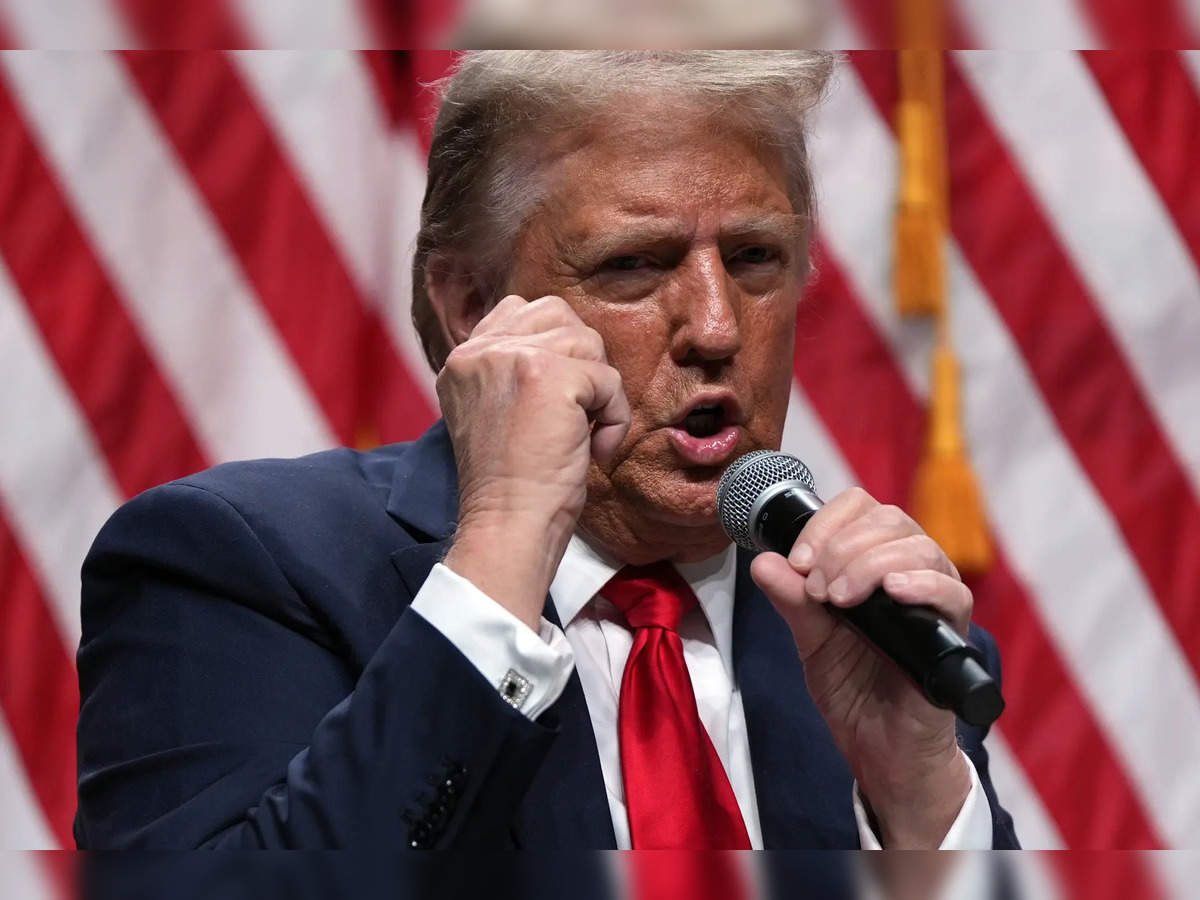
By K Raveendran Trump divides people like nobody else does. The liberal Left all over the world are united in their assessment that there would be a presidential onslaught against whatever they stand for. It is not just people who detest Trumps return; even the elements are affected. Gold is particularly allergic to Trump, as […]

The facility caters to high-tech end-user industries, such as Aerospace, Healthcare, 5G, Artificial Intelligence (AI) and Electric Vehicles (EV) SINGAPORE – Media OutReach Newswire – 7 November 2024 – SABIC, a global diversified chemicals company, today announced the official launch of its new US$170 (S$220) million ULTEM™ resin manufacturing facility in Singapore, marking the company’s first advanced specialty chemical manufacturing facility in the region producing the high-performance […]

KUALA LUMPUR, MALAYSIA – Media OutReach Newswire – 6 November 2024 – Asian financial markets are experiencing increased interest from novice traders. In Southeast Asia, online trading has expanded rapidly, driven by growing internet access and an increasingly digital-savvy population. In Indonesia, active online traders grew by 18%, supported by a thriving e-commerce sector and rising financial literacy. Across Southeast Asia, the digital economy is projected to […]

VISHNU RAJA
RYO YAMADA
HITORI GOTOH
IKUYO KITA
Just in:
JPMorgan restores transactions after banking payments disruption // Broermann Medical Innovation Award 2026: Three Pioneers of Modern Obesity and Diabetes Therapies Honored // Danone expands consumer insight capabilities to accelerate nutrition innovation through Southeast Asia R&I Application Lab upgrade // Ayara Kamala Reveals a Refreshed Vision for Wellness in Phuket // Regulator demands answers on controversial power deal // Galaxy Resort Presents: “Plácido Domingo & José Carreras: The Legends United Opera Gala” // First Abu Dhabi Bank proposes AED15 billion share sale // Mangroves Documentary Premieres, Exploring How Cities and Wetlands Coexist // Govt offers talks to protesting teachers after CM signal // Dubai airport passenger traffic drops 28.1% amid conflict // Over 360 electricity distribution professionals meet in Seoul for CIRED’s first major event in the Asia-Pacific region // Hong Kong schedules Gulf-Asia investment forum for 2027 // Ukraine faces $32.6 billion financing gap amid legislative delays // Google identifies autonomous AI systems conducting vulnerability attacks // Row over Sabarimala toilet disruption // Mangroves Documentary Premieres, Exploring How Cities and Wetlands Coexist // UK privacy regulator flags GTA 6 phishing threats // Mexican journalists demand accountability after Acapulco reporter killed // Ramayana triggers high tourist traffic to Jatayu rock centre // Bora Group 3Q26: Revenue and Net Income Expansion Continues U.S. Manufacturing and Biologics Footprint Complete; Margin Expansion to Follow as Utilization Improves //