News related to
Elon Musk

A 19-year-old member of Elon Musk’s Department of Government Efficiency , Edward Coristine, was previously terminated from an internship at Path Network, a cybersecurity firm, for allegedly leaking proprietary information to a competitor. In a June 2022 communication, a Path Network executive stated that Coristine had been dismissed due to the unauthorized disclosure of internal data, emphasizing the company’s zero-tolerance policy towards such breaches. Following his departure […]

Tesla and SpaceX CEO Elon Musk’s ambitious “buyout” offer, made available to employees, has seen an overwhelming response as the deadline draws near. By Wednesday, more than 40,000 employees from a mix of industries had expressed interest in the scheme. The initiative, which provides employees with the opportunity to exit their respective positions in exchange for a generous severance package, is creating a ripple effect across the corporate landscape.

Musk, known for his unorthodox management style, initially pitched the buyout programme with the goal of reducing costs and restructuring his growing empire. The offer, which includes a lump-sum severance and additional benefits, was extended to both salaried and hourly employees. However, it also comes with the stipulation that interested parties must leave by the end of February, with a severance package set to be paid out through September.

Industry observers have expressed mixed reactions to Musk’s strategy. On one hand, it could be a calculated move to reduce headcount while offering an attractive exit for employees seeking a change. On the other hand, the rapid sign-up rates have sparked concerns over potential long-term impacts on talent retention within Musk’s companies.

The initial wave of interest is largely attributed to the promise of a significant payout, which is perceived as a rare opportunity for employees to leave with financial security. While some see this as a chance to pursue personal or entrepreneurial goals, others have raised questions about the longer-term implications for Musk’s companies, particularly in light of the growing demands on SpaceX’s staffing and Tesla’s continued expansion.

The offer also reflects broader trends within corporate restructuring and employee turnover. Many companies are increasingly offering severance packages as part of cost-cutting measures, especially as the global economy faces uncertainty. These buyout schemes are seen by some as a win-win: employees get a financial cushion, while companies streamline their workforce to navigate economic pressures.

Though the buyout offer has been met with a high level of interest, particularly among those seeking a fresh start or financial independence, it is also revealing deeper issues within Musk’s companies. Employees have voiced concerns about the overall work environment, including high stress, long hours, and the fast-paced nature of the job. These concerns have contributed to the attractiveness of the buyout, especially among those who feel they may be reaching a breaking point.

Despite the swelling numbers of employees seeking to leave, Musk’s companies are not facing an immediate staffing crisis. Experts suggest that many of those opting for the buyout may not represent critical roles, and the company could ultimately come out ahead by shedding positions that are not central to its operations. Furthermore, it allows Musk to consolidate control and reduce costs, which is a common goal for companies seeking to increase profitability.

However, the growing popularity of the buyout scheme highlights a significant shift in employee-employer dynamics. With workers increasingly looking for work-life balance and more control over their professional futures, companies are being forced to reconsider their relationship with staff. Musk’s initiative could be seen as an attempt to meet this demand by offering a financial exit, but it may also be indicative of the pressures faced by employees in high-performance environments like those at Tesla and SpaceX.

The ultimate success of the buyout offer will likely hinge on its ability to balance financial incentives with long-term strategic goals. While Musk is not new to bold business strategies, this offer marks a critical juncture for the companies he leads. Employees’ decision to accept or decline the buyout will shape the future direction of Tesla, SpaceX, and other ventures under Musk’s control.

As the deadline for the buyout scheme approaches, Musk will likely face tough decisions regarding the impact on his companies. If more employees continue to sign up, the effect on organisational structure and morale could become a pressing concern. Conversely, if a smaller pool of workers leaves, Musk could be seen as having succeeded in streamlining operations without sacrificing too much talent.

Elon Musk’s Department of Government Efficiency has been granted “read-only” access to the U.S. Treasury Department’s federal payment system, a move that has sparked significant concern among lawmakers and the public. This system manages the disbursement of billions of dollars in federal funds, including Social Security payments and government salaries.

Jonathan Blum, a Treasury official, informed Congress that DOGE’s access is strictly limited to viewing information, ensuring that the team cannot alter or delay any payments. Despite these assurances, several legislators have expressed apprehension about the potential implications of this access. Senator Ron Wyden has been particularly vocal, arguing that Musk’s involvement poses a national security risk and lacks a clear legal foundation.

The situation escalated following the resignation of David Lebryk, the acting Deputy Secretary of the Treasury, who departed after reportedly resisting Musk’s requests related to the payment system. His departure has intensified debates about the appropriateness of granting external entities access to sensitive government operations.

Critics argue that even with “read-only” access, there is a risk of unauthorized use of sensitive taxpayer information. Concerns have been raised about the potential for data breaches or misuse of personal data. The Treasury Department has responded by emphasizing that career officials continue to oversee all payment processes, aiming to maintain the integrity and security of the system.

The establishment of DOGE by the Trump administration was intended to streamline federal operations and reduce inefficiencies. However, the recent developments have led to protests and legal challenges. Demonstrators have gathered outside the Treasury Department, voicing their opposition to Musk’s access to sensitive financial data. Additionally, several federal employee unions have filed lawsuits alleging that the access granted to DOGE violates legal protocols and compromises the security of federal payment systems.

Legal experts are divided on the issue. Some argue that granting DOGE access to federal payment data could potentially violate privacy and security regulations, including the Privacy Act and the Federal Information Security Management Act. Others contend that the move falls within the executive branch’s authority to manage federal operations.

Elon Musk’s comments at a rally for Germany’s far-right Alternative for Germany party last weekend have sparked controversy and raised concerns over the tech mogul’s increasing involvement in global politics. Musk’s participation in the rally, which coincided with a surge in populist sentiment across Europe, was seen by many as an overt signal of his growing political influence outside the United States, particularly in Europe and Canada. Critics argue that Musk’s public endorsements and actions could amplify political divisions and contribute to the undermining of democratic processes in these nations.

Musk, who has been involved in numerous controversies and political statements over the years, appears to have intensified his political footprint with this latest move. At the rally, the Tesla and SpaceX CEO expressed support for AfD’s anti-immigration stance, which aligns with Musk’s previously stated preferences for limited government intervention and a more libertarian approach to policy. While Musk’s comments were framed as an endorsement of the AfD’s platform, they also touched on broader themes of individual freedom and skepticism toward governmental power, which have resonated with populist movements in various regions.

Musk’s involvement with far-right groups in Europe follows a similar pattern in North America. His outspoken political views have also made waves in Canada, where he has commented on the country’s handling of freedom of speech and its handling of protests in the past. Musk’s growing influence in foreign political spheres is raising alarms about the consequences of billionaire-led political activism, particularly in countries where political systems are grappling with rising extremism and division.

While many view Musk’s commentary as a sign of his personal beliefs, others see it as part of a wider trend of corporate elites exerting increasing power over political agendas globally. Musk’s companies, including Tesla, SpaceX, and Twitter , wield considerable influence in both the business and political realms, making his actions noteworthy beyond the realm of business. His comments on political matters, which some claim could shape elections and sway public opinion, have the potential to further erode public trust in political systems that are already fraught with challenges.

The AfD, a party that has been labeled as far-right and often criticized for its nationalist and anti-immigration rhetoric, has seen its support base grow in recent years. The party’s platform includes policies that have drawn support from voters disillusioned with the political establishment and its handling of issues like immigration, the European Union, and national identity. By aligning himself with the AfD, Musk has attracted both praise and condemnation. Supporters argue that Musk’s advocacy for personal freedom and his criticisms of government policies are aligned with broader values of individual autonomy and free markets. Critics, however, warn that his association with far-right groups could amplify extremist ideologies and fuel anti-democratic movements.

Musk’s remarks about the AfD echo his long-standing criticism of government regulations and his advocacy for deregulation in various sectors, from technology to energy. His stance on political issues has often been controversial, especially given his vast business empire, which includes electric vehicles, aerospace, and social media. The risk of his influence shaping national political agendas is amplified by his vast wealth and the global reach of his companies. Critics argue that such unchecked power poses a threat to the balance of power within democratic societies, potentially skewing political discourse and undermining the sovereignty of foreign governments.

The billionaire’s involvement in politics is not confined to his statements alone. Musk has previously made headlines for his public endorsements of political candidates and his support for controversial political initiatives in both the United States and abroad. His backing of certain candidates and policies, particularly in Europe, has fueled concerns about the corporate world’s increasing control over political landscapes, especially as populist movements gain momentum.

In Canada, Musk’s rhetoric about free speech and government overreach has been scrutinized, with some questioning whether his remarks will influence the country’s political climate, especially as tensions surrounding freedom of expression have become a prominent issue. Musk’s comments have drawn attention to the global nature of political discourse in the digital age, where the actions of influential business leaders can cross national borders and impact the political fabric of other nations.

While Musk’s supporters argue that his views on government regulation and individual liberties align with democratic ideals, his critics contend that his actions and words contribute to the growing polarization of global politics. Some view his influence as detrimental to political discourse, particularly in democracies that are already grappling with rising extremism and populism. The question remains whether Musk’s increasing political involvement will continue to shape public opinion in a way that exacerbates these issues or whether his influence will eventually wane as governments and citizens respond to his calls for more direct involvement in politics.

RAMMELBURG, GERMANY – Newsaktuell – 3 February 2025 – Peter Karl Jugl refers to the Bild article from January 30, titled “This Could Be Elon Musk’s New European Headquarters”. Jugl, Managing Director of Deutsche Baukultur Dienstleistungs GmbH, which owns Rammelburg Castle, is offering the visionary entrepreneur Elon Musk the historic property as a weekend retreat, holiday residence, or company headquarters. As a great admirer of Musk’s innovative […]

Tesla continues to hold a substantial amount of Bitcoin, reaffirming its position as one of the largest corporate holders of the cryptocurrency. In its latest shareholder update for the fourth quarter of 2024, the company revealed that it did not sell any of its Bitcoin during the period. This follows a trend from previous quarters where the electric vehicle giant chose to maintain its cryptocurrency assets instead of liquidating them for cash.

As of the end of Q4 2024, Tesla holds 9,720 Bitcoins, a figure that has remained consistent since its last quarterly report. The company’s Bitcoin holdings are valued at approximately $250 million based on current market prices, a significant sum given the volatility of the cryptocurrency market. Despite fluctuations in the value of Bitcoin, Tesla has opted to retain its investment in the digital asset, signaling its long-term outlook on the future of cryptocurrency.

Tesla first announced its Bitcoin purchase in early 2021, acquiring $1.5 billion worth of Bitcoin. The announcement caused a surge in the price of the cryptocurrency and drew considerable attention to Tesla’s unconventional move in adopting digital currency. The company’s CEO, Elon Musk, has been a vocal proponent of Bitcoin, and Tesla’s move was seen as a significant endorsement of the cryptocurrency by a major publicly traded company.

However, Tesla’s Bitcoin strategy has not been without its challenges. In 2021, the company temporarily halted Bitcoin payments for its electric vehicles, citing concerns over the environmental impact of Bitcoin mining. This decision led to a dip in Tesla’s stock price and raised questions about the company’s stance on Bitcoin. Despite this, Tesla continued to hold its Bitcoin reserves, and its Q4 2024 update confirms that no changes were made to its position.

The company’s stance on cryptocurrency remains a topic of interest, particularly as other major corporations and institutional investors are also increasing their exposure to Bitcoin. Investment firms and asset managers are increasingly exploring ways to integrate digital currencies into their portfolios, and some have followed Tesla’s example in purchasing Bitcoin as part of their investment strategies. Tesla’s decision to hold Bitcoin through volatile market periods has drawn attention from investors who are keen to understand how the company balances its crypto holdings with its core automotive and energy businesses.

While Tesla has made no significant changes to its Bitcoin strategy, the company’s continued commitment to cryptocurrency reflects broader trends in the financial and technology sectors. Bitcoin has become an increasingly important asset in global markets, and its role as a store of value and potential hedge against inflation is being widely discussed. Despite some regulatory challenges and environmental concerns, Bitcoin remains a key focus for many investors and companies.

Tesla’s involvement in cryptocurrency is also linked to its broader vision of advancing renewable energy and adopting innovative technologies. Elon Musk has frequently expressed interest in integrating clean energy solutions with emerging technologies, including digital currencies. Tesla’s commitment to Bitcoin could be seen as part of its larger strategy to position itself at the intersection of technology, finance, and sustainability.

The broader landscape of corporate Bitcoin adoption is evolving, with many companies taking a cautious approach in managing their digital assets. While Tesla continues to hold its Bitcoin reserves, it has refrained from making further purchases or sales, leaving some to speculate about its long-term strategy. It remains to be seen whether Tesla will increase its holdings or make adjustments based on market conditions or regulatory developments.

Tesla’s decision to hold onto its Bitcoin could also be influenced by regulatory uncertainty surrounding cryptocurrency. Governments and financial regulators worldwide are closely scrutinizing digital assets, with varying degrees of regulation being implemented in different regions. Some countries have moved towards stricter regulations, while others have embraced cryptocurrencies as part of their financial systems. Tesla, like many other companies, is likely monitoring these developments as it assesses its cryptocurrency strategy.

As of now, Tesla’s Bitcoin holdings are a relatively small portion of its overall market capitalization, which is primarily driven by its electric vehicle sales and clean energy products. Nevertheless, the company’s ongoing engagement with Bitcoin highlights the growing intersection of technology and finance and signals its willingness to take calculated risks in exploring new markets.

Kingdom Holding Company (KHC), the investment firm led by Saudi Arabian Prince Alwaleed Bin Talal, has indicated a willingness to invest in TikTok should the platform be acquired by Elon Musk or another party. This development emerges as TikTok’s parent company, ByteDance, faces mounting pressure to divest its U.S. operations to avert a potential ban. KHC’s CEO, Talal Ibrahim al-Maiman, stated that the firm would consider investing […]

Advertisements
By Nitya Chakraborty Is the U.S. President Donald Trump looking for a big deal with the Chinese President Xi Jinping in his second term to reshape the global order favouring two super powers and marginalizing both Western Europe and Russia? The question gets all the relevance if one analyses the policy announcements by the second […]
By Nitya Chakraborty Year 2025 is going to witness a new era of global advance of far right led by the incoming U.S. President Donald Trump and his acolyte, the richest man of the world Elon Musk. It will be a unique combination fusing the brand of Trump with the big money and tech skills […]

The cryptocurrency landscape in 2024 is undergoing significant shifts, with meme coins such as Shiba Inu (SHIB) and Dogecoin (DOGE) continuing to lead the charge. Both of these tokens, fueled by viral trends and strong community backing, have positioned themselves as key players in the market. As the cryptocurrency industry moves toward 2025, however, new competitors are emerging, challenging the dominance of these meme giants. This shift presents critical questions about the future of meme coins and the strategies that will define the market.

Dogecoin, often referred to as the original meme coin, has long been associated with a strong, vocal community and celebrity endorsements. Its rise began in 2013 as a joke, based on the popular Shiba Inu dog meme. Despite its humble beginnings, Dogecoin has gained significant traction over the years. 2024 has seen a continuation of its influence, with prominent figures like Elon Musk often boosting its profile through social media. Dogecoin’s community, known for its lighthearted and inclusive ethos, has solidified its position as one of the most well-known digital assets in the crypto world.

Shiba Inu, on the other hand, has taken a more strategic approach to solidifying its place in the meme coin sector. Launched in 2020, SHIB has quickly evolved beyond a mere joke coin. Its ecosystem now includes decentralized exchanges, staking protocols, and plans for future metaverse integration. With a highly engaged user base and a decentralized community-driven approach, SHIB has proven to be more than just a meme coin, garnering support from both retail and institutional investors. Its strategy of expansion into various sectors of decentralized finance (DeFi) gives it an edge in attracting a more diversified audience.

Despite the strong presence of both SHIB and DOGE, the landscape is rapidly changing. The year 2024 has seen the emergence of new meme coins and innovative blockchain projects that are beginning to challenge the established order. These newer entrants often benefit from the lessons learned by earlier tokens, creating more robust, scalable ecosystems to better serve the DeFi community. The result is a more competitive market where no coin can rest on its laurels, no matter how well-established it may be.

As Shiba Inu and Dogecoin maintain their popularity, there is growing interest in the next big meme coin. Tokens like Floki Inu, Kishu Inu, and even smaller, community-based projects are vying for attention and investor dollars. Each of these coins is looking to replicate the viral success of their predecessors but with unique twists. Floki Inu, for example, has sought to distinguish itself by focusing on its education and charity initiatives, creating a sense of purpose beyond the typical meme coin narrative. Meanwhile, Kishu Inu has leaned into decentralized applications (dApps) and partnerships with major platforms, aiming to provide more utility for its holders.

One of the critical factors in determining the leading meme coin in 2025 will be innovation. While Shiba Inu and Dogecoin have been successful due to their strong communities, new meme coins are beginning to integrate cutting-edge technology that could give them a competitive edge. These include improved transaction speeds, enhanced security features, and better integration with DeFi protocols. The evolving nature of meme coins means that their success will no longer solely depend on community enthusiasm but also on the technical and financial value they provide.

Another significant trend is the increasing focus on regulatory compliance. As meme coins grow in prominence, they are beginning to attract the attention of regulators around the world. Countries like the United States, the European Union, and parts of Asia are exploring how to regulate digital currencies, particularly those with large and active communities. This regulatory scrutiny could have a substantial impact on the future of meme coins, forcing projects to adapt in order to comply with evolving laws. Meme coin developers will need to strike a balance between maintaining their community-driven ethos and addressing the concerns of regulators and lawmakers.

Community involvement will remain crucial for meme coin success, but as the space matures, the competition is expected to get fiercer. Dogecoin’s strong association with Musk and the internet’s viral nature has certainly helped it maintain its status, but its growth may be limited by the risk of over-reliance on a few key figures. Shiba Inu, on the other hand, has worked hard to diversify its ecosystem, offering a more sustainable model that goes beyond just hype and viral moments. This diversification will likely play a crucial role in SHIB’s continued relevance, especially as meme coins shift from being a pure speculative investment to a part of a broader digital economy.

The future of meme coins in 2025 may also be influenced by the growing trend of DeFi and the rise of decentralized autonomous organizations (DAOs). Both SHIB and DOGE have seen their communities embrace decentralized governance, where decisions about the direction of the project are made collectively by token holders. This shift toward decentralized governance could fundamentally change the way meme coins are developed and sustained. A more decentralized approach could lead to new ways of incorporating meme coins into decentralized applications, staking protocols, and other blockchain-based services.

The Oman Investment Authority (OIA) has acquired a stake in xAI, the artificial intelligence company founded by entrepreneur Elon Musk. This strategic investment aligns with OIA’s objective to diversify its international portfolio and leverage advanced technologies across various sectors.

Established in March 2023 and officially launched in July of the same year, xAI has rapidly positioned itself among the top five companies in the AI industry. The firm specializes in developing advanced AI systems, including generative AI models designed to understand and interpret complex data.

In December 2024, xAI secured approximately $6 billion in equity financing, elevating its valuation to $50 billion. This substantial funding round attracted investments from prominent venture capital firms such as Andreessen Horowitz, Lightspeed Venture Partners, Sequoia Capital, and Tribe Capital.

The OIA’s investment in xAI is part of Oman’s broader strategy to integrate advanced AI technologies into its economy. Abdulsalam Mohammed Al Murshidi, Chairman of OIA, emphasized that this move aims to benefit from globally advanced technologies across various sectors.

xAI has recently achieved significant milestones, including the establishment of a cutting-edge data center in the United States and the launch of an enhanced version of its platform, Grok-2. These developments are expected to bolster the company’s capabilities in processing and analyzing real-time data, further solidifying its position in the AI sector.

Elon Musk’s ventures have experienced remarkable growth, with his net worth surpassing $400 billion, making him the world’s wealthiest individual. This financial ascent is largely attributed to the success of companies like Tesla, SpaceX, and xAI. Notably, SpaceX has reached a valuation of $350 billion, establishing it as the world’s most valuable startup.

By Nitya Chakraborty Leftwing Democratic senator Bernie Sanders is a veteran self proclaimed socialist who has been consistently fighting for drastic cut in the budget of the U.S. military since his election as a young senator from Vermont decades ago. In the November elections, he won his seat for the fourth time for another six […]

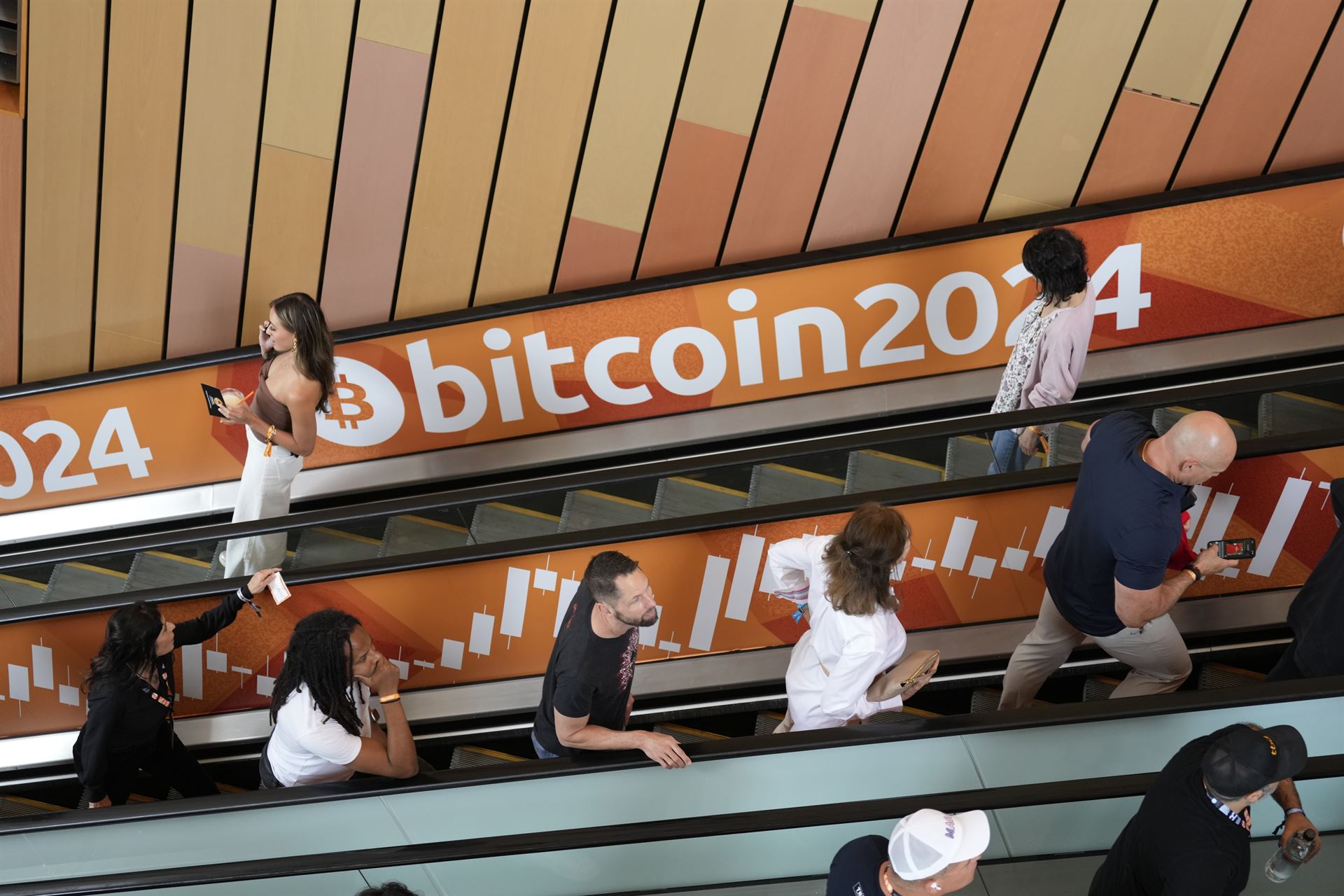
Bitcoin has surged above $106,000, marking a notable milestone for the cryptocurrency as investors and analysts increasingly focus on its strategic role in future financial reserves. This rise reflects a broader shift in market sentiment, driven by growing institutional interest and increasing speculation around Bitcoin’s potential to become a key asset in global financial systems. As central banks, corporations, and financial institutions explore digital assets, Bitcoin’s price surge signals a pivot toward its establishment as a store of value.

Several factors have contributed to this dramatic price increase, but perhaps the most pivotal is the anticipation that Bitcoin will become a reserve asset for institutional investors and even central banks. As nations and large financial entities explore the possibility of holding Bitcoin in their reserves, it is positioning itself as a digital alternative to traditional assets like gold. Analysts view Bitcoin’s growth as part of a larger trend, where digital currencies are gaining acceptance amid growing concerns over inflation, currency debasement, and geopolitical risks.

Bitcoin’s performance, which has fluctuated significantly in recent months, now suggests a major shift in investor confidence. On platforms such as the Chicago Mercantile Exchange (CME), institutional interest in Bitcoin has been at an all-time high. Meanwhile, global financial institutions are increasingly analyzing the asset’s potential within their investment portfolios. Many are viewing Bitcoin not just as a speculative asset, but as a hedge against traditional financial risks, particularly in light of the ongoing turbulence in global markets. This shift in perception is underscored by statements from prominent market players, who indicate that Bitcoin could become a key part of diversified investment strategies moving forward.

Meanwhile, Bitcoin’s increasing adoption by large corporations has helped elevate its status. Companies like Tesla, MicroStrategy, and Block (formerly Square) have all made substantial Bitcoin purchases in recent years, contributing to the growing acceptance of the cryptocurrency as a legitimate investment. These moves are part of a larger trend in which major companies, especially in technology and finance, are increasingly embracing Bitcoin. Tesla’s CEO, Elon Musk, has notably been vocal about Bitcoin’s potential as a store of value, further fueling optimism in the market.

Bitcoin’s price surge also coincides with broader changes in global monetary policies. Amid inflationary pressures and low-interest rates in major economies, many investors are turning to digital assets as an alternative to traditional stocks and bonds. The growing acceptance of Bitcoin by governments and businesses as a viable asset class is helping drive the latest surge in its price. Notably, countries like El Salvador have already taken steps to recognize Bitcoin as legal tender, setting a precedent for other nations to follow suit.

Market participants also point to the increasing regulatory clarity surrounding Bitcoin and other cryptocurrencies. Countries such as the United States, with ongoing discussions in Congress, are exploring frameworks that could provide more stability and legitimacy to the cryptocurrency market. This evolving regulatory landscape is seen as a key factor in institutional investors’ willingness to adopt Bitcoin as part of their portfolios. While some concerns remain regarding how global regulators will handle cryptocurrencies in the long term, the current trend points toward greater integration of Bitcoin into the mainstream financial system.

As Bitcoin’s price climbs, so too does the debate over its environmental impact. Critics have long raised concerns about the high energy consumption required to mine Bitcoin. Despite this, Bitcoin’s advocates argue that advancements in sustainable mining technology and increasing use of renewable energy sources are addressing these issues. The rise of Bitcoin ETFs and other investment products also reflects a more mainstream acceptance of Bitcoin as an asset class. These products allow investors to gain exposure to Bitcoin without directly holding the cryptocurrency, expanding its appeal to a wider range of market participants.

The surging price has drawn the attention of both retail and institutional investors, who are looking to capitalize on Bitcoin’s new role in the global economy. However, while the optimism surrounding Bitcoin remains high, analysts warn that its volatility remains a significant risk. Prices can fluctuate dramatically in a short time frame, and this uncertainty continues to make Bitcoin a speculative investment for many. Nonetheless, with its growing acceptance among institutional investors, Bitcoin’s evolution from a niche asset to a more mainstream store of value seems increasingly likely.

The broader cryptocurrency market has also benefited from Bitcoin’s price movement, with altcoins like Ethereum seeing significant gains in recent weeks. Many investors view Bitcoin as a bellwether for the overall health of the digital asset market, and its rise has had a ripple effect across the industry. Ethereum, which has long been seen as the second-largest cryptocurrency by market capitalization, has also seen its price surge as more investors look for alternative digital assets with the potential for similar growth.

A major cryptocurrency transaction occurred today when a whale deposited 1.2 million Dogwifhat (WIF) meme coins, valued at approximately $3.47 million, into the Coinbase exchange. This move has drawn attention to the coin’s substantial price surge over the past year.

The whale originally acquired the 1.2 million Dogwifhat tokens 11 months ago for $393,000, purchasing them at an average price of $0.3275 per token. At the time, Dogwifhat was still in its early stages of market entry. However, the meme coin has since experienced a significant rise in value, leading to a remarkable profit for the whale, who is now looking at a return of over $3 million—equating to a 790.58% increase.

This development highlights the continuing volatility and speculative nature of the meme coin market, where such trades can yield enormous returns or losses in short periods. Dogwifhat, like other meme coins, has gained traction largely through social media and online communities, where the power of viral marketing often dictates price movements more than traditional fundamentals.

The surge in Dogwifhat’s value can be attributed to a variety of factors. One significant influence has been the active promotion of the token by its community, bolstered by celebrity endorsements and viral internet trends that have propelled its visibility. As with other meme-based cryptocurrencies, there is often a heightened sense of community-driven hype, which can cause rapid and dramatic price fluctuations.

While some investors and traders view these kinds of investments as speculative, the recent deposit into Coinbase brings attention to the larger narrative surrounding meme coins. These tokens often operate on the fringes of the cryptocurrency market, with value driven less by underlying technology and more by community sentiment, social media influence, and market speculation.

Dogwifhat is part of a growing category of meme coins that includes more prominent examples like Dogecoin and Shiba Inu. Both coins have seen dramatic rises in value, thanks in large part to high-profile endorsements from figures such as Elon Musk, who has referred to Dogecoin as “the people’s crypto.” Despite their volatile nature, meme coins continue to attract investors looking for high-risk, high-reward opportunities in the crypto space.

The Coinbase transaction is also notable because it points to a broader trend of meme coins gaining institutional recognition. As cryptocurrency exchanges like Coinbase continue to list more meme coins, the legitimacy of these tokens in the eyes of institutional investors is being solidified. This shift is reflective of the growing maturity of the digital asset space, where regulatory clarity and mainstream adoption are becoming more prevalent.

However, despite the hype surrounding meme coins, many experts caution against treating these tokens as long-term investments. The lack of fundamental value and heavy reliance on speculative trading can lead to rapid losses, particularly when the market sentiment shifts or when broader economic factors affect cryptocurrency valuations.

The continued rise of meme coins like Dogwifhat underscores a larger theme in the crypto market—the blending of internet culture and digital finance. Social media-driven tokens are attracting an increasingly diverse range of investors, from seasoned traders looking for quick profits to retail investors hoping to capitalize on the next big trend. This phenomenon has raised questions about the sustainability of meme coin markets and their place in the future of digital finance.

Some critics argue that meme coins can be dangerous, as they promote a speculative environment where price surges may not always correlate with any real-world use case or technological advancement. Additionally, the decentralized nature of cryptocurrency markets means that whale traders and large holders can have an outsized impact on the price, leading to unpredictable volatility.

Nonetheless, meme coins continue to play a significant role in the overall cryptocurrency ecosystem. They contribute to the diversity of digital assets available on the market and have become a way for individuals to engage with the rapidly evolving world of blockchain and cryptocurrency without the traditional barriers to entry.

For the whale who made the $3 million profit from their Dogwifhat investment, today’s move represents the culmination of months of speculative trading. It also highlights a growing trend of early investors in meme coins reaping substantial rewards. However, it remains unclear whether the price of Dogwifhat will continue to rise, or if it will eventually face a downturn as market trends shift.

Tesla’s long-anticipated Cybertruck production has been put on hold, marking a significant setback for Elon Musk and the electric vehicle giant. The delay follows a series of hurdles that have shaken investor confidence and raised concerns about the company’s ability to meet its ambitious targets. These setbacks compound the challenges Musk has faced this week, including a major drop in his stock valuation and continued issues related […]

Elon Musk’s $56 billion compensation package from Tesla has been voided by a Delaware judge, who ruled that the deal was influenced by Musk’s dominant role in the company. The court found that Tesla’s board and compensation committee failed to act independently during negotiations, citing Musk’s deep ties with board members and his control over the process. This decision follows allegations that Tesla’s shareholder vote on the […]

Elon Musk’s legal battle against OpenAI, the artificial intelligence company he helped launch, has intensified with the filing of an injunction aimed at halting the company’s transition to a for-profit model. Musk, who played a pivotal role in OpenAI’s early development, is challenging the company’s decision to pivot from its original non-profit status, citing concerns over the ethical implications and potential conflicts of interest arising from this […]

Elon Musk’s net worth has reached a staggering $348 billion, driven by a surge in Tesla stock and the continued growth of his artificial intelligence venture, xAI. Musk’s wealth has seen a remarkable spike, placing him at the forefront of global billionaires, surpassing key figures in both tech and finance. This surge highlights the continued influence of Musk’s ventures, particularly Tesla, as the company’s performance remains strong […]

Dogecoin’s market capitalization has soared to $57.8 billion, surpassing that of the renowned German automaker Porsche, valued at $56.1 billion. The surge in Dogecoin’s valuation has been largely driven by high-profile endorsements from tech mogul Elon Musk and the recent launch of a Dogecoin-based exchange-traded product (ETP) by Valour, a prominent digital asset investment firm.

Musk’s public backing of the meme cryptocurrency has been a catalyst for Dogecoin’s rise over the past several years. Known for his ability to influence the digital currency market, Musk’s statements and actions continue to play a significant role in boosting investor confidence. His comments on Twitter and his promotion of Dogecoin as a “people’s cryptocurrency” have encouraged a growing base of retail investors to flock to the coin. In addition to his social media influence, Musk’s involvement with the Dogecoin community has led to increased media attention, further elevating the coin’s profile in the global market.

The debut of Valour’s Dogecoin ETP has also fueled interest, as it provides investors with an easier and more regulated way to gain exposure to Dogecoin without directly purchasing and holding the coin. This move is seen as a major step towards the mainstream adoption of cryptocurrencies, as exchange-traded products give institutional and retail investors an alternative route to invest in digital assets.

The ETP launch has likely contributed to the coin’s upward momentum, as institutional players, who may have previously been hesitant to invest in more volatile cryptocurrencies, are now able to gain exposure to Dogecoin within the confines of a traditional investment vehicle. Analysts point out that the introduction of such products, along with Musk’s ongoing endorsement, represents a tipping point for the cryptocurrency’s market dynamics, especially as it continues to evolve from a meme coin to a more serious contender in the digital asset space.

Technicals have also contributed to the growing optimism surrounding Dogecoin. Chart patterns indicate that the cryptocurrency may be on the brink of significant growth, with some analysts predicting a potential rally of up to 1,000%. Such projections are based on bullish technical indicators, including rising support levels and positive trends in key market metrics. Although the cryptocurrency market remains inherently volatile, the patterns observed in Dogecoin’s recent performance suggest that it could continue to gain momentum in the coming months.

Retail interest in Dogecoin is not only spurred by Musk’s influence but also by a broader trend of public fascination with cryptocurrency. As digital assets become more integrated into everyday financial transactions, coins like Dogecoin are benefiting from a growing user base that includes investors, speculators, and even everyday consumers looking for alternative forms of wealth storage. The ease with which individuals can buy and trade Dogecoin, especially with the proliferation of cryptocurrency-friendly platforms, has made it one of the most accessible digital currencies.

A key driver for the meme coin’s success has been its low entry price, which has attracted small investors looking to capitalize on rapid price movements. Dogecoin’s price history shows that, despite its origins as a joke, it has become a serious player in the digital asset market. With its low price point and relatively high liquidity, it has gained widespread attention as a speculative asset, with many investors seeing it as a potential high-return opportunity.

As Dogecoin’s market cap continues to grow, it is drawing attention from larger investors who are beginning to recognize its potential as a mainstream asset. Some cryptocurrency industry insiders have suggested that Dogecoin’s price could stabilize at much higher levels, especially if it maintains its current trajectory. A broader shift toward the acceptance of cryptocurrencies by large institutions could further support its growth and integration into the global financial system.

Donald Trump’s history of appointing controversial figures to key government roles continues to draw scrutiny, as allegations of sexual misconduct and complicity against several of his picks have resurfaced. Critics argue that these choices reflect a disregard for ethical concerns, further polarizing the political landscape.

Elon Musk, CEO of SpaceX and Tesla, has been enlisted by Trump to contribute to a proposed Department of Government Efficiency. Musk faces a lawsuit filed by eight former SpaceX employees, accusing him of tolerating sexual harassment within the company. The lawsuit claims Musk fostered an environment rife with inappropriate conduct, including explicit imagery and degrading commentary about women and the LGBTQ+ community. Musk has denied these allegations, responding with characteristic deflection on his social media platform, X, which he owns.

Linda McMahon, another Trump appointee and the former head of the Small Business Administration, has been linked to allegations stemming from her tenure at World Wrestling Entertainment (WWE). A lawsuit alleges a culture of sexual abuse within the organization during her leadership. McMahon has avoided direct comment on the claims, which have drawn renewed attention through a recent documentary series.

The nomination of Matt Gaetz, a former Congressman, to serve as attorney general was short-lived, as he withdrew amid public backlash and allegations of sexual misconduct. Accusations include involvement with sex trafficking, with court documents indicating testimony from multiple witnesses about his alleged relationships with minors. Although Gaetz denies these claims, they have significantly tainted his political career and credibility.

These allegations add to the already divisive reputation of Trump’s leadership style, where loyalty and alignment with his agenda often appear to outweigh considerations of character or public accountability. Legal experts and watchdog groups have raised concerns about the broader implications of such appointments, arguing that they undermine public trust in governance.

Elon Musk and Jeff Bezos have become embroiled in a public spat over claims involving stock predictions tied to the 2024 U.S. presidential election. The conflict centers on Musk’s assertion that Bezos had advised people to sell stock in Tesla and SpaceX, speculating that Donald Trump would lose the upcoming election. Bezos has firmly rejected the accusations, labeling them as “100% not true.”

Musk, known for his outspoken commentary and influence across industries, made these claims during an appearance on a podcast, alleging that Bezos had encouraged investors to offload Tesla and SpaceX shares, based on his belief that Trump’s re-election bid would falter. The remarks have raised eyebrows, especially given the ongoing political climate and the volatility surrounding tech stocks and the stock market in general.

The controversy gained traction quickly, with Musk’s comments drawing attention from tech industry insiders, political analysts, and investors alike. Musk’s public persona often intertwines with his ventures in both technology and space exploration, creating a unique intersection where his statements on politics and business are heavily scrutinized. While some critics see his accusations as part of a broader tension with Bezos, others have raised questions about the implications such claims might have for investor sentiment.

Bezos, for his part, has vehemently denied the allegations. The Amazon founder, whose wealth and influence are often discussed in parallel with Musk’s, responded to the accusation through a spokesperson, who conveyed his strong disagreement with Musk’s narrative. “This is 100% not true,” the statement read, emphasizing Bezos’s position and distancing him from any involvement in discussions about selling stock based on political outcomes.

The timing of Musk’s claims is crucial, as both Tesla and SpaceX are closely linked to political developments in the United States. Tesla, a global leader in electric vehicles, has been a major topic of debate in the context of environmental policy and government incentives. SpaceX, a private space exploration company, often finds itself at the crossroads of technology and political agendas, with government contracts and space policy significantly impacting its operations.

Musk’s connection to Trump has long been a subject of interest. Musk has publicly supported Trump at various points during the former president’s tenure, even receiving praise from Trump himself. However, Musk’s ties to Bezos, who has had a more neutral stance in the political realm, have often been less clear-cut. Bezos, through his ownership of The Washington Post, has been seen as more directly involved in political discourse, and his views on policy have sometimes diverged from Musk’s, especially when it comes to environmental regulations and government subsidies for private companies.

Investors in both Tesla and SpaceX, two companies that Musk and Bezos are closely linked with, were quick to react to the public dispute. Stock prices of Tesla saw some fluctuations following Musk’s comments, although they remained relatively stable in the face of the accusations. SpaceX, being a privately held company, was not directly impacted in terms of stock price. However, analysts have noted that any potential friction between the two billionaires could lead to long-term repercussions, not just for their companies but for the wider tech and space industries.

The rift between Musk and Bezos could have broader implications beyond their personal feud. The public nature of their disagreement highlights the intersection of politics, business, and media in an era of increased polarization. Both men have significant influence over public perception, and their comments often carry weight far beyond the immediate context. Musk, who frequently uses Twitter to communicate with millions of followers, has been known to influence markets and public opinion with his words, while Bezos has a more traditional media influence through his ownership of The Washington Post and his broader media endeavors.

The stakes of the 2024 U.S. presidential election also contribute to the intensity of the dispute. As the election draws nearer, the rhetoric surrounding Trump’s potential victory or defeat will become increasingly important for business leaders, investors, and policymakers. Both Musk and Bezos have positioned themselves as influential figures in the U.S. economy, and their views on political outcomes may influence broader business strategies and investment patterns.

While both billionaires have become prominent figures in the public sphere, their relationship has never been without tension. Their rivalry has been marked by competition across multiple sectors, from space exploration to electric vehicles. Musk’s SpaceX competes directly with Bezos’s Blue Origin, a private space exploration venture, for government contracts and commercial partnerships. Tesla and Amazon also operate in parallel sectors, with Tesla’s electric vehicles posing a challenge to Amazon’s ambitions in sustainable energy and transportation.


KUALA LUMPUR, MALAYSIA – Media OutReach Newswire – 20 November 2024 – Bitcoin, the world’s most famous digital currency, has demonstrated an impressive performance following the U.S. presidential elections, in which Donald Trump, a Republican candidate, achieved a decisive victory. Although it has been widely speculated that Bitcoin would rally under Trump, a 30% rise in value in the course of just two weeks surprised even the […]

Elon Musk’s social media platform X has filed a lawsuit against Amazon-owned Twitch, claiming the streaming service is part of a broader illegal conspiracy to exclude the platform from advertising opportunities. The lawsuit, which was filed in the United States District Court for the Northern District of California, accuses Twitch of engaging in coordinated actions with other tech giants to disrupt the advertising revenue stream for X, a move that Musk’s legal team argues is both unlawful and damaging to the platform’s financial health.

The case is a significant escalation in Musk’s battle against the advertising industry, which he has criticized for allegedly unfairly targeting his platform and reducing the flow of advertising dollars. Musk, who acquired X (formerly Twitter) in 2022, has frequently argued that large corporations and digital media entities are stifling competition by colluding to reduce the effectiveness and revenue potential of his platform. He has claimed that companies, including Twitch, have coordinated with others to deprive X of crucial ad dollars, harming its ability to compete in the ever-growing social media market.

In the lawsuit, X asserts that Twitch’s actions were not isolated incidents but part of a deliberate attempt to harm the platform by steering advertisers away from X in favor of its competitors. The legal complaint details how X believes Twitch engaged in these practices, which the lawsuit describes as “anticompetitive behavior” in violation of both federal antitrust laws and state-level business regulations. This legal move is expected to have far-reaching implications for the advertising and social media industries as a whole.

At the center of Musk’s allegations is the claim that Twitch, alongside other online services, has been pressuring advertisers to avoid spending on X’s platform. X’s legal team argues that Twitch, with its vast reach in the live-streaming community, played a pivotal role in this alleged conspiracy. The lawsuit underscores how companies in the digital ad space, which rely heavily on advertising dollars to fuel their operations, are increasingly turning to such tactics to control market share and suppress competition.

Twitch, owned by Amazon, has yet to publicly comment on the lawsuit, but experts in the tech and advertising sectors suggest that this case could highlight the evolving tensions between the major players in the digital ad market. Twitch, which is widely regarded as the leading live-streaming platform for gamers and creators, has become a major competitor in the online entertainment space, attracting millions of viewers and ad dollars annually.

The lawsuit also sheds light on the broader landscape of advertising in the digital age, where power dynamics among tech companies are continuously shifting. Advertisers are increasingly exercising greater influence over where ad dollars are spent, and X has long been critical of the industry’s preferences for other platforms like Facebook, Google, and YouTube, accusing them of manipulating the digital ad ecosystem to limit competition. Musk’s accusations suggest that Twitch, with its connection to Amazon and its substantial user base, could be wielding its market power to support a digital ad cartel aimed at diminishing X’s revenue-generating capabilities.

Legal experts see Musk’s lawsuit as part of a larger strategy to position X as a champion of free market principles, countering what he describes as a monopolistic and anticompetitive media landscape. Musk has voiced his concerns about the challenges of securing advertisers for X, particularly after high-profile departures and skepticism from traditional brands who were wary of the platform’s direction under Musk’s leadership. By targeting Twitch and Amazon, Musk appears to be signaling that his platform’s advertising struggles are not merely the result of internal mismanagement but part of a broader effort to undermine its success.

The case also brings into question the growing power of companies like Amazon and Google, which dominate both the cloud computing and digital advertising sectors. Twitch’s parent company, Amazon, has faced its share of legal challenges over its business practices, particularly regarding competition and antitrust issues. The lawsuit could open new avenues for scrutiny of Amazon’s dominance in the tech world, especially in how it interacts with other digital media platforms and the companies that rely on advertising dollars.

Twitch’s role in this alleged conspiracy could be pivotal in determining the extent to which platforms like X and others in the social media sphere can survive without adequate advertising support. Musk’s claims suggest that the digital ad market may not be as open or competitive as it appears, with major players using their influence to dictate where and how advertising funds are allocated. If the case moves forward and is successful, it could lead to significant changes in how tech companies handle advertising relationships and could even prompt broader reforms in the advertising industry.

The outcome of the lawsuit is still uncertain, but the legal battle represents the latest chapter in a series of challenges Musk has faced in attempting to turn X into a profitable business. Since taking over Twitter, Musk has made numerous changes to the platform’s structure, operations, and content policies. However, one of the most significant hurdles remains securing a stable revenue stream, particularly from advertisers, who have historically been the lifeblood of social media platforms.

Rocket Lab, led by founder and CEO Peter Beck, has emerged as a formidable contender in the commercial space industry, standing out for its innovation and strategic focus on small rocket launches. Despite being a fraction of the size of SpaceX, the company has demonstrated resilience and adaptability, achieving remarkable milestones that have positioned it as a strong competitor to Elon Musk’s aerospace giant. The company’s valuation […]

VISHNU RAJA
RYO YAMADA
HITORI GOTOH
IKUYO KITA