News related to
Gaza

Efforts to establish a ceasefire in Gaza have hit a deadlock as both Hamas and Israel remain deeply divided on key terms. Despite initial hopes for a resolution, negotiations have faltered, leaving U.S. officials increasingly doubtful about achieving a swift end to the conflict.

The proposed ceasefire framework, which is intended to unfold in three phases, has encountered significant obstacles. Phase 1, involving a six-week pause in hostilities, the release of hostages, and the withdrawal of Israeli forces from populated areas in Gaza, initially appeared promising. However, disagreements over Phase 2—the negotiation of a comprehensive end to the conflict—have caused the talks to stall. Hamas demands a full Israeli withdrawal from Gaza, while Israel insists on continuing its military operations until Hamas is fully dismantled, a goal that could take months or even years to achieve.

The Biden administration, which has been actively mediating the talks, has expressed frustration over the impasse. U.S. officials have noted that without a ceasefire, humanitarian aid to Gaza remains severely limited, exacerbating the suffering of civilians caught in the crossfire. Humanitarian groups have echoed these concerns, stressing that a pause in fighting is crucial to providing consistent access to food and medical supplies.

As the stalemate drags on, there are growing concerns that the conflict could extend into the latter part of 2024. Despite ongoing diplomatic efforts, neither side shows signs of compromising, raising fears that the war will continue unabated.

The situation remains fluid, with U.S. officials continuing to push for both parties to reach an agreement, but the path to peace appears increasingly uncertain.

This report is based on information from multiple credible sources, including Politico and The National.
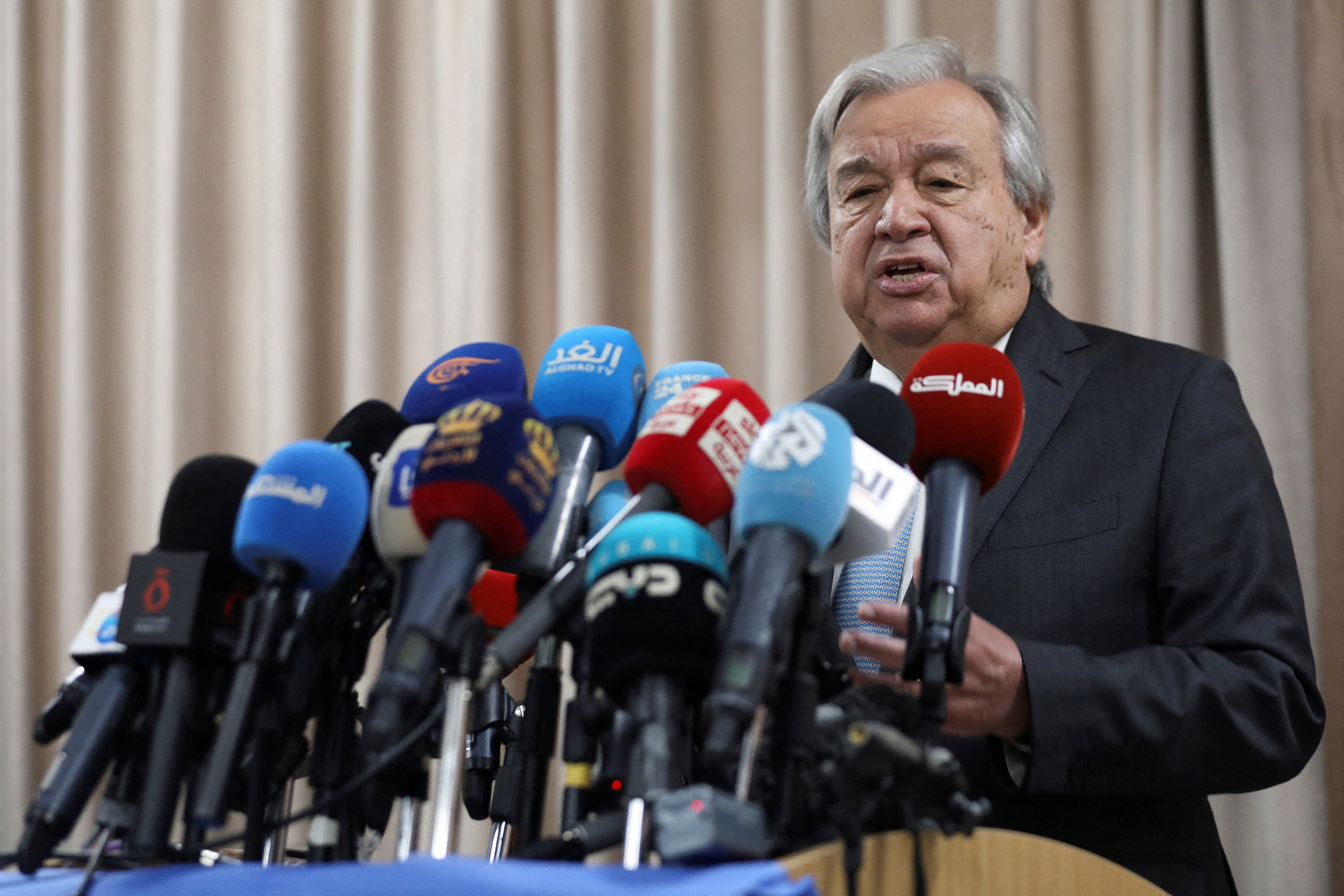
Israel’s northern border experienced heightened tension as approximately 55 rockets were fired from Lebanon on Saturday, resulting in fires near Ayelet HaShahar but no reported injuries. This escalation has added to the already volatile situation in the region, where Israel’s military operations in Gaza continue to provoke international concern.

U.S. Secretary of State Antony Blinken arrived in Tel Aviv, urging all parties to cease escalating actions and pushing for a ceasefire in Gaza. His visit comes at a critical time, as diplomatic efforts intensify to de-escalate the violence that has claimed numerous lives on both sides.

During his meetings with Israeli leaders, including Prime Minister Benjamin Netanyahu and President Isaac Herzog, Blinken emphasized the importance of halting hostilities to prevent further civilian casualties. He also reiterated the United States’ support for Israel’s right to defend itself while stressing the need for proportionality in military actions.

Meanwhile, the Israeli military continues to target Hamas infrastructure in Gaza, claiming to have struck key operational sites. However, the humanitarian crisis in Gaza has drawn international criticism, with many urging Israel to exercise restraint. Despite these calls, the Israeli government has shown little sign of scaling back its operations, insisting that its actions are necessary to neutralize the threat posed by Hamas.

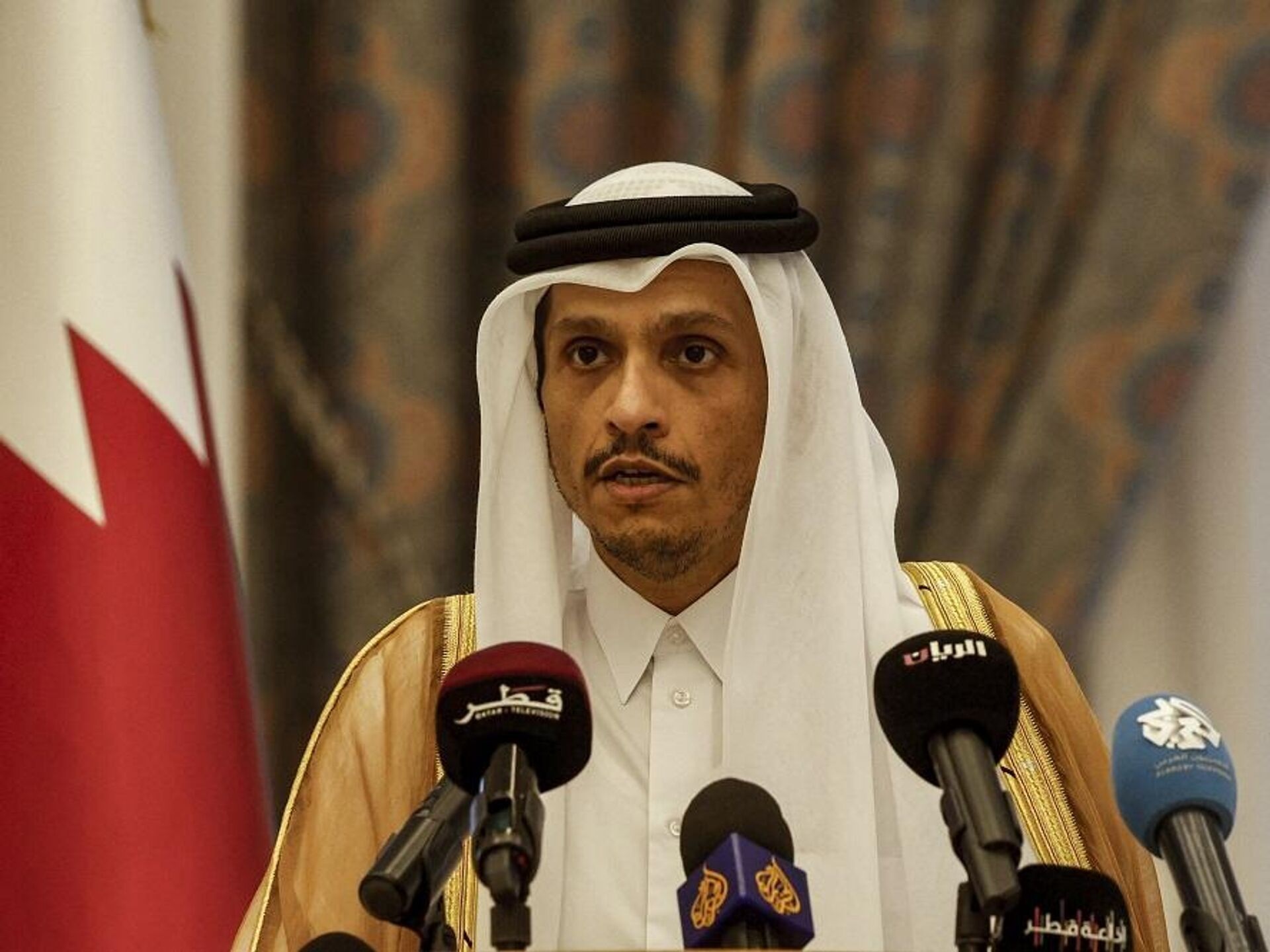
Diplomatic sources indicate that efforts to broker a ceasefire are ongoing, with Egypt and Qatar playing key roles in the negotiations. However, the prospects for an immediate halt to the violence remain uncertain, as both sides appear entrenched in their positions.

As the situation unfolds, the international community watches closely, with many hoping that Blinken’s visit will lead to a breakthrough in the deadlock. The next few days are likely to be crucial in determining whether diplomacy can succeed in bringing an end to the bloodshed.

The conflict has already caused significant loss of life and widespread destruction, particularly in Gaza, where civilian infrastructure has been severely damaged. Humanitarian agencies warn of an impending disaster if the fighting continues, with thousands of families displaced and in urgent need of aid.

Blinken’s visit underscores the urgency of the situation and the delicate balance that must be struck between supporting Israel’s security and addressing the humanitarian needs of the Palestinian population. The path to a ceasefire remains fraught with challenges, but international pressure is mounting on all parties to find a resolution that prevents further escalation.

In the meantime, Israel’s northern border remains tense, with fears that the conflict could spread beyond Gaza, further destabilizing the region. The world waits to see whether diplomatic efforts will prevail or if the situation will deteriorate further.

Vice President Kamala Harris has found herself at the center of a growing controversy as pro-Palestinian activists intensify their criticism of her administration’s stance on Israel. The uproar stems from her perceived unwavering support for Israel, which has alienated segments of the progressive and pro-Palestinian communities.

During a recent event, Harris was met with protests organized by groups that believe the U.S. government, under the Biden administration, has failed to address the humanitarian concerns in Gaza and the West Bank adequately. These protesters argue that the administration’s policies have disproportionately favored Israel, neglecting the rights and needs of the Palestinian people.

The protests highlight a broader discontent within the Democratic Party, where the progressive wing has increasingly voiced concerns over U.S. foreign policy in the Middle East. Harris, who has historically supported Israel, is now facing pressure from within her party to adopt a more balanced approach that considers the rights of Palestinians.

The ongoing conflict between Israel and Palestine remains a highly contentious issue in U.S. politics, with both sides garnering passionate support. The administration’s handling of this delicate issue is crucial, as it could influence voter sentiment ahead of the upcoming elections. As the protests continue, Harris will need to navigate these tensions carefully to maintain support from key voter demographics while upholding the administration’s diplomatic commitments.

Tensions along the Israel-Lebanon border have sharply escalated after Hezbollah launched a barrage of rockets into northern Israel, following a deadly strike by Israeli forces. The exchange represents one of the most intense clashes between the two sides in over a decade, raising fears of a broader conflict. The rockets, targeting Israel’s Upper Galilee region, were fired shortly after the Israeli Defense Forces (IDF) carried out airstrikes […]

M A Hossain Recent peace talks in Doha, Qatar, in the ongoing tensions in the Middle East have reignited a glimmer of hope of a temporary respite. Led by mediators from the United States, Qatar, and Egypt, these negotiations aim to broker a long-awaited ceasefire in the Gaza Strip. However, scepticism surrounds the talks, particularly because Hamas, the organization governing Gaza, is notably absent from the table. […]

Negotiations for a ceasefire in Gaza are expected to restart soon as Israel orders another round of evacuations, escalating tensions in the region. The ceasefire discussions, which have already seen multiple delays, are aimed at halting the ongoing violence that has left thousands dead and many more injured. Diplomatic efforts, led by international mediators, are struggling to find common ground between the warring parties. Israel’s evacuation orders […]

Arabian Post Staff The United States has introduced a new ceasefire proposal aimed at narrowing the gaps between Israel and Hamas amid ongoing hostilities in Gaza. The proposal, delivered during diplomatic talks in Doha, seeks to bridge the remaining differences between the conflicting parties. While U.S. officials remain cautiously optimistic, both Israeli and Hamas representatives have expressed reservations about the deal. The plan includes provisions for humanitarian […]

Advertisements

Salalah Port, a key logistics hub in Oman, is bracing for a significant decline in container volumes as the Red Sea crisis continues to disrupt global maritime trade. The port is expected to see a 25% drop in container throughput for the remainder of 2024, driven by ongoing blockades and rerouting of shipping lanes. The crisis, now in its sixth month, stems from the Houthi movement’s blockade […]

Gaza ceasefire negotiations resumed in Doha, with key stakeholders converging to discuss a truce between Israel and Hamas. These talks come at a time of heightened tensions, particularly as Iran closely monitors the developments, with potential implications for the broader region. The discussions in Doha are seen as pivotal in potentially preventing further escalation in the ongoing conflict. The meeting includes representatives from Israel, Hamas, and several […]

Negotiations to address the ongoing conflict between Israel and Gaza are gaining momentum as high-level talks are scheduled to commence in Doha. The planned discussions, involving representatives from the United Nations, the United States, and Qatar, aim to broker a ceasefire agreement to halt the escalating violence in the region. The announcement comes amidst mounting international pressure for a resolution to the hostilities that have resulted in […]

Negotiations aimed at establishing a ceasefire in Gaza face significant challenges as a key Hamas official has declared the group’s reluctance to participate in the upcoming talks in Doha. The anticipated dialogue, scheduled for Thursday, now hangs in the balance due to this development.

President Joe Biden has acknowledged the growing difficulties in achieving a ceasefire in Gaza. The complexities of the negotiation process, combined with shifting political dynamics, have made the path to peace more uncertain. Biden’s comments reflect the escalating tension and the stalled progress in securing a resolution.

Hamas, which has been a central player in the ongoing conflict, has not officially confirmed its stance but internal sources indicate a strong likelihood of their non-participation. This move could further derail the efforts led by international mediators who have been striving to broker peace between the conflicting parties.

The situation remains fluid as both sides prepare for the Doha talks. The absence of Hamas from these discussions could hinder the negotiation process and potentially prolong the conflict. Analysts suggest that without Hamas’s involvement, any agreement reached might lack the necessary support from one of the principal stakeholders, undermining the potential for a lasting ceasefire.

International observers are closely monitoring the situation, emphasizing the importance of including all major parties in peace talks. The ongoing conflict has resulted in substantial casualties and widespread devastation in Gaza, underscoring the urgent need for a comprehensive ceasefire agreement.

The diplomatic community remains hopeful that the dialogue in Doha, despite the current setbacks, may still pave the way for renewed negotiations. However, the exclusion of key players like Hamas from these talks presents a significant obstacle, raising concerns about the feasibility of achieving a viable ceasefire in the near future.

The evolving dynamics of the situation highlight the complexity of the conflict and the challenges faced by mediators working to bring about a resolution. As the international community continues to engage in efforts to address the crisis, the focus remains on finding a path forward that includes all relevant parties and addresses the underlying issues driving the conflict.

As discussions unfold, the world watches closely, hoping for a breakthrough that could lead to a sustained and effective ceasefire. The outcome of the Doha talks will be crucial in determining the next steps in the ongoing efforts to bring peace to Gaza.

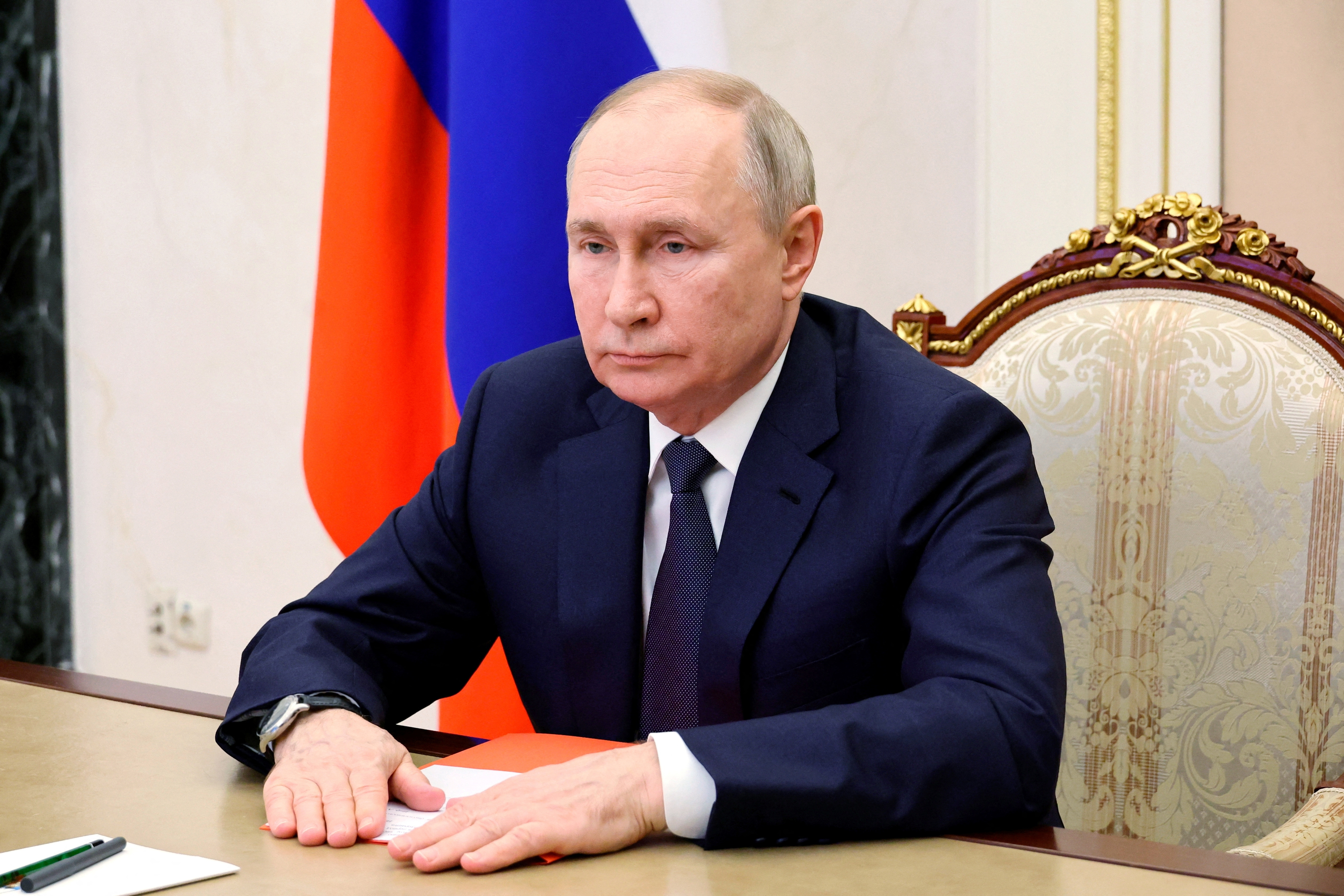
Palestinian President Mahmoud Abbas met with Russian President Vladimir Putin in Moscow to address the ongoing conflict in Gaza and broader issues affecting the Palestinian territories. The meeting highlighted Abbas’s call for increased international support for Palestinian statehood and urgent action to alleviate the humanitarian crisis in Gaza.

The discussion comes amid escalating violence in Gaza and the West Bank, with significant casualties reported in recent weeks. Abbas and Putin explored various measures to de-escalate the situation and pave the way for renewed peace efforts. Abbas emphasized the dire humanitarian conditions in Gaza, where continuous airstrikes and blockades have exacerbated the suffering of civilians.

During the meeting, Abbas reiterated his call for the establishment of an independent Palestinian state, asserting that a two-state solution remains the most viable path to peace. He also voiced concerns about ongoing violence in East Jerusalem and the West Bank, which has further complicated efforts to achieve stability and security in the region.

Putin’s response to Abbas’s proposals was notably diplomatic. He reaffirmed Russia’s support for a two-state solution and expressed concern over the humanitarian situation in Gaza. However, he also stressed the need for a balanced approach to addressing both Palestinian and Israeli concerns. The Russian leader emphasized the importance of direct negotiations between the conflicting parties, highlighting Russia’s role in facilitating dialogue.

The meeting also touched upon the international community’s role in resolving the conflict. Abbas urged greater involvement from global powers and regional stakeholders to pressure Israel into halting its military operations and committing to peace talks. He specifically called for the lifting of the blockade on Gaza, which he argued is a significant barrier to alleviating the humanitarian crisis.

The discussion on Gaza coincides with a broader international discourse on the conflict. Various international organizations and governments have expressed growing alarm over the situation, with some calling for sanctions or other measures against Israel to pressure it into compliance with international law.

In addition to discussing the immediate conflict, Abbas and Putin addressed the ongoing international legal efforts concerning allegations of genocide and war crimes. Abbas has been vocal about the need for accountability and justice, advocating for international legal bodies to address alleged violations by Israel. This aspect of the discussion underscores the broader context of the conflict, where legal and humanitarian concerns intertwine with geopolitical considerations.

Abbas’s visit to Moscow also serves as a strategic move to bolster Palestinian diplomatic efforts. By engaging with major international players like Russia, Abbas aims to garner broader support and exert pressure on other key actors to address the Palestinian cause. The interaction with Putin represents an attempt to leverage Russia’s position in the global arena to further the Palestinian agenda.

The meeting between Abbas and Putin reflects ongoing international efforts to address the complexities of the Israeli-Palestinian conflict. As the situation in Gaza remains dire and violence continues in the West Bank and East Jerusalem, the international community remains divided on the most effective strategies to achieve a lasting resolution. The discussions between Abbas and Putin highlight the urgent need for comprehensive and sustained diplomatic efforts to address the myriad issues at the heart of the conflict.

A devastating Israeli airstrike in Gaza has resulted in the tragic death of twin newborns, while their father was away retrieving their birth certificates. The attack, which occurred in the densely populated area of Gaza City, highlights the ongoing humanitarian crisis in the region amidst the prolonged conflict between Israel and Palestinian factions.

The father, identified as Ahmed Abu Taha, had left his home to complete the paperwork for his newborn twins, who had just been born a few days prior. The airstrike hit the family’s residence, obliterating it and killing the infants. The attack has drawn widespread condemnation from humanitarian organizations and international observers, who have expressed deep concern over the escalating violence and its impact on civilians.

According to local reports, the airstrike was part of a broader military campaign targeting alleged militant positions in Gaza. However, the dense urban environment often results in significant collateral damage, with residential areas frequently being affected. The loss of life in this instance underscores the severe humanitarian toll on non-combatants, including children, who are increasingly becoming victims of the ongoing conflict.

The incident has sparked outrage and calls for a reassessment of military strategies to minimize civilian casualties. International bodies, including the United Nations, have urged all parties to adhere to international humanitarian laws and take measures to protect innocent lives. The Gaza Strip, a region already struggling with severe shortages of medical supplies, electricity, and basic necessities, faces exacerbated challenges as a result of the continuous conflict.

Witnesses to the bombing described scenes of chaos and devastation, with emergency responders scrambling to provide aid amidst the wreckage. The loss of the twins has deeply affected the local community, which is grappling with the emotional and psychological impact of the violence. The father, who has been described as distraught, faces the additional burden of grieving his children while dealing with the loss of his home.

The international community’s reaction to this tragedy has been swift, with numerous calls for an immediate cessation of hostilities and a renewed focus on diplomatic efforts to resolve the underlying issues. Human rights organizations have emphasized the need for accountability and greater protections for civilians caught in conflict zones.

As the situation in Gaza remains dire, efforts are being made to address the urgent needs of affected families and to provide humanitarian assistance. However, the continuing conflict poses significant challenges to these efforts, as access to aid and resources remains limited.

The death of these newborn twins serves as a stark reminder of the urgent need for a comprehensive and lasting resolution to the Israeli-Palestinian conflict. The international community faces the critical task of addressing both the immediate humanitarian needs and the broader political issues that contribute to the cycle of violence in the region.

The incident underscores the high human cost of the conflict and the imperative for all stakeholders to work towards a peaceful and sustainable solution that protects innocent lives and upholds human dignity.

Palestinian President Mahmoud Abbas is set to meet with Russian President Vladimir Putin in Moscow on Tuesday amid ongoing hostilities in Gaza. This high-level meeting comes as international concern mounts over the escalating violence and humanitarian crisis in the region.

The discussion between Abbas and Putin will focus on the unfolding situation in Gaza, where recent conflicts have intensified. Abbas aims to seek support and explore potential diplomatic solutions with Russia, a key ally with influence in the Middle East.

The Gaza Strip has been plagued by violence and destruction, with numerous reports highlighting the severe impact on civilians and infrastructure. The international community has called for restraint and a renewed push for peace negotiations, with varying levels of engagement from global powers.

Putin’s meeting with Abbas reflects Russia’s ongoing role in Middle Eastern diplomacy. Russia has positioned itself as a mediator in the region, advocating for balanced approaches to the Israeli-Palestinian conflict. The Kremlin’s involvement underscores its strategic interest in maintaining influence over regional affairs and bolstering its diplomatic credentials on the global stage.

The meeting comes as the United Nations and other international organizations have raised alarms about the humanitarian conditions in Gaza. Reports indicate shortages of essential supplies, medical resources, and a deteriorating living environment for residents affected by the conflict. Both Russia and the Palestinian leadership have expressed concerns over these conditions and the need for a resolution that addresses humanitarian needs while working towards a sustainable peace.

Abbas’s visit to Moscow is expected to address these issues and discuss possible Russian contributions to relief efforts. The Palestinian leadership is seeking a strengthened partnership with Russia to leverage its diplomatic weight and secure international backing for their position. This dialogue aims to align with broader international efforts to mitigate the crisis and facilitate a return to negotiations between the conflicting parties.

The Kremlin has historically been an advocate for Palestinian statehood and has hosted multiple rounds of peace talks in the past. Putin’s engagement with Abbas is seen as part of Russia’s strategy to enhance its influence and act as a counterbalance to Western involvement in Middle Eastern peace processes.

This meeting also highlights the shifting dynamics in international diplomacy regarding the Gaza conflict. As major global powers weigh in, the outcomes of these high-level talks could impact the trajectory of international responses and interventions. The global community is watching closely, with hopes pinned on diplomatic solutions that could lead to an enduring resolution to the conflict.

The talks between Abbas and Putin are set against a backdrop of heightened tensions and complex geopolitical considerations. The effectiveness of this dialogue in contributing to a peaceful resolution remains to be seen, as both leaders navigate a challenging landscape of diplomatic and humanitarian concerns.

Evacuation orders have been issued for approximately 84% of the Gaza Strip as the conflict between Israeli forces and Palestinian groups intensifies, according to the United Nations. The situation in Gaza has deteriorated sharply with ongoing ground incursions and heavy fighting reported throughout the region. The Israeli military’s extensive evacuation directive impacts nearly all of Gaza’s densely populated areas. This move is part of a broader strategy […]

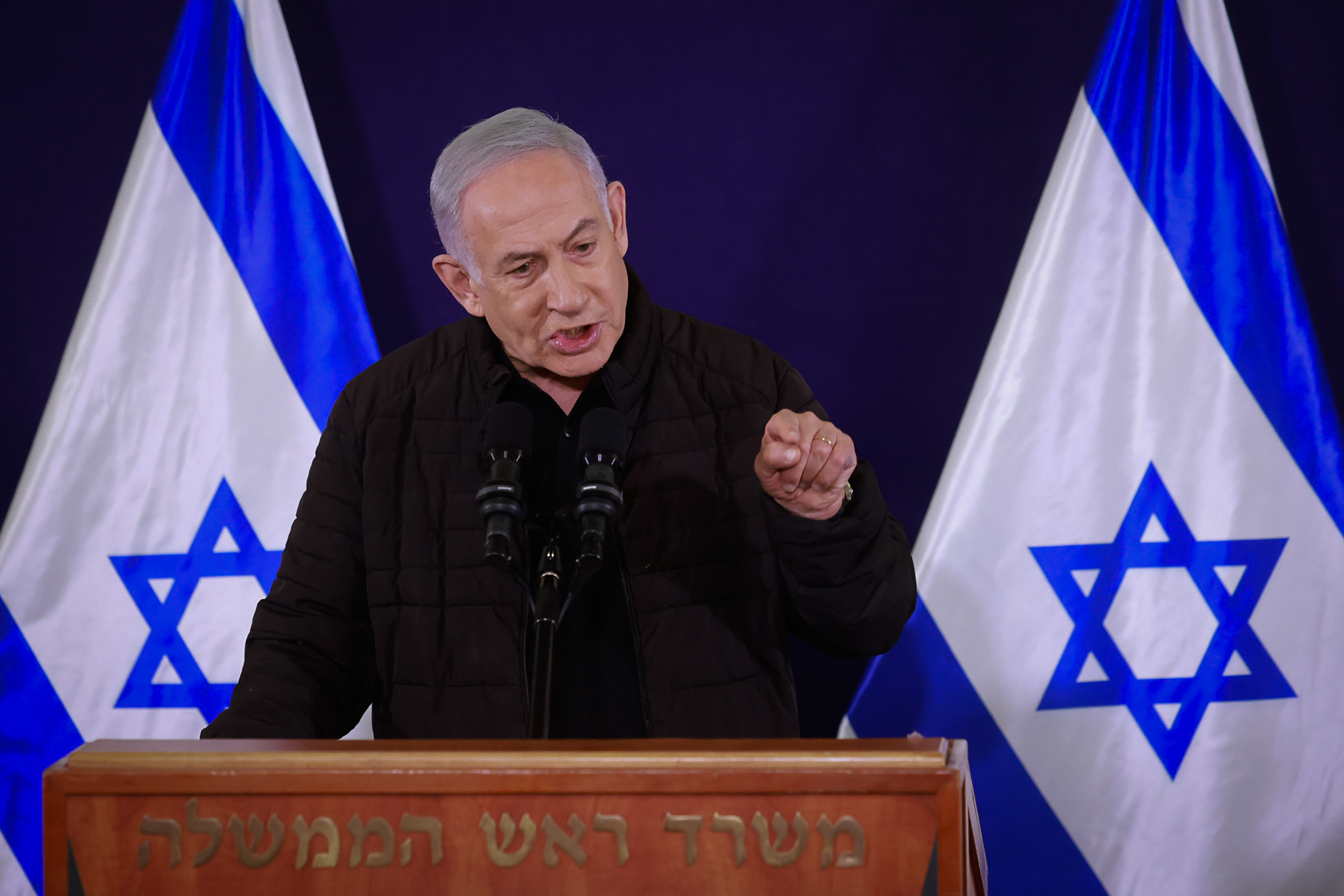
Israeli Prime Minister Benjamin Netanyahu has sharply criticized Defense Minister Yoav Gallant, accusing him of undermining negotiations related to the hostage crisis in Gaza. This development has heightened tensions within Israel’s political and military circles as the country grapples with ongoing conflict and diplomatic pressures.

The friction between Netanyahu and Gallant emerged after a series of public statements and internal disagreements regarding the handling of hostages held by Hamas. Netanyahu’s office has expressed strong dissatisfaction with Gallant’s approach, alleging that the defense minister’s actions jeopardized sensitive negotiations aimed at securing the release of hostages.

The criticism comes at a time when Israel is facing intense international scrutiny and pressure to resolve the crisis. With the situation in Gaza remaining volatile, Israel’s leadership is under increased pressure to manage both domestic and international concerns effectively. The Netanyahu-Gallant dispute highlights the challenges faced by the Israeli government in maintaining a unified front while navigating complex diplomatic and security issues.

In recent days, leaders from France, Germany, and Britain have voiced strong warnings to Iran against taking any retaliatory action against Israel. This international stance underscores the global concern over the escalation of conflict in the region and the potential for broader implications if tensions continue to rise.

The conflict has prompted widespread calls for restraint and diplomatic resolution from the international community, emphasizing the need for careful management of the situation to prevent further escalation. As Israel continues to address the multifaceted challenges posed by the ongoing conflict and internal disagreements, the outcome of this political rift could have significant implications for both domestic policy and international relations.

An Israeli airstrike targeting a school sheltering displaced people in Gaza City has left at least 90 Palestinians dead and dozens injured. The strike, which occurred in the Daraj district, hit the facility housing hundreds of civilians seeking refuge from ongoing conflict. Local civil defense officials described the aftermath as a “horrific massacre,” with bodies still trapped under the rubble. Israel’s military claimed the school was being […]

The appointment of Yahya Sinwar as the political head of Hamas marks a significant shift in the group’s internal dynamics, with profound implications for Gaza’s future. Sinwar, a longstanding and influential figure within Hamas, ascended to this pivotal role amidst growing tensions and ongoing conflicts. Sinwar’s leadership is seen as a consolidation of power within Gaza, reflecting the strategic importance of the region in Hamas’ broader agenda. […]

A World Health Organization (WHO) delegation has recently visited the field hospital set up by the United Arab Emirates (UAE) in Rafah. The visit focused on assessing the hospital’s medical operations, coordination efforts, and experience-sharing practices. This field hospital is part of the UAE’s broader initiative in response to the humanitarian crisis in Gaza. The WHO representatives expressed high regard for the UAE’s contribution to medical relief […]

Tensions between Israel and Hezbollah have reached a critical point, significantly affecting daily life in Lebanon. Over the past few days, Israeli airstrikes targeted multiple Hezbollah positions in southern Lebanon, including the villages of Maifadoun and Khiam. These strikes have resulted in the deaths of several Hezbollah members and disrupted the lives of civilians living nearby.

On Tuesday, Israeli warplanes carried out strikes on Hezbollah military bases in Yaroun and Kfarkela, which the Israeli Defense Forces (IDF) stated were used for terrorist activities. This response came after Hezbollah launched a series of drone and rocket attacks into northern Israel, injuring 19 Israelis in the city of Nahariya and causing substantial property damage. The IDF intercepted several of these drones and rockets, but not all, leading to civilian casualties and heightened fear among residents.

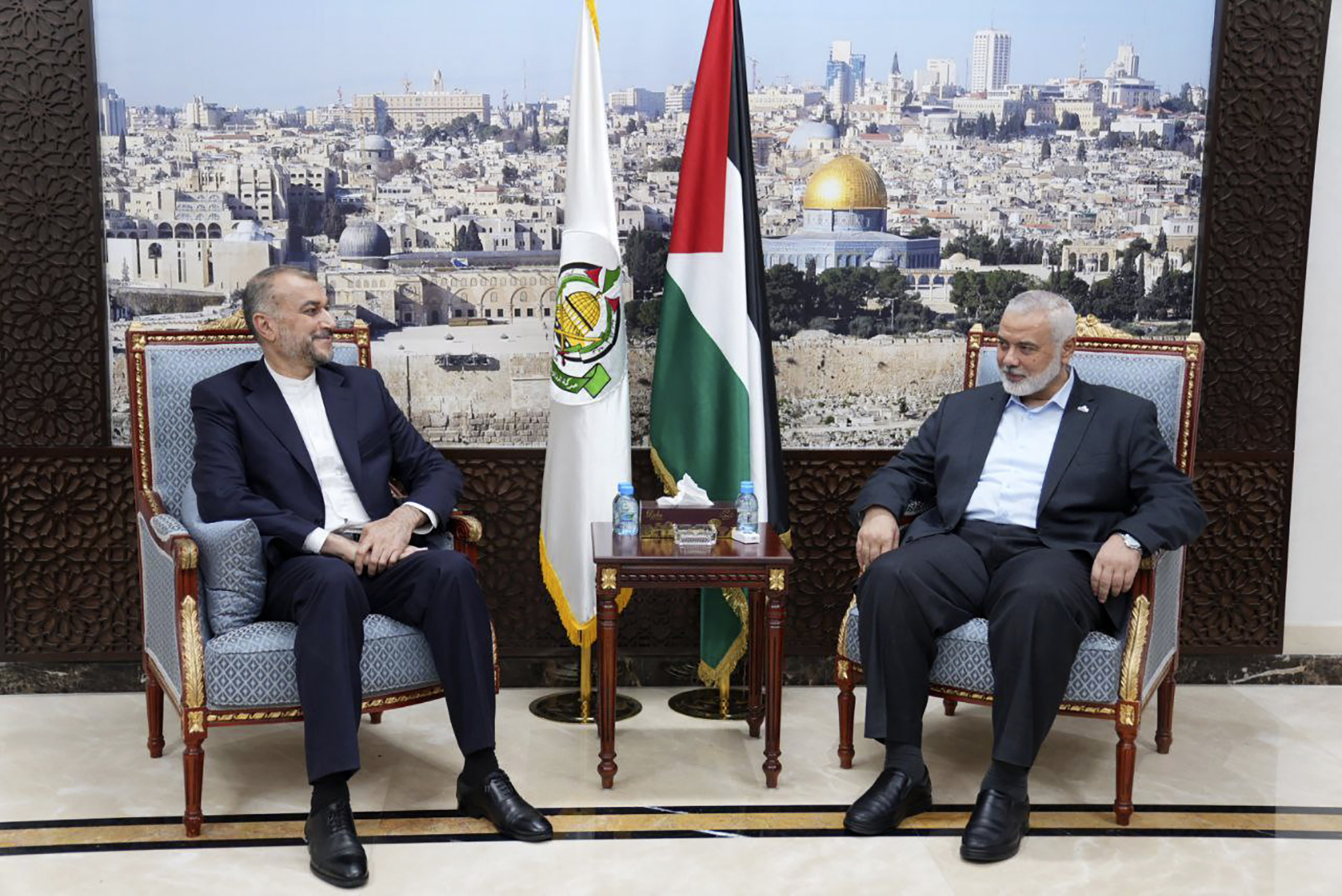
The current wave of violence was triggered by the assassination of Ismail Haniyeh, a prominent Hamas leader, in Tehran. This event, coupled with the killing of Hezbollah’s military commander Fuad Shukr in Beirut, has escalated the conflict. Iran has vowed retaliation, increasing the regional stakes and bringing more uncertainty to Lebanon’s already fragile state.

Hezbollah has been conducting regular attacks on Israeli border communities and military posts, citing support for Gaza amid the ongoing conflict with Hamas. These skirmishes have resulted in significant casualties on both sides. The IDF has reported the deaths of 25 civilians and 18 soldiers, while Hezbollah has acknowledged the loss of 399 members, mostly in Lebanon. Additionally, numerous civilians and operatives from other militant groups have also been killed.

Lebanon’s infrastructure and economy, already struggling, are further strained by this ongoing conflict. The continuous airstrikes and retaliatory attacks have disrupted daily activities, causing fear and uncertainty among the Lebanese population. The border regions are particularly affected, with residents facing constant threats to their safety and livelihoods.

The international community has expressed concern over the escalating violence, urging both sides to seek diplomatic solutions. However, with the cycle of retaliation and defense firmly in place, achieving peace remains a challenging prospect. The potential for a broader regional conflict looms large, with implications that could extend far beyond the immediate area.

In light of these developments, Lebanon finds itself at a crossroads, grappling with the immediate consequences of the conflict while seeking a path towards stability. The resilience of its people and the effectiveness of international diplomatic efforts will be crucial in navigating this tumultuous period.

The situation remains fluid, with new developments occurring rapidly, and the region bracing for further escalations. The impact on Lebanon’s socio-economic fabric is profound, with the specter of war casting a long shadow over its future.

Yahya Sinwar has been appointed as the new leader of Hamas, marking a significant development in the organization’s political landscape. Sinwar’s selection comes at a pivotal time as Hamas seeks to consolidate its position and strategic direction amidst ongoing regional tensions.

Sinwar, who has been a prominent figure within Hamas for several years, previously served as the leader of Hamas in the Gaza Strip. His appointment to the top position within the organization underscores a shift in leadership dynamics and strategic focus. Known for his hardline stance and deep involvement in the group’s military and political operations, Sinwar’s new role is expected to influence Hamas’s approach to both internal governance and its interactions with international stakeholders.

The decision to appoint Sinwar reflects internal changes within Hamas as it navigates complex political and military challenges. Analysts suggest that his leadership could steer the organization towards a more assertive stance in regional conflicts and negotiations. This development also raises questions about the potential impacts on ongoing peace processes and the broader geopolitical landscape of the Middle East.

In parallel, US Vice President Kamala Harris has announced Minnesota Governor Tim Walz as her running mate for the upcoming presidential election. This choice is seen as a strategic move to strengthen the Democratic ticket by appealing to a broader voter base. Walz, known for his leadership during challenging times, brings a wealth of experience to the campaign, potentially enhancing the Democratic platform’s appeal and electoral prospects.

Moreover, the Middle East and North Africa (MENA) region has seen notable achievements in sports, with athletes from the region claiming victories in various competitions. These successes highlight the growing prominence of MENA countries on the global sports stage and contribute to the region’s rising international profile.

As these developments unfold, they will likely have significant implications for regional politics, international relations, and domestic electoral strategies. The appointment of Yahya Sinwar as Hamas’s leader and the strategic moves in US politics, combined with emerging sports successes, reflect a dynamic and evolving global landscape.

A significant portion of Americans disapprove of deploying U.S. ground forces to protect Israel in the event of an Iranian attack. This sentiment emerges amidst heightened tensions in the Middle East, reflecting a broader reluctance to engage militarily in foreign conflicts.

Recent surveys from Pew Research Center and Ipsos reveal that a majority of Americans prefer the United States to adopt a diplomatic stance rather than a military one in the ongoing Israel-Hamas conflict. Approximately 57% of respondents oppose sending U.S. troops if Israel were attacked by its neighbors, while 50% oppose military intervention if Iran directly entered the conflict. This indicates a strong preference for non-interventionist policies, despite widespread sympathy for Israel among the American public.

The data also shows significant demographic and political variations in opinions on U.S. involvement. Older Americans, particularly those over 65, are more inclined to support military aid, whereas younger adults, especially those under 30, largely oppose it. Politically, Republicans are more supportive of military aid to Israel than Democrats, but a significant portion of both groups agree on avoiding direct military engagement.

The American public’s preference leans heavily towards diplomatic efforts. Most Americans believe the U.S. should play a minor role in resolving the Israel-Hamas conflict, with 53% advocating for diplomatic negotiations and 54% supporting efforts to protect Israeli civilians. There is, however, less consensus on military aid, with the country almost evenly split—36% in favor and 34% against.

Jewish Americans strongly support military aid to Israel, with 56% in favor, contrasted by 55% of Muslim Americans who oppose it. These differences highlight the complex and multifaceted nature of public opinion on U.S. foreign policy in the Middle East.

While the public remains divided on specific policies, there is a clear majority opposing the deployment of U.S. ground troops in active combat scenarios. This stance underscores a broader trend of wariness towards further military entanglements, emphasizing a preference for diplomatic and humanitarian interventions over direct military action.

The findings indicate a cautious approach to U.S. involvement in the Middle East, reflecting a desire for balanced and measured responses to complex international conflicts.

—

Sources:
– Pew Research Center: Views on U.S. Involvement in Israel-Hamas Conflict
– Ipsos: American Public Opinion on Israel-Gaza Conflict

A significant diplomatic effort to address the humanitarian crisis in Gaza was undertaken by Jordan and Egypt. Leaders from both nations emphasized the urgent need to reduce tensions and avert further catastrophe. Egyptian President Abdel Fattah El-Sisi and Jordanian King Abdullah II engaged in a phone conversation to discuss the escalating violence in Gaza. Both leaders highlighted their nations’ efforts to mediate and ease the conflict, stressing […]

Hamas has announced Yahya Sinwar as its new political leader, succeeding Ismail Haniyeh, who was assassinated in Tehran. Sinwar, a prominent figure within the organization, has long been a key player in Hamas’s military and political strategy. This move marks a significant shift in the group’s leadership amid ongoing tensions in the region.

Sinwar’s appointment comes at a crucial time for Hamas, which faces escalating conflicts and internal challenges. Known for his hardline stance and deep ties to the organization’s military wing, Sinwar’s leadership is expected to impact Hamas’s strategic direction significantly. His background includes involvement in numerous operations and a focus on consolidating control over Gaza.

The assassination of Haniyeh, a notable leader who had steered Hamas through various diplomatic and military campaigns, has left a power vacuum that Sinwar is now set to fill. Haniyeh’s tenure was marked by efforts to navigate complex relations with both regional actors and international stakeholders. Sinwar’s rise to power signals a potential shift towards a more confrontational approach in the group’s policies and strategies.

As Sinwar takes the helm, Hamas faces mounting pressures from both within the Gaza Strip and from external forces. The group continues to grapple with economic challenges and humanitarian crises exacerbated by the ongoing blockade and internal governance issues. Sinwar’s leadership will be closely scrutinized for how he manages these pressures and steers Hamas’s future actions.

International reactions to Sinwar’s appointment have been mixed. Some regional players view the change with apprehension, concerned about the implications for peace and stability in the Middle East. Meanwhile, supporters of Hamas anticipate a stronger stance against Israel and a renewed focus on resistance activities.

Sinwar’s leadership may also influence Hamas’s relationships with other Palestinian factions and its stance towards peace negotiations. The broader implications of his appointment will unfold as he begins to shape Hamas’s policies and strategies in the coming months.

This development underscores the dynamic nature of leadership within Hamas and its impact on the broader geopolitical landscape. The organization’s internal dynamics and external relations will likely be shaped by Sinwar’s approach to governance and resistance.

VISHNU RAJA
RYO YAMADA
HITORI GOTOH
IKUYO KITA