News related to
Gaza

Tensions between Israel and Iran have escalated, with Israel bracing for potential attacks as the United States urges for a cease-fire in Gaza. The situation remains volatile following the recent strikes by Israel on Gaza, which targeted Hamas militants and resulted in significant casualties. Israeli forces have intensified their operations in Gaza, leading to the deaths of over 60 Palestinians, including many at a UN-run school in […]

The United Arab Emirates (UAE) is emerging as a significant diplomatic force in the Middle East by leveraging its support for Gaza and its growing ties with Israel. The UAE’s recent initiatives highlight its strategic approach to regional politics and its evolving role in Middle Eastern diplomacy.

In a notable move, the UAE has pledged substantial aid to Gaza, aiming to alleviate the humanitarian crisis exacerbated by ongoing conflicts. This commitment not only underscores the UAE’s humanitarian efforts but also positions it as a key player in Middle Eastern peace efforts. The aid includes financial support, medical supplies, and infrastructure development projects designed to address urgent needs in the beleaguered region.

Simultaneously, the UAE is deepening its relationship with Israel, a development that reflects a broader shift in regional alliances. The normalization of relations between the two countries, formalized through the Abraham Accords, has led to increased economic and diplomatic exchanges. Recent agreements between the UAE and Israel encompass various sectors, including technology, trade, and security cooperation. This collaboration is seen as part of the UAE’s strategy to enhance its influence and build stronger ties with Western nations and other global powers.

The UAE’s dual approach—offering aid to Gaza while strengthening relations with Israel—demonstrates a sophisticated balancing act aimed at boosting its regional standing. By providing humanitarian assistance to Gaza, the UAE is addressing critical issues and gaining support from various stakeholders in the Arab world. Concurrently, its partnership with Israel signals a pragmatic approach to regional politics, reflecting a willingness to engage with diverse political entities to advance its national interests.

Experts suggest that the UAE’s actions are part of a broader strategy to position itself as a pivotal diplomatic actor in the Middle East. The combination of humanitarian aid and diplomatic engagement with Israel is seen as a means to enhance the UAE’s influence and stability in the region. This strategy aligns with the UAE’s broader goals of economic diversification and regional leadership, as it seeks to play a central role in shaping the future of the Middle East.

As the UAE continues to navigate its complex diplomatic landscape, its actions are closely watched by both regional and international observers. The UAE’s approach to Gaza and its relationship with Israel reflect a nuanced and strategic effort to balance humanitarian concerns with geopolitical ambitions. This evolving dynamic underscores the UAE’s growing role as a key player in Middle Eastern diplomacy, shaping the future of the region through a combination of aid and strategic alliances.

The UAE’s recent diplomatic maneuvers highlight its ambition to influence regional politics and enhance its global standing. By addressing humanitarian needs in Gaza while fostering ties with Israel, the UAE is positioning itself as a central figure in Middle Eastern affairs, demonstrating a sophisticated approach to diplomacy that blends humanitarian efforts with strategic partnerships.

The United Arab Emirates (UAE) is reinforcing its diplomatic stance by balancing its aid efforts in Gaza with maintaining ties with Israel. This comes amid escalating tensions and concerns over the humanitarian situation in the Gaza Strip. The UAE has been actively involved in providing humanitarian assistance to Gaza. UAE’s Ambassador to the United Nations, Lana Nusseibeh, highlighted the country’s efforts, including the establishment of a field […]

The latest report from the United Nations’ satellite analysis agency, UNOSAT, reveals extensive damage to infrastructure in Gaza. According to the findings, approximately 63% of buildings in the region have been affected by the ongoing Israeli military actions. UNOSAT’s assessment, released on August 3, provides a comprehensive overview of the impact of recent hostilities on Gaza’s infrastructure. The analysis indicates that a substantial portion of residential, commercial, […]

A bipartisan group of 22 members of Congress has expressed concerns over potential funding from Iran to anti-Israel organizations within the United States. This apprehension, detailed in a recent letter, highlights ongoing fears of foreign influence in domestic affairs, particularly regarding protests linked to the Gaza conflict.

Director of National Intelligence Avril Haines confirmed that Iranian government actors have been actively involved in provoking and financially supporting protests in the U.S. over the Gaza war. According to Haines, these actors have posed as activists online, aiming to incite demonstrations and deepen divisions within the U.S. She emphasized that while many American protesters are genuine in their expressions, there are troubling indications of foreign manipulation designed to exploit these movements.

The letter from Congress specifically questions how and why certain protests target particular locations and figures, suggesting an organized effort supported by foreign funding. Representative Brad Schneider (D-IL) pointed out that anti-Israel protests targeting his home and office, equipped with sophisticated materials like sirens and professional banners, raise questions about their funding sources.

House Foreign Affairs Committee Chair Michael McCaul (R-TX) stated that it would not be surprising if Iranian influence were confirmed, signaling a potential investigation into the matter. McCaul also underscored the need to scrutinize the role of social media platforms like TikTok in spreading anti-Israel narratives, which he fears are influencing the younger generation.

This revelation comes as part of a broader concern over foreign interference in U.S. protests, with Iran allegedly using tactics similar to those deployed in previous influence operations. In 2020, for example, Iranian actors posed as members of the far-right group Proud Boys, sending threatening emails to voters in swing states.

The congressional letter and Haines’ statement mark the beginning of a series of public updates on foreign influence operations, especially with the 2024 election approaching. There is a call for increased vigilance among Americans when interacting with online entities they do not personally know, to avoid unwittingly participating in foreign-sponsored activities.

As this issue unfolds, lawmakers and intelligence officials continue to urge transparency and accountability, stressing the importance of addressing these foreign influence efforts to protect the integrity of American democratic processes.

Vice President Kamala Harris has secured critical backing from a prominent U.S. Muslim group as pro-Gaza delegates push for greater influence within the Democratic Party. This development comes at a time when the party grapples with internal divisions over the Israel-Gaza conflict.

Harris has been advocating for a more balanced U.S. stance on the conflict, emphasizing the need for humanitarian aid and protection for civilians in Gaza. Her recent calls for a ceasefire have resonated with progressive factions and Muslim communities, who have been vocal about the humanitarian crisis in the region.

The shift in support is significant given the historical alignment of Muslim voters with the Democratic Party. Harris’s stance represents a nuanced position that seeks to address the concerns of both pro-Israel and pro-Palestinian advocates within the party. Her approach includes condemning Islamophobia while also supporting Israel’s right to defend itself, a stance that has garnered both praise and criticism from different quarters.

The endorsement from the Muslim group is seen as a strategic move to strengthen Harris’s position within the party and appeal to a broader base of voters. This backing could prove crucial as the Democratic National Convention approaches, where delegates will play a pivotal role in shaping the party’s platform and candidate selection.

Harris’s proactive engagement on this issue highlights the ongoing struggle within the Democratic Party to balance its traditional support for Israel with the growing demand for Palestinian rights and humanitarian considerations. Her efforts to align with progressive constituencies reflect the evolving dynamics within the party and the broader political landscape.

This support from the Muslim group not only boosts Harris’s credentials but also underscores the increasing influence of diverse voter blocs in shaping U.S. political discourse. The outcome of these internal party dynamics will likely have significant implications for the Democratic Party’s future direction and its approach to foreign policy, particularly in the Middle East.

In sum, Harris’s recent actions and the endorsement from a key Muslim group indicate a strategic realignment within the Democratic Party, aiming to address the complex and often contentious issues surrounding the Israel-Gaza conflict. This move is poised to impact the party’s unity and electoral prospects as it navigates the intricate balance of supporting both Israeli security and Palestinian humanitarian needs.

A significant humanitarian initiative from the UAE has successfully delivered substantial aid to the Gaza Strip as part of the ongoing Gallant Knight 3 operation. This mission is part of a broader effort to support the Palestinian people amidst the ongoing conflict.

The operation, launched under the directive of UAE President Sheikh Mohamed bin Zayed Al Nahyan, aims to provide essential relief to the residents of Gaza. The UAE’s Joint Operations Command, in collaboration with entities such as the Emirates Red Crescent, the Khalifa bin Zayed Al Nahyan Foundation, and the Zayed Charitable Humanitarian Foundation, is spearheading these efforts.

On October 15, the UAE initiated the relief campaign, mobilizing a vast array of humanitarian resources. The campaign includes the deployment of three ships laden with aid, among which the third ship recently departed from the Port of Fujairah, carrying over 4,600 tonnes of supplies. The cargo encompasses 4,218 tonnes of food, 370 tonnes of shelter materials, and 41 tonnes of medical aid. Additionally, the shipment included water tanks, septic tanks, and a diesel storage tank to address the immediate needs in Gaza.

Operation Gallant Knight 3 also focuses on setting up critical infrastructure within Gaza. The UAE has established two field hospitals and a floating hospital off the coast of Al Arish city. Furthermore, five automatic bakeries have been established, and flour is being supplied to eight existing bakeries. Six desalination plants, capable of producing 1.2 million gallons of water daily, have been set up to benefit over 600,000 people in Gaza.

The UAE has also initiated an airdrop operation, named “Birds of Goodness,” delivering 486 tonnes of relief supplies to isolated areas in northern Gaza that are otherwise inaccessible by land.

This extensive humanitarian effort highlights the UAE’s commitment to alleviating the hardships faced by the Palestinian people. The coordination with international bodies such as the World Food Program ensures that the aid reaches those in dire need and is distributed effectively.

Through these initiatives, the UAE continues to demonstrate its dedication to providing relief and support to conflict-affected regions, reinforcing its role as a significant player in global humanitarian efforts.

Advertisements

President Sheikh Mohamed bin Zayed Al Nahyan of the UAE met with Egyptian President Abdel Fattah El Sisi in El Alamein, Egypt, to discuss strengthening bilateral ties and regional cooperation. The high-level talks focused on enhancing economic, developmental, and political collaboration within the strategic partnership that binds the two nations.

During their discussions, both leaders emphasized the importance of collective Arab action to promote peace, stability, and development in the region. They reaffirmed their commitment to ongoing consultation and coordination, aiming to ensure improved regional stability and security. The dialogue also highlighted opportunities for further collaboration in economic and investment areas, showcasing the depth of the UAE-Egypt relationship.

Prominent UAE officials, including Vice President and Deputy Prime Minister Sheikh Mansour bin Zayed and Minister of Industry and Advanced Technology Dr. Sultan Al Jaber, attended the talks. This meeting followed Sheikh Mohamed’s visit to Cairo in April and El Sisi’s participation in the World Government Summit in Dubai earlier in the year, reflecting the reciprocal nature of the diplomatic efforts between the two countries.

The leaders also addressed pressing regional issues, with Sheikh Mohamed reiterating his call for unimpeded aid delivery to Gaza. The discussions underscored the need for intensified efforts to achieve a lasting ceasefire and international action to support the political process based on a two-state solution.

El Sisi hosted an Iftar in honor of Sheikh Mohamed’s visit, and later, Sheikh Mohamed was seen engaging with the public, taking selfies, and exchanging smiles, demonstrating the personal rapport between the leaders and the people.

This meeting marks another step in the UAE and Egypt’s efforts to strengthen their partnership, focusing on mutual goals and addressing regional challenges collaboratively. The talks are part of a broader strategy to enhance relations and ensure peace and stability in the Middle East.

Sources:
– Dubai Eye
– Trends Mena

The Israeli Defense Forces (IDF) have announced the death of Mohammed Deif, a senior military commander for Hamas, in a targeted strike on Gaza. This operation, executed on July 13, represents a significant escalation in the ongoing conflict between Israel and Hamas.

Deif, who had long been a high-value target for Israeli forces, was reportedly eliminated during an airstrike in Gaza City. The IDF has described the strike as a successful operation aimed at dismantling the leadership structure of Hamas, a militant organization that has been involved in numerous conflicts with Israel.

The Israeli government has framed Deif’s death as a strategic victory, suggesting that it will weaken Hamas’s ability to coordinate attacks against Israeli targets. Deif was known for his role in orchestrating several high-profile attacks against Israel, including rocket launches and other military operations. His death is anticipated to have significant repercussions on Hamas’s operational capabilities.

Hamas has not officially confirmed the death of Deif but has condemned the strike as an act of aggression. The group has vowed retaliation, indicating that it views the death of one of its senior leaders as a direct challenge to its resilience and resistance efforts.

This latest development comes amid heightened tensions in the region. The ongoing conflict has seen numerous casualties and has exacerbated humanitarian issues within Gaza. Both sides continue to exchange fire, with civilian areas frequently caught in the crossfire, leading to a growing international concern over the impact on non-combatants.

The impact of Deif’s death on Hamas’s operational strategy is still unfolding. Analysts suggest that while the loss of a key leader could disrupt Hamas’s immediate military strategies, it is unlikely to bring an end to the conflict. The group has shown a capacity for adaptation and resilience, often rebuilding its command structures even after significant losses.

The international community remains vigilant, monitoring the situation as it evolves. Efforts to mediate and negotiate peace have been ongoing, but achieving a lasting resolution has proven challenging. The cycle of violence continues to affect both Israelis and Palestinians, with significant implications for regional stability.

As the situation develops, further updates from both the Israeli government and Hamas will be crucial in understanding the full ramifications of this strike. The death of a high-profile figure like Mohammed Deif inevitably shifts the dynamics of the conflict, potentially influencing future military and diplomatic strategies on both sides.

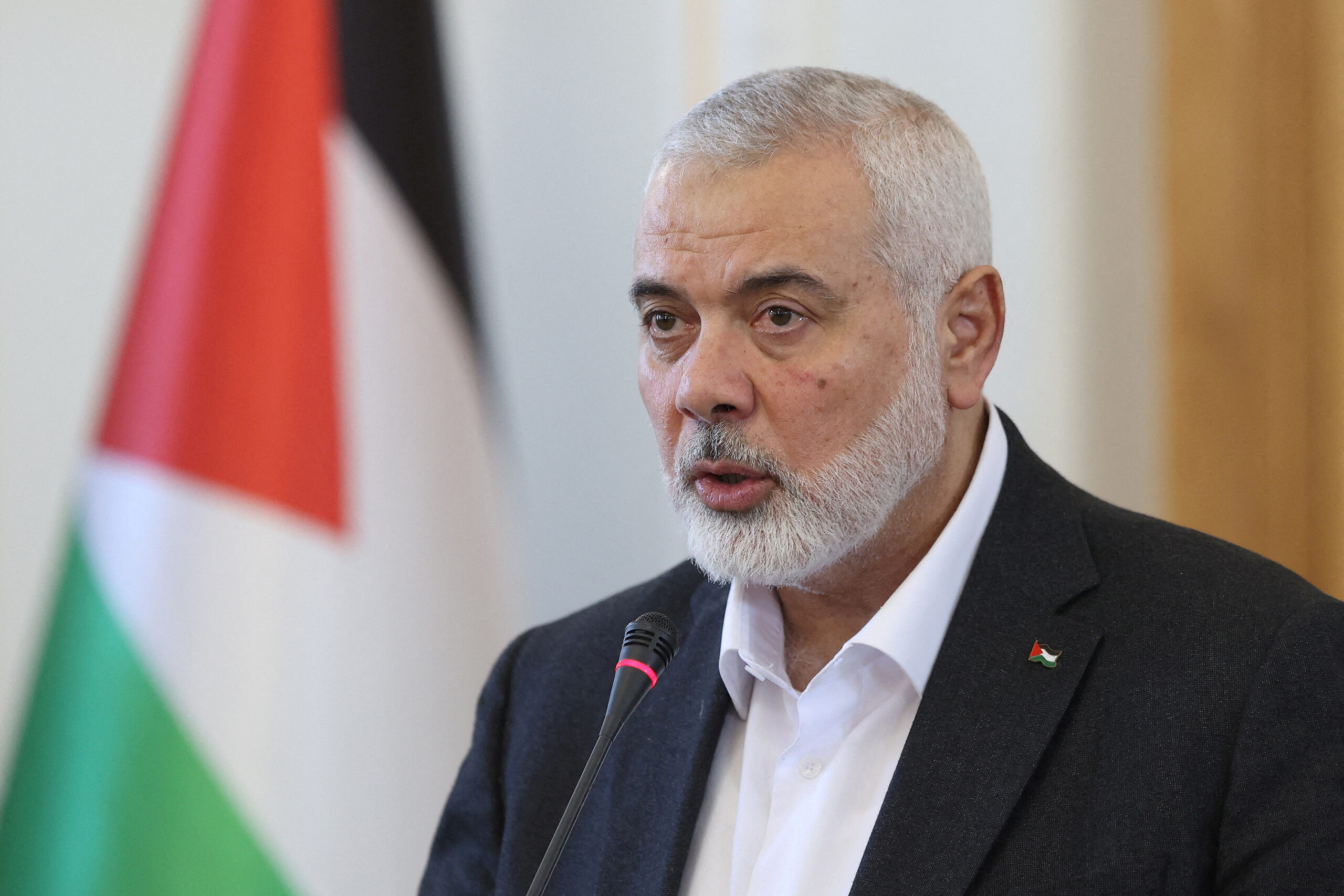
Israel has launched a series of targeted strikes, escalating tensions in the Middle East. The assassination of Ismail Haniyeh, a top Hamas leader, has particularly inflamed the conflict. Haniyeh, who was in exile, was killed in a missile strike in Tehran. This action is part of Israel’s broader campaign against militant leaders across the region.

The Israeli government has confirmed the strike, labeling it a critical blow to Hamas’ leadership. The attack has sparked significant international reactions, with Iran and its allies condemning the assassination. Iranian leaders have vowed retaliation, promising that Israel will regret this action.

The Israeli military is preparing for potential retaliatory strikes from Iran and its proxies. In addition to Haniyeh’s killing, Israel also conducted strikes in Beirut, targeting Hezbollah’s military chief. These operations mark a significant escalation, expanding the conflict beyond Gaza and into neighboring countries.

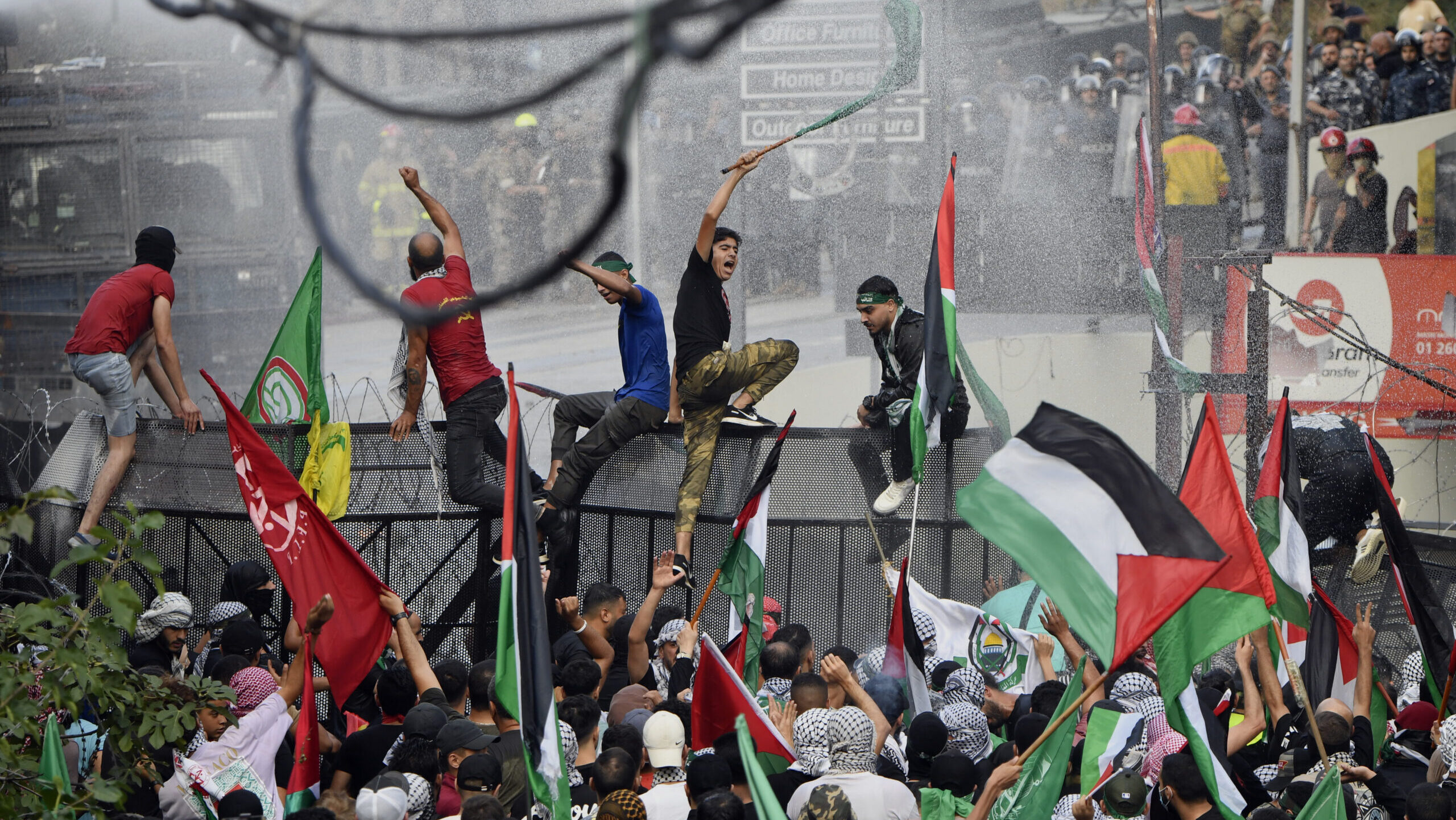
Palestinian Authority President Mahmoud Abbas has declared a day of mourning for Haniyeh, denouncing the killing as cowardly. Pro-Hamas marches have erupted in various cities, including a significant demonstration in Istanbul, where Turkish President Recep Tayyip Erdoğan condemned the assassination.

The strikes have also complicated ongoing hostage negotiations. Egypt and Qatar have criticized the timing of the attacks, suggesting they undermine efforts to secure the release of captives held by Hamas. U.S. Secretary of State Antony Blinken has emphasized the necessity of a ceasefire to facilitate these talks.

The United Nations Security Council held an emergency meeting to address the escalating tensions. Members of the Iran-backed axis, including Hezbollah, have harshly criticized Israel, calling the situation a dangerous escalation. Security experts predict that while Iran and its allies are likely to respond, they may not be able to reverse Israel’s strategic gains in Gaza.

This series of high-profile killings highlights Israel’s extended reach and intelligence capabilities. The assassination of Haniyeh in Tehran underscores the deep penetration of Israeli operations in Iran, a point acknowledged by various analysts. As the conflict enters a new phase, the potential for wider regional instability looms large.

The situation remains volatile, with both sides bracing for further developments. The international community continues to monitor the conflict closely, urging restraint and the pursuit of diplomatic solutions to prevent further escalation.

Diplomatic efforts to revive peace talks between Israel and Gaza have intensified following the death of Ismail Haniyeh, a key figure in the Hamas leadership. The US government is actively engaging with regional stakeholders to address the potential implications of Haniyeh’s death on the ongoing conflict and peace negotiations. Ismail Haniyeh, who served as the political leader of Hamas, passed away due to health complications. His death […]

Palestinians in Gaza are grappling with heightened despair following the tragic death of three sons of Hamas leader Ismail Haniyeh in an Israeli airstrike. This attack occurred during the Muslim holiday of Eid al-Fitr, a time typically marked by celebration and communal gathering.

The Israeli airstrike targeted a car carrying Haniyeh’s sons—Hazem, Amir, and Mohammed—along with several of his grandchildren in the Al-Shati refugee camp. Eyewitnesses reported the car being obliterated, resulting in the deaths of all its occupants. This incident has intensified the already dire humanitarian situation in Gaza, where more than 30,000 Palestinians have been killed since the conflict began six months ago.

Ismail Haniyeh condemned the attack as a “horrendous massacre” and reaffirmed his commitment to the Palestinian cause. In a televised statement, he declared that such actions by Israel would not weaken the resolve of the Palestinian people but instead strengthen their determination to resist.

The war in Gaza has led to widespread devastation, with the majority of the population facing severe shortages of food, clean water, and medical supplies. Israel’s military offensive has displaced 85% of Gaza’s population, leaving many without homes and basic necessities. The international community has voiced concern over the humanitarian crisis, with the International Court of Justice urging Israel to take measures to prevent famine in the region.

This event has exacerbated tensions in the Middle East, with Israel’s actions being condemned by various global leaders. Iran’s Supreme Leader, Ayatollah Ali Khamenei, issued a stern warning to Israel, promising repercussions for the airstrike that also killed several Iranian generals in Syria.

As Gaza continues to mourn, the future remains uncertain. The conflict has pushed the region to the brink, with the latest incident only deepening the sense of hopelessness among its residents.

By Nitya Chakraborty The Middle East was thrown into an unprecedented turmoil on Wednesday as the news came of the killing of the Hamas leader Ismail Haniyeh in Teheran in the morning by unidentified gunmen in his residence. Though the Iranian government said that they were investigating the killing and the Israeli government kept officially […]

M A Hossain After a recent rocket attack on a soccer field in the Israeli-controlled Golan Heights, the question of whether the Middle East is on the verge of an all-out war has captured global attention. This attack, which resulted in the death of 12 people amid the ongoing Gaza conflict, has escalated tensions to a critical level. In response, Israeli forces carried out a drone strike […]

Amid intensified hostilities in Gaza, over 200,000 individuals have been displaced, according to the UN Office for the Coordination of Humanitarian Affairs (OCHA). This surge in displacement stems from ongoing bombardments, with Israeli military operations significantly impacting northern Gaza. Eastern Gaza City, particularly the Shujaiya district, has seen around 84,000 people forced to flee due to heavy fighting. The violence has disrupted essential services, cutting off access […]

Airstrikes hit southern Beirut as the conflict between Israel and Gaza intensifies. The Israeli military launched attacks targeting Hezbollah positions in Lebanon’s capital, marking a significant escalation in the region.

Israel’s foreign minister declared the country was facing an “all-out war” following a deadly rocket strike in Majdal Shams, a town in the Golan Heights. The attack resulted in multiple casualties, raising tensions and prompting a swift military response from Israel.

The Israeli Defense Forces (IDF) reported that the airstrikes in Beirut aimed at neutralizing Hezbollah’s military capabilities, which Israel accuses of collaborating with Hamas in Gaza. The bombings targeted key infrastructure and weapons storage facilities, according to IDF spokespersons.

Hezbollah’s leader condemned the airstrikes, vowing retaliation and further complicating the conflict. The group claimed that the Israeli attacks damaged civilian areas and infrastructure, although the extent of the damage remains unclear.

The conflict’s escalation has drawn international concern, with calls for restraint and dialogue from the United Nations and several global leaders. The UN Secretary-General emphasized the need for immediate cessation of hostilities to prevent further humanitarian catastrophe.

In Gaza, the fighting has resulted in substantial casualties on both sides. Israeli airstrikes have targeted what they describe as military installations and tunnels used by Hamas. The Palestinian Health Ministry reported significant civilian casualties, including women and children, as a result of the bombings.

Humanitarian organizations have raised alarms over the deteriorating situation in Gaza. Hospitals are overwhelmed, facing shortages of medical supplies and electricity. The International Committee of the Red Cross (ICRC) called for safe corridors to deliver aid and evacuate the wounded.

The conflict’s impact extends beyond the immediate war zone. Protests and violent clashes have erupted in several cities across the Middle East, reflecting widespread anger and solidarity with the Palestinian cause. Demonstrations have also taken place in Western capitals, urging governments to intervene and advocate for a peaceful resolution.

Israel has faced international scrutiny over its military actions. Human rights organizations have called for investigations into potential violations of international law, particularly regarding the targeting of civilian areas in Gaza and Lebanon. The Israeli government maintains that its military operations are in self-defense and aimed at minimizing civilian harm.

Diplomatic efforts to broker a ceasefire have thus far been unsuccessful. Egypt and Qatar have been particularly active in mediating between the conflicting parties, but both sides remain entrenched in their positions. The United States has expressed support for Israel’s right to self-defense while urging for measures to protect civilians and reduce casualties.

The economic repercussions of the conflict are also significant. Gaza’s infrastructure has suffered extensive damage, affecting essential services and livelihoods. In Israel, the economy faces disruptions from rocket attacks, with businesses and schools in affected areas forced to close temporarily.

Regional analysts warn that the ongoing hostilities could destabilize the broader Middle East, with potential spillover effects into neighboring countries. The involvement of Hezbollah and the airstrikes in Beirut indicate a risk of the conflict expanding beyond Gaza and Israel.

As the situation unfolds, the international community continues to monitor developments closely. The prospects for a lasting peace appear dim amid the current escalation, with deep-seated grievances and historical animosities driving the conflict.

Efforts to address the humanitarian crisis and rebuild trust between the parties are crucial for any future resolution. The global call for peace underscores the urgent need for dialogue and diplomacy to end the violence and pave the way for a sustainable solution.


The Gaza conflict, now in its tenth month, has escalated with significant military and humanitarian implications. The Israeli Defense Forces (IDF) have intensified their operations, focusing on dismantling Hamas infrastructure. According to IDF Chief of Staff Herzi Halevi, these efforts aim to weaken Hamas’s capabilities and secure the release of hostages.

The death toll in Gaza has reached over 38,000, as reported by the Hamas-run Gaza Health Ministry, though these figures remain unverified by independent sources. The United Nations has previously critiqued Hamas for inflating casualty figures, particularly regarding non-combatants. The conflict has resulted in extensive civilian casualties and widespread destruction, exacerbating the humanitarian crisis in the region.

Israeli Defense Minister Yoav Gallant reported that approximately 60% of Hamas combatants have been killed or wounded, significantly reducing the group’s operational capacity. This includes the dismantling of several Hamas battalions, reflecting the intensity of the ongoing military campaign.

The situation in Gaza is described by UN humanitarian officials as catastrophic, with urgent calls for international intervention. The conflict has strained regional stability and led to severe shortages of essential supplies, including food, water, and medical aid.

The international community remains divided on the response to the conflict, with some nations advocating for a ceasefire and humanitarian aid, while others support Israel’s right to defend itself against Hamas’s aggression. The prolonged conflict continues to impact the lives of countless civilians, highlighting the urgent need for a resolution.

This ongoing situation underscores the complexities and dire consequences of prolonged conflict, necessitating a concerted effort from global leaders to address both immediate humanitarian needs and long-term peace prospects.

Israel has issued a stern warning to Hezbollah, promising severe repercussions following a deadly attack in the Golan Heights. Tensions escalated after Hezbollah launched a multi-drone assault on an Israeli military outpost in the region, an incident the militant group claimed responsibility for but later denied initiating. The Israeli Defense Forces (IDF) reported the drone strike on the Golan Heights, an area Israel has controlled since the […]

The fourth UAE aid ship heading for Gaza arrived at the port of Al Arish in North Sinai on Thursday. The vessel carried 5,340 tonnes of essential supplies, marking a significant effort in humanitarian aid for the region. The cargo included food, medical supplies, and other necessities aimed at alleviating the ongoing humanitarian crisis. This shipment is part of the UAE’s ongoing commitment to support Gaza amid […]

Negotiations aimed at resolving the conflict in Gaza have been delayed, with talks originally scheduled for Thursday in Doha now postponed to next week. This development follows the announcement that Israeli Prime Minister Benjamin Netanyahu will remain in Washington for an extended period. The postponement has been attributed to the need for Netanyahu’s presence in the negotiations, as key discussions were anticipated to involve high-level Israeli officials. […]

Arabian Post Staff A Palestinian journalist was killed in an Israeli airstrike targeting the central Gaza Strip. This latest incident brings the total number of Palestinian journalists killed since October 7 to 162, according to local sources. The airstrike, conducted in the early hours of the morning, struck a residential area known for its high civilian density. Eyewitnesses reported that the explosion caused significant damage to nearby […]

By Debabrata Biswas from Boston The narrow escape of the Republican candidate Donald Trump from the gunshot at the campaign meeting in Pennsylvania on Saturday has imparted a more confrontationist dimension to the Presidential elections scheduled on November 5. The shooting incident just on the eve of the four day Republican convention beginning on July15 […]
By Sushil Kutty The stage is decked for a massive political fight. NGO All India Personal Law Board (AIMPLB) has taken upon itself the task of using everything in its quiver to compel the Supreme Court to overturn its verdict on maintenance to divorced Muslim women. The board met on Sunday and ruled that the […]
By Annie Domini The 22nd India-Russia Annual Summit held in Moscow on July 8-9 2024 will go a long way in re-embellishing one of the most enduring friendships in the geopolitical theatre. Moscow and New Delhi have seen many ups and downs together, no matter who has been in power in the Grand Kremlin Palace […]
VISHNU RAJA
RYO YAMADA
HITORI GOTOH
IKUYO KITA