News related to
Gaza

In a historic shift, the White House has confirmed that U.S. officials are engaging in direct talks with Hamas, aiming to secure the release of American hostages held in Gaza. This development marks a departure from the longstanding U.S. policy of avoiding direct negotiations with the group designated as a terrorist organization since 1997. White House Press Secretary Karoline Leavitt acknowledged these discussions, stating, “These are ongoing […]

Thousands of Israelis converged on Tel Aviv’s Hostages Square on Saturday, demanding the immediate release of hostages held by Hamas as the initial phase of the Gaza ceasefire concluded without a clear path forward. The demonstrators, comprising families of captives and supporters, voiced frustration over the stalled negotiations and the uncertain fate of their loved ones. The 42-day truce, which began on January 19, halted 15 months […]

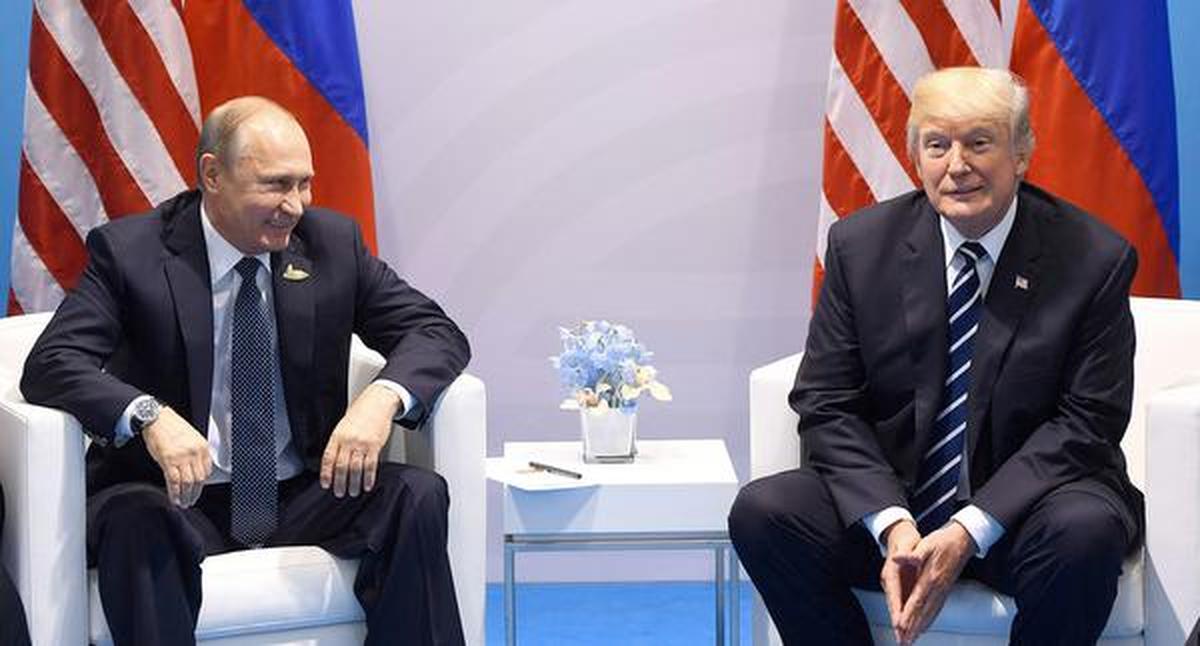
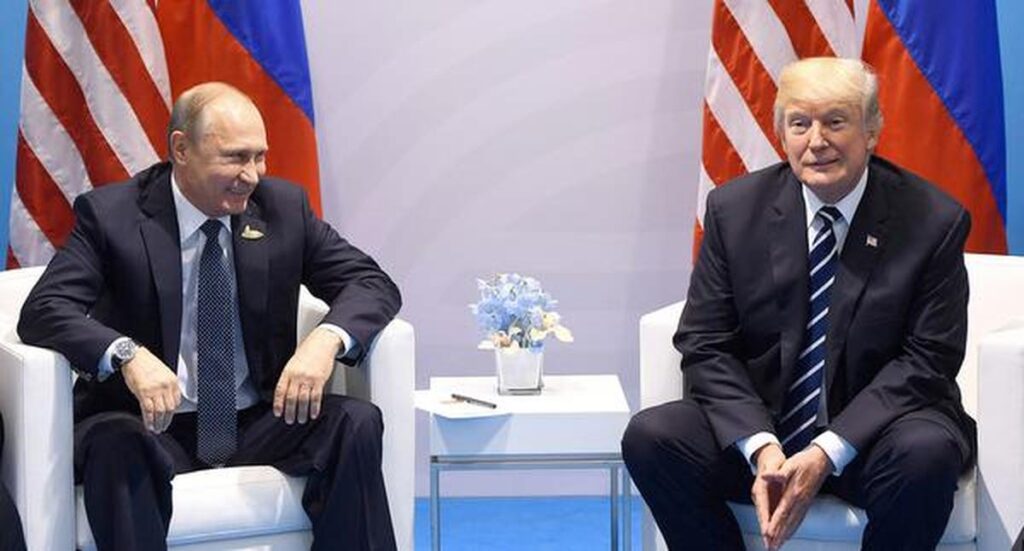
Matein Khalid All roads lead to Riyadh, which has replaced Geneva as the epicentre of global diplomacy in 2025. Presidents Trump and Putin will meet in the Saudi capital amid the most dramatic U-turn in US foreign policy as Washington switches sides in the Ukraine war in favour of the Kremlin, bypassing the EU and the embattled Ukraine state. Egyptian President Abdul Fattah al-Sisi is in Riyadh to coordinate the Arab […]

Berjaya Food Bhd, the operator of Starbucks outlets in Malaysia, has reported a net loss of RM35.33 million for the second quarter ending December 31, 2024. This marks the company’s fifth consecutive quarter in the red, with revenue declining by one-third to RM123.1 million compared to RM182.55 million in the same period last year. The ongoing boycotts of U.S. fast-food brands, sparked by geopolitical tensions in the Middle East, have significantly impacted consumer sentiment and sales.

The boycotts, initiated in response to the conflict in Gaza, have targeted several American franchises, including Starbucks, McDonald’s, and KFC. In Malaysia, these campaigns have led to temporary closures of numerous outlets. KFC Malaysia, for instance, has shuttered over 100 restaurants, particularly in Muslim-majority regions such as Kelantan, Kedah, and Terengganu. Similarly, McDonald’s and Pizza Hut have experienced closures and a notable decline in patronage.

Berjaya Food’s financial struggles are further underscored by a 46.4% drop in revenue for the first half of FY2025, amounting to RM247.3 million, down from RM461.09 million in the previous year. The company attributes these losses primarily to the “current sentiment in relation to the conflict in the Middle East,” which has adversely affected consumer behavior and sales.

In an effort to mitigate the financial downturn, Berjaya Food has temporarily closed 50 Starbucks outlets during the three months ending September 30, 2024, representing 12% of its total network. Despite these measures, the company remains “cautiously optimistic” about a gradual improvement in financial performance in 2025, acknowledging the challenging macroeconomic environment.

The impact of the boycotts extends beyond Berjaya Food. Americana Restaurants, which operates KFC and Pizza Hut in the Middle East, reported a 40% drop in profits, despite expanding its number of outlets. This trend highlights the broader financial repercussions for Western brands operating in regions where consumer boycotts have gained momentum.

The boycotts have been largely driven by social media campaigns and movements such as the Boycott, Divestment, and Sanctions initiative, which seeks to apply economic pressure in response to geopolitical conflicts. These campaigns have rapidly mobilized consumers, leading to significant financial losses for multinational corporations perceived to be linked to contentious geopolitical actions.

In response to the sustained boycotts, Berjaya Food is exploring diversification strategies to reduce its reliance on the domestic market. In August 2024, the company secured franchising rights to operate the Starbucks brand in Nordic countries, aiming to offset losses incurred in Malaysia. Additionally, Berjaya Food has entered into agreements to expand its licensed Paris Baguette outlets in Southeast Asia, seeking to tap into new markets and revenue streams.

Matein Khalid Who would have thought that an elegiac hillbilly like J.D. Vance would articulate the requiem for the Western Alliance and NATO at Munich even as Donald Trump prepares for his alpha male sword dance in the Saudi desert, though I really hope POTUS-47 does not try to take on Putin in judo because the little guy is a certified black belt, who can pulverize DonnyT […]

By Nitya Chakraborty February 2025 is not just the moment of truth for the European nations and NATO members but also time for reckoning for the Global Left and the peace movement which are still sizing up the dimension of the impact of U.S. President Donald Trump’s emergence as a peacenik to end the three […]
By Anjan Roy Russian president, Vladimir Putin, has already achieved a very big objective of his diplomacy — isolating Europe from the United States. Now with the US President’s latest statement from his clubhouse, Donald Trump seems to have dumped the traditional diplomatic tie up between Western Europe and America. India must take lesson — […]
Advertisements

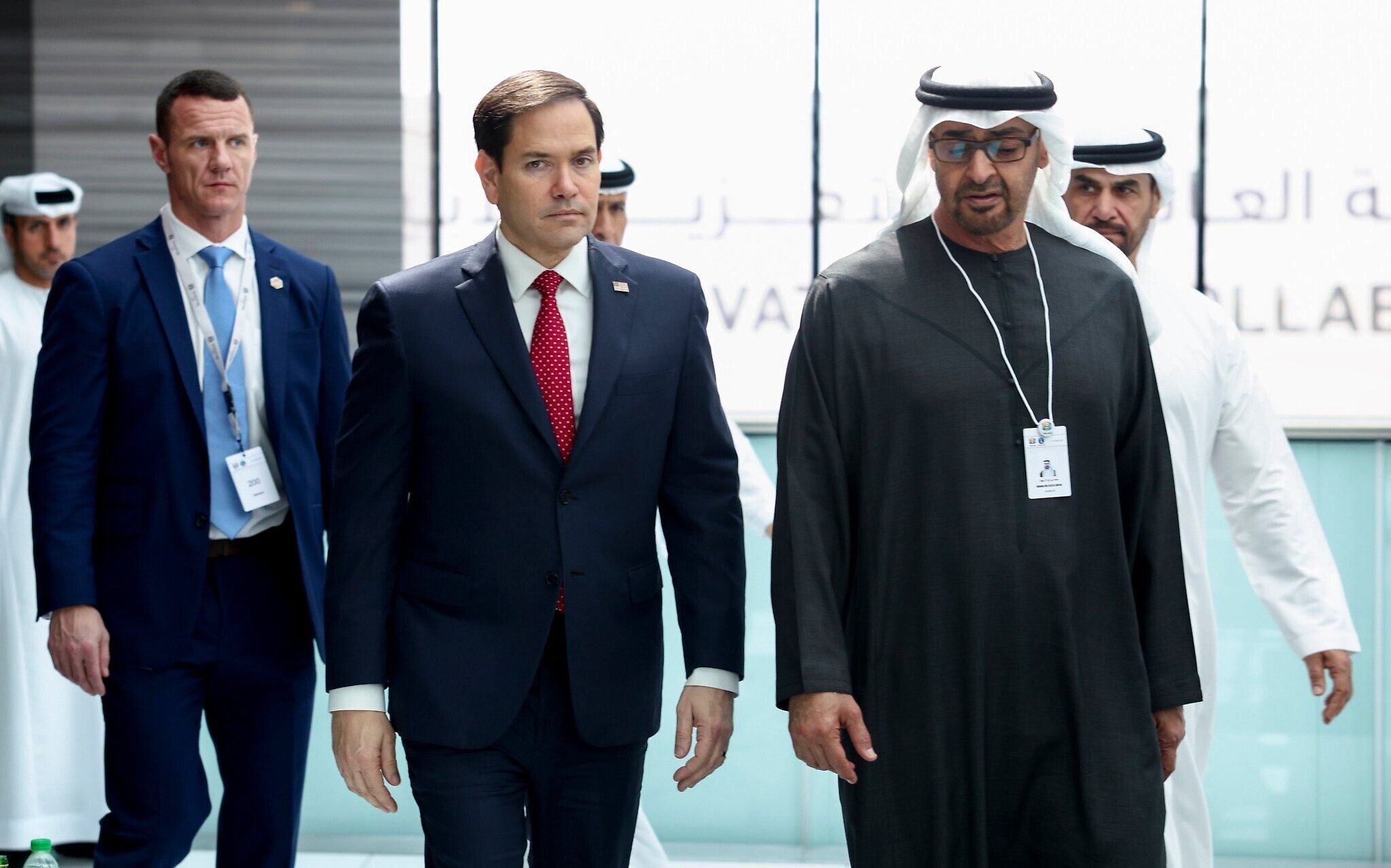
US Secretary of State Marco Rubio concluded his Middle East tour with a visit to the United Arab Emirates on Wednesday, engaging in discussions with President Sheikh Mohammed bin Zayed Al Nahyan. The talks focused on regional stability, the ongoing conflicts in Gaza and Ukraine, and the enhancement of bilateral relations between the two nations.

During the meeting in Abu Dhabi, both leaders underscored the importance of collaborative efforts to address pressing regional issues. A significant portion of their dialogue centered on the Gaza conflict, with President Sheikh Mohammed expressing firm opposition to any displacement of Palestinians from the territory. He reiterated the UAE’s commitment to a two-state solution as the viable path to enduring peace in the region.

The discussions also encompassed the war in Ukraine. The UAE has played a mediating role in facilitating prisoner exchanges between Russia and Ukraine, highlighting its position as a neutral party capable of fostering dialogue. Secretary Rubio acknowledged the UAE’s contributions and emphasized the need for continued international cooperation to resolve the conflict.

Prior to his arrival in the UAE, Secretary Rubio engaged in high-level talks in Saudi Arabia, where he met with Russian Foreign Minister Sergey Lavrov. These discussions marked the highest-level engagement between the United States and Russia since the onset of the Ukraine conflict in 2022. The meetings aimed to explore potential avenues for peace and to address the broader implications of the war on global security.

In addition to geopolitical issues, Secretary Rubio and President Sheikh Mohammed explored opportunities to strengthen economic and defense ties between the United States and the UAE. Both parties recognized the mutual benefits of deepening cooperation in sectors such as technology, energy, and defense. The UAE’s strategic location and its role as a hub for innovation make it a pivotal partner in advancing shared interests.

The visit coincided with the International Defense Exhibition and Conference in Abu Dhabi, a premier event showcasing the latest advancements in defense technology. Secretary Rubio’s presence at IDEX underscored the United States’ commitment to supporting the security and defense capabilities of its allies in the region. The exhibition provided a platform for defense contractors and government officials to discuss potential collaborations and to address emerging security challenges.

While in Abu Dhabi, Secretary Rubio also toured the Abrahamic Family House, a symbol of interfaith harmony comprising a mosque, church, and synagogue within a single complex. This visit highlighted the UAE’s efforts to promote tolerance and coexistence among diverse religious communities. Secretary Rubio commended the initiative, noting that such efforts are essential in fostering mutual understanding and peace in a region historically marked by religious and cultural divisions.

The Middle East tour, which included stops in Israel and Saudi Arabia before culminating in the UAE, reflects the United States’ strategic interest in engaging with key regional players. In Israel, Secretary Rubio met with Prime Minister Benjamin Netanyahu to discuss security concerns and the ongoing situation in Gaza. The discussions reaffirmed the strong bilateral relationship and the United States’ unwavering support for Israel’s right to self-defense.

In Saudi Arabia, the focus shifted to the broader implications of the Ukraine conflict and its impact on global energy markets. Secretary Rubio’s meeting with Crown Prince Mohammed bin Salman aimed to align strategies on stabilizing energy supplies and addressing the humanitarian crisis resulting from the war. The dialogue also touched upon the importance of maintaining open channels of communication with Russia to prevent further escalation.

Throughout the tour, Secretary Rubio emphasized the United States’ commitment to pursuing diplomatic solutions to complex international challenges. He highlighted the necessity of multilateral cooperation and the role of regional partners in achieving sustainable peace and stability. The engagements underscored a multifaceted approach, combining diplomatic outreach with strategic partnerships to address both immediate conflicts and their underlying causes.

The UAE visit, in particular, showcased the depth of the bilateral relationship and the shared vision for a stable and prosperous Middle East. Both nations expressed optimism about the prospects of enhanced collaboration across various domains, setting the stage for future initiatives aimed at promoting peace, security, and economic growth in the region.

As Secretary Rubio returns to Washington, the outcomes of his Middle East tour are poised to influence U.S. foreign policy in the region. The insights gained from direct dialogues with regional leaders will inform the United States’ strategies in addressing the intertwined challenges of geopolitical conflicts, energy security, and regional stability. The administration’s approach will likely continue to balance assertive diplomacy with support for allies, aiming to foster an environment conducive to lasting peace and cooperation.

By Asad Mirza The way the US President Donald Trump literally got enforced his one-man plan for the Gaza Ceasefire and the manner in which he is now trying to organise Peace Talks to get the Russia-Ukraine war ended, are pointers to the future of the American foreign policy. By now the world should have […]

Saudi Arabia’s Crown Prince Mohammed bin Salman has assumed a pivotal role in shaping the international landscape under U.S. President Donald Trump’s administration. As traditional diplomatic norms give way to a more transactional approach, the Crown Prince’s influence is increasingly evident in critical geopolitical arenas, notably the Middle East and Eastern Europe.

In the Middle East, Saudi Arabia is leading an urgent Arab initiative to counter President Trump’s contentious proposal for Gaza. The U.S. plan suggests relocating Palestinians to neighboring countries, a move that has been met with widespread rejection from regional stakeholders. In response, Saudi Arabia, in collaboration with Egypt, Jordan, and the United Arab Emirates, is formulating an alternative strategy. This plan emphasizes the establishment of a Gulf-funded reconstruction program and the marginalization of Hamas, aiming to stabilize Gaza while preserving Palestinian national aspirations. A summit in Riyadh is scheduled to further deliberate on these proposals, underscoring Saudi Arabia’s commitment to regional stability and its willingness to challenge U.S. policies when they conflict with Arab interests.

Beyond the Middle East, Crown Prince Mohammed bin Salman is extending his diplomatic reach to address the ongoing conflict in Ukraine. The Trump administration has announced potential peace talks with Russian officials, a move that has elicited mixed reactions from the international community. European leaders have expressed concerns that this approach may inadvertently legitimize Russian aggression. Amid these tensions, Saudi Arabia has offered to host summit talks in Riyadh, positioning itself as a neutral ground for dialogue. This initiative not only highlights the Crown Prince’s ambition to elevate Saudi Arabia’s global diplomatic profile but also reflects a strategic alignment with President Trump’s unconventional foreign policy methods.

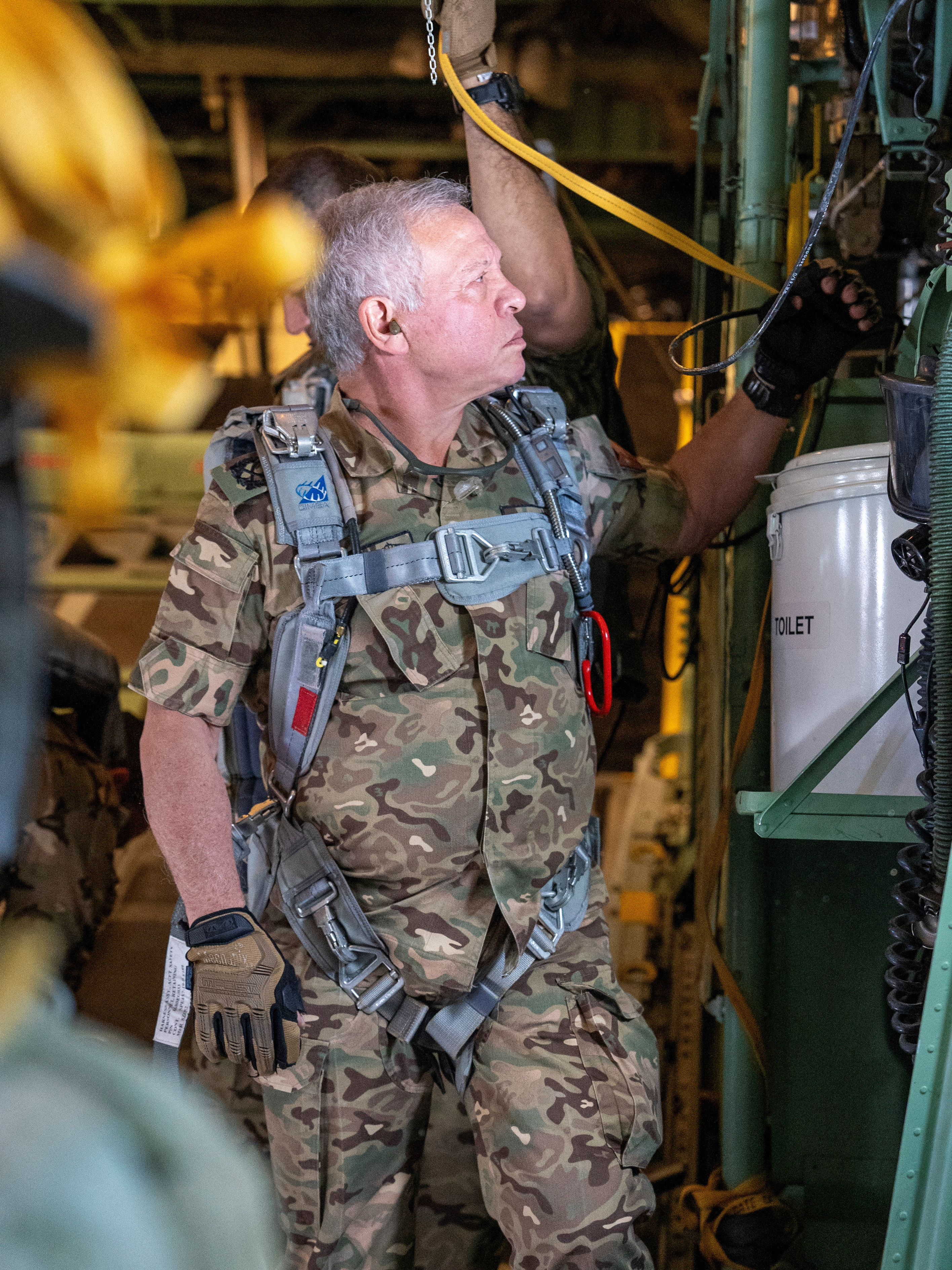
President Donald Trump is set to meet Jordan’s King Abdullah II at the White House today to deliberate on the U.S. administration’s contentious plan concerning the Gaza Strip. The proposal involves relocating Gaza’s Palestinian population to neighboring countries and redeveloping the territory under U.S. oversight—a strategy that has ignited widespread criticism across the Middle East.

Trump has advocated for the evacuation of Gaza’s 2.2 million residents, suggesting their resettlement in nations such as Jordan and Egypt. He envisions transforming the war-torn enclave into a prosperous area, referring to it as the potential “Riviera of the Middle East.” In a recent interview, Trump stated that Palestinians would not have the right to return to Gaza, proposing instead to provide them with better housing in neighboring countries.

This proposal has been met with firm opposition from key regional players. King Abdullah has unequivocally rejected the idea, emphasizing that Jordan will not accept any forced displacement of Palestinians from their homeland. He has labeled such proposals as a “red line,” underscoring the potential threat they pose to regional stability.

Egypt has also dismissed the plan, with officials reiterating their refusal to compromise on the Palestinian right to self-determination and return. The Egyptian government has emphasized that any attempts to annex land and displace Palestinians are unacceptable.

The Palestinian Authority and Hamas have condemned the proposal, viewing it as an attempt at ethnic cleansing. Hamas spokespersons have asserted that Gaza is not for sale and remains an integral part of Palestinian land.

Within the U.S., the plan has encountered skepticism from several Republican lawmakers. Critics argue that forcibly relocating an entire population could lead to further instability in the Middle East and damage America’s standing in the region.

Despite the backlash, Trump has indicated that he may leverage U.S. aid to encourage compliance with his plan. He has suggested the possibility of withholding financial assistance from countries that refuse to accept Palestinian refugees, a move that could significantly impact nations like Jordan and Egypt, which are among the largest recipients of U.S. aid in the region.

The meeting between Trump and King Abdullah comes at a critical juncture, as a fragile ceasefire between Israel and Hamas hangs in the balance. Trump has issued an ultimatum to Hamas, demanding the release of all hostages by midday Saturday, threatening to propose the cancellation of the ceasefire if his demands are not met. He has warned that failure to comply would result in severe consequences, stating that “all hell is going to break out” if the hostages are not freed.

Analysts suggest that King Abdullah’s visit to Washington is pivotal. As the first Arab leader to meet with Trump since his return to office, Abdullah is expected to present practical Arab perspectives on the Gaza situation. He aims to balance Jordan’s national security interests and domestic concerns while maintaining its crucial relationship with the United States.

During the Super Bowl LIX halftime performance at the Caesars Superdome in New Orleans, a protester brandishing a Palestinian flag disrupted Kendrick Lamar’s set. The individual, who was part of the 400-member field cast, ascended the stage and unfurled a flag that combined the Palestinian and Sudanese emblems, with the words “Gaza” and “Sudan” inscribed respectively. Security personnel swiftly intervened, apprehending the protester and escorting him off the field. The New Orleans Police Department is currently evaluating potential charges against the individual.

The National Football League confirmed that the protester had concealed the flag until the performance commenced, and that neither the production team nor the organizers were aware of his intentions. Roc Nation, the company responsible for producing the halftime show, stated that the act was neither planned nor part of the official production.

Kendrick Lamar continued his performance without interruption, delivering a set that included collaborations with artists such as SZA and Samuel L. Jackson. The halftime show was notable for Lamar’s position as the first solo hip-hop artist to headline the event.

The Super Bowl, attended by President Donald Trump, concluded with the Philadelphia Eagles defeating the Kansas City Chiefs 40-22. This victory served as redemption for the Eagles, who had previously lost to the Chiefs in an earlier Super Bowl matchup.

The incident occurred amidst a fragile ceasefire between Israel and Hamas, as well as ongoing civil unrest in Sudan since 2023. The protester’s actions have sparked discussions about the intersection of political expression and entertainment events, highlighting the challenges organizers face in maintaining security while respecting freedom of speech.

In the aftermath of the game, celebrations in Philadelphia escalated into chaos, with fans setting fires, climbing on police vehicles, and engaging in brawls. Law enforcement agencies are investigating the disturbances, aiming to identify and hold accountable those responsible for the disorderly conduct.

By Satyaki Chakraborty U.S. President Donald Trump has started breaking all conventions about abiding by international laws b h announcing the U.S. government’s sanctions against the International Criminal Court (ICC) taking the plea that the ICC is biased against the U.S. and Israel. Donald Trump launched sanctions against the global body, which is seen as […]

Matein Khalid t is significant that President Trump, despite his bluff and brinkmanship with 25 percent tariff threats against Mexico and Canada, chose only to impose a 10 percent tariff on China. China is Washington’s only real peer competitor in great power realpolitik and its preeminent rival in Cold War 2.0. A 10 percent tariff is not a threat to global economic stability as would have been the 60 percent […]

Matein Khalid Trump’s vision of Gaza as a “riviera of the Middle East” at his press conference with Netanyahu, whose IDF warplanes, drones and tanks just butchered 45,000 Gazans is as deranged as it is surreal. Trump views Gaza as a New York real estate development opportunity as if he was gentrifying Spanish Harlem or the Bronx. I can imagine his zest at the idea of Trump […]

Israeli Prime Minister Benjamin Netanyahu met with U.S. President Donald Trump in Washington on Tuesday to discuss the fragile ceasefire between Israel and Hamas in the Gaza Strip. The leaders aimed to strategize on extending the truce and addressing broader Middle East concerns, including Iran’s regional influence and nuclear ambitions.

The ceasefire, brokered with U.S. involvement, has led to the release of several hostages and prisoners. However, President Trump cautioned that there are no guarantees the truce will hold, emphasizing the unpredictable nature of the situation. He also proposed the controversial idea of relocating Palestinians from Gaza to neighboring countries, a suggestion that has faced widespread rejection from Arab leaders.

Prime Minister Netanyahu faces internal political pressure, with right-wing coalition members urging a return to military action against Hamas unless all Israeli hostages are released. This internal divide complicates Israel’s position in the negotiations. Netanyahu announced plans to convene his security cabinet upon returning to Israel to deliberate on the next steps regarding the ceasefire.

In parallel, discussions have commenced on the second phase of the ceasefire agreement. A delegation from Israel is scheduled to travel to Doha to negotiate the release of additional hostages and address technical details of the truce. Hamas has indicated its willingness to engage in these talks, signaling a potential path forward.

Despite these diplomatic efforts, tensions remain high. Israeli military operations in the West Bank city of Jenin have resulted in significant casualties and displacement of residents, actions that have drawn international concern. The United Nations has expressed alarm over the escalating humanitarian crisis in the area.

Hamas has released three Israeli hostages, including 19-year-old soldier Agam Berger, as part of ongoing ceasefire negotiations. Berger, who was captured during the October 2023 attack, was handed over to the Red Cross in Gaza and is now undergoing medical assessment before reuniting with her family. The other released hostages are Arbel Yehud, 29, and 80-year-old Gadi Moses. Additionally, five Thai nationals were freed in this latest exchange.

The ceasefire agreement, brokered by U.S.-led mediators, aims to facilitate the release of hostages in exchange for Palestinian prisoners. Under the terms, Hamas is expected to release a total of 33 hostages, while Israel will free approximately 1,900 Palestinian prisoners. This truce seeks to halt the intense conflict that has resulted in significant casualties on both sides.

The release of Berger, the last female soldier held in Gaza, was met with celebrations in Tel Aviv. Footage showed her waving to the crowd upon her release, indicating she is alive and well. The emotional return has been a source of relief for her family and supporters.

The ceasefire has also allowed hundreds of thousands of Palestinians to return to northern Gaza, though they face significant devastation upon their return. Negotiations for further exchanges and a permanent end to the war are ongoing, with the next phase focusing on releasing remaining hostages and withdrawing Israeli troops from Gaza. The final phase will involve returning the bodies of deceased hostages and reconstructing Gaza.

The October 7, 2023, attack by Hamas resulted in over 1,200 deaths and 250 kidnappings, sparking the subsequent conflict. The recent releases are part of efforts to de-escalate tensions and work towards a more lasting peace in the region.

As part of the ceasefire deal, Israel has agreed to release 110 Palestinian prisoners. The truce, which paused the conflict earlier this month, is part of a larger deal aiming for a more extended halt in hostilities and the release of more captives. However, negotiations for a deeper, lasting peace remain complex and uncertain.

The release of hostages and prisoners is seen as a significant step towards de-escalation, but the path to a lasting peace remains fraught with challenges. Both sides have expressed a commitment to continuing negotiations, with the hope of achieving a more comprehensive resolution to the conflict.

The international community continues to monitor the situation closely, with many nations expressing support for the ceasefire and the ongoing negotiations. The hope is that these developments will lead to a sustainable peace and stability in the region.

As the situation evolves, the focus remains on the safe return of all hostages and the implementation of measures to prevent further escalation. The coming days and weeks will be critical in determining the future trajectory of the Israeli-Palestinian conflict.

The recent releases have provided a glimmer of hope in an otherwise tumultuous period, highlighting the potential for diplomacy and negotiation to yield positive outcomes even in the most challenging circumstances.

While significant hurdles remain, the progress made thus far underscores the importance of continued dialogue and the pursuit of peaceful solutions to longstanding conflicts.

The international community remains cautiously optimistic, recognizing that while the road ahead is uncertain, the recent developments represent a meaningful step towards a more peaceful and stable future for both Israelis and Palestinians.

The situation remains fluid, and stakeholders on all sides are urged to exercise restraint and continue working towards a comprehensive and lasting resolution to the conflict.

The hope is that through sustained efforts and mutual compromise, a durable peace can be achieved, bringing an end to the cycle of violence and suffering that has plagued the region for decades.

The recent hostage releases serve as a reminder of the human cost of the conflict and the urgent need for a resolution that ensures the safety and well-being of all individuals affected by the ongoing strife.

As negotiations continue, the focus remains on achieving tangible outcomes that pave the way for a peaceful coexistence between Israelis and Palestinians, fostering a future where both communities can thrive in harmony.

The international community stands ready to support these efforts, recognizing that a lasting peace in the Middle East is not only a regional imperative but also a global one, with far-reaching implications for international stability and security.

The path to peace is seldom straightforward, but the recent developments offer a beacon of hope, illustrating that even in the face of deep-seated animosities, progress is possible through dialogue, negotiation, and a shared commitment to a better future.

As the world watches, the actions taken in the coming days will be pivotal in shaping the course of the Israeli-Palestinian conflict and determining whether this moment of hope can be transformed into a lasting reality.

The release of hostages and the ongoing ceasefire negotiations represent a critical juncture, offering an opportunity to break the cycle of violence and lay the groundwork for a sustainable peace that benefits all parties involved.

The international community remains engaged, ready to assist in facilitating dialogue and providing support to ensure that the progress made is not only preserved but also built upon in the pursuit of a just and enduring resolution to the conflict.


Israel has mandated the United Nations Relief and Works Agency for Palestine Refugees to cease all operations in East Jerusalem by January 30, 2025. This directive compels UNRWA to vacate its premises and halt services that tens of thousands of Palestinian refugees depend on, including education and healthcare. The Israeli government, citing allegations of UNRWA staff involvement in militant activities, enacted a law in October prohibiting the […]

SINGAPORE – Media OutReach Newswire – 23 January 2025 – A groundbreaking study has revealed that INDIBA Proionic 448kHz + 20kHz technology significantly promotes the proliferation of Mesenchymal Stem Cells (MSCs), unlocking new possibilities in beauty, wellness, and regenerative medicine. This research underscores the transformative potential of non-invasive radiofrequency treatments for improving everyday health and well-being, inspiring healthcare professionals and individuals interested in beauty and wellness technologies […]

By Nitya Chakraborty Is the U.S. President Donald Trump looking for a big deal with the Chinese President Xi Jinping in his second term to reshape the global order favouring two super powers and marginalizing both Western Europe and Russia? The question gets all the relevance if one analyses the policy announcements by the second […]
By Nitya Chakraborty The announcement on Gaza between Israel and Hamas just five days before the inauguration of Donald Trump as the President of USA on January 20 has baffled many leaders of the peace movement as also left liberal political analysts as to how to properly assess the policies of this hard far right […]
By P. Sudhir The year 2024, which has ended, has been a tumultuous one both nationally and internationally. In India, the year began with the State-sponsored installation of the idol at the newly-built but incomplete Ram temple at Ayodhya, a signal from the BJP rulers that the era of Hindutva raj has begun. This was […]


EasyJet, along with several global airlines, has paused its flights to Israel due to the ongoing conflict in Gaza, marking a significant disruption to travel in the region. As tensions escalated in October 2023, multiple carriers, including Ryanair and Wizz Air, suspended their routes to Israel as a safety measure for both passengers and crew. The impact of this geopolitical unrest has been keenly felt across the aviation industry, particularly in the form of financial losses and operational setbacks.

The budget airline reported a £40 million financial hit in the wake of these cancellations. This loss stems from both halted flights to Tel Aviv and a broader decline in bookings across the Middle East. EasyJet, which has a notable presence in Europe, faces the dual challenge of navigating the safety concerns in the region and managing the economic fallout of reduced demand for travel to Israel and nearby countries.

Although EasyJet has taken a cautious stance in response to the conflict, the airline is monitoring the situation closely. According to Johan Lundgren, CEO of EasyJet, the airline is not yet ready to resume flights to Israel until there is greater stability in the region. The company’s decision aligns with the broader industry sentiment that safety concerns must be prioritized, and that travel demand cannot be reliably gauged while the geopolitical landscape remains volatile.

The ongoing conflict has also prompted worries about potential spillover effects on neighboring countries. While Egypt has seen a slight recovery in tourism since the initial wave of violence, other nations in the region remain on high alert. The ripple effects of such instability have caused a notable drop in overall travel demand, as travelers remain wary of destinations with heightened security risks. As a result, airlines like EasyJet have faced difficult decisions regarding route management, with several considering further suspensions if the conflict escalates.

For EasyJet, the suspension of flights to Israel adds to broader concerns about fuel price volatility. The conflict in Gaza has led to rising tensions in oil markets, which could further drive up jet fuel prices. EasyJet has hedged its fuel costs for the near term, but any sustained increase in global oil prices could have significant financial implications for the airline’s profitability in 2024.

EasyJet’s performance, despite these setbacks, reflects resilience in other areas of its business. The airline has reported strong booking trends for the upcoming summer season, with demand for European routes, such as Spain, Portugal, and Greece, continuing to rise. However, the situation in the Middle East has left airlines with no immediate roadmap for recovery, with industry analysts indicating that the full extent of the losses from suspended routes will only become clear in the coming months.

Industry experts suggest that while EasyJet’s caution regarding the resumption of flights to Israel is prudent, it also highlights the vulnerability of airlines to geopolitical risks. Sophie Lund-Yates, a senior analyst at Hargreaves Lansdown, noted that geopolitical instability can undermine investor confidence and disrupt long-term strategic planning for airlines. For now, EasyJet’s focus remains on managing its existing routes and ensuring that travel to more stable destinations can continue to meet demand.

In the broader context of the aviation sector, airlines are grappling with the unpredictable nature of geopolitical conflicts, which can shift overnight from localized tensions to full-scale disruptions. EasyJet, along with its competitors, will likely face further financial strain in the short term, but its ability to bounce back from crises will depend heavily on the resolution of the ongoing conflict in the Middle East.

The International Criminal Court (ICC) has issued arrest warrants for Israeli Prime Minister Benjamin Netanyahu and former Defense Minister Yoav Gallant in connection with alleged war crimes committed during Israel’s military operations in Gaza. The charges stem from actions taken by Israeli forces that resulted in the deaths of civilians and the destruction of civilian infrastructure, which the ICC claims violated international law. The court’s decision marks […]

VISHNU RAJA
RYO YAMADA
HITORI GOTOH
IKUYO KITA