A Week Marking The Worst And Best For India On Global Stage
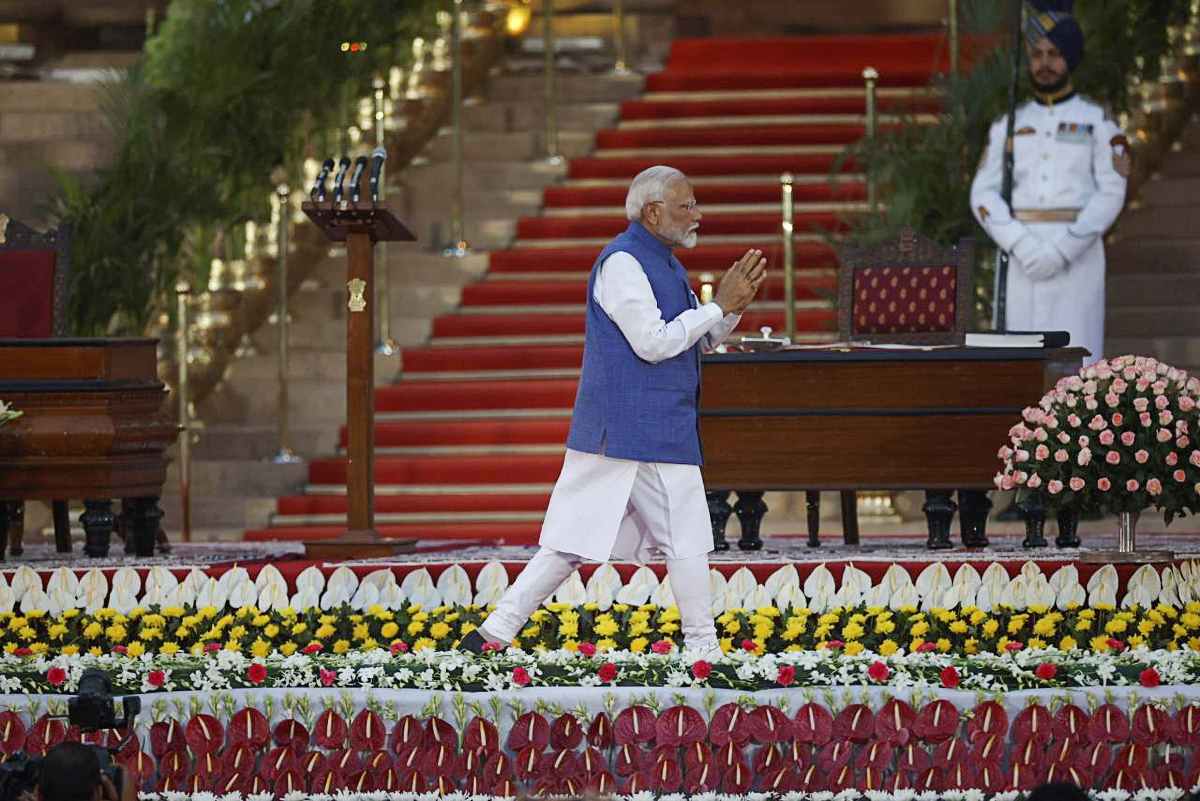
 By K Raveendran It was a week of contradictions for India’s image on the world stage, marked by a curious interplay of critique, affirmation, and manoeuvring. Rahul Gandhi, in his address at Columbia University, painted a picture of India that was dark and distressing, describing the country’s democratic decline in sweeping terms. At the same […]
The article A Week Marking The Worst And Best For India On Global Stage appeared first on Latest India news, analysis and reports on Newspack by India Press Agency).

 By K Raveendran Indian epics tell us that aggression should never be turned against the weak is a lesson etched into the Mahabharata. Karna, remorseful after joining in the humiliation of Draupadi, admitted the shame of deploying power in the wrong direction. Draupadi in that moment represented not just women, but the principle of protecting […]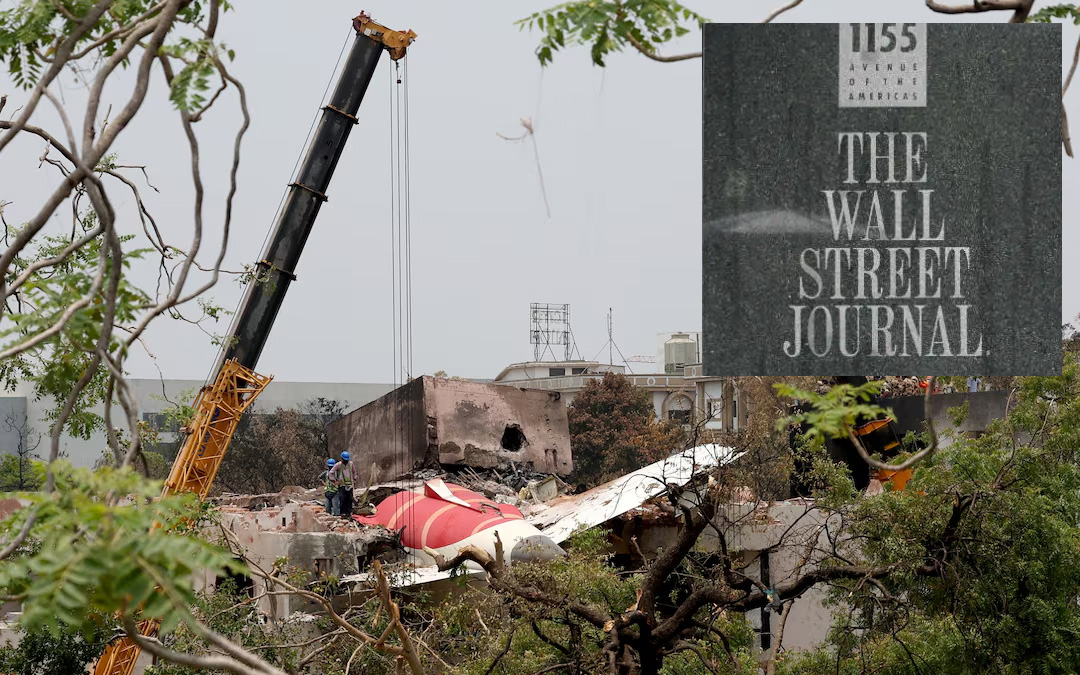
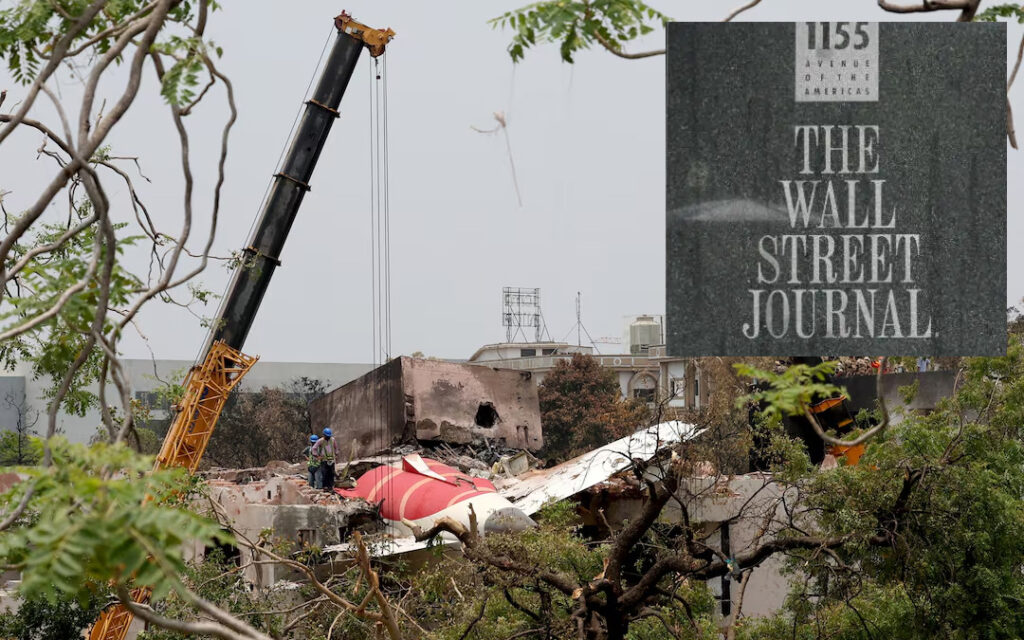 By K Raveendran The Wall Street Journal’s report on the Ahmedabad Air India crash has triggered a storm of controversy not only for what it suggests but also for what it deliberately avoids. The claim that the crash, which took 260 lives, may have been caused by the senior pilot unintentionally or mistakenly putting the […]
 By K Raveendran President Donald Trump’s latest volley in the global economic battleground — a proposal to impose a 500 percent tariff on countries that do business with Russia — marks the continuation of a pattern that has come to define his trade diplomacy: bold, blustering declarations followed by strategic backpedalling. The move, targeted at […]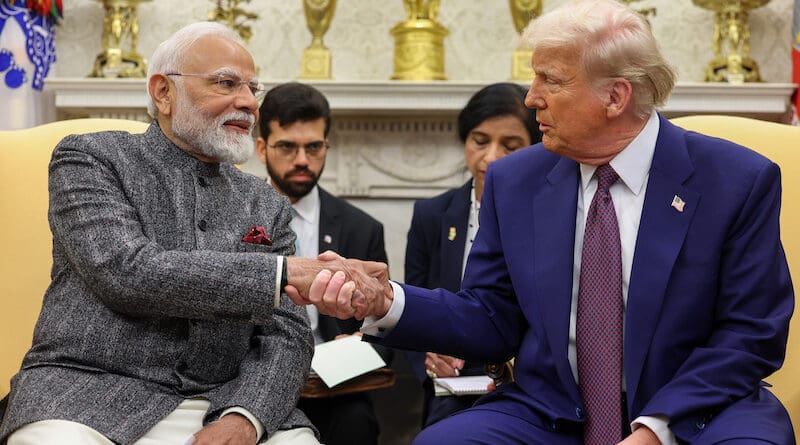

 By K Raveendran With the likelihood of a diplomatic solution appearing increasingly distant, West Asia is now clearly veering toward a longer and more intense confrontation, one that may significantly reshape economic, geopolitical, and energy dynamics not only in the Middle East but globally. What was initially perceived as a retaliatory exchange following months of […]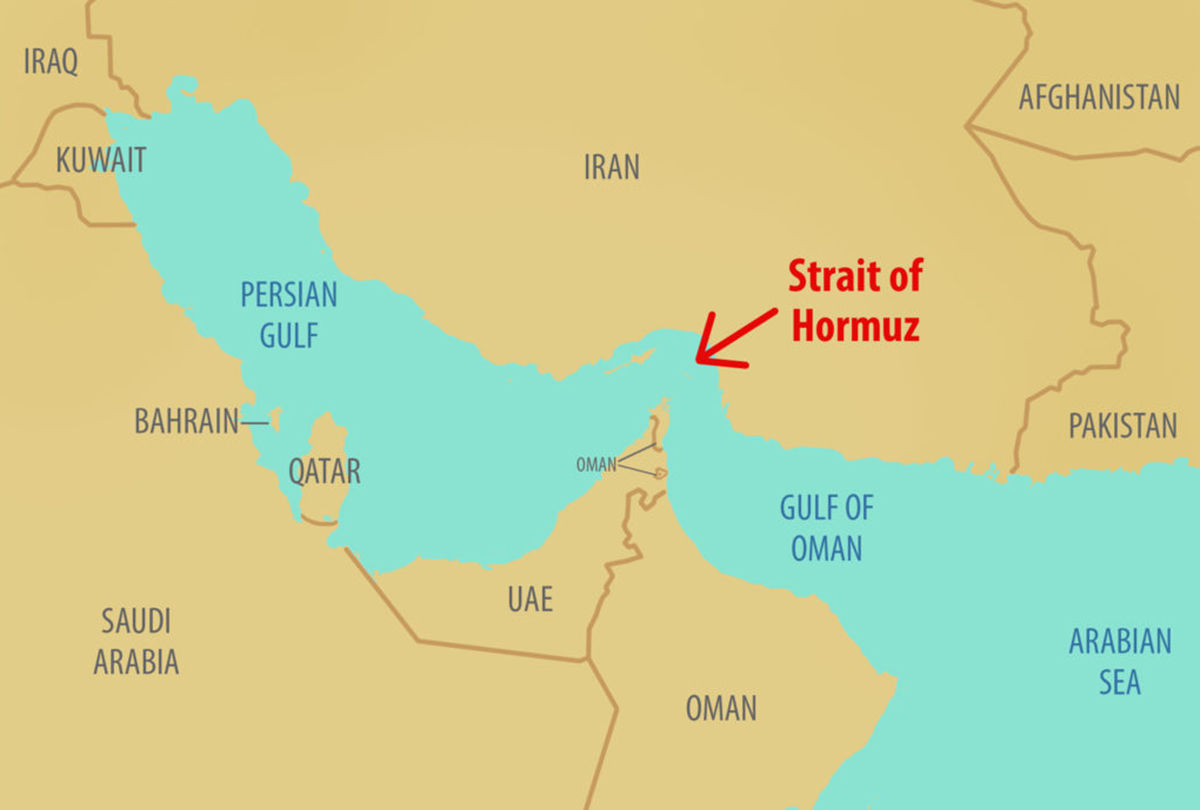
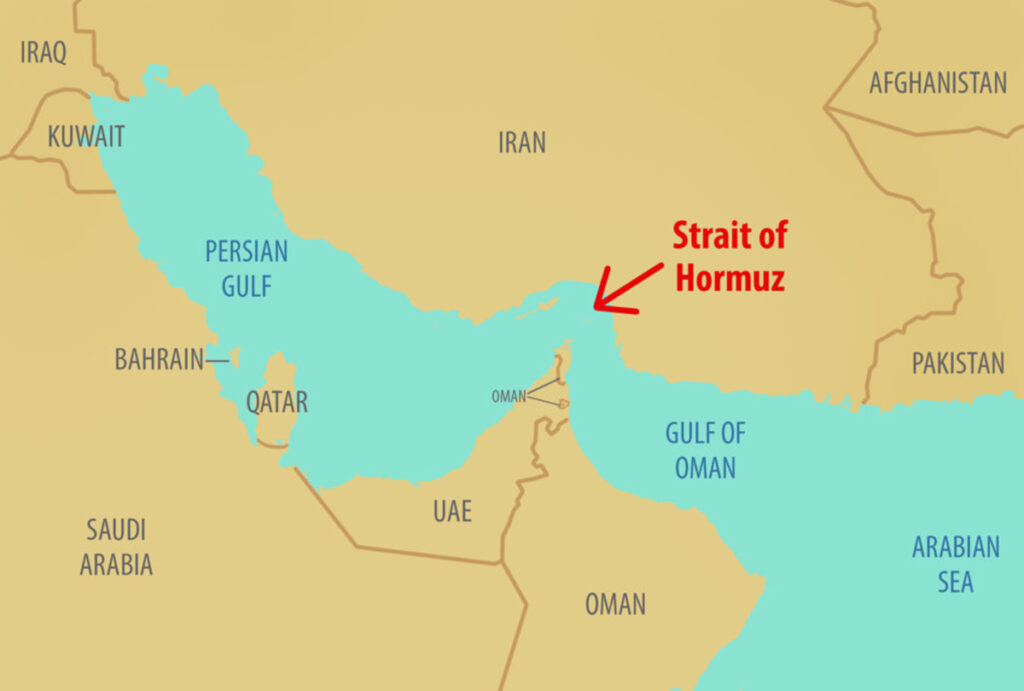 By K Raveendran Israel’s strike against Iran has reignited a familiar tension in global energy markets, sending oil prices climbing into the mid-$70 per barrel range. The impact is not just visible in the numbers, but in the broader nervousness sweeping across energy trading floors and geopolitical circles alike. At the heart of this movement […]
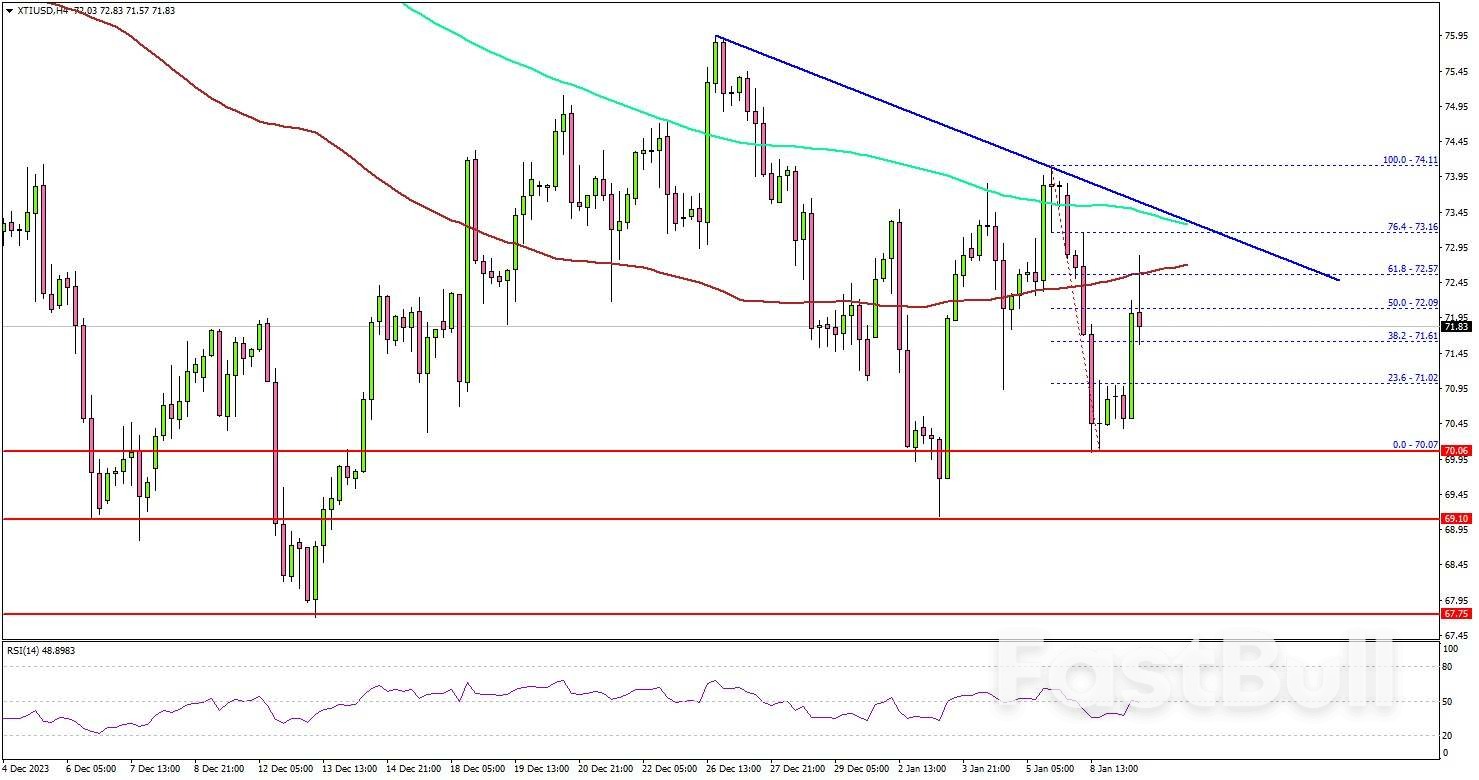
 By K Raveendran Brent crude oil futures continue to hover around the $65 per barrel mark, a level that reflects the push and pull of market forces clouded by a cocktail of geopolitical tensions, environmental disruptions, and strategic production decisions. As prices hold steady, the broader sentiment among traders and analysts leans toward caution, with […]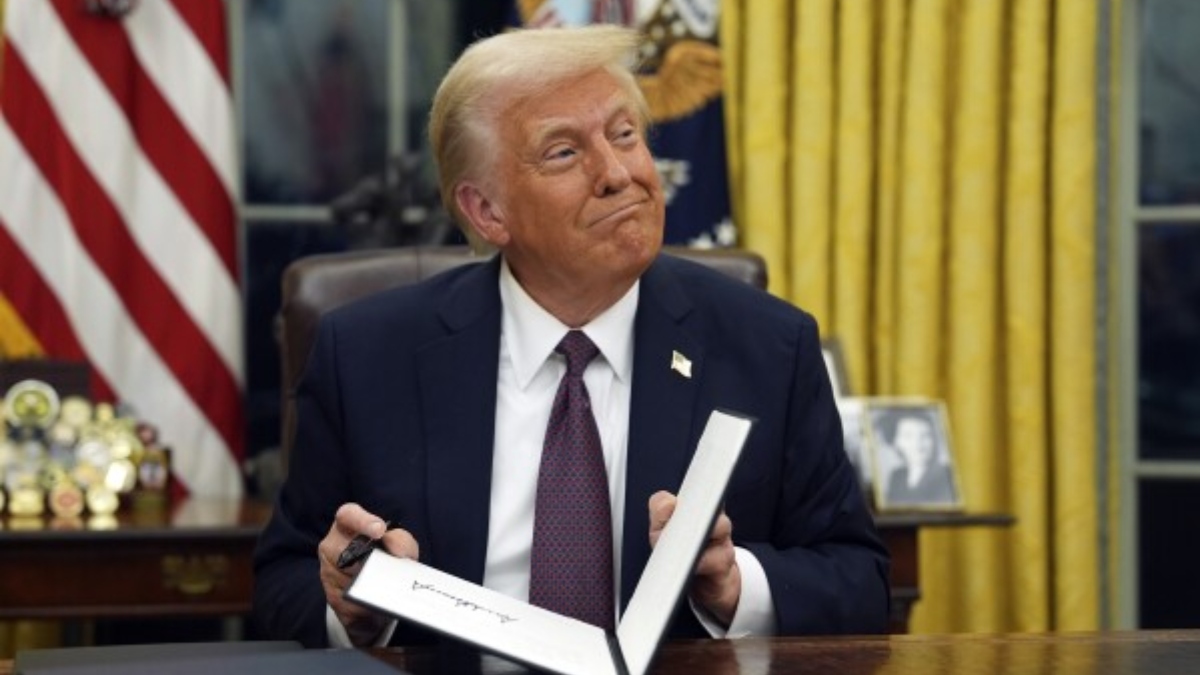
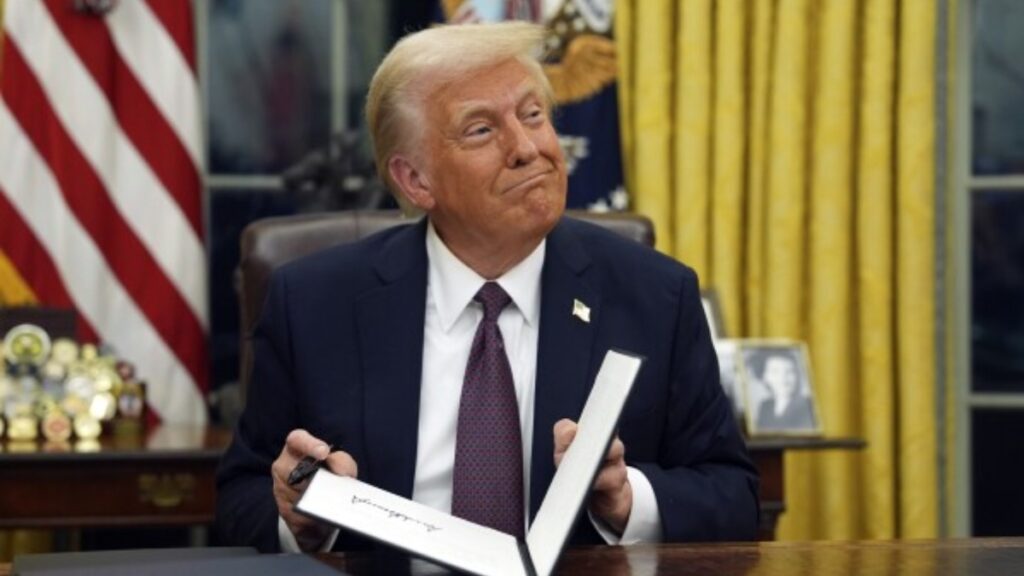 By K Raveendran In his relentless pursuit of what he calls economic nationalism, President Donald Trump’s ‘trade jihad’ is targeting newer and more diverse sectors of the global economy. The latest front in this campaign is the high-tech industry, with a particular focus on smartphone manufacturing. This marks a significant escalation both in terms of […]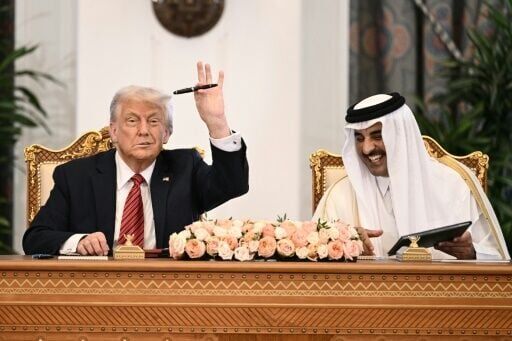
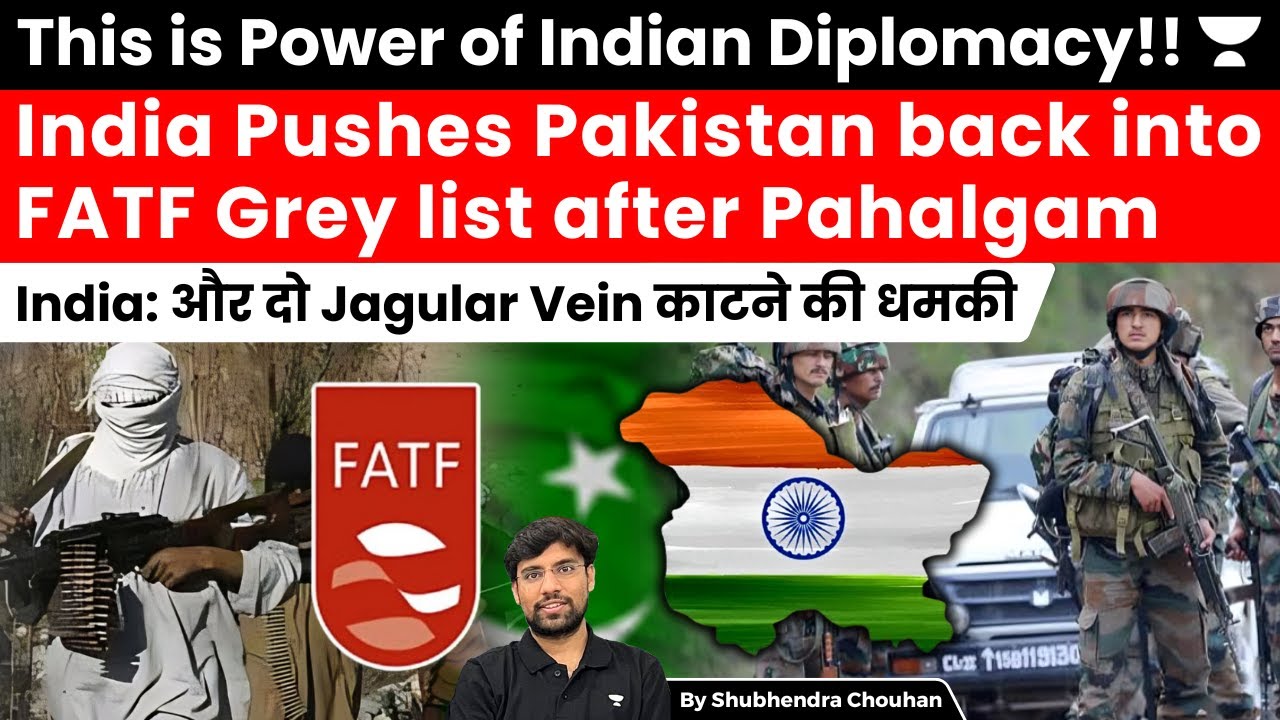
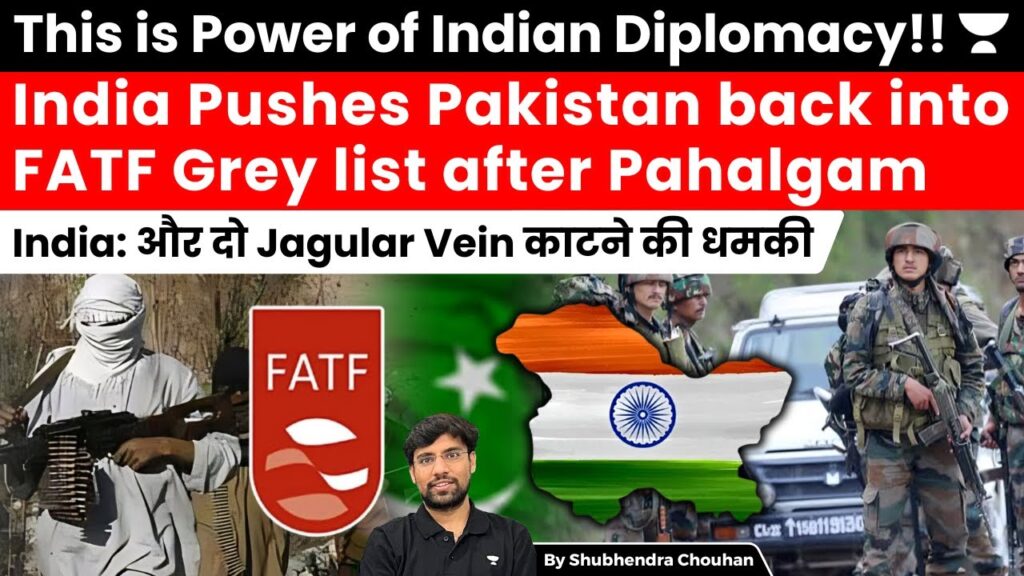 By K Raveendran India is intensifying its diplomatic offensive against Pakistan, with efforts now underway to push for Islamabad’s re-listing on the Financial Action Task Force (FATF) grey list. This renewed push, backed by an unusually strong expression of support from the Trump-led U.S. administration, marks a strategic escalation by New Delhi to hold Pakistan […]
 By K Raveendran Trump’s aggressive tariff war with China – built on a throwback protectionist logic more suited to the 1800s than today’s intertwined economy – has driven Chinese firms to redeploy their strategies. Major Chinese exporters, now facing punitive U.S. tariffs as high as 145 percent, are desperately seeking other markets and partners. Chinese […]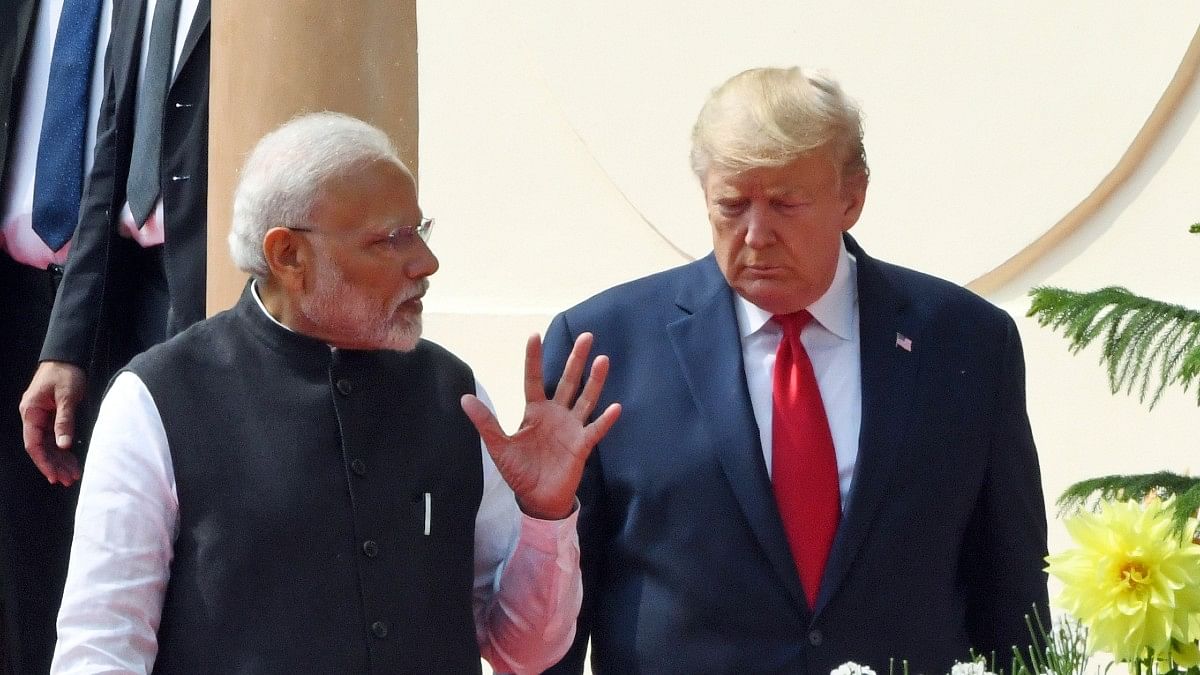
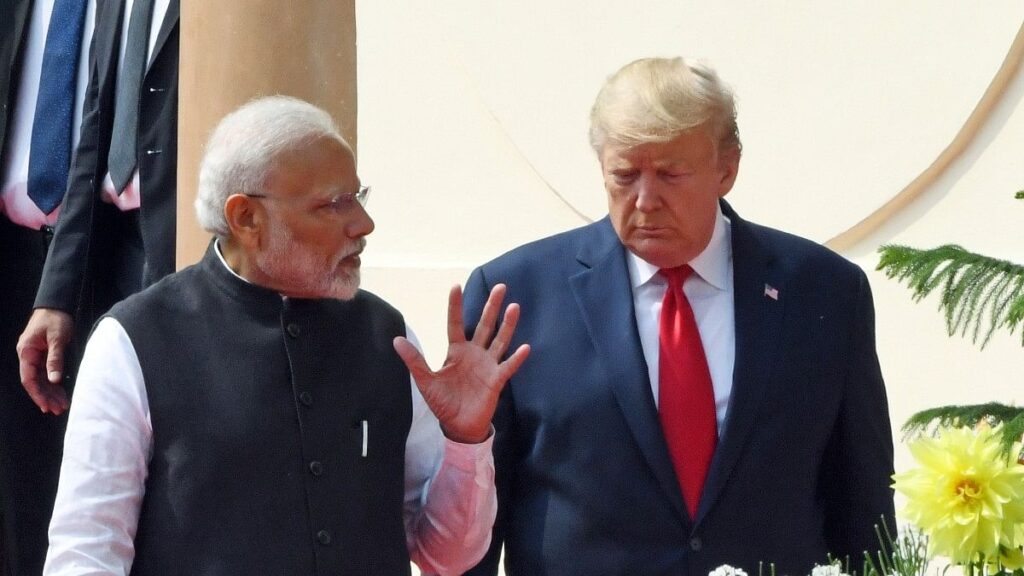 By K Raveendran U.S. Treasury Secretary Scott Bessent’s declaration that India could be the first to finalise a trade deal with the United States after President Trump embarked on his reckless trade war against the world signals a strategic point. The proposed agreement offers India an escape hatch from the looming 26 percent reciprocal tariffs […]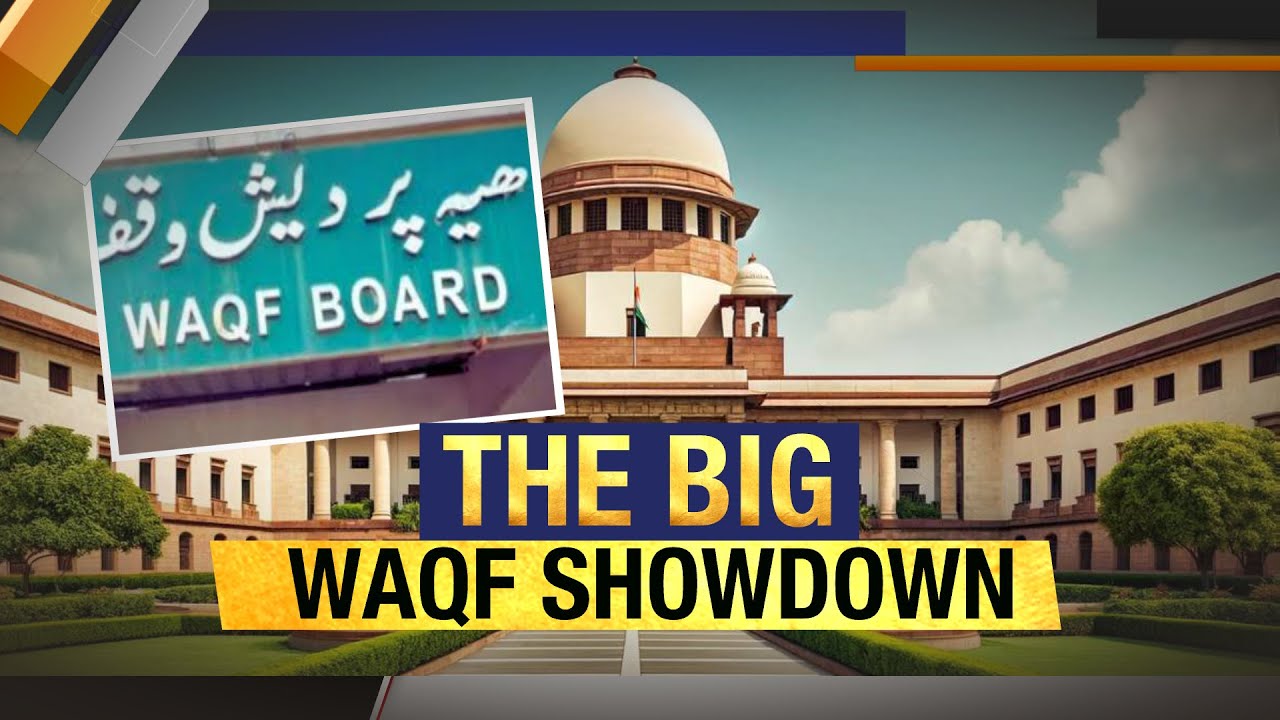
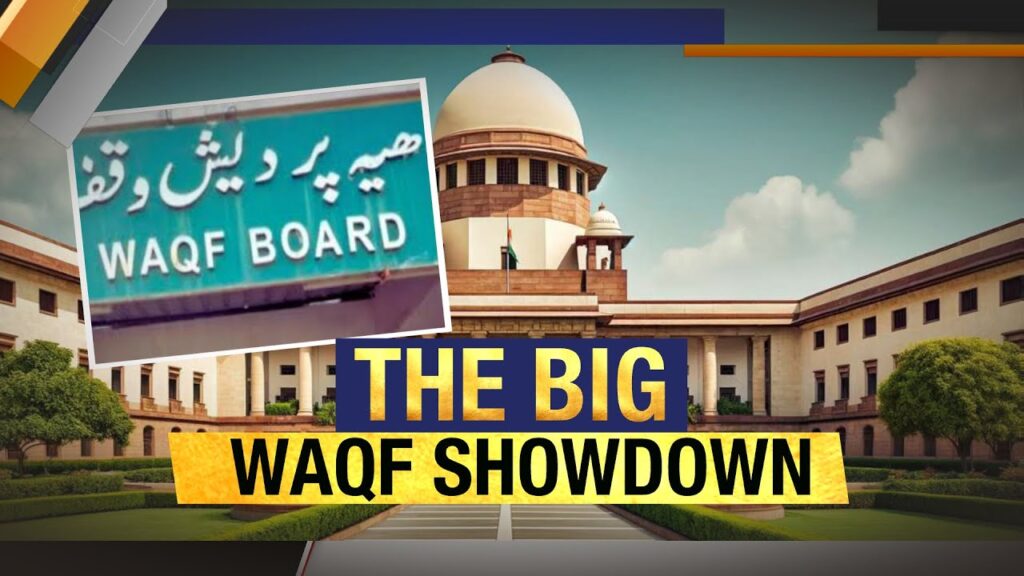 By K Raveendran The Supreme Court’s interim order on the controversial Waqf Amendments Act has created an unusual equilibrium among opposing camps, hinting at a calculated balancing act rather than a decisive intervention. While the order does not represent a full-fledged stay on the implementation of the amendments, it introduces a layer of judicial restraint […]