News related to
Part

Sharjah is set to become a key player in the artificial intelligence (AI) landscape by unveiling its first commercial AI license in collaboration with Microsoft. This initiative aims to accelerate AI adoption across industries in the Emirate and enhance the region’s position as a hub for technological innovation. The groundbreaking partnership signifies a major step forward for Sharjah, integrating Microsoft’s cutting-edge AI technologies with the Emirate’s burgeoning […]

Masdar, the UAE-based renewable energy giant, remains resolute in its commitment to an open trade policy amidst ongoing global supply chain disruptions. The company’s CEO, Mohamed Jameel Al Ramahi, emphasized that maintaining trade openness is crucial for navigating the complexities of the current international market. His statements underscore Masdar’s strategy to sustain and enhance its global partnerships despite the ongoing turbulence affecting global logistics and supply chains. […]

The United Arab Emirates (UAE) and Japan are set to begin formal discussions aimed at establishing a comprehensive trade agreement. This move reflects a strategic push by both nations to bolster their economic relationship and enhance bilateral trade flows.

The announcement of these forthcoming negotiations comes amidst a broader global trend where countries are seeking to solidify economic alliances and diversify their trade partnerships. For the UAE, a key player in the Middle Eastern economy, this deal is expected to open new avenues for trade and investment, particularly in sectors such as technology, energy, and infrastructure. Japan, renowned for its advanced technology and industrial capabilities, views this agreement as a strategic opportunity to strengthen its economic presence in the Gulf region.

Current trade between the UAE and Japan is robust, yet both countries believe that there is significant untapped potential. According to the latest figures, Japan is one of the UAE’s leading trading partners in Asia, with a notable presence in areas like automotive and electronics. However, both nations see the potential to expand their economic ties beyond these sectors, focusing on high-tech industries and sustainable development projects.

The trade discussions are expected to address a range of issues, including tariff reductions, market access, and investment protections. The goal is to create a mutually beneficial framework that not only enhances economic cooperation but also facilitates smoother business operations for companies in both countries.

Economic experts suggest that the deal could significantly impact the trade dynamics of the region. By integrating Japan’s technological advancements with the UAE’s strategic location and energy resources, the agreement may lead to innovative collaborations and investments. This aligns with the UAE’s Vision 2030, which aims to diversify its economy away from oil dependence and foster innovation and sustainability.

In recent developments, both governments have been actively preparing for these negotiations by conducting preparatory meetings and consultations with key industry stakeholders. The UAE’s Ministry of Economy and Japan’s Ministry of Foreign Affairs have been working closely to outline the negotiation framework and key areas of focus.

The potential trade agreement could also pave the way for deeper economic integration between the two nations. For Japan, which has been seeking to expand its economic footprint in the Middle East, this deal represents a significant step towards achieving greater market penetration. The UAE, on the other hand, is looking to leverage this partnership to enhance its role as a global business hub.

Additionally, the agreement is likely to cover aspects such as intellectual property rights, regulatory cooperation, and environmental standards, reflecting a modern approach to international trade agreements that goes beyond traditional tariff issues. This comprehensive approach aligns with global trade practices aimed at fostering sustainable and equitable economic growth.

Both nations are also expected to explore collaborative opportunities in emerging sectors such as renewable energy, digital technology, and advanced manufacturing. The UAE has been making substantial investments in renewable energy and technological innovation, while Japan is a global leader in high-tech industries. This alignment could lead to joint ventures and projects that benefit both economies.

As the UAE and Japan embark on these trade discussions, there is considerable optimism about the potential outcomes. The agreement is anticipated to strengthen economic ties, promote mutual investment, and contribute to regional stability. For businesses in both countries, this deal could open new markets and opportunities, further enhancing the economic relationship between these two important partners.

Arabian Post Staff -Dubai A groundbreaking collaboration between Abu Dhabi-based MGX, Microsoft, and BlackRock is set to redefine the landscape of artificial intelligence with the launch of a substantial $30 billion fund. This ambitious initiative aims to propel advancements in AI technology and investment opportunities on a global scale. The newly established fund, officially announced on September 18, 2024, marks one of the largest private sector investments […]

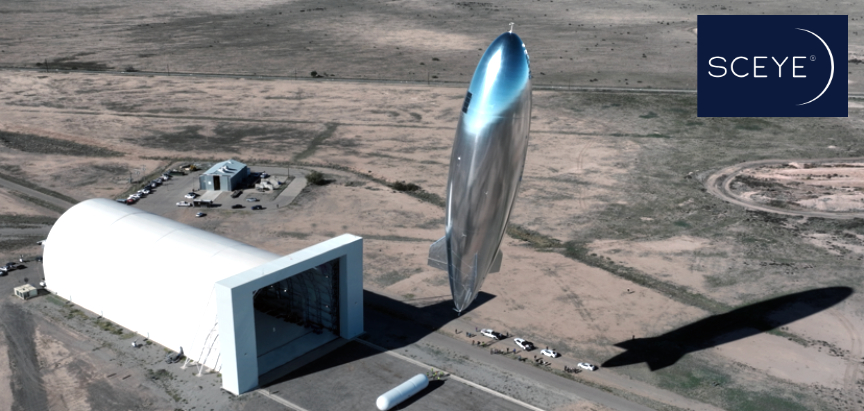
Mawarid Holding, a prominent Saudi investment firm, has spearheaded a Series C funding round for Sceye, an American company specializing in high-altitude platform systems (HAPS). The funding, announced Tuesday, values Sceye at $525 million before the latest capital influx. Although the exact amount of the investment was not disclosed, it is set to significantly advance Sceye’s capabilities in research, development, and commercial operations.

Sceye, headquartered in the United States, focuses on developing cutting-edge HAPS technology designed to operate in the stratosphere. This technology is intended to provide a range of applications, from improving communications and data collection to enhancing environmental monitoring. With this investment, Sceye plans to accelerate its flight programs and push forward with the commercial rollout of its innovative systems.

The funding from Mawarid Holding will primarily support Sceye’s R&D efforts and operational expansion. This includes advancing their ongoing projects and launching new initiatives that leverage the HAPS technology’s potential. Sceye’s CEO has highlighted that this capital injection will enable the company to refine its systems and bring its solutions to market more rapidly by 2025.

Mawarid Holding’s involvement underscores a growing trend of cross-border investment in the aerospace sector. The Saudi firm’s investment aligns with its broader strategy to diversify its portfolio and engage in high-tech industries with global impact. This move is part of Saudi Arabia’s Vision 2030, which aims to foster innovation and technological advancements within the kingdom and beyond.

The partnership is expected to enhance Sceye’s position in the aerospace industry, especially as the demand for advanced high-altitude platforms continues to rise. The firm’s high-altitude systems are poised to play a crucial role in various sectors, including telecommunications and environmental monitoring, by providing persistent, high-resolution data from the stratosphere.

The global market for HAPS technology is growing, driven by increasing interest from governments and private entities seeking to expand their data collection and communication capabilities. Sceye’s technology stands out due to its ability to offer sustained, high-altitude coverage, which is a significant advancement over traditional satellite and aerial systems.

Mawarid Holding’s strategic investment in Sceye represents a significant endorsement of the American company’s potential. It reflects a broader trend of strategic partnerships and investments in the aerospace sector, aimed at driving technological innovation and meeting the evolving demands of global markets.

As Sceye moves forward with its expanded capabilities, it is likely to attract further interest from investors and partners looking to capitalize on the growing opportunities within the high-altitude platform market. The firm’s progress will be closely watched by industry stakeholders as it continues to develop and commercialize its technology.

Kuwait’s Gulf Bank has signed a memorandum of understanding (MoU) with Boubyan Bank to explore the potential for a merger, a move that could reshape the financial landscape in the region. This step signifies a significant shift in the Kuwaiti banking sector, reflecting ongoing consolidation trends and evolving market dynamics.

The agreement, announced today, sets the stage for both banks to conduct detailed due diligence and evaluate the strategic benefits of merging. If successful, the merger would combine Gulf Bank’s extensive retail banking network with Boubyan Bank’s specialized services in Islamic finance, creating a more diversified and robust financial institution.

This potential merger aligns with broader regional trends where banks are consolidating to enhance their competitive edge and operational efficiencies. Such moves are often driven by the need to achieve economies of scale, expand market reach, and leverage complementary strengths.

The Gulf Bank, established in 1960, has a long-standing presence in Kuwait’s banking sector, providing a wide range of financial services including retail, corporate, and investment banking. Boubyan Bank, on the other hand, was founded in 2004 and has positioned itself as a leader in Islamic banking with innovative Sharia-compliant products and services.

Key players in the Kuwaiti financial sector view this potential merger as a strategic alignment that could offer enhanced growth opportunities and a stronger market position. The combined entity would benefit from an expanded customer base, a broader range of financial products, and increased operational efficiency.

Both banks have stated that the MoU is an exploratory agreement, and there is no certainty that a definitive merger agreement will be reached. The process will involve extensive negotiations and regulatory approvals. This includes assessing the financial health of both institutions, evaluating potential synergies, and ensuring compliance with Kuwait’s regulatory framework.

The merger, if it proceeds, would likely trigger a wave of consolidation across the Gulf Cooperation Council (GCC) region. Financial institutions across the GCC are increasingly pursuing mergers and acquisitions as a strategy to enhance their competitive positioning amidst a dynamic economic environment. Such consolidation often aims to create stronger, more resilient financial entities capable of navigating economic uncertainties and seizing growth opportunities.

Analysts suggest that this move could also be part of a broader trend of regional banks seeking to diversify their offerings and geographic presence. By integrating their operations, Gulf Bank and Boubyan Bank could strengthen their ability to compete with larger regional and international banks. The merger would potentially lead to improved financial stability and greater investment capacity, enabling the combined bank to better serve its clients and capitalize on emerging market trends.

Moreover, this potential merger highlights the evolving landscape of banking in Kuwait, where the emphasis is shifting towards greater efficiency, innovation, and enhanced customer service. The integration of traditional banking services with cutting-edge technology and Sharia-compliant financial products could set a new standard for the industry.

As both banks move forward with their due diligence process, they will need to address various challenges related to integration, including aligning corporate cultures, harmonizing operational processes, and managing customer expectations. Effective communication with stakeholders, including employees, customers, and shareholders, will be crucial in ensuring a smooth transition and maximizing the benefits of the merger.

Government of Ajman has signed a Memorandum of Understanding (MoU) with China National Electric Engineering Co. Ltd. (CNEEC), a subsidiary of Sinomach Group to invest upto Dh5 billion in infrastructure projects that will help the emirate’s economy to grow. The MoU, signed by Sheikh Abdul Aziz bin Humaid Al Nuaimi, Chairman of the Ajman Tourism Development Department, and Yan Weihua, General Manager of CNEEC, paves the way […]

Advertisements

By Tajul Islam As Bangladesh navigates the current turmoil, the path to economic recovery seems increasingly difficult, requiring prompt and decisive action from the interim government to bring stability and restore confidence among both the public and investors. The political unrest has introduced uncertainty, which is directly affecting economic growth. Both local and foreign investors are hesitant to commit their funds in a country where the future […]

The ACI Africa conference has emerged as a pivotal platform for addressing pressing issues in the aviation sector, with a primary focus on innovation, sustainability, and regulatory frameworks. Held in Kigali, Rwanda, the conference brings together key stakeholders from across the continent to discuss and strategize on enhancing the operational efficiency and environmental impact of airports.

This year’s conference underscores a critical shift in how African airports approach technological advancements and sustainability practices. Delegates are exploring cutting-edge technologies aimed at transforming airport operations, with a notable emphasis on integrating artificial intelligence and data analytics. These innovations are designed to streamline processes, enhance passenger experience, and improve overall operational efficiency.

A significant portion of the discussions revolves around environmental sustainability. Airports across Africa are grappling with the challenge of reducing their carbon footprint while supporting the continent’s growing aviation sector. Key topics include the implementation of green technologies and sustainable practices such as the use of renewable energy sources and waste reduction strategies. The conference highlights successful case studies from various airports that have made strides in these areas, offering insights into practical approaches that others can adopt.

Economic regulatory models are also on the agenda, with a focus on creating frameworks that support airport growth while ensuring financial sustainability. Discussions include the need for innovative funding mechanisms, public-private partnerships, and policies that foster investment in airport infrastructure. Experts emphasize the importance of aligning regulatory practices with international standards to facilitate smoother operations and attract investment.

The conference features a series of panel discussions and workshops led by industry experts, including representatives from the International Civil Aviation Organization (ICAO) and prominent African airport operators. These sessions provide a platform for exchanging ideas and best practices, addressing common challenges, and forging collaborations that aim to drive the sector forward.

Technological innovation is a key theme, with numerous presentations showcasing advancements in airport management systems, passenger processing technologies, and security measures. The focus is on leveraging technology to enhance operational efficiency and passenger convenience, including the deployment of biometric systems and automated check-in processes.

Sustainability remains a top priority, with various sessions dedicated to exploring ways airports can minimize their environmental impact. Initiatives such as green building certifications, energy-efficient infrastructure, and noise reduction measures are discussed in detail. The goal is to create a more sustainable aviation sector that supports both economic growth and environmental stewardship.

Economic regulatory models are being scrutinized to develop frameworks that ensure the long-term viability of airport projects. The need for adaptive regulatory practices that accommodate rapid changes in the aviation industry is highlighted, with experts advocating for policies that support innovation and infrastructure development.

Global network services provider RETN has unveiled a new high-capacity connectivity route linking Milan and Zurich. This strategic addition aims to enhance European network connections, leveraging RETN’s infrastructure capable of supporting speeds up to 400 Gbps.

The newly launched Milan-Zurich route is poised to significantly bolster RETN’s presence in the European market. This expansion aligns with the company’s broader strategy to increase its footprint across major financial and technological hubs on the continent. By connecting two key cities in Europe, RETN is positioning itself to offer improved service reliability and faster data transmission for clients across sectors such as finance, technology, and telecommunications.

The Milan-Zurich link represents a crucial step in RETN’s efforts to meet the growing demand for high-speed connectivity. Milan, a central node in Italy’s financial and business landscape, and Zurich, a major financial hub in Switzerland, are vital points in European data traffic. The new route will facilitate enhanced data exchange between these important economic centers, potentially reducing latency and improving the overall efficiency of network services for businesses operating between these cities.

RETN’s expansion comes amid increasing competition in the European networking market, where providers are racing to offer high-bandwidth, low-latency solutions. The demand for faster and more reliable connectivity continues to rise, driven by the growing needs of digital transformation and the proliferation of data-intensive applications. RETN’s new route is expected to address these needs by providing a robust solution that can support a broad range of services, from cloud computing to financial transactions.

In addition to improving connectivity, RETN’s latest investment underscores the company’s commitment to enhancing its global network infrastructure. By expanding its reach to include this new route, RETN not only strengthens its European network but also integrates its services more closely with other major international hubs. This interconnected approach aims to provide clients with seamless global connectivity, crucial for businesses that operate on an international scale.

The launch of the Milan-Zurich route also reflects broader trends in the networking industry, where companies are increasingly focusing on high-capacity and low-latency connections to meet the evolving demands of the digital economy. As more businesses rely on real-time data processing and high-speed communication, network providers like RETN are investing in advanced technologies and infrastructure to stay competitive and deliver superior services.

This new route is part of a series of network expansions planned by RETN to enhance its service offerings and meet the growing needs of its clients. By continuously upgrading its network and expanding its reach, RETN aims to maintain its position as a leading provider of high-performance connectivity solutions. The company’s strategic investments in network infrastructure are designed to support the increasing data demands of modern enterprises and facilitate smoother, more efficient communication across regions.

As RETN moves forward with its expansion plans, the company is expected to continue focusing on enhancing its network capabilities and exploring new opportunities for growth. The Milan-Zurich route is a significant milestone in this ongoing effort, highlighting RETN’s commitment to delivering cutting-edge connectivity solutions that meet the needs of its diverse clientele.

A celestial phenomenon combining a lunar eclipse and a supermoon lit up skies across the globe, enchanting stargazers with a rare spectacle. The lunar eclipse occurred as the Earth positioned itself directly between the Sun and the Moon, casting a shadow over the lunar surface, while the supermoon, appearing unusually large and bright, added an extra layer of fascination. This unique alignment captured the attention of millions of observers, from seasoned astronomers to casual sky watchers, as it became a global talking point.

The event took place in the early morning hours, with regions around the world experiencing different phases of the eclipse. In the Emirates, a penumbral lunar eclipse was observed at around 5 a.m., where a subtle shadow was cast by the Earth onto the Moon’s surface. This particular type of eclipse is less dramatic than its total counterpart, with only a faint dimming of the Moon’s brightness noticeable to keen observers. Despite its subtlety, the event drew significant interest from astronomy enthusiasts who gathered to witness the natural wonder.

The supermoon, occurring when the Moon is at its closest point to Earth in its elliptical orbit, known as perigee, added to the allure. Appearing around 14% larger and 30% brighter than a typical full moon, the supermoon illuminated the sky, creating a striking visual display. This rare combination of a supermoon and a lunar eclipse created a significant buzz across social media platforms, with many sharing images and experiences of the event.

The spectacle wasn’t confined to the Emirates, as different regions of the world experienced varying views of the lunar eclipse. In parts of the Americas, Europe, and Africa, the lunar eclipse occurred during the night or early morning, offering a mesmerizing show. In Asia and Australia, viewers were treated to a similar display, although weather conditions played a crucial role in visibility. Clear skies offered the best conditions for observation, allowing the supermoon’s enhanced brilliance to shine through.

Astronomers and space agencies had been preparing for the event for weeks, providing detailed guidelines and timelines for optimal viewing. The Dubai Astronomy Group, for instance, organized live viewing sessions, helping enthusiasts follow the eclipse’s progression. Across the world, amateur astronomers set up telescopes and cameras to capture every phase, while public observatories offered special events and viewing parties to celebrate the occasion.

This particular lunar eclipse fell under the category of a penumbral eclipse, where only the outer shadow of the Earth, or penumbra, falls on the Moon’s surface. Unlike a total or partial lunar eclipse, where the Earth’s shadow directly blocks sunlight from reaching the Moon, the penumbral eclipse creates a more muted effect. It is often difficult for the untrained eye to detect the subtle shading that occurs during such an eclipse, making it a more specialized observation for seasoned enthusiasts.

Nevertheless, the accompanying supermoon drew wide public interest, as its large and bright appearance is far more noticeable to casual sky gazers. Supermoons have long fascinated humans due to their rarity and visual impact, with many cultures attaching spiritual or mythological significance to the phenomenon. For scientists, supermoons provide a valuable opportunity to study the Moon’s characteristics more closely, as the increased proximity allows for clearer observation through telescopes and other instruments.

The lunar eclipse and supermoon coincided at a time when global interest in astronomy and space exploration has been on the rise. The event also coincided with the launch of several lunar exploration missions by space agencies worldwide, further heightening public interest in the Moon. NASA, for instance, has been actively promoting its Artemis program, aimed at returning humans to the lunar surface by the end of this decade. Similarly, China has made significant strides in its lunar exploration efforts, sending several missions to the Moon in recent years.

In addition to scientific pursuits, public fascination with lunar events has been boosted by the ease of access to high-quality telescopes and photography equipment. Amateur astronomers are now able to capture stunning images of celestial events like this one, sharing them widely on social media platforms and fostering a growing community of space enthusiasts. This accessibility has transformed the way people engage with astronomical phenomena, making them more widely observed and celebrated than ever before.

As with all celestial events, the lunar eclipse and supermoon served as a reminder of the delicate balance and movement of celestial bodies within our solar system. For many, these events offer a sense of wonder and curiosity about the universe, inspiring questions about the nature of space and humanity’s place within it. The awe-inspiring sight of the Moon passing through Earth’s shadow while shining brightly as a supermoon has left an indelible mark on those fortunate enough to witness it.

Etihad Airways has marked a significant milestone by becoming the official sponsor of Girona FC, part of the City Football Group. This strategic move reflects Etihad’s commitment to expanding its presence in the European market and building stronger ties with the football community. The multi-year partnership comes at a time when Girona FC is rising in prominence within La Liga, further strengthening the connection between the airline and the sports industry.

Etihad’s branding will now appear on Girona FC’s team jerseys, highlighting the partnership’s visibility to global football fans. The collaboration also promises a range of fan engagement activities, both in Abu Dhabi and Girona, aiming to enhance the matchday experience for supporters and bring fans closer to the action. Special promotions and events will also be rolled out, with a focus on showcasing the diverse cultural connection between the UAE and Spain.

This sponsorship is part of Etihad’s broader strategy to bolster its brand internationally by associating with prestigious football teams. The airline has previously partnered with prominent clubs such as Manchester City FC and continues to view football as a vital medium to connect with a global audience. Girona FC’s increasing stature in La Liga offers a unique platform for Etihad to reach new markets, particularly within the European and Spanish tourism sectors.

The timing of the partnership coincides with a surge in travel between Abu Dhabi and Spain, with Etihad Airways already operating flights to Barcelona, located near Girona. Tourists traveling to Catalonia can explore the region’s picturesque landscapes, cultural festivals, and vibrant culinary scene, making it a top destination for both leisure and adventure travelers. The partnership is expected to further boost tourism by linking Etihad’s vast network of destinations with Girona’s local attractions.

Girona FC fans are eager to see how the airline’s involvement will influence their team, both on and off the field. The City Football Group’s proven record of developing football clubs, combined with Etihad’s support, suggests that Girona FC could continue its upward trajectory within La Liga and European football. The airline’s role will extend beyond brand promotion, potentially playing a key part in Girona’s community outreach and internationalization efforts.

Etihad Airways’ focus on sustainability has also been highlighted in this partnership. The airline remains committed to reducing its carbon footprint, and this initiative will include sustainable travel options for Girona FC supporters flying to matches across Spain and Europe. This aligns with Etihad’s broader environmental goals, which include becoming one of the world’s most sustainable airlines.

Instagram has unveiled a series of new features designed to enhance the safety and well-being of its younger users. These updates include stricter age-appropriate content filters and additional parental controls, addressing long-standing concerns about online safety and digital well-being among teenagers. The platform’s latest modifications come as part of a broader initiative to create a safer online environment for teens, aligning with growing demands from parents and […]

Air France-KLM and Deutsche Lufthansa AG have temporarily suspended flights to Israel and Lebanon due to escalating regional tensions. This move by major European carriers highlights the growing concerns over passenger safety amidst ongoing geopolitical unrest. Air France-KLM’s decision to halt flights affects both direct services to Tel Aviv and connections through other European hubs. The airline cited a “significant deterioration in the security situation” as the […]

The partnership will kick off with the soft launch of the dtcpay Visa Infinite Card for ultra high net worth individuals SINGAPORE – Media OutReach Newswire – 18 September 2024 – dtcpay, a digital payments solutions provider, and Visa (NYSE: V), a world leader in digital payments have announced a partnership agreement to drive digital payments transformation in Singapore. This partnership aims to integrate dtcpay’s digital payments […]

Oracle has unveiled the world’s first zettascale cloud computing cluster, a breakthrough that positions the tech giant at the forefront of artificial intelligence (AI) supercomputing. This innovative infrastructure is designed to deliver unprecedented processing power and scalability, catering to the growing demands of both enterprises and researchers.

The new zettascale cluster, named Oracle Exascale Cloud, represents a significant leap forward in cloud computing technology. This development is part of Oracle’s broader strategy to enhance its AI and machine learning capabilities, providing businesses and academic institutions with tools to handle vast datasets and perform complex calculations at an unprecedented speed.

The Oracle Exascale Cloud is equipped with cutting-edge hardware and software designed to facilitate advanced AI workloads. This includes capabilities for deep learning, real-time data processing, and large-scale simulations, which are essential for research and development in fields such as genomics, climate modeling, and financial forecasting.

Key to this cluster’s functionality is its integration with Oracle’s Autonomous Database and Oracle Cloud Infrastructure (OCI). The combination allows for seamless scalability and performance optimization, addressing the needs of diverse applications from high-frequency trading to detailed scientific research. By leveraging these advanced technologies, Oracle aims to provide a robust environment for innovation and experimentation.

The launch of the Oracle Exascale Cloud follows a series of strategic partnerships and investments by Oracle in AI and cloud computing. The company has been actively expanding its cloud services to compete with other major players in the industry, such as Amazon Web Services (AWS) and Microsoft Azure. The zettascale cluster enhances Oracle’s competitive edge by offering superior processing power and efficiency, which is crucial for managing the massive data volumes and computational requirements of today’s advanced AI models.

This development is not only a technological milestone but also a response to the increasing demand for more powerful computing resources. As AI applications become more sophisticated, the need for scalable and high-performance computing infrastructure has grown. The Oracle Exascale Cloud addresses this need by providing a platform capable of supporting the next generation of AI research and enterprise applications.

The cluster’s architecture is built on the latest advancements in processing technology, including high-performance CPUs and GPUs, which are optimized for AI workloads. Additionally, Oracle has integrated its own custom-designed hardware to maximize performance and energy efficiency. This focus on cutting-edge technology ensures that the Oracle Exascale Cloud can deliver superior results for both commercial and scientific applications.

Oracle’s announcement comes at a time when the demand for zettascale computing capabilities is rapidly increasing. The rise of big data, coupled with advancements in machine learning and AI, has driven the need for more powerful and scalable computing solutions. By introducing the world’s first zettascale cloud computing cluster, Oracle is setting a new standard in the industry and reinforcing its position as a leader in cloud technology.

In addition to its technological advancements, Oracle is emphasizing the practical applications of its new cluster. The company has highlighted several use cases, including its potential to revolutionize industries such as healthcare, finance, and energy. For instance, in healthcare, the cluster could enable researchers to analyze large-scale genomic data more quickly, leading to faster discoveries in personalized medicine. In finance, the enhanced processing power could improve risk modeling and algorithmic trading strategies. Similarly, in energy, the cluster could support simulations for optimizing renewable energy sources and reducing carbon footprints.

The introduction of the Oracle Exascale Cloud also has implications for the broader cloud computing market. It represents a shift towards more specialized and powerful cloud solutions that cater to the specific needs of AI and data-intensive applications. As other technology providers respond to this innovation, the landscape of cloud computing is expected to evolve, with an increasing focus on performance, scalability, and specialized capabilities.

Oracle’s strategic focus on zettascale computing is part of a larger trend in the tech industry towards enhancing computational power and efficiency. The company’s investment in this area underscores its commitment to driving innovation and providing cutting-edge solutions to meet the demands of modern computing.

Corporate Group, a prominent financial advisory firm based in Dubai, has entered into a strategic collaboration with PwC Academy Middle East through a newly signed Memorandum of Understanding (MoU). This partnership is designed to equip aspiring professionals with the skills needed to bridge the gap between academic studies and practical business environments.

The MoU formalizes a comprehensive framework for integrating academic knowledge with hands-on experience. This initiative targets university students and recent graduates, offering them tailored training programs, mentorship opportunities, and real-world project engagements. By aligning educational outcomes with industry requirements, the collaboration aims to address the skills mismatch often seen in the job market.

Corporate Group and PwC Academy Middle East will jointly develop a series of specialized workshops and training sessions. These will cover various aspects of financial advisory, including risk management, financial planning, and corporate governance. The program is structured to provide participants with both theoretical knowledge and practical skills that are immediately applicable in the professional sphere.

The collaboration also includes the creation of internship and job placement opportunities within Corporate Group. This will allow participants to gain direct experience in the financial sector, applying their skills in a real-world context. Additionally, PwC Academy will offer certification programs that recognize the skills and knowledge acquired through the partnership.

The initiative reflects a broader trend in the UAE’s education sector, where there is a growing emphasis on enhancing the employability of graduates. By connecting academic institutions with industry leaders, the partnership aims to create a more dynamic and responsive workforce. This move is expected to support the UAE’s vision of becoming a global hub for business and innovation by developing a highly skilled talent pool.

Industry experts view this collaboration as a significant step towards addressing the challenges of talent development in the region. The partnership not only benefits students by providing them with valuable experience but also helps companies like Corporate Group access a pool of well-trained candidates ready to contribute effectively to the industry.

Salesforce’s Dreamforce conference has begun in San Francisco, heralding a major focus on artificial intelligence. The event, running from September 17 to 20 at the Moscone Center, is set to attract significant attention from the tech industry, with forecasts suggesting it will generate around $93 million for the city. The conference is renowned for its high-profile speakers and star-studded entertainment lineup, promising a blend of insightful discussions and lively performances.

Keynote addresses are anticipated to be a major highlight of this year’s event. The lineup includes influential figures such as primatologist Jane Goodall, actor Matthew McConaughey, chef Ayesha Curry, and actress Kerry Washington. Their presentations are expected to explore various facets of AI and its implications across different sectors, reflecting the conference’s commitment to addressing the future of technology through diverse perspectives.

The conference has also scheduled performances by pop icon Pink and the popular rock band Imagine Dragons at Oracle Park on Wednesday night. These events are designed to add a vibrant and celebratory atmosphere to the conference, drawing attendees beyond the traditional conference sessions.

Salesforce has positioned Dreamforce as a critical platform for discussing and showcasing advancements in AI. The company has unveiled new AI-driven tools and initiatives aimed at enhancing customer relationship management and business operations. The focus on AI aligns with broader industry trends where artificial intelligence continues to reshape how businesses operate and engage with customers.

Economic impacts of Dreamforce on San Francisco are expected to be substantial. The influx of attendees from around the globe will benefit local businesses, from hotels and restaurants to transportation services. The projected $93 million in economic activity underscores the conference’s significance not just in technological innovation but also in its contribution to the city’s economy.

The conference’s extensive agenda includes panel discussions, breakout sessions, and hands-on workshops that cover a range of topics from AI ethics to practical applications in various industries. These sessions will provide attendees with opportunities to explore emerging trends and gain insights into how AI is being integrated into business strategies and operational frameworks.

Dreamforce’s return is particularly notable following the challenges posed by the COVID-19 pandemic, which had forced the conference to adopt virtual formats in previous years. The physical gathering is seen as a return to normalcy and a reaffirmation of the event’s role as a major networking and knowledge-sharing platform in the tech world.

Participants and industry leaders are keenly watching how the discussions and announcements at Dreamforce will influence the future trajectory of AI technologies. With Salesforce’s emphasis on integrating AI into its products, the conference is likely to shape industry conversations and developments in the months ahead.

Chinese chip-related stocks experienced a significant surge following claims of a breakthrough in the development of domestic semiconductor manufacturing equipment. This advancement represents a crucial step towards mitigating the impact of US sanctions that have hampered the country’s semiconductor industry. The breakthrough, announced by Chinese state media, highlights a shift towards self-sufficiency in a sector heavily influenced by international trade restrictions.

The recent development is seen as a strategic move by China to bolster its semiconductor industry, which has faced substantial challenges due to US export controls and restrictions on technology transfers. The new equipment reportedly allows for more advanced and efficient production processes, positioning China closer to achieving its goal of reducing dependence on foreign technology. This progress has fueled optimism among investors, leading to notable gains in the stock prices of several major Chinese semiconductor companies.

Investors and analysts are closely monitoring the impact of this technological advancement on the broader semiconductor market. The breakthrough is expected to accelerate China’s efforts to enhance its technological capabilities and secure a competitive edge in the global semiconductor supply chain. This move aligns with China’s broader strategy to develop key technologies and reduce reliance on international suppliers amid growing geopolitical tensions.

The Chinese government’s focus on advancing its semiconductor capabilities is part of a larger initiative to strengthen the country’s technology sector and achieve greater self-reliance. This initiative is driven by concerns over the potential for future trade disputes and technological restrictions that could affect China’s access to critical components and technologies. By developing domestic manufacturing capabilities, China aims to mitigate these risks and establish a more resilient semiconductor industry.

The semiconductor industry has been a focal point of US-China trade tensions, with both nations competing to dominate this critical technology sector. US sanctions and export controls have targeted Chinese companies and restricted their access to advanced semiconductor technologies and equipment. In response, China has accelerated efforts to develop its own technology and reduce its dependence on foreign suppliers.

The announcement of the equipment breakthrough has generated enthusiasm among investors, reflecting confidence in China’s ability to overcome external pressures and advance its semiconductor sector. Analysts are observing the potential long-term effects of this development on the global semiconductor market and its implications for international trade relations.

China’s progress in semiconductor technology is also seen as a reflection of broader trends in the global technology landscape. The race to develop advanced semiconductor technologies is intensifying as countries and companies strive to secure their positions in this vital industry. The outcome of this competition will likely influence the future dynamics of the global technology sector and shape the trajectory of international trade and investment.

Donald Trump has taken a surprising turn by fully embracing cryptocurrency, unveiling a digital platform called World Liberty Financial. Once a vocal critic of Bitcoin, labeling it a “scam,” Trump’s shift comes as part of a larger political strategy, aligning with his 2024 presidential campaign. The former U.S. president announced his new project, aimed at the decentralized finance (DeFi) space, during a livestream on X Spaces, where […]

Crypto trading platform Bitsgap has unveiled its latest innovation, an AI Assistant designed to help traders manage their portfolios with greater efficiency. This move marks a significant advancement for the platform, positioning Bitsgap as one of the first to incorporate artificial intelligence into its crypto trading infrastructure. The AI-driven features aim to simplify the complex nature of cryptocurrency trading, empowering users with more robust tools to navigate the often-volatile market.

Bitsgap’s AI Assistant leverages the platform’s extensive experience in developing automated trading systems. The new tool integrates AI insights into portfolio management across multiple partner exchanges, including Binance, OKX, and KuCoin. By shifting the focus from individual trading bots to comprehensive portfolio oversight, the AI Assistant provides traders with a more holistic approach to managing digital assets such as Bitcoin. This shift allows for a diversified trading experience that moves beyond simple asset-to-asset transactions and into more intricate portfolio strategies.

The AI at the core of Bitsgap’s new feature scans thousands of cryptocurrency pairs across all connected exchanges. Using advanced algorithmic models and back testing, it selects the most suitable automated trading strategies based on the user’s portfolio and market conditions. These insights help users make more informed decisions, even in unpredictable market environments, offering a data-backed advantage that sets Bitsgap apart from traditional trading platforms.

What sets the AI Assistant apart from previous iterations of automated trading is its focus on portfolio-wide strategy rather than micromanaging individual bots. Traders can now set broader goals for their portfolios, and the AI Assistant takes on the task of executing these strategies, adjusting based on market fluctuations and user preferences. Among the standout features are take-profit options, which allow traders to lock in gains across several bots, ensuring that profits are realized even when market conditions shift. The system also provides enhanced portfolio management tools, offering streamlined control over assets and a clearer understanding of how different trading bots are performing in relation to one another.

Bitsgap’s representatives emphasized that the AI Assistant was developed in response to the increasing complexity of the crypto market. With thousands of cryptocurrencies in circulation and numerous trading pairs available, managing trades effectively has become a challenge for both novice and seasoned traders alike. By introducing AI-driven strategies, Bitsgap hopes to mitigate the unpredictability of the market while still allowing users the freedom to engage with a variety of trading opportunities. The platform aims to make crypto trading accessible without sacrificing the sophistication required to stay competitive in a fast-paced market.

The company’s decision to focus on AI reflects broader trends in the financial technology sector, where artificial intelligence is becoming a critical tool for improving decision-making processes. Automated trading has been a hallmark of the cryptocurrency world for several years, but the introduction of AI technology represents a new phase of innovation. It signals a move towards more intelligent, responsive trading systems that can adapt to market changes more rapidly than human traders could ever hope to achieve.

The AI Assistant’s launch comes at a time when crypto markets are increasingly influenced by data-driven decisions, and Bitsgap’s decision to incorporate this technology reflects its commitment to staying ahead of industry trends. The platform’s AI tools are designed to accommodate both seasoned traders and those new to cryptocurrency, offering customizable features that can be tailored to a user’s experience level and risk tolerance. Whether a trader is managing small sums or larger, more complex portfolios, Bitsgap’s AI Assistant offers a level of flexibility that appeals to a broad spectrum of investors.

Moreover, the new feature underscores Bitsgap’s focus on offering a seamless user experience. The platform has long been known for its user-friendly interface, and the introduction of AI technology is designed to build upon that foundation, making advanced trading techniques more accessible without overwhelming users with complex algorithms or overly technical interfaces. The AI Assistant’s intuitive design allows traders to focus on strategy while the system handles the execution, freeing users from the need to constantly monitor individual trades.

The integration of the AI Assistant also marks a broader shift in how cryptocurrency trading is evolving. As markets become more data-centric, the ability to process vast amounts of information quickly and accurately is increasingly becoming a competitive edge. Bitsgap’s AI technology offers traders an opportunity to capitalize on this shift, allowing them to make faster, more informed decisions without the need for constant manual input.

Although artificial intelligence is still an emerging technology in the realm of cryptocurrency trading, Bitsgap’s investment in AI tools shows a clear understanding of where the market is heading. The platform’s new feature is likely to attract attention from both casual traders and institutional investors, who are always on the lookout for systems that provide an edge in an increasingly crowded market.

Artificial Intelligence (AI) is rapidly transforming industries, and the mining and metals sector is no exception. With global demand for critical minerals surging as the world transitions toward clean energy, companies are under pressure to accelerate exploration and production. To meet this challenge, they are turning to AI for its ability to revolutionize how resources are discovered. However, for AI to function effectively in this context, it requires large amounts of quality data. As a result, data itself has emerged as a highly valuable asset in the sector, positioning it as the hottest non-commodity for miners and explorers alike.

Just as children learn by looking at images and being told the names of animals, AI systems require examples to identify geological anomalies. This analogy illustrates the importance of high-quality, extensive data for AI to operate effectively in mineral exploration. AI algorithms need to be trained with significant data sets so they can recognize patterns in geological structures, thereby enabling more accurate predictions and insights. For instance, detecting the presence of valuable minerals requires AI to sift through vast amounts of geophysical data. The better and more comprehensive this data is, the more efficiently AI can flag anomalies that warrant deeper investigation.

It becomes evident that data is key as technology startups and traditional mining giants alike recognize its growing importance. KoBold Metals, for example, has pioneered the use of AI to accelerate the search for battery metals crucial to the energy transition. The company utilizes a proprietary data set to guide its exploration activities, drastically reducing the time and financial cost typically associated with identifying new mineral deposits. AI-driven models at KoBold comb through existing geological data from various sources to pinpoint the most promising areas for further exploration. Such innovations underscore that data is the lifeblood of AI, and without it, these advanced technologies would be far less effective.

Established companies in the mining and metals industry are also reaping the benefits of AI-powered data analytics. Rio Tinto, one of the world’s leading mining corporations, has implemented AI to automate the logging of core samples, a critical step in understanding ore bodies. By feeding historical data into machine learning models, the company can assess mineral resources more accurately and at a faster pace. Similarly, BHP uses AI to integrate core sample data with geological information, enhancing its ability to optimize mining operations. These examples show that major industry players, sitting on decades of core samples and exploration data, have recognized the vast potential AI can unlock when paired with the right datasets.

As companies increasingly turn to AI, the value of geological data continues to rise. Data: The hottest non-commodity in the mining & metals sector? is demonstrated by transactions such as KoBold Metals’ acquisition of exploration data from Alaska Energy Metals Corporation. This deal, involving data near KoBold’s Skolai Project, highlights the premium placed on data as a critical asset in the sector. By acquiring access to rich geological datasets, KoBold can further enhance its AI-driven exploration processes, giving it a competitive edge in the hunt for minerals essential to electric vehicles and renewable energy storage.

Moreover, the growing recognition of data’s value has fostered new kinds of strategic partnerships. Traditional mining companies, with their wealth of historical data, are increasingly collaborating with technology-driven startups that bring expertise in data analysis and AI. These partnerships blend the strengths of both worlds—traditional expertise and cutting-edge technology. For instance, Ivanhoe Mines, through its subsidiary Computational Geosciences Inc., has used AI to process data collected by its proprietary Typhoon™ technology, generating 3D geological models that pinpoint drilling targets. By sharing data and leveraging advanced analytics, companies are unlocking untapped potential within their existing resources.

Yet, this transactional activity surrounding data is raising important questions within the industry. How exactly is the value of geological data determined? Often, the answer depends on the specific context of the transaction, with data being evaluated based on its uniqueness and relevance to the buyer’s objectives. Ownership of data is another complex issue. In cases of acquisition, does the seller retain any rights to use that data in the future? When it comes to partnerships, who owns the data that results from joint exploration efforts? These questions are becoming increasingly central to negotiations in the mining and metals sector, particularly as the role of data grows.

Governments are also starting to recognize the significance of data in the mining and metals industry. In many countries, natural resources are seen as national wealth, and the data generated from exploration activities is viewed in a similar light. This has led to regulations requiring companies to report their exploration data to government agencies. For example, Australia and Canada, two of the largest mining jurisdictions, mandate that companies share their data, which is then made publicly available after a set period. These policies raise the stakes for mining companies, as government control over data could impact how companies strategize their exploration efforts.

In some cases, governments are even becoming direct participants in data collection and sharing. A notable example is Zambia, where the government has launched a country-wide airborne geophysical survey to assess its mineral potential. Ivanhoe Mines has partnered with the Zambian government to share geological data, with the aim of co-developing mining projects. Such collaborations underscore the role of governments as key enablers in this new frontier of AI-driven exploration. By working closely with governments, companies can access broader datasets and benefit from public-private partnerships that enhance exploration capabilities.

Vast repositories of geological data, core samples, and exploration results are now seen as treasure troves waiting to be unlocked. Oil and gas companies, with their extensive reserves of data, could also play a significant role in the energy transition. Their historical data, originally collected for fossil fuel exploration, can be repurposed to identify critical minerals needed for renewable energy technologies. This cross-sectoral application of AI to old datasets represents a potential game-changer for both industries.


Artificial Intelligence (AI) is rapidly transforming industries, and the mining and metals sector is no exception. With global demand for critical minerals surging as the world transitions toward clean energy, companies are under pressure to accelerate exploration and production. To meet this challenge, they are turning to AI for its ability to revolutionize how resources are discovered. However, for AI to function effectively in this context, it requires large amounts of quality data. As a result, data itself has emerged as a highly valuable asset in the sector, positioning it as the hottest non-commodity for miners and explorers alike.

TAIPEI, TAIWAN – Media OutReach Newswire – 18 September 2024 – Arla Foods Ingredients has launched a new campaign to inspire dairy manufacturers to create innovative high-protein products. Arla Foods Ingredients Over four in ten consumers globally say protein is the most important ingredient.[i] However, conversations around the vital nutrient are changing, with health-focused shoppers increasingly focusing not just on how much protein they consume, but also […]

VISHNU RAJA
RYO YAMADA
HITORI GOTOH
IKUYO KITA
Just in:
Electoral register gains 2.17 lakh voters // TORRAS Launches Two New iPhone Duo Cases from Its Popular Ostand Series, Addressing Foldable Phone Users’ Concerns About Difficult Stand Positioning and Scratches // Hackers falsify NVIDIA GPU readings to mask cryptomining // Crescent Enterprises venture arm funds Oyster Therapeutics development // Sun World Ba Den Mountain marks Vietnam Culture Day, welcoming Cambodian visitors over Bon Om Touk // Yicura BioMed Advances Dual Capital and Industrial Strategy: Completes First Closing of Series B Financing Led by Gobi Partners // Messi affair SIT finds all-round violations // Lego restores BrickLink marketplace after security investigation // IEA forecasts fourth-quarter oil surplus as Gulf shipments rebound // China Reconciled To U.S. Curbs On Chips Exports, Woos South Korea For Supply // Microsoft restores services gradually but gives no recovery deadline // L’OCCITANE Celebrates 50 Years Of Provençal Craftsmanship With Holiday 2026 Collection // UAE crews sustain coastal oil removal as beaches reopen // Rooftop solar planning gaps behind power shortages // Microsoft apologises as Outlook services recover after outage // OpenAI unveils ChatGPT Wallet for agent-led purchases // From Dubai to the EU: how UAE-based crypto firms can expand under MiCA // The Honey Trap Is The Headline, The Chip Pipeline Is The Story // US authorities dismantle North Korean cryptocurrency deception infrastructure // 11 Boutique Xinjiang Wineries to Debut in Singapore //