News related to
Part

Ajeej Capital and Nuwa Capital have announced the launch of a $100 million fund aimed at accelerating the growth of technology companies in the Middle East. This initiative comes amid a rapidly evolving regional tech landscape characterized by innovation and increased investment activity. The fund is designed to provide vital financial support to startups, enabling them to scale their operations and enhance their competitive edge in the global market.

The joint venture between Ajeej Capital, a private equity firm known for its focus on technology and sustainable investments, and Nuwa Capital, a venture capital firm with a robust portfolio in the MENA region, reflects a growing commitment to nurturing the technology ecosystem in the area. The fund will primarily target early-stage and growth-stage tech companies, providing them with the necessary capital, mentorship, and strategic guidance to foster innovation and drive economic development.

Several factors contribute to the burgeoning technology sector in the Middle East. Governments in the region have implemented initiatives aimed at diversifying their economies beyond oil dependency, encouraging entrepreneurship and digital transformation. The United Arab Emirates and Saudi Arabia, in particular, have introduced several policies that create a conducive environment for tech startups, including tax incentives, regulatory support, and infrastructure development. As a result, the region is witnessing a surge in venture capital investments, with more players entering the market and recognizing the potential for growth in technology.

Ajeej Capital and Nuwa Capital’s $100 million fund will not only support individual companies but also strengthen the overall technology ecosystem. The firms aim to leverage their extensive networks and industry expertise to foster collaboration among startups, established businesses, and investors. By creating a synergistic environment, they hope to facilitate knowledge sharing and accelerate innovation across various tech sectors, including fintech, health tech, and artificial intelligence.

Experts believe that this initiative is timely, as the demand for digital solutions continues to grow across the region. The COVID-19 pandemic has further highlighted the importance of technology in various sectors, prompting businesses to adopt digital strategies to remain competitive. As a result, there is an increasing appetite for investment in tech companies that can provide innovative solutions to meet these evolving demands.

The fund is expected to play a pivotal role in identifying promising startups and providing them with the resources they need to thrive. With a focus on sectors that align with the region’s economic priorities, Ajeej Capital and Nuwa Capital are poised to drive significant advancements in technology. Their commitment to supporting businesses that promote sustainability and social impact will also resonate with the values of many investors who are increasingly looking to align their investments with their ethical beliefs.

Ajeej Capital and Nuwa Capital have outlined their investment strategy as one that emphasizes not only financial returns but also the long-term sustainability of the companies they support. They plan to implement a rigorous selection process to identify startups with strong growth potential and innovative business models. Additionally, the fund will provide strategic guidance to help these companies navigate challenges and capitalize on emerging opportunities in the market.

As part of their broader mission, Ajeej Capital and Nuwa Capital are also keen on fostering a culture of innovation within the region. By providing mentorship and support to entrepreneurs, they aim to empower the next generation of leaders in the tech industry. This focus on human capital development is essential for building a robust ecosystem that can sustain growth and drive future advancements.

Investors are closely monitoring this initiative, as the successful deployment of the fund could signal a shift in the investment landscape of the Middle East. With a growing number of venture capital firms and private equity players entering the market, competition for high-potential startups is intensifying. The ability of Ajeej Capital and Nuwa Capital to identify and nurture promising ventures will be crucial in positioning them as key players in the tech investment arena.

The collaboration between Ajeej Capital and Nuwa Capital underscores a trend of partnerships among investment firms, which are increasingly recognizing the value of combining resources and expertise to maximize impact. This cooperative approach is likely to lead to more innovative funding models and investment strategies, benefiting the entire tech ecosystem in the region.

As the Middle East continues to evolve into a technology hub, the launch of this $100 million fund represents a significant step forward in supporting the growth of innovative companies. By addressing the funding gap and providing comprehensive support to startups, Ajeej Capital and Nuwa Capital are contributing to a vibrant tech landscape that has the potential to drive economic diversification and growth.

Investment flows from the Middle East into China have surged to unprecedented levels, reflecting an evolving economic partnership driven by substantial cash reserves and a shared interest in diversification and innovation. As the global economy continues to grapple with geopolitical tensions and supply chain disruptions, companies from the Gulf region are increasingly looking to capitalize on China’s robust market potential.

Several factors have contributed to this notable increase in investment. The post-pandemic recovery in China, coupled with the Belt and Road Initiative, has created fertile ground for collaboration. This initiative aims to enhance global trade routes, and Middle Eastern firms see significant opportunities in infrastructure, technology, and renewable energy sectors. Recent data indicates that investments from Gulf Cooperation Council (GCC) countries reached a record high, with a noticeable increase in transactions related to technology and logistics.

A pivotal player in this investment wave is Saudi Arabia, which has been actively seeking to diversify its economy under the Vision 2030 plan. The Kingdom’s Public Investment Fund (PIF) is increasingly channeling resources into Chinese technology firms, particularly in artificial intelligence and e-commerce. This aligns with the Saudi strategy to leverage advancements in technology to bolster local industries and foster economic growth. The PIF has made substantial investments in Alibaba and other tech giants, marking a significant shift in its investment portfolio.

UAE firms are also playing a critical role in this trend. Abu Dhabi’s Mubadala Investment Company has expanded its footprint in China, investing heavily in sectors such as healthcare, renewable energy, and telecommunications. The strategic focus on technology and innovation mirrors the UAE’s own economic diversification goals, emphasizing a move away from oil dependency. Additionally, Dubai’s position as a global trading hub enables UAE companies to act as a conduit for investments flowing into China, facilitating partnerships and joint ventures.

Emerging sectors are at the forefront of this investment boom, particularly in technology and renewable energy. Middle Eastern firms are increasingly recognizing the importance of digital transformation, leading to significant investments in Chinese tech startups. The push for innovation aligns with global trends in artificial intelligence, fintech, and e-commerce. Companies from the Middle East are particularly interested in leveraging China’s advanced technological infrastructure to enhance their own capabilities.

The renewable energy sector is another focal point for investment. As part of their commitment to sustainability, many GCC countries are investing in clean energy projects. China’s leadership in solar and wind technology presents attractive opportunities for collaboration. Recent joint ventures between Chinese and Middle Eastern firms in solar energy projects highlight a growing trend towards sustainability in their investment strategies. This synergy not only addresses the energy needs of the region but also contributes to global efforts in combating climate change.

China’s growing consumer market also attracts substantial interest from Middle Eastern companies. With a burgeoning middle class, demand for high-quality products and services is on the rise. Companies from sectors such as food and beverage, luxury goods, and health products are looking to tap into this lucrative market. The expanding trade relationship is expected to yield significant benefits for both parties, as Middle Eastern firms introduce their products and services to Chinese consumers.

The geopolitical landscape plays a crucial role in shaping these investment dynamics. As tensions between the U.S. and China escalate, Middle Eastern nations are finding themselves in a unique position to act as intermediaries. The desire for strategic partnerships allows Gulf countries to leverage their relationships with both Western and Eastern powers. This balancing act is critical for maintaining economic stability and fostering trade relationships that benefit all parties involved.

Despite the promising outlook, challenges remain. Regulatory barriers and varying business practices can complicate cross-border investments. However, many companies are finding ways to navigate these obstacles through strategic alliances and local partnerships. Building relationships with Chinese firms is essential for understanding market dynamics and ensuring successful investment outcomes.

As Middle Eastern firms continue to increase their presence in China, the implications for global trade are profound. The growing interdependence between these regions highlights a shift in the traditional investment landscape. Analysts predict that this trend will not only bolster economic ties but also create new avenues for collaboration across various sectors.

Saudi Aramco, the state-owned oil giant of Saudi Arabia, has set the pricing guidance for its upcoming dollar-denominated sukuk bonds. The issuance marks another significant move in the company’s strategy to diversify its funding sources and support its ongoing expansion plans. The term sheet indicates a total anticipated issuance of up to $5 billion, which is expected to be split into multiple tranches with varying maturities. This […]

Global energy giants SUEZ, TAQA, and Siemens have joined forces in a pivotal collaboration aimed at revolutionizing desalination in emerging markets, where water scarcity continues to pose significant challenges. This consortium, blending the expertise of three industrial leaders, is positioning itself as a key player in the next wave of technological advancements in water purification and sustainable resource management. The partnership is primarily focused on addressing water […]

Partnership with Youth Corps Singapore expands service-learning expeditions to more underserved communities in Asia, creating a new wave of youth leaders and deepening social impact. SINGAPORE – Media OutReach Newswire – 25 September 2024 – Emaan Catalyst Community Ltd (ECC), a Singapore-based foundation, is making a transformative impact by expanding its overseas service-learning (SL) program, aimed at empowering Singaporean youth and supporting underserved communities. This expansion is […]

Oman’s strategic efforts to position itself as a key player in the global low-carbon fuel bunkering market are gaining momentum. The collaboration between Asyad Group, OQ Alternative Energy, and Sumitomo Corporation Middle East marks a significant development in this drive, aiming to transform Oman into a pivotal hub for low-carbon fuel. This ambitious initiative aligns with the country’s broader vision of achieving sustainability and economic diversification, positioning […]

Data reveals 11% revenue increase in Cloud-Native Application Protection Platform market HONG KONG SAR – Media OutReach Newswire – 24 September 2024 – Trend Micro Incorporated (TYO: 4704; TSE: 4704) a global cybersecurity leader, today celebrated that it has retained its #1 ranking for worldwide cloud-native application protection platform market share in the IDC, Worldwide Cloud-Native Application Protection Platform Market Shares, 2023: A Bull Market (doc # […]

Advertisements

The call for a significant increase in renewable energy investment to meet global climate goals has intensified. Dr. Sultan Al Jaber, the President of COP28, emphasized that global investments in renewable energy need to more than triple over the next six years to meet the ambitious target of 11,000 gigawatts (GW) of capacity by 2030. His remarks came during the Global Renewables Summit, marking the first-ever high-level […]

World Robotics 2024 Report by International Federation of Robotics released FRANKFURT, GERMANY – Newsaktuell – 24 September 2024 – The new World Robotics report recorded 4,281,585 units operating in factories worldwide – an increase of 10%. Annual installations exceeded half a million units for the third consecutive year. By region, 70% of all newly deployed robots 2023 were installed in Asia, 17% in Europe and 10% in […]

The Ras Al Khaimah Economic Zone (RAKEZ) is among the top free zones within the United Arab Emirates territory. It is a business haven that pulls customers from all countries. RAKEZ provides several types of business Licenses, business premises, and other productive services. These features make it appealing to both new and existing firms. The RAKEZ is also appealing because of its location via the international market. […]

GUANGXI, CHINA – Media OutReach Newswire – 24 September 2024 – On September 24, the 21st China-ASEAN Expo (CAEXPO) opened in Nanning, Guangxi. Dongfeng Motor participated with a unified group image, showcasing over 60 products. The company fully utilized the CAEXPO platform to seize opportunities for international trade cooperation and actively explore new markets in ASEAN. During the four-day CAEXPO, Dongfeng showcased a range of vehicles, including […]

DUBAI, UAE – Media OutReach Newswire – 24 September 2024 – AstraZeneca, a global leader in the pharmaceutical and biotechnology sector, has been recognized with three prestigious workplace certifications across its operations in North Africa and the Levant. The company has been certified as a Best Place to Work, Best Place to Work for Women, and Best Place to Work for Millennials, reinforcing its commitment to creating […]

By Dr. Gyan Pathak Creating a bad neighbourhood is unwise, especially through totally avoidable unrestrained speeches. However, the leaders from the ruling establishment in India have been in the habit of making unrestrained speeches aimed at winning domestic elections that hurt our neighbouring countries unnecessarily worsening already strained relationships at a time when India is […]

Investors have witnessed a marked shift in market behaviour in recent weeks. The once seemingly invincible Big Tech stocks have faced pressure, no longer reaching new all-time highs, even as the broader S&P500 index posted record highs earlier this week (Monday). Nvidia—the poster child of the recent tech renaissance—has seen its stock price fall 8.5% from its August peak, despite reporting impressive second-quarter earnings on August 28th […]

Kraken, one of the largest cryptocurrency exchanges in the world, has completed the acquisition of Coin Meester B.V. (BCM), marking a significant expansion into the Dutch market. This move is set to strengthen Kraken’s presence in Europe, as the company looks to consolidate its position in the competitive and rapidly evolving cryptocurrency landscape. The acquisition allows Kraken to tap into the Dutch customer base of BCM, further broadening its reach across the European Union.

With this acquisition, BCM’s clients will soon have access to over 200 digital assets, along with Kraken’s comprehensive product suite, which includes staking services, futures trading, and various other offerings that are part of its advanced platform. The integration is expected to take place over the coming months, during which time BCM users will transition to Kraken’s system, ensuring a smoother, more robust trading experience with broader asset availability.

Kraken’s move into the Netherlands comes at a time of increasing regulatory scrutiny and competition in the European cryptocurrency markets. The exchange has been actively positioning itself as a reliable platform in regions where regulations are tightening, aiming to provide users with a compliant, transparent, and secure service. Kraken’s European expansion strategy has gained momentum over the past few years, with this acquisition serving as a key milestone.

Coin Meester, also known as BCM, has established itself as one of the leading digital asset platforms in the Netherlands. Founded in 2017, BCM primarily catered to Dutch users, offering access to a variety of cryptocurrencies and a user-friendly platform for buying and selling digital assets. It quickly gained popularity among crypto enthusiasts in the Netherlands due to its ease of use and localized customer support. By joining forces with Kraken, BCM aims to enhance its offering and better serve its growing customer base with a wider range of products and services.

The acquisition is part of Kraken’s broader strategy to expand its presence in Europe, a region that has become increasingly important for cryptocurrency companies due to its regulatory framework and growing user base. Kraken’s CEO, David Ripley, emphasized the importance of the acquisition, stating that the deal aligns with Kraken’s mission to provide the most secure and comprehensive platform for users globally. He noted that the acquisition of BCM represents a significant step in expanding Kraken’s European footprint, enabling the company to serve a wider range of customers across the continent.

For BCM customers, the transition to Kraken will bring several benefits. Kraken’s platform offers a more diverse selection of digital assets, sophisticated trading tools, and enhanced security features. Kraken is also known for its strong compliance with regulatory requirements, which is increasingly important in Europe as authorities introduce stricter rules for cryptocurrency exchanges. The acquisition is expected to provide BCM users with a more secure trading environment, along with the opportunity to participate in Kraken’s staking and futures trading options, among other offerings.

Kraken has long been recognized as one of the most trusted cryptocurrency exchanges in the world, with a reputation for its strong security practices and commitment to regulatory compliance. The company operates in multiple jurisdictions globally, including the United States, Europe, and Asia, and has built a substantial user base due to its reliability, transparency, and extensive range of services. With this acquisition, Kraken will now be able to extend these same benefits to BCM’s users in the Netherlands, positioning itself as a dominant player in the Dutch market.

This acquisition also highlights the growing trend of consolidation in the cryptocurrency industry. As the market matures and regulatory pressures increase, many smaller exchanges are finding it more challenging to navigate the complex legal landscape. Larger players like Kraken are seizing opportunities to acquire local platforms, allowing them to quickly scale their operations while adhering to local regulations. The BCM acquisition is seen as a move that will not only increase Kraken’s market share in Europe but also help streamline its compliance with the European Union’s regulatory framework for cryptocurrencies.

Kraken’s decision to acquire BCM can also be viewed in the context of the rapidly evolving European regulatory environment. The European Union has introduced several regulations aimed at ensuring the safety and transparency of digital asset transactions, including the Markets in Crypto-Assets (MiCA) regulation. By acquiring BCM, Kraken ensures that it is better positioned to comply with these regulations while offering its full suite of services to a European audience. Kraken’s proactive approach to regulatory compliance has been a hallmark of its business strategy, setting it apart from competitors that have struggled with legal challenges in different jurisdictions.

For Kraken, the Netherlands represents a key market with significant growth potential. Dutch consumers have shown a keen interest in cryptocurrencies over the years, with increasing participation in trading and investment activities. By offering access to a broader range of digital assets and advanced trading options, Kraken hopes to capitalize on this interest and provide Dutch users with a world-class trading experience.

BCM’s existing customers are expected to benefit greatly from the acquisition, as they will gain access to Kraken’s advanced features and global liquidity. Kraken’s well-established infrastructure will allow Dutch users to trade with greater efficiency and security, benefiting from the platform’s robust trading engine and state-of-the-art security measures. Additionally, Kraken’s global presence will enable Dutch users to tap into a larger pool of liquidity, enhancing their trading opportunities.

Hong Kong is advancing its digital currency initiative, with the Hong Kong Monetary Authority (HKMA) announcing the launch of phase two in the e-HKD pilot program. This central bank digital currency (CBDC) initiative is designed to explore the future of financial transactions through tokenization, programmability, and offline payments. Following the completion of the first phase, which focused on evaluating foundational aspects of digital currencies, the second phase […]

Embracing a Healthy Lifestyle Together HONG KONG SAR – Media OutReach Newswire – 24 September 2024 -The Beijing Tong Ren Tang Traditional Chinese Medicine Culture Carnival will be held on September 21-22, 2024, Saturday and Sunday, at the Tsim Sha Tsui Cultural Centre Piazza. Through a series of exciting activities, citizens will learn more about Traditional Chinese Medicine and its National List of Intangible Cultural Heritage while […]

Investor apprehension surrounding Bitcoin custody practices has prompted BlackRock to amend its application for a Bitcoin exchange-traded fund (ETF). The updated application stipulates that Coinbase, designated as the ETF’s custodian, must process Bitcoin withdrawal requests within a strict 12-hour timeframe. This adjustment aims to address mounting concerns over Coinbase’s on-chain settlement processes and the potential risk of acquiring “paper BTC,” which may undermine the true market value of Bitcoin.

Market analysts have noted that Bitcoin has faced significant price stagnation over the past few months, despite a notable surge in institutional investment through various ETF products. This disconnect raises questions regarding the reliability of Coinbase’s custody solutions and the implications for the broader cryptocurrency market.

BlackRock’s strategic decision reflects a broader trend among asset managers to enhance transparency and security in the rapidly evolving cryptocurrency landscape. The company, a global leader in investment management, has been actively pursuing Bitcoin ETF approvals, seeking to capitalize on the increasing interest from institutional investors looking to gain exposure to digital assets.

The demand for Bitcoin ETFs has surged as institutional players seek to navigate the complexities of the cryptocurrency market. However, concerns have been raised about the operational integrity of platforms like Coinbase, particularly regarding their ability to handle large volumes of transactions efficiently. With the growing scrutiny from regulatory bodies and investors alike, BlackRock’s move to enforce stringent withdrawal requirements underscores the need for enhanced governance in the cryptocurrency custody space.

Analysts point out that the introduction of stricter withdrawal timelines could alleviate investor fears regarding liquidity and asset safety. By ensuring that Bitcoin can be swiftly withdrawn from Coinbase, BlackRock aims to foster a more secure investment environment. The move comes amid growing criticism of how exchanges manage customer assets, particularly in light of historical incidents involving exchanges that faced insolvency or operational failures.

Investor sentiment surrounding Bitcoin has fluctuated, particularly with its price stagnating below key resistance levels. While institutional investments have surged, many retail investors remain cautious, leading to questions about the underlying market dynamics. The apparent dichotomy between rising institutional interest and stagnant retail enthusiasm presents a challenge for market participants.

Coinbase has previously faced criticism for its operational practices, particularly regarding its on-chain settlement processes. Concerns have emerged that the exchange may be facilitating the issuance of “paper BTC,” a term that refers to representations of Bitcoin that do not correspond to actual holdings on the blockchain. Such practices could create an inflated sense of supply, potentially exerting downward pressure on Bitcoin prices.

The introduction of BlackRock’s stringent withdrawal requirements serves as a proactive measure to address these concerns, emphasizing the importance of a robust custody framework in fostering investor confidence. As institutional players continue to enter the cryptocurrency market, the need for secure and transparent custodial solutions has never been more critical.

The broader context of Bitcoin’s price performance raises questions about the long-term sustainability of its value proposition. Despite the influx of institutional capital, Bitcoin’s inability to break out of its current price range has left many investors skeptical about its potential for future growth. The dynamics of supply and demand, coupled with macroeconomic factors and regulatory developments, will play a significant role in shaping the cryptocurrency’s trajectory.

Market experts suggest that BlackRock’s amendments to its ETF application could set a precedent for other asset managers looking to establish similar products. As the competition for Bitcoin ETF approvals intensifies, the emphasis on operational transparency and investor protection will likely become a key differentiator in the market. The scrutiny surrounding custody practices is expected to influence how other exchanges operate, potentially leading to industry-wide reforms aimed at enhancing investor confidence.

As BlackRock navigates the regulatory landscape and seeks to launch its Bitcoin ETF, the company’s focus on addressing custody concerns may resonate with both institutional and retail investors. By prioritizing the integrity of the custody process, BlackRock aims to position itself as a leader in the evolving cryptocurrency market.

Work on the $2.72 billion Dubai Expo City expansion is expected to begin soon, according to officials familiar with the city’s masterplan. The project, which forms part of a broader initiative to transform the Expo 2020 site into a long-term economic and cultural hub, has drawn attention due to its scale and ambition. Key infrastructure, urban development, and residential components are part of the masterplan, aiming to […]

A pivotal legal battle is unfolding as Visa Inc. finds itself at the center of an antitrust case initiated by the U.S. Department of Justice (DOJ). This case focuses on allegations that the company has maintained monopolistic practices in the debit card market, potentially stifling competition and harming both consumers and businesses. As a result, the outcome of this case could significantly impact how debit card transactions […]

Brian Cox, known for his formidable roles on screen, has taken on a new persona to address a growing health crisis in modern workplaces. As part of a public service announcement (PSA) for ASICS, Cox portrays “the world’s scariest boss” to highlight the mental health risks associated with prolonged desk-based work. The PSA, timed to coincide with World Mental Health Day, aims to spread awareness about the […]

A consortium comprising Turkish fintech firm Dgpays and Bahrain-based Arcapita Group has successfully acquired a majority stake in NEOPAY, a digital payments platform owned by Mashreq Bank. The acquisition involves a 65% stake, with the total enterprise value of the transaction estimated at approximately $385 million. This strategic move is anticipated to enhance NEOPAY’s growth trajectory within the Middle East’s evolving payment landscape. This partnership aligns with […]

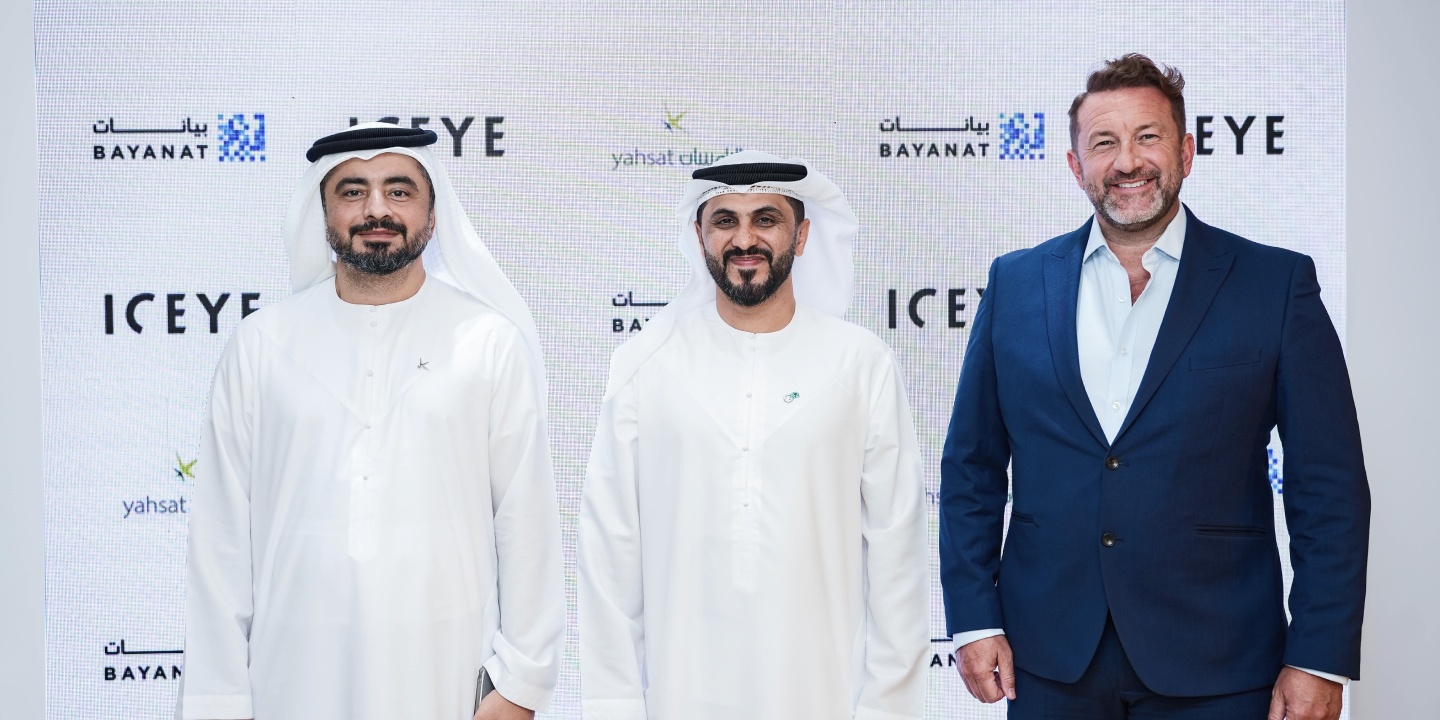
Bayanat, a prominent geospatial data analytics firm, and Yahsat, a leading satellite communications provider, are poised to finalize their merger by next month. This strategic union aims to enhance service delivery across the Middle East and North Africa (MENA) region, leveraging each company’s strengths in data analytics and satellite technology.

The merger represents a significant consolidation in the geospatial and satellite sectors, allowing the combined entity to offer a more robust suite of services. By integrating Bayanat’s advanced analytics capabilities with Yahsat’s satellite infrastructure, the companies plan to provide innovative solutions tailored to a variety of sectors, including government, defense, telecommunications, and natural resources.

As part of the merger, the leadership teams of both companies have emphasized a shared vision of fostering technological advancements and promoting digital transformation. Bayanat’s expertise in big data analytics is expected to complement Yahsat’s satellite communication services, allowing for real-time data processing and improved decision-making for clients. The collaboration is expected to facilitate enhanced services such as remote sensing, location-based services, and real-time monitoring for clients across various industries.

The merger is also positioned as a response to the increasing demand for high-quality geospatial data and reliable communication solutions in the region. As businesses and governments seek to optimize operations and improve efficiency, the ability to access and analyze geospatial information has become more crucial. Yahsat’s satellite technology will enable the delivery of data in remote areas, ensuring that organizations can benefit from Bayanat’s analytical insights regardless of their geographic location.

With this merger, the companies aim to position themselves as market leaders in the geospatial intelligence and satellite communications space. Industry analysts anticipate that the combined entity will have a significant competitive edge over its rivals due to the synergies generated from their respective technologies and expertise.

The merger has been welcomed by various stakeholders, including government entities that recognize the potential benefits of improved data services and satellite connectivity. This union aligns with broader governmental strategies focused on enhancing technological capabilities within the region. By improving access to data-driven insights, the merger is expected to support national initiatives in various sectors, from urban planning to disaster management.

Yahsat, which has been expanding its operations since its inception in 2007, has established itself as a leader in satellite communication, offering services that span the globe. The company operates multiple satellites and has formed strategic partnerships to enhance its service offerings. Bayanat, a subsidiary of the Abu Dhabi-based Group 42, specializes in AI-driven analytics, offering advanced solutions that harness big data for actionable insights. This merger marks a new chapter in both companies’ histories, combining their respective strengths to create a formidable entity in the tech landscape.

The merger has also sparked discussions regarding the future of the satellite and geospatial sectors within the MENA region. Experts highlight the importance of such consolidations in driving innovation and enhancing service delivery. As the demand for data services continues to grow, companies that can effectively integrate technology and analytics will be better positioned to meet market needs.

Looking ahead, the combined resources of Bayanat and Yahsat are expected to accelerate research and development initiatives. Both companies have indicated plans to invest in new technologies that enhance their service capabilities, focusing on next-generation satellite technologies and advanced analytical tools. This emphasis on innovation is crucial in a rapidly evolving market where clients increasingly expect sophisticated solutions.

In addition to enhancing their technological capabilities, the merger is anticipated to have significant implications for the regional job market. As the combined entity grows, it is expected to create new employment opportunities in tech development, project management, and customer support. This aligns with broader economic goals within the UAE to foster job creation in high-tech industries.

The merger has also raised questions about regulatory considerations, as the consolidation of two major players in the geospatial and satellite sectors may draw scrutiny from regulatory bodies. Ensuring compliance with local and international regulations will be essential for the newly formed entity as it seeks to navigate the complexities of the market.

The Dubai Financial Market (DFM) has completed its scheduled review of the General Index and Islamic Index, applying the new stock weightings to both indices starting today. This periodic evaluation aims to ensure the indices accurately reflect the market’s movements and the performance of listed companies.

The reviewed weightings, effective immediately, are expected to provide a clearer picture of the current market standing. The adjustments have garnered significant attention as investors and stakeholders analyze how the updated figures will impact their portfolios and trading strategies. The changes come during a time of increased global financial uncertainty, making the recalibration of these indices a critical measure for the market’s participants.

DFM’s review process, undertaken twice annually, forms a core part of its strategy to maintain a balanced and representative index system. This time, the Islamic Index received heightened scrutiny as sharia-compliant investments have seen a surge in global interest. The modifications to both indices are reflective of market activity over the past months, including stock performance, market capitalization, and liquidity considerations.

Many large-cap companies retained their influential positions within the indices, while certain mid-cap and smaller firms saw their weightings adjusted. The DFM General Index, a barometer of the broader market performance, experienced changes that industry analysts believe could signal emerging trends in the region’s economic sectors. The Islamic Index, which tracks sharia-compliant companies, also saw updates aligning with the growing demand for ethical investments across the Middle East and North Africa (MENA) region.

Several market experts are focusing on the potential impact these adjustments will have on the financial landscape in the UAE and beyond. With the global investment community closely observing DFM’s activities, the revised weightings could affect decisions made by institutional investors and fund managers, particularly those with significant holdings in both the General and Islamic Indices.

Companies with strong fundamentals and steady performance records were expected to maintain or even improve their positions in the indices, while those with fluctuating market capitalization and lower liquidity risk seeing their weightings diminished. The review is based on a transparent methodology that takes into account factors such as market capitalization, free float, and compliance with DFM’s stringent listing standards.

This year’s review comes at a time when the UAE’s capital markets are witnessing renewed interest from both regional and international investors. Analysts have pointed to the growth of sectors such as real estate, banking, and technology, which continue to drive much of the economic activity on the exchange. DFM’s Islamic Index, in particular, has seen an uptick in interest as sharia-compliant investments become increasingly attractive in an era of socially responsible investing.

With Dubai positioning itself as a global hub for financial services, the success and accuracy of its indices remain pivotal for both local and foreign investors. The DFM General Index, often viewed as a proxy for the health of Dubai’s economy, offers a snapshot of the market’s trajectory. Likewise, the Islamic Index is gaining attention due to the global rise in demand for Islamic finance solutions, particularly as countries across the Gulf continue to diversify their economies away from oil dependence.

Today’s application of the new weightings comes at a time of heightened anticipation among traders and fund managers who closely monitor any shifts in the indices for signs of underlying market movements. Analysts are already beginning to issue forecasts based on the changes, with some expecting a boost in the performance of companies that gained weight in the review.

Several of Dubai’s top-listed firms continue to dominate the General Index, including major players in sectors such as banking, real estate, and logistics. The Islamic Index, meanwhile, continues to feature companies that comply with sharia principles, covering a range of industries from financial services to energy. As Dubai continues to strengthen its regulatory frameworks, ensuring transparency and investor protection, the DFM’s indices play a crucial role in attracting foreign investment and maintaining market stability.

The periodic review also brings into focus the importance of accurate and timely data in market operations. Investors rely on these recalibrations to make informed decisions, particularly when it comes to index-linked investments such as exchange-traded funds (ETFs) and index funds. With the UAE’s capital markets maturing, the role of DFM’s indices in reflecting the true performance of the economy is more critical than ever.

DFM’s commitment to reviewing its indices bi-annually ensures that they remain aligned with international best practices. As part of this process, DFM collaborates with a wide range of stakeholders, including regulators, market participants, and financial experts, to ensure that its indices maintain a high standard of accuracy and relevance. This collaborative approach has helped cement DFM’s position as one of the leading exchanges in the MENA region.

VISHNU RAJA
RYO YAMADA
HITORI GOTOH
IKUYO KITA