News related to
Part

Finance House, listed on the Abu Dhabi Securities Exchange (ADX), has successfully repurchased 10% of its subscribed capital, equating to over 1.7 million shares. This move, disclosed in a Monday filing, underscores the company’s strategic financial adjustments and commitment to enhancing shareholder value.

The repurchase of shares is part of Finance House’s broader strategy to manage capital efficiently and potentially boost its stock price. By acquiring a significant portion of its shares, the company aims to consolidate its financial position and signal confidence in its future performance to investors.

The transaction is a notable step in Finance House’s efforts to optimize its capital structure. Share buybacks are often employed by firms to return value to shareholders, particularly when they believe their stock is undervalued or when they seek to improve key financial metrics such as earnings per share.

In the context of the Abu Dhabi financial market, such moves can influence investor sentiment and market dynamics. The buyback reflects broader trends in the market where companies engage in strategic financial maneuvers to enhance shareholder returns and stabilize stock prices.

Finance House’s decision aligns with practices observed among other companies in the region that utilize share repurchases as a tool for financial management and shareholder engagement. The firm’s proactive approach in managing its equity base is indicative of its confidence in the stability and growth prospects of its business operations.

As the Abu Dhabi Securities Exchange continues to evolve, the impact of such repurchases on stock liquidity and investor confidence will be closely monitored. The market’s response to Finance House’s move could provide insights into broader investor attitudes and market trends within the financial sector.

This development highlights Finance House’s ongoing efforts to strengthen its financial standing and reinforce its commitment to creating value for its shareholders. The company’s strategic actions are likely to influence its market position and contribute to its long-term growth objectives.


 By Arun Srivastava   It  is  the story of  two rapes,  one in  Kolkata and  another in Muzaffarpur – the  first  one a middle class   doctor and the  second one  a Dalit  girl. Both incidents took  place took  place within  a  gap  of two  days.. While   in  case  of  one,  following  massive   protests   across the […]

HONG KONG SAR – Media OutReach Newswire – 19 August 2024 – In partnership with a leading institutional fund, one of the region’s largest Flexible Workspace Operators, The Flexi Group has taken over operations at a former WeWork site in Sheung Wan, Hong Kong, and will re-brand the location as the Hive PoHo. The Hive PoHo, situated at 5-13 New Street, opened in July 2024 and spans […]

KUALA LUMPUR, MALAYSIA – Media OutReach Newswire – 19 August 2024 – Celebrated on 19 August, World Humanitarian Day honours humanitarians around the world who strive to meet ever-growing global needs. On its part, an international financial broker Octa continues with its commitment to contributing to humanitarian endeavours worldwide, implementing various charity initiatives that target some of the most pressing issues local communities face. Malaysia To celebrate […]

The UAE Ministry of Interior has introduced the tenth edition of its Future Services Diploma, an initiative aimed at streamlining government processes and advancing the nation’s public service sector. The program, set to begin next month, is part of the ministry’s broader strategy to align with the UAE government’s vision of enhancing service delivery through cutting-edge technologies. Key highlights of the diploma include the elimination of bureaucratic […]

Visitor numbers to the Sheikh Zayed Grand Mosque in Abu Dhabi surged by 70% in 2023, demonstrating its significant appeal as a cultural landmark. The mosque, which blends traditional Islamic architecture with contemporary design elements, has seen an influx of international visitors, solidifying its status as one of the world’s most visited religious sites. The Sheikh Zayed Grand Mosque Centre (SZGMC) has actively promoted the mosque’s cultural […]

U.S. intelligence agencies have officially attributed a recent series of cyberattacks targeting the 2024 presidential campaigns of Donald Trump and Kamala Harris to Iranian hackers. This confirmation, which marks a significant development in ongoing cybersecurity concerns, highlights Tehran’s broader strategy to interfere in U.S. politics and undermine trust in democratic institutions.

The cyber intrusion, which initially came to light through investigations by private cybersecurity firms, has now been explicitly linked to Iran by a joint statement from the FBI, the Office of the Director of National Intelligence, and the Cybersecurity and Infrastructure Security Agency. The statement underscores the escalating nature of Iran’s cyber operations, particularly as they relate to critical political events in the United States.

According to the U.S. government, these hacking efforts were part of a larger campaign by Iran aimed at influencing the outcome of the U.S. elections. The intrusions were not limited to Trump’s campaign; Harris’ campaign team was also targeted. Hackers reportedly sought to gain access to individuals closely associated with both campaigns, reflecting a concerted effort to gather intelligence and potentially manipulate electoral outcomes.

Private sector entities such as Microsoft and Google had previously issued warnings about similar activities, noting that Iranian groups linked to the Revolutionary Guard had attempted to infiltrate the personal email accounts of individuals connected to both Trump and Harris. These activities were seen as part of a broader pattern of foreign interference that has increasingly characterized U.S. electoral cycles.

Federal officials have emphasized the seriousness of these attacks, noting that they represent not just isolated incidents but a calculated strategy by Iran to exert influence over key aspects of American governance. This strategy, they argue, is particularly concerning given the potential implications for national security and the integrity of the democratic process.

The timing of these revelations, coming as the 2024 presidential race intensifies, adds another layer of complexity to an already fraught political landscape. As U.S. officials continue to investigate the full extent of Iran’s activities, there are growing calls for stronger cybersecurity measures to protect against foreign interference in American elections.

Advertisements

HONG KONG SAR – Media OutReach Newswire – 19 August 2024 – Quantum simulation enables scientists to simulate and study complex systems that are challenging or even impossible using classical computers across various fields, including financial modelling, cybersecurity, pharmaceutical discoveries, AI and machine learning. For instance, exploring molecular vibronic spectra is critical in understanding the molecular properties in molecular design and analysis. However, it remains a long-standing […]

WETEX, the Water, Energy, Technology, and Environment Exhibition, has become a significant platform showcasing Dubai’s commitment to sustainability and innovation. Organized by the Dubai Electricity and Water Authority (DEWA), this event is a cornerstone in the emirate’s strategy to position itself as a leader in green technologies and sustainable development. Held under the leadership of His Highness Sheikh Mohammed bin Rashid Al Maktoum, WETEX has consistently drawn […]

Delta Dunia Group announced that its subsidiary, PT Bukit Makmur Mandiri Utama (“BUMA”), has signed a Mining Services Agreement with PT Persada Kapuas Prima (“PKP”) on August 12, 2024. The mining services work will take place over the Life of Mine, with the initial phase planned for a period of 9 years. The contract is expected to generate annual production of more than 359,330,000 bcm for overburden […]

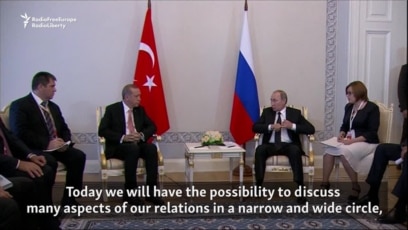
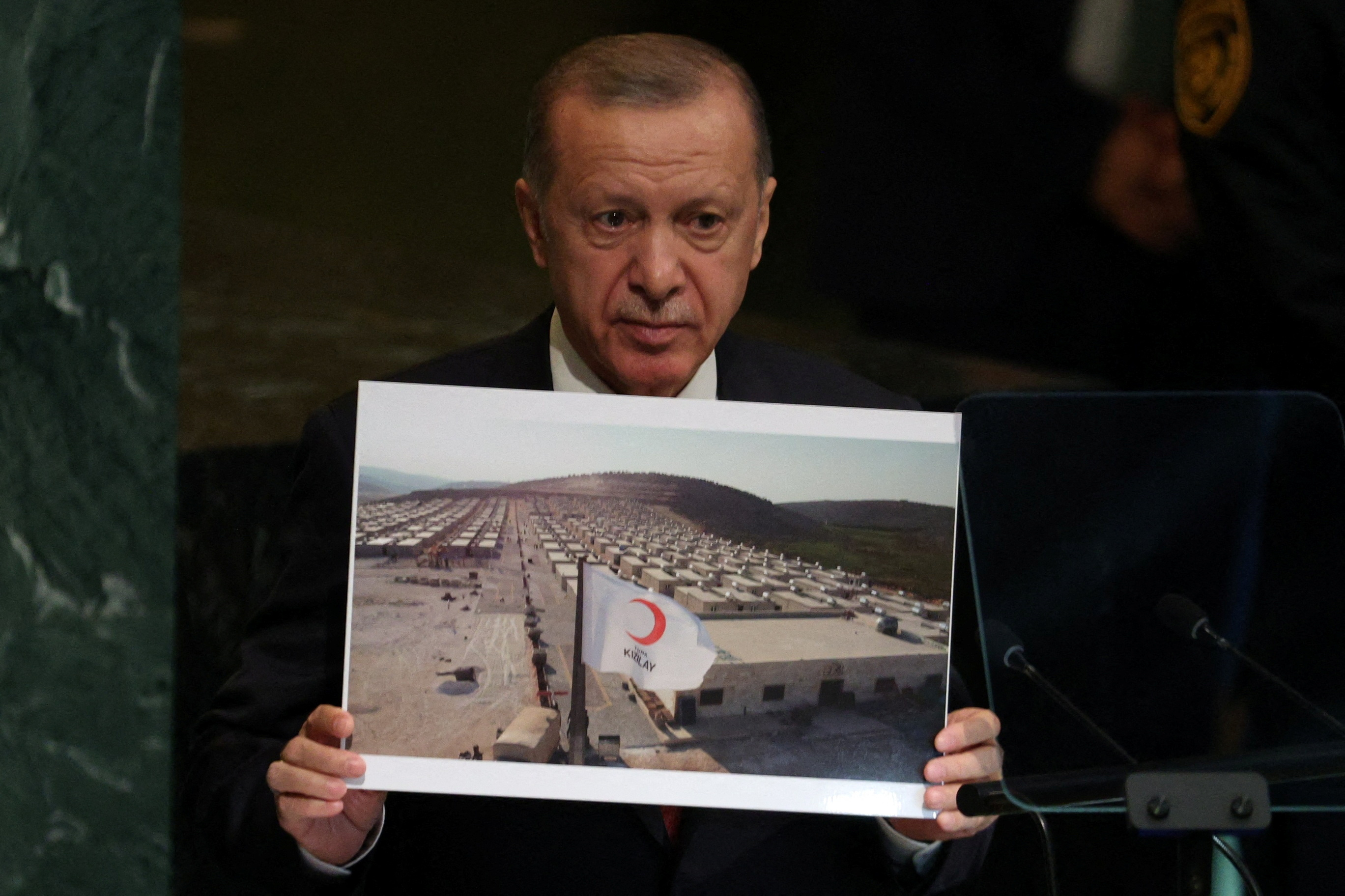
A new trade agreement between government-controlled and opposition-held areas in Syria marks a significant development in the Syrian conflict. This trade initiative, involving key economic exchanges between these once-divided regions, hints at a possible warming of relations between Syrian President Bashar al-Assad and Turkish President Recep Tayyip Erdogan.

The trade agreement comes amid shifting geopolitical dynamics, with Russia playing a pivotal role in facilitating dialogue between the Assad regime and various opposition factions. Moscow’s intervention in the Syrian conflict in 2015, aimed at restoring Assad’s control, has now expanded to include efforts to bridge the gap between conflicting parties. The recent trade pact underscores a potential realignment of alliances and objectives in the region.

The agreement involves the exchange of goods such as food, medicine, and construction materials, which are crucial for rebuilding efforts in the war-torn country. This trade is being managed through a network of intermediaries and is expected to alleviate some of the economic pressures faced by both sides. The move also reflects broader strategic interests, with both Assad and Erdogan seeking to stabilize their respective positions in the region.

The initiative has garnered attention from various international observers and analysts, who view it as a strategic maneuver by both leaders to consolidate their control and influence. The Syrian government sees this trade agreement as a means to reinforce its authority and address humanitarian needs, while Erdogan’s administration is leveraging the opportunity to address economic and political pressures within Turkey.

The trade pact aligns with Russia’s broader objectives in Syria, where Moscow has been working to strengthen its diplomatic and strategic foothold. The Russian government has been actively involved in brokering discussions and mediating between conflicting parties, aiming to create a more stable and cooperative environment in Syria. This recent development is seen as a part of Russia’s strategy to enhance its influence and facilitate a more sustainable resolution to the conflict.

The reaction from the international community has been mixed. While some view the agreement as a positive step towards reducing tensions and fostering dialogue, others remain skeptical about its long-term impact on the broader conflict. Critics argue that while the trade initiative may offer short-term benefits, it does not address the underlying political and security challenges that continue to plague Syria.

As the situation evolves, stakeholders are closely monitoring how this trade agreement will affect the broader dynamics of the Syrian conflict. The potential for improved relations between Assad and Erdogan could reshape the geopolitical landscape of the region, influencing not only Syria’s internal politics but also its interactions with neighboring countries and international actors.

The trade agreement between Syrian regime and rebel areas represents a notable shift in the ongoing conflict, with implications for both regional politics and international diplomacy. The development highlights the complex and evolving nature of the Syrian crisis, reflecting broader trends and strategic interests that continue to shape the region’s future.

Abu Dhabi’s Department of Health (DoH) has unveiled a pioneering Clinical Genomic Medicine and Genetic Counselling program designed to advance the skills of Emirati physicians in the rapidly evolving field of genomic medicine. This six-month course, a first in the region, is conducted in collaboration with the International Center for Genetic Disease (iCGD), Brigham and Women’s Hospital, Harvard Medical School, and hosted by Khalifa University. The initiative […]

The Saudi Public Investment Fund (PIF) has achieved notable financial gains following a global market upswing, significantly boosting its returns. This surge is attributed to a series of positive developments across various global markets, enhancing the value of PIF’s diverse investment portfolio.

In the past quarter, PIF’s investment performance has markedly improved, reflecting a broader positive trend in global equities. The rally in major stock indices, including those in the US and Europe, has contributed substantially to the fund’s recent success. Particularly strong performances in the technology and energy sectors have been instrumental, with stocks in these areas achieving substantial growth.

The PIF, known for its strategic investments in sectors such as technology, entertainment, and infrastructure, has benefited from its early and diversified investments in high-growth areas. Investments in cutting-edge technology firms and renewable energy projects have yielded impressive returns, aligning with the global emphasis on innovation and sustainability.

Recent data reveals that the PIF’s stake in various tech giants and renewable energy companies has been a key driver behind the improved performance. Companies focusing on artificial intelligence, clean energy, and digital transformation have seen their stock values rise significantly, thereby boosting the value of PIF’s investments.

In addition to equity investments, PIF’s strategic acquisitions and partnerships have played a crucial role. The fund’s engagement in major international projects and joint ventures has not only diversified its investment portfolio but also enhanced its global footprint. This approach has allowed PIF to leverage emerging market trends and capitalize on lucrative opportunities.

Moreover, the PIF’s focus on geographic diversification has helped mitigate risks associated with market volatility. By investing across various regions and sectors, the fund has effectively balanced its portfolio, ensuring stability and growth despite fluctuations in specific markets.

The recent market rally has also been supported by favorable macroeconomic conditions, including low-interest rates and strong economic recovery signals from key markets. This environment has created a conducive backdrop for investment gains, further amplifying the positive impact on the PIF’s returns.

Looking ahead, the PIF is expected to continue benefiting from ongoing global market trends and its strategic investment choices. The fund’s proactive approach to identifying and investing in high-potential sectors positions it well to capitalize on future market opportunities and maintain its robust financial performance.

As the global economy evolves, the PIF’s ability to adapt and strategically align its investments with emerging trends will be crucial. The fund’s continued focus on diversification and innovation will likely play a significant role in sustaining its growth trajectory and reinforcing its position as a leading global investment player.

The GNOME desktop environment’s latest extension, Tiling Shell, offers Ubuntu users a powerful tool designed to streamline their workflow. This extension significantly boosts productivity by providing advanced tiling capabilities, allowing users to manage multiple windows more efficiently. Tiling Shell introduces a dynamic grid system that automatically arranges open windows into a customizable layout. This feature is particularly beneficial for users who frequently work with several applications simultaneously, […]

The UAE Red Crescent has announced the launch of the second phase of its “From My Country’s Bounty” initiative, targeting the summer season with renewed efforts to address food security and support vulnerable populations. This new phase, dubbed “Summer Season 2,” builds on the success of the initiative’s initial phase by expanding its scope and impact. The primary goal of the initiative is to alleviate food scarcity […]

Saudi Arabia’s Vision 2030 has placed a strong emphasis on empowering women and fostering their active participation in the country’s economic transformation. One key aspect of this agenda is the focus on promoting women’s involvement in the financial sector, which has historically been male-dominated. The Rise of Women-Led Businesses and the Need for Inclusive Financing As Saudi Arabia continues to diversify its economy and promote entrepreneurship, women-owned […]

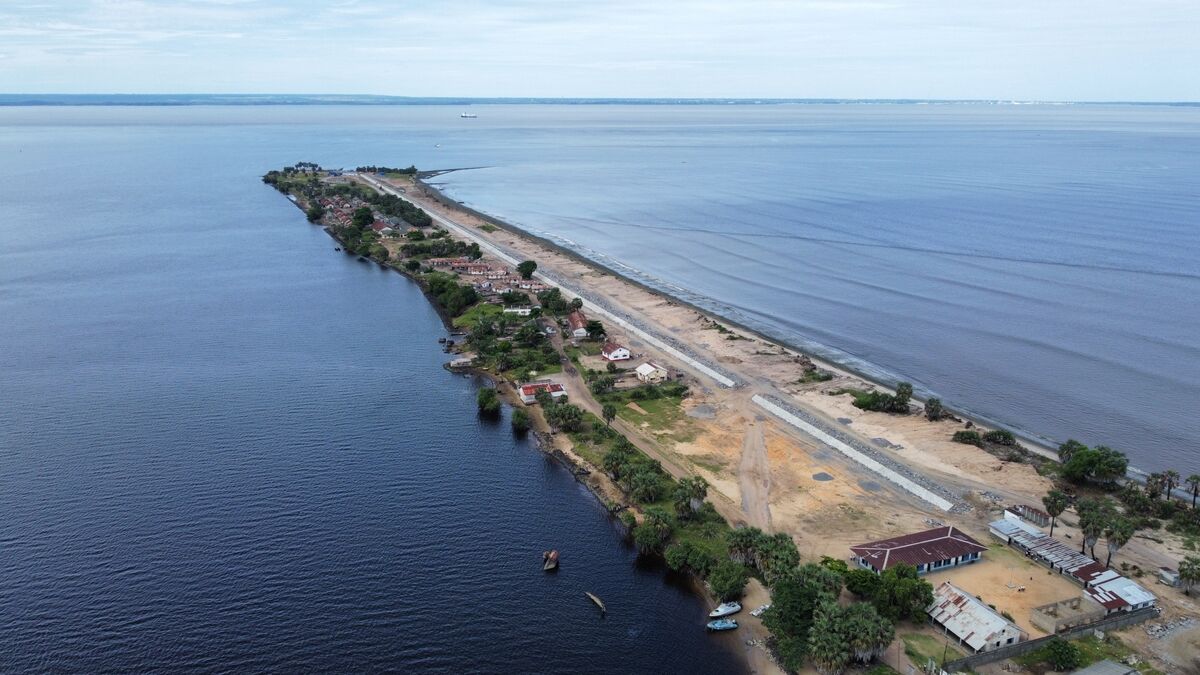
A major infrastructure venture is underway as DP World and British International Investment join forces to establish the Democratic Republic of Congo’s first deep-water port. This landmark project aims to significantly reduce trade costs and stimulate the local economy by creating approximately 85,000 jobs.

The deep-water port, strategically located on the Atlantic coast, will enhance Congo’s trade capabilities by accommodating larger vessels and improving logistical efficiency. Currently, Congo’s maritime infrastructure is limited, with most ports unable to handle significant cargo volumes due to shallow waters. The new port will address these constraints, offering a modern facility that can support the country’s growing trade demands.

Trade experts anticipate that the port will lower the cost of importing and exporting goods by up to 12%. This reduction is expected to have a broad economic impact, facilitating more affordable access to international markets for Congolese businesses and boosting the nation’s economic competitiveness on the global stage.

The project represents a substantial investment in Congo’s economic infrastructure, signaling a robust commitment from both DP World and British International Investment to the region’s development. By improving port facilities, the initiative will also enhance supply chain efficiency, which is crucial for Congo’s key export sectors, including mining and agriculture.

Construction of the port is projected to commence in the coming months, with the development phase anticipated to last several years. During this period, the project will generate significant employment opportunities, ranging from construction jobs to roles in port operations and logistics. The anticipated job creation is expected to provide a substantial boost to the local economy, supporting thousands of families and contributing to broader economic stability in the region.

The deep-water port is poised to transform the economic landscape of the Democratic Republic of Congo. It will not only modernize the country’s maritime infrastructure but also catalyze growth across various sectors, from trade and logistics to regional development.

As work on the port progresses, the collaboration between DP World and British International Investment is expected to attract additional international interest and investment in Congo’s infrastructure projects. The partnership underscores a growing trend of global investors focusing on the development of critical infrastructure in emerging markets, recognizing the long-term economic benefits these projects can deliver.

This ambitious initiative highlights the potential for significant progress in Congo’s economic development through strategic investments in infrastructure. The establishment of a deep-water port marks a pivotal step forward, promising to enhance trade efficiency, stimulate job creation, and support broader economic growth.

BluSmart, the prominent Indian electric vehicle (EV) startup, is making strides in the United Arab Emirates (UAE) as it aims to transform the region’s transportation sector. The company is set to introduce a comprehensive fleet of electric taxis, leveraging its experience in sustainable mobility to address the UAE’s growing environmental concerns. BluSmart’s entry into the UAE market aligns with the country’s strategic vision to diversify its energy […]

More than 60 Expert Speakers Explore the Innovative Future of AI Driven Entertainment Industry HONG KONG SAR – Media OutReach Newswire – 19 August 2024 – The annual Digital Entertainment Leadership Forum 2024 (DELF 2024), organised by Cyberport concluded successfully yesterday. The three-day event featured rich programmes including industry forums, experiential zones, workshops, and competitions, attracting over 3,500 participants from both local and international regions, and garnered […]

Trade between Syria’s regime-held territories and rebel-controlled regions in Idlib has begun to show signs of increased cooperation, potentially hinting at a warming relationship between Syrian President Bashar al-Assad and Turkish President Recep Tayyip Erdogan. This development comes after years of hostilities that have defined the Syrian civil war and the broader geopolitical dynamics in the region.

The Bab al-Hawa crossing, a critical gateway for humanitarian aid and commercial trade between Syria and Turkey, is now functioning under the control of Hayat Tahrir al-Sham (HTS), an Islamist rebel group that dominates the Idlib region. Despite Turkey’s classification of HTS as a terrorist organization, the crossing has become a vital economic lifeline, with HTS reportedly generating millions of dollars in revenue from customs and tariffs imposed on goods passing through the border.

In a more controversial move, HTS has initiated trade with areas under the control of the Syrian regime, particularly through the Saraqib crossing. This crossing, which reopened following negotiations involving HTS, Syrian regime representatives, and Russian commanders, was touted as a means to revitalize the local economy. HTS claimed that the reopening would alleviate the severe shortages of medicine and other essential goods in Idlib, while also boosting the region’s agricultural sector.

The reopening of the Saraqib crossing has been met with mixed reactions. While HTS argues that this economic cooperation is necessary to sustain the local population and reduce reliance on smuggling, critics view it as a betrayal of the rebel cause, potentially signaling a shift in HTS’s stance towards the Assad regime. Additionally, there are reports of ongoing consultations between HTS and Turkey regarding the crossing, indicating a complex interplay of interests that could be influencing the group’s decisions.

The potential rapprochement between Assad and Erdogan is further complicated by Russia’s role in mediating and promoting these trade links. Russia, a key ally of the Syrian government, has been pushing for a normalization of relations between Turkey and Syria, as part of its broader strategy to stabilize the region and secure its interests. This effort aligns with Russia’s goal of strengthening Assad’s position while ensuring that Turkey, which backs several rebel factions, remains engaged in the political process rather than pursuing military options.

However, the thaw in relations is not without challenges. Turkey continues to support rebel groups in Idlib, and any overt alignment with the Assad regime could undermine Erdogan’s standing domestically and among Syrian opposition groups. Moreover, the economic benefits of these trade arrangements, while significant, do not address the underlying political and military tensions that persist between the two sides.

As trade between regime and rebel areas continues to expand, observers are closely monitoring whether this economic cooperation will lead to a broader political detente or if it will merely serve as a pragmatic arrangement in a protracted conflict. The implications of this development could have far-reaching consequences for the future of Syria and the region, particularly if it leads to a recalibration of alliances and power dynamics.

Civilians in the eastern Ukrainian city of Pokrovsk are facing an urgent evacuation order due to advancing Russian military forces. Local authorities have instructed families with children to leave the city immediately, highlighting the intensifying threat posed by the ongoing conflict. The directive comes as Russian troops make significant progress toward this key logistical hub. Pokrovsk, a vital city in eastern Ukraine, has been under heightened scrutiny […]

Arabian Post Staff U.S. Secretary of State Antony Blinken has emphasized that the current diplomatic initiative to secure a ceasefire between Israel and Hamas represents a critical juncture, possibly the last viable chance for peace. During his latest statement, Blinken underlined the urgency of finalizing a ceasefire agreement, reflecting Washington’s intensifying efforts to halt the ongoing conflict. Blinken’s remarks come as international pressure mounts on both sides […]

Leaders from the Southern African Development Community (SADC) gathered for their 44th Ordinary Summit in Maputo, Mozambique, with Seychelles making a significant appearance. The summit, which took place on August 16-17, 2024, focused on critical regional issues including economic integration, climate change, and security.

President Wavel Ramkalawan of Seychelles led the nation’s delegation, emphasizing the country’s commitment to regional collaboration and sustainable development. Seychelles, an island nation with a strategic position in the Indian Ocean, has been an active participant in SADC’s efforts to foster economic growth and political stability in Southern Africa.

During the summit, discussions centered on enhancing economic partnerships within the SADC region. Leaders debated strategies to boost intra-regional trade and investment, aiming to reduce economic vulnerabilities and improve resilience against global economic uncertainties. Seychelles has expressed strong support for initiatives aimed at promoting trade and investment, recognizing the potential benefits for its own economy and the broader region.

Climate change emerged as a key topic, with the region’s vulnerability to environmental changes underscored. The summit addressed the need for collective action to mitigate the impacts of climate change, including strategies for disaster preparedness and sustainable resource management. Seychelles, with its unique geographic challenges, has been vocal about the importance of robust climate action and shared resources among member states.

Security concerns also featured prominently in the discussions, reflecting ongoing issues such as maritime security and regional conflicts. The summit reaffirmed the commitment of SADC members to collaborate on security matters, aiming to enhance peace and stability across the region. Seychelles, with its strategic location and maritime interests, has been an active participant in regional security initiatives and cooperative efforts.

The summit provided a platform for the exchange of views and experiences among member states. It highlighted Seychelles’ role in advocating for policies that align with its national interests while contributing to the collective goals of the SADC. The island nation’s engagement in the summit underscores its dedication to fostering regional cooperation and addressing shared challenges.

In addition to these key areas, the summit also included discussions on enhancing institutional frameworks within SADC. Leaders reviewed the effectiveness of existing structures and explored opportunities for strengthening organizational capacities. Seychelles’ participation in these deliberations reflects its ongoing commitment to improving the operational efficiency of the SADC and ensuring that it effectively addresses the needs of its member states.

The outcomes of the summit are expected to shape the future direction of the SADC and influence regional policies. Seychelles’ contributions and active involvement are likely to play a significant role in the implementation of the summit’s resolutions, particularly in areas related to economic development, climate resilience, and regional security.

The 44th Ordinary Summit of SADC Heads of State and Government marks a continued effort towards enhancing regional integration and cooperation. Seychelles’ engagement highlights its strategic role within the organization and its dedication to advancing shared goals and addressing collective challenges in Southern Africa.

Arabian Post Staff O2 Group has emerged as a game-changer in the UAE’s real estate and financial advisory sectors, driving innovation through bespoke solutions and strategic partnerships. As the primary facilitator for foreign investors entering the UAE market, the company offers a range of customized services designed to streamline market entry and investment processes. With the UAE’s real estate market continuing to attract substantial international interest, O2 […]

VISHNU RAJA
RYO YAMADA
HITORI GOTOH
IKUYO KITA