News related to
Part

World Bank’s commitment to addressing global climate challenges reached an all-time high, with $42.6 billion in climate finance delivered during fiscal 2024. This marks a $4 billion increase from the previous fiscal year and highlights the institution’s efforts to align a significant portion of its lending with climate objectives. Despite the progress, the sum remains a fraction of the trillions needed annually to combat climate change effectively, […]

BEIJING, CHINA – Media OutReach Newswire – 18 September 2024 – On September 12, the 2024 China International Fair for Trade in Services officially kicked off. The Beijing Economic-Technological Development Area (also known as Beijing E-Town) made a stunning debut in Hall 2 of the Shougang Park with its themed exhibition area. By showcasing cutting-edge innovations like Xiaomi’s SU7, Longwood Valley MedTech’s surgical robot, and the Jielong-3 […]

OpenAI’s GPT-4, a leading AI language model, has sparked discussions regarding its environmental impact, particularly in terms of water usage. A recent study reveals that the model consumes the equivalent of three water bottles to generate just 100 words of text. This revelation has raised concerns amid growing scrutiny over the resource demands of advanced artificial intelligence systems. The study highlights the intricate relationship between AI development […]

A Crucial Milestone in the Fight Against Cardiovascular Disease in Chinese Population HONG KONG SAR – Media OutReach Newswire – 22 September 2024 – A groundbreaking AI-powered risk prediction tool is poised to revolutionize the prevention and management of cardiovascular disease (CVD) within the Chinese population. Professor Celine Chui Sze-ling, Assistant Professor of the School of Nursing and the School of Public Health, LKS Faculty of Medicine, […]

India’s foreign exchange reserves have surged to an unprecedented level of $689.458 billion, marking a crucial milestone for the country’s economic positioning in global markets. The reserves, which reflect the country’s ability to meet external obligations and provide a buffer against financial instability, increased by $223 million in the week ending September 13. This rise has further cemented India’s status as one of the largest holders of foreign currency reserves worldwide, positioning it as a key player in the global financial arena.

Despite this substantial increase in the overall reserves, the composition of these reserves presented a more nuanced picture. Foreign currency assets (FCA), which form the largest component of the reserves, witnessed a reduction of $515 million. These assets, held in different currencies such as the U.S. dollar, euro, pound sterling, and Japanese yen, are a critical indicator of India’s foreign currency holdings and are often affected by currency fluctuations and interest rates in international markets. The decline in FCA was offset by other components of the reserves, particularly the significant increase in gold reserves.

Gold reserves saw a sharp rise of $899 million during the same period, underscoring the metal’s continued relevance as a safe haven asset. This increase suggests that India’s central bank may be looking to diversify its holdings in response to broader global uncertainties. Gold, traditionally regarded as a hedge against inflation and economic instability, has been gaining renewed attention among global central banks. As countries face the challenges of rising geopolitical tensions and economic fluctuations, gold’s role as a stabilizing force has once again come into focus.

While the rise in gold reserves was notable, other components of India’s foreign exchange holdings, such as Special Drawing Rights (SDRs) and the reserve position with the International Monetary Fund (IMF), experienced marginal declines. SDRs, which represent a basket of international currencies and serve as a supplementary reserve asset allocated by the IMF, dropped by $50 million. Similarly, the country’s reserve position in the IMF, which allows access to international liquidity and contributes to global financial stability, recorded a decrease of $111 million.

The overall uptick in reserves comes at a time when India’s economic outlook remains relatively resilient compared to other emerging markets. The reserves serve not only as a tool for defending the rupee in times of volatility but also as an indicator of investor confidence in India’s macroeconomic stability. A stronger reserve position allows India to better manage external shocks, such as oil price fluctuations, trade imbalances, and global financial turbulence.

India’s reserves are now among the highest globally, trailing only China, Japan, and Switzerland. This latest achievement reflects the country’s efforts to build a robust foreign exchange buffer since the economic reforms of the 1990s. Since then, successive governments have prioritized strengthening the reserves to safeguard the country from external vulnerabilities. The rise in reserves has also been fueled by sustained foreign investment inflows and a healthy current account balance in previous quarters, driven in part by a recovery in global demand for goods and services after pandemic-induced disruptions.

Analysts have pointed out that India’s reserve accumulation strategy is likely to be shaped by several factors in the coming months. Global interest rate trends, particularly in the United States, will have a significant impact on foreign currency assets, while commodity prices, especially crude oil, will influence the country’s import bill. Moreover, ongoing geopolitical tensions, trade uncertainties, and inflationary pressures in major economies will also affect the Reserve Bank of India’s (RBI) approach to managing these reserves.

The central bank has maintained a cautious approach toward managing the reserves, intervening in the forex market to curb excessive volatility in the rupee’s value. A stable and sufficient level of reserves allows the RBI greater flexibility in implementing monetary policy and defending the currency against external shocks. With inflationary pressures rising globally and the U.S. Federal Reserve tightening its monetary policy, India’s reserve position will play a critical role in maintaining domestic economic stability.

In the past, India has faced challenges related to its foreign exchange reserves, particularly during the 1991 balance of payments crisis, when reserves had dwindled to just a few weeks’ worth of imports. The crisis marked a turning point in India’s economic policy, leading to structural reforms that opened the economy to greater foreign investment and trade. Since then, India has steadily accumulated reserves, reaching new highs over the years. The importance of a strong forex reserve was highlighted again during the global financial crisis of 2008 and the economic shocks caused by the COVID-19 pandemic, where countries with stronger reserves were better able to weather financial market disruptions.

As of the latest data, India’s forex reserves provide an import cover of approximately 10 months, which is well above the internationally recommended threshold. This gives India a comfortable cushion to meet its external payment obligations and insulate the economy from global shocks. The reserves also provide a buffer to support the rupee, which has faced depreciation pressures amid fluctuating oil prices and changes in global investor sentiment.

Going forward, experts suggest that India’s focus should remain on maintaining a balanced reserve composition. While the accumulation of foreign currency assets is crucial, ensuring diversification through gold and other assets will provide added protection against global market volatility. Moreover, with India being a major importer of crude oil, fluctuations in energy prices will continue to play a significant role in determining the country’s forex reserve levels.


Joint Effort Aims to Accelerate Growth and Expansion of Thai Companies in Singapore SINGAPORE – Media OutReach Newswire – 19 September 2024 – SUNRATE, an intelligent global payment and treasury management platform, announced that it has signed a memorandum of understanding (MOU) with the Singapore-Thai Chamber of Commerce (STCC Thailand) to empower Thai companies seeking to scale and operate in Singapore. As part of the partnership, members […]

India’s climate tech sector is facing significant funding challenges, according to a report by IIMA Ventures and MUFG Bank. Despite the country boasting over 800 climate tech startups, the ecosystem is grappling with limited access to capital, which is hampering innovation in critical areas such as renewable energy, carbon capture, and sustainable agriculture. The findings highlight a growing concern over the sector’s future, as it seeks to […]

Advertisements

President Joe Biden convened with key Indo-Pacific leaders on Saturday, reaffirming the United States’ commitment to bolstering regional maritime cooperation and countering the growing strategic influence of China. During the summit with the leaders of India, Australia, and Japan, Biden underscored the importance of the Quadrilateral Security Dialogue (Quad), a security coalition increasingly focused on ensuring the stability of the Indo-Pacific region, both economically and militarily. Biden’s […]

Brazil’s video game market is set to take the spotlight as GamesIndustry.biz kicks off its Brazil Games Week. The event will highlight the latest trends and challenges shaping the gaming ecosystem in Latin America’s largest economy. Over the week, key discussions will unfold around the growing potential of the Brazilian gaming industry, with a focus on both the opportunities for developers and the hurdles the industry faces. […]

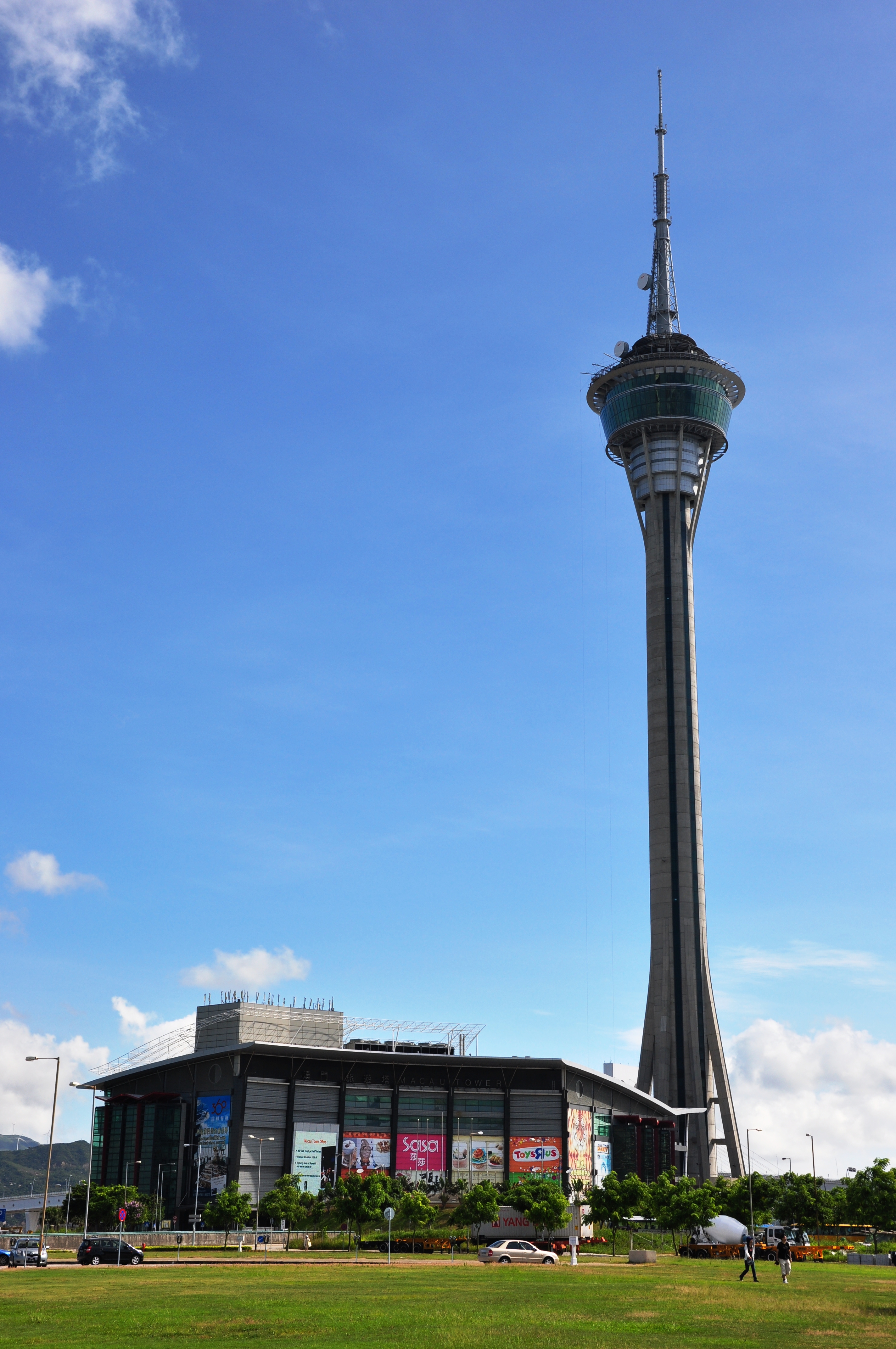
Macau, long recognized as the world’s casino capital, is pivoting towards economic diversification as concerns mount over the sustainability of its gaming-centric economy. The territory, heavily reliant on its vibrant gambling industry, is now witnessing a push from key leaders to embrace broader economic avenues in light of recent challenges, including regulatory pressures and shifting global economic dynamics.

Sam Hou Fai, a former judge and leading contender for the role of Macau’s next chief executive, has emerged as a prominent advocate for this diversification strategy. Emphasizing the urgent need for change, he has openly criticized the rampant expansion of the gaming sector, labeling it “barbaric” and detrimental to the territory’s long-term viability. Hou Fai’s vision encompasses not only an expansion of tourism beyond gaming but also the development of cultural, technological, and entertainment sectors that can provide stable revenue streams independent of the fluctuating fortunes of gambling.

The challenges facing Macau’s economy are manifold. Following the COVID-19 pandemic, the territory has seen a dramatic decline in tourist arrivals, particularly from mainland China, which accounted for a significant portion of its gaming revenues. This downturn has illuminated the risks of an economy overly reliant on a single industry. Furthermore, the Chinese government’s tightening of regulations surrounding gambling and its crackdown on illicit activities linked to the gaming industry have led to uncertainty, prompting both local stakeholders and investors to reconsider their strategies.

As part of this broader push for economic resilience, Macau has initiated various initiatives aimed at enhancing its attractiveness as a destination for non-gaming tourism. These include the development of cultural and heritage tourism, which seeks to showcase Macau’s rich history and blend of Portuguese and Chinese cultures. Events such as the Macau International Fireworks Display Contest and the Macau Arts Festival are being promoted to draw visitors who may not be interested in gambling but are keen on experiencing the local culture.

The shift towards diversification is also backed by the Macau government, which has unveiled plans to allocate substantial funds towards infrastructural projects that enhance connectivity and accessibility. This includes the expansion of public transport networks and the enhancement of facilities to accommodate large-scale international events. By investing in infrastructure, Macau aims to position itself as a competitive hub for business, conventions, and exhibitions, catering to a broader audience.

Tech innovation is another focal point in Macau’s diversification efforts. The government is actively encouraging the growth of tech startups and digital industries, aiming to harness the potential of emerging technologies such as artificial intelligence and blockchain. Initiatives to support entrepreneurship and attract foreign investment in tech sectors are being prioritized, with the goal of creating a sustainable ecosystem that supports job creation and economic growth beyond gambling.

Furthermore, Macau’s geographic location offers unique opportunities for expanding its role as a trade and logistics hub within the Greater Bay Area, a region comprising Hong Kong, Guangdong province, and Macau. This initiative aligns with China’s broader economic strategy, promoting interconnectedness among cities within the region. By leveraging its advantageous location and existing infrastructure, Macau seeks to establish itself as a key player in regional supply chains, thereby attracting businesses that are looking to expand their operations in Asia.

While the road to diversification presents numerous challenges, including resistance from entrenched gaming interests and the need for skilled labor in emerging sectors, the momentum for change is palpable. Sam Hou Fai’s leadership and advocacy are crucial in navigating these complexities, as he seeks to foster a collaborative environment among various stakeholders, including businesses, government entities, and the community at large.

The evolving landscape of Macau’s economy also reflects broader global trends. Many economies that have traditionally relied on a narrow set of industries are recognizing the importance of resilience and adaptability in an increasingly volatile world. The push for diversification is not just about mitigating risks; it is also about seizing new opportunities in a post-pandemic era characterized by shifting consumer preferences and technological advancements.

Microsoft has announced that it will shut down its long-running Xbox Ambassadors program by mid-October, signaling a shift in its community engagement strategy. The program, which has been active for over 13 years, aimed to provide experienced Xbox gamers with a platform to assist others by answering support questions, hosting game sessions, and helping cultivate a positive gaming environment. In recognition of their efforts, Xbox Ambassadors received exclusive rewards and participated in special events.

The decision to discontinue the program aligns with Microsoft’s broader strategy of streamlining its community initiatives. The company cited changes in the gaming landscape and evolving needs of its global community as key reasons for this move. Over the years, the Ambassador program helped create a more inclusive and global gaming culture. However, Microsoft believes it is time to integrate the lessons and values from this initiative into other player engagement platforms like Xbox Fanfest, the Xbox Insider Program, and Xbox Rewards.

The closure of the Ambassadors program is scheduled for October 15, 2024. Ambassadors have until then to claim any remaining rewards, including redeeming codes, and the Xbox Ambassadors badge will receive a final legacy design. While the program is winding down, Microsoft will offer a series of special sweepstakes in its final weeks, providing members with one last opportunity to earn rewards.

Active participants in the current season of the program will receive a special “thank you” in the rewards section. Additionally, the Ambassador Champions program will transition into a new format, dubbed “Xbox Community Champions,” as part of this restructuring.

The Quad alliance, consisting of the United States, Japan, Australia, and India, solidified its growing significance as Prime Minister Narendra Modi emphasized India’s commitment to hosting the 2025 Quad Summit. Speaking at the Wilmington Summit, Modi underlined the alliance’s role in promoting stability and security in the Indo-Pacific region, while reaffirming that the grouping is not directed against any specific nation. This strategic partnership, formed in response to shared democratic values, continues to gain momentum amid evolving geopolitical tensions.

The Wilmington meeting marked a critical moment in the Quad’s development, furthering dialogue and cooperation between the four member states. Since its revival in 2021, the Quad has played a prominent role in fostering regional security, focusing on areas such as technological collaboration, climate action, and defense cooperation. Modi’s remarks highlighted India’s readiness to lead the next phase of the alliance, with preparations underway to host the 2025 summit.

As global challenges intensify, the Quad has emerged as a cornerstone of multilateral diplomacy in the Indo-Pacific. Modi pointed out the shared commitment to ensuring a free, open, and inclusive Indo-Pacific, with democratic principles at the core of the alliance. “The Quad is here to stay,” Modi stated, emphasizing that the grouping stands as a platform for collaborative solutions rather than a response to any particular nation or bloc. The assertion reflects the Quad’s non-confrontational approach, focusing instead on promoting collective security and economic prosperity across the region.

The Quad’s evolution since 2021 has been rapid, with member nations consistently expanding their areas of cooperation. Strategic experts have noted the alliance’s success in areas such as maritime security, with Quad navies conducting joint exercises aimed at improving interoperability. These exercises have not only bolstered defense capabilities but also demonstrated the alliance’s resolve to protect vital maritime routes, which are critical to global trade. With India poised to take on the next summit, expectations are high that the country will continue to push forward initiatives that reinforce regional security and economic growth.

The Wilmington Summit also underscored the importance of technology sharing and innovation. One of the key areas discussed was the development of resilient supply chains, particularly in the semiconductor industry, which has been under strain due to global shortages. The Quad countries are looking to collaborate on reducing dependency on specific nations for key technological inputs, enhancing supply chain diversification. Modi emphasized that the Indo-Pacific region, as a hub for technological development, could play a pivotal role in global supply chain stabilization. This effort reflects the Quad’s broader strategic aim of reducing vulnerabilities in critical industries while ensuring the equitable growth of emerging technologies.

The Quad’s expanding agenda now includes addressing climate change, a subject of critical importance for the Indo-Pacific, which is home to several vulnerable island nations. The Wilmington Summit reiterated the Quad’s commitment to reducing carbon emissions and promoting clean energy. Modi reinforced India’s role as a key player in the global climate conversation, showcasing the country’s strides in renewable energy development and its leadership in the International Solar Alliance. He noted that climate resilience would remain a core focus at the 2025 summit, as the Quad aims to balance economic growth with sustainable environmental practices.

While defense and economic issues dominated the Quad agenda, the alliance’s role in fostering people-to-people ties has not been overlooked. The Wilmington Summit highlighted educational exchanges and cultural collaborations between member states, reflecting the Quad’s broader ambition to strengthen ties beyond security and economics. By fostering a deeper understanding between citizens, the alliance seeks to build long-term partnerships that transcend geopolitical concerns. Modi’s vision for the 2025 summit includes a renewed focus on such exchanges, positioning India as a cultural and diplomatic bridge between the East and West.

Despite its progress, the Quad continues to face scrutiny, particularly from nations like China, which view the alliance as an attempt to contain their influence in the Indo-Pacific. However, Modi was quick to dispel this notion, stating that the Quad’s goals remain inclusive and transparent. The Quad’s diplomatic language has consistently emphasized collaboration over confrontation, seeking to engage with all nations willing to work toward a stable and prosperous region.

India’s growing role within the Quad has been noted by analysts, particularly in light of the country’s increasing influence in global economic and security forums. As the host of the 2025 summit, India is expected to leverage its diplomatic capabilities to further solidify the Quad’s position as a key player in the Indo-Pacific. Modi’s strategic vision includes strengthening defense ties with Quad members, while also expanding economic cooperation to address shared challenges such as trade imbalances and supply chain vulnerabilities.

The timing of India’s hosting of the 2025 Quad Summit is significant, as the Indo-Pacific continues to be a focal point for international diplomacy. Analysts have pointed out that India’s ability to navigate complex geopolitical dynamics will be crucial in ensuring the Quad’s continued success. With global powers vying for influence in the region, the Quad’s balanced and inclusive approach has positioned it as a diplomatic force for stability.

The Wilmington Summit also saw discussions on strengthening health security, with a focus on pandemic preparedness. The Quad’s efforts in distributing vaccines to Indo-Pacific nations have been well-received, showcasing the alliance’s capability to provide humanitarian assistance in times of crisis. Modi acknowledged the importance of continuing this collaboration, noting that health security would remain a priority in future Quad discussions. The pandemic’s impact on global health infrastructure has reinforced the need for multilateral approaches to address both current and future challenges, and the Quad is expected to play a vital role in these efforts moving forward.

SpaceX is under scrutiny for alleged safety violations during two launches in 2023, as the U.S. Federal Aviation Administration (FAA) has revealed. The company, led by Elon Musk, could face a fine of up to $630,000 due to failure to meet established launch safety requirements. The FAA disclosed that these violations occurred during two separate missions, raising concerns over adherence to regulatory standards governing commercial spaceflight.

The FAA’s enforcement proposal is based on findings that SpaceX committed three significant violations during its 2023 operations. These violations have prompted the agency to pursue a civil penalty amounting to $633,009, an amount calculated according to the civil penalty guidelines laid out by federal law. SpaceX has been given a 30-day period to respond to the FAA’s formal notice.

The first violation involves SpaceX’s failure to adhere to pre-flight safety protocols, which are designed to ensure that launch conditions are safe for both the crew and the public. The FAA stressed the importance of these protocols, emphasizing that any deviation from them poses potential risks to the mission’s success and to those involved in the launch process. This violation was reported to have occurred during a major satellite launch, which drew significant attention due to its payload and the complex nature of the mission.

The second violation occurred during another SpaceX mission later in 2023. This particular infraction concerned the post-launch safety measures, which are critical in preventing accidents that could arise from debris or malfunctions. The FAA’s findings indicate that SpaceX did not fully comply with the requirements for tracking and mitigating potential risks posed by falling rocket stages or debris that might threaten populated areas.

While SpaceX has been at the forefront of innovation in the space industry, the company has also drawn criticism for pushing the boundaries of regulatory frameworks. The FAA’s proposed fine underscores the tension between innovation and safety, especially as commercial space travel becomes increasingly accessible. SpaceX’s rapid cadence of launches has made it one of the most prolific players in the sector, but the FAA’s findings suggest that this speed may come at a cost to safety.

SpaceX has long been a critical partner in advancing U.S. spaceflight capabilities, working closely with NASA and private sector clients to deliver payloads to orbit and beyond. However, the 2023 violations point to a need for stricter compliance with federal safety regulations. Industry experts have highlighted that as the space industry expands, regulatory agencies such as the FAA must balance the need for innovation with stringent safety oversight to ensure that commercial spaceflight remains sustainable and safe for all stakeholders.

This is not the first time SpaceX has encountered challenges related to regulatory compliance. In previous years, the company faced investigations and scrutiny from federal agencies over various issues, including environmental concerns and noise complaints from communities near its launch sites. However, this proposed fine is one of the largest civil penalties the company has faced to date, signaling the FAA’s commitment to enforcing safety standards in the rapidly evolving commercial space sector.

Critics of SpaceX’s approach to launches argue that the company’s fast-paced operations may be contributing to oversight lapses. Some have raised concerns that the company’s focus on rapid development and frequent launches may come at the expense of rigorous safety checks. SpaceX has previously defended its track record, citing the overall success of its missions and its role in revolutionizing the space industry. Nevertheless, the violations in question indicate that more work may need to be done to ensure compliance with federal safety standards.

Industry analysts believe that the proposed fine could serve as a warning to other space companies operating under the FAA’s purview. The rise of private space ventures has transformed the landscape of space exploration, and with this transformation comes the need for robust oversight. The FAA’s decision to impose penalties on SpaceX could signal a broader shift toward stricter regulatory enforcement in an industry that has, until now, operated with relative freedom compared to other sectors.

SpaceX’s leadership is expected to respond to the FAA’s allegations within the specified 30-day window. It remains to be seen whether the company will contest the fine or take measures to address the violations. Should SpaceX decide to challenge the FAA’s findings, the case could set a significant precedent for how safety violations in commercial spaceflight are handled in the future. If the company chooses to settle, it could result in enhanced safety protocols for future missions and potentially stricter oversight from the FAA going forward.

The space industry is experiencing a period of unprecedented growth, with SpaceX at the forefront of this transformation. The company has achieved remarkable milestones, including the development of reusable rockets, which have lowered the cost of space travel and enabled a surge in commercial space activity. However, these achievements come with increased scrutiny from regulators, who are tasked with ensuring that safety standards keep pace with the rapid advancements in technology and operational scale.

SpaceX’s relationship with the FAA has seen both cooperation and conflict in the past. While the FAA has granted numerous licenses and approvals for the company’s operations, there have also been instances where SpaceX’s ambitious timelines have clashed with the FAA’s regulatory processes. One notable example occurred during a previous high-profile launch, when SpaceX proceeded with a test flight despite FAA objections over environmental concerns. The company’s assertiveness in pushing its agenda has won it praise for innovation but also criticism for occasionally sidestepping regulatory boundaries.

As the investigation into the 2023 violations unfolds, it is likely to fuel broader discussions about the future of space regulation. With more private companies entering the sector and the increasing frequency of launches, the FAA and other regulatory bodies face mounting pressure to ensure that safety protocols are consistently followed. The outcome of the SpaceX case could influence how these agencies approach enforcement in the coming years.

HONG KONG SAR – Media OutReach Newswire – 19 September 2024 – AIA is excited to announce its partnership with Coldplay for the highly anticipated Music Of The Spheres World Tour in Hong Kong, set to take place in early April 2025 at the Kai Tak Sports Park. Photo Credit: Anna Lee Recognised as the most highly attended tour by a group of all time, Coldplay’s Music […]

KUALA LUMPUR, MALAYSIA – Media OutReach Newswire – 19 September 2024 – In the last few years, financial scams and fraud have been rampant across various sectors in Southeast Asia. Traders and investors, in particular, are being exposed to financial malpractices like never before. Kar Yong Ang, a financial analyst from Octa, a global broker with extensive experience in the financial markets, offers some actionable tips that […]

LONDON, UK – Media OutReach Newswire – 19 September 2024 – Forvis Mazars, a leading global tax, audit, and advisory network, has been recognized as one of the Best Places to Work in Central and Eastern Europe (CEE) and Central Asia. Best Places to Work is an international certification program focused on workplace culture and employee engagement. It recognizes employers who deliver exceptional working conditions. Over 1,500 […]

HANOI, VIETNAM – Media OutReach Newswire – 20 September 2024 – Doctors at Vinmec Times City International Hospital, along with engineers from the 3D Technology in Medicine Center at VinUniversity, have safely and successfully performed a groundbreaking surgery to remove an 11.5cm tumor and reconstruct the patient’s chest using a 3D-printed titanium implant. This pioneering operation makes Vinmec the first hospital in Southeast Asia to apply 3D-printed […]

A significant investment has emerged from the Vanguard Group, a leading US-based financial services company, which has acquired shares in seven Indian companies for a total value of Rs 998 crore. This move underscores Vanguard’s growing interest in the Indian market, particularly within sectors that demonstrate promising growth potential.

Among the companies receiving investment are Concord Biotech, a prominent player in the biopharmaceutical sector, and Five-Star Business Finance, known for its innovative approach to financial services. The decision to invest in these firms highlights Vanguard’s strategy of diversifying its portfolio in emerging markets, where it anticipates robust growth driven by expanding consumer bases and technological advancements.

The investment by Vanguard Group is indicative of a broader trend of increasing foreign capital inflow into India. Analysts suggest that this influx is largely driven by the country’s favorable economic conditions, which include a growing middle class, government reforms aimed at enhancing the ease of doing business, and a focus on sustainable development. The Indian government has introduced measures to attract foreign investments, including liberalizing foreign direct investment (FDI) norms across various sectors.

Concord Biotech, in particular, has gained attention for its focus on developing and manufacturing a range of biopharmaceutical products. The company’s strong track record in research and development has positioned it well to benefit from the increasing global demand for high-quality biopharmaceuticals. This sector is poised for significant expansion as healthcare needs evolve and more countries seek innovative treatments.

Similarly, Five-Star Business Finance has carved a niche in providing loans to small and medium enterprises (SMEs), which play a crucial role in India’s economy. The firm has been recognized for its robust risk management practices and a customer-centric approach that has allowed it to thrive despite the competitive landscape. The capital injection from Vanguard Group will enable Five-Star to scale its operations and enhance its offerings to a broader clientele.

The move also aligns with global trends where institutional investors are increasingly seeking opportunities in markets outside their home countries. With the Indian economy projected to continue its growth trajectory, foreign investors are keen to tap into sectors such as technology, finance, and pharmaceuticals.

The rise of digital technology in India has opened up numerous avenues for investment. Companies focusing on digital transformation, fintech solutions, and e-commerce are attracting considerable attention from foreign investors, as they promise to leverage India’s tech-savvy population. This digital boom is expected to accelerate economic growth, making India an attractive destination for foreign investment.

Furthermore, the Indian government’s commitment to enhancing infrastructure through initiatives such as the National Infrastructure Pipeline has also played a vital role in attracting foreign capital. This initiative is expected to bolster various sectors, including transportation, energy, and urban development, providing a conducive environment for business operations.

Vanguard Group’s investment strategy often involves taking significant stakes in companies that demonstrate strong fundamentals and potential for long-term growth. This approach reflects a broader trend among institutional investors, who are increasingly focused on identifying companies that can provide sustained returns in rapidly evolving markets.

As the Indian economy continues to gain momentum, the interest from major global players like Vanguard Group signifies confidence in the country’s economic prospects. The involvement of foreign investors not only brings in capital but also enhances knowledge transfer and best practices, further boosting local industries.

Investments of this magnitude are likely to encourage other foreign institutional investors to explore opportunities in India, potentially leading to a cascading effect that could benefit various sectors. This growing trend of foreign investment is crucial for sustaining India’s economic growth and achieving its development goals.

The Vanguard Group’s focus on sectors such as biotechnology and financial services aligns with global investment patterns, where investors are gravitating towards industries that are resilient and exhibit potential for growth. As the landscape of global finance evolves, such strategic investments will play a pivotal role in shaping the future of the Indian economy.

Looking ahead, the focus will be on how these investments translate into performance for the companies involved and the broader economic impact on the Indian market. The ongoing monitoring of these developments will be essential for understanding the implications for investors, policymakers, and businesses alike.

Setec, a French multinational engineering giant, has embarked on a significant transformation of its global operations by partnering with GTT Communications. The move comes as Setec looks to modernize its infrastructure, enhance efficiency, and improve communications across its various business segments worldwide. GTT’s advanced cloud-based network solutions, combined with SIP trunking, are at the heart of this technological overhaul.

The collaboration aims to address growing operational complexities for Setec, which is known for delivering cutting-edge construction and engineering projects across the globe. Setec’s group CIO, Laurent Cuny, noted that this partnership is a critical step toward reducing costs while simultaneously boosting the company’s capacity to collaborate more effectively across borders. “By working with GTT as our trusted partner to upgrade our network and implement SIP Trunking, we have not only achieved a 15% reduction in total cost of ownership but also significantly improved the quality and speed of communication,” said Cuny.

The digital transformation enables Setec to consolidate its telecommunications infrastructure by replacing legacy telephony systems with a modern SIP-based network. GTT’s cloud networking solutions provide a more reliable and secure communication platform that supports seamless connectivity across all Setec’s international offices. The partnership has facilitated a drastic improvement in bandwidth—ranging from a 12-fold to 100-fold increase in some locations—allowing Setec’s global teams to collaborate more efficiently in real-time.

In addition to SIP trunking, GTT implemented robust networking solutions that include a multi-layered WAN architecture. Each of Setec’s primary locations now operates on a high-speed primary link with dedicated broadband for backup, ensuring continuous operations and minimizing the risk of downtime. This infrastructure overhaul also allowed Setec to centralize its data processing by consolidating numerous data centers spread across various sites into five major locations. This consolidation effort aligns with Setec’s broader goals of streamlining operations while enhancing data security and reducing overhead costs.

Setec, which operates in more than 20 countries, faces growing pressure to meet sustainability targets while delivering technically complex projects. As part of its mandate, Setec is increasingly focused on providing solutions that support global efforts to mitigate climate change. GTT’s secure cloud solutions are expected to play a role in enabling Setec to reduce its carbon footprint, as it shifts away from traditional, resource-heavy technologies to more energy-efficient cloud-based systems.

Tom Homer, president of GTT’s Europe Division, highlighted the significance of this partnership, noting that it marks a critical milestone in Setec’s digital transformation journey. “We are proud to be the catalyst for Setec’s digital transformation journey,” Homer said. The strategic focus of the collaboration has been on delivering solutions that not only meet Setec’s immediate operational needs but also future-proof the company’s global operations.

Telstra has achieved a significant technological milestone, setting a new benchmark in optical networking. The Australian telecommunications giant successfully completed a trial that delivered 1.6 terabits per second (Tb/s) over a single optical channel across 700 kilometers. This breakthrough was made possible by leveraging the cutting-edge WaveLogic 6 Extreme (WL6e) technology developed by Ciena and Ericsson, both of whom played key roles in the trial. The WL6e […]

Carousell makes it easier to sell old phones or trade in for the new iPhone 16, encouraging more to reduce e-waste. SINGAPORE – Media OutReach Newswire – 20 September 2024 – In the lead up to the highly-awaited iPhone 16 launch, leading multi-category classifieds marketplace Carousell has launched a new trade-in programme to offer customers a seamless way to trade in and give their old phones a […]

North Carolina Governor Roy Cooper has suggested that the fallout surrounding Lieutenant Governor Mark Robinson could present an unexpected advantage for Democrats, particularly Vice President Kamala Harris, in the state’s upcoming elections. Robinson, a polarizing figure within the state’s Republican Party, has drawn increasing criticism for his controversial remarks on issues such as transgender rights and slavery, which some view as extreme even within conservative circles.

Robinson’s rise to prominence in 2020, largely supported by a populist, Trump-aligned base, has put him in a powerful position as the GOP’s gubernatorial candidate for 2024. However, a series of inflammatory statements made over the years — including derogatory comments about the LGBTQ+ community and remarks glorifying slavery — have resurfaced, igniting a public relations crisis for his campaign. The scandal has reverberated beyond North Carolina, affecting national politics as well, with Democrats eyeing potential openings.

Governor Cooper, who is not seeking re-election, believes that the controversy surrounding Robinson could benefit the Democrats, particularly as Harris seeks to flip North Carolina in her bid for the White House. Democrats have targeted Robinson’s divisive rhetoric, portraying him as part of a broader Republican movement that threatens to alienate key voter demographics, including women and minorities. Harris’s campaign has already launched targeted ads linking Robinson to former President Donald Trump, amplifying concerns about his suitability to lead a diverse state like North Carolina.

The state’s political landscape has seen significant shifts over the last decade. After briefly flipping for Barack Obama in 2008, North Carolina has remained a critical battleground, with Republicans holding legislative power and Cooper maintaining the governorship. The state’s GOP, previously known for its moderate positions, has increasingly aligned with Trump-style politics, which has energized its base but also alienated some moderate voters. Robinson’s candidacy encapsulates this evolution, as he rose to prominence with no prior political experience, riding the wave of populist anger and the viral nature of social media.

However, the baggage attached to Robinson’s candidacy now threatens to fracture the Republican coalition. His critics, including some within his own party, argue that Robinson’s inflammatory remarks could cost the GOP the state in what is shaping up to be a fiercely contested gubernatorial race. In the latest polling, Robinson trails the Democratic candidate, Attorney General Josh Stein, who has avoided the kind of controversy that has engulfed his opponent. Stein’s potential victory would make him North Carolina’s first Jewish governor, a historic moment that some Democrats believe would further erode the Trump-era influence in state politics.

Harris’s campaign is banking on Robinson’s controversies to swing suburban voters and women back toward the Democratic fold. By highlighting Robinson’s statements, Democrats aim to present Harris as a unifying force capable of bridging the state’s political divides. North Carolina’s importance as a swing state in the 2024 presidential election cannot be overstated, with both parties viewing it as a critical bellwether for national trends. While Robinson remains defiant and insists that his comments are being taken out of context, the broader political fallout is unmistakable.

Prominent Republicans, including Senator Thom Tillis, have expressed concern about the impact Robinson could have on down-ballot races, warning that his candidacy could depress turnout among moderate Republicans and swing voters. Despite this, the state GOP continues to back Robinson, viewing his appeal to the base as essential in a tightly contested election cycle.

A passenger on a previous mission aboard OceanGate’s Titan submersible described an aborted dive due to mechanical issues during his testimony at a U.S. Coast Guard investigatory panel. The mission, which aimed to explore the wreck of the Titanic, was cut short after one of the vessel’s thrusters malfunctioned, rendering the sub uncontrollable. The passenger recounted how the sub could only spin in circles, leading the crew […]

Vingroup, a leading Vietnamese conglomerate, is redefining the role of business in society. Through a diverse portfolio and a deep commitment to social responsibility, they are actively cultivating an ecosystem that fosters positive social impact. HANOI, VIETNAM – Media OutReach Newswire – 20 September 2024 – In the wake of Typhoon Yagi’s devastating impact, Vingroup, a leading Vietnamese conglomerate with a diverse portfolio spanning real estate, technology, […]

VISHNU RAJA
RYO YAMADA
HITORI GOTOH
IKUYO KITA