News related to
Security

A landmark agreement between UAE’s Autocraft and Indonesian aerospace maintenance giant GMF AeroAsia positions the Autocraft E20+ electric vertical take‑off and landing aircraft for regional deployment, signalling a major advance in Southeast Asian air mobility. Signed on 11 June at the Indo Defence Expo in Jakarta, the memorandum of understanding enlists GMF as the official Maintenance, Repair and Overhaul partner for the E20+ platform, while establishing frameworks […]

Bitcoin.com has established its first Middle East and North Africa regional headquarters at Dubai’s DMCC Crypto Centre, signalling a strategic expansion in the emirate’s blockchain ecosystem. The move secures its place among over 650 companies specialising in blockchain infrastructure, decentralised finance, tokenisation and metaverse development within the DMCC’s Crypto Centre in Uptown Tower. Dubai’s position as a global cryptocurrency hub is underscored by the establishment of the […]

Israeli Finance Minister Bezalel Smotrich has ordered the cancellation of a decades‑long indemnity that shields Israeli banks when processing shekel transactions for Palestinian counterparts, a move poised to disrupt salaries, imports and basic services across the West Bank and Gaza.

The directive, issued on 10 June 2025, halts a waiver that permitted Israeli financial institutions to facilitate payments to the Palestinian Authority and local customers without fear of legal consequences. Analysts warn this could sever Palestinian banks’ vital access to the larger Israeli banking system.

Palestinian Monetary Authority officials cautioned that this severance would seriously impede operations such as payments for food, fuel, electricity and water. In 2023 alone, around 53 billion shekels—equivalent to $15.2 billion—passed through Palestinian banking corridors. The revocation of the indemnity risks plunging the territories into a fragile cash‑only system, heightening exposure to theft, fraud and illicit activity.

Smotrich’s decision follows sanctions by the UK, Canada, Australia, New Zealand and Norway imposing asset freezes and travel bans on him and National Security Minister Itamar Ben‑Gvir, citing their roles in incitement and human rights abuses in the West Bank and Gaza. Smotrich maintains the waiver withdrawal is a justified response to what he terms the Palestinian Authority’s “delegitimisation campaign” against Israel.

For decades, Palestinian banking operated without central‑bank autonomy or national currency. Reliance on Israeli shekels and correspondent banking agreements has been critical. International voices—including US Treasury Secretary Janet Yellen, G7 officials and the UN—have repeatedly warned that ending this arrangement could trigger a humanitarian crisis and violate international law.

Local analysts predict the measures will exacerbate an already deteriorating economic landscape. Kristin Ronzi of intelligence firm Rane Network said abolishing this financial collaboration will “impede the Palestinian Authority’s ability to import basic, essential goods such as food and fuel,” likely deepening economic hardship and undermining public sentiment.

The Palestinian banking system, which exceeds 100 % of GDP, is particularly vulnerable to spill‑over effects from Gaza into the West Bank, according to IMF data. The termination of the waiver is feared to amplify credit constraints on private and public sectors alike, risking reduced lending, increased borrowing costs, and even defaults.

International stakeholders, including the US and G7, had pressed for short‑term extensions of the indemnity. Those appeals often hinged on warnings that a collapse of Palestinian financial networks would destabilise trade, delay crucial services, and potentially fuel militant groups reliant on cash economies.

Smotrich is known for his hardline positions: he has previously withheld Israeli-tax clearance revenues and blocked aid in retaliation for moves supportive of Palestinian statehood. In May 2025, he warned publicly that Gaza “will be totally destroyed,” vowing to push Palestinians toward resettlement in other countries.

Within Israel, there is evident friction. Prime Minister Benjamin Netanyahu and some coalition members support Smotrich, but others fear political and economic backlash—particularly amid international outrage and concern over deepening the Gaza violence. The policy must still pass through Israel’s security cabinet before implementation begins.

Across Palestinian chambers in Ramallah and Gaza City, there is growing anxiety. Authorities are scrambling to negotiate with donors, international NGOs and Middle Eastern allies, in hopes of constructing contingency plans. Proposed measures include alternative cash corridors, increased use of digital currencies, and humanitarian exemptions—but none currently matches the scale of the existing system.

Economists warn the broader consequences of this rupture—the Palestinian economy has already lost billions amid conflict. Since October 2023, Gaza’s economy shrank by 61 %, the West Bank by 24 %, and joblessness soared to around 57 % across both territories. Analysts fear the banking clamp‑down could invert years of fragile recovery efforts, worsening poverty and political instability.


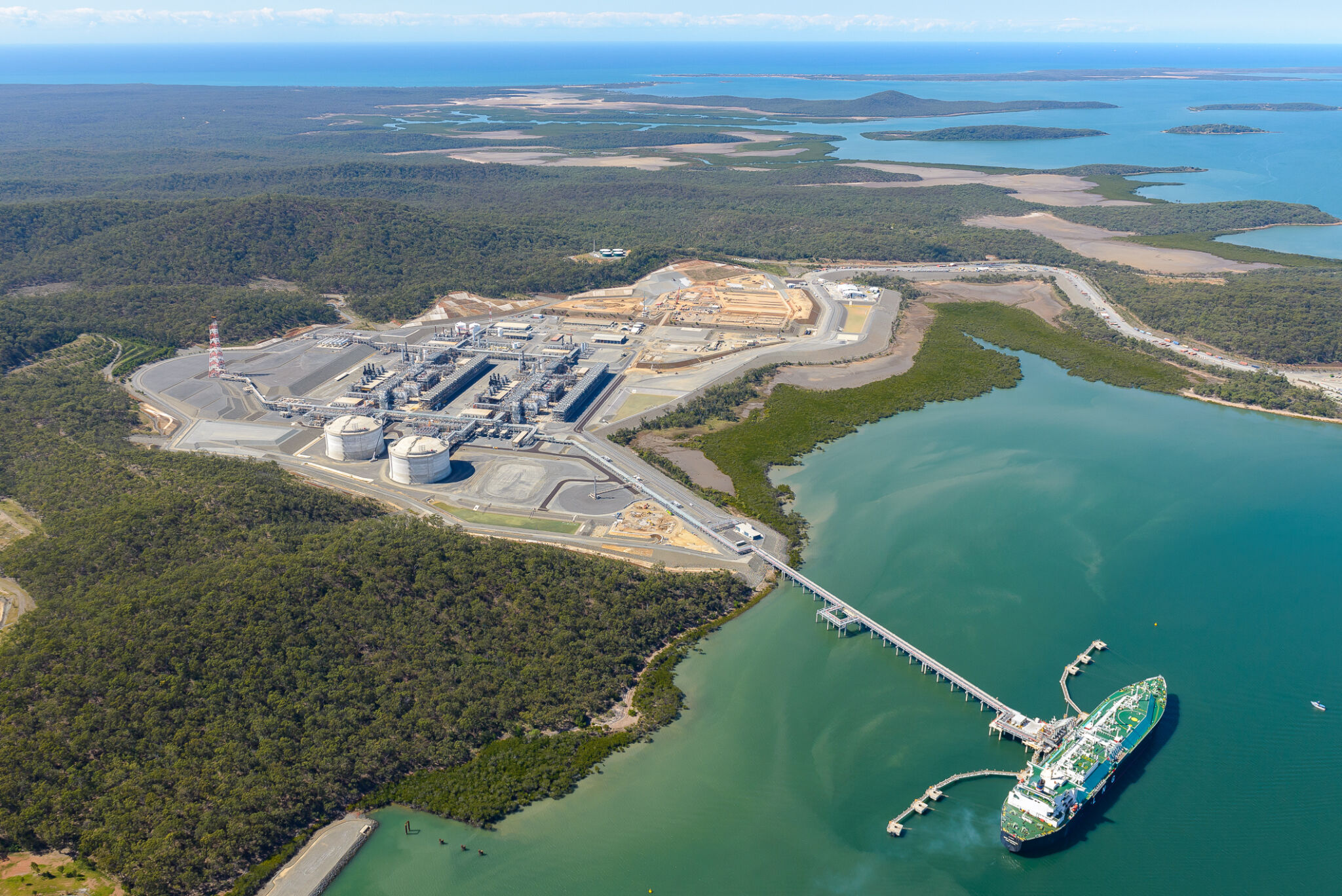
Abu Dhabi National Oil Company, via its XRG investment arm, has launched an A$8.89‑per‑share all‑cash takeover offer worth roughly US$18.7 billion for Santos, Australia’s second‑largest gas producer. The bid has ignited intense scrutiny from Australian regulators concerned about safeguarding domestic gas supply and securing critical infrastructure. Simultaneously, XRG has pledged to accelerate key gas‑project development, a strategy aimed at wining over skeptical authorities and stakeholders.

The takeover offer emerges at a pivotal moment: Santos’ shares closed at A$7.73 following the announcement, indicating investor scepticism over regulatory clearance, even as the A$8.89 bid reflects a healthy 28 per cent premium. Jamie Hannah, deputy head at VanEck Australia, acknowledged that while the path ahead “is not going to be smooth sailing”, the “very attractive” straight‑cash offer underscores its appeal.

Regulatory risk centres on the critical role Santos plays in Australia’s energy system. The firm possesses about 5 per cent of eastern and 24 per cent of western domestic gas market share, essential for supplying both export and local needs. Analysts warn that the Foreign Investment Review Board, charged with vetting significant foreign acquisitions, will scrutinise ADNOC’s control over gas assets, particularly given concerns of an east‑coast gas shortfall projected by 2027.

Yet ADNOC is banking on its deep financial resources to tip the scales. XRG has emphasised it can fast‑track Santos’ stalled projects, such as Narrabri and Beetaloo, pledging to develop them faster and more robustly than Santos’ previous plan to boost shareholder returns. UBS’s Tom Allen highlighted this strength, saying regulators may view ADNOC’s funding as a delivery mechanism for the gas Australia needs.

The layered bid comes from a consortium that includes not only ADNOC’s XRG, but also Abu Dhabi Development Holding Company and private‑equity giant Carlyle, valuing Santos at some US$36.4 billion including debt – making it the largest all‑cash corporate takeover ever in Australia.

Despite such scale, state‑level political concerns are emerging. South Australia’s Premier Peter Malinauskas and Energy Minister Tom Koutsantonis have called for protections on local jobs, licence control, and keeping Santos’s headquarters in Adelaide. Meanwhile, new state legislation adds weight to ministerial approval of petroleum licence transfers, granting South Australia extra leverage in the process.

At the federal level, Treasurer Jim Chalmers holds the ultimate authority. His decision will rely closely on FIRB advice, with insiders describing it as a pivotal “captain’s call” for the Albanese government. The broader Ministry of Energy and Resources, currently reviewing gas supply strategies, may leverage the bid to extract concessions in line with looming energy security needs.

Santos CEO Kevin Gallagher, whose compensation could wind up exceeding A$50 million if the deal proceeds, has maintained discretion, saying he will “let the process take its course”. Gallagher previously brought forward a stalled bid with Woodside, signalling a strategic interest in consolidation.

Market sentiment remains guarded but not dismissive. Santos shares rallied approximately 11 per cent in the wake of the board’s backing of the bid and release of due‑diligence exclusivity. Analysts point to ADNOC’s deep capital reserves and the trade deal with the UAE as factors that may cushion adversities and lend credence to the offer.

One area of uncertainty is the domestic Narrabri gas project in New South Wales: although Novation from the recent Native Title Tribunal clearance supports its long‑anticipated development, ongoing regulatory review and possible asset spin‑offs to comply with FIRB guidelines could delay its final investment decision. Analysts have speculated that domestic‑facing assets might be excluded or managed separately, potentially involving Carlyle as a local partner to satisfy national interest criteria.

This complex engineering of commercial ambition and governmental oversight places energy security at the centre of the acquisition narrative. While ADNOC’s financial might and project‑acceleration promise may reassure regulators, political and community stakeholders are tightening the lens on national asset control, job retention, and supply resilience. The outcome will hinge on whether FIRB, acting on Chalmers’s counsel, accepts the consortium’s assurances — or opts for a compromise that safeguards domestic gas capacity.

President Donald Trump has called for the immediate evacuation of Tehran, warning that Iran “cannot have a nuclear weapon” after a series of escalating military exchanges with Israel. He issued the statement via Truth Social while attending the G7 summit in Canada, then departed early to convene his national security team. The growing hostilities, now entering a fifth day, have provoked market turbulence, prompted military deployments, and […]

KUALA LUMPUR, MALAYSIA – Media OutReach Newswire – 17 June 2025 – In trading, seizing opportunities and mitigating risks go hand in hand. Consistent success relies on a delicate balance between these two elements. To better understand how traders perceive and approach safety—both in daily life and during trading sessions—Octa, a trusted global broker since 2011, surveyed hundreds of market participants to gain insights into their mindset […]

Security researchers have uncovered a wave of attacks orchestrated by GrayAlpha, a cybercriminal operation linked to the FIN7 group, exploiting cloned browser update pages to install a custom PowerShell loader dubbed PowerNet and ultimately deliver NetSupport RAT malware. Infrastructure analysis confirms the use of fake browser-updates, counterfeit 7‑Zip download sites, and a previously unreported Traffic Distribution System called TAG‑124 as delivery mechanisms. The initial compromise begins when […]

Advertisements

Greenlogue/AP Dubai will host the 11th World Green Economy Summit on 1 and 2 October 2025 at the Dubai World Trade Centre, underlining its ambition to accelerate global climate action and sustainable innovation. This flagship event, convened by the Dubai Supreme Council of Energy, Dubai Electricity and Water Authority and the World Green Economy Organisation, will gather industry leaders, policymakers and technical experts around the theme ‘Innovating […]

Tehran has entered a state of widespread panic as thousands of residents flee the capital following the latest wave of Israeli airstrikes targeting military, nuclear, energy, and regime-linked sites.

Cities in northern provinces such as Mazandaran, Gilan and Alborz have reported being inundated with evacuees, many travelling along the Tehran–North and Tehran–Qom highways, with gridlock stretching for miles. Fuel stations in Tehran and Karaj are overwhelmed, and shoppers report shortages of essentials amid surge demand. The Iranian capital’s internet has been intermittently throttled amid efforts to suppress distress and control the narrative.

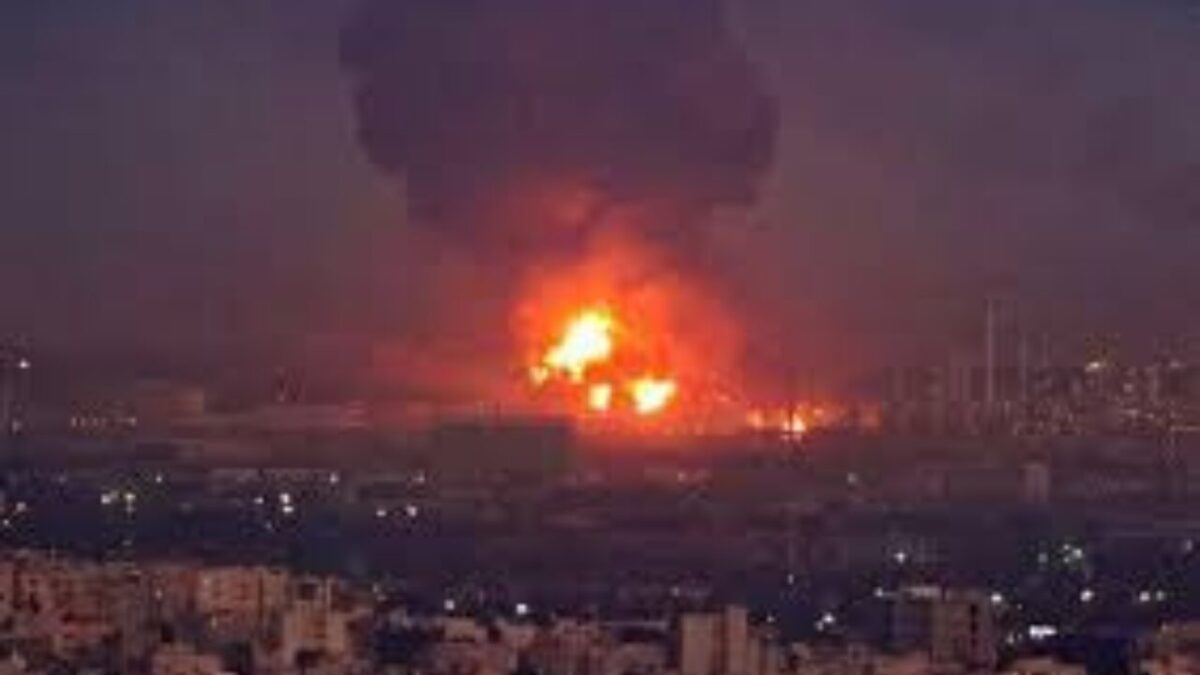
The operation, identified by Israeli leaders as “Operation Rising Lion,” commenced on 13 June when hundreds of precision strikes struck facilities tied to Iran’s nuclear aspirations, ballistic missile production, IRGC leadership and critical infrastructure in and around Tehran. High-value targets were obliterated, including the South Pars gas field, military command centres, and the Defence Ministry, underlining Israel’s expanded scope beyond nuclear installations.

Toll estimates vary: Iranian sources cite more than 224 civilian deaths, including over a dozen IRGC commanders and key nuclear scientists, with more than 900 injured. Israeli authorities report 10 to 14 fatalities in Israel from Iranian missile counterattacks. Silence from Tehran’s official channels contrasts with visible damage and civilian trauma—homes laid waste, shattered windows, and heavy reliance on basements, subway stations and schools repurposed as makeshift shelters.

Despite a state warning against mass exodus, authorities suggested citizens near refineries evacuate and advised use of metro systems for shelter. But many view this response as inadequate; Tehran lacks a network of formal bomb shelters, and a culture that venerates martyrdom over civilian safety has limited protective infrastructure.

Residents describe scenes of desperation: families abandoning homes, children crying, and queues forming at petrol stations and ATMs amid collapsing communications. One finance analyst shared that “windows began to shake” and smoke seeped into her home during a Sunday strike, prompting her to leave the city with neighbours. Another Tehran student spoke of long petrol lines at stations and panicking crowds hunting for food.

Domestic anxiety is compounded by structural vulnerabilities. The Iranian economy, enduring its deepest crisis in decades, faces inflation rates above 40%, mass unemployment and widespread food insecurity. This backdrop of poverty and instability was outlined by Iranian government statistics and global economic monitoring groups. The middle class, already suffering from double-digit inflation and unemployment, is struggling to cope with this surge in insecurity.

In this context, analysts caution that the airstrikes may fit a wider strategy. With senior members of the IRGC and nuclear scientists killed, Israeli officials are believed to be signalling a shift towards undermining regime stability and infrastructure to accelerate political change. Prime Minister Netanyahu has urged Iranians to rise against the clerical leadership, though experts warn that such encouragement could backfire, consolidating hardliner control and prompting Tehran to accelerate its nuclear timeline.

International observers are also raising alarms about spill‑on effects. Crude oil prices have jumped over 10%, a sign of global markets jittering at the potential for further escalation. Meanwhile, the World Bank warns that heightened war intensity may undermine adjacent states involved in sensitive hydrocarbon trade and production.

Within Iran, elites are now confronting increasingly vocal criticism. Social media posts mocking authorities for failing to build basic shelters are circulating despite internet restrictions. While some citizens express threats of retaliation, others develop resignation: “You worry what’s going to come next,” one resident remarked, reflecting the capital’s unease.

Interviews with experts indicate a nation on the cusp of transformation. Iran’s leadership, confronted by a collapsing economy, degrading military deterrent, and a civilian population on the move, faces growing internal rupture. However, dissent remains fragmented and tightly controlled by the IRGC and security services.

Chinese nuclear forces are expanding at a pace unmatched by other countries, with the Stockholm International Peace Research Institute reporting an annual increase of approximately 100 warheads since 2023. The nation now possesses at least 600 nuclear warheads and is constructing around 350 intercontinental ballistic missile silos—developments projected to put China on par with the United States and Russia in ICBM capability by the end of the decade.

SIPRI’s latest yearbook, issued on 16 June, emphasises that global nuclear arsenals are returning to growth after decades of contraction. The combined military stockpiles of nuclear warheads now total around 9,614, while approximately 2,100 warheads—mostly held by the United States and Russia—remain on high alert.

Although China’s nuclear stockpile remains modest compared to the U.S. and Russia—each holding over 5,000 warheads—the momentum behind its expansion marks a strategic shift. SIPRI forecasts that China could field up to 1,500 warheads by 2035, with its ICBM network rivalling that of the established nuclear powers by 2030. The rapid rise in Beijing’s deterrent capacity signals a deeper global arms competition, exacerbated by a breakdown in arms-control agreements.

China’s nuclear modernisation encompasses land-, sea-, and air-based delivery systems. The PLA Rocket Force has deployed a mix of silo-based and mobile ICBMs, including the potent DF-41 system capable of carrying multiple independently targetable re-entry vehicles. Simultaneously, China is advancing a nuclear triad, with bombers like the H‑6K equipped for long-range missions and an expanding fleet of Jin‑class ballistic missile submarines.

Pentagon estimates align with SIPRI’s findings. A U.S. Defence Department report placed China’s warhead count at over 600 and predicts over 1,000 operational warheads by 2030. Analysts note that while many of China’s warheads are stored separately from delivery systems, the growth in silo infrastructure indicates a potential shift towards higher operational readiness.

China maintains its nuclear policy centres on minimum deterrence and no‑first‑use. A spokesperson reaffirmed that its buildup is defensive and that global nuclear reductions should be led by the U.S. and Russia. Yet, the introduction of launch-on-warning capabilities, expansion of missile silos, and pairing of warheads with ICBMs suggest a more assertive posture.

The international ramifications are considerable. SIPRI warns that with diminishing arms controls and growing arsenals, the world faces a dangerous escalation. The concentration of high-alert warheads in U.S. and Russian hands, combined with China’s acceleration, elevates risk profiles significantly. Moreover, emerging technologies such as AI integration in nuclear command-and-control raise alarms about stability and inadvertent escalation.

China’s rise spurs debate among military analysts and policymakers. Supporters view the deepening triad and ICBM deployment as necessary to counter U.S. strategic capabilities. Critics argue that rapid armament undermines global non‑proliferation efforts and threatens to trigger competitive buildups among established nuclear powers. Calls for renewed arms control dialogues now include China, challenging historical norms where Beijing was often excluded from global negotiations.

Meanwhile, other nuclear-armed states—India, Pakistan, the UK, France, North Korea and Israel—continue modernisation programs. India and Pakistan are increasing their stockpiles; the UK has announced an expansion; North Korea is pursuing missile tests; and Israel maintains opacity under its policy of nuclear ambiguity.

Global security experts warn that the dismantling of arms-control institutions, such as the withdrawal from the INF Treaty and uncertainty around New START, has created a vacuum. Amid rising nuclear rhetoric, SIPRI urges urgent diplomatic engagement and the strengthening of verification and non‑proliferation regimes. As nuclear power parity becomes conceivable, the need for inclusive multilateral frameworks has grown acute.

Leaders at the 51st G7 summit convening in Kananaskis, Canada, are confronting an abrupt surge in hostilities between Israel and Iran, marked by intensified airstrikes, rising civilian casualties, and mounting diplomatic tensions. With missile barrages and pre‑emptive assaults already claiming hundreds of lives, the summit agenda has shifted dramatically, prioritising strategies to contain the conflict and avert a broader regional war.

Israeli forces launched “Operation Rising Lion” on 13 June, targeting Iran’s nuclear, ballistic missile, and military infrastructure—including key command centres and Iranian Revolutionary Guard facilities around Tehran—and killed high‑ranking officials and scientists. Iran retaliated with a wave of over 270 missiles, deploying new tactics that overwhelmed Israel’s air defences and struck densely populated urban areas such as Tel Aviv and Haifa. As of 16 June, at least five Israelis were killed and more than 100 injured in the latest overnight strikes. Iranian health authorities report a death toll of at least 224, predominantly civilians, and over 1,200 wounded.

The rapid escalation has introduced fresh complexity to international diplomacy. U.S. President Donald Trump vetoed an Israeli proposal to target Iran’s Supreme Leader Ayatollah Ali Khamenei, emphasising that such action would only inflame the situation. Trump has also signalled the possibility of brokering a deal, suggesting Iran “must make a deal before there is nothing left” and voicing optimism that peace negotiations could emerge from this crisis.

European leaders are urging urgent collective action. German Chancellor Friedrich Merz asserted at the summit that unity is essential to prevent Iran’s nuclear ambitions, uphold Israel’s right to self‑defence, curb escalation, and open diplomatic channels. He indicated that measures could include sanctions, and emphasised cooperation with regional actors such as Oman to reduce tensions with Iran and Yemen’s Houthi rebels. Meanwhile, Ursula von der Leyen and Emmanuel Macron deployed diplomats to press for negotiation, although Macron’s optimism about a swift resolution contrasts with ongoing military deployment in the region.

Britain has signalled readiness to support Israel with defensive and civil aid while advocating restraint. Prime Minister Keir Starmer has reinforced diplomatic engagement with Trump, Netanyahu, and Gulf leaders, and authorised RAF Typhoon jets as a contingency against potential Iranian threats to UK bases. Nonetheless, Iran has dismissed ceasefire calls while military operations continue.

Canada, hosting the summit, has abandoned the traditional joint communiqué, opting instead for chair’s summaries to manage discord—particularly over trade and Middle East policy—between the U.S. and other participants. Canadian Prime Minister Mark Carney emphasised the summit focus on peace, security, supply chains, and jobs—prioritising a co‑ordinated response to the Israel‑Iran crisis.

G7 officials are crafting a unified statement urging Iran to halt its nuclear programme and Israel to pause expansive military action, signalling tangible diplomatic pressure backed by clear consequences for non‑compliance. However, persistent disagreements across the bloc—over trade, relations with Russia, and climate policy—complicate efforts to forge a consensus.

Regional actors are mobilising diplomatic channels. Qatar and Oman are reportedly engaged in shuttle diplomacy to de‑escalate the conflict. Simultaneously, Iran‑backed groups, including militias in Iraq and Houthis in Yemen, are extending hostilities across front lines, prompting concern that the confrontation may metastasise into a wider regional war.

The humanitarian fallout is grave. Large‑scale displacement is underway as Iranians flee Tehran after warnings issued by Israeli forces to civilians near weapons facilities. Hospitals in northern provinces are stretched, while the Iranian Red Crescent has launched mobile clinics to address urgent needs. Energy markets have also reacted sharply: Brent crude prices spiked as Gulf insecurity intensified.

Analysts warn the conflict risks triggering retaliatory terror attacks in the West and disrupting global energy security. The G7 faces a pivotal test: coordinating military readiness, civilian protection, sanctions, nuclear non‑proliferation, and active diplomacy, all while preserving internal unity amid geopolitical divisions.

EdgeCortix has launched its SAKURA‑II M.2 AI accelerator for the Raspberry Pi 5 and other Arm‑based platforms, enabling high‑performance, energy‑efficient execution of generative AI at the device edge. With 60 TOPS and 30 TFLOPS performance within an 8–10 W power envelope, the SAKURA‑II module supports advanced models including Llama 2, Stable Diffusion, Vision Transformers and VLMs on compact, affordable hardware. Dr Sakyasingha Dasgupta, EdgeCortix founder and CEO, highlighted that the integration “opens […]

An assault on Yelewata village in Guma local government area of Benue State has left more than 100 inhabitants dead, dozens missing and hundreds wounded, with authorities scrambling to respond. The attack, which began late on Friday and extended into Saturday’s early hours, bore the hallmarks of deliberate and coordinated violence. Eyewitnesses and first responders described scenes of horror: armed assailants forcibly confined residents inside their homes […]

G42 has unveiled a new London‑based subsidiary, G42 Europe & UK, designed to amplify its AI infrastructure and services across the United Kingdom and continental Europe. The entity, co‑chaired by Omar Mir and Marty Edelman, will deliver end‑to‑end AI offerings—from advisory and model deployment to supercomputing infrastructure—for sectors including finance, healthcare, energy and manufacturing. The launch comes as G42 continues its strategic European rollout, following the roll‑out of AI compute […]

By K Raveendran Israel’s strike against Iran has reignited a familiar tension in global energy markets, sending oil prices climbing into the mid-$70 per barrel range. The impact is not just visible in the numbers, but in the broader nervousness sweeping across energy trading floors and geopolitical circles alike. At the heart of this movement […]
Iran’s multifaceted network of proxies and covert operatives is poised to broaden its campaign of retaliation against Israel by extending its operations into Europe. Having weakened regional assets such as Hezbollah, the Houthis and Hamas, Tehran is reportedly turning to clandestine cells and criminal syndicates across the continent as a new front in its “ring of fire”. Heightened security advisories for Jewish communities from London to Berlin […]

Runner H, Surfer H and Tester H, three autonomous AI agents developed by Paris-based H Company, make web-native task automation available across consumer and enterprise settings. The framework integrates advanced vision–language models that perceive browser interfaces and predict actions like clicking buttons or filling text fields, executing them via a headless browser. Runner H acts as the orchestrator. It receives natural‑language instructions, composes workflows using specialised sub‑agents and interacts with platforms […]

G42 has inaugurated a London-based subsidiary, named G42 Europe & UK, marking a strategic expansion into the continent’s private and public sectors. The entity aims to deliver AI-driven solutions and collaborate with governments and industry partners to erect critical AI infrastructure across continental Europe. The new operation will be co‑chaired by Omar Mir, a board member at World Wide Technology with over 20 years’ experience in 5G, edge computing, […]

Oil benchmarks surged on Friday following a major Israeli military operation in Iran, sparking fears over potential disruptions to Middle Eastern oil supplies. Brent crude climbed more than 7 %, reaching an intraday peak of approximately $78.50, before settling at around $74.23 a barrel. The US West Texas Intermediate benchmark mirrored the jump, with intraday highs near $77.62 and a close at $72.98—a 7 % increase and the largest […]

FDI inflows into the Gulf Cooperation Council economies are set to decelerate in 2025, according to S&P Global Market Intelligence, ending a decade-long surge. Investor apprehension, shaped by evolving US trade policy, subdued oil prices, and delayed economic diversification, is expected to weigh on international capital flows. Investor uncertainty stems partly from the US administration’s tariff stance. Though current levies exclude energy products, supply‑chain disruptions and broader uncertainty […]

By Nitya Chakraborty On Thursday June 12, Indian diplomacy under the Prime Minister Narendra Modi reached its lowest ebb when India abstained in the United Nations General Assembly from a vote on a resolution demanding an immediate, unconditional and permanent ceasefire in Gaza. The 193 member UN general assembly passed the resolution overwhelmingly with 149 […]

Sharjah Publishing City Free Zone has been awarded the globally recognised “Great Place to Work” certification for the second year running, underscoring its commitment to cultivating a top-tier workplace. The accolade, granted by an independent authority with over three decades of experience in measuring workplace culture, reflects outstanding performance across key employee experience metrics.

Employees gave the organisation exceptionally high ratings, with 94 per cent satisfaction in workplace hospitality, 90 per cent approval of leadership behaviour, 87 per cent for engagement and 86 per cent in innovation. Equity and fairness also scored strongly—over 70 per cent in relevant categories. A remarkable 99 per cent of staff reported feeling physically safe at work and welcomed upon arrival, while 96 per cent noted unbiased, gender-neutral treatment and approachable management. These figures speak to a supportive environment where employees feel secure, valued and motivated.

Behind these high scores lies a deliberate strategy focused on trust-building, transparent leadership and collaborative culture. Through the Great Place to Work® Trust Model™, SPC’s approach places employees as the cornerstone of its service delivery model. The environment it fosters not only benefits staff morale but also translates into superior customer experience, reflected in prompt and efficient services.

The achievement is particularly notable given the scale of SPC’s operations. The free zone hosts more than 9,600 businesses spanning over 40 countries, including more than 1,500 publishers and investors, and is a vital hub for educational and cultural content creation. Its ecosystem supports not only publishing but also broader creative, technological and entrepreneurial sectors.

SPC’s origins date back to its launch in 2017 under the guidance of Dr Sheikh Sultan bin Muhammed Al Qasimi, Ruler of Sharjah, as the world’s first dedicated publishing free zone. From the outset, it was positioned to capitalise on Sharjah’s increasing appeal as a global cultural and knowledge-based economy, offering 100 per cent foreign ownership, full capital repatriation and a broad spectrum of licensing activities.

Since its establishment, SPC has continuously upgraded both its work environment and customer services. In May 2024, it introduced 24/7 operational support and guaranteed a three-business-day turnaround for bank account openings. It also pioneered an AI-enabled “instant licence” system in collaboration with Sharjah’s Investor Services Centre, delivering trade licences in under five minutes. These initiatives demonstrate its dedication to efficiency and tech-enabled service delivery.

The free zone’s appeal stretches well beyond the publishing community. Over 2,000 Indian-owned businesses operate in SPC, drawn by its strategic location and integrated support infrastructure. These enterprises benefit from a platform that promotes global expansion and cross-border reach. SPC has also diversified licensing options to include e‑commerce, cybersecurity, AI, biotech and robotics, reflecting its ambition to cater for a wide range of creative and technological ventures.

Yet SPC has not been without critique. Some business owners on public forums have expressed frustration over service quality and administrative delays during setup. One Reddit user described licences issued “once you get the hang of things” albeit noting initial frustrations, while another labelled the free zone as “incredibly frustrating to deal with” but acknowledged smooth operation post-launch. These mixed reviews highlight areas for SPC to improve consistency in customer experience and operational support.

Despite these occasional criticisms, SPC remains a top choice for entrepreneurs and SMEs. An MoU with Amazon UAE in August 2024 aims to aid free zone businesses in scaling digitally and accessing Amazon’s e‑commerce network. Additionally, partnerships with financial institutions like Mashreq Bank provide priority banking services and support to its licensees.

The second consecutive Great Place to Work certification confirms SPC’s rising profile within Sharjah’s broader economic ecosystem. It aligns with Sharjah’s strategy to diversify its economy through nurturing creative, cultural and knowledge-based industries. Leadership at SPC points to this workplace accolade as affirming its role in attracting and retaining talent, as well as driving innovation in service delivery.

Apple has unveiled a breakthrough open‑source framework, Containerization, during its WWDC 2025 keynote, enabling developers to create, run and manage Linux containers directly on macOS. The Container CLI, a companion command‑line tool, operates each container as a lightweight virtual machine, bypassing the need for third‑party platforms like Docker. This marks a strategic shift in Apple’s support for cross‑platform workflows, particularly for developers working on server‑side and cloud‑native […]

Northern German state Schleswig‑Holstein has initiated a sweeping migration from Microsoft’s proprietary ecosystem—including Windows, Office 365, SharePoint, Exchange, and Active Directory—to open-source platforms like Linux, LibreOffice, Nextcloud, Open‑Xchange, and Thunderbird. The policy will affect some 30,000 public-sector desktops and aims to bolster digital security, cut licensing costs and strengthen data sovereignty amid escalating concerns over foreign influence. Dirk Schrödter, Minister for Digitalisation, underscored the move as critical to ensuring […]

VISHNU RAJA
RYO YAMADA
HITORI GOTOH
IKUYO KITA