News related to
Security

Oil prices held steady after a slight decline in thin trading, with market participants awaiting a critical meeting between US and Russian leaders. Global benchmark Brent crude remained above $66 per barrel, while West Texas Intermediate hovered around $63.

The modest drop in prices, which amounted to a 0.8% decrease in the previous session, marked a quiet period in the market as traders refrained from making significant moves. Investors are now looking ahead to upcoming discussions between US Secretary of State Marco Rubio and Russian Foreign Minister Sergey Lavrov. These talks are expected to set the stage for a high-stakes summit between President Joe Biden and Russian President Vladimir Putin, scheduled for later this week.

The ongoing volatility in oil markets, coupled with geopolitical uncertainty, has contributed to the recent fluctuation in prices. Despite this, oil has largely remained above the $60 per barrel mark, as tightening supplies and ongoing tensions in key production regions continue to support price levels.

Analysts are paying close attention to the diplomatic developments between the US and Russia, which could have broader implications for the energy sector. Market sentiment has been influenced by both nations’ roles as major players in global energy production and their influence on decisions within organisations such as OPEC+.

The summit will centre around various issues, including security concerns and energy policies. With both nations holding significant sway in global oil production, the discussions could have far-reaching consequences for the market. A breakthrough or escalated tension could prompt either a surge or a dip in oil prices depending on the outcome of the talks.

Investors are also looking at other global factors that could sway oil prices. In the US, the energy industry is continuing to recover from the impacts of the pandemic, with some analysts forecasting a strong rebound in demand as economies continue to reopen. However, the overall uncertainty surrounding economic recovery, inflation concerns, and ongoing supply chain issues are making the market particularly sensitive to external events.

OPEC+, the alliance of oil-producing nations, has played a significant role in stabilising prices in the past year. Its production cuts, alongside the gradual return of demand, have helped lift oil prices from the lows seen in 2020. As the group navigates production decisions and adapts to the changing landscape, it has become a crucial player in shaping the trajectory of global oil markets.

In addition to geopolitical tensions, the market is also contending with shifting dynamics in energy consumption. The growing push for renewable energy and the evolving role of electric vehicles are reshaping demand forecasts. With governments around the world pledging to reduce carbon emissions and transition towards greener energy sources, there is a growing expectation that long-term demand for fossil fuels may face pressure. This evolving energy landscape will inevitably impact the future of oil markets.

Despite these broader trends, short-term market activity is heavily influenced by supply-demand imbalances, particularly in the wake of global events. As the US and Russia prepare for their talks, traders will continue to watch for any signals of change in the balance of power within the energy sector. A shift in policy or a sudden geopolitical event could have immediate and lasting effects on oil prices.


By Salah Uddin Shoaib Choudhury          (Approx. 705 words) In 2003, Washington justified its invasion of Iraq by claiming Saddam Hussein had Weapons of Mass Destruction and ties to Al Qaeda. These allegations -later proven false – enabled the toppling of Iraq’s leadership, replacing it with an externally controlled regime of opportunists and mercenaries. Iraq’s sovereignty was dismantled, and its oil wealth looted under the watch of the US […]

Atlassian has forged a strategic partnership with Google Cloud to enhance cloud adoption across its client base and integrate advanced artificial intelligence features into its collaboration platforms. This multi-year agreement is designed to combine the strengths of both companies, enabling businesses to leverage cutting-edge technology to improve operational efficiency, productivity, and innovation. The partnership aims to expand Atlassian’s suite of tools, such as Jira, Confluence, and Trello, […]

India’s diplomatic ties with the United States have been significantly shaped by the evolving political landscape under former President Donald Trump. According to a US academic, India has paid a steep price due to Trump’s pursuit of a Nobel Peace Prize, which may have undermined its broader geopolitical interests. The scholar argues that Trump’s overtures to India during his tenure were often overshadowed by his personal ambitions […]

Dr Divya Malhotra Across Europe, the United States, and even parts of Asia, Jewish communities and Israeli citizens are facing a wave of renewed hostility, not because of their religion, but because of Israeli government’s devastating actions in Gaza. What began as a war of self-defense following the October 2023 Hamas attacks has transformed into a prolonged humanitarian catastrophe. With over 50,000 Palestinians killed, Gaza is not […]

Gold’s steadfast position as a safe haven for investors in the UAE has withstood the test of rising prices, continuing to attract attention amid a global economic landscape marked by inflationary pressures and market volatility. Despite record-high valuations, the precious metal remains a symbol of financial security for those seeking stability in uncertain times. The price of gold has been climbing steadily, driven by a combination of […]

Information technology expenditure across the Middle East and North Africa region is poised to climb to $169 billion by 2026, reflecting a notable 8.9 percent growth from 2025, according to projections from Gartner. The surge in IT spending underscores a region-wide shift towards digital transformation, fuelled by the increasing reliance on artificial intelligence, intelligent automation, and AI-optimised infrastructure enhancements. This rise in spending is taking place against […]

Advertisements

GPT-5, the latest iteration of OpenAI’s language model, has been found vulnerable to a range of security breaches, according to recent findings by red team researchers. These researchers have demonstrated that sophisticated multi-turn attacks, dubbed “storytelling” attacks, can bypass prompt-level filters, rendering the model nearly unusable for enterprise applications. The attacks focus on exploiting systemic weaknesses within GPT-5’s defensive mechanisms. While OpenAI has made strides in bolstering […]

AI integration in office software has become a pivotal development for enhancing productivity and efficiency across businesses worldwide. Leading the charge in this transformation is ONLYOFFICE, a popular document editing platform, which has recently integrated an AI agent designed to streamline writing, editing, and collaborative work processes. This tool promises to revolutionise the way employees and teams operate, offering speedier workflows and a more intuitive user experience. […]

Chainlink has launched a $1 million LINK Reserve to bolster the security and growth of its ecosystem. This strategic initiative is aimed at ensuring the long-term sustainability of its decentralized oracle network, which plays a critical role in connecting smart contracts with real-world data. The announcement comes at a time when demand for decentralized finance services and smart contract capabilities is accelerating, highlighting Chainlink’s pivotal role in the blockchain space.

The LINK Reserve is designed to support the ecosystem by providing liquidity for future network upgrades and facilitating new developments. The fund will primarily be used to strengthen Chainlink’s oracle infrastructure, ensuring that the network can handle increasing data demands from decentralized applications and other blockchain-based services. As blockchain technologies continue to gain adoption, the need for reliable, secure, and scalable oracle solutions has never been more critical.

Chainlink’s decision to allocate a portion of its treasury to this reserve reflects the platform’s commitment to fostering a secure and resilient network. By using its own LINK tokens, Chainlink aims to maintain a self-sustaining ecosystem, capable of weathering market fluctuations and supporting network enhancements. The reserve is part of a broader strategy to enhance the protocol’s utility and security, ensuring that it remains competitive in an increasingly crowded space.

This move comes amidst growing concerns over the potential risks associated with decentralized oracles, particularly regarding the reliability of data and potential vulnerabilities in the system. As decentralized applications rely heavily on accurate and tamper-proof information from external data sources, ensuring the integrity of this data is paramount. The LINK Reserve, therefore, serves as both a safeguard for Chainlink’s infrastructure and a proactive measure to strengthen the platform’s resilience against potential security breaches or disruptions.

Chainlink’s oracle network is a fundamental component of the blockchain ecosystem, enabling smart contracts to access real-world data, APIs, and payment systems. These capabilities are crucial for the functioning of DeFi protocols, insurance applications, supply chain management, and many other industries looking to integrate blockchain with traditional data sources. As these sectors continue to grow, Chainlink is positioning itself as a key player in facilitating this transition, particularly with initiatives like the LINK Reserve that help maintain the integrity of its services.

The LINK token, which powers the Chainlink network, is a key asset in securing and operating the platform. By creating the LINK Reserve, Chainlink aims to create additional incentives for its token holders while reinforcing the broader security of the network. This reserve also offers potential liquidity for developers and entities that depend on Chainlink’s services, further integrating the LINK token into the fabric of the blockchain ecosystem.

One of the primary objectives of the LINK Reserve is to ensure the continued growth of the network. As more companies and developers seek to leverage Chainlink’s oracle solutions, the need for scalable infrastructure and liquidity becomes ever more pressing. By securing the reserve, Chainlink can ensure that its ecosystem remains adaptable, responsive to new challenges, and ready to accommodate the growing demands of the blockchain industry.

Chainlink’s initiative also aligns with the broader trend of increasing institutional interest in blockchain technologies. As large corporations and financial institutions look to integrate decentralized technologies into their operations, the security and reliability of the infrastructure they rely on become crucial factors in their adoption decisions. Chainlink’s proactive approach with the LINK Reserve aims to meet these demands and position itself as the go-to oracle solution for enterprise-grade applications.

Amazon Web Services has launched the Amazon Elastic VMware Service, marking a significant step in its cloud offerings. This new service allows businesses to seamlessly run and scale VMware-based workloads on AWS infrastructure. By integrating VMware environments with AWS, organisations can leverage the cloud without needing to replatform or refactor their existing workloads. This innovation is aimed at simplifying cloud migration and operations for businesses relying on […]

Tensions over the future of Gaza escalated this week as China strongly condemned Israel’s proposals to expand control over the region. The Chinese government has called on Israel to abandon its plans, asserting that Gaza is an integral part of Palestinian territory. This intervention comes amid increasing international scrutiny over the situation in Gaza, with many nations expressing concern about the potential implications of further Israeli expansion. […]

Ethiopia’s energy authorities have raised fresh allegations against Egypt, accusing it of attempting to block the progress of the Grand Ethiopian Renaissance Dam, one of the continent’s most ambitious infrastructure projects. The accusations come ahead of what Ethiopia says will be a significant step in its development, as the country gears up for the operationalisation of its colossal hydroelectric power facility on the Blue Nile. Asheber Balcha, […]

HONG KONG SAR – Media OutReach Newswire – 9 August 2025 – HashKey Exchange, Hong Kong’s largest * licensed virtual asset trading platform, has entered into a strategic partnership with IVD Medical Holdings Limited (1931.HK), a publicly listed company on the Hong Kong Stock Exchange. The two parties will collaborate to advance enterprise-level digital asset adoption and explore new models for integrating blockchain with industrial capital. IVD […]

Corporate treasuries and investment funds have made significant moves into Bitcoin this year, with a staggering 371,111 BTC purchased since January. This figure, more than three times the amount mined during the same period, signals the growing influence of institutional investors in the cryptocurrency market. These acquisitions come amid an evolving strategy pioneered by Michael Saylor, the founder of MicroStrategy, whose company continues to lead the pack in BTC purchases.

Saylor, an early advocate of Bitcoin, has been vocal about the digital asset’s potential as a hedge against inflation and a store of value, especially in an era of increasing economic uncertainty. MicroStrategy’s strategy of accumulating Bitcoin on its balance sheet has served as a model for other corporate investors looking to diversify their cash reserves. The company currently holds over 150,000 BTC, solidifying its position as the largest publicly traded corporate holder of Bitcoin.

This trend is not limited to MicroStrategy alone. A growing number of public companies have followed suit, with many purchasing Bitcoin as part of their long-term investment strategies. Among the most prominent in this movement are Tesla, which made a significant BTC purchase in early 2021, and Block, the payments company founded by Jack Dorsey. Both have maintained substantial Bitcoin holdings, and their actions continue to inspire others in the corporate sector to consider the digital asset as a viable alternative to traditional assets like cash or bonds.

The accumulation of Bitcoin by public companies and investment funds is also evidenced in the growth of Bitcoin-backed exchange-traded funds. Major ETFs have amassed nearly $151 billion worth of BTC, accounting for a significant 6.47% of the total circulating supply. This figure reflects the increasing mainstream acceptance of Bitcoin and the growing appetite for institutional investors to gain exposure to the cryptocurrency market without the direct complexities of buying and storing the digital asset.

The Bitcoin ETF market has rapidly matured, with various products offering different exposure options. Grayscale Bitcoin Trust and the Purpose Bitcoin ETF, for example, have emerged as key players, providing institutional and retail investors alike with a more accessible way to hold Bitcoin. These funds have not only bolstered institutional interest but also helped legitimize Bitcoin as an asset class in the eyes of traditional finance.

One of the key factors driving this wave of institutional adoption is the desire for better yield in an environment of low-interest rates and rising inflation. Bitcoin’s scarcity, with a maximum supply of 21 million coins, makes it an attractive proposition for funds and corporate treasuries looking for an alternative store of value. As inflation fears continue to loom, particularly in the wake of expansive monetary policies enacted during the COVID-19 pandemic, Bitcoin offers an attractive hedge against potential currency devaluation.

The maturity of the Bitcoin network and its increasing institutional infrastructure, including custodial services, derivatives markets, and improved regulatory clarity, have made it easier for large investors to enter the market with confidence. This growing institutional infrastructure is also helping reduce some of the risks traditionally associated with cryptocurrency investments, such as security concerns and price volatility.

However, not everyone is convinced of the long-term benefits of Bitcoin. Critics argue that the digital asset remains highly speculative, with no inherent value other than what investors are willing to pay. Regulatory uncertainty also continues to cast a shadow over the market, with governments worldwide scrutinizing the use of Bitcoin in financial systems and its role in money laundering and illicit activities.

Adnoc Gas has entered into a strategic partnership with Hindustan Petroleum Corporation Limited for the supply of liquefied natural gas over the next decade. The Heads of Agreement signed between the two companies commits Adnoc Gas to deliver 0.5 million metric tonnes per annum of LNG to HPCL for a 10-year term, further enhancing its presence in the high-demand Asian LNG market. This deal not only signifies […]

By Nitya Chakraborty The additional 25 per cent tariff on Indian exports to the USA announced by President Donald Trump to be effective from August 27, has led to an intense ideological and political battle within RSS, the BJP as also among the industrialist friends of Prime Minister Narendra Modi who are active members of […]

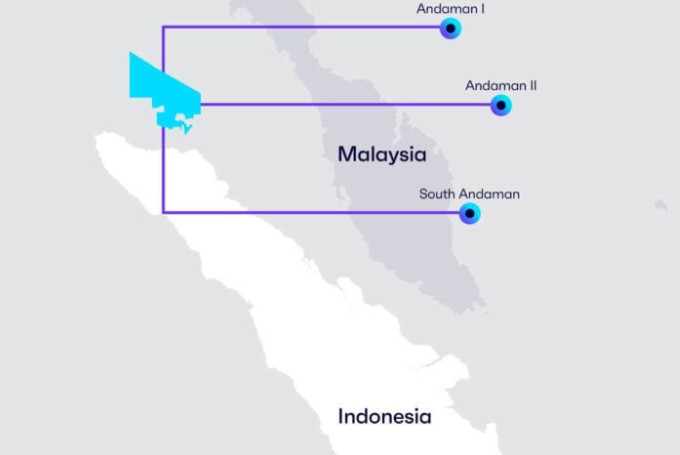
Abu Dhabi’s Mubadala Energy has acquired a 24.1% equity stake in Caturus, a rebranded platform for natural gas and liquefied natural gas exports, following the successful closure of its investment in partnership with alternative asset manager Kimmeridge. This move marks a significant step in Mubadala’s strategy to strengthen its foothold in the US energy market, specifically within the integrated natural gas and LNG sectors.

Mubadala Energy’s involvement in the US market reflects its broader strategy to diversify its portfolio, tapping into high-growth energy markets outside its core base. The company’s new stake in Caturus aligns with its goal to expand its presence in global energy infrastructure, particularly in areas that promise long-term stability and returns.

The deal, valued at an undisclosed sum, solidifies Mubadala Energy’s growing influence in the North American energy sector, which has been experiencing a surge in LNG exports. The US has become a crucial player in the global LNG market, with rising production levels and the establishment of new infrastructure facilitating an increasing flow of exports, particularly to Europe and Asia.

Kimmeridge, a US-based alternative asset manager, has also made substantial strides with its role in Caturus, cementing its position as a key player in energy investments. The collaboration between Mubadala and Kimmeridge is part of a wider effort to create a more integrated and efficient LNG export system, as the two firms look to leverage their combined expertise to drive future growth and development in the sector.

This partnership highlights the growing trend of international energy companies and investment firms looking to the US as a prime location for natural gas and LNG infrastructure. The US energy landscape has seen significant transformation in recent years, with abundant shale gas reserves and increased technological advancements enabling greater extraction and export capabilities.

Caturus itself is designed to optimise the export of LNG, focusing on enhancing infrastructure, improving logistics, and ensuring the delivery of natural gas to international markets with efficiency and minimal environmental impact. The platform’s focus on sustainability aligns with Mubadala’s wider goals of promoting cleaner energy solutions and reducing carbon emissions within its portfolio.

By securing a stake in this critical infrastructure, Mubadala Energy not only diversifies its holdings but also strengthens its role in the ongoing global shift towards cleaner energy sources. The company has committed to transitioning its investments towards more sustainable energy solutions, with a particular focus on natural gas, which is seen as a cleaner alternative to coal and oil in power generation.

Caturus’s strategic location within the US allows it to access key markets, positioning it as a vital part of the LNG export network. With LNG demand increasing globally, particularly in Asia, the platform is well-placed to capitalize on the growing need for cleaner and more sustainable energy options. Mubadala’s participation in this project is expected to enhance its capacity to meet the increasing energy demands of international markets while positioning itself as a responsible player in global energy transitions.

The shift towards LNG and natural gas aligns with broader global energy policies that are looking to reduce carbon emissions and transition away from coal. As countries around the world pursue cleaner alternatives to traditional energy sources, LNG has become an attractive option due to its lower emissions profile compared to coal and oil. The increased export of LNG from the US is particularly important as it helps to meet the energy needs of European and Asian markets, which have increasingly turned to LNG for their energy security needs.

Mubadala Energy’s commitment to sustainability and the environment also underpins this investment. The company has set ambitious goals to reduce its carbon footprint and increase its investments in renewable and low-carbon energy technologies. This aligns with the UAE’s broader energy strategy, which has placed a strong emphasis on cleaner energy, and further reinforces Mubadala’s role in contributing to these global efforts.

Signing Multiple MoUs to Drive Regional FinTech Collaboration and Innovation HONG KONG SAR – Media OutReach Newswire – 8 August 2025 – Cyberport led a delegation of its FinTech start-ups to participate in MyFintech Week 2025 (MyFW 2025), held in Kuala Lumpur from 4 to 7 August. During the event, Cyberport witnessed its community start-ups signing multiple Memorandum of Understanding (MoUs) with international and local FinTech partners, […]

The global network security sector is projected to witness significant expansion, reaching $38 billion by 2029, up from $24 billion in 2024. This robust growth trajectory comes amid escalating concerns over cyber threats and the increasing adoption of cloud technologies, hybrid work environments, and AI-driven innovations. A major factor driving the growth of the network security market is the widespread transition to cloud-based infrastructures. Organisations across various […]

President Donald Trump is poised to sign an executive order on Thursday that will significantly reshape the landscape of retirement savings in the United States. The new directive will allow a broader range of alternative assets, such as private equity, real estate, and cryptocurrencies, to be included in 401 retirement accounts. This move marks the most substantial attempt by the administration to open up defined-contribution plans to non-traditional investment options, reflecting a growing desire to diversify retirement portfolios and enhance returns for savers.

The executive order is expected to provide American workers with the opportunity to invest in assets that have been historically out of reach for retirement accounts, which traditionally have focused on stocks, bonds, and mutual funds. The inclusion of private equity, real estate, and digital currencies aims to offer investors access to higher-yielding opportunities that could potentially outperform traditional investments, especially in times of economic uncertainty. By broadening the range of eligible assets, the administration hopes to increase the financial security of millions of retirees.

One of the key motivations behind this move is the desire to address the gap in retirement savings, particularly for individuals who do not have access to pension plans or other employer-sponsored retirement options. With many workers relying heavily on their 401 accounts for their financial future, this expansion could play a pivotal role in enhancing wealth accumulation over time. By enabling exposure to assets with historically higher returns, the plan aims to encourage long-term investing that may outperform the more conservative strategies currently available in these accounts.

The shift comes amid ongoing debates about the future of retirement savings in the United States. While many financial experts have lauded the potential of these alternative assets to boost returns, others have expressed concerns about the risks associated with their inclusion in retirement accounts. Private equity, real estate, and cryptocurrencies are known for their volatility, which could expose 401 investors to greater risk, particularly those with a lower tolerance for market fluctuations. These asset classes are often less liquid than traditional stocks and bonds, which could complicate the ability of retirees to access funds when needed.

Despite these concerns, proponents argue that expanding access to alternative investments could be a game-changer for retirement savers, especially as traditional investment options provide lower returns in the current low-interest-rate environment. Real estate, for instance, can serve as a hedge against inflation, while private equity has the potential to offer higher returns through early-stage investments in high-growth companies. Cryptocurrencies, on the other hand, have gained popularity as an asset class due to their potential for rapid price appreciation, although their volatility remains a significant factor for consideration.

The administration’s decision to open the door to these alternative assets also aligns with broader trends in the financial services industry, which has seen an increasing number of investment firms offering exposure to private equity, real estate, and cryptocurrencies through exchange-traded funds and other vehicles. These developments reflect the growing recognition that investors want more diverse options for retirement planning, particularly as they seek to maximize their returns and ensure they are prepared for the future.

However, the move is not without its challenges. For one, the Department of Labor and the Securities and Exchange Commission will need to ensure that the inclusion of these alternative assets in 401 accounts is properly regulated to protect investors from fraud and market manipulation. There are also concerns about the administrative complexities involved in allowing retirement plans to invest in assets that may require more sophisticated management and oversight. The broader regulatory framework will likely need to evolve to accommodate the new rules, ensuring that both investors and financial institutions are equipped to handle the unique aspects of these asset classes.

The timing of this executive order also comes at a critical moment, as the U. S. government grapples with broader economic challenges, including rising inflation and concerns about the stability of financial markets. By expanding 401 options to include more alternative investments, the Trump administration hopes to provide American workers with the tools to better weather economic fluctuations and build more robust retirement portfolios.

Greenlogue/AP ACWA Power, a Saudi-listed leader in the global energy transition, has secured the Noor Midelt 2 and Noor Midelt 3 solar projects in Morocco. The projects were awarded following an international tender process facilitated by the Moroccan Agency for Sustainable Energy. These two projects are set to significantly contribute to Morocco’s efforts to diversify and expand its renewable energy capabilities. Both Noor Midelt 2 and Noor […]

The European Union has revived a contentious proposal, “Chat Control,” which seeks to mandate the scanning of private communications on messaging platforms such as WhatsApp, Signal, and Telegram. The plan aims to detect and prevent the spread of child sexual abuse material, a move that has sparked intense debate regarding the balance between privacy rights and safeguarding vulnerable individuals. The proposal has drawn widespread opposition from privacy […]

ServeU, a prominent facilities management firm in the UAE, has secured a strategic acquisition of House Keeping and its domestic workers division in a deal valued at 100 million dirhams. This acquisition marks a significant move for ServeU, expanding its presence in the domestic workforce segment and enhancing its service capabilities. The acquisition, finalized by ServeU, includes both the House Keeping brand and its subsidiary operations. Despite […]

VISHNU RAJA
RYO YAMADA
HITORI GOTOH
IKUYO KITA