News related to
Showcase

Dubai’s GITEX GLOBAL 2025 is turning the spotlight on East Africa as a rising force in the artificial intelligence landscape, with regional governments and private players leveraging the event to signal ambition across infrastructure, AI research and startup ecosystems. More than 6,800 tech enterprises and 2,000 startups from 180 countries will convene in Dubai from 13 to 17 October under the GITEX banner, showcasing breakthroughs in biotech, […]

India is dispatching over 450 technology firms and startups to GITEX Global 2025 in Dubai, anchoring the India Pavilion under the aegis of ESC. The pavilion will span multiple halls and spotlight more than 100 Indian enterprises across sectors such as AI, cybersecurity, cloud computing, IoT, smart mobility, fintech and digital infrastructure. Organisations will also engage in high-stakes networking, investor roundtables and B2B matchmaking.

GITEX Global 2025, running from 13 to 17 October at the Dubai World Trade Centre, draws more than 6,800 tech companies and some 2,000 startups from about 180 countries. It is expected to be the largest edition to date, integrating themes such as physical AI, quantum computing, biomedicine and semiconductor innovation. Across the co-located Expand North Star event, over 1,200 investors managing assets exceeding US$1.1 trillion will scout opportunities among scale-ups and unicorns.

The India Pavilion marks a concerted push to convert India–UAE strategic frameworks into tangible tech commerce. With the India–UAE Comprehensive Economic Partnership Agreement and the Local Currency Settlement System operational, cross-border ICT trade has surged. Bilateral trade crossed US$100 billion during fiscal year 2024–25, and electronics exports alone reached US$3.7 billion, positioning the UAE as a key destination for Indian hardware shipments.

At a preparatory briefing, Kamal Vachani, ESC’s regional director for Dubai, described the pavilion as more than a display — “a living showcase of India’s tech prowess and growing synergy with the UAE.” ESC’s CEO, Gurmeet Singh, noted that many participating companies are MSMEs or first-time exporters, and that the pavilion aligns with India’s ambition to emerge as a global electronics hub.

India’s strategy at GITEX goes beyond sheer numbers. Firms are bringing solutions purpose-built for global markets — from smart city platforms to blockchain-enabled supply chains. The pavilion will host curated sessions on cross-border compliance, regulatory alignment, and scalable deployment across Middle Eastern and African markets.

For the UAE, the event reinforces its vision of acting as a global nexus for innovation and capital. Major corporate names such as G42, e&, IBM, AMD, Huawei, Microsoft, Oracle and Amazon Web Services will anchor the exhibitions. New entrants including Cerebras, Tata Electronics, Qualcomm and Tenstorrent will attempt to break in. The show also emphasises future-critical infrastructure: hyperscale data centres, quantum systems, and semiconductor roadmaps are front and centre.

Globally, one of the event’s linchpin themes is the maturation of AI into domain-specific systems. The AI Semicon track will address sovereign technology imperatives in chip design, while the Quantum Expo will present fault-tolerant architectures. At the intersection of AI and healthcare, companies like Mammoth Biosciences and Paradromics will illustrate how gene-editing and neurotech are being reimagined. Robotics firms will showcase humanoid prototypes and autonomous “robocars,” underscoring the pivot to “physical AI.”

Strategic partnerships form a parallel narrative. India and the UAE are finalising memorandum exchanges via the UAE-India Business Council to deepen collaboration across fintech, logistics, digital infrastructure and state-level investment. The CEPA Start-up Series launched earlier this year in New Delhi underscores a joint intent to foster innovation-led cross-border growth.

Dubai — Hytera Communications unveiled a slate of artificial intelligence-driven communication tools designed specifically for public safety, law enforcement and defence sectors in the Gulf region, ahead of its showcase at GITEX Global 2025.

At the heart of Hytera’s push is a vision of integrated, mission-critical communications that fuse voice, video, and data streams with AI analytics to improve situational awareness, incident response speed and evidence handling.

The company will debut the P60 Smart PoC Radio, a compact device marrying push-to-talk over cellular capability with 3GPP-aligned mission-critical services. This enables frontline users to stream video, send data, and communicate via voice over a single radio interface. Also on display will be the SC700 LTE Body Camera, built for continuous field operation with extended battery life, high-definition video capture and advanced noise reduction in audio. The SC700 is integrated with Hytera’s upgraded Digital Evidence Management system, which automates evidence ingestion, classification and secure sharing while preserving a chain of custody.

Hytera also plans to demonstrate its Intelligent Mobile Enforcement Solution, an ecosystem combining body cameras, in-vehicle video units and AI models for real-time analytics such as facial recognition and licence plate detection. From command centres, data from multiple sensors can be aggregated and visualised to support dispatch decisions and resource allocation.

According to Stanley Song, Vice President at Hytera, the Middle East market represents one of the fastest growing regions for professional communication technologies. He emphasised that public safety systems must go beyond simple coverage — they must protect the integrity of data, location privacy, and resilience against cyber threats. Given the rising challenges of urban security, cross-border crime and regional instability, Song argued that interoperable, secure, AI-augmented communications can help authorities maintain continuity under stress.

Hytera’s roadmap reflects broader shifts in the mission-critical communications sector. Competing firms are also embedding AI capabilities and federated data architectures so that frontline devices act as sensors, not just radios. In parallel, regional governments in Gulf Cooperation Council states are investing heavily in smart city, surveillance and emergency response infrastructures, creating receptive demand for advanced solutions.

Abu Dhabi’s government will lead a major showcase at GITEX Global 2025, unveiling a new era of AI-native public services under its Digital Strategy 2025–2027. The Department of Government Enablement will coordinate over 30 government and academic institutions in a pavilion displaying 55 flagship initiatives.

The event, held from 13 to 17 October at the Dubai World Trade Centre, will feature the launch of TAMM 4.0, positioning it as a flagship AI-driven government platform. Other key displays include AI Supervisor and Smart Investigator by the Abu Dhabi Police, Smart Hotel Check-In by the Department of Culture and Tourism, QMobility’s barrier-free parking pilot, the Personal AI Recruitment Companion, and Rayah, a student-parent tracking app from the Department of Education and Knowledge. The DGE expects many projects to be shown publicly for the first time, alongside immersive VR experiences aimed at portraying the impact of AI on diverse stakeholders.

Chairman of the DGE, Ahmed Tamim Hisham Al Kuttab, emphasised that public services are being designed around human needs, saying the “AI-Native by Design, Community-Driven by Purpose” approach drives a reimagined, intuitive government. DGE Director General Wesam Lootah added that over 100 high-impact AI solutions have already been deployed across the emirate, following assessments of nearly 400 options, moving toward the vision of being the world’s first fully AI-native government by 2027.

Abu Dhabi’s announcement underscores more than a display of technological ambition—it highlights strategic public sector transformation at scale. The emirate claims to have rolled out AI across more than 40 government entities, automating predictive service delivery, compliance analysis, and multilingual assistance. The upcoming pavilion will also showcase Sahatna, a health services initiative, and AI Majlis forums intended to foster public dialogue on ethical and inclusive AI adoption. Workforce transformation forms a core pillar: over 95 percent of Abu Dhabi’s 30,000 government employees have reportedly undergone extensive AI awareness and skills training, with AI leadership roles now embedded in all Abu Dhabi entities.

The Digital Strategy 2025–2027 backs this push with an investment of AED 13 billion dedicated to creating an AI-first government. Key transformation axes include lifecycle orchestration of public services, predictive governance, intelligent infrastructure, and a talent ecosystem to support long-term innovation. Abu Dhabi’s approach draws attention not only for local modernization but for its ambition to set a benchmark in government digital transformation globally.

GITEX Global 2025 is positioned as a pivotal stage for these ambitions. Now in its 45th edition, the event spans multiple intersecting tech domains—including AI, blockchain, sustainability, and digital infrastructure—and serves as a convergence point for technology, policy and innovation. Abu Dhabi’s participation marks its 14th consecutive presence, reinforcing continuity in its evolving digital narrative.

MACAU SAR – Media OutReach Newswire – 8 October 2025 – Organised by the Macao Government Tourism Office (“MGTO”), the “Experience Macao Mega Sale” in Malaysia will be held in Kuala Lumpur, with SJM Resorts, S.A. (“SJM”) as a key participant. This four-day tourism and cultural showcase, from 9 to 12 October at IOI City Mall, underscores SJM’s strategic collaboration with the Macao SAR Government to further […]

GITEX GLOBAL 2025 is primed to showcase groundbreaking developments in artificial intelligence, drawing attention from industry leaders and innovators worldwide. The event is expected to play a pivotal role in shaping the future of AI, as a growing number of companies and startups highlight AI’s transformative capabilities across multiple sectors.

The spotlight will be on the innovative use-cases that AI offers, from healthcare and finance to transportation and beyond. AI’s potential to revolutionise industries is set to dominate discussions, as the event will feature a plethora of demonstrations, seminars, and cutting-edge technologies aimed at propelling AI to new heights. The highly anticipated conference will also address the challenges AI faces, particularly concerning data privacy, security, and the ethical implications of rapidly evolving technologies.

Several leading AI-driven companies are expected to debut next-generation products and services that will redefine the way businesses and consumers interact with technology. The launch of AI tools designed to optimise workflows, enhance customer experiences, and boost operational efficiency will take centre stage, underscoring AI’s growing role in the business world. Key players such as tech giants and emerging startups are preparing to demonstrate solutions that leverage AI for better decision-making, automation, and personalised services.

One of the most anticipated announcements is the unveiling of AI-powered healthcare technologies. AI’s ability to accelerate diagnostics, enhance patient care, and streamline administrative tasks is generating immense interest in the medical field. Exhibitors at GITEX GLOBAL 2025 will present AI-powered tools that use machine learning algorithms to analyse medical images, predict health risks, and support doctors in making faster and more accurate decisions. Such advancements have the potential to revolutionise healthcare delivery globally, improving outcomes and reducing costs in the process.

The financial services industry is also embracing AI, with a growing number of companies leveraging AI to enhance fraud detection, improve risk management, and optimise investment strategies. AI’s capabilities in analysing vast amounts of financial data in real-time are being used to identify patterns and trends that would be difficult for human analysts to detect. During GITEX GLOBAL 2025, financial institutions and fintech startups are set to demonstrate how AI is reshaping the way investments are managed and how consumers interact with their financial institutions.

Another key area where AI is making waves is autonomous transportation. From self-driving cars to AI-assisted logistics, the transport sector is undergoing a dramatic shift. At GITEX GLOBAL 2025, industry leaders will reveal advancements in AI-driven transportation solutions that promise to improve safety, reduce traffic congestion, and make travel more efficient. AI’s ability to process vast amounts of real-time data and make split-second decisions is crucial to the development of autonomous vehicles and their integration into the wider transportation ecosystem.

AI’s role in cybersecurity is also a hot topic at GITEX GLOBAL 2025. As cyber threats become more sophisticated, AI is increasingly being used to detect, prevent, and respond to security breaches. By analysing patterns in network traffic and identifying anomalies, AI-powered cybersecurity systems can rapidly identify and mitigate threats, offering a new level of protection for organisations and consumers alike. The growing importance of AI in safeguarding sensitive information and ensuring secure digital environments will be a central theme during the event.

Sustainability is another area where AI is being leveraged to drive change. From optimising energy usage in smart cities to improving the efficiency of manufacturing processes, AI is helping industries become more sustainable. GITEX GLOBAL 2025 will showcase AI technologies that are not only transforming industries but also contributing to global sustainability goals. These solutions promise to reduce carbon footprints, lower energy consumption, and make industries more efficient and environmentally friendly.

MACAU SAR – Media OutReach Newswire – 9 October 2025 – Galaxy Macau™ Integrated Resort is delighted to present an evening of operatic splendour with “Galaxy Macau™ Presents – Galaxy Music Gala: Sumi Jo – Mad for Love” as internationally acclaimed South Korean soprano Sumi Jo makes her long-awaited Macau debut at 17:00 on December 28 at Auditorium of the Galaxy International Convention Center (GICC). Tickets will […]

Advertisements

GITEX, the iconic technology and innovation expo, is broadening its footprint by expanding into Vietnam, heralding a new chapter for the Southeast Asian nation’s burgeoning digital economy. With the event’s successful history in the Middle East and Asia, this expansion signals a strong shift towards positioning Vietnam as a central player in the global digital arena. The launch aligns with Vietnam’s ambitious vision to develop a digital economy worth over $200 billion by 2030, driven by the country’s evolving tech ecosystem, government-backed initiatives, and an increasingly connected population.

GITEX Vietnam, set to take place in Hanoi, is expected to be a major catalyst for the nation’s digital transformation. The expo, known for showcasing the latest advancements in AI, cloud computing, cybersecurity, and smart technologies, will provide a platform for global tech giants and local startups to foster collaboration. This shift not only promises to boost local innovation but also offers international companies the opportunity to tap into Vietnam’s rapidly growing market. The country’s young, tech-savvy population and expanding digital infrastructure make it an ideal destination for the event, underscoring the symbiotic relationship between GITEX’s global platform and Vietnam’s digital future.

The expansion into Vietnam is a testament to GITEX’s strategic move to capture the rising tide of digitalisation across Southeast Asia. According to industry analysts, Vietnam’s digital economy is one of the fastest-growing in the region. With the government’s commitment to building a robust digital infrastructure, the country aims to integrate digital solutions across key sectors, including healthcare, education, logistics, and manufacturing. This government push is expected to further accelerate innovation in AI and blockchain technologies, sectors where Vietnam has begun to make notable strides.

One of the main drivers behind Vietnam’s digital economy ambitions is the government’s Digital Transformation Program, which aims to equip businesses and individuals with the tools to thrive in the new digital world. As part of this initiative, the Vietnamese government has pledged to support local startups and foster an environment conducive to technological advancements. Public-private partnerships are expected to play a pivotal role in bridging the gap between government policy and the commercial sector, ensuring that both infrastructure and innovation go hand in hand.

GITEX’s involvement in this transformation is poised to elevate Vietnam’s digital capabilities on the global stage. By offering a comprehensive view of the latest trends, technologies, and business solutions, the event will expose Vietnamese enterprises to the tools and insights needed to enhance productivity, efficiency, and innovation. As part of the expansion, Vietnam’s homegrown tech companies will also be able to showcase their capabilities, fostering collaboration with global leaders in digital technologies.

The 2025 edition of GITEX Vietnam will feature a broad spectrum of sectors, including digital health, fintech, artificial intelligence, and cybersecurity. These areas align closely with the country’s vision to modernise key industries and improve overall living standards through technology. AI, for instance, is expected to play a crucial role in enhancing Vietnam’s manufacturing sector, enabling greater automation and precision in production. Additionally, fintech’s rise in Vietnam promises to boost financial inclusion by offering innovative solutions to underserved populations, with digital payments and mobile banking expanding rapidly in urban and rural areas alike.

The growing momentum of GITEX in Southeast Asia is evident through its ongoing success in regions like the UAE, India, and Saudi Arabia, where it has served as a crucial platform for digital transformation discussions. The move into Vietnam further strengthens its position as a global tech hub, providing valuable opportunities for cross-border collaboration. Vietnamese companies, eager to expand their reach, will benefit immensely from the international exposure GITEX provides, potentially paving the way for future partnerships, investments, and technological breakthroughs.

Google is replacing its long-standing Assistant with a new AI system named Gemini across smart home devices, and the company says the next generation of its Nest Hub will be fully powered by this shift. The move signals an acceleration of AI integration in consumer hardware, transforming how people interact with their homes. Under the rebranded “Gemini for Home” strategy, Gemini becomes the default intelligence for smart […]

Genians and RASInfotech are set to showcase a unified cybersecurity stack centred on Network Access Control, Endpoint Detection & Response and Universal Zero Trust Network Access at GITEX 2025, positioning their approach as a path to measurable security outcomes in the Middle East and Africa.

At the heart of their presentation is the proposition that NAC is not just an access control tool but a foundational anchor for Zero Trust adoption. With RASInfotech acting as their MEA distributor, Genians claims to deliver seamless transitions from on-premises NAC systems to cloud-managed deployment models with no operational downtime, while extending enforcement to both IT and OT environments.

Genians’ EDR offering, emphasised as on-premises to satisfy data sovereignty demands, is promoted as a complement to NAC—working together to fortify visibility, threat response, and enforcement. Executives point to deployments in sectors such as government, healthcare and retail across the MEA region to validate their approach.

Cybersecurity demand in the region is rising sharply. The Middle East cyber market is projected to expand significantly in coming years. Observers note that adversaries are increasingly adopting AI-driven techniques such as deepfake phishing, polymorphic malware and supply chain intrusions, making traditional perimeter defences inadequate. At GITEX, solutions built on identity, device context and continuous monitoring are gaining traction.

To that end, Genians intends to demonstrate how NAC and EDR modules integrate into a unified Zero Trust architecture—eschewing fragmented SASE modules in favour of a cohesive platform. Their roadmap emphasises enforcement from the network layer outwards, rather than additive overlays. The company also claims to have identified threat campaigns—such as a North Korean cyber espionage operation leveraging ChatGPT—that its platform is capable of detecting and analysing, reinforcing its real-world efficacy.

Regional support is central to Genians’ strategy. RASInfotech maintains a technical support centre in India to offer 24/7 engineering backup across time zones, while a regional Korean government–backed cybersecurity initiative taps Genians and partner vendors to strengthen regional infrastructure resilience. The collaboration is framed around “regional sovereignty” in data control and local compliance alignment.

Within the channel ecosystem, the role of integrators and resellers is evolving. Traditional resellers are being pushed to become resilience architects—advisors that guide enterprises from legacy infrastructure to Zero Trust, rather than merely deploying point products. Genians and RASInfotech are reportedly investing in partner training, labs, and enablement to support that shift.

Celebrating Thai Culture and Soft Power on the Global Stage While Highlighting the Success of Korea’s Clean Energy Transformation BANGKOK, THAILAND – Media OutReach Newswire – 9 October 2025 – B.Grimm Power, a leading global energy producer, proudly announced its successful role as the main sponsor of the “Sawasdee Seoul Thai Festival 2025,” a vibrant celebration of Thai culture held in Seoul, South Korea. The festival highlighted […]

Abu Dhabi’s Department of Health will present a portfolio of artificial intelligence–based healthcare solutions at the upcoming GITEX Global 2025 event in Dubai. The showcase is intended to reinforce the emirate’s ambitions to lead in digital health transformation and embed AI into clinical and public health systems.

DoH plans to display tools ranging from predictive diagnostics to personalised wellness platforms, emphasising preventive care and data-driven interventions. H. E. Dr Noura Khamis Al Ghaithi, Undersecretary of DoH, stated that leveraging AI is central to “reshaping how care is delivered” and enabling people to “live healthier, longer lives.”

The Abu Dhabi delegation will also highlight the emirate’s efforts to integrate AI across healthcare infrastructure, including hospital systems and community services. As part of the pitch, DoH intends to advance models that predict health risks, flag early disease onset, and streamline patient journeys from diagnosis to treatment.

The timing of this unveiling aligns with Abu Dhabi’s broader push into AI research and high-tech partnerships. In September 2025, Nvidia and Abu Dhabi’s Technology Innovation Institute launched a joint lab focusing on robotics and advanced AI models, including deployment of Nvidia’s “Thor” chip for robotic applications. That initiative is part of the UAE’s wider effort to become a global AI player.

At GITEX Global—a technology exhibition scheduled from 13 to 17 October at the Dubai World Trade Centre—the DigiHealth & Biotech track is expected to draw startups, tech firms and health ministries showcasing innovations across genomics, diagnostics, telemedicine and biotech. The exhibition emphasises frontier domains: physical AI, quantum computing, semiconductors and data-centre infrastructure.

Abu Dhabi is also seeking to signal that its AI investments are more than pilot projects. Through collaborations with private technology firms, academic institutions and regional health authorities, DoH aims to build a scalable, interoperable health data ecosystem. Under its strategy, AI modules would be deployed not just in tertiary hospitals, but in primary care, clinics, remote monitoring and wellness programmes.

Critics point to challenges ahead, including data privacy, algorithmic bias, regulatory oversight and integration with legacy systems. Effective AI deployment in health requires robust patient consent frameworks, transparent models and continuous validation across diverse populations. Observers note that many AI health systems falter when scaled beyond controlled environments.

Law Blocks AI, a UAE-based legal tech startup, is staging an event titled “From Disputes to Digital Trust: ADR Meets AI & Blockchain” on 14 October at Emirates Financial Towers in Dubai, scheduled alongside GITEX and Future Blockchain Summit. The firm aims to present its integrated platform combining artificial intelligence, blockchain, and alternative dispute resolution to legal professionals, corporates and technologists. At the heart of the company’s […]

SINGAPORE – Media OutReach Newswire – 8 October 2025 – Food Japan 2025, ASEAN’s premier exhibition for Japanese food and beverage (F&B) products, technology, and services, opened today for its 13th edition. The event continues to serve as a vital platform for celebrating Japan’s culinary heritage, spotlighting cutting-edge innovations, and fostering business partnerships across the region. This year, 153 exhibitors from 35 prefectures and Singapore are participating, […]

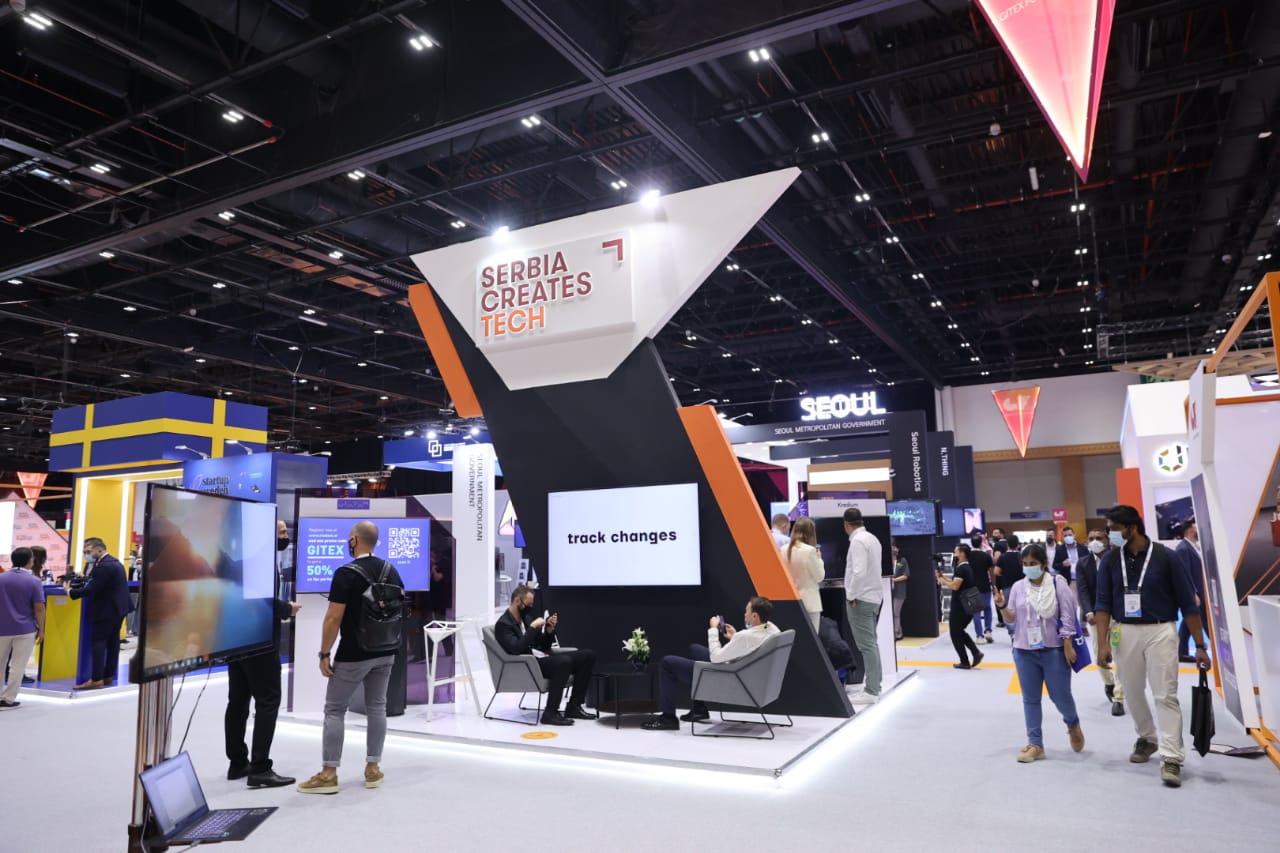
Serbia will serve as the Future Digital Economy Partner Country at GITEX Global 2025 in Dubai, becoming the first European nation accorded that role. The designation foregrounds Serbia’s ambitions to reposition itself from outsourcing hub to innovator in global tech markets.

Serbia’s IT exports crossed €3.5 billion in 2023, and the sector has maintained close to 20 percent year-on-year growth. The number of IT firms now exceeds 4,000, with many branching into domains such as fintech, health tech, AI and gaming. The Chamber of Commerce and Industry of Serbia, which leads the national delegation, views the GITEX platform as an opportunity to elevate the country’s narrative beyond cost-competitiveness to creative capacity.

Marko Čadež, president of CCIS, said Serbian firms are now pitching themselves as long-term transformation partners rather than simple vendors. He emphasised that enterprises increasingly expect strategic collaboration, not just software delivery. Meanwhile, analysts point to Serbia’s strong foundations—high math and engineering education standards, English proficiency, and relatively affordable costs—as a competitive edge in Eastern Europe.

Yet Serbia confronts headwinds. Talent retention is an ongoing challenge: many trained professionals migrate to Western Europe or the U. S. Infrastructure remains uneven, with rural areas lagging behind Belgrade in connectivity. In addition, venture capital inflows to the Balkans are smaller compared to Western Europe, constraining the ability of startups to scale aggressively.

Serbia is attempting to counterbalance those constraints through targeted programmes. The Chamber of Commerce has launched “Start 2,” a support scheme for scale-up firms, which includes mentoring and market access, and will be showcased at GITEX Europe in Berlin. The programme focuses on Serbian companies already achieving revenues above €250,000 and aims to open doors into German and EU markets.

At GITEX Global 2025, Serbia will present a showcase of startups and products under “North Star,” highlighting innovations in AI, e-commerce, predictive analytics, and diagnostics tools. Its delegation will also include outsourcing firms pitching upscaled offerings—product co-development, R&D support, and domain expertise in sectors such as telecom and healthcare.

GITEX organisers themselves have underscored Serbia’s place among rising tech nations: the 2025 edition includes 6,800 tech enterprises, 2,000 startups, and participant countries from 180 nations. Serbia joins Brazil and Pakistan as Country Partners this year—a reflection of the broader intention to diversify the event’s global footprint. The spotlight on AI, biotech, semiconductors, data infrastructure, and robotics offers Serbia a chance to align its exposure with the global themes defining tech agendas.

Over 200 films from 40 countries light up Bangkok until October 15 BANGKOK, THAILAND – Media OutReach Newswire – 8 October 2025 – The Bangkok International Film Festival (BKKIFF) has returned in spectacular form, transforming the Thai capital into a global stage for cinema and culture. Running from September 27 to October 15, 2025, the 19-day festival is now in full swing, already drawing packed audiences, international […]

Edgecore Networks will reveal its latest open infrastructure solutions at the OCP Global Summit in San Jose and GITEX Global in Dubai, with demonstrations of next-generation AI, networking, and compute platforms designed to ease deployment and boost performance.

The Taiwanese firm plans four flagship showcases: new Tomahawk 6–based data centre switches, a proof-of-concept for co-packaged optics, its Nexvec™ turnkey AI solution, and an upgraded Nous infrastructure controller offering composable compute management. The exhibitions will take place during the week of 13 October: at the OCP Summit from 13–16 October and at GITEX from 13–17 October.

Edgecore emphasises that the Tomahawk 6 switches can deliver more than 100 Tbps of bandwidth, supporting AI cluster demands with low latency and high density. The company adds that its CPO concept demonstrates integration of optical elements directly into switch silicon, reducing power and footprint. Its Nexvec™ offering is a pre-validated stack combining open networking with GPU compute, while Nous enables dynamic allocation of GPU, memory and compute resources.

Mingshou Liu, President of Edgecore, is quoted as saying that as AI workloads accelerate, simplifying deployment is crucial, and that the firm seeks to lead in the open infrastructure community with turnkey and scalable offerings.

Edgecore’s push comes at a time when hyperscale data centre operators are under pressure to manage burgeoning AI compute demands without ballooning costs or power draws. Industry trends point to co-packaged optics, disaggregated architectures, and composable resource frameworks as priorities for the next wave of infrastructure evolution. At the OCP Summit, the AI HW/SW co-design and open systems tracks will explore modular compute, memory architectures and photonic interconnects for AI clusters.

In parallel, GITEX Global has become a high-stakes stage for showcasing AI infrastructure, especially in the UAE’s drive to scale AI capabilities and attract global tech investment. With over 45 editions, the event draws global vendors and governments presenting AI, semiconductors, networking, and startup innovation. Edgecore’s presence signals its intention to engage key markets in the Middle East, where data centre growth, AI deployment, and regional cloud expansion are strong levers.

Edgecore is not alone in spotlighting AI infrastructure at these events. Major networking suppliers, chip vendors, and cloud players are expected to present competing solutions, particularly around optical integration, disaggregation, and hardware-software co-design. Observers will closely track how well Edgecore’s offerings stack up in power efficiency, interoperability, and ease of deployment.

Within its broader strategic frame, Edgecore continues to emphasise open, standards-based infrastructure. Its public messaging highlights disaggregated networking, composable compute, and software-defined manageability. The timing of product demonstrations at both OCP and GITEX gives the company a dual audience of deeply technical integrators and regional enterprise buyers.

At the OCP Summit, Edgecore’s participation also coincides with evolving community priorities—AI, sustainability, modular compute, and photonics interconnect are central tracks. During the event, Edgecore’s representative Tim Zhou will present on simplifying large-scale “agentic AI” deployments in a session scheduled for 16 October.][5])

ASUS has confirmed that it will spotlight a broad suite of AI-enabled products and infrastructure at GITEX Global 2025, framing its participation around the theme “Ubiquitous AI. Incredible Possibilities.” The corporation aims to demonstrate how artificial intelligence can permeate devices, enterprise systems and urban environments.

The company’s exhibit will cover four core domains: AI-first design, cloud integration, sustainability and education technology. On the hardware front, ASUS plans to showcase the B5405 ergonomic laptop, the P5405 with a 47 TOPS NPU, and the B9403 weighing under 1 kg with all-day battery life. Chromebook models such as the CX5403 Plus and Windows devices like the BR1204 will cater to education users.

In its infrastructure tier, ASUS will highlight its AI POD, HGX servers and the Ascent GX10 platform powered by the NVIDIA GB10 Grace Blackwell superchip. Workspace innovation will include compact offerings such as the NUC 15 Pro and NUC 14 Pro AI. On the edge side, embedded systems for smart cities and autonomous systems—such as the PE2200U, PE6000G, and PE2100N—are also in the lineup.

ASUS emphasises the role of partnership in its vision. It plans to accentuate cooperation with NVIDIA via its “Enterprise AI Factory” programme, which supports AI-ready racks and POD designs tuned for large language models and immersive workloads. The company will also underline measures in security, durability and ease of maintenance across its product line.

Tolga Özdil, Regional SYS Commercial Director for META at ASUS, remarked that the Middle East is positioned at a digital inflection point, with AI shaping institutional and economic evolution. He framed GITEX as a platform to bring the company’s latest innovations into conversation with regional stakeholders. ASUS’s Regional Director for Middle East & Africa, Senic Chiu, added that the event offers opportunity to show how intelligent tools can reshape industries and daily life.

ASUS’s timing comes against the backdrop of an intensifying global push for AI infrastructure. GITEX 2025 is expected to draw more than 6,800 tech firms and 2,000 startups from 180 countries. Key event themes include advancements in quantum, biotech, data centres and robotics.

Beyond individual exhibitors, the show underscores the rapid expansion of the global AI economy. According to organisers, investment in data centres alone is forecast to surpass US$500 billion in 2025. Meanwhile, GITEX’s startup track, Expand North Star, will run in parallel and feature over 1,200 investors managing US$1.1 trillion in assets.

ASUS’s introduction of its AI roadmap at this scale signals that device manufacturers are no longer content to remain at the periphery of the AI stack. As more process layers—from silicon to application—are exposed to AI optimisation, hardware firms are positioning themselves to own more of the value chain. However, challenges remain: power efficiency, thermal constraints, ethical AI integration and data security are frontlines ASUS must navigate.

Omnix International will unveil its HOT Systems suite—built in collaboration with PNY—at GITEX Global Dubai from 13 to 17 October, spotlighting AI workstations, liquid-cooled laptops and a new system-monitoring tool dubbed HOT Guard.

Visitors to the Hall 5, Booth 30 installation will see across-industry demonstrations—architecture, engineering, media, research—illustrating how tailored hardware accelerates digital transformation, reduces thermal throttling, and boosts reliability under sustained loads. HOT Guard introduces a continuous monitoring layer that oversees thermal behaviour, utilisation and system health, integrated with Omnix’s Hardware Optimization Technology stack.

The partnership with PNY ensures integration of high-performance memory and NVIDIA RTX graphics. PNY’s regional manager for MEA, Talus A Arukalil, emphasised that this collaboration positions the company to deliver “technology that doesn’t just keep pace with the future but defines it in the region.” On the HOT Systems side, Joseph John, Regional Sales Manager, asserted that the hardware is engineered “for today’s demands and tomorrow’s innovation,” targeting sectors where sustained compute power and system stability matter most.

According to Omnix’s own announcements, the new laptop models under the HOT Systems brand will be equipped with cutting-edge silicon—Intel Core Ultra 9 200HX or AMD Ryzen 9000 HX—matched with NVIDIA RTX 5080/5090 GPUs, DDR5 memory up to 128 GB, PCIe Gen 5 SSDs, Wi-Fi 7 and optional liquid cooling. These designs aim to balance high thermal headroom with energy efficiency and sustained performance even under intense workloads such as CAD, simulation and AI/ML inference.

Liquid cooling in a laptop format is still relatively rare. During previews, the company has framed this design choice as essential for holding consistent clock speeds over long renders or training sessions, reducing throttling under heat stress. As TBreak put it, the “pitch is stable clocks over flash specs,” targeting firms that can’t afford dips in performance mid-job.

With the industry steadily shifting from experimental AI use cases to full deployment, enterprises are increasingly looking for turnkey, dependable solutions—not just proof-of-concepts. In this environment, Omnix seeks to differentiate itself by offering not just hardware, but optimised stacks, monitoring, service support and aligned component integration.

GITEX Global 2025 is expected to host over 6,800 exhibitors from around 180 countries, showing advances across semiconductors, data centres, quantum computing, biotech and AI infrastructure. With global AI infrastructure investments accelerating sharply, regional companies and integrators are keen to showcase solutions tailored to local conditions—particularly in arid climates and metropolises with high operating temperatures.

The Co-Hosted With The World Economic Forum, The Summit Is Set To Launch Regional Initiatives on Sustainable and Safe AI and the Transitioning Industrial Cluster KUALA LUMPUR, MALAYSIA – Media OutReach Newswire – 7 October 2025 – The Malaysia Centre for the Fourth Industrial Revolution (MYCentre4IR) together with the World Economic Forum (WEF) will co-host the Powering the Intelligent Age: Driving Innovation with Southeast Asia and Beyond […]

Cisco will unveil its latest innovations at GITEX GLOBAL 2025 in Dubai, aiming to equip enterprises across the Middle East and broader region with infrastructure built specifically for the AI era. The showcase focuses on AI-ready data centres, resilient network architectures, and strengthened security frameworks designed to support advanced workloads in data-intensive environments.

By joining the AI Infrastructure Partnership alongside BlackRock, Microsoft, NVIDIA, xAI and others, Cisco has committed to accelerating capital flows into datacentre and infrastructure projects. The partnership expects to unlock $30 billion in initial funding, scaling up to $100 billion including debt financing. Cisco brings its network, security and systems expertise to support the platform’s mission of secure, at-scale AI infrastructure.

At the heart of Cisco’s push is its new Cisco Data Fabric, launched in integration with Splunk, which provides federated data access across systems such as Amazon S3, Iceberg, Delta Lake and Snowflake, routing workloads intelligently to the best analytics or storage engine. This architecture is intended to reduce data movement, shorten analysis latency, and enable enterprises to transform machine data into AI-ready intelligence.

To support retrieval-augmented generation and agentic AI deployments, Cisco introduced the Secure AI Factory solution with NVIDIA and VAST Data. This validated architecture accelerates data extraction and retrieval at scale while enforcing security guardrails for every token processed. AI PODs built under this architecture offer pre-validated, high-performance building blocks for enterprise AI.

Networking and security are being redefined for the AI workload environment. At Cisco Live 2025, the company launched a next-generation network architecture for campus, branch and industrial environments, delivering unified management and devices purpose-built to support AI traffic patterns. It also introduced Hybrid Mesh Firewall and Universal Zero Trust Network Access to embed security into network fabric across hybrid and distributed environments. These features aim to simplify policy enforcement, improve visibility, and reduce complexity in securing both human users and AI agents.

Cisco CEO Chuck Robbins disclosed that fiscal year 2025 saw record AI infrastructure orders. In its final quarter, the company secured over $800 million from webscale clients, bringing total AI-focused orders to more than $2 billion—more than double its initial target. He described the pipeline as steadily growing into “hundreds of millions” as enterprises demand scalable, secure solutions.

In the Middle East, Cisco plans to demonstrate the regional relevance of its technologies under the theme “Make AI Work for You.” According to Cisco’s new AI Readiness Index, a vast majority of organisations in the UAE expect to expand their data centre capacity for AI within five years. The company will also present its work with Splunk on security and observability platforms at the event.

Cisco’s collaboration with Saudi Arabia’s HUMAIN is intended to build out an open, scalable AI infrastructure ecosystem aligned with Vision 2030. The multi-year programme includes deployment of cloud-based AI infrastructure, joint research initiatives, and efforts to grow local talent and innovation. The partnership underscores Saudi ambitions to position itself as a global AI hub.

Cisco sees accelerating demand for network modernisation. Its internal research reports that 97 percent of IT leaders view modernised networks as critical to deploying AI, cloud and IoT workloads, and 98 percent rate secure networking as essential for growth. However, the same study notes that only 40 percent of organisations have begun deploying advanced segmentation or intelligent control, illustrating an execution gap.

To strengthen its AI strategy, Cisco also expanded its presence in Indonesia by signing a Letter of Intent with BRIN to develop AI and cybersecurity capabilities via its Country Digital Acceleration programme. The plan includes building an AI Centre of Excellence and delivering training in AI, security and networking to 500,000 Indonesians by 2030.

Splunk’s observability portfolio itself is being reworked to embrace agentic AI, deploying AI agents to automate tasks such as root cause detection, alert correlation and issue resolution. This is intended to lighten the operational burden on IT and engineering teams while driving real-time insight.


The Labour Fund, Tamkeen, has confirmed it will organise the Kingdom of Bahrain’s pavilion at GITEX Global 2025 in Dubai, featuring 14 Bahraini technology start-ups and small and medium enterprises alongside the Economic Development Board and ARRAY Innovations.

The event, scheduled from 13 to 17 October 2025, promises to provide the participating firms with access to global investors, partners and industry networks. The pavilion’s aim is explicit: to boost the international visibility of Bahrain’s ICT ecosystem and facilitate business growth.

Tamkeen’s announcement places it firmly in a leadership role for the pavilion’s curation and operations. The decision aligns with its 2025 strategic priorities, which emphasise supporting enterprise growth, promoting digitalisation, strengthening private-sector competitiveness and fostering sustainability.

Officials from Tamkeen and the Economic Development Board have highlighted that the selection of the 14 entities spans multiple subsectors within ICT, including software, data analytics, cybersecurity, and emerging technologies. They say the mix is intended to reflect both Bahrain’s current strengths and its ambitions for diversification.

In past editions of GITEX, Bahrain’s pavilion drew attention from regional and international delegations. During GITEX Global 2024, the pavilion was credited with facilitating multiple memoranda and partnership discussions. Tamkeen’s continued involvement signals its belief that sustained pavilion presence is critical to maintaining momentum in Bahrain’s tech diplomacy.

Some observers note that Bahrain’s tech infrastructure and regulatory environment are increasingly seen as competitive in the Gulf region. Over the past few years, the kingdom has liberalised foreign ownership rules in certain sectors and introduced incentives for startups and innovation funds. This pavilion engagement is viewed by analysts as part of a broader soft-power strategy to position Bahrain as a hub for digital investment.

However, challenges remain. For many Bahraini startups, scaling beyond domestic markets continues to be difficult. Access to international capital, navigating cross-jurisdictional regulation, and building brand recognition are persistent hurdles. Critics caution that pavilion exposure does not always translate into long-term market entry, and that stronger post-exhibition support is needed to ensure sustained growth.

Tamkeen has stated that it plans to accompany pavilion exposure with mentorship, investor matchmaking and export facilitation services for participating firms. The hope is that a combination of showcase visibility and structural support will help convert leads into lasting collaborations.

Already, the pavilion has generated interest among regional stakeholders. Several Gulf regional delegations and venture capital firms have expressed intent to engage with Bahrain’s teams during the event. The EDB is reportedly coordinating bilateral sessions between Bahrain’s entrants and visiting foreign trade missions.

For the 2025 edition, organisers have introduced a more structured schedule for pitch sessions, one-on-one meetings and thematic forums. This signals learning from past editions, where informal networking sometimes overshadowed targeted client engagement. Tamkeen officials have emphasised tighter alignment of startup offerings with investor interest sectors like fintech, AI and cloud services.

Within Bahrain’s domestic ecosystem, private sector associations and incubators have welcomed the announcement. Some have pushed for better curation, arguing that selecting firms with proven traction or clear roadmaps increases the chance that pavilion participation yields concrete contracts or investment.

Logitech will unveil a range of AI-enabled collaboration tools at GITEX Global 2025 in Dubai from 13 to 17 October, aiming to show how hardware and software can merge to support hybrid and human-centred work environments.

Under its “AI-Enabled Collaboration” theme, the company plans live demonstrations of its next-generation video conferencing, audio, and workspace peripherals. These products are designed to deliver equitable meeting experiences, seamless plug-and-play deployment, and sustainability throughout the product lifecycle.

Murad Ali, Head of GCC for Logitech for Business, says GITEX offers a stage to highlight innovations in “smart collaboration” that address evolving work trends in the Middle East, and that the company is committed to sustainable design practices. Logitech will host customers and partners at its Hall 3-C30 booth to showcase these developments.

A key highlight is the Rally Board 65, an all-in-one mobile conferencing device tailored to simplify complex meetings. The system combines a 65-inch touchscreen with built-in AI features such as RightSight 2 auto-framing, Depth Blur to reduce visual distractions, and sensors that measure occupancy and room health parameters. When unused, it can automatically shift into a lower power state to conserve energy—part of Logitech’s drive to embed sustainability into its hardware.

Logitech’s approach is underscored by statements from Moninder Jain, VP & Head of Global Emerging Markets. He notes that Logitech views AI not merely as a productivity tool, but as a means to deliver “more equitable collaboration experiences.” According to him, AI is embedded in features that equalise participation between in-room and remote contributors, including consistent audio/video quality, auto framing, and cloud-based device management that lets users carry settings across devices.

In recent months, Logitech has pushed AI integration further across its product lines. It has expanded its portfolio of Intel Evo-verified peripherals, reinforcing its strategy to support high-performance, low-latency user experiences. The company continues to evolve its Rally and video bar offerings, embedding AI to enhance meeting dynamics and reduce friction for IT teams managing hybrid environments.

Logitech’s sustainability credentials also receive attention in its corporate activities. The company’s “Future Positive” programme continues to support innovation in circular design. Past initiatives include collaborations on AI-powered e-waste recycling bins and exploration of alternative magnet materials to reduce reliance on rare earth elements.

Prinker, a South Korea–based self-expression technology firm, is launching its full suite of personalization solutions in the Middle East and North Africa region at GITEX GLOBAL 2025, seeking to penetrate a market showing robust growth in beauty and personal care.

At its Dubai showcase, Prinker will debut Prinker POP, a smart beauty kiosk that enables users to mix and preview custom makeup palettes via a touchscreen interface and AI-driven simulation. It will also bring its handheld devices—Prinker S and Prinker M—capable of applying temporary, skin-safe tattoos within seconds, as well as a standalone Prinker Tattoo Kiosk allowing users to self-apply designs in malls or entertainment venues without staff assistance.

The company aims to tap into accelerating demand for experiential retail and personalisation in beauty, positioning itself at the intersection of tech and aesthetics as regional consumers and retailers seek interactive, low-risk forms of self-expression.

The MENA beauty and personal care market is projected to expand sharply, with estimates placing its value at around USD 95.2 billion by 2030 and an annual growth rate of 9.0 %. Rising digital penetration, social media influence, and youthful demographics are driving demand for personalised and immersive beauty experiences.

Prinker’s approach reflects broader industry trends in tech-infused beauty. Beauty firms worldwide are increasingly adopting AR mirrors, AI skin diagnostics, and custom formulation platforms. Yet few have ventured into on-demand, skin-printing devices in public retail spaces. Prinker positions its handheld and kiosk systems as a bridge between digital and physical engagement.

Retailers and salon operators in the region may see appeal in integrating Prinker’s solutions as a customer acquisition tool. By offering interactive touchpoints, brands can boost dwell time and cross-sell products. Prinker’s machines also reduce staff overhead and allow consistent brand experiences across locations.

Prinker’s global track record includes deployments for brand activations and content creation campaigns in Asia and the United States. However, scaling into MENA requires navigating regulatory regimes for cosmetic safety, cultural sensibilities around appearance, and localisation of designs to reflect regional tastes.

Prinker faces competition from AR/VR beauty apps that let users visualise makeup digitally, as well as legacy cosmetic brands developing custom blends in stores. But none currently replicate live, direct-to-skin printing in physical venues. Prinker’s advantage lies in marrying hardware and software with a frictionless user experience.

Executives leading Prinker’s expansion emphasise strategic partnerships. They plan to collaborate with regional beauty chains, department stores and mall operators, integrating kiosks into high-footfall environments. They also intend to localise design libraries—such as Arabic calligraphy motifs and regionally relevant patterns—to enhance appeal.

Analysts note that success will depend on commercial viability: cost per use, durability, and consumer uptake. Prinker will need to balance affordability with perceptible novelty so that users perceive value in transient tattoos or customised palettes.

VISHNU RAJA
RYO YAMADA
HITORI GOTOH
IKUYO KITA