News related to
Summit

HONG KONG SAR – Media OutReach Newswire – 30 June 2025 – As a global trade and financial centre and a key link in the Belt and Road Initiative (B&RI), Hong Kong plays a pivotal role in connecting the Belt and Road regions, spanning some 150 countries around the world. Hong Kong’s external trade with Belt and Road economies other than Mainland China has surged by almost […]

Google has transferred ownership of its Agent2Agent protocol—including its specification, developer SDKs and tooling—to the Linux Foundation, ushering in a new era of open, vendor-neutral collaboration on AI agent interoperability. Announced on 23 June at the Open Source Summit North America, the move positions more than 100 organisations, including AWS, Cisco, Microsoft, Salesforce, SAP and ServiceNow, to jointly steward and evolve the protocol under a neutral governance […]

MANILA, PHILIPPINES – Media OutReach Newswire – 27 June 2025 – The “New Technology of Power System” forum concluded today in Manila, emerging as a pivotal platform for international dialogue on energy innovation. Co-hosted by Beijing Sifang Automation Company and the Institute of Integrated Electrical Engineers of the Philippines (IIEE), the summit drew industry leaders, technical experts, to address challenges facing modern power grids. Sifang Hosts Landmark […]

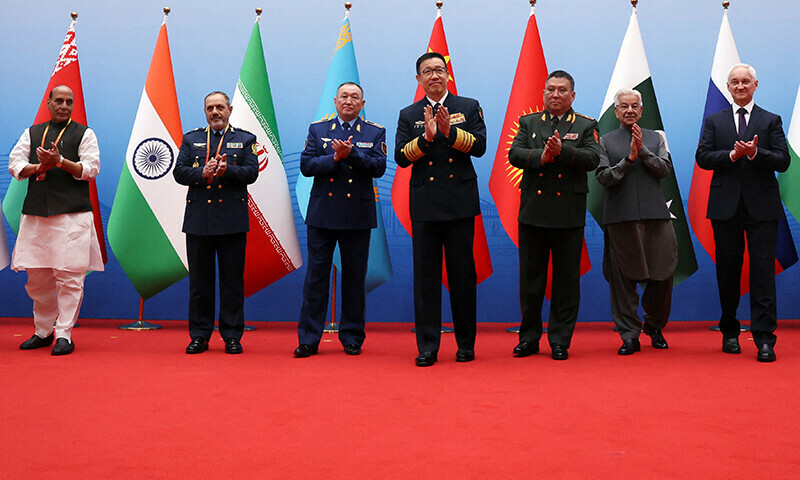
By Nitya Chakraborty India’s total diplomatic isolation was in show in the Shanghai Cooperation Organisation (SCO)’s defence ministers meet in Qingdao city in China on June 25 and 26 when a joint statement was prepared calling upon the members to jointly fight terror but there was no mention of Pahalgam killings on April 22 while […]
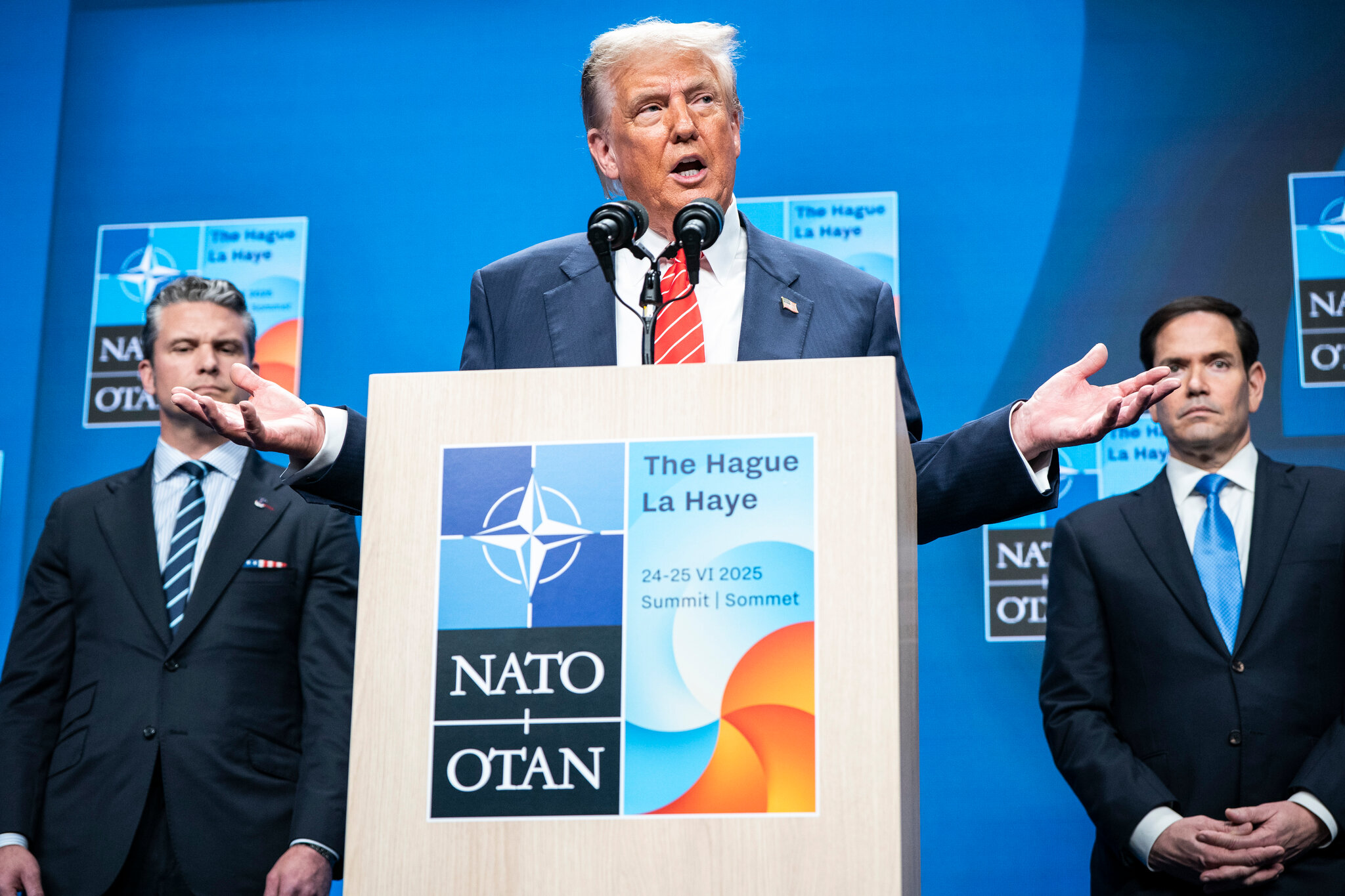
By Nitya Chakraborty The Rambo of the global diplomacy Donald Trump joined the NATO summit at Hague on June 24-25 with a triumphant smile after organizing the ceasefire between Israel and Iran in their 12 day war and strongly imparting the signal that no one matters in the world affairs now excepting the U.S. President. […]

Malaysia has officially unveiled the Startup ASEAN platform during its tenure as ASEAN chair, establishing a fully operational digital gateway designed to unite entrepreneurs, investors and ecosystem enablers across Southeast Asia. The launch—following a developmental blueprint initiated in 2024—unlocks access to regional markets, capital, talent and data, with an aspirational target of onboarding at least 10,000 startups by year-end.

The platform’s roll‑out represents phase two of the ASEAN Startup Technology Ignite initiative. Development and a soft launch took place in 2024, while the newly announced phase includes capacity‑building programmes and a Startup ASEAN summit. A third phase commencing in 2026 will see the establishment of an ASEAN Centre of Excellence dedicated to early‑stage ventures.

Minister of Science, Technology and Innovation Chang Lih Kang described the platform as a “strategic enabler” born from collaborative efforts among all ASEAN member states. He highlighted its role in bridging fragmented access to finance, talent and market opportunities. At the launch in Putrajaya, he underlined that approximately 5,000 startups have already joined and affirmed the year‑end goal of doubling that number.

ASEAN Secretary‑General Dr Kao Kim Hourn echoed these commitments, stating that the platform exemplifies deeper regional integration and presents “unprecedented opportunities” through technology. He noted that the platform extends to ecosystem builders and government institutions, reflecting ASEAN’s dedication to fostering inclusive innovation.

Cradle Fund Sdn Bhd, appointed by Malaysia’s MOSTI, is spearheading implementation. Its group chief executive, Norman Matthieu Vanhaecke, emphasised that the platform transcends mere technology: it is designed to generate meaningful partnerships, foster cross‑border initiatives and catalyse growth across the region. He said it will track metrics such as startup onboarding, investment activity and regional collaboration, aiming to involve 2,000 investors and 500 strategic partners by 2025.

Dr Kao highlighted the context underpinning this push. Southeast Asia hosts over 680 million people—more than half under 35—with a combined GDP exceeding US$3.9 trillion and a digital economy projected to surpass US$1 trillion by 2030. Kuala Lumpur’s leap into the top 20 emerging startup hubs, ranking 18th in the Global Startup Ecosystem Report 2025 by Startup Genome, provided a credible basis for regional leadership.

CupTuring beyond connecting stakeholders, the platform is set to host a suite of programmes. Already underway are collaborative initiatives with international partners such as South Korea and China, and plans include additional regional market‑access sessions and mentorship opportunities. The launch event featured a video tour with startup success narratives and a regional market access session, ASEAN CrossConnect, which paired ten seasoned mentors with participating startups.

The platform’s ecosystem metrics are compelling: as of the launch, more than 4,000 startups and 1,087 investors were registered, contributing to an ecosystem valued at over US$131.2 billion.

Governments from less developed ASEAN nations were assured of equal standing on the platform. Chang emphasised its borderless design, allowing any startup with internet access to connect with markets and investors across the region.

The Startup ASEAN initiative traces back to 2023, when ASEAN leaders approved a framework empowering Cradle to lead policy development, ecosystem readiness, and cross‑sector partnerships. The recent formal launch marks the first major deliverable of the Ignite initiative under Malaysia’s ASEAN chairmanship.

Experts view the initiative as a timely response to ASEAN’s broader economic integration agenda, reflected in recent high‑level declarations such as the Kuala Lumpur Declaration. The new platform aligns with ASEAN Community Vision 2045, aiming to strengthen innovation, connectivity and socio-economic resilience.

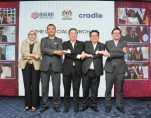
PUTRAJAYA, MALAYSIA – Media OutReach Newswire – 26 June 2025 – Malaysia today launched the Startup ASEAN platform, marking the full-scale rollout of a bold, unified digital gateway to connect and empower startups across ASEAN. Spearheaded by the Ministry of Science, Technology and Innovation (MOSTI) and executed by Cradle Fund Sdn Bhd (Cradle), the platform’s regional launch underscores Malaysia’s commitment under its 2025 ASEAN Chairmanship to fostering […]

Advertisements

U.S. President Donald Trump has announced that American and Iranian officials will meet next week to discuss Tehran’s nuclear ambitions, following a concerted military campaign that he claims has effectively neutralised key Iranian enrichment facilities. The announcement came at the NATO summit in The Hague.

Trump defended the use of bunker-busting bombs against the Fordow, Natanz and Isfahan sites, asserting they had been “obliterated” and describing the bombing campaign as a decisive blow to Iran’s nuclear programme. He struck a triumphant tone, crediting the strikes with hastening the end of the 12-day conflict between Israel and Iran, though he expressed reservations about formalising a diplomatic agreement: “We may sign an agreement. I don’t know, to me, I don’t think it’s that necessary,” he told reporters.

U.S. intelligence assessments, however, diverge on the scale of success. A preliminary report from the Defence Intelligence Agency concluded the setbacks to Iran’s nuclear efforts might be limited to a matter of months, not years. CIA Director John Ratcliffe affirmed that the programme had been “severely damaged” but stopped short of declaring it destroyed. Israeli officials estimated the setbacks to be multi‑year, while the International Atomic Energy Agency emphasised uncertainties over Iran’s stockpile and called for robust inspections.

Diplomatic activity has meanwhile resumed. This U.S.–Iran meeting will follow six rounds of indirect talks mediated by Oman and Italy, which collapsed in mid‑June as the military confrontation intensified. Earlier this week, European envoys from the E‑3—France, Germany and the UK—engaged in direct negotiations in Geneva with Iran’s Foreign Minister Abbas Araghchi. Those discussions aimed to bridge differences after stalled U.S. efforts.

White House special envoy Steve Witkoff reiterated red‑line U.S. stipulations ahead of next week’s meeting: Tehran must renounce nuclear weaponisation and accept restrictions on uranium enrichment. He noted the U.S. is open to crafting a comprehensive peace framework, building on what Trump described as a de‑escalation following “a victory for everybody”.

From Tehran, Iranian officials have not confirmed next week’s meeting but emphasised national security. The Iranian parliament accelerated a bill to suspend cooperation with the IAEA, pending guarantees for the safety of nuclear infrastructure targeted in the strikes. Parliament Speaker Mohammad Bagher Qalibaf accused the IAEA of failing to condemn the U.S. attack. Meanwhile, IAEA Director General Rafael Grossi urged renewed inspections to clarify the status of enriched uranium moved before the bombings.

Regional and global actors are also weighing in. France has called for robust diplomacy to carve a sustained peace path. China has echoed the call for diplomatic restraint. Israel hailed the strikes as a critical setback to Iran’s programme; Israeli Prime Minister Benjamin Netanyahu endorsed Trump’s strong posture and emphasised the need to keep pressure on Tehran.

Analysts note the gravity of waging diplomacy in the shadow of military action. One specialist observed that while bombings may degrade enrichment infrastructure, they can complicate trust and cooperation needed for inspections and verification. Moreover, uncertainty lingers over the status of highly enriched uranium caches. Rebuilding diplomatic channels will require assurances, reciprocal transparency, and a mutual understanding of consequences.

Trump has warned that if Iran attempts to rebuild its nuclear programme, the U.S. is prepared to act again: “Sure,” he said when asked about further strikes. Yet the pendulum has swung toward a blend of military deterrence and diplomatic engagement.

As next week’s talks approach, key questions remain: who will represent each side, where the dialogue will occur, and whether the focus will be solely nuclear constraints or broader regional stability. White House administration officials have yet to disclose details, but the U.S. envoy confirmed Washington’s intent is to establish a framework that could replace the 2015 agreement.

Trump also signalled openness to exploring a bilateral relationship beyond nuclear confines: “We’ll end up having something of a relationship with Iran,” he said, as long as Tehran adheres to non‑weaponisation terms.

As the diplomatic window opens under the spectre of military force, the world watches to see whether this fragile blend of coercion and conciliation can unfold into a sustainable agreement—one that might ensure Iran never pursues nuclear weapons and stabilises a volatile region.

By Saifur Rahman A number of UAE developers are entering the lucrative US$110.83 trillion real estate market in the United States, after their success in the UAE, which saw real estate transactions exceeded Dh893 billion last year. Americans are also one of the top ten nationalities to invest in the UAE’s real estate market where rental yield ranges between 7 to 9 percent. “Emirati investments in the […]

Dubai’s skyline is poised to gain a striking addition as OMNIYAT officially unveiled its Visionary commercial tower, Lumena, a 48-storey ultra‑luxury workplace development on Sheikh Zayed Road, scheduled to open in the fourth quarter of 2029. The project, valued at AED 3.6 billion, will comprise 91 customizable office units, including full‑floor, half‑floor and standard spaces with panoramic glazing, state‑of‑the‑art biophilic design and smart‑building technology. Shortly after its launch at […]

Israeli defence minister Israel Katz declared late on 24 June that he had ordered the Israel Defence Forces to resume “high‑intensity operations” against regime targets in central Tehran. The announcement followed allegations that Iran had launched missiles into Israeli territory, in what Tel Aviv described as a blatant breach of a United States‑mediated ceasefire unveiled just hours earlier by President Donald Trump.

Trump had proclaimed a “complete and total ceasefire” on Truth Social, explaining that Iran would halt strikes first, followed by Israel, in a phased arrangement ending after 24 hours. Within three hours of that declaration, Israel alleged that Iran launched missiles toward its southern regions, prompting Katz’s directive to strike key Iranian infrastructure.

Contradicting Israel’s account, Tehran’s ISNA student news agency denied firing any missiles post‑ceasefire. Iranian foreign minister Abbas Araghchi had earlier stated that Tehran would cease retaliatory actions—conditional on Israel halting operations by 04:00 Tehran time, a condition that purportedly lapsed minutes before hostilities were to pause.

President Trump, addressing the situation on social media, urged both nations to honour the agreement and warned against any violations, offering his oversight as guarantor of the pledge. His announcement followed the deployment of U.S. B‑2 bombers striking three Iranian nuclear sites, and a symbolic retaliatory missile strike from Iran against a U.S. base in Qatar—strikes reportedly calibrated to minimise escalation.

Despite conflicting claims, available evidence indicates a spike in missile exchanges. According to Reuters, Israel’s southern city of Beersheba was hit, resulting in at least four fatalities, while various townships experienced temporary power outages after sirens sounded across the region as Iranian missiles streaked overhead.

Tehran mourned significant civilian losses, with over 10 Israelis killed and more than 250 injured during Iran’s earlier onslaught, which included bombardments on central and southern Israeli regions. Meanwhile, Israel took credit for eliminating senior Iranian military personnel and striking strategic nuclear and missile infrastructure; Benjamin Netanyahu celebrated Israel’s success in degrading what he described as a dual existential threat posed by Iran’s capabilities.

Regionally, Qatar responded strongly, summoning Iran’s ambassador and condemning the attack on U.S. forces at Al Udeid Air Base as a violation of its sovereignty and international law. Saudi Arabia expressed hope that all parties would uphold the ceasefire and de‑escalate.

International markets reacted positively to the ceasefire’s initial announcement. Oil prices dropped, and equities rallied on optimism that the conflict in the Strait of Hormuz might ease—although the renewed strikes quickly revived fears of a wider conflagration.

Experts scrutinise the long‑term viability of the truce. Some analysts suggest installation damage to Iran’s nuclear programme may be reversible, with Iran’s leadership determined to rebuild. Others view the U.S. use of bunker‑buster bombs and Israel’s strategic targeting of Iranian deterrents as potential deterrents that may delay a rapid resurgence.

On the political front, Trump is leveraging the declared ceasefire as a foreign‑policy milestone ahead of an imminent NATO summit. Netanyahu affirmed Israel would respond forcefully to any violations. Tehran warned that its military exercise would persist unless the bombing ended, contending that it acted to “punish Israel for its aggression until the very last minute”.

As global attention turns to negotiations, Qatar’s mediation role and U.S. involvement loom large. The deal remains tentative, with both Israel and Iran accusing each other of breaking terms, and uncertainty surrounding whether Trump’s phased ceasefire timeline will endure.

Etihad Rail and the Abu Dhabi Projects and Infrastructure Centre have entered a Memorandum of Understanding to synchronise infrastructure planning and execution across the Emirate. The agreement, signed on 18 June at the Abu Dhabi Infrastructure Summit 2025, is designed to bolster the alignment of Etihad Rail’s projects with Abu Dhabi’s strategic five‑year capital projects plan, ensuring coherent development and efficient deployment of resources. Shadi Malak, Chief Executive Officer of Etihad Rail, […]

Driving Economic Momentum, Leading Trends with Mega Events HONG KONG SAR – Media OutReach Newswire – 21 June 2025 – The “Wealth Management Expo 2025”, powered by Bank of China (Hong Kong) (“BOCHK”) and organised by TVB under the theme of “Driving Economic Momentum, Leading Trends with Mega Events” has been successfully held today. The Expo has brought together leading figures from the government, business and financial […]

Greenlogue/AP Mubadala Investment Company and the Abu Dhabi Projects and Infrastructure Centre have formalised a partnership designed to accelerate the emirate’s infrastructure agenda. The agreement, inked during the opening of the Abu Dhabi Infrastructure Summit 2025, establishes a broad cooperation blueprint aimed at advancing key development projects. The accord commits both entities to conduct thorough feasibility studies and share knowledge to assess the viability of proposed ventures. It also […]

Nivex, formerly known as Nx.one, has re-emerged in 2025 with a strategic repositioning as a cutting‑edge AI‑powered trading platform, signalling a major transformation from its Web3 origins into a global crypto‑finance innovator. Leveraging generative algorithms as the operational core, Nivex aims to elevate trading from human‑driven execution to autonomous, intelligent systems.

Powered by over 45 AI‑based strategies spanning arbitrage, trend‑following and swing trading, the platform reports impressive performance metrics. Annualised returns range from 60 % to 3 500 %, win rates hover between 85 % and 95 %, maximum drawdowns are tightly controlled at 15–70 %, and Sharpe ratios exceed 2.6 — all underpinning over USD 1 billion in assets under strategy management as of Q2 2025. One standout offering, “BTC Grid Arbitrage + AI Risk Control”, executed 540 trades in 2024 with a 92 % success rate and yielded a total return of 272 %.

At its heart, Nivex purports AI is not simply a feature, but the platform’s operating system. Users define goals and the AI assumes responsibility for detecting trends, assembling strategies, allocating capital, managing risk and executing trades at millisecond speeds. Combined with a suite of tools including spot and futures trading, dollar‑cost averaging and grid trading, the platform positions itself not as an exchange, but an intelligent asset engine.

A central component of Nivex’s offering is its AI Strategy Engine, which supports customizable parameters—such as leverage, stop‑loss, DCA and drawdown limits—and integrates institutional-grade strategies. Complemented by Smart Yield and AI Lending systems, users can earn APYs of up to 60 % on fixed terms, while automated lending tools continually optimise on‑chain opportunities.

Critical to its ambitions is delivery of institutional‑grade signal copying. By aggregating signals from global quant funds, Nivex enables retail users to subscribe and replicate live trades via automated execution, stop‑loss and performance tracking—without any coding. The company asserts this approach raises win rates by 30 % and improves execution speed by 80 % compared with manual trading.

Nivex is also developing an “Institutional Buying Heat Index” based on fusion of ETF flows, on‑chain transfers, CEX‑DEX liquidity movements and sentiment signals. This engine converts macro and micro market trends into actionable portfolios for both retail users and institutional clients via APIs and data subscriptions.

Compliance and geographic expansion underpin Nivex’s credibility. The platform operates service centres in North America, Dubai, Hong Kong, Singapore and Southeast Asia, holding licences with FinCEN and MSB, and pursuing approvals from MAS, VARA and AUSTRAC. It also hosted AI‑driven closed‑door summits at Token2049 Singapore, attracting industry leaders such as Justin Sun of TRON.

Industry analysts highlight a growing shift in trading infrastructure—from simple order‑matching to data‑driven, strategy‑oriented platforms. Nivex exemplifies this trend, providing automated AI‑based strategy execution at a time when global investment in AI surpassed USD 350 billion in 2024.

The AI trading platform market is projected to grow from USD 11.5 billion in 2024 to USD 75.5 billion by 2034, at a CAGR of 20.7 %, driven by high demand for automation, faster decision‑making and cost reduction. Within this context, major players include Kavout, Numerai and Algotraders — yet Nivex’s rapid integration of AI, compliance and global deployment positions it as a formidable contender.

Yet adoption of AI in trading brings challenges. Regulatory regimes struggle to keep pace, raising concerns about algorithmic opacity, data integrity and algorithmic bias. Nivex appears conscious of such risks, emphasising transparency, backtesting via a Strategy Lab, risk‑control features and strict KYC/AML protocols.

From a user experience angle, Nx.one’s prior focus on intuitive interface design, multi‑language support, real‑time analytics and security layer architecture—including multi‑signature wallets, cold storage, encryption, firewall defences and audit transparency—appears retained under Nivex.

CEO Simon highlighted Nivex’s core vision: “We’re not building a cheaper exchange—we’re building a smarter platform. Let the system trade for you. Let AI manage risk. Let data create wealth,” adding, “In the next five years, the most valuable asset won’t be trading skills. It’ll be your connection to a system that improves itself”.


Dubai-listed Deyaar Development has announced ambitions to achieve sales of nearly AED 2 billion from its Downtown Residences project in Business Bay, CEO Saeed Mohammed Al Qatami confirmed to CNBC Arabia. The mammoth twin‑tower, rising over 110 storeys and reaching 445 metres in height, is slated to commence construction in the fourth quarter of 2025. Completion is targeted for the end of 2030, with the project offering 522 residences, including one‑ to […]

Abu Dhabi’s state‑owned oil giant ADNOC has unveiled plans to escalate its U.S. energy investments six‑fold over the next decade, targeting a total of $440 billion. Speaking in Washington on 17 June, Sultan al‑Jaber, ADNOC Chief Executive and UAE Minister of Industry and Advanced Technology, declared that the American market is “not just a priority; it is an investment imperative” for the company’s global expansion.

Al‑Jaber underlined the urgency of the move, emphasising that artificial intelligence represents a “once‑in‑a‑generation investment opportunity.” He pointed out that the growth of data centres driven by AI will demand substantial power— “The next stage of evolution” in energy consumption, he said. The planned investments will span a wide spectrum: anchor stakes in the largest liquefied natural gas facility in Texas, petrochemical plants, and the deployment of 5.5 gigawatts of renewable energy paired with storage systems “from coast to coast”.

ADNOC’s international investment arm, XRG, is cementing its presence with a new Washington office, aimed at steering these high‑stakes ventures. XRG has already struck a deal with Occidental’s 1PointFive for a direct air capture project in Texas, with potential investment reaching $500 million. Additional widescale cooperation includes agreements to develop U.S. gas, LNG, specialty chemicals and energy infrastructure.

The announcement synchronises with a broader bilateral strategy: in March, senior UAE officials committed to a ten‑year, $1.4 trillion investment framework in the U.S., covering sectors such as AI, energy, semiconductors and manufacturing. As part of that pact, U.S. companies agreed to invest $60 billion in UAE energy assets. The XRG–Occidental partnership, as well as other collaborations involving ExxonMobil, Japanese firms Inpex and JODCO, is expected to expand capacity at Abu Dhabi’s major offshore oil field, Upper Zakum.

At the Atlantic Council Global Energy Forum in Washington, al‑Jaber addressed the broader challenge of powering AI, stating that U.S. energy infrastructure must undergo a “system‑wide shift” to keep pace. He highlighted the need to hyperscale energy supply—from gas, renewables with storage and nuclear—to meet the projected requirement of 50–150 GW of new capacity just in the next five years. He warned against prematurely retiring existing power plants, advocating instead for grid modernisation and rapid permitting for new infrastructure.

Environmental groups have voiced concern that the surge in AI‑driven energy demand could lead to rising carbon emissions unless clean energy is prioritised. In response, al‑Jaber suggested that AI could, in fact, offer solutions—optimising grid efficiency and managing load fluctuations, effectively “unlocking its own energy challenge”.

The energy‑AI summit ENACT, hosted by XRG and MGX alongside the Atlantic Council, gathered leading figures from across the energy, tech and finance sectors. Delegates, including representatives from Exxon, OpenAI and BP, discussed mid‑ and long‑term strategies to address the escalating power needs of hyperscale data centres.

These developments are set against a backdrop of rising instability in the Middle East, where al‑Jaber cautioned that energy remains a “cornerstone of peace, stability and prosperity,” signalling that the new chapter of collaboration aims to underpin global energy security.

For the U.S., the influx of investment promises a host of benefits: large‑scale infrastructure expansion, high‑task employment, and reinforced energy resilience. Projects under the UAE umbrella—from LNG plants to hydrogen and carbon capture initiatives—are poised to generate thousands of jobs, while U.S. energy firms gain access to new development avenues both at home and back in the Gulf.

Yet questions remain. Policy experts stress that realisation of al‑Jaber’s ambitious vision will depend heavily on ensuring timely regulatory approvals and creating an effective risk environment for private capital. Moreover, balancing fossil fuel commitments with the drive toward decarbonisation will require clear direction from both governments and industry stakeholders.

By Nitya Chakraborty Israeli missile strikes against Teheran and Iran’s counter offensive entered its fifth day on June 17 Tuesday with U.S. President Donald Trump dramatically cutting short his stay in Canada for G-7 meeting for Washington indicating that he would be busy in peace moves in the next few hours for organizing a ceasefire […]

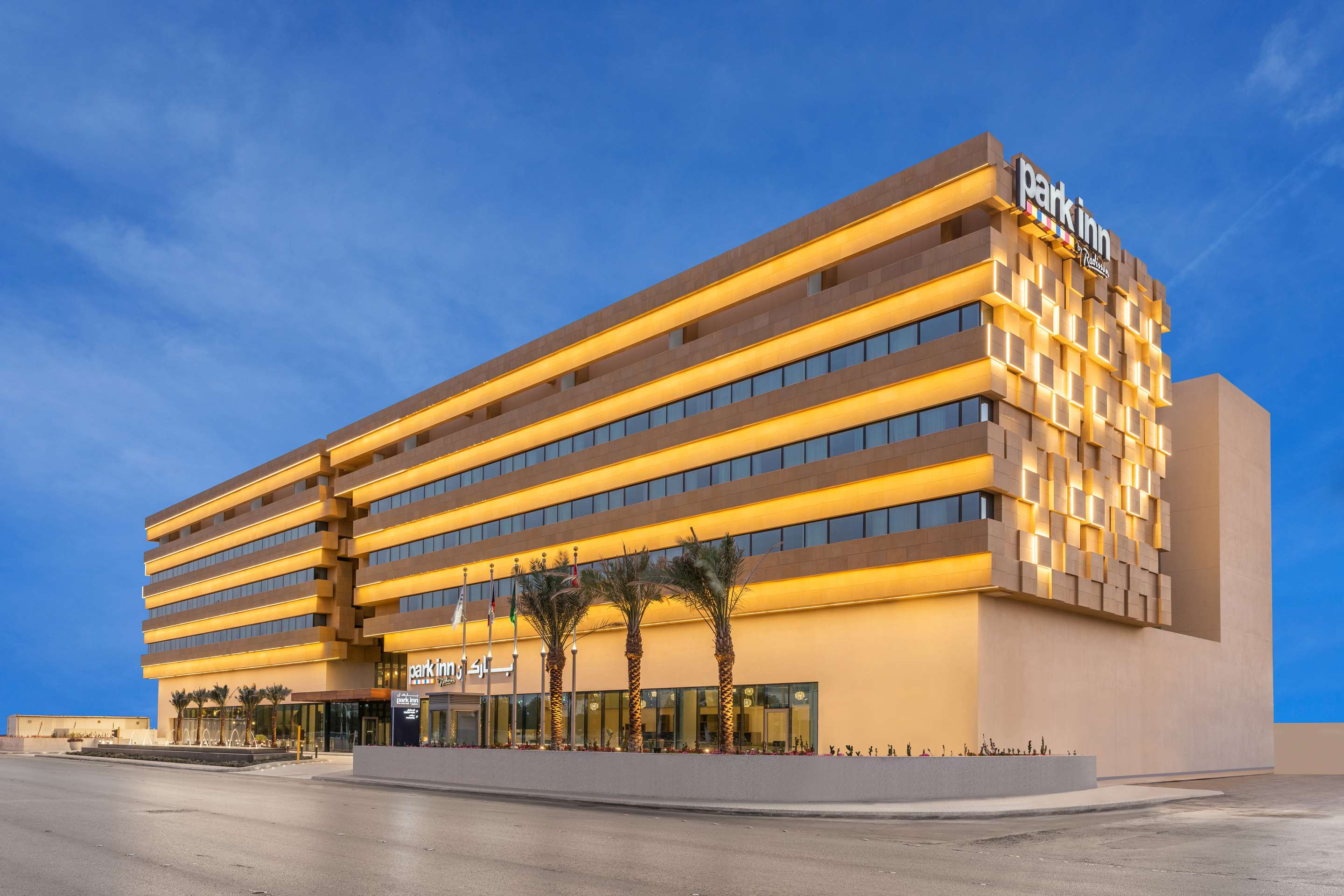
Radisson Hotel Group has ramped up its presence in Saudi Arabia, now anchoring half of its Middle East portfolio within the Kingdom, a senior company executive confirmed amidst the Future Hospitality Summit in Riyadh. With 50 of the group’s 100 regional properties either operational or under construction based in Saudi Arabia, the expansion underscores its strategic prioritisation of the country’s ambitious hospitality landscape.

Elie Younes, Executive Vice President and Global Chief Development Officer at Radisson, described Saudi Arabia as “one of the top five countries for us globally.” Of the 50 properties, 30 are already open, while 20 are at various stages of construction. The current pipeline, spanning the next three to four years, includes these 20 projects, with another 30 slated for completion over the next four years, collectively offering approximately 4,000 to 5,000 new rooms and generating some 5,000 jobs.

This expansion aligns with the Kingdom’s target to add more than 362,000 hotel rooms by 2030, backed by a US$110 billion investment as part of its Vision 2030 diversification drive. Radisson is strategically deploying a mix of brands across segments. Younes outlined plans for another 10–15 Radisson Blu properties and four to five more under its luxury Radisson Collection label in cities including Riyadh, Jeddah, Makkah and Madinah. Smaller priors in secondary cities are also on the radar for core four‑star Radisson properties.

Recent openings include Radisson Blu Hotel & Convention Centre, Riyadh Minhal, and Radisson Hotel Madinah— the group’s first presence in the holy city of Madinah. Additional launches planned this year include Radisson Blu Hotel Riyadh Al Sahafa and Radisson Hotel Jeddah Tahlia Street in Q2, followed by Radisson Collection Residence Riyadh and Radisson Hotel & Residences Makkah Thakher City in Q4, all designed to capture the religious and leisure tourism surge.

Radisson is also forging partnerships with Saudi entities. A landmark deal with Knowledge Economic City in Madinah will introduce a Park Inn by Radisson in the Islamic World District. Meanwhile, a Memorandum of Understanding with the Saudi Tourism Authority—signed at the Arabian Travel Market—demonstrates deep engagement within the local ecosystem.

The group remains on track to grow its Middle East network to 150 hotels, resorts and serviced apartments by 2030, building on a record-breaking global performance in 2024. Younes emphasises the tailored approach: blending its Scandinavian-inspired hospitality with regional traditions and integrating wellness, eco-friendly features and entertainment to appeal to evolving guest preferences, as detailed by Development Director Ayman Ezzeddine at the Riyadh summit.

Analysis by regional consultants underscores the significance of Radisson’s strategy. Analysts note that by allocating half of its current Middle East portfolio to Saudi Arabia, Radisson demonstrates confidence in the Kingdom’s tourism transformation. Its focus on both high-volume mid-market and luxury segments positions it to tap demand from business travellers, pilgrims and upscale visitors alike amid government incentives and infrastructure investments.

Radisson’s move is also in step with ongoing giga‑projects such as Amaala, the Red Sea Project and Rua Al Madinah, each aimed at hosting millions of tourists and pilgrims by 2030. These projects feature world-class hotels, resorts and cultural infrastructure, reinforcing Saudi Arabia’s status as a global hospitality hub.

President Donald Trump has called for the immediate evacuation of Tehran, warning that Iran “cannot have a nuclear weapon” after a series of escalating military exchanges with Israel. He issued the statement via Truth Social while attending the G7 summit in Canada, then departed early to convene his national security team. The growing hostilities, now entering a fifth day, have provoked market turbulence, prompted military deployments, and […]

Greenlogue/AP Dubai will host the 11th World Green Economy Summit on 1 and 2 October 2025 at the Dubai World Trade Centre, underlining its ambition to accelerate global climate action and sustainable innovation. This flagship event, convened by the Dubai Supreme Council of Energy, Dubai Electricity and Water Authority and the World Green Economy Organisation, will gather industry leaders, policymakers and technical experts around the theme ‘Innovating […]

Leaders at the 51st G7 summit convening in Kananaskis, Canada, are confronting an abrupt surge in hostilities between Israel and Iran, marked by intensified airstrikes, rising civilian casualties, and mounting diplomatic tensions. With missile barrages and pre‑emptive assaults already claiming hundreds of lives, the summit agenda has shifted dramatically, prioritising strategies to contain the conflict and avert a broader regional war.

Israeli forces launched “Operation Rising Lion” on 13 June, targeting Iran’s nuclear, ballistic missile, and military infrastructure—including key command centres and Iranian Revolutionary Guard facilities around Tehran—and killed high‑ranking officials and scientists. Iran retaliated with a wave of over 270 missiles, deploying new tactics that overwhelmed Israel’s air defences and struck densely populated urban areas such as Tel Aviv and Haifa. As of 16 June, at least five Israelis were killed and more than 100 injured in the latest overnight strikes. Iranian health authorities report a death toll of at least 224, predominantly civilians, and over 1,200 wounded.

The rapid escalation has introduced fresh complexity to international diplomacy. U.S. President Donald Trump vetoed an Israeli proposal to target Iran’s Supreme Leader Ayatollah Ali Khamenei, emphasising that such action would only inflame the situation. Trump has also signalled the possibility of brokering a deal, suggesting Iran “must make a deal before there is nothing left” and voicing optimism that peace negotiations could emerge from this crisis.

European leaders are urging urgent collective action. German Chancellor Friedrich Merz asserted at the summit that unity is essential to prevent Iran’s nuclear ambitions, uphold Israel’s right to self‑defence, curb escalation, and open diplomatic channels. He indicated that measures could include sanctions, and emphasised cooperation with regional actors such as Oman to reduce tensions with Iran and Yemen’s Houthi rebels. Meanwhile, Ursula von der Leyen and Emmanuel Macron deployed diplomats to press for negotiation, although Macron’s optimism about a swift resolution contrasts with ongoing military deployment in the region.

Britain has signalled readiness to support Israel with defensive and civil aid while advocating restraint. Prime Minister Keir Starmer has reinforced diplomatic engagement with Trump, Netanyahu, and Gulf leaders, and authorised RAF Typhoon jets as a contingency against potential Iranian threats to UK bases. Nonetheless, Iran has dismissed ceasefire calls while military operations continue.

Canada, hosting the summit, has abandoned the traditional joint communiqué, opting instead for chair’s summaries to manage discord—particularly over trade and Middle East policy—between the U.S. and other participants. Canadian Prime Minister Mark Carney emphasised the summit focus on peace, security, supply chains, and jobs—prioritising a co‑ordinated response to the Israel‑Iran crisis.

G7 officials are crafting a unified statement urging Iran to halt its nuclear programme and Israel to pause expansive military action, signalling tangible diplomatic pressure backed by clear consequences for non‑compliance. However, persistent disagreements across the bloc—over trade, relations with Russia, and climate policy—complicate efforts to forge a consensus.

Regional actors are mobilising diplomatic channels. Qatar and Oman are reportedly engaged in shuttle diplomacy to de‑escalate the conflict. Simultaneously, Iran‑backed groups, including militias in Iraq and Houthis in Yemen, are extending hostilities across front lines, prompting concern that the confrontation may metastasise into a wider regional war.

The humanitarian fallout is grave. Large‑scale displacement is underway as Iranians flee Tehran after warnings issued by Israeli forces to civilians near weapons facilities. Hospitals in northern provinces are stretched, while the Iranian Red Crescent has launched mobile clinics to address urgent needs. Energy markets have also reacted sharply: Brent crude prices spiked as Gulf insecurity intensified.

Analysts warn the conflict risks triggering retaliatory terror attacks in the West and disrupting global energy security. The G7 faces a pivotal test: coordinating military readiness, civilian protection, sanctions, nuclear non‑proliferation, and active diplomacy, all while preserving internal unity amid geopolitical divisions.

HONG KONG SAR – Media OutReach Newswire – 13 June 2025 – The 2025 International Automotive Supply Chain Expo (Hong Kong), co-hosted by the China Association of Automobile Manufacturers, Hong Kong Chinese Enterprises Association, The Chinese Manufacturers’ Association of Hong Kong, China General Association For Hong Kong, Macao And Taiwan, and Phoenix Media Group commenced on June 12 and will run until June 15 at AsiaWorld-Expo in […]

By Nitya Chakraborty On Thursday June 12, Indian diplomacy under the Prime Minister Narendra Modi reached its lowest ebb when India abstained in the United Nations General Assembly from a vote on a resolution demanding an immediate, unconditional and permanent ceasefire in Gaza. The 193 member UN general assembly passed the resolution overwhelmingly with 149 […]

VISHNU RAJA
RYO YAMADA
HITORI GOTOH
IKUYO KITA