News related to
Summit

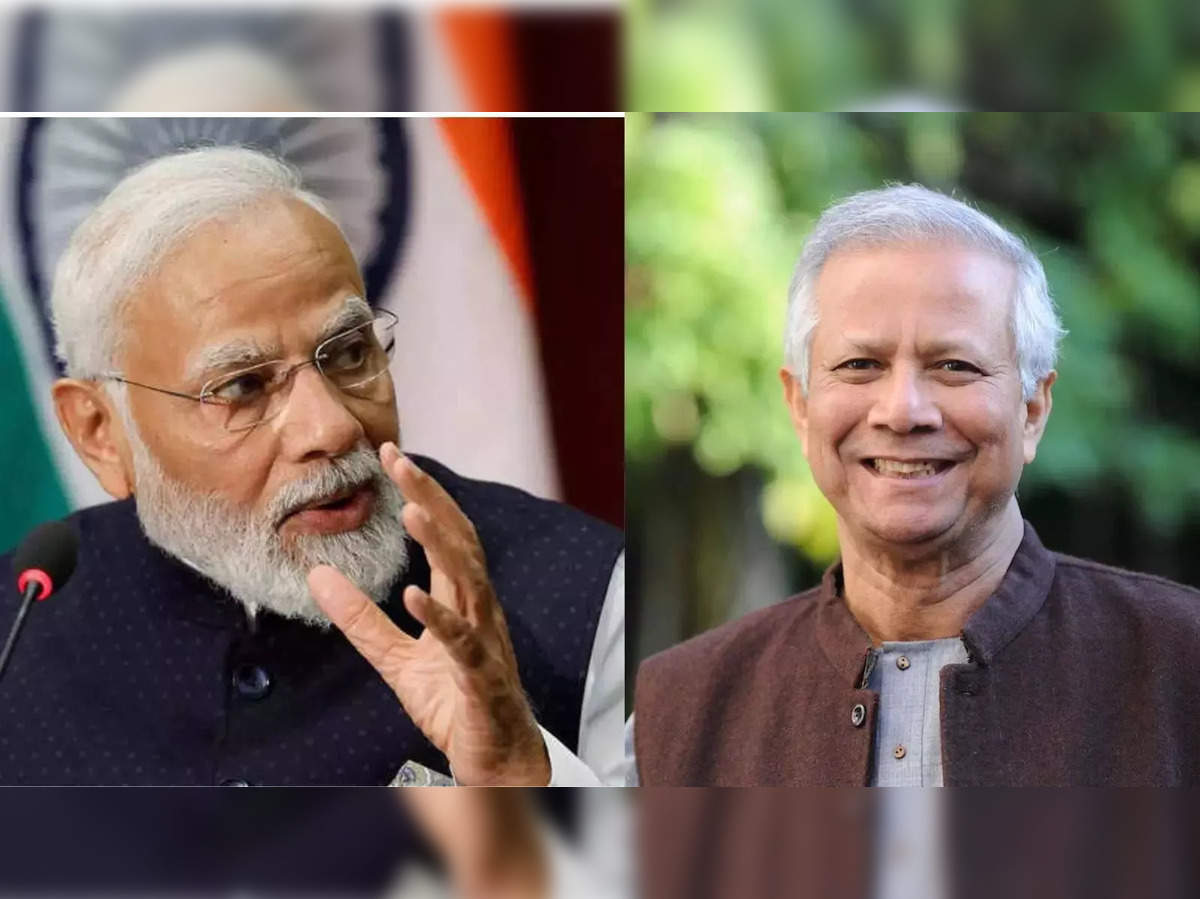
By Nitya Chakraborty Bangladesh has officially sought a meeting between their head of interim government Dr. Mohammad Yunus and the Indian Prime Minister Narendra Modi on the sidelines of the coming BIMSTEC meeting at Bangkok on April 2-4 next. Both countries are members of BIMSTEC. As per present schedule, both have confirmed their presence at […]

President Donald Trump has called on Congress to expedite the passage of stablecoin and cryptocurrency reserve legislation, emphasizing the need for regulatory clarity in the rapidly evolving digital asset sector. This appeal was made during his address at the Digital Asset Summit, marking the first time a sitting U.S. president has spoken at a cryptocurrency-focused conference.

In his speech, President Trump underscored the importance of integrating digital assets into the mainstream financial system, stating, “We must ensure that our regulatory framework fosters innovation while protecting consumers and maintaining financial stability.” He urged legislators to deliver comprehensive bills to his desk before the congressional recess in August, reflecting a sense of urgency in addressing the regulatory challenges posed by digital currencies.

This development follows the Senate Banking Committee’s recent advancement of the Generating Necessary Information for Unobstructed Selection Act, a bipartisan bill co-sponsored by Senators Bill Hagerty and Kirsten Gillibrand. The GENIUS Act aims to provide federal legitimacy to stablecoins, digital currencies pegged to traditional assets like the U.S. dollar, by establishing a dual regulatory framework. This framework would allow stablecoin issuers to register with either state or federal authorities, thereby promoting their adoption as mainstream payment options. However, critics, including Senator Elizabeth Warren, have raised concerns about potential risks such as insufficient consumer safeguards and financial instability, cautioning against a possible Big Tech takeover of the dollar.

In addition to legislative efforts, the Trump administration has taken proactive steps to position the United States as a leader in the digital asset space. Earlier this month, President Trump signed an executive order establishing a Strategic Bitcoin Reserve and a U.S. Digital Asset Stockpile. The Strategic Bitcoin Reserve is designed to treat bitcoin as a reserve asset, capitalized with bitcoin forfeited in criminal or civil asset forfeiture proceedings. This move aims to create a “digital Fort Knox,” signaling a significant shift in the U.S. government’s approach to digital assets. The U.S. Digital Asset Stockpile will consist of other digital assets obtained through similar forfeiture proceedings, with strategies for their responsible stewardship under consideration.

The administration’s actions have been met with both optimism and skepticism. Proponents argue that these measures will integrate cryptocurrencies more deeply into the financial system, transforming them into viable payment systems and investment vehicles. Kevin O’Leary, a prominent investor and “Shark Tank” star, remarked that under President Trump’s leadership, cryptocurrency is moving away from its “cowboy era,” referencing past market volatility and regulatory uncertainties. O’Leary noted that with the implementation of regulations, crypto is becoming more integrated with financial institutions, signaling a maturation of the industry.

Conversely, critics express concerns over the rapid institutionalization of digital assets without comprehensive regulatory oversight. They caution that an overly permissive stance could lead to financial instability and inadequate consumer protections. The debate highlights the delicate balance policymakers must strike between fostering innovation and ensuring the safety and soundness of the financial system.

The Digital Asset Summit also featured discussions on the global implications of the United States’ digital asset policies. Industry leaders emphasized the need for international collaboration to establish harmonized regulatory standards, citing the borderless nature of cryptocurrencies. They argued that coordinated efforts are essential to prevent regulatory arbitrage and to promote the healthy development of the global digital asset ecosystem.

As the legislative process unfolds, all eyes are on Congress to see how it will navigate the complex landscape of digital asset regulation. The outcome will have profound implications not only for the United States but also for the global financial system, as nations worldwide grapple with the challenges and opportunities presented by the rise of digital currencies.

BEIJING, CHINA – Media OutReach Newswire – 19 March 2025 – As AI transforms global industries, the transportation sector is undergoing notable change. Autonomous driving technology is rapidly scaling, with top companies like Google’s Waymo and Baidu’s Apollo Go leading the way. Waymo, a pioneer in autonomous driving, has launched commercial operations in four major U.S. cities, providing approximately 150,000 rides per week, which demonstrates its scalability. […]

Marrakech is set to become the epicentre of technological innovation as it hosts the third edition of GITEX Africa from 14 to 16 April 2025. Under the High Patronage of His Majesty King Mohammed VI, this event is organised by the Ministry of Digital Transition and Administration Reform in collaboration with the Digital Development Agency and KAOUN International. GITEX Africa has rapidly established itself as the continent’s […]

Accelerating Deeptech SINGAPORE – Media OutReach – 3 October 2023 – X-PITCH is delighted to introduce 2023 TOP100 startups. Chosen from a pool of over 3,000 startups around the world, this year’s selection showcases a diverse and vibrant ecosystem of entrepreneurial talent. X-PITCH 2023 is driven by a shared commitment to accelerate deeptech innovation across four vital domains: Healthcare, Advanced Manufacturing, Sustainability, and Digital Economy. The statistics […]

By P. Sudhir The US President Donald Trump, in his first address to the US Congress following his election, has threatened to impose tariffs on countries that he considers are taking advantage of US trade policies. In his list is India, along with Canada, Mexico, China, Brazil and the European Union. Trump has repeatedly named […]
By Nitya Chakraborty The 14th National People’s Congress of China ended its one-week-long session in Beijing on Tuesday March 11 with a clear direction given by the President and the Communist Party supremo Xi Jinping that China will take on the disruptions made in the global order by the United States president Donald Trump in […]
Advertisements

Matein Khalid There is no economic reason why OPEC+ chose to add barrels to the global oil market at a time when bearish psychology and positioning dominates trading as attested by the plunge in speculative long positions in both the West Texas Intermediate and Brent IPE futures contracts. The only explanation is that both Saudi Arabia and Russia faced political pressure from a Trump White House that […]

President Donald Trump has signed an executive order establishing a government-controlled bitcoin reserve, marking a significant policy shift toward cryptocurrency integration within federal financial strategies. This initiative designates approximately 200,000 bitcoins, valued at around $17 billion, as a strategic digital asset under federal custody.

The reserve comprises bitcoins confiscated through various criminal and civil asset forfeiture proceedings. David Sacks, appointed as the administration’s “crypto czar,” described this initiative as creating a “digital Fort Knox,” emphasizing the government’s intent to retain these assets as a long-term store of value rather than liquidating them. This move aims to bolster the credibility and stability of bitcoin within the broader financial system.

In conjunction with this development, President Trump hosted a “Crypto Summit” at the White House, engaging with leaders from the cryptocurrency industry. During the summit, he reiterated his commitment to positioning the United States as a global leader in digital currencies. Industry representatives lauded the administration’s efforts to foster innovation and reduce regulatory barriers that previously hindered the sector’s growth.

The executive order also mandates a comprehensive audit of the government’s bitcoin holdings and explores strategies to acquire additional bitcoins without imposing extra costs on taxpayers. This reflects a broader ambition to integrate cryptocurrencies into the national financial infrastructure, aligning with the administration’s pro-crypto stance.

However, this policy shift has attracted criticism from various quarters. Economists express concerns about the lack of income generation from holding bitcoin and potential market disruptions if the government decides to sell these assets in the future. Additionally, questions arise regarding conflicts of interest and the sustainability of this policy beyond President Trump’s tenure.

Notably, the price of bitcoin experienced a 6% decline following the announcement, indicating market volatility and investor apprehension. This underscores the complex dynamics between government policies and cryptocurrency markets, highlighting the need for careful consideration of potential economic impacts.

The administration’s pro-crypto stance represents a departure from previous skepticism. In 2019, President Trump publicly criticized cryptocurrencies, questioning their legitimacy and stability. The current policy shift underscores a significant change in perspective, reflecting the evolving landscape of digital assets and their growing influence on global financial systems.

This initiative aligns with similar actions by other nations exploring the integration of cryptocurrencies into their economies. For instance, Bhutan has been operating a large-scale bitcoin mining operation, leveraging its hydroelectric resources to accumulate substantial bitcoin holdings. Such developments indicate a global trend toward recognizing and incorporating digital assets within national financial strategies.

By Nitya Chakraborty How is China, the second largest economic and military power of the world after the United States is planning to confront the second term U.S. President Donald Trump’s resurgence disrupting the so long established global order to impose his total domination on international politics? Every political analyst is looking at the current […]

President Donald Trump’s announcement of a U.S. strategic crypto reserve has sent shockwaves through the cryptocurrency market, leading to significant price surges for selected digital assets.

On March 3, 2025, President Trump unveiled plans to establish a federal stockpile of digital currencies, initially including XRP, Solana , and Cardano . This move represents a substantial shift in governmental approach towards integrating cryptocurrencies into national financial strategies.

The immediate market response was notable. XRP’s value escalated from $2.23 to $2.99, SOL experienced an increase from $140 to $168, and ADA surged from $0.68 to nearly $1. Bitcoin, initially absent from the reserve, saw its price rise by 9% to $93,000, adding $166 billion to its market capitalization.

Following the initial announcement, the administration expanded the reserve to include Bitcoin and Ethereum , acknowledging their foundational roles in the cryptocurrency ecosystem.

The strategic reserve aims to bolster the crypto industry, providing governmental support and potentially stabilizing the market. This initiative aligns with broader Republican policies seeking to position the United States as a leader in digital asset adoption.

In tandem with the reserve’s creation, the White House is set to host a Digital Assets Summit on March 7, 2025. The summit will convene key industry leaders, including Michael Saylor and Brad Garlinghouse, to discuss the future of digital assets and regulatory frameworks.

The administration’s actions have also influenced the regulatory landscape. The U.S. Securities and Exchange Commission is reviewing applications for exchange-traded funds linked to various cryptocurrencies, including Cardano , Solana , XRP, Litecoin , Hedera , Dogecoin , and Polkadot . This development could reshape investor behavior by providing more accessible investment vehicles for digital assets.

The White House’s engagement with blockchain projects extends beyond the reserve. Leading blockchain initiatives, such as Chia , Filecoin , Sui , Aptos , NEAR, and Movement , have participated in discussions with the administration to advocate for clearer legislation and support for the crypto industry.

The administration’s comprehensive approach underscores a commitment to integrating cryptocurrencies into the national financial infrastructure. By establishing the strategic reserve, facilitating industry dialogues, and advancing regulatory clarity, the U.S. positions itself at the forefront of digital asset innovation.

A strategic gathering of House Republicans took place this week at a “Crypto Power Lunch,” which featured key players from the cryptocurrency sector, positioning the event as a precursor to the upcoming White House crypto summit. The meeting included representatives from influential organisations such as the Digital Chamber, Blockchain Association, Paradigm, a16z, CoinFlip, Coinbase, Anchorage Digital, DCG, and ConsenSys. The event highlighted the growing alignment between political leaders and crypto advocates, aiming to shape the future of regulatory frameworks for digital currencies in the United States.

The lunch, hosted in Washington, served as a platform for dialogue between legislators and crypto industry giants. Participants discussed regulatory clarity and the potential for future legislation that would address concerns about market stability, security, and innovation in the rapidly evolving digital assets space. Lawmakers who attended the meeting have voiced a commitment to creating a legislative environment that fosters innovation while ensuring consumer protection.

The move is part of a broader strategy by Republicans to engage with the cryptocurrency community, recognising its potential to drive economic growth and technological advancement. This outreach comes as digital currencies are becoming increasingly mainstream, attracting not only individual investors but also institutional players. Republican lawmakers are positioning themselves as champions of the crypto industry, which has seen explosive growth despite the ongoing regulatory challenges.

The presence of firms like Coinbase and Anchorage Digital signals the crypto industry’s continued interest in influencing policy. Coinbase, one of the largest cryptocurrency exchanges in the world, has long advocated for clear, consistent regulations that would allow businesses to thrive within a defined legal framework. Anchorage Digital, a leader in crypto custody, has similarly lobbied for clarity on how digital assets should be treated by financial regulators.

DCG, the parent company of Grayscale, one of the largest asset managers in the crypto space, also participated in the lunch. DCG’s involvement reflects its ongoing efforts to influence legislative decisions regarding the future of digital asset management. As the largest institutional player in the crypto sector, DCG is concerned about how potential regulation could impact the broader industry, especially in terms of accessibility for institutional investors.

The Blockchain Association and the Digital Chamber, both of which represent a wide array of cryptocurrency-related companies, have been active in advocating for more comprehensive regulation that allows for innovation while addressing concerns related to market manipulation and security risks. Their participation at the lunch signals the need for a more balanced approach to regulation that considers both the opportunities and risks posed by digital currencies.

The event also underscored a growing push from the crypto community to have a seat at the table when it comes to shaping policy. Many industry leaders have expressed concerns over the lack of a clear, unified regulatory framework, which has led to confusion and a fragmented approach to cryptocurrency governance in the US. While some regulators advocate for a more stringent approach, others argue that excessive regulation could stifle innovation and push the industry overseas, potentially leading to the loss of jobs and investment opportunities.

The timing of the lunch is significant, with the White House crypto summit on the horizon. At the summit, President Biden and his administration are expected to engage with both industry leaders and regulatory bodies to discuss the future of cryptocurrency policy. The Republican push to engage with crypto advocates aligns with broader political efforts to ensure that the US remains a global leader in cryptocurrency innovation and adoption.

Some policymakers have called for a more cautious approach, citing the volatility of digital currencies and the potential for misuse in illegal activities such as money laundering or fraud. These concerns have prompted calls for stronger enforcement of anti-money laundering and know-your-customer rules within the industry. However, proponents of the industry argue that the technology behind cryptocurrencies, such as blockchain, offers a more secure and transparent way of conducting financial transactions, reducing the risks of fraud and criminal activity.

As the crypto industry becomes more integrated into the global financial system, the question of how it should be regulated is becoming ever more urgent. The crypto power lunch, which served as a precursor to the summit, represents a concerted effort by Republicans to shape the narrative around digital assets and ensure that any regulatory measures taken in the future reflect the industry’s input.

The impact of these discussions could be far-reaching. Should Congress and the White House agree on a comprehensive regulatory framework for cryptocurrencies, it could set the stage for widespread adoption and integration of digital assets into mainstream financial systems. For businesses operating in the sector, such clarity would provide a level of stability that has been lacking in recent years, potentially unlocking new opportunities for growth and innovation.

European nations are accelerating defense initiatives in response to concerns over the United States’ commitment to NATO under President Donald Trump. French President Emmanuel Macron has urged European Union members to increase defense spending to between 3% and 3.5% of GDP, citing the necessity for Europe to assume greater responsibility for its security. The European Commission, led by Ursula von der Leyen, has proposed an €800 billion […]

The White House is set to host a significant summit on March 7, aimed at discussing the future of cryptocurrency and digital assets. The event will see the participation of high-profile figures from the crypto industry, alongside members of the Presidential Working Group on Digital Assets. The gathering will provide a platform for leaders to discuss policy and regulatory frameworks surrounding digital currencies and their potential impact on the economy.

Among the 20 to 25 invitees are key players from some of the most influential companies in the crypto and blockchain sectors. The summit will bring together individuals who have shaped the industry through their work in technology, finance, and digital innovation. Some of the most prominent names on the guest list include Michael Saylor, the CEO of MicroStrategy, who is known for his advocacy of Bitcoin, Brian Armstrong, CEO of Coinbase, and Vlad Tenev, CEO of Robinhood.

Also attending are Arjun Sethi, CEO of Kraken, David Bailey, CEO of Bitcoin Magazine, and Matt Huang, co-founder of Paradigm. These leaders represent a cross-section of the cryptocurrency ecosystem, spanning exchanges, media, and venture capital firms. Other notable attendees include JP Richardson, CEO of Exodus, Kyle Samani, managing partner of Multicoin Capital, and Zach Witkoff, co-founder of WLFI. Sergey Nazarov, the co-founder of Chainlink, will also be present, further emphasizing the blockchain industry’s influence on the digital assets conversation.

The event’s significance extends beyond the individual discussions among these leaders. With the Biden administration focusing on digital assets and their regulatory framework, the summit marks a critical moment in the government’s ongoing effort to better understand the complexities of cryptocurrency markets. Attendees are expected to engage in dialogues that could shape the regulatory environment surrounding digital assets in the United States.

Over the past year, the U.S. government has shown an increasing interest in regulating the cryptocurrency industry. This heightened focus comes amid concerns over the volatility of digital assets, their potential for illicit use, and their long-term impact on financial markets. The summit at the White House is seen as a way to bridge the gap between policymakers and industry leaders, with the goal of crafting policies that support innovation while ensuring consumer protection.

A key topic likely to dominate discussions at the summit is the role of digital assets in the broader financial ecosystem. As cryptocurrencies become more mainstream, there is growing pressure to ensure that they operate within a clear regulatory framework. Some experts argue that without proper regulation, the risk of fraud, money laundering, and market manipulation could undermine trust in digital currencies. Others, however, advocate for a hands-off approach, arguing that overregulation could stifle innovation and limit the potential benefits of digital assets.

The White House summit is expected to focus on a range of issues, from the regulatory treatment of cryptocurrencies to their use in traditional financial markets. A major point of contention has been whether cryptocurrencies should be classified as commodities, securities, or a new class of assets entirely. This distinction has major implications for how they are taxed, traded, and regulated.

For many in the crypto space, this summit represents a critical opportunity to engage directly with policymakers and advocate for policies that support innovation. The presence of prominent figures like Michael Saylor, who has been vocal about his support for Bitcoin as a store of value, and Brian Armstrong, who has been an outspoken advocate for clearer regulatory guidelines, suggests that the meeting will feature a candid and open discussion on the future of digital assets.

One of the critical issues that attendees may address is the potential for a central bank digital currency in the U.S. While other countries, such as China, have made significant strides in developing CBDCs, the U.S. has been cautious in its approach. Some industry leaders are concerned that the introduction of a government-backed digital currency could undermine the decentralised ethos of blockchain technology and compete with private cryptocurrencies like Bitcoin.

At the same time, the growing interest in decentralized finance and non-fungible tokens is likely to feature in conversations. DeFi, in particular, has emerged as one of the most disruptive trends within the cryptocurrency space, offering financial services such as lending and borrowing without the need for traditional intermediaries like banks. This fast-evolving sector could pose challenges for regulators, who will need to balance fostering innovation while ensuring these platforms comply with existing financial laws.

Another important aspect of the summit will be the broader international context. As global governments begin to take action on cryptocurrency regulation, the U.S. faces increasing competition from other countries in setting the pace for crypto innovation. European countries, for example, have introduced their own regulatory frameworks for digital assets, while nations like El Salvador have adopted Bitcoin as legal tender. How the U.S. positions itself in this global race for regulatory leadership could have far-reaching consequences for the industry.

Dubai is set to enhance its electric vehicle infrastructure with the installation of new charging stations in the first quarter of 2025. This initiative results from a collaboration between the Dubai Electricity and Water Authority and Parkin Company PJSC , the emirate’s largest provider of paid public parking facilities and services. The new charging stations will operate on alternating current with a capacity of 22 kilowatts each, […]

By Nitya Chakraborty The U.S. President Donald Trump has fired his missile on Europe, especially, France, UK and Germany by suspending arms aid to Ukraine after categorically making it clear that President Zelensky has to agree to the peace and security deal proposed by Trump on Friday in the White House meeting. The deal is […]

OPPO is one of the first smartphone brands to implement Private Computing Cloud and has further integrated applications with Google Gemini so users can soon take action across OPPO apps in Gemini. During MWC2025, OPPO unveiled new AI features, including AI Call Translator and AI VoiceScribe, and has committed to releasing new AI updates roughly every month. OPPO plans to bring generative AI features to around 100 […]

Bitcoin experienced a notable surge, climbing nearly 10% to reach $86,500, following the White House’s announcement of its inaugural Cryptocurrency Summit scheduled for March 7. President Donald Trump, who has previously identified himself as America’s “first crypto president,” is set to host the event, underscoring his administration’s commitment to positioning the United States at the forefront of the digital currency revolution.

The summit is expected to convene prominent figures from the cryptocurrency industry, including founders, CEOs, and leading investors. This initiative aims to foster dialogue on regulatory frameworks, technological advancements, and the broader adoption of digital assets. The announcement has been met with enthusiasm within the crypto community, reflecting a growing recognition of the sector’s significance in the global financial landscape.

Prior to this development, Bitcoin had been trading below $80,000, reflecting a period of bearish pressure influenced by broader economic uncertainties. Analysts had observed a significant decline from its all-time high of $109,000, attributing the downturn to concerns over U.S. economic instability, particularly inflation and trade policies. President Trump’s confirmation of tariffs on Mexico and Canada had exacerbated these worries, potentially sparking inflation and impacting investments in higher-risk assets like cryptocurrencies and stocks.

In the immediate aftermath of the summit’s announcement, Bitcoin’s price surged by approximately 8%, reaching $86,500. This rapid appreciation underscores the market’s sensitivity to policy signals and institutional engagement. The surge was accompanied by a significant increase in trading volume, highlighting growing anticipation among both institutional and retail investors.

Market analysts are now closely monitoring Bitcoin’s trajectory. Some predict that the cryptocurrency may remain range-bound between $89,000 and $108,000 in the coming weeks, while others caution about potential further declines due to ongoing market volatility. The Relative Strength Index indicates that Bitcoin is nearing oversold levels, suggesting a potential rebound if selling pressures ease.

The upcoming summit also raises questions about potential regulatory shifts. President Trump’s pro-crypto stance has been well-documented, and his administration’s policies have been perceived as supportive of digital assets. The summit may provide further clarity on regulatory approaches, potentially influencing market dynamics and investor sentiment.

In the broader context, Bitcoin’s recent price movements mirror trends observed in traditional safe-haven assets like gold. The precious metal recently reached an all-time high above $2,900 per ounce, driven by economic uncertainties and trade tensions. If Bitcoin continues to follow this pattern, some analysts speculate that it could recover past $100,000 and target $125,000 in the near future.

However, it’s essential to approach such projections with caution. The cryptocurrency market is inherently volatile, influenced by a complex interplay of factors including macroeconomic indicators, regulatory developments, and technological innovations. Investors are advised to conduct thorough research and consider their risk tolerance when engaging with digital assets.

Matein Khalid All roads lead to Riyadh, which has replaced Geneva as the epicentre of global diplomacy in 2025. Presidents Trump and Putin will meet in the Saudi capital amid the most dramatic U-turn in US foreign policy as Washington switches sides in the Ukraine war in favour of the Kremlin, bypassing the EU and the embattled Ukraine state. Egyptian President Abdul Fattah al-Sisi is in Riyadh to coordinate the Arab […]

In a landmark decision, over 140 nations have committed to mobilising $200 billion annually by 2030 to safeguard global biodiversity. This agreement, finalised at the United Nations COP16 summit in Rome, aims to halt and reverse environmental degradation worldwide. The pact outlines a financial roadmap to support conservation efforts, particularly in developing countries. Key provisions include raising $20 billion annually by 2025, escalating to $30 billion by […]

By Raju Kumar BHOPAL: Madhya Pradesh, often referred to as the “Heart of India,” is renowned for its rich historical, cultural, and natural heritage. The state government has implemented various initiatives to develop the tourism sector and attract investments. The Global Investors Summit 2025 in Bhopal has raised hopes for a renewed focus on the […]

WDTA APAC Institute Inaugurated to Lead AI Governance and Standards Development HONG KONG SAR – Media OutReach Newswire – 27 February 2025 – Cyberport, the World Digital Technology Academy (WDTA) and the International Academicians Science & Technology Innovation Centre (IASTIC) co-organised the “AI Safety, Trust, and Responsibility (AI STR)” Forum. This event served as the Hong Kong session of the recently concluded AI Action Summit 2025 in […]

The WOW Summit 2025 is set to take centre stage in Hong Kong as a key platform for exploring the intersection of cutting-edge technologies like artificial intelligence , fintech, robotics, digital art, gaming, and decentralized finance. Organised by Invest Hong Kong and the Hong Kong Tourism Board, the event promises to delve into the transformative effects these technologies have on everyday life, with a particular focus on the innovation and opportunities they bring to global industries.

Held in one of Asia’s foremost hubs for technological innovation, the summit will bring together industry leaders, entrepreneurs, and experts from around the world. Attendees can expect a comprehensive overview of how technologies such as AI and blockchain are reshaping sectors from healthcare to finance. The event will highlight emerging trends, from automated systems and machine learning to virtual reality gaming, underscoring the potential impact on both business and society.

At the core of the summit’s agenda is the exploration of AI’s evolving role in society. Hong Kong has emerged as a key player in AI development, with substantial investments pouring into AI-driven start-ups and established tech giants ramping up their AI capabilities. During the event, thought leaders and innovators will discuss AI’s application in various fields, including predictive analytics, personalisation in services, and the role of machine learning in business decision-making. The future of work and the integration of AI into professional environments will also be a focal point, as companies seek to leverage automation to enhance efficiency.

A significant feature of the summit will be the discussions around decentralized finance , a rapidly growing sector that challenges traditional financial systems by offering decentralised, blockchain-based alternatives to traditional banking and finance. Hong Kong, with its robust financial infrastructure and regulatory frameworks, is positioning itself as a leader in this space. Experts will examine how DeFi is likely to evolve, its impact on the financial ecosystem, and the potential risks and benefits it brings for investors, businesses, and consumers.

Robotics will also take centre stage, with a particular focus on advancements in autonomous systems and robotics in manufacturing, healthcare, and logistics. Hong Kong’s strategic location in Asia has made it a key player in the robotics sector, with the city’s companies and research institutions driving innovations in automation, from drones to humanoid robots. The summit will offer insights into the future of robotics, exploring how these technologies can enhance efficiency, reduce costs, and improve service delivery across industries.

Gaming and digital art are expected to be key discussion points, with Hong Kong increasingly becoming a hub for digital art and interactive media. The event will bring together game developers, artists, and content creators to explore the evolving landscape of digital entertainment. Panel discussions and demonstrations will explore how augmented and virtual reality technologies are reshaping gaming experiences, as well as the growing role of NFTs in the digital art world. As the line between digital and physical experiences continues to blur, the summit will examine the role these technologies play in shaping new forms of creative expression and entertainment.

Alongside the spotlight on technologies, WOW Summit 2025 will offer significant networking opportunities for businesses, governments, and startups to collaborate on innovative projects and share insights. Hong Kong, with its well-established reputation as a global business and financial centre, will be the ideal location to connect entrepreneurs with investors, paving the way for cross-border partnerships and investment opportunities.

The event will also focus on Hong Kong’s potential as a global technology hub. As one of Asia’s most technologically advanced cities, Hong Kong is positioning itself as a bridge between East and West, offering unique opportunities for international collaboration. The city’s sophisticated infrastructure, business-friendly policies, and strategic location make it an attractive destination for technology companies looking to expand their reach in Asia and beyond.

The rise of AI, blockchain, and robotics in everyday life is a topic of intense interest globally, and WOW Summit 2025 is poised to be a critical meeting point for thought leaders in these fields. As businesses and governments around the world navigate the complexities and opportunities of emerging technologies, the summit offers a unique chance to gain a deeper understanding of how these innovations are likely to shape the future. The conference will provide a platform for the latest research, case studies, and practical insights that could redefine industries and lead to new solutions to contemporary challenges.

A highlight of the summit will be a series of keynote speeches and panel discussions led by some of the most influential figures in technology. Industry giants and startup founders will share their insights on the role of emerging technologies in shaping tomorrow’s world. Attendees will have the opportunity to hear about groundbreaking developments in AI, blockchain, and robotics, as well as the future of decentralised finance, all of which are driving significant changes in various sectors.

As part of the WOW META FEST 2025, the summit will also feature interactive exhibitions and live demonstrations of emerging technologies, offering visitors the chance to experience firsthand the innovations that are set to redefine how we live, work, and interact. The event aims to bridge the gap between the digital and physical worlds, providing an immersive experience that allows visitors to explore the future of technology in a tangible way.


HONG KONG SAR – Media OutReach Newswire – 26 February 2025 – Paul Chan, Financial Secretary of the Hong Kong Special Administrative Region unveiled his 2025-26 Budget today (February 26). He noted that while geopolitical situation might bring risks, technology reform and artificial intelligence (AI) development are remoulding the global landscape, leading to the emergence of new industries, new forms of business, new products and new services. […]

VISHNU RAJA
RYO YAMADA
HITORI GOTOH
IKUYO KITA