News related to
Summit

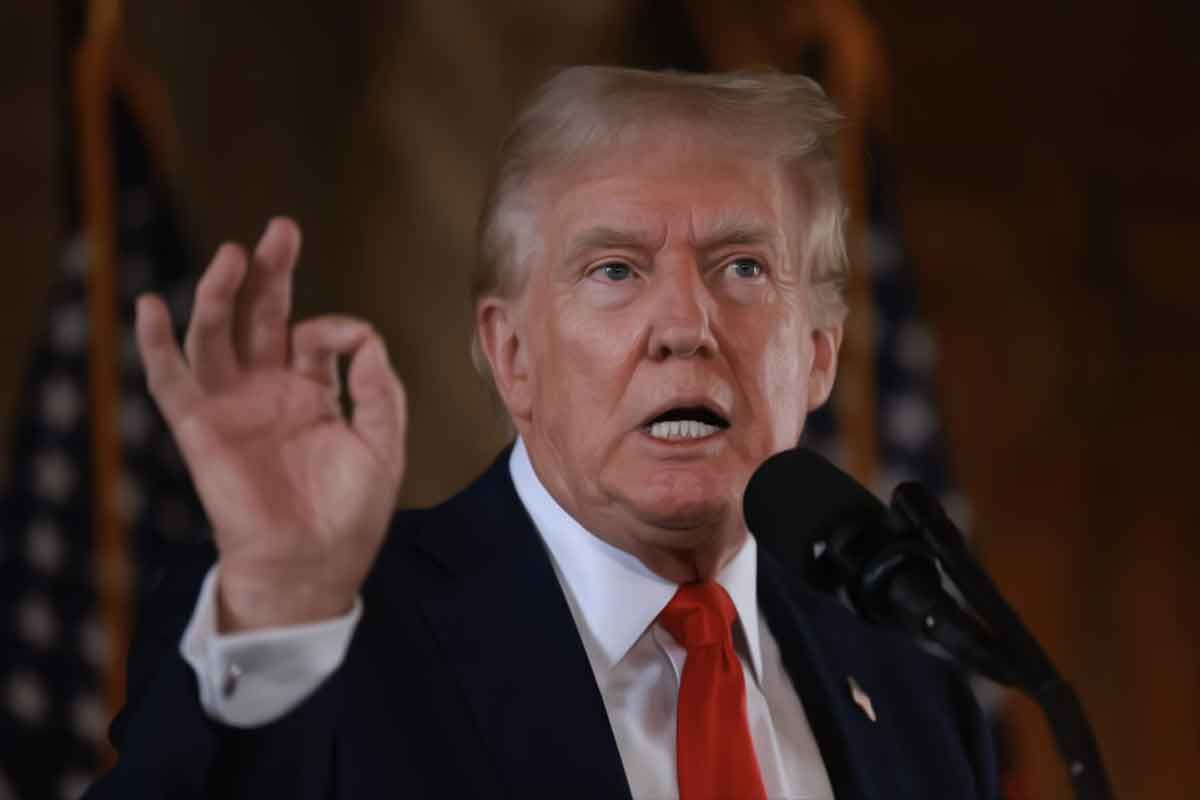
President Donald Trump addressed a gathering of international financiers and technology leaders at the Future Investment Initiative Priority Summit in Miami Beach on Wednesday. The event, hosted by Saudi Arabia’s sovereign wealth fund, the Public Investment Fund , aimed to foster global investment partnerships and economic collaboration. In his opening remarks, President Trump declared, “The United States is back and open for business.” He emphasized his administration’s […]

By M. A. Hossain & Vishakhajha For decades, U.S. alliances have been the backbone of global stability, fostering economic cooperation and collective security. NATO, economic partnerships with European and Asian allies, and engagement in international organizations have cemented America’s leadership in world affairs. However, under Trump’s second term Presidency, these traditional alliances came under significant […]

The Dubai International Financial Centre has reported unprecedented financial performance for 2024, coinciding with its 20th anniversary. The centre’s total revenue reached AED 1.78 billion , a 37% increase from the previous year, while operating profit surged by 55% to AED 1.33 billion . These figures represent the most significant annual growth since DIFC’s establishment. The number of active companies within DIFC expanded by 25%, totaling 6,920 […]

By Asad Mirza The way the US President Donald Trump literally got enforced his one-man plan for the Gaza Ceasefire and the manner in which he is now trying to organise Peace Talks to get the Russia-Ukraine war ended, are pointers to the future of the American foreign policy. By now the world should have […]
By L S Herdenia BHOPAL: Bhopal is decorating itself to accord warn welcome to over 100 big industrial magnets who will be in the capital city to attend Madhya Pradesh government sponsored Industrial Summit. The Summit will be inaugurated by the Prime Minister Narendra Modi on February 24. Nearly a hundred distinguished industrialists and chiefs […]
By Satyaki Chakraborty The anti-discrimination students body which pioneered the massive upsurge in Bangladesh last year leading to the fall of the Awami League government on August 5 and abdication of the then Prime Minister Sheikh Hasina to India, is set to float their new political party with specific programme and constitution by the end […]

Coldware has rapidly emerged as a formidable contender in the blockchain arena, introducing a mobile-first decentralized Layer-1 network that is redefining industry standards. This innovative approach has intensified competition with established platforms like Solana , which is concurrently enhancing its Web3 infrastructure to maintain its leading position.

In early 2025, Coldware unveiled its mobile-first blockchain network, aiming to seamlessly integrate decentralized finance and decentralized applications directly into users’ mobile devices. This strategic move addresses the growing demand for accessible and user-friendly blockchain solutions, positioning Coldware as a pioneer in mobile blockchain technology. The network’s Proof-of-Stake consensus mechanism is designed to operate efficiently on Web3-enabled smartphones, reducing energy consumption and enhancing security. By eliminating reliance on centralized infrastructure, Coldware aspires to revolutionize mobile crypto payments, DeFi interactions, and non-fungible token transactions.

In parallel, Solana has been reinforcing its position as a leading Layer-1 blockchain by focusing on scalability and speed. The network is capable of processing over 65,000 transactions per second with minimal latency and transaction fees averaging less than $0.01. This performance has attracted a vibrant community of developers and users, fostering a diverse ecosystem of applications spanning DeFi, NFTs, gaming, and Web3 services. To further solidify its infrastructure, Solana has been organizing a series of global events throughout 2025, including the Solana DeFi Summit in Miami, the Solana Gaming & NFT Expo in Singapore, and the Solana Asia Web3 Conference in Hong Kong. These conferences aim to engage developers, investors, and enthusiasts, promoting innovation and adoption within the Solana ecosystem.

The rivalry between Coldware and Solana has intensified, particularly as Coldware’s mobile-centric approach gains traction among users seeking on-the-go blockchain solutions. This competition has prompted Solana to accelerate its efforts in enhancing mobile compatibility and expanding its Web3 offerings. Industry analysts observe that this dynamic is fostering a healthy competition that could lead to significant technological advancements and a broader adoption of decentralized applications.

Advertisements

Dubai’s Museum of the Future recently hosted an array of global dignitaries attending the World Governments Summit 2025, which concluded last week. The summit attracted over 30 heads of state and government, more than 80 international and regional organizations, and 140 government delegations, totaling over 6,000 participants.

Among the distinguished visitors to the museum were President Andry Rajoelina of Madagascar, Vice President Félix Ulloa of El Salvador, Prime Minister Sonexay Siphandone of Laos, and Chairwoman Željka Cvijanović of the Presidency of Bosnia and Herzegovina. These leaders explored the museum’s innovative exhibits, which span themes from outer space exploration to the intricacies of inner space, reflecting the institution’s commitment to showcasing future trends and technological advancements.

The Museum of the Future, celebrated for its avant-garde architecture and often referred to as “the most beautiful building on Earth,” serves as a global platform for intellectual discourse. It aims to foster discussions on future opportunities and challenges, bringing together thought leaders, policymakers, and innovators to collaboratively shape the trajectory of humanity.

During their visits, the delegations were briefed on the museum’s role in promoting knowledge-driven dialogues and its efforts in exploring transformative trends across various sectors. The immersive experiences offered by the museum provided these global leaders with insights into potential future scenarios, emphasizing the importance of proactive governance and international cooperation.

The World Governments Summit 2025, held from February 11 to 13 in Dubai, centered on the theme “Shaping Future Governments.” The event convened a diverse group of participants, including heads of state, ministers, industry leaders, and experts, to deliberate on pressing global challenges and innovative solutions. Key topics encompassed governance, economic development, technological innovation, sustainability, and global health.

His Excellency Mohammad Al Gergawi, Minister of Cabinet Affairs and Chairman of the World Governments Summit Organization, highlighted the summit’s significance, stating that it has achieved its prominent status through a unique and forward-thinking vision. This vision prioritizes proactive future planning as the foundation of effective governance, focusing on empowering individuals and developing thriving communities. It champions international partnerships and collaboration as the most effective way to achieve common goals and ensure prosperity for all.

The summit featured over 200 interactive sessions, addressed by more than 300 prominent figures. Discussions ranged from the integration of artificial intelligence in public services to strategies for sustainable urban development. Notably, the event also hosted 21 global forums that delved into future trends and their implications for governments worldwide.

In addition to the high-profile political figures, the summit attracted leaders from various sectors. Sundar Pichai, CEO of Google and Alphabet; Robin Li, Co-founder and CEO of Baidu; and Larry Ellison, Chairman and CTO of Oracle, were among the notable attendees. Their participation underscored the critical intersection of technology and governance in addressing contemporary global issues.

The Museum of the Future’s engagement with these leaders during the summit exemplifies its mission to be more than just a repository of exhibits. It strives to be an active participant in the global dialogue on shaping the future, providing a space where ideas converge, and collaborative solutions emerge.


The United Arab Emirates has initiated a groundbreaking project to map air corridors and establish regulatory frameworks for piloted and autonomous air taxis and cargo drones. This ambitious endeavour aims to integrate advanced air mobility solutions into the nation’s urban infrastructure, enhancing transportation efficiency and connectivity.

The General Civil Aviation Authority , in collaboration with the Advanced Technology Research Council’s entities—Technology Innovation Institute and ASPIRE—announced the initiative during the World Government Summit 2025. The project is slated for completion within the next 20 months, during which aerial corridors and comprehensive regulations will be defined.

These designated routes are planned to link major international airports with prominent urban landmarks, facilitating the seamless operation of air taxis and cargo drones across the UAE’s cities. This development is poised to alleviate traffic congestion, promote sustainable urban growth, and position the UAE as a leader in advanced air mobility.

Saif Mohammed Al Suwaidi, Director General of the GCAA, highlighted the significance of this milestone: “Air corridor mapping for piloted and autonomous air taxis and drones is a crucial milestone that will enable the seamless implementation of advanced air mobility into the UAE’s infrastructure.” He emphasized that this initiative ensures the safe and efficient adoption of air mobility, paving the way for a smarter, more connected future.

The UAE’s commitment to innovative transportation solutions is further exemplified by its history of embracing cutting-edge technologies. In 2017, Dubai commenced testing two-seater, propeller-driven flying taxis developed by Germany’s Volocopter, marking an early foray into autonomous aerial transport. Building on this foundation, the current project seeks to operationalize such technologies on a broader scale.

In September 2024, U.S.-based air-taxi manufacturer Joby Aviation applied for certification to operate commercial air transport services in the UAE. This move signifies growing international interest in the UAE’s burgeoning advanced air mobility sector. The certification process involves developing operational manuals, facility inspections, and comprehensive training programs for pilots and maintenance personnel, underscoring the rigorous standards set by the GCAA.

Dr. Najwa Aaraj, CEO of TII, underscored the transformative potential of this collaboration: “By advancing airspace management and integrating piloted and autonomous air taxis and cargo drones, we are not only enhancing urban connectivity but also driving sustainable and accessible mobility solutions that will benefit future generations.” TII’s role focuses on developing advanced airspace management systems to ensure the safe integration of these new aerial vehicles into existing urban environments.

ASPIRE, tasked with coordinating among regulators, industry stakeholders, and researchers, aims to create a flexible and diverse transportation system. Stephane Timpano from ASPIRE noted: “Addressing real-time urban mobility challenges through innovative solutions like air taxis and drones is a major step forward.” This initiative is expected to ease pressure on traditional road networks and foster the development of smarter, more resilient cities.

The UAE’s strategic vision encompasses the integration of artificial intelligence and smart automation to manage and optimize these air corridors. This approach ensures predictive maintenance, efficient traffic management, and robust safety protocols, aligning with global trends in smart city development.

Brazil is set to host the BRICS leaders’ summit in Rio de Janeiro on 6th and 7th July 2025, as announced by Foreign Minister Mauro Vieira. This gathering will bring together heads of state from Brazil, Russia, India, China, South Africa, and other partner nations, marking a significant event in international diplomacy. Assuming the rotating presidency of BRICS on 1st January 2025, Brazil has been actively preparing […]

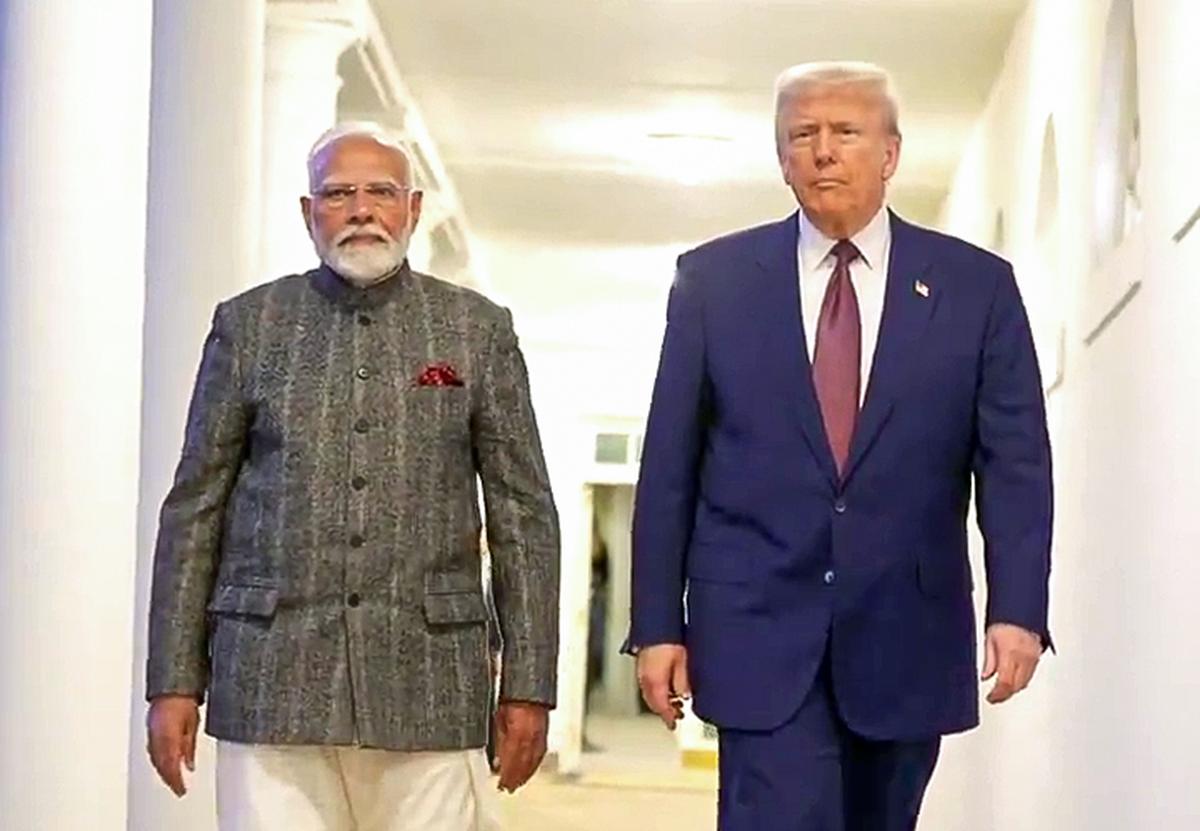
By Nitya Chakraborty The outcome of Prime Minister Narendra Modi’s meeting with the U.S. President Donald Trump in White House on February 13 may have its impact on the interim government of Bangladesh headed by Dr. Mohammad Yunus, who is in power since August 8, 2024 in the wake of the ouster of Sheikh Hasina […]
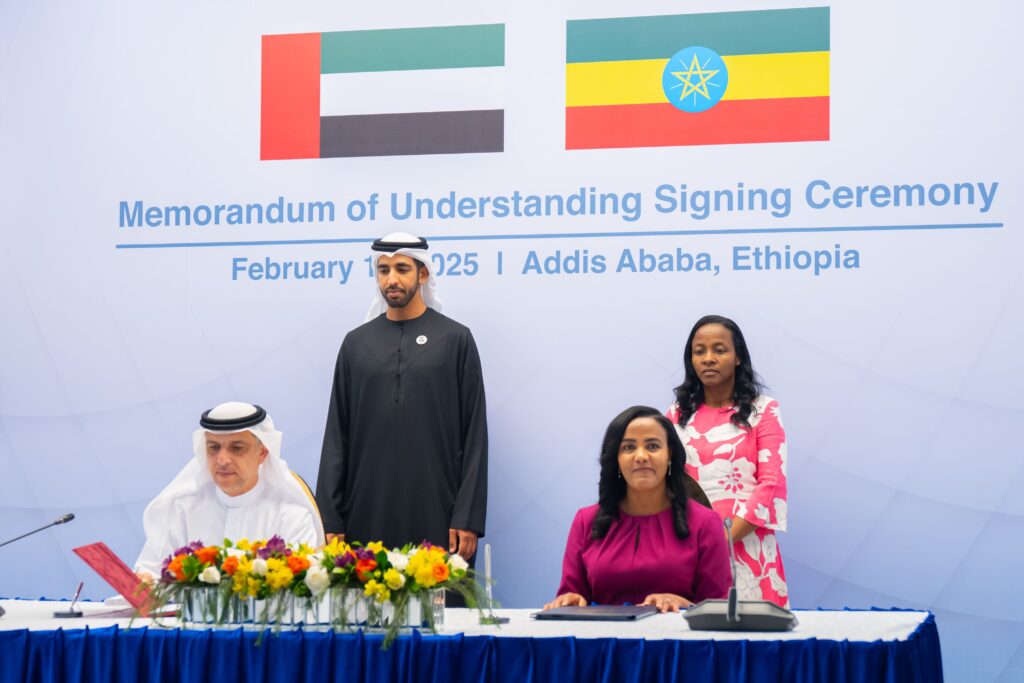
The United Arab Emirates has unveiled a $60 million initiative to develop schools tailored for visually impaired students across Ethiopia. This significant investment, announced ahead of the African Union Summit, underscores the UAE’s commitment to inclusive education and support for underserved communities.

The Khalifa Bin Zayed Al Nahyan Foundation, operating under Erth Zayed Philanthropies, will spearhead this project in collaboration with the Ethiopian government. The agreement was formalized by Mohamed Haji Al Khoori, Director General of the Foundation, and Ethiopia’s First Lady, Zinash Tayachew. The signing ceremony was witnessed by Sheikh Shakhboot bin Nahyan, UAE Minister of State and Trustee of Erth Zayed Philanthropies.

Ethiopia faces a pressing need in this sector, with approximately 1.2 million individuals living with visual impairments, including 332,000 who are blind. The country also contends with one of the highest global rates of trachoma, a preventable eye disease prevalent in underserved regions. This initiative aims to address these challenges by constructing schools equipped with advanced assistive technologies, specialized curricula, and vocational programs designed to empower visually impaired students for higher education and employment opportunities.

Sheikh Theyab bin Mohamed bin Zayed Al Nahyan, Deputy Chairman of the Presidential Court for Development and Fallen Heroes’ Affairs and Chairman of the Board of Trustees of Erth Zayed Philanthropies, emphasized the UAE’s dedication to supporting people of determination worldwide. He stated that providing visually impaired students in Ethiopia with inclusive learning environments is crucial for enabling them to reach their full potential.

Sheikh Shakhboot bin Nahyan highlighted the importance of sustainable development and strategic collaboration as drivers of lasting change. He noted that this initiative reflects the UAE’s unwavering commitment to uplifting communities, creating economic opportunities, and expanding access to essential services.

First Lady Zinash Tayachew expressed gratitude for the UAE’s continued partnership, which aligns with Ethiopia’s goal of ensuring that every citizen, regardless of abilities, has access to quality education. She emphasized that this collaboration will help create a more inclusive society where every student has the opportunity to succeed.

Mohamed Haji Al Khoori underscored that education is a fundamental right and that every child deserves the opportunity to learn in an environment that supports their unique needs. He added that strengthening educational systems lays the foundation for a more inclusive and equitable future, reaffirming the power of global partnerships in driving lasting impact.

This initiative builds upon the success of the Sheikha Fatima bint Mubarak School for the Blind in Addis Ababa, inaugurated in May 2024. The new schools will form a network across Ethiopia, expanding access to inclusive education and ensuring that visually impaired children, regardless of socioeconomic background, can thrive in supportive learning environments.

Fikeru Bejo, an IT teacher at the Sheikha Fatima bint Mubarak School for the Blind, shared insights into the transformative impact of such initiatives. He highlighted the resilience and determination of students to overcome challenges and achieve their goals, attributing their progress to the enhanced facilities, specialized teacher training, and introduction of assistive technology made possible by the UAE’s support.

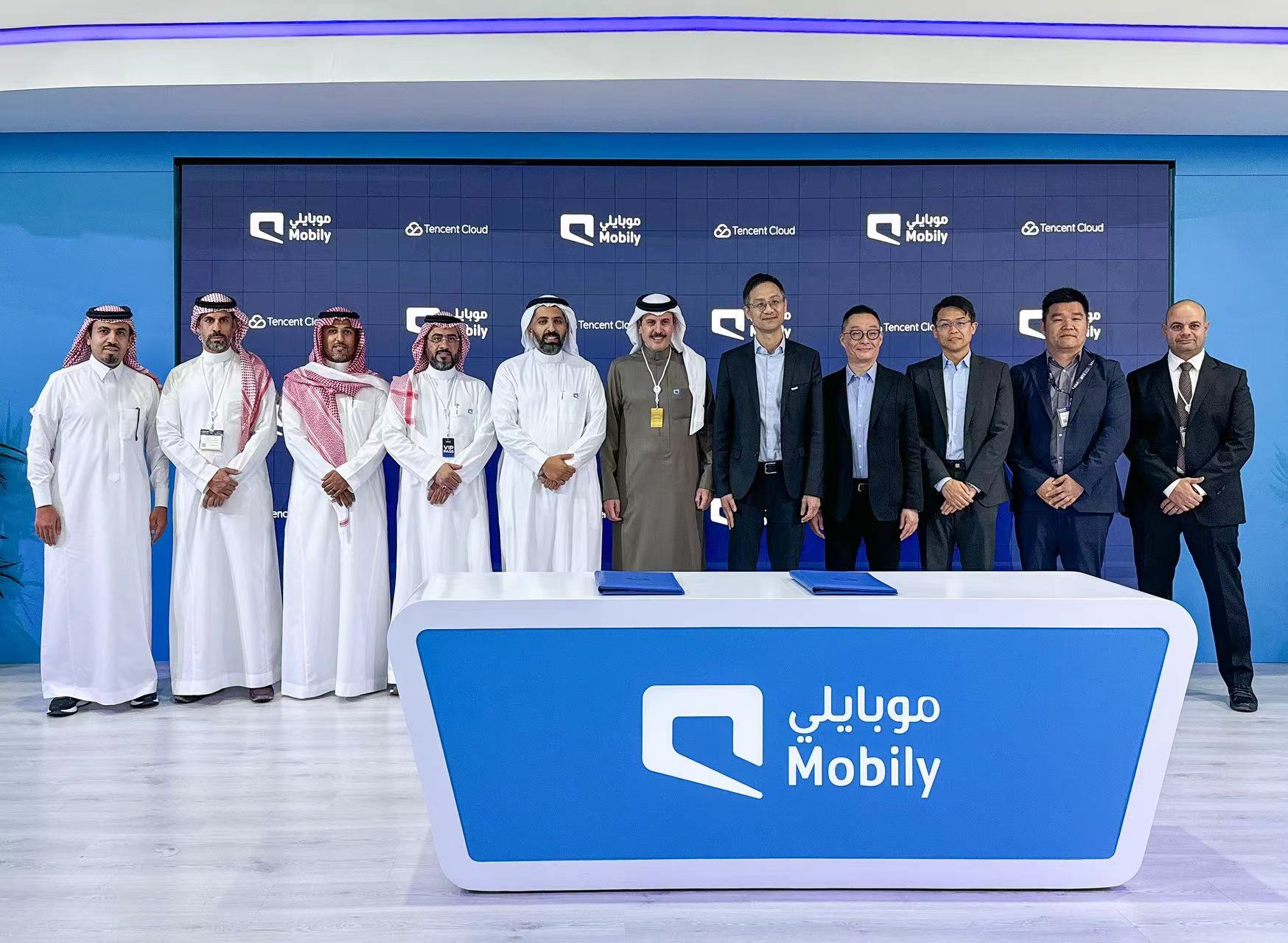
Tencent Cloud has unveiled plans to launch its inaugural Middle East Cloud Region in Saudi Arabia, marking a pivotal expansion in the company’s global infrastructure. Announced at the LEAP 2025 technology summit in Riyadh, the new cloud region will encompass two availability zones, each designed with full redundancy to ensure robust and reliable services. This development is slated to become operational by 2025, aligning with Saudi Arabia’s ambitious Vision 2030 objectives to foster digital transformation and economic diversification.

The strategic move includes an investment exceeding $150 million over the forthcoming years, underscoring Tencent Cloud’s commitment to bolstering the Kingdom’s burgeoning digital economy. Dan Hu, Vice President of Tencent Cloud International for the Middle East and North Africa, emphasized the significance of this initiative, stating, “We’re excited to have grown alongside the Kingdom of Saudi Arabia and look forward to ramping up cloud support for the Middle East. The new Cloud Region strengthens our ability to support the country’s digital transformation journey.”

This expansion will integrate Saudi Arabia into Tencent Cloud’s extensive global network, which currently comprises over 50 availability zones across 21 regions. The new infrastructure is poised to deliver a comprehensive suite of advanced cloud services, including artificial intelligence capabilities, data analytics, and digital media solutions. These offerings are tailored to meet the diverse needs of industries such as finance, gaming, media, and e-commerce within the region.

Saudi Arabia’s cloud computing market is experiencing rapid growth, driven by the government’s proactive digital initiatives and the private sector’s increasing adoption of cloud technologies. Projections indicate that annual spending on public cloud services in the Kingdom is expected to reach $2.5 billion by 2026, reflecting a compound annual growth rate of 25%. This surge is attributed to the nation’s focus on emerging technologies, including AI, cloud computing, and the Internet of Things , as integral components of its Vision 2030 plan.

The LEAP 2025 summit, where Tencent Cloud’s announcement was made, has emerged as a significant platform for technological collaboration and investment in Saudi Arabia. The event witnessed the Kingdom securing $14.9 billion in new investments aimed at advancing its digital infrastructure and AI capabilities. Notably, global cloud service providers are increasingly recognizing the potential of the Saudi market. For instance, Amazon Web Services has partnered with stc Group to accelerate cloud adoption and AI-driven innovation across various sectors, including healthcare, finance, and education.

Tencent Cloud’s entry into the Middle East market is anticipated to intensify competition among cloud service providers, offering businesses in the region a broader array of options to enhance their digital operations. The establishment of local data centers is particularly advantageous, as it addresses data residency requirements and reduces latency, thereby improving the performance of cloud-based applications and services.

In addition to infrastructure development, Tencent Cloud is expected to collaborate with local enterprises and governmental bodies to provide training and support, fostering a skilled workforce adept in cloud technologies. This initiative aligns with Saudi Arabia’s broader goals of nurturing innovation and entrepreneurship, ultimately contributing to a diversified and knowledge-based economy.

The Middle East’s strategic importance in the global technology landscape is increasingly evident, with countries like Saudi Arabia investing heavily in digital transformation. Tencent Cloud’s expansion into the region not only signifies confidence in the local market’s potential but also reinforces the Kingdom’s position as a burgeoning hub for technological advancement and innovation.

As the cloud computing landscape in Saudi Arabia continues to evolve, the presence of global players like Tencent Cloud is poised to accelerate the adoption of cutting-edge technologies. This development is expected to drive economic growth, enhance competitiveness, and pave the way for new business models and opportunities within the region.

Saudi Arabia’s Crown Prince Mohammed bin Salman has assumed a pivotal role in shaping the international landscape under U.S. President Donald Trump’s administration. As traditional diplomatic norms give way to a more transactional approach, the Crown Prince’s influence is increasingly evident in critical geopolitical arenas, notably the Middle East and Eastern Europe.

In the Middle East, Saudi Arabia is leading an urgent Arab initiative to counter President Trump’s contentious proposal for Gaza. The U.S. plan suggests relocating Palestinians to neighboring countries, a move that has been met with widespread rejection from regional stakeholders. In response, Saudi Arabia, in collaboration with Egypt, Jordan, and the United Arab Emirates, is formulating an alternative strategy. This plan emphasizes the establishment of a Gulf-funded reconstruction program and the marginalization of Hamas, aiming to stabilize Gaza while preserving Palestinian national aspirations. A summit in Riyadh is scheduled to further deliberate on these proposals, underscoring Saudi Arabia’s commitment to regional stability and its willingness to challenge U.S. policies when they conflict with Arab interests.

Beyond the Middle East, Crown Prince Mohammed bin Salman is extending his diplomatic reach to address the ongoing conflict in Ukraine. The Trump administration has announced potential peace talks with Russian officials, a move that has elicited mixed reactions from the international community. European leaders have expressed concerns that this approach may inadvertently legitimize Russian aggression. Amid these tensions, Saudi Arabia has offered to host summit talks in Riyadh, positioning itself as a neutral ground for dialogue. This initiative not only highlights the Crown Prince’s ambition to elevate Saudi Arabia’s global diplomatic profile but also reflects a strategic alignment with President Trump’s unconventional foreign policy methods.

Dubai’s Roads and Transport Authority has entered into a Memorandum of Understanding with Elon Musk’s The Boring Company to explore the development of the ‘Dubai Loop’ transport project. The agreement was formalized during the World Governments Summit in Dubai, in the presence of His Highness Sheikh Hamdan bin Mohammed bin Rashid Al Maktoum, Crown Prince of Dubai.

The proposed Dubai Loop is a 17-kilometer underground transport system featuring 11 stations, designed to transport over 20,000 passengers per hour. The system aims to connect major hubs throughout Dubai, significantly reducing travel times between key points in the emirate to just minutes. Utilizing electric vehicles traveling at speeds of up to 160 kilometers per hour, the loop will facilitate direct, non-stop journeys to destination stations.

This initiative aligns with Dubai’s vision for smart and sustainable transport solutions, leveraging advanced tunneling technologies to enhance urban mobility. The Boring Company’s loop system has been operational in Las Vegas since 2021, where it has transported over two million passengers. The Vegas Loop is currently under active development, with plans for 104 stations and 110 kilometers of tunnel, eventually transporting over 90,000 passengers per hour throughout the system.

The collaboration between RTA and The Boring Company will focus on exploring the use of sustainable, innovative technologies to safely and efficiently transport passengers via the loop system. The MoU includes research on tunneling technology, mobility trends, and safety standards, with a focus on pioneering solutions for Dubai’s evolving transportation needs.

Elon Musk, speaking at the World Governments Summit via video link, emphasized the advantages of tunnel systems over alternatives like flying cars, citing the practicality, safety, and efficiency of tunnels, which are protected from weather and noise, offering a smoother experience for passengers.

The Dubai Loop project is part of a larger plan to develop a citywide loop transportation system, aiming to alleviate traffic congestion by providing a high-speed underground alternative to traditional roadways. The initiative also supports Dubai’s ambitious sustainability goals, aligning with the Dubai Clean Energy Strategy 2050.

Alibaba Chairman Joe Tsai announced a partnership with Apple to integrate advanced artificial intelligence features into iPhones sold in China. Speaking at the World Governments Summit in Dubai on Thursday, Tsai emphasized the significance of this collaboration for both companies.

This strategic move comes as Apple faces declining iPhone sales in China, attributed to intense competition from domestic brands like Huawei and Vivo. The integration of Alibaba’s AI technology aims to bolster Apple’s position in the Chinese market by offering enhanced functionalities tailored to local consumers.

Following the announcement, Alibaba’s Hong Kong-listed shares surged by 9.2%, reaching a three-year high. This uptick reflects investor confidence in Alibaba’s AI capabilities and the potential success of the partnership.

Industry analysts have noted that the absence of advanced AI features has been a disadvantage for Apple in China. Local competitors have been quick to incorporate AI into their devices, appealing to tech-savvy consumers. By collaborating with Alibaba, Apple seeks to bridge this gap and meet the growing demand for intelligent smartphone features.

Alibaba has been at the forefront of AI development in China. The company recently unveiled its Qwen 2.5 model, which has been well-received in the tech community. This advancement has solidified Alibaba’s reputation as a leader in AI innovation, making it a valuable partner for global companies aiming to enhance their technological offerings in China.

The partnership is also expected to provide Apple with insights into Chinese consumer behavior, leveraging Alibaba’s extensive data on shopping and payment habits. This data-driven approach will enable the development of personalized AI services, enhancing the user experience for iPhone customers in China.

Elon Musk announced that Grok 3, his latest AI chatbot developed by xAI, is in its final stages and set for release within a week or two. Speaking via video call at the World Governments Summit in Dubai, Musk highlighted Grok 3’s advanced reasoning capabilities, stating it has outperformed existing chatbots in tests conducted so far.

Musk, who co-founded OpenAI in 2015 but departed in 2018 due to strategic disagreements, established xAI to rival AI leaders like OpenAI and Google’s DeepMind. His renewed focus on AI comes as a consortium led by him has offered $97.4 billion to acquire the nonprofit controlling OpenAI. This move aims to prevent OpenAI’s transition to a for-profit model, a shift Musk has publicly criticized.

OpenAI’s leadership, including CEO Sam Altman, has dismissed Musk’s offer as a tactic to disrupt the company’s restructuring plans. Altman emphasized that OpenAI is not for sale and remains committed to its mission of developing safe and beneficial AI technologies.

The proposed acquisition has raised concerns about the concentration of power in the AI industry. Regulatory authorities in the United States are scrutinizing major AI firms, including OpenAI and its partners, for potential antitrust violations. Musk’s bid, coupled with his legal actions against OpenAI’s leadership, underscores the escalating tensions and competition within the AI sector.

The World Governments Summit 2025 concluded its three-day event in Dubai on Thursday, uniting over 30 heads of state and government, more than 80 international and regional organizations, and 140 government delegations. Under the theme “Shaping Future Governments,” the summit addressed pressing global challenges and explored innovative solutions for effective governance.

French President Emmanuel Macron, speaking at the AI Action Summit in Paris earlier this week, emphasized the need for streamlined regulatory processes and significant investment in artificial intelligence to compete with global powers. He advocated for increased European cooperation and a unified strategy for AI development, highlighting France’s commitment to investing €109 billion in the sector.

In a notable session, industry leaders underscored the critical importance of digital access for societal advancement. Margherita Della Valle, CEO of Vodafone, highlighted the widening gap between those with internet access and those without, noting that approximately 2.6 billion people remain offline, with 300 million residing in remote areas lacking connectivity infrastructure. Hatem Dowidar, CEO of the e& group, discussed his company’s evolution towards offering services in fintech, cybersecurity, and cloud computing, reflecting a broader industry shift towards comprehensive digital solutions.

The summit also featured discussions on the ethical deployment of AI and the necessity for robust networks to support its implementation. Mickey Mikitani, CEO of Japan’s Rakuten, called for a radical transformation of the telecommunications sector and the removal of entry barriers to foster innovation. Panelists emphasized the importance of dialogue between governments and industry leaders to develop regulations that address current and future challenges in the AI landscape.

By K Raveendran Prime Minister Narendra Modi’s call for greater emphasis on the Global South in the evolving world order shaped by artificial intelligence is a strategic proposition. With AI becoming the most critical technological force of the 21st century, it is imperative that developing nations, particularly those in the Global South, have a role […]

DUBAI, UAE – Media OutReach Newswire – 11 February 2025 – The World Government Summit, known as “the world’s largest and most influential” intergovernmental forum, was held in Dubai, UAE, from 11 to 13 February. Themed as “Shaping Future Governments”, the Summit attracts about 6,000 participants, including more than 30 heads of state and government, over 80 heads of international organizations and 140 government delegations. The Summit […]

By Nitya Chakraborty Prime Minister Narendra Modi will be meeting the United States President Donald Trump in Washington on February 13. He is going straight to U.S. on a two-day visit after completing his engagement in France on Tuesday, including co-chairing the global AI summit along with the French President Emanuel Macron. For all practical […]

The Middle East confronts a significant and widening disparity between its climate adaptation funding requirements and actual expenditures. According to the Brookings Institution, the region’s national adaptation plans and nationally determined contributions estimate a need for $8.2 billion annually until 2030. However, modelled adaptation costs are projected at $17.1 billion per year, highlighting a substantial and growing financial gap. Amar Bhattacharya, a senior fellow at the Brookings […]

Canada’s ambassador to France, Stéphane Dion, has denounced U.S. President Donald Trump’s recent statements regarding potential territorial expansions, asserting that such threats contravene international law. Dion emphasized that “in order to respect international law, you don’t threaten your neighbours by invasion.” President Trump has indicated he would not dismiss the use of military force to acquire Greenland, an autonomous territory of Denmark. Additionally, he has proposed the […]

DeepFest 2025, held from 9 to 12 February in Riyadh, has underscored Saudi Arabia’s burgeoning role in the global artificial intelligence arena. The event, co-located with the LEAP technology conference, attracted over 48,000 AI enthusiasts, including thought leaders, data scientists, and innovators from around the world. The Kingdom’s significant progress in AI was highlighted by its ascent to the 14th position globally in the 2024 Global AI […]

VISHNU RAJA
RYO YAMADA
HITORI GOTOH
IKUYO KITA