News related to
Summit

Amazon has pledged to invest more than $35 billion in India by 2030, targeting a significant expansion of its technology, logistics, and export operations across the country. The announcement, delivered on 10 December at the Amazon Smbhav Summit in New Delhi, follows previous investments totalling about $40 billion since 2010 — including a $26 billion commitment in 2023.

The funding will be channelled along three strategic pillars identified by Amazon: AI-driven digitisation, export growth and job creation. The company intends to leverage artificial intelligence to reshape its marketplace operations and support small and medium-sized enterprises.

Amazon aims to boost cumulative exports from Indian sellers — which hit over $20 billion — to $80 billion by 2030. That step would represent a four-fold increase in volume while providing an impetus to local manufacturing, packaging, logistics and supply-chain networks.

As part of this push, the firm expects to generate at least 1 million new employment opportunities across direct, indirect and seasonal roles by the end of the decade. These would be distributed across technology, operations, logistics, fulfilment and customer support functions.

The announcement by Amazon aligns with similar large-scale commitments from other global tech players. A day earlier, Microsoft committed $17.5 billion for cloud and AI infrastructure in India, while Google has floated plans to inject about $15 billion over five years towards AI data-centre development in the country.

Amazon’s renewed commitment comes against a backdrop of intensifying competition in India’s e-commerce and delivery space. Firms such as Flipkart, along with app-based delivery services like Blinkit, Swiggy-led Instamart and Zepto, have rapidly expanded consumer-facing logistics, creating pressure on legacy players to scale up technological and operational capabilities.

According to a report by consultancy Keystone Strategy, Amazon’s past investments helped digitise over 12 million small businesses, enabled more than $20 billion in exports and supported around 2.8 million jobs as of 2024. The upcoming investment aims to deepen that impact by extending digital infrastructure, training, fulfilment and AI-powered tools to more businesses.

A token linked to the brand of popular creator-entrepreneur Jimmy Donaldson — known globally as MrBeast — saw price gains of nearly 900 per cent in 24 hours, reflecting growing investor speculation around the newly filed fintech trademark by his corporate group. The rally has thrust the unofficial memecoin spotlit by social-media buzz, despite clear warnings that the currency remains unauthorised and unconnected to any official launch.

The underlying spark appeared after his firm, Beast Holdings, submitted a trademark application in October 2025 for a brand called MrBeast Financial. The filing outlines services ranging from mobile banking, crypto payment processing, exchange and decentralized-trading tools to loans, credit cards and financial-education offerings.

Soon after media and investor attention picked up, the BEAST token’s trading volume soared — a pattern analysts attribute to a mix of hype, confusion with other meme coins referencing MrBeast, and overbought technical indicators that often precede sharp reversals.

Insiders at Beast Industries, including CEO Jeffrey Housenbold, have confirmed that financial-services expansion is part of a broader diversification strategy. At the summit event where the plan was publicly discussed, Housenbold said the company aims to package banking, fintech and creator economy functions under one umbrella — potentially offering fans access to financial services via a recognised brand.

Beast Industries’ market valuation has reportedly reached around US $5 billion. That, combined with MrBeast’s social-media reach, fuels investor optimism that “MrBeast Financial” — if realised — might attract millions of users instantly. This visibility helps explain why speculative investors clung to BEAST token amid the buzz.

Yet experts caution over regulatory and structural hurdles before any fintech project materialises. A US trademark filing does not equate to regulatory clearance; launching banking or crypto-exchange services would require compliance with complex licensing regimes, including money-transmitter permits, anti-money-laundering protocols and possibly oversight by financial authorities.

This is not the first time the MrBeast brand has floated multiple trademarks without launching full-fledged products. Past filings — ranging from burgers to gaming to snacks — have produced mixed results, with some evolving into real ventures and others quietly fading. That casts ambiguity over whether “MrBeast Financial” will ever become a functioning platform.

Despite that, investor appetite for BEAST appears to remain driven by two forces: the fear of missing out characteristic of crypto cycles, and hope that a fintech rollout tied to a globally recognised creator could upend traditional financial models. Until regulators weigh in or Beast Industries announces concrete partnerships, however, BEAST remains a speculative asset — its value tied more to branding buzz than fundamentals.

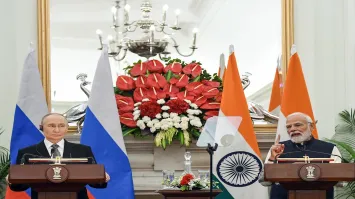
By Nitya Chakraborty The India-Russia joint statement issued on December 5 after two days of talks between President Vladimir Putin and the Indian Prime Minister Narendra Modi is more a vindication of India’s renewed exercise of its geopolitical status defying the pressure from the USA and the other western powers rather than a document on […]

The article Modi-Putin Summit Reinforces India’s Geopolitical Identity Amidst Headwinds appeared first on Latest India news, analysis and reports on Newspack by India Press Agency).

By T N Ashok NEW DELHI: Russian President Vladimir Putin arrived in India Thursday evening for a two-day state visit that has become a diplomatic flashpoint, testing New Delhi’s ability to maintain strategic independence amid mounting pressure from Washington and European capitals. The arrival marks Putin’s first trip to India since the Ukraine war began […]

The article Putin’s India Visit: A Stress Test Of Strategic Autonomy Amid Global Pressure appeared first on Latest India news, analysis and reports on Newspack by India Press Agency).

SHENZHEN, CHINA – Media OutReach Newswire – 5 December 2025 – On November 16, 2025, the three-day 27th China Hi-Tech Fair (CHTF) successfully concluded at Hall 16 of the Shenzhen World Exhibition & Convention Center (Bao’an District). As a major industrial event aligned with national strategic goals, this year’s fair closely followed the guidance outlined in the 15th Five-Year Plan, which calls for “accelerating the development of […]

Cushman & Wakefield Experts Share Market Insights at MIPIM Asia Summit HONG KONG SAR – Media OutReach Newswire – 4 December 2025 – China’s Real Estate Investment Trust (C-REIT) market is entering a transformative phase, marked by rapid expansion in issuance size, diversification into emerging asset classes, and rising institutional investor confidence. Since its inception, the market has grown to reach a total issuance scale of RMB207 […]

Belgium has rejected a proposal by the European Union to channel frozen Russian assets toward a major financial aid package for Ukraine, dealing a blow to efforts aimed at sustaining Kyiv’s war-time finances. The plan envisioned a €140 billion “reparations loan,” backed by immobilised Russian central-bank reserves held largely in Belgium’s Euroclear, but Belgian leaders argued the risks are too high—legal, financial and reputational.

The opposition centres on statements from Bart De Wever, Belgium’s prime minister, who described the plan as “fundamentally flawed”. He warned that using the frozen assets at this stage could trigger lawsuits, force Belgium to shoulder massive liabilities, and destabilise confidence in the euro. De Wever rejected broad incentives offered by the European Commission and demanded legally binding guarantees from other EU member states before any commitment.

Backing Ukraine with frozen Russian funds had gained traction as European leaders scrambled to meet Kyiv’s projected needs through 2026–2027. Analysts estimate that Ukraine faces a budget shortfall of more than €135 billion over the next two years, with defence expenditures alone ballooning. The EU had considered not just using interest on the frozen assets — which has supported a G7-backed aid programme so far — but deploying the assets themselves as collateral to unlock large-scale funding.

Yet the European Central Bank has refused to provide emergency liquidity for the proposed loan, citing its mandate forbidding direct monetary financing to governments under EU treaties. The refusal undermines the viability of the scheme, especially since liquidity back-stops were meant to reassure markets and protect institutions like Euroclear from sudden liability.

Some EU member states and financial experts contended that employing frozen assets would free up taxpayer money and symbolically re-affirm Europe’s stance that Russia must pay for its aggression. Academics have pointed out how using immobilised reserves could offer Ukraine immediate relief without expanding EU sovereign debt. The Commission is reportedly exploring fallback options, such as joint borrowing backed by the EU budget or bilateral loans, but those alternatives are expected to carry higher costs and slower disbursement timelines.

Opposing countries argue the plan violates property rights, jeopardises investor confidence and could provoke Russian retaliation, both legally and economically. Euroclear itself has warned of potential lawsuits and damage to its reputation as a global securities depository if assets are re-purposed in this way.

With less than three weeks remaining before a planned EU summit, Belgium’s refusal complicates efforts to finalise a unified approach. Brussels appears unlikely to shift position without assurances that risks will be shared evenly — a prospect many member states view as tantamount to signing a blank cheque.

Advertisements

Nigeria must generate 27.3 million new formal jobs from 2025 to 2030 if it is to maintain an unemployment rate of 4.3 per cent, according to the Nigerian Economic Summit Group. That works out to roughly 4.55 million net new jobs each year, a target seen as essential to absorb a growing labour force and to gradually formalise a workforce long dominated by informal, low-productivity work. The […]

Russian President Vladimir Putin arrived in New Delhi for a two-day visit aimed at reviving and expanding energy and defence cooperation with India. His agenda includes proposals for increased Russian oil exports alongside renewed offers of missile systems and fighter jets, as part of efforts to restore ties challenged by global pressure on Moscow.

The visit coincides with heightened scrutiny of India’s oil and weapon imports from Russia, but also signals Moscow’s determination to deepen the “special and privileged strategic partnership” with New Delhi. Kremlin officials, including Russia’s deputy prime minister overseeing trade, emphasised that the India-Russia forum planned around the summit would explore ways to diversify bilateral trade, extend industrial cooperation and foster joint investments across high-technology and raw-material sectors.

On offer are new arms deals including advanced air-defence platforms and additional batches of combat aircraft. Negotiations are expected to cover the procurement of more units of the S-400 missile system and potential acquisition of fifth-generation Su-57 jets and the next-generation S-500 air-defence shield. Although India has widened its defence procurement sources over recent years, Moscow remains one of its leading suppliers, bolstered by long-standing familiarity and legacy hardware in the armed forces. Analysts note that these proposed arms deals would reaffirm Russia’s influence in India’s defence posture, even as New Delhi attempts to balance Western and Russian dependencies.

Energy cooperation is another key pillar. Russia is offering discounted crude oil supplies under new trade arrangements, including through intermediaries and possibly via joint ventures or extraction projects in Russia’s Far East and Arctic regions. This appears geared toward circumventing Western sanctions on Russian energy exports, while ensuring that India retains access to competitively priced hydrocarbons. At the same time, Indian officials are conscious of growing trade imbalances caused by large-scale Russian imports and have flagged the need to augment Indian exports to Russia, particularly in equipment, raw materials and food products.

Efforts to revive large-scale trade go beyond energy and defence. The India-Russia forum accompanying the summit is expected to chart cooperation in civil nuclear projects, space technology, and high-tech industrial ventures. Signals from the Russian side underscore a long-term vision of a resilient, multifaceted partnership rooted in historical ties. While geopolitical pressures from Western capitals and tariffs on Indian goods pose real challenges, both Moscow and New Delhi appear keen to insulate their bilateral engagement from external strains.

Saudi Arabia’s sovereign wealth fund is seeking to deepen ties with Japanese investors as it reshapes its investment strategy away from sprawling real-estate megaprojects toward sectors deemed more viable in the near term.

The Public Investment Fund, valued at roughly $925 billion, unveiled a plan to expand investments in Japan from $11.5 billion between 2017–2024 to a projected $27 billion by 2030, according to remarks by its governor, Yasir Al-Rumayyan, at a business summit in Tokyo. He described Japanese companies as “one of the largest partners for Saudi Arabia,” and said the kingdom hopes to “bring more and more Japanese companies” on board.

This outreach comes alongside a major overhaul of PIF’s priorities. Plans for large-scale real estate ventures—previously central under the Vision 2030 plan—are being put on the back foot as delays and write-downs erode investor confidence. The new strategy pivots toward sectors such as logistics, mineral extraction, religious tourism and artificial intelligence, with greater emphasis on data infrastructure and industries promising quicker returns.

Some megaprojects under Vision 2030, including the much-publicised desert city NEOM and a planned mountain-based winter sports hub, have faced repeated delays and mounting costs, prompting analysts to question their long-term viability. PIF’s 2024 annual report shows impairments on several high-profile investments that have weighed on returns, and strategic rebalancing appears aimed at stabilising the fund’s financial outlook.

The renewed focus on logistics underscores Saudi Arabia’s ambition to become a global supply-chain hub bridging Asia, Europe and Africa. Mineral extraction targets the kingdom’s considerable reserves of rare earths and critical minerals, seen as vital for future technology supply chains. Religious tourism aims to leverage steady demand for pilgrimage to holy sites, while investments in artificial intelligence and data infrastructure, led by PIF-backed firm Humain, reflect the kingdom’s drive to build a diversified economy beyond hydrocarbons.

Financial markets and global investors have welcomed the pivot as more pragmatic and potentially less risky than monumental real-estate bets. Yet critics caution that shifting to more conventional sectors may diminish the transformative potential originally promised under Vision 2030. The challenge now lies in whether the new strategy can deliver on its growth and diversification goals while restoring investor confidence.

By Nantoo Banerjee It is encouraging to note that the government has decided to invest large sums of money in support of rare earth magnet manufacturing and substantially improve the country’s rare earth-based metals production to escape China’s global chokehold in this strategic sector. Presently, there are a few small Indian companies engaged in manufacturing […]

The article India’s Push For Self-Reliance In Rare Earth Magnet Making Is Laudable appeared first on Latest India news, analysis and reports on Newspack by India Press Agency).

Abu Dhabi is preparing to host what organisers describe as the world’s largest debut media and entertainment gathering, with the BRIDGE Summit 2025 scheduled to run from 8–10 December at the Abu Dhabi National Exhibition Centre. The summit is expected to draw more than 60,000 participants from around the globe and bring together over 400 speakers and 300 exhibitors under a single roof.

Organisers envisage BRIDGE as an immersive platform that merges content, technology, culture, and commerce, structured across seven thematic tracks: Media; Creator Economy; Music; Gaming; Tech & AI; Marketing; and Picture — the latter covering film, streaming, and visual storytelling. The schedule includes more than 300 activities: roughly 200 panels, 50 workshops and interactive showcases, masterclasses and matchmaking zones designed to connect creators, investors, policymakers and media platforms.

Participation confirmed by high-profile figures signals the summit’s global ambition. International actor, filmmaker and DJ Idris Elba will join the line-up, bringing his cross-sector experience in entertainment and advocacy to the Summit’s discussions. Alongside traditional media heavyweights and cultural leaders, the Summit aims to spotlight emerging voices in the digital creator economy. The Creator Economy track alone is slated to feature more than 80 global contributors across 50 sessions investigating how influence, ownership and monetisation are reshaping creative industries worldwide.

Central to the Summit’s narrative is the challenge facing modern media: trust, credibility and sustainability. As traditional broadcast gives way to streaming and social platforms, and as generative AI reshapes production, issues of editorial independence, content verification, audience dynamics and revenue stability are moving to the forefront. The Media track is expected to convene over 100 global editors, founders, policymakers and investors to discuss funding models, algorithmic distribution, content integrity and the very ethics of influence in media today. The Summit’s ambition is to provoke debate and propose frameworks that can guide media’s future in an era of rapid technological disruption.

Beyond content and discussion, BRIDGE is designed as a marketplace for partnerships — blending culture, commerce and policy. Conversations already under way include cross-sector collaborations between media companies, tech firms, venture capital, and energy and infrastructure players. For example, recent talks involving global tech leadership have highlighted an alignment of media innovation with digital infrastructure capacity and clean energy, reflecting how foundational resources are becoming integral to media’s next frontier.

For countries and organisations navigating the tension between creative independence, monetisation and regulatory frameworks, the Summit offers a testbed. Delegates include creators seeking sustainable revenue, investors eyeing cultural-sector returns, technology firms exploring policy-driven AI integration, and governments looking to harness media’s influence in soft power projection. That diversity suggests the Summit could influence not just entertainment and content markets, but regulatory norms, global standards, and potentially the geopolitics of information dissemination.

Attendance projections and speaker rosters aside, the Summit’s scale poses logistical and structural challenges. Managing 60,000 attendees across multiple tracks, workshops and networking zones demands rigorous coordination. Questions around equitable representation — of global South artists, independent creators and regional media voices versus established global brands — remain. Observers are watching whether BRIDGE can balance commercial ambition with inclusivity and whether media integrity and creative freedom will be genuine priorities.

If execution aligns with vision, BRIDGE Summit 2025 could mark a turning point for the media and entertainment industry — reimagining how content, community, technology and commerce converge in the coming decade.

By K Raveendran An evolving convergence of political intent and economic pragmatism is giving fresh momentum to the India–Russia relationship, placing the forthcoming summit in New Delhi as a significant moment in a partnership that has already weathered decades of geopolitical shifts. The visit of President Vladimir Putin, framed within the terminology of a ‘Special […]
The article Delhi Summit To See A New Strategic Reset In India-Russia Partnership appeared first on Latest India news, analysis and reports on Newspack by India Press Agency).

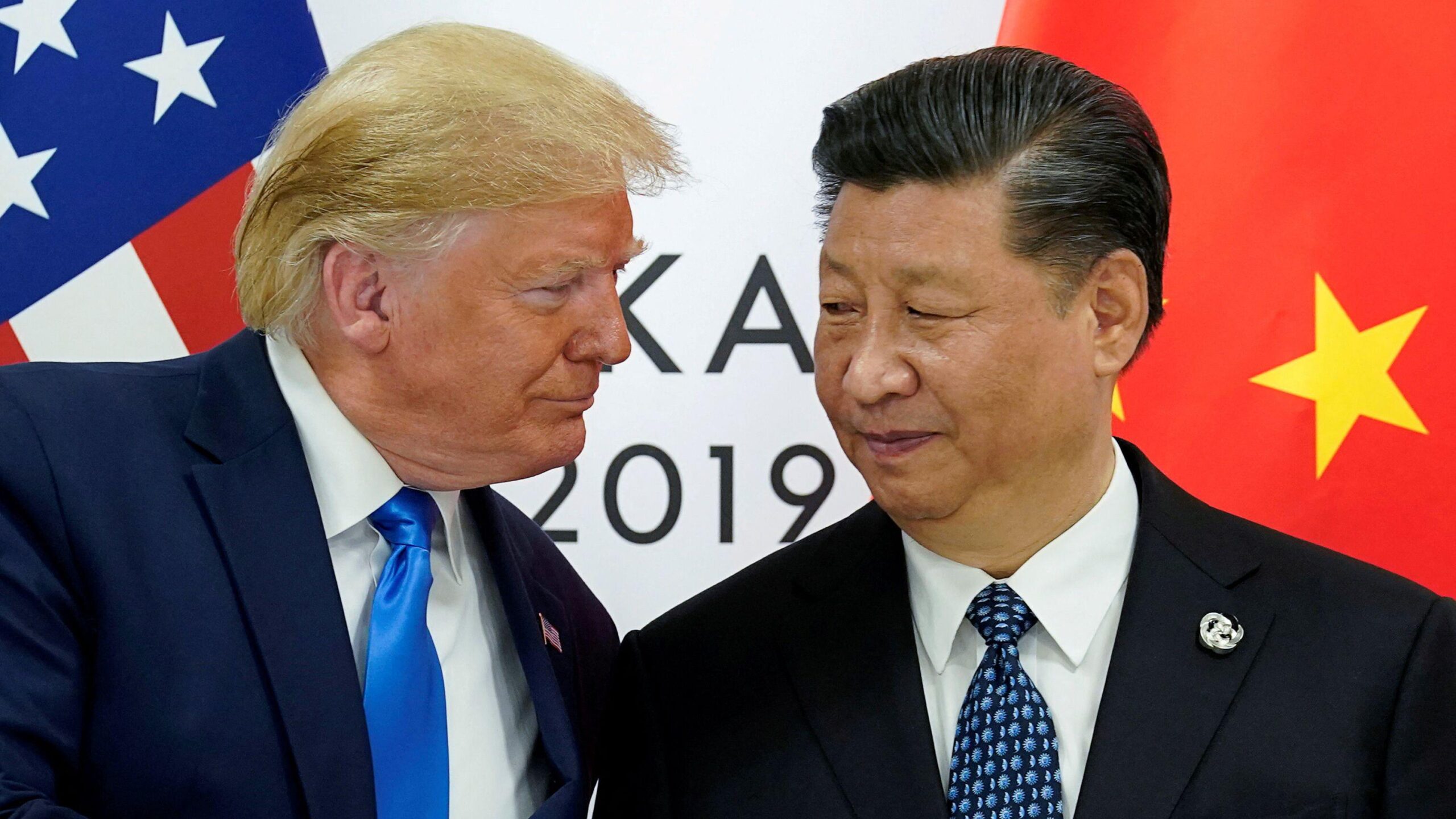
By Nitya Chakraborty 2025 has been a golden year for the Chinese President Xi Jinping in global diplomacy. In the last ten months since taking over the U.S. presidency by Donald Trump on January 20 this year for the second non-consecutive term, Chinese supremo Xi Jinping is on the roll. At the Busan summit in […]
The article How President Xi Jinping Has Emerged Taller In Global Diplomacy In 2025 During Trump.2 Tenure appeared first on Latest India news, analysis and reports on Newspack by India Press Agency).

STA. ROSA, LAGUNA, PHILIPPINES – Media OutReach Newswire – 26 November 2025 – DHL Summit Solutions, Inc. (DSSI), the joint venture between DHL Supply Chain APAC and JG Summit Holdings, Inc., today marked a major milestone in its sustainability journey with the inauguration of its Electric Vehicle (EV) fleet. With its investment in 23 electric vehicles and 22 prime movers, DSSI is becoming one of the largest […]

During the G20 Leaders’ Summit in Johannesburg, the Managing Director of the International Monetary Fund, Kristalina Georgieva, stated that the Fund expects the Group of Twenty major economies to place sustained emphasis on global debt vulnerabilities, particularly in developing nations. She warned that global public debt is projected to exceed 100 % of world GDP by 2029 without decisive action, and added that the IMF intends to […]

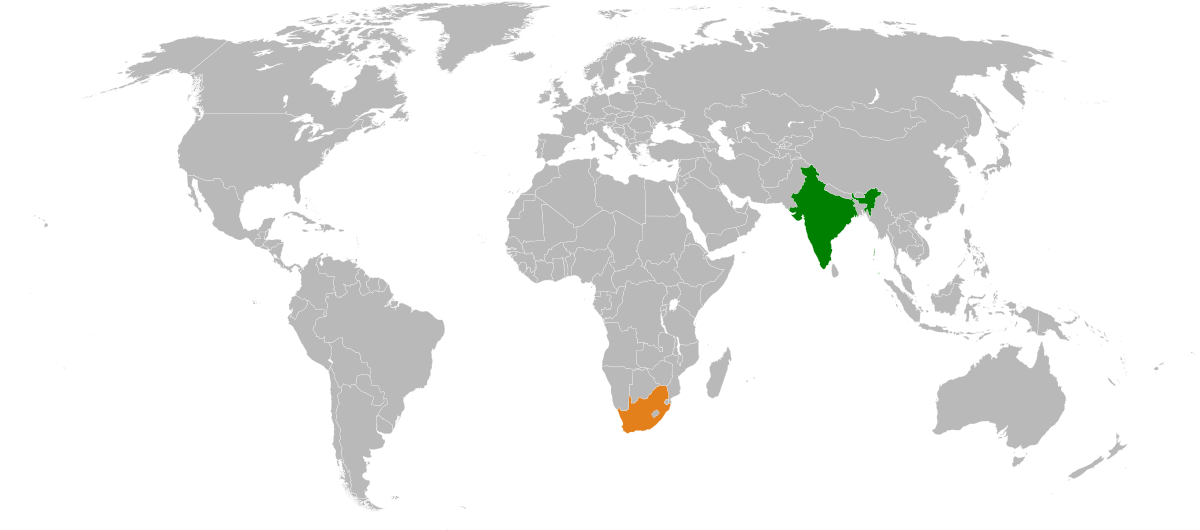
Leaders of India and South Africa affirmed a joint commitment to amplify the resonance of the Global South during a bilateral meeting on the margins of the G20 summit in Johannesburg. India’s Prime Minister met South African President Cyril Ramaphosa to review an expanding partnership that now encompasses trade, digital infrastructure and critical-minerals cooperation.

The leaders emphasised the historical foundation of bilateral ties, tracing back to shared anti-colonial struggles and longstanding people-to-people links. They identified emerging sectors of collaboration, including artificial intelligence and digital public platforms, as well as enhanced investment flows across innovation, infrastructure and mining sectors.

India expressed gratitude to South Africa for its role in relocating cheetahs to India and extended an invitation for South Africa to join the International Big Cat Alliance. At the G20 held in Johannesburg, which is the first summit of its kind hosted on African soil, South Africa has sought to spotlight issues of development, sustainability and Global South equity.

The two countries signalled their readiness to facilitate mutual investments, noting the growing footprint of Indian firms in South Africa and a shared interest in deepening bilateral ties in mining, start-ups, technology and infrastructure. They agreed to enhance support frameworks for these sectors.

In the domain of digital transformation, the meeting explored ways in which India’s Digital Public Infrastructure experience could be shared with South Africa, with the leaders discussing a roadmap for cooperation in those digital arenas that support transparency, inclusion and scalability.

On critical minerals—the backbone of technologies from electric vehicles to renewable energy systems—the dialogue underscored the strategic convergence of India’s growth ambitions and South Africa’s resource endowment. Both governments emphasised sustainable extraction, value-chain development and mutual investment as priorities.

The meeting also took place against the backdrop of global institutional reform debates, where developing countries increasingly seek to adjust frameworks such as the IMF and development banks. South Africa, as serving G20 chair, has framed its presidency around the themes of solidarity, equality and sustainability, particularly as representative of countries in the Global South.

While the two leaders concentrated on bilateral priorities, they also discussed multilateral coordination and collective platforms. They welcomed South Africa’s initiative to convene the IBSA leaders meeting and affirmed cooperation ahead of India’s upcoming chairship of BRICS in 2026.

Observers note that India–South Africa ties have evolved from traditional trade and diplomacy to a more strategic convergence around technology, investment, and global governance. According to experts, this shift reflects the changing priorities of middle powers in a multipolar world, where alignment on development and technological sovereignty is rising.

However, there remain practical challenges. For South Africa, translating resource-rich endowments into sustainable, inclusive growth has long been a domestic policy hurdle. For India, ensuring that digital partnerships respect both sovereignty and local capacity presents implementation risks. Critics argue that while high-level pledges are valuable, they must be matched by concrete mechanisms, regulatory clarity and project-level follow-through.

In trade terms, the two countries’ discussions come at a time when global supply-chain realignments and technology competition are raising the stakes for investment in emerging markets. Indian companies entering South Africa will need to navigate regulatory complexity, local participation requirements and the country’s infrastructure bottlenecks. South Africa, for its part, will have to ensure that its mining and start-up ecosystem attract and retain investment while meeting environmental and community benchmarks.

The diplomatic messaging also signals a broader orientation for both nations. India’s engagement with Africa has increasingly focused on capacity-building and infrastructure, while South Africa has positioned itself as a voice for Africa in global forums. Their joint push to amplify the Global South suggests an intention to influence agendas around debt relief, climate finance, digital equity and reform of global institutions.

Abu Dhabi’s infrastructure expansion enters an ambitious phase with the Abu Dhabi Projects and Infrastructure Centre announcing a capital-projects pipeline valued at US$54 billion over the next five years, and ambitions to double the size of this programme by 2040. Officials described the initiative as a broad invitation to overseas and regional contractors to engage in major new developments spanning housing and social infrastructure. During a road-show […]

By Nitya Chakraborty Prime Minister Narendra Modi will be attending G20 summit at Johannesburg on November 22 and 23 amidst the diplomatic crisis for India over the Bangladesh demand for deportation of the ousted Prime Minister Sheikh Hasina from her shelter in India. On November 17, the International Crimes Tribunal of Bangladesh indicted Hasina on […]

The article Winning Perception Battle Against Bangladesh Is The Main Task Of Narendra Modi At G-20 Summit appeared first on Latest India news, analysis and reports on Newspack by India Press Agency).

  Papio Consulting recently launched an AI-powered ESG platform. As Steven Jansen, Founder of Papio Consulting, states MENA is one of the fastest-evolving regions for ESG transformation, with a long-term vision where transparent ESG performance becomes a competitive advantage. Governments are increasingly advancing sustainability agendas and innovation, and companies are ready to integrate smart tools. “Our Papio Sustainability Manager helps reduce the time and cost of ESG reporting by up […]

The launch of the UAE’s Financial Inclusion Strategy has been hailed as a pivotal move in advancing economic access for all, not only within the country but also across the broader Middle East and North Africa region. Ousmane Dione, Vice President for the World Bank’s MENAAP region, underscored the significance of the initiative, framing it as a transformative step that will set a precedent for further developments in financial inclusion.

Speaking at the MENA Leaders’ Summit on Financial Inclusion in Abu Dhabi, Dione expressed his enthusiasm for the UAE’s leadership in this area. He noted that the nation’s decision to launch a comprehensive financial inclusion strategy demonstrates its forward-thinking approach, which aligns with global objectives of promoting equal economic opportunities. The event, organised by the Central Bank of the UAE in collaboration with the Arab Monetary Fund and the World Bank, served as a forum for regional leaders to exchange insights on tackling the challenges that hinder financial access in the MENA region.

The UAE’s initiative seeks to enhance financial services for underserved and unbanked populations, including women, low-income households, and small businesses. This strategy is in line with global efforts to bridge the financial inclusion gap, particularly in emerging economies where a significant proportion of the population remains excluded from formal financial systems.

Dione’s remarks highlighted the importance of creating an inclusive financial ecosystem that enables individuals and businesses, regardless of their background or income level, to access essential financial services. The UAE’s strategy addresses several key areas, including expanding digital payment systems, enhancing financial literacy, and ensuring the accessibility of financial services to remote and underserved communities.

The summit, which brought together leaders from across the MENA region, was a significant step towards addressing the region’s financial inclusion challenges. Many countries in the MENA region still face considerable hurdles in achieving universal financial inclusion, such as limited access to banking infrastructure, low levels of financial literacy, and insufficient regulatory frameworks to support digital finance innovations.

A key topic of discussion at the summit was the role of digital technologies in fostering financial inclusion. Mobile banking, digital wallets, and blockchain-based financial services were identified as critical enablers of inclusive financial systems. These technologies provide a means for individuals who lack access to traditional banking services to participate in the financial ecosystem, empowering them to save, borrow, and invest in their futures.

In his comments, Dione acknowledged that while progress has been made in several MENA countries, significant challenges remain. He emphasised the need for continued collaboration among governments, financial institutions, and technology providers to overcome barriers to financial access. The World Bank has committed to supporting regional efforts to enhance financial inclusion, providing technical expertise and financial resources to initiatives like the UAE’s strategy.

The UAE’s leadership in this area reflects its broader ambitions to position itself as a regional and global leader in financial services. Over the years, the country has invested heavily in developing its financial infrastructure, becoming a hub for banking and fintech innovation. The launch of the Financial Inclusion Strategy is a natural extension of these efforts, aiming to ensure that the benefits of economic growth are more equitably distributed.

One of the notable aspects of the UAE’s strategy is its focus on women’s financial empowerment. Women in the MENA region have historically faced significant barriers to accessing financial services, with factors such as cultural norms and limited financial literacy often preventing them from participating fully in the economy. The UAE’s strategy includes targeted measures to increase women’s participation in the financial system, recognising that empowering women is crucial for driving broader economic growth and development.

The event in Abu Dhabi also underscored the growing importance of regional cooperation in tackling financial inclusion challenges. Leaders from various MENA countries exchanged best practices and discussed ways to harmonise regulatory approaches to digital finance. The World Bank’s involvement in the summit highlights its commitment to supporting the region’s efforts to build more inclusive financial systems.

Greenlogue/AP Climate experts from China have raised significant concerns about the growing impact of trade barriers on global efforts to tackle climate change. Speaking at the COP30 summit, they warned that rising protectionism, including tariffs imposed by major economies such as the United States and the European Union, is hampering critical international collaboration needed to meet global emission reduction targets. The Chinese delegation highlighted that while countries […]

Saudi Arabia’s Ministry of Communications and Information Technology’s Center of Digital Entrepreneurship has successfully concluded the Multiverse Summit 2025, which was held in Silicon Valley, United States. This landmark event highlighted the Kingdom’s ongoing commitment to advancing digital innovation and fostering a global digital ecosystem. The summit, which brought together industry leaders, innovators, and government officials, served as a platform to explore the convergence of cutting-edge technologies, […]

BELÉM, BRAZIL – Media OutReach Newswire – 14 November 2025 – On November 12, 2025, the 30th United Nations Climate Change Conference (COP30) officially convenes in Belém, Brazil. The COP30 Leaders’ Residence (Vila Líderes), located in the city’s strategic core area, has fully operationalized the high-efficiency, energy-saving air conditioning systems provided by Gree Electric. Specifically designed for attending global leaders and delegations, the residence is adjacent to […]

VISHNU RAJA
RYO YAMADA
HITORI GOTOH
IKUYO KITA