Arabian Post Staff -Dubai Dubai will host the third Quantum Innovation Summit from September 28 to 30, bringing government bodies, researchers, technology companies and investors together as the UAE expands work on quantum computing, secure communications and post-quantum cybersecurity. The event will be held at the Grand Hyatt Dubai Conference & Exhibition Centre and is hosted by the UAE Cyber Security Council for a second consecutive year, […]
Arabian Post Staff -Dubai Dubai International Financial Centre has confirmed the programme for the inaugural Dubai Future Finance Week, bringing more than 850 speakers to a five-day series of events across the emirate from November 2 to 6. The programme will comprise more than 85 high-level events, including 12 signature forums across 14 stages, and will focus on fintech, tokenisation, Islamic finance, family wealth, sustainable finance and […]
Egypt and India have agreed to pursue concrete steps towards lifting bilateral trade to $12 billion, with President Abdel Fattah El-Sisi and Prime Minister Narendra Modi also discussing ways to expand investment ties during talks on the sidelines of the 18th BRICS Summit in New Delhi.
The leaders met on Sunday as Egypt pressed for faster progress on a trade goal first set during El-Sisi’s state visit to New Delhi in January 2023. Egypt’s presidency said the discussions covered measures to strengthen the strategic partnership, increase commerce and encourage more investment from India in sectors including manufacturing, technology, clean energy and the automotive industry.
El-Sisi stressed the importance of translating the economic relationship into projects and commercial flows capable of taking trade to the $12 billion target. The two sides also reviewed opportunities for companies from India to expand their presence in Egypt, which Cairo has promoted as a production and export base serving markets in Africa, the Middle East and Europe.
Bilateral merchandise trade stood at about $6.5 billion in the 2025-26 financial year, according to figures cited by India’s embassy in Cairo. That leaves the two countries seeking almost to double the current level if they are to reach the objective discussed by their leaders.
Investment formed a central part of the meeting. Egypt highlighted manufacturing, information technology, renewable and clean energy, and vehicle production as areas where it wants to attract additional capital. Cairo has also sought greater participation by overseas companies in the Suez Canal Economic Zone and other industrial centres as it works to raise exports and secure more foreign currency.
Modi and El-Sisi reviewed the broader strategic partnership and discussed cooperation in economic and commercial fields, along with regional and international developments. Their meeting came as New Delhi hosted the September 12-13 BRICS summit under the theme of resilience, innovation, cooperation and sustainability.
Egypt joined BRICS at the start of 2024 and has since used the grouping to widen economic links with major emerging economies. The New Delhi summit brought together an expanded bloc whose agenda included trade, finance, technology, energy, climate issues and greater use of national currencies in cross-border transactions.
The trade push also builds on institutional contacts between Cairo and New Delhi. Egypt’s Foreign Minister Badr Abdelatty said during BRICS ministerial meetings in May that the two countries wanted to raise bilateral trade to $12 billion over five years and strengthen cooperation in investment, technology and other economic sectors.
El-Sisi and Modi upgraded relations to a strategic partnership in 2023, creating a framework for closer coordination across trade, investment, defence, energy and political consultation. The latest talks focused more narrowly on turning the economic component of that partnership into measurable gains, particularly through private-sector investment and expanded market access.
Egypt has been courting manufacturers as it seeks to increase domestic production and exports, while companies from India already operate in industries including chemicals, textiles, food processing and manufacturing. Cairo’s investment campaign has emphasised projects that can supply the domestic market while using Egypt’s trade agreements and transport links to reach neighbouring regions.
The two leaders also discussed international and regional issues, according to Egypt’s presidency, without announcing a separate bilateral agreement during the meeting. Their talks were among a series of leader-level engagements held around the BRICS gathering as member states sought to advance economic cooperation alongside the summit’s wider diplomatic agenda.
For Egypt, the $12 billion goal provides a benchmark for a relationship that has expanded beyond traditional merchandise trade into investment-led cooperation. For India, stronger commercial ties with Egypt offer access to a major Arab and African market and to production locations close to the Suez Canal, one of the world’s principal shipping routes.
Commerce and Industry Minister Piyush Goyal has urged BRICS members and partner countries to link payment systems, expand local-currency trade and open markets more widely as India presses for stronger economic integration across the grouping.
Addressing the BRICS Business Forum in New Delhi, Goyal said greater connectivity between national payment networks, including systems modelled on India’s Unified Payments Interface, could lower friction in cross-border commerce while supporting wider use of members’ own currencies.
His proposals were aligned with the economic agenda carried into the BRICS summit, where leaders backed further work on facilitating trade and investment settlements in local currencies and improving interoperability between payment systems. The approach stops short of creating a common BRICS currency and instead focuses on practical links between existing financial infrastructures.
BRICS leaders encouraged the New Development Bank to expand local-currency financing and diversify its funding base, complementing efforts to make cross-border payments faster, cheaper and safer. Officials have stressed that the objective is not a single currency, but greater use of national currencies where commercially practical and mutually agreed.
Goyal said UPI now handles more than 250 billion transactions annually and is accepted in 11 countries. He urged BRICS economies to explore linking their payment networks, promote trade in each other’s currencies and expand digital commerce alongside cooperation in emerging technologies.
The minister coupled the payments proposal with a call for easier market access. He said BRICS economies should open their markets to one another’s products, including raw materials and critical minerals, while simplifying regulatory procedures and accelerating the clearance of consignments.
Goyal argued that resilient supply chains required two-way trade rather than dependence on one-sided flows. He said non-tariff measures impose higher export costs than tariffs in 88 per cent of countries, making regulatory obstacles and customs delays a central concern for companies seeking to trade across BRICS markets.
The push comes as intra-BRICS commerce has expanded sharply. Commerce Secretary Rajesh Agrawal said trade among BRICS countries rose from $84 billion in 2003 to nearly $1.2 trillion in 2024, underscoring both the scale of the bloc’s market and the potential gains from reducing transaction and financing costs.
Agrawal also highlighted the global trade-finance gap, estimated at about $2.5 trillion, and said BRICS should improve access to affordable working capital for exporters. The Jaipur Consensus, agreed by BRICS trade ministers in August, provides a basis for examining a common mechanism to help smaller businesses obtain finance against confirmed orders and reliable payment records.
Trade ministers have also advanced a 2026-2030 action plan on global value chains, including BRICS Connect, business-to-business partnerships, digital trade documentation and possible platforms for strategic supply chains and investment promotion. These measures form part of a broader effort to make trade flows more diversified and less vulnerable to disruption.
Goyal identified agriculture, pharmaceuticals, engineering, electronics, automobiles, auto components and services as sectors with scope for deeper cooperation. He called for closer links between startup ecosystems and urged agri-tech companies to work jointly on solutions for farmers and food security.
Services trade was another priority. Goyal said BRICS members should make it easier for professionals to move across borders and work towards greater recognition of professional qualifications, arguing that services markets needed to become more genuinely accessible.
External Affairs Minister S. Jaishankar, speaking at the same forum, said supply-chain connectivity, trade facilitation and innovation had become central to BRICS cooperation. He also pointed to digital public infrastructure, artificial intelligence, financial technology and advanced manufacturing as areas offering opportunities alongside questions of standards, security and trust.
Russia’s Economic Development Minister Maxim Reshetnikov separately supported stronger alternative payment arrangements, saying the share of Russia’s export settlements conducted in dollars and euros had fallen sharply over the past three years. He also promoted work on a proposed BRICS grain exchange and closer cooperation among special economic zones.
BRICS leaders have adopted a joint declaration expressing deep concern over escalating tensions in the Middle East and urging maximum restraint, securing consensus among members including Iran, Saudi Arabia and the United Arab Emirates. The New Delhi Declaration, approved on Saturday at the 18th BRICS Summit, called on all sides to avoid actions that could further aggravate the situation and reaffirmed support for resolving international disputes through […]
Chinese President Xi Jinping and Prime Minister Narendra Modi agreed to strengthen economic, transport and people-to-people links while preserving peace along their disputed frontier, using Xi’s first visit to India in seven years to push forward a cautious repair of bilateral relations.
The two leaders met on Saturday on the sidelines of the BRICS summit in New Delhi and welcomed what the Prime Minister’s Office described as steady progress in ties since their meeting in Tianjin in August 2025. They agreed that relations should be approached from a strategic and long-term perspective and that differences should not be allowed to become disputes.
Modi said peace and tranquillity in border areas remained an essential basis for further development of the relationship. He called for both sides to observe existing agreements and understandings on frontier issues and said engagement should be guided by “mutual respect, mutual sensitivity and mutual interest”.
Both leaders committed themselves to seeking a fair, reasonable and mutually acceptable settlement of the boundary question, while expanding cooperation in areas where their interests converge. They also backed stronger cultural exchanges, business links and mobility, alongside efforts to resolve economic frictions.
Trade featured prominently in the discussions. The two sides agreed on the need to address concerns over the structural trade imbalance, supply-chain issues and access to each other’s markets. Bilateral trade reached a record $155.6 billion in 2025, while India’s imports from China were about $132 billion, leaving a large deficit that New Delhi has repeatedly sought to narrow.
The meeting marked Xi’s first trip to India since 2019, when he travelled to Tamil Nadu for an informal summit with Modi. Relations deteriorated sharply after the 2020 military confrontation in eastern Ladakh, including the Galwan Valley clash that killed 20 soldiers from India and four from China.
A disengagement agreement reached in October 2024 helped end key points of the military standoff and opened the way for higher-level political contacts. Modi and Xi then held a substantive bilateral meeting during the BRICS summit in Kazan that month, followed by another meeting in Tianjin in August 2025.
Diplomatic and military mechanisms have since been revived. At the 25th round of Special Representatives’ talks in Beijing on August 25, National Security Adviser Ajit Doval and China’s Wang Yi agreed on eight measures covering border management, military communication, boundary negotiations, trade routes, pilgrimage arrangements and cooperation on trans-border rivers.
Among those steps were two additional channels for military hotlines in the eastern and middle sectors and two additional meeting points for senior commanders. The two sides also agreed to continue work towards a framework for settling the boundary dispute and to use existing diplomatic and military channels to deal promptly with incidents along the Line of Actual Control.
Practical links have also begun returning. Direct passenger flights have resumed, business visa processing has improved and the Kailash Mansarovar pilgrimage has restarted, while three traditional border trading points have reopened. Those measures have not removed the deeper trust deficit, but they have restored channels that were largely frozen after 2020. Officials on both sides have indicated that further easing will depend on predictable border management and progress on commercial concerns over the coming months.
Despite the thaw, major differences remain. Large troop deployments continue along sections of the Himalayan frontier, and the boundary itself has not been settled. Economic engagement is also constrained by investment screening, regulatory barriers, visa delays and security concerns affecting sectors considered sensitive by either government.
Xi’s visit nevertheless gave both governments an opportunity to demonstrate that political contacts are becoming more regular after years of strained relations. Beijing has repeatedly said the two countries should view each other as partners rather than rivals, while New Delhi has maintained that normal relations require durable peace at the border.
Modi pressed Iranian President Masoud Pezeshkian to support freedom of navigation, uninterrupted commerce and the safety of seafarers as the two leaders met in New Delhi on Friday amid continuing conflict and shipping disruption across West Asia.
The talks, held on the sidelines of the BRICS summit, focused on bilateral relations and the regional security situation. India’s Prime Minister reiterated that disputes should be resolved through dialogue and diplomacy and called for sustained efforts to secure lasting peace and stability, according to an official statement issued after the meeting.
Modi specifically highlighted the need to safeguard freedom of navigation and commerce and the safety and well-being of seafarers. The issue has become a central concern for New Delhi as attacks on commercial vessels and disruption to maritime routes in the region have affected trade and put crews at risk.
The meeting was Modi and Pezeshkian’s second in less than two weeks. They had met on August 31 on the sidelines of the Shanghai Cooperation Organisation summit in Bishkek, where Modi also raised the protection of commercial shipping and seafarers and urged a diplomatic approach to the West Asia conflict.
Friday’s discussion came as the conflict involving Iran, the United States and Israel continued to place pressure on strategic waterways and supply routes. India has sought to maintain working relations with Iran while also preserving close ties with Israel and Arab states, making maritime security and regional stability important economic as well as diplomatic priorities.
At least 10 nationals of India have been killed in attacks on vessels transiting the region during the conflict. New Delhi has condemned attacks affecting Gulf countries, energy infrastructure and commercial shipping, while repeatedly calling for de-escalation and protection of civilians and maritime workers.
The maritime threat has sharpened concerns over energy shipments through Gulf waters that remain critical to India’s oil and gas imports.
Modi reinforced the same message earlier on Friday at the BRICS Business Forum, saying global trade could advance only when sea lanes were secure, supply routes remained open and seafarers were safe. He described India as a firm supporter of freedom of navigation and the safety of maritime crews.
Pezeshkian, who was making his first visit to India as president, used his participation in BRICS meetings to press for stronger economic cooperation among members and protection of legitimate trade from political and military pressure. He argued that the grouping’s strength would be demonstrated by converting economic capacity into functioning networks for trade, investment and joint financing.
The Iranian president also called for greater use of national currencies in trade among BRICS members and said Tehran was prepared to work as a strategic partner in energy and transport supply chains. His remarks reflected Iran’s effort to reduce exposure to sanctions and other constraints on cross-border commerce.
During the bilateral meeting, Modi thanked Iran for maintaining high-level participation in BRICS-related meetings despite difficult circumstances. He said the grouping could strengthen resilience, innovation, cooperation and sustainability among countries of the Global South.
The two leaders also reviewed broader bilateral ties and cooperation in multilateral organisations. Modi welcomed continuing coordination on issues of mutual interest within BRICS, where Iran is a full member alongside Brazil, Russia, India, China, South Africa and other states that have joined the expanded grouping.
The talks followed Pezeshkian’s participation in the Leaders’ Session of the BRICS Business Forum. Modi thanked him for attending and said engagement between the two countries should continue across bilateral and multilateral channels.
The New Delhi meeting also built on the August 31 discussions in Bishkek, when Pezeshkian told Modi that Tehran favoured a negotiated solution to its confrontation with the United States. Modi at that meeting expressed concern over escalating tensions and said civilians, civilian infrastructure, commercial shipping and seafarers should not be harmed.
Prime Minister Narendra Modi is hosting the BRICS summit in New Delhi with Russia and China displaying a closer strategic alignment, adding pressure to India’s effort to preserve strong ties with Moscow while managing a cautious thaw with Beijing and maintaining partnerships with the West. Russian President Vladimir Putin met Modi on Friday, a day before the leaders’ summit, and the two reviewed cooperation spanning trade, defence, […]
By Dr. Gyan Pathak With all talks between the United Forum of Banks Unions (UFBU) and Indian Banks’ Association (IBA), Department of Financial Services (DFS), and Central Labour Commissioner under the Union Ministry of Labour and Employment failed, the Public Sector Banks in India have issued alerts for possible disruption of banking operations during all […]
TechSparks 2026 has expanded its speaker roster for the October summit in Bengaluru, adding technology executives, founders and investors to a three-day programme focused on artificial intelligence, deep technology and digital infrastructure.
The latest additions include Zoho co-founder and chief scientist Sridhar Vembu, Angel One Group chief executive Ambarish Kenghe, Emergent founder and chief executive Mukund Jha and Canva country manager Chandrika Deb. Their participation was announced on September 10, extending a lineup that already includes senior policymakers, fintech founders, researchers, venture investors and enterprise technology executives.
The summit, organised by YourStory, is scheduled for October 13 to 15 at the Sheraton Grand Bengaluru Whitefield Hotel and Convention Center. Its 2026 theme, “The New Tech Order”, centres on how AI, deep technology and new digital infrastructure are changing access to technology, business formation and the distribution of economic and technological power.
Among the previously announced speakers are Priyank Kharge, Karnataka’s Minister for Home, IT, BT and E-Governance; Krishna Byre Gowda, Minister for Greater Bengaluru Development; PhonePe founder and chief executive Sameer Nigam; and Pramod Varma, co-founder and chief architect of Networks for Humanity. The programme also lists Rahul Chari, founder and chief product and technology officer of PhonePe, and Manish Maheshwari, managing director for India at Stripe.
Organisers say the event is expected to draw more than 10,000 attendees, more than 500 speakers and about 300 investors. The official event website also lists more than 1,000 startups, while another event page refers to more than 200 participating startups, indicating that the figures represent different participation categories or programme groupings.
The first day is set to examine shifts in technological power, including AI as infrastructure, computing capacity, semiconductor supply chains, data ownership and the balance between technological sovereignty and globalisation. Other sessions are expected to address enterprise adoption of AI, startup financing, digital public infrastructure, climate technology, product development and the role of Bengaluru as a centre for technology-led businesses.
The breadth of the programme reflects a shift in concerns facing technology companies. Access to capital remains important, but founders are contending with computing costs, pressure to demonstrate AI products, scrutiny of data use and the need to build businesses capable of expanding without relying indefinitely on external funding. Investors are expected to examine those trade-offs as they assess companies operating across software, fintech, climate technology, mobility, health technology and deeptech.
Bengaluru’s civic and policy challenges are part of the agenda. Byre Gowda’s participation brings urban development into the discussion, while Kharge is expected to address the state’s role in supporting emerging technologies, entrepreneurship and digital infrastructure. Their presence links the startup programme with questions about how a technology centre manages infrastructure, talent, regulation and public services.
The speaker list spans established technology companies and younger ventures. It includes Anjali Bansal of Avaana Capital, Ashutosh Sharma of Prosus, Michael Cronin of Couchbase, Nagendra Nagaraja of QpiAI, Geetha Manjunath of Niramai Health Analytix, Nicolas Sauvage of TDK Ventures and Priyanka Agarwal Chopra of IIMA Ventures. Academic and research participants include Ashok Jhunjhunwala of IIT Madras and Shivkumar Kalyanaraman, chief executive of the Anusandhan National Research Foundation.
TechSparks will also host its Tech30 programme, which identifies 30 technology companies for a showcase at the summit. The 2026 selection process moved into its second stage on September 10, with shortlisted companies required to submit a more detailed application. The final cohort is scheduled to be locked by September 30 and presented during the event.
A separate VibeCode30 programme is aimed at AI-native builders, while ActionLabs and masterclasses are designed around hands-on problem solving and practical technology deployment. The event format also includes startup networking zones, an India-international corridor and a government pavilion.
Advancing low-altitude economy development across the Belt and Road regions
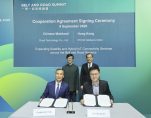
HONG KONG SAR – Media OutReach Newswire – 10 September 2026 – HKT (SEHK: 6823) – PCCW Global, the international telecommunications service provider under HKT, and Harmony Tech Innovation signed a Memorandum of Understanding (MoU) at the 11th Belt and Road Summit to jointly promote the low‑altitude economy across the Belt and Road regions, facilitating Chinese enterprises and innovative technologies as they expand overseas.
Frederick Chui, CEO, PCCW Global (left) and Jacqueline Kang, Chairman, Harmony Tech Innovation (right) signed a Memorandum of Understanding at the Belt and Road Summit 2026.
PCCW Global plans to leverage its global communications networks and international market resources, together with Harmony Tech Innovation’s low-altitude airspace traffic management technology, to explore and promote low‑altitude airspace traffic management solutions and related smart city solutions in Belt and Road markets. The collaboration will also explore applications in areas such as transportation, logistics, and emergency rescue, to support the development of smart cities and the low-altitude economy in local markets.
Frederick Chui, CEO of PCCW Global, said: “The low-altitude economy is a strategically important emerging industry for the nation, and also a key direction for developing new quality productive forces. As countries along the Belt and Road accelerate urban development, demand for low-altitude airspace management and communications technologies continues to grow. PCCW Global is ready to further extend our network capabilities into the low‑altitude economy, providing efficient and reliable communications support for low‑altitude airspace traffic management. In collaboration with Harmony Tech Innovation, we will help bring Chinese innovative technologies to the global market, and support the advancement of smart cities and the digital economy along the Belt and Road.”
Jacqueline Kang, Chairman, Harmony Tech Innovation said: “Communications networks and management systems are critical foundations for the low-altitude economy. We are delighted to collaborate with PCCW Global, combining our digital management capabilities with PCCW Global’s extensive communications networks to provide robust support for low-altitude operations. Looking ahead, we look forward to continuing our collaboration, driving the practical application of low-altitude technologies, and seizing opportunities in overseas markets.”
Harmony Tech Innovation is a global leading provider of low-altitude airspace traffic management and unmanned aerial vehicle ecosystem, focusing on low‑altitude economy and 3D low‑altitude traffic management platform. Its “Low Altitude Airspace Coordination and Service System”, launched in Zhuhai in 2024, is interconnected with China’s Unmanned Aircraft Integrated Management Platform and offers capabilities including regional remote low‑altitude surveillance, centimetre‑level satellite positioning, providing data support for smart city management and laying the foundation for the development of the low-altitude economy in the Greater Bay Area.
PCCW Global’s network infrastructure spans five continents and is backed by extensive international operational experience, enabling it to actively help drive the overseas expansion of China’s advanced technologies. PCCW Global delivers customised network solutions for low‑altitude economy scenarios, supporting real‑time data transmission and the management of low‑altitude aircraft.
Hashtag: #HKT #PCCWGlobal
The issuer is solely responsible for the content of this announcement.
About PCCW Global
PCCW Global is a leading digital infrastructure provider, empowering businesses with agile, scalable and secure connectivity solutions. By combining a best-in-class network with our award-winning on-demand platform Console Connect, we help businesses navigate the network complexities of the digital world with ease. With extensive reach across international markets, we make it simple to connect and move data between clouds, apps, data centres and devices. At the core of our business is a belief that automated, high-performance network infrastructure has the power to elevate business and society. For more information, visit www.pccwglobal.com.
India is preparing to press BRICS partners to deepen the use of central bank digital currencies for cross-border payments while avoiding support for a single bloc-wide payments network that could be portrayed as an alternative to the dollar-dominated financial system.
The proposal is expected to feature at the BRICS leaders’ summit in New Delhi on September 12 and 13, where India, as this year’s chair, is seeking agreement on ways to lower the cost and speed up the settlement of trade, tourism and remittance payments among member states.
Reserve Bank of India Governor Sanjay Malhotra said last month that BRICS members were examining links between their fast-payment systems and central bank digital currencies, with a payments task force considering several options. He stressed that discussions remained at an exploratory stage and that no model had been agreed.
India’s preference is for interoperable national systems rather than either a common currency or centrally controlled BRICS payments architecture. Officials have framed the initiative around efficiency, cheaper transactions and use of sovereign currencies, distancing it from proposals that could be interpreted as an organised campaign to displace the US dollar.
That distinction has become politically important as BRICS members debate how far financial cooperation should go. Russia and some other members have advocated stronger alternatives to Western-dominated payment channels, while India has repeatedly ruled out backing a common BRICS currency and has resisted presenting financial initiatives as a de-dollarisation project.
The RBI earlier recommended that linking BRICS members’ digital currencies be placed on the summit agenda. Such an arrangement could allow transactions to be settled directly through participating central banks or financial institutions, reducing dependence on multiple correspondent banks and potentially cutting foreign-exchange and processing costs.
Central bank digital currencies are electronic forms of sovereign money issued by monetary authorities. Unlike privately issued stablecoins, their value and settlement are backed by central banks. India has been testing the digital rupee since 2022 and has added features including programmability and offline functionality as the RBI studies how it can complement payment methods.
Malhotra has said cross-border payments offer scope for lower costs, particularly in retail transactions. He has also said the RBI will continue efforts to promote greater international use of the rupee and encourage settlement in local currencies where commercially viable.
India is pursuing payment connectivity on a parallel track through the Unified Payments Interface, its instant retail payments platform. Prime Minister Narendra Modi this week called for UPI to be connected with payment systems in more countries. UPI is already available or linked with services in several overseas markets, including Singapore and the United Arab Emirates.
The BRICS discussions nevertheless extend beyond retail payment links. Officials have also been examining whether digital currencies issued by central banks can provide a secure settlement layer for transactions between member economies without requiring the creation of a shared currency or new supranational monetary authority.
Technical and policy obstacles remain. CBDC systems across BRICS countries are at different stages of development, and any cross-border arrangement would require agreement on interoperability, cybersecurity, data standards, foreign-exchange conversion, liquidity, governance and legal responsibility when transactions fail or disputes arise.
Trade imbalances pose another complication because a country receiving more of another member’s currency than it can use may be reluctant to accumulate balances. Policymakers have therefore also discussed mechanisms involving currency swaps and other settlement arrangements to deal with mismatches in bilateral trade.
The BRICS grouping now comprises 11 members, making consensus more difficult than when it consisted only of Brazil, Russia, India, China and South Africa. The expanded membership includes Egypt, Ethiopia, Iran, the United Arab Emirates and Indonesia, while Saudi Arabia has participated in BRICS meetings as its membership status has remained subject to clarification.
Expanding satellite and hybrid IoT connectivity services across the Belt and Road Regions
HONG KONG SAR – Media OutReach Newswire – 9 September 2026 – HKT (SEHK: 6823) – PCCW Global, the international telecommunications service provider under HKT, and Druid Technology Co., Ltd. (Druid Technology), a Chinese mainland provider of intelligent IoT solutions, today signed a Memorandum of Understanding (MoU) at the 11th Belt and Road Summit in Hong Kong. Under the MoU, the two companies plan to jointly deliver one-stop IoT solutions that combine satellite and hybrid connectivity in the Chinese Mainland, Hong Kong, Macao, and Belt and Road regions.
Frederick Chui, CEO, PCCW Global (left) and Li Guozheng, Founder and CEO, Druid Technology (right) signed an MoU at the Belt and Road Summit.
As a provider of intelligent IoT terminals and solutions, Druid Technology will leverage its expertise in device design, multi-network adaptation, data processing and platform integration, together with PCCW Global’s worldwide network services including roaming and cellular IoT to deliver one-stop, ready-to-deploy IoT solutions based on satellite and hybrid (satellite and cellular) connectivity. These solutions will support IoT applications such as remote tracking and monitoring for sectors including transportation, logistics, livestock farming and environmental management in remote locations and areas beyond the reach of conventional terrestrial networks.
Frederick Chui, CEO of PCCW Global, said: “PCCW Global is committed to delivering reliable connectivity and technology solutions through our extensive global network infrastructure. We are delighted to collaborate with Druid Technology and combine its expertise in intelligent IoT solutions with our own capabilities to strengthen our offering of one-stop IoT solutions for enterprise customers in both public and private sectors. Through this collaboration, we look forward to advancing the adoption of satellite and hybrid IoT solutions across Belt and Road markets, helping to meet the growing demand for reliable IoT connectivity and end-to-end solutions in remote and cross-border environments.”
Li Guozheng, Founder and CEO of Druid Technology, said: “We are pleased to become an integrated solutions provider for PCCW Global. By combining Druid Technology’s full-stack capabilities in intelligent IoT terminals, multi-system integration and physical world AI with PCCW Global’s leading global network infrastructure, we will provide customers with more comprehensive one-stop IoT solutions. We believe this collaboration will enable customers to deploy intelligent IoT applications more quickly and reliably, even in remote locations and other challenging environments.”
The solutions will cover terminal devices, network connectivity, data management and technical support. Leveraging its extensive global operational experience, PCCW Global will help accelerate the deployment of the solution across Chinese Mainland, Hong Kong, Macao, the Belt and Road regions and global markets.
Hashtag: #HKT #PCCWGlobal
The issuer is solely responsible for the content of this announcement.
About PCCW Global
PCCW Global is a leading digital infrastructure provider, empowering businesses with agile, scalable and secure connectivity solutions. By combining a best-in-class network with our award-winning on-demand platform Console Connect, we help businesses navigate the network complexities of the digital world with ease. With extensive reach across international markets, we make it simple to connect and move data between clouds, apps, data centres and devices. At the core of our business is a belief that automated, high-performance network infrastructure has the power to elevate business and society. For more information, visit www.pccwglobal.com.
Deputy Prime Minister Ekniti Nitithanprapas outlined an investment-led blueprint anchored by an upgraded Joint Public Private Committee (JPCC), private-sector syndication, and World Bank alignment ahead of the 2026 Annual Meetings and 2028 ASEAN Chairmanship.
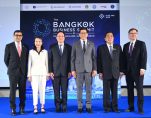
BANGKOK, THAILAND – Media OutReach Newswire – 7 September 2026 – Thailand is ready to cross into “new horizons” — achieving high-income status and driving a more resilient ASEAN, declared Deputy Prime Minister and Minister of Finance Dr. Ekniti Nitithanprapas as he delivered the closing address at the Bangkok Business Summit 2026 today,
Public and private sector leaders at the closing of the Bangkok Business Summit 2026, Queen Sirikit National Convention Center.
Detailing the strategic “why, how, and design” of the national transition, Dr. Ekniti stated that entering new horizons is an unavoidable global imperative. While ASEAN is uniquely positioned to capture emerging opportunities, the region must guard against severe geopolitical, technological, and climate risks with proactive, unified action.
Dr. Ekniti Nitithanprapas, Deputy Prime Minister and Minister of Finance, at the closing panel of the Bangkok Business Summit 2026.
“The goals must be clear, and we are completely on the same page: Thailand must achieve high-income status,” said Dr. Ekniti.
“The recipe provided by the World Bank aligns directly with what our business leaders have outlined. An investment-led growth policy, private-sector-centred endeavours, and persistent implementation are what the government and business community are now executing together. Think of the seven new growth engines as our forwards on the pitch. The government acts as both coach and midfielder — spearheading investment, driving trade, empowering SMEs, unlocking regulatory friction, and cultivating human capital. Meanwhile, fiscal and financial stability serves as our steadfast defensive backline.”
Dr. Ekniti affirmed that the Joint Public and Private Committee (JPPC) will no longer function as a purely advisory body, but will operate as an executive economic steering council mandated to enact structural reforms and track execution against the World Bank’s recommendations.
“We will not be the same old Thailand. We will be driving the global agenda. Thailand will enter new horizons, empower people, and build resilience,” Dr. Ekniti emphasised. “In the next two years, Thailand will assume the Chairmanship of ASEAN. We will establish a long-term, multi-year agenda for a stronger, more resilient ASEAN. If this new model of public-private partnership carries on, we will decisively reinvent Thailand.”
Key leaders representing the Joint Standing Committee on Commerce, Industry, and Banking (JSCCIB) delivered strategic sector priorities to anchor the transition.
Representatives of the Joint Standing Committee on Commerce, Industry and Banking (JSCCIB) share Thailand’s strategic economic direction.
Payong Srivanich, Chairman of the JSCCIB and the Thai Bankers’ Association, underscored that reinventing the economy requires modernising legacy industries while creating space for future engines.
“From three core challenges – structural, competitiveness, and public-sector efficiency – came the White Paper outlining the seven industries of the future,” stated Mr. Payong. “This time, the government has presented a credible policy framework based on collaborative public-private partnership. Thailand must address fundamental security—whether in food, energy, or low-carbon growth. We are declaring to the world that we are done with planning and on the same page. Now we are geared up for execution.”
Dr. Poj Aramwattananont, Chairman of the Thai Chamber of Commerce and Board of Trade of Thailand, stressed that amid geopolitical friction, geoeconomics, and regional conflict, growth must be anchored in ASEAN’s 600-plus million people which serve as both supply and demand networks.
Adapting to international trading rules is inseparable from Thailand’s targeted accession to the OECD by 2028. The accession process acts as the structural catalyst to modernise domestic legislation, corporate governance, transparency, and fair market competition to premier global standards—lowering compliance costs and solidifying investor confidence.
Pimjai Leeissaranukul, Chairwoman of the Federation of Thai Industries, insisted that Thailand must build its own brand; it can no longer afford to be just the world’s OEM. She called for a decisive departure from labor-cost competition toward high productivity, automation, AI, and green sustainability. She advocated expanding target sectors—such as next-generation electric vehicles, smart electronics, automation, and wellness—while enforcing enhanced public procurement.
Carlos Felipe Jaramillo, Vice President for East Asia and Pacific at the World Bank, observed that the eyes of the financial world will be on Bangkok next month as it hosts the 2026 IMF–World Bank Group Annual Meetings, providing Thailand with a premier global stage to show that it is advancing on a credible pathway to attain high-income status by 2037.
“The World Bank has presented a series of structural reforms that Thailand can pursue to reach high-income status, creating more and better-paying jobs for young Thais in the future,” Mr. Jaramillo stated. “The plan deliberately puts the private sector at the center, because experience has taught us that the private sector is the primary engine of employment. This reform agenda is multifaceted, requiring coordinated national effort, and, more importantly, relentless persistence in implementation.”
The Bangkok Business Summit 2026 concluded with a clear consensus: today’s closing discussions mark the formal launch of sustained, institutionalised execution across the public sector, private enterprise, and multilateral institutions to ensure Thailand stands as a resilient economic anchor for the wider ASEAN region.
Hashtag: #JSCCIB
The issuer is solely responsible for the content of this announcement.
KOCHI: Artificial intelligence is accelerating the scale, speed and sophistication of cybercrime, making resilience and skilled manpower critical to protecting essential systems, Director General of Police-rank officer and Vigilance and Anti-Corruption Bureau Director Manoj Abraham warned at the Kerala Cyber Suraksha Summit 2026.
Addressing the second edition of the summit at Le Meridien, Kochi, on Saturday, Abraham said cyberattacks had evolved to a point where they could cripple countries and organisations, disrupt critical infrastructure and interfere with military operations without conventional weapons being used.
He cited a 389 per cent year-on-year rise in confirmed ransomware victims worldwide, a figure also recorded by FortiGuard Labs for 2025, when 7,831 victims were identified compared with about 1,600 a year earlier. The security company linked part of the increase to the availability of AI-enabled crime tools and automated attack capabilities.
Abraham also pointed to the financial impact of online fraud across India, saying reported losses reached Rs 19,813 crore in 2025. Data compiled by the Indian Cyber Crime Coordination Centre from the National Cyber Crime Reporting Portal put the number of complaints that year at about 21.77 lakh, underscoring the volume of fraud cases confronting enforcement agencies and financial institutions.
The senior police officer said artificial intelligence had changed both the economics and operational reach of cybercrime by allowing attackers to automate tasks that previously required greater technical skill, time and manpower. That shift has increased the need for organisations to design systems capable not only of preventing breaches but also of continuing essential operations and recovering quickly when attacks succeed.
A shortage of cybersecurity skills is adding to the pressure. Abraham referred to a global gap of 4.8 million cybersecurity professionals, an estimate published by ISC2 in its 2024 workforce study. The organisation’s 2025 study shifted emphasis from total headcount to shortages in specific skills, finding that employers were increasingly concerned about capabilities in areas such as artificial intelligence, cloud security and incident response.
Abraham said Kerala’s human-resource base could provide an advantage in meeting demand for cybersecurity expertise, provided training kept pace with rapidly changing threats. His remarks placed workforce development alongside technology investment as a central component of cyber resilience.
Gaganyaan astronaut-designate Air Commodore Prasanth Balakrishnan Nair, who also addressed the summit, said cybersecurity alone would not be sufficient unless India strengthened its own artificial-intelligence capabilities. He said future conflicts and industries would increasingly blur distinctions between physical and digital domains, making sovereign technological capacity more important.
“No amount of cybersecurity is ever completely sufficient. True security can only be guaranteed if we develop our own AI technology,” Nair said, arguing that the country should use its software strengths to build indigenous systems rather than depend entirely on technologies developed elsewhere.
Ernakulam MP Hibi Eden inaugurated the summit. He welcomed an initiative by F9 Infotech to provide cybersecurity training, awareness programmes and certification without charge to government educational institutions across Kerala, an effort aimed at expanding access to basic cyber skills.
F9 Infotech founder Jayakumar Mohanachandran said cyber protection needed to extend beyond corporate leadership and specialist teams to ordinary users, businesses and public institutions. He said more than Rs 56,000 crore in cyber-fraud complaints had been recorded across India over the past three years, while response systems had helped prevent losses exceeding Rs 11,000 crore across roughly 32 lakh complaints.
FortiGuard Labs’ 2026 threat assessment, reflecting 2025 activity, also found that exploitation attempts rose by about 25 per cent to nearly 122 billion worldwide, while critical vulnerabilities could be targeted within 24 to 48 hours of disclosure. The findings illustrated the shrinking window available to defenders to patch exposed systems, revoke compromised credentials and contain intrusions before attackers move laterally through networks or deploy ransomware at scale globally.
The Federal Ministry of Solid Minerals Development is partnering with EnergyNet to deliver the first Nigeria NOW
ABUJA, Nigeria – EQS Newswire – 3 September 2026 – The Nigeria NOW! takes place on 19 and 20 November at the Bola Ahmed Tinubu International Conference Centre, under the patronage of the Honourable Minister of Solid Minerals Development, Dr Dele Alake. Between 500 and 600 delegates are expected across energy, infrastructure and mining.
The Federal Ministry of Solid Minerals Development is partnering with EnergyNet to deliver the first Nigeria NOW!, and has committed to remain involved through the preparatory period rather than at the event alone. The Ministry hosted the Abuja launch, secured the patronage of the Honourable Minister, and convened three further federal ministries as deliberate participants.
Speaking at the launch through Engr. Obadiah Simon Nkom, Director-General of the Mining Cadastre Office, Dr Alake set out why four ministries participate rather than one. Infrastructure, licensing, financing, technology, security and market access fall across several mandates, and no single ministry can answer an investor’s questions on all of them.
Why Nigeria
Nigeria now issues no mining licence without a plan for a local processing plant. The rule has been applied consistently and the investment following it includes a $1.3 billion partnership with the Africa Finance Corporation covering an alumina refinery, geological mapping and exploration support, a $600 million lithium processing plant near the Kaduna-Niger border, and a $200 million lithium refinery outside Abuja.
The first working demonstration is already running. A lithium plant at Endo in Nasarawa State, commissioned on 2 July, processes 6,000 tonnes of ore a day on around $250 million of investment. Sector revenue reached over 38 billion naira in 2024 against 6 billion the previous year. A memorandum signed with Türkiye in May covers exploration, technology transfer, digitalisation and training, and the Solid Minerals Development Fund began awarding exploration grants in July under its new EMERGE endowment.
Nigeria’s power sector is moving on the same principle of decentralised decision-making. Two years into the Electricity Act 2023, the Nigerian Electricity Regulatory Commission has transferred regulatory oversight to sixteen subnational commissions, giving states authority over their own electricity markets for the first time. The Nigerian Sovereign Investment Authority has put domestic capital behind distributed renewable energy, and industrial self-supply has reached 200MW, with a steel plant among the projects breaking ground against it.
Dr Alake’s own formulation is that the days of exporting raw minerals from pit to port are over.
What the Expo covers
Nigeria NOW! brings government, investors, project developers, financial institutions and development partners together around three sectors, energy, infrastructure and mining, with a focus on projects, capital and partnerships rather than announcements alone. The programme runs across two days at the Bola Ahmed Tinubu International Conference Centre in Abuja.
“This is the first Nigeria NOW! held in Nigeria, and the Ministry’s commitment to stay involved through the preparatory period is what makes it different from a conference that arrives and leaves,” said Abdoulaye Sylla, Portfolio Manager and Head of Corporate Development at EnergyNet. “We expect between 500 and 600 delegates, and the Ministry has asked that the Expo be judged on what is delivered after it closes.”
Partners
Nextier joins the Expo as Official Advisory Partner, providing strategic advisory and media support across the programme.
The Nigerian Indigenous Women in Mining and Natural Resources Organisation (NIWIMNRO) joins as Women in Mining Partner. The network was recognised at the Abuja launch with EnergyNet’s Leadership Award and a $25,000 grant, following a year in which it took its work with women artisanal miners from three states to all six of Nigeria’s geopolitical zones, adding protective equipment, mobile medical visits and cooperative registration to the training programme it began with.
Women in Mining joins as Women in Mining in Nigeria Partner; The Lagos State Ministry of Energy and Mineral Resources joins as Lagos State Sponsor; The Electricity Hub joins as Official Podcast Partner.
YES! Nigeria
The Youth Energy Summit runs alongside Nigeria NOW! on 20 November at the same venue, bringing young professionals and entrepreneurs into the same building as the investors and ministries. The Youth Sustainable Development Network joins as a partner for the Nigerian edition, alongside the University of Abuja’s Centre for Entrepreneurship Development and Students as YES! Supporting Partner.
Distributed by APO Group on behalf of EnergyNet Ltd.
Download Image (1): https://apo-opa.co/4gIB9gr (Four Nigerian ministries convene global investors in Abuja for the maiden Nigeria NOW! Launch (1))
Download Image (2): https://apo-opa.co/4x1g0o5 (Four Nigerian ministries convene global investors in Abuja for the maiden Nigeria NOW! Launch (2))
Download Image (3): https://apo-opa.co/4gV7u42 (Four Nigerian ministries convene global investors in Abuja for the maiden Nigeria NOW! launch (3))
Media and partnership enquiries: Poliana Sperandio Director Marketing Strategy & Performance EnergyNet [email protected] +44 (0) 207 384 8191
The issuer is solely responsible for the content of this announcement.
About EnergyNet
EnergyNet produces investment forums and digital dialogues across energy, mining and infrastructure in Africa, bringing governments, investors, developers and utilities together around investment, policy dialogue and project delivery. Best known for the Africa Energy Forum, EnergyNet has worked in Nigeria for fifteen years. EnergyNet owns and operates the Energy News Network, its independent editorial platform, and is part of Clarion Events.
A dispute over the term “non-market” lay at the centre of the breakdown between China and the United States at this week’s Group of 20 finance meeting, where Beijing withheld support for a consensus statement backed by the other members. The disagreement emerged during negotiations in Asheville, North Carolina, over language addressing global economic imbalances. People familiar with the talks said the sharpest argument focused on whether […]
Russian President Vladimir Putin met Iranian President Masoud Pezeshkian in Bishkek on Tuesday, opening bilateral talks on the sidelines of the Shanghai Cooperation Organisation summit as Tehran confronts renewed military tensions with the United States. The Kremlin confirmed that Putin was holding a meeting with Pezeshkian during the gathering in Kyrgyzstan, where leaders of the 10-member SCO assembled for the organisation’s 25th anniversary summit. The talks brought […]
China has formally removed Generals Zhang Youxia and Liu Zhenli from the state Central Military Commission, deepening an extraordinary leadership purge that has dismantled much of President Xi Jinping’s senior military command. The Standing Committee of the National People’s Congress approved the removal on Friday, seven months after authorities placed both officers under investigation for suspected serious violations of discipline and law. Zhang had served as the […]
Arabian Post Staff -Dubai WETEX 2026 will give greater prominence to advanced water technologies as Dubai seeks to strengthen water security, expand efficient desalination and accelerate the use of artificial intelligence in utility networks. The 28th Water, Energy, Technology and Environment Exhibition, organised by Dubai Electricity and Water Authority, will run from 20 to 22 October at the Dubai World Trade Centre. The exhibition is being held […]
HONG KONG SAR– Media OutReach Newswire – 25 August 2026 – The Hong Kong Designers Association (HKDA) hosted the Hong Kong Design Summit cum BDA Brand Award 2026 Presentation Ceremony Gala Dinner at The Fullerton Ocean Park Hotel Hong Kong, bringing together an elite audience of 180 leading professional designers, creative industry pioneers, and corporate executives, this year’s flagship event serves as an authoritative platform celebrating excellence in design application, cross-sector matching, and strategic design-tech partnerships.
The Summit was honored to have Miss Yvonne Ip, Acting Commissioner for Cultural and Creative Industries, as the Guest of Honour. In her address, Miss Ip highlighted the power of design to drive business growth and emphasized that the Hong Kong Design Summit, now in its third year, has become a key platform for industry exchange and collaboration, bringing design talent and enterprises together through flagship initiatives like DesignMatch, to turn creative ideas into commercial results. The Hong Kong Designers Association has been a pioneering force in the local design ecosystem for half a century, and CCIDA is proud to partner with HKDA to nurture design professionals, accelerate industrialization, and help local enterprises expand into international markets — advancing Hong Kong’s creative economy together.
Chairman’s Welcome: Driving Real Impact Through Strategic Focus
Opening the evening gala, Ms. Mui Kinoshita, Chairman of HKDA, delivered a heartfelt welcoming address reflecting on the Association’s post-pandemic transformation and strategic vision.
Reflecting on the Association’s post-pandemic vision, Ms. Kinoshita highlighted HKDA’s core strategy—”Two Awards, One Summit, One Platform“—designed to deliver tangible benefits by recognising individual design excellence, honoring corporate design investment, and driving commercial partnerships through DesignMatch. She celebrated HKDA’s expansion from 900 to over 1,300 members, calling it a testament to industry trust. Honoring the Association’s 50-year legacy, she paid tribute to founding pioneers whose dedication laid the foundation for Hong Kong’s creative sector. She concluded with a passionate call for open dialogue and unified collaboration to build a stronger, more caring design industry for the next generation.
Star-Studded Gathering of Design Icons and Industry Leaders
The Gala Dinner was anchored by an extraordinary gathering of creative heavyweights, founding pioneers, and distinguished guests across the design, creative sectors, and corporate leaders. Joining Guest of Honour Miss Yvonne Ip and Officiating Guests, including Dr. Kan Tai-Keung, SBS, BBS, Former Chairman of HKDA (Tenure: 1986, 1987, 1988), Mr. Steve Leung, BBS, Chairman of Hong Kong Design Centre, Mr. Alan Cheung, MH, Chairman of Hong Kong Design Council, Federation of Hong Kong Industries, Mr. Kevin Yeung, Chairman of Hong Kong Fashion Designers Association, were celebrated global design icons and industry leaders who attended in strong support of the Summit, including Ms. Vivienne Tam, Designer and Founder, Vivienne Tam Fashion House, Mr. Tino Kwan, Founder and Principal Consultant of the Tino Kwan Lighting Consultants Limited, and Mr. Gu Wei, Head of AIGC Design Business, Alibaba International Digital Commerce Group. The evening was further graced by prominent design masters, industry executives, and organisational representatives. Their presence, alongside premier corporate partners and judging leaders, underscored the unified strength and collective vision of Hong Kong’s creative community.
The annual event unfolds in two key segments: the Hong Kong Design Summit, featuring the Kick-off Ceremony, DesignMatch business matching, and a landmark MOU signing; followed by the BDA Brand Award 2026 Presentation Ceremony.
Hong Kong Design Summit 2026
The opening segment convenes industry leaders and creative professionals to foster commercial growth and educational innovation:
1. DesignMatch Business Matching Sessions: An exclusive, high-impact B2B networking initiative designed to bridge corporations and design professionals, driving immediate business opportunities and accelerating the translation of creative capital into commercial success.
2. Award-Winning Brands Showcase: A curated, high-visibility showcase where outstanding design firms and corporate awardees demonstrate successful project outcomes and share strategic market insights.
3. Strategic Tripartite MOU Signing: A milestone collaboration between School of Design, The Hong Kong Polytechnic University, Alibaba International Design, and Hong Kong Designers Association. The parties intend to explore opportunities for collaborative initiatives in design and AI-related education in the creative industry, as well as strategic collaboration for industry development across Hong Kong and the Greater Bay Area (GBA). Key potential areas of collaboration include: A) Joint development and delivery of academic and professional training courses (with AI courses as the initial program collaboration); B) Industry–academia partnerships to foster design-tech innovation and applied research; C) Co-organisation of training courses, flagship events, forums, and summits to promote design excellence and cross-sector collaboration.
BDA Brand Award 2026 Presentation Ceremony
The second part of the event highlights design leadership and commercial results through an elite evening program, the BDA Brand Award 2026 Presentation Ceremony. An elite gathering celebrating outstanding brand design applications and recognizing excellence across diverse industries. This year’s competition attracted 150 brand entries from diverse industries, further solidifying BDA’s authoritative position as one of Hong Kong’s top brand awards. The BDA Brand Award invites nominations from professional designers or organizations, with submissions evaluated by a panel of experts based on three aspects: brand story, development, and achievements. Additionally, five assessment criteria are considered: 1) Environmental & Social Impact, 2) Cultural Impact, 3) Innovation & Technology, 4) Brand Image, Identity & User Experience and 5) Market Performance & Value.
The awards celebrated winners across multiple categories, including 1) Best Branding Image Award, 2) Best Cultural & Heritage Award, 3) Best ESG Award, 4) Best Innovation & Technology Award, 5) Best Media & Communication Award, as well as Best Award, Grand Award, and the prestigious Best of the Best Award.
A professional jury panel comprised of esteemed first-round judges—Prof Anthony Kong (Assistant Professor, School of Design, The Hong Kong Polytechnic University), Mr. Kirin Leung (Founder, Kirin+lab), Mr. Joe Wong (Founder, Joe Wong Design), Mr. Kenny Li (Founder, FM+ Concepts & FAVEbyKennyLi), and Mr. Jay Leung (Founder, Starz Group) as well as final-round judges—Ms. Mui Kinoshita (Chairman, HKDA), Prof. Viveca Chan (Founder and Chairman, WE Marketing Group), Ms. Hilda Chan (Chief Marketing Officer, HKSTP), Mr. Bosco Leung (Social Responsibility Lead, MTR Corporation Limited), and Mr. Jimmy Li (Head of Brand Partnership, Harvey Nichols Hong Kong). The judges meticulously assessed submissions through a rigorous process, including an initial online evaluation and live presentations.
From a pool of 150 exceptional brand entries, the jury evaluated each brand’s overall excellence, market impact, and alignment with the selection criteria in their respective fields. It is with great pleasure that we announce Sino Group「GoCircular」as the winner of the Best of the Best Award and fwah! as the winner of the Best of the Best Award (Startups). These brands have demonstrated unparalleled excellence, and their selection as winners is a testament to their outstanding achievements.
Additionally, 14 outstanding brands have been recognized with the Grand Award, including (in alphabetical order)
1. a²CIRCLE x TENKA TAIHEI
2. Bone Studio骨子裡
3. BrainX
4. Cohere Design柏納遨天
5. DCH Living 大昌行生活
6. Gridword Communications Ltd
7. HKUST International Summer Campus
8. ISABELLE.C 伊裳
9. Leo Paper Group 利奧紙品集團
10. LOUDER
11. Mini Greeny Heroes
12. Jumbo Kingdom – Tai Pak Floating Restaurant 珍寶王國 – 太白海鮮舫
13. The Living Art
14. Tiger Circle
The full winner list of BDA Brand Award 2026 is listed on Appendix A.
Fostering Strategic Synergies and Future Growth
The 2026 Summit reinforces HKDA’s commitment to elevating design as a core commercial driver while empowering the next generation of designers through AI-driven education and regional integration. Through structured business matching, strategic academia-industry partnerships, and award recognition, the event continues to solidify Hong Kong’s position as a premier global hub for commercial design innovation.
For more details on the event and program updates, please visit the official website at https://www.hkda.hk/
Appendix A – BDA Brand Award 2026 Winners (*in Alphabetical order)
3. ESG VISA – The Global Passport for Sustainable Business
4. PARTYDAY
5. Silver Innovation
6. Starry Learning
7. Xinera by FoodTrack
Startups – Best ESG Award
1. ESG Visa
Startups – Best Cultural & Heritage Award
1. Tu by Tu
Startups – Best Branding Image Award
1. Excelsior interior design limited
2. EyeComfi
3. LegalOne Global Limited
4. 非遺美食 INTANGIBLE CULTURAL HERITAGE FOOD
5. Renovation Guide Consultant Limited
6. Ripple & Co.
Hashtag: #HKDA #BDABrandAward #BDA品牌大獎
The issuer is solely responsible for the content of this announcement.
About Hong Kong Designers Association (HKDA)
Established in 1972, the Hong Kong Designers Association (HKDA) was the first of its kind in Hong Kong and is a founding member of the Hong Kong Design Centre. Its core mission is to promote design’s public interest, cultivate young designers, and elevate the professional status of practising designers across sectors.
HKDA’s flagship programmes include the Global Design Award (GDA) (formerly known as Asia Design Awards), which has been celebrating outstanding global designs biennially since 1975; the Hong Kong International Poster Triennial (HKIPT), which has been documented the development of local and international poster design through competition, exhibition and symposium since 2000; the Sponsorship for International Design Awards (SIDA), a distinguished funding scheme for local designers and design-applying enterprises who are winners of international design awards, which has been running since 2011; Design X Technology (DXT), a progressive programme that integrates design and technology as core components in business strategy to drive innovation and competitive advantage since 2020; and BDA Brand Award (BDA) (formerly known as BDA Brand Design Awards), this award evaluates outstanding brand performance through a professional design lens, honoring long-term strategic commitment to design excellence, and was debuted in 2023, also other strategic initiatives including the Hong Kong Design Summit and the DesignMatch business matching programme connect design professionals directly with market demand across government, commercial, and industrial sectors.
With over 1,300 individuals and corporations in its diverse membership base, HKDA offers a wide range of membership options for professionals, associates, affiliates, students, and corporations that cover six design disciplines: Graphics, Spatial, Product, Digital, Fashion, and Education. Prioritising design excellence, education, technology integration, sustainability, business support, diversity, and inclusivity, HKDA has established itself as a vital platform for its members, as well as designers, businesses, and organisations throughout the Asia-Pacific region. Through its commitment to advancing these key areas, HKDA provides valuable resources, networking opportunities, and expert guidance to its members while also serving as a hub for innovation and collaboration in the design industry.
HKDA is committed to raising public awareness of the value and importance of design in society. It partners and collaborates with other design organisations and institutions worldwide, such as the World Design Organization (WDO) and International Council of Design (ico-D), to promote global design excellence, cultural diversity, and international design exchanges. By working with other design organisations on a global scale, HKDA aims to contribute to the development and advancement of the design industry, both locally and internationally.
Driving the Thai Economy and Charting New Strategic Pathways for the Future of ASEAN
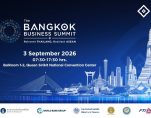
BANGKOK, THAILAND – Media OutReach Newswire – 18 August 2026 – The Joint Standing Committee on Commerce, Industry, and Banking (JSCCIB), comprising the Thai Bankers’ Association, the Board of Trade of Thailand, and the Federation of Thai Industries, in collaboration with the Ministry of Finance, the Bank of Thailand, the National Economic and Social Development Council (NESDC), and the World Bank, has announced its readiness to convene a high-level leadership conference, ‘The Bangkok Business Summit 2026,’under the theme ‘Reinvent Thailand, Resilient ASEAN.’
To be held at the Queen Sirikit National Convention Center (QSNCC), the summit will showcase the vision of public-private sector collaboration aimed at restructuring Thailand’s economy. This event serves as a milestone paving the way toward the IMF-World Bank Group Annual Meetings 2026, which Thailand will proudly host in Bangkok in October 2026, as well as Thailand’s upcoming ASEAN Chairmanship in 2028.
A key highlight of The Bangkok Business Summit 2026 includes a keynote address entitled ‘Thailand’s Offer to the World’ by Mr. Anutin Charnvirakul, Prime Minister of Thailand. The address will declare Thailand’s readiness as a global investment hub, shifting the nation from cost-based competition to enhancing capabilities, innovation, and digital infrastructure. Furthermore, Dr. Ekniti Nitithanprapas, Deputy Prime Minister and Minister of Finance, will deliver a policy address on ‘Unlocking the Next Growth Engines for Thailand & ASEAN,’ revealing policy reform steps designed to unlock private sector investment and drive the country’s new economic engines. Professor Dr. YodchananWongsawat, Deputy Prime Minister and Minister of Higher Education, Science, Research and Innovation, will address positioning Thailand as a regional investment platform for high-tech industries.
Mr. Payong Srivanich, Chairman of the Joint Standing Committee on Commerce, Industry, and Banking (JSCCIB), stated that this event aims to answer a critical question: How can Thailand transform global shifts and its central location in ASEAN into new opportunities for investment, job creation, and sustainable growth?
“The Bangkok Business Summit 2026 is not merely a platform for exchanging perspectives, but a venue where Thailand presents its concrete strengths, opportunities, and development directions to the global business community—bridging the government’s vision, recommendations from international organizations, and the practical expertise of the private sector,” Mr. Payong stated.”Thailand’s challenge today is not just growth, but building competitive growth in a rapidly changing world. We need a platform for collaborative efforts to ‘Reinvent Thailand’ by creating new economic engines and elevating our competitiveness so Thailand can capture new opportunities and become an integral part of a ‘Resilient ASEAN’ capable of adapting to global dynamics.”
Key Highlights & Session Overview
Special Keynote:Mr. Vitai Ratanakorn, Governor of the Bank of Thailand, will present on ‘Thailand’s New Horizons: From Ambition to Delivery.’
Global Insights Panel: Featuring in-depth discussions with Mr. Carlos Felipe Jaramillo, World Bank Vice President for East Asia and Pacific, Mr. Sarvesh Suri, Regional Vice President for Asia and Pacific, The International Finance Corporation (IFC), and Mr. John W.H. Denton, Secretary General of the International Chamber of Commerce (ICC) exchanging views on economic trends, investments, and business opportunities.
Report Launch: Launch of the World Bank’s latest report, ‘Building Thailand’s Future Today: The Investment and Growth Playbook.’ The report proposes a roadmap for Thailand to achieve high-income country status through investment and reforms that create jobs, boost productivity, and lay the foundation for long-term growth, highlighting potential industries such as advanced manufacturing, sustainable & wellness tourism, digital services, agriculture & food, and the creative economy.
Luncheon Discussion: Thai Beverage Public Company Limited will host a special session entitled ‘Growth Reaches Communities: Sufficiency Economy Philosophy,’ presenting the Sufficiency Economy Philosophy as a framework that creates balance, strength, and sustainability from local communities to the business sector and macroeconomy.
Afternoon Tracks
Track 1: Building Resilience (Infrastructure, Energy, and Digital Finance): Led by Mr. Piti Disyatat, Deputy Governor for Monetary Stability, Bank of Thailand, in building competitiveness and the ability to attract future industries to the country. The session will include discussions on the topics of ‘Efficient Energy & Low-Carbon Infrastructure’ and ‘Policy Architecture and Low-Carbon Cities in Action’ focusing on investing in key infrastructure that will drive the industrial transition to a low-carbon society, with leaders from various sectors, including the Ministry of Energy, the Ministry of Natural Resources and Environment, PTT Public Company Limited, Gulf Energy Development Public Company Limited, Siam Cement Public Company Limited, Thai Airways Public Company Limited, and Google LLC and the topic of ‘Building Thailand’s Trusted Economy: Digital Public Infrastructure for Inclusive Growth,’ focusing on digital public infrastructure in the financial sector for sustainable growth, and safe and inclusive digital finance, with senior executives from Bangkok Bank, Krungsri Bank, TMBThanachart Bank, and Ascend Money.
Track 2: New Horizons (Future Industries, Agri-Food, and Human-Centric Economy): Led by Professor Dr. YodchananWongsawat, Deputy Prime Minister and Minister of Higher Education, Science, Research and Innovation, focusing on developing high-potential talent within organizations and positioning Thailand as a regional investment platform for high-tech industries, semiconductors, AI infrastructure, and advanced R&D.
Additionally, the Bangkok Business Summit 2026 will feature a panel discussion titled ‘The Future of Agrifood Business.’ Under the concept of Elevating to a Regional Strategic Asset, leaders from top companies including Sea Value PCL and Olam Agri (Singapore) will share their perspectives on how Thailand’s agrifood industry is evolving beyond its traditional role as the ‘Kitchen of the World’ to become a vital strategic asset for regional food security, and another discussion on ‘The Future of the Human-Centric Economy,’ integrating health, wellness, tourism, and the creative economy centered around people rather than isolated sectors. Panelists include Minor International, Bangkok Dusit Medical Services (BDMS), and Cerecin.
Closing & Actions
To conclude the summit, leaders from the three JSCCIB member organizations will summarize actionable proposals to transform insights into concrete practices. These encompass enhancing competitiveness, building investment ecosystems, and developing future industries. The event will culminate in the signing of a Letter of Intent for Cooperation on the Digital & AI Compact between Thailand’s economic agencies and the World Bank.
Note: Speakers and the event program are subject to change without prior notice due to unforeseen circumstances. We apologize for any inconvenience and appreciate your understanding. Hashtag: #JSCCIB
The issuer is solely responsible for the content of this announcement.
President Donald Trump has ordered the Pentagon to substantially scale back joint military exercises with South Korea, linking the decision to his relationship with North Korean leader Kim Jong Un and Seoul’s refusal to support Washington’s military campaign against Iran. Trump announced the move hours before the annual Ulchi Freedom Shield exercise was due to begin on Monday, August 17. The drills nevertheless started as scheduled, with […]
BEIJING, CHINA – Media OutReach Newswire – 14 August 2026 – The “YOU BRING CHARM TO THE WORLD — The 18th Global Chinese Awards” came to a close at the Phoenix Center in Beijing on the evening of August 12.
On the evening of August 12, the “YOU BRING CHARM TO THE WORLD — The 18th Global Chinese Awards” concluded at the Phoenix Center in Beijing. The photo shows award recipients posing with presenters.
At this year’s awards ceremony, Academician Zhang Boli of the Chinese Academy of Engineering received the Global Chinese Lifetime Achievement Award, while actress Sylvia Chang received the Global Chinese Special Tribute Award. Academician Pan Jianwei of the Chinese Academy of Sciences, Lu Chaoyang, Chair Professor at the University of Science and Technology of China, picture-book illustrator Cai Gao, Chinese freestyle skier Xu Mengtao, Gao Du, professor at the Beijing Dance Academy, and actress Xin Zhilei received the Global Chinese Award.
In his speech, Xu Wei, Chairman of the Board and CEO of Phoenix TV, said: “Each generation of Chinese people has its own responsibilities. The older generation worked hard with their roots in their homeland, while the younger generation embraces innovation and the world, becoming connectors between different cultures.” Phoenix TV will continue to serve as an on-the-ground reporter of major global events, an international storyteller of Chinese culture, and a platform builder for international exchange, enabling audiences around the world to see more of the vibrant and diverse achievements of Chinese people.
The tribute section of the ceremony opened with an immersive children’s picture-book theatrical performance based on classic works including The Story of the Peach Blossom Spring and Bao’er. Both works were created by Cai Gao, who received the Hans Christian Andersen Award for Illustration in April this year. During the ceremony, the host recalled the children’s song Cai sang at the Andersen Award ceremony, prompting her to smile and sing “The Cuckoo” once again.
Upon receiving the Global Chinese Award, Cai Gao said that the splendid and outstanding artistic heritage of China has been a source of inspiration for her work, and that she has a deep love for the culture of this land. Seeing so many Chinese people achieve remarkable accomplishments in different fields has also given her spiritual strength. Quoting the phrase, “As long as life goes on, the struggle continues,” she encouraged herself to keep creating with passion and curiosity. “Life and creation require dedication and perseverance. I am willing to devote myself to them, as I always have.”
Joining the ceremony via video link, Lu Chaoyang shared his joy and said that the honor belongs to all Chinese researchers who have climbed, generation after generation, along the long and steep road of quantum science. Looking to the future, he offered this message: “The quantum world is very small, so small that it cannot be seen with the naked eye; but China’s dreams in science and technology are immense. Through fundamental innovation, we should illuminate a farther future for human civilization.”
In her acceptance speech, Xin Zhilei said she particularly liked the phrase “YOU BRING CHARM TO THE WORLD.” “Everyone is a unique ray of light in this world. Through our efforts and down-to-earth dedication, we each make our own small contribution to the beauty of the world. As an actress, what I can do is put my heart into every role and bring to the world a little bit of the unique color that belongs to me.” Lu Yang, director of Brotherhood of Blades II: The Infernal Battlefield, also sent his congratulations via video, expressing hope for continued collaboration and for the creation of more outstanding Chinese-language stories.
“If the dance steps of a people disappear, that chapter of history will also lose its voice.” Over the past 50 years, Gao Du and his team have traveled across more than 20 provinces and autonomous regions throughout China, venturing deep into remote mountains and visiting people’s courtyards and fireside gatherings. They learned from local communities dances that had no names, no stages and sometimes not even an audience, devoting themselves to the creation of the Chenxiang series.
Gao Du said he would continue dancing, both in the classroom and on larger stages, bringing folk dance traditions rooted in the land to the world and fostering dialogue among different cultures, so that the world can see the beauty of the East.
Wu Qingcai, Deputy Editor-in-Chief of China News Service, presented Xu Mengtao with the Global Chinese Award. Xu shared that August 13, 2026, marked exactly 24 years since she began competing in the aerials discipline of snow sports. She hopes everyone can create something extraordinary through perseverance and dedication. “In the future, I will once again stand on the starting platform and set off again. See you again at the summit.”
As one of the creators of the song Tomorrow Will Be Better, Sylvia Chang said that she and fellow Chinese-language singers hope to use music to build a bridge for peaceful communication. She expressed gratitude for being able to continue pursuing a career she loves and for having a wonderful family. “I hope to share this gratitude and these blessings with everyone.”
At the ceremony, the host recounted the eight-character motto that Academician Zhang Boli has followed throughout his life: “Uphold virtue to broaden its influence; use medical skills to serve humanity.” Now approaching 80, Zhang Boli continues to see patients at a clinic every week. When patients have difficulty walking, he takes the initiative to go downstairs and see them in their cars.
Zhang Boli said that the concepts of traditional Chinese medicine—including health preservation, wellness and preventive treatment—represent one of the best practices of “proactive health management.” Looking to the future with the compassion of a physician, he said: “Let traditional Chinese medicine benefit Chinese people around the world, and let traditional Chinese medicine benefit people everywhere. The world will be healthier because of traditional Chinese medicine.”
It is reported that the “YOU BRING CHARM TO THE WORLD — Global Chinese Awards” was initiated by Phoenix Media Group in collaboration with China News Service and numerous Chinese-language media organizations in China and overseas. Together, they select and honor outstanding Chinese people who have achieved excellence and made a global impact in different fields, helping to amplify the achievements of exceptional Chinese individuals and inspire more generations to come.
Hashtag: #PhoenixTV
The issuer is solely responsible for the content of this announcement.





 www.pccwglobal.com