News related to
Trump’s

Teresa Goody Guillén, a veteran legal expert with a background at the U.S. Securities and Exchange Commission (SEC), is reportedly one of the top candidates under consideration by former President Donald Trump for a potential leadership role at the agency. Known for her extensive experience in regulatory matters, Goody Guillén’s candidacy is being discussed amidst the need for leadership in the SEC, which plays a critical role […]

By Dr. Nilanjan Banik Donald Trump made history by winning a larger share of Black and Hispanic votes compared to 2020, and by becoming the first since George W. Bush to win based on popular votes. There had already been indications of Trump winning, although not by such a decisive margin. Initially, the US betting […]
By Nitya Chakraborty The interim Government of Bangladesh which took office on August 8 this year completed its first one hundred days on November 16. On this occasion, head of the interim Government Dr. Muhammad Yunus in a televised address to the nation on Sunday urged the people to keep patience and promised road map […]

Donald Trump is set to hold a private meeting with Coinbase CEO Brian Armstrong to discuss key personnel appointments related to his vision for the cryptocurrency sector. The meeting, which marks a significant step in Trump’s growing interest in digital currencies, will also address plans for a potential presidential advisory commission focused on Bitcoin and other cryptocurrencies. This commission, if Trump secures a second term in office, could have a profound impact on U.S. crypto policy, aiming to provide clearer regulatory guidelines and bolster the integration of digital assets into the economy.

Trump’s vocal support for Bitcoin and its role in the future of finance has been consistent, with his proposals reflecting a desire to integrate digital currency into mainstream financial structures. The advisory commission, should it be formed, would likely influence major regulatory decisions, potentially reshaping how government agencies view cryptocurrencies and their role in global markets. Given Armstrong’s influence in the crypto world, his involvement signals a pivotal moment for both the industry and Trump’s campaign, aligning political support with the priorities of one of the world’s largest cryptocurrency exchanges.

The planned collaboration comes as Coinbase, under Armstrong’s leadership, has continued to push for greater regulatory clarity in the United States. The company has been at the forefront of the battle for clear and consistent crypto regulations, often vocal about the need for lawmakers to establish more defined rules that can foster innovation while safeguarding investors. Coinbase’s legal team has been embroiled in a high-profile lawsuit against the U.S. Securities and Exchange Commission (SEC), accusing the regulator of stifling the development of the cryptocurrency market with unclear and inconsistent guidelines.

The SEC’s position on cryptocurrencies, particularly its classification of certain digital assets as securities, has long been a point of contention within the industry. Coinbase’s legal challenge is one of several efforts to create a more predictable regulatory environment. Armstrong and other industry leaders argue that clearer regulations would help drive innovation in the sector, attract new investors, and support the wider adoption of blockchain technologies.

In addition to its legal battles, Coinbase has made strategic moves to influence policy decisions in the crypto space. The company launched Stand With Crypto, a nonprofit organization dedicated to advocating for pro-crypto policies and legislation. Stand With Crypto focuses on educating lawmakers, regulators, and the public about the potential benefits of cryptocurrencies and the need for a regulatory framework that supports growth while protecting consumers. The organization’s efforts have brought Coinbase into the heart of the debate on crypto regulation, aligning the company with others in the industry seeking to make their voices heard in Washington, D.C.

Armstrong’s private discussions with Trump may be part of a broader strategy to position the cryptocurrency sector more favorably within the next administration. If Trump moves forward with his plans for a Bitcoin and crypto-focused advisory commission, it could help reduce the uncertainty that has plagued the sector. This move would also underscore Trump’s interest in securing the support of tech and finance sectors, particularly as he seeks to widen his base of support among younger voters who are more likely to invest in or embrace digital currencies.

The meeting between Trump and Armstrong is also noteworthy in the context of the political climate surrounding cryptocurrencies. While some politicians view Bitcoin and other cryptocurrencies with skepticism, fearing that they could be used for illicit activities or undermine traditional financial systems, others see them as essential to the future of finance. Trump’s involvement could shift the narrative, casting digital currencies as an innovative force in the economy that deserves the same level of attention as traditional financial institutions.

However, the political and regulatory landscape remains complicated. The U.S. has struggled to balance the need for innovation with the potential risks associated with cryptocurrencies. Proponents argue that cryptocurrencies have the potential to enhance financial inclusion, reduce transaction costs, and offer new opportunities for economic growth. Critics, on the other hand, raise concerns about the volatility of digital assets, the environmental impact of Bitcoin mining, and the potential for fraud and market manipulation.

The cryptocurrency sector’s push for regulatory clarity is not confined to the United States. Globally, countries are taking varied approaches to managing the growth of digital currencies. Some nations, like El Salvador, have embraced Bitcoin as legal tender, while others have cracked down on its use. The lack of a unified global approach to crypto regulation has created challenges for companies like Coinbase, which operate across multiple jurisdictions and must navigate different legal requirements.

Trump’s proposed advisory commission could also help bring the U.S. in line with global trends, positioning the country as a leader in the cryptocurrency space rather than a passive observer. The commission could provide a forum for industry leaders, regulators, and lawmakers to work together on creating a regulatory framework that promotes innovation while addressing concerns about security, consumer protection, and market stability.

The global economic outlook for emerging markets (EMs) faces mounting pressure, with US trade policies under former President Donald Trump continuing to disrupt trade and growth patterns. Citigroup analysts predict that these shifts, primarily driven by tariffs and protectionist measures, will exacerbate the challenges that EMs already grapple with, such as inflation, currency instability, and volatile capital flows. However, one country in the Middle East stands resilient: Saudi Arabia. The kingdom’s economic diversification efforts and strategic positioning in global markets have placed it in a favorable position despite ongoing global economic turbulence.

Trump’s trade war, initiated during his presidency, was centered on tariffs and trade barriers, primarily targeting China, but with ripple effects felt across various sectors and regions. As the Biden administration seeks to reverse some of these policies, analysts remain concerned about the long-term effects of trade disruptions that began during the previous administration. Trade relationships between the US and major economies have been restructured, pushing supply chains into new configurations and altering global market dynamics.

Citigroup’s latest forecast outlines how these global shifts impact emerging markets in particular, given their high exposure to US tariffs and trade restrictions. Countries in Asia, Latin America, and Africa are expected to see a slow recovery, as protectionist policies strain international trade and hinder foreign direct investment (FDI) inflows. For these nations, the US-China trade tensions have underscored their vulnerability to global supply chain disruptions. Export-dependent countries, particularly in the manufacturing and agriculture sectors, may face reduced market access to some of their largest trading partners, further hindering growth prospects.

Yet, some countries are managing to navigate these headwinds with relative ease. Saudi Arabia, buoyed by its ongoing economic reforms under the Vision 2030 initiative, appears to be one of the more resilient players in the face of these global shifts. The kingdom has significantly reduced its reliance on oil exports by developing non-oil sectors such as tourism, entertainment, and technology. Moreover, its vast sovereign wealth fund, the Public Investment Fund (PIF), has strategically invested in sectors poised for growth, such as green energy, healthcare, and artificial intelligence.

Saudi Arabia’s successful diversification strategies have positioned it to weather the storm of changing global trade conditions. Citigroup’s analysis highlights that while the US’s trade policies could dampen global economic growth, Saudi Arabia’s economic stability remains largely intact. The kingdom’s ability to maintain steady oil revenues, coupled with its ambitious reform agenda, has placed it at the forefront of efforts to build a more diversified, future-proof economy. Additionally, Saudi Arabia’s participation in major international investment initiatives, such as the Belt and Road Initiative and the G20 summit, further solidifies its standing as a key global economic player.

While many emerging markets struggle with inflationary pressures and a rising cost of living, Saudi Arabia has implemented strategic fiscal policies that keep inflation levels manageable. The country’s introduction of VAT and other tax reforms have helped bolster its financial resilience. Furthermore, the government’s commitment to large-scale infrastructure projects, such as NEOM, a futuristic city being built with cutting-edge technology, signals a strong push toward positioning the kingdom as a global hub for innovation.

However, despite these favorable conditions in Saudi Arabia, Citigroup warns that other emerging markets are not as fortunate. Nations heavily dependent on exports to the US and China, such as Mexico, Brazil, and South Africa, face significant challenges as they cope with reduced demand and trade restrictions. For these countries, the combination of trade disputes, inflationary pressures, and weaker currency values is likely to hamper economic growth in the short to medium term. Analysts also point out that the global interest rate hikes prompted by the Federal Reserve’s tightening policy may further strain emerging market economies, particularly those with substantial debt burdens.

For some countries, the trade environment under Trump’s policies has created structural weaknesses that continue to hinder growth. The slowdown in global demand for goods and services, coupled with rising costs for raw materials and energy, has impacted countries dependent on commodity exports. As a result, the broader emerging markets community is facing an uncertain recovery trajectory, with little optimism for a swift rebound.

Saudi Arabia’s resilience, however, is noteworthy in this context. The kingdom’s emphasis on economic diversification has shielded it from some of the more detrimental effects of global trade disruptions. This shift towards a more diversified economy has not only safeguarded the country’s economic standing but has also attracted international investors, further securing its position as a pivotal player in the global marketplace.


Citigroup has forecast significant challenges for emerging markets (EMs) as US trade policies under Donald Trump are expected to disrupt global economic growth. Analysts believe that the resulting strength of the US dollar could put further pressure on EM assets. Despite these hurdles, Saudi Arabia is predicted to remain largely insulated from these trade risks. The financial giant upgraded the kingdom’s status to “overweight” from “underweight,” highlighting […]

Chinese President Xi Jinping has expressed a willingness to engage with former U.S. President Donald Trump to enhance bilateral relations between the two largest global economies. This statement came during a recent conversation with U.S. President Joe Biden, underscoring China’s interest in improving its ties with Washington amid ongoing economic and political tensions. Xi’s remarks suggest a strategic shift in Beijing’s approach, highlighting the potential for renewed cooperation with the U.S., particularly through its past leadership.

The relationship between China and the U.S. has been marked by friction, especially under the Trump administration, with trade wars, tariffs, and rising geopolitical concerns. Trump’s confrontational stance towards China on issues like trade deficits, intellectual property theft, and human rights has left a lasting impact. However, Xi’s latest comments reflect an openness to revisiting this complex relationship. The Chinese leader’s readiness to collaborate with Trump, despite his previous criticism of the U.S. policies, signals a potential thaw in the ongoing diplomatic and economic stalemate.

This shift comes at a time when both China and the U.S. are facing significant domestic and international challenges. China, with its slowing economy, has been actively seeking to stabilize its global standing, particularly as the U.S. remains a central economic and political competitor. For the U.S., rebuilding ties with China could be crucial for securing long-term economic interests and addressing global issues such as climate change and regional security in Asia.

Experts are now speculating about the implications of Xi’s willingness to engage with Trump, especially considering the former president’s influential position within the Republican Party. A strengthened relationship between China and the U.S. could offer new avenues for trade and investment, particularly as both countries navigate a complex global landscape post-pandemic. However, this move also raises questions about the future of U.S. foreign policy and how the Biden administration will respond to such overtures from Beijing.

As the world’s two largest economies, China and the U.S. remain at the center of global discussions on economic policy, trade, and security. Any shift in their relationship could have significant consequences for the global market, regional stability, and international diplomacy. Xi’s offer to work with Trump suggests that Beijing is exploring all possible avenues to improve its standing on the world stage, while the U.S. will need to carefully consider its next steps in navigating this evolving dynamic.

Advertisements

UAE investors have seen their wealth soar following a remarkable surge in Bitcoin prices, attributed to the political and economic shifts following Donald Trump’s victory in the US election. The cryptocurrency, which had been volatile in the years preceding the win, experienced unprecedented growth as markets reacted to the shifting political landscape, with many investors in the UAE now seeing significant returns on their investments.

Bitcoin’s price surged sharply after the US election results were confirmed, with many financial analysts predicting the trend would continue as uncertainty around Trump’s policies drove investors toward assets perceived as safer or potentially more profitable. The volatile nature of cryptocurrencies makes them an attractive option for those willing to accept the risks for the potential rewards. For investors in the UAE, Bitcoin presented a new opportunity, and many took advantage of the fluctuating prices in anticipation of future growth.

Several prominent cryptocurrency investment platforms have seen increased activity in the UAE, with more people turning to Bitcoin as a hedge against inflation and political instability. The surge in Bitcoin’s value has not only been a boon for individual investors but also for cryptocurrency trading platforms and firms offering Bitcoin-based investment products. Several such platforms reported a spike in sign-ups and transactions in the wake of Trump’s election win, which, combined with the global economic uncertainty that followed, has sparked an interest in digital currencies as an alternative to traditional investments.

In Dubai, where many investors have a global outlook, Bitcoin is quickly becoming a key component of wealth management strategies. The local cryptocurrency market has witnessed a rise in demand for both Bitcoin and other digital assets. Investors are diversifying their portfolios with more aggressive positions in cryptocurrency, banking on the potential for continued growth amid the global economic challenges. Some have even opened Bitcoin-specific funds, offering high-risk, high-reward opportunities to those seeking to capitalize on the digital currency’s upward trajectory.

A key factor contributing to this wave of Bitcoin investment is the cryptocurrency’s appeal as an alternative store of value. With concerns around traditional financial systems, particularly in the Middle East, many are seeking to protect their wealth by investing in assets that are decentralized and not subject to the fluctuations of regional currencies or government policies. Bitcoin, with its promise of independence from state-controlled monetary systems, offers a solution that is increasingly attractive to investors in the UAE.

The global appeal of Bitcoin, combined with its growing legitimacy, has made it a more palatable option for UAE investors, many of whom are looking to broaden their financial horizons. The UAE’s status as a financial hub with a progressive regulatory environment for cryptocurrencies has further contributed to the growing interest. While cryptocurrencies remain largely unregulated in many parts of the world, the UAE has been one of the leading countries in the region to introduce frameworks aimed at fostering innovation while protecting investors.

The surge in Bitcoin prices has also prompted a flurry of interest from young, tech-savvy investors in the UAE. As more millennials and Gen Z individuals enter the investment landscape, they are increasingly looking toward digital currencies as a means of growing their wealth. The UAE has one of the highest concentrations of cryptocurrency holders in the Middle East, with a growing number of younger investors taking positions in Bitcoin as part of a broader trend of tech-driven financial strategies.

While the surge in Bitcoin’s price has created substantial wealth for some investors, the cryptocurrency market remains highly volatile, and many caution against overexposure. Financial advisors emphasize the importance of diversifying portfolios, as the rapid rise in Bitcoin’s value could be followed by equally dramatic declines. Investors are urged to remain cautious, keeping in mind that the cryptocurrency market’s unpredictability makes it unsuitable for all types of investors.

The geopolitical factors that contributed to Bitcoin’s rise are also critical to understanding the broader trends at play. Following Trump’s win, the global economy experienced shifts in trade relations and economic policies, which, in turn, affected investor behavior. As Bitcoin’s value continues to fluctuate in response to these political developments, the currency remains a speculative asset. However, for many in the UAE, the rewards have been substantial, allowing some to realize returns on their investments that were previously unimaginable.

Following the victory of Donald Trump in the 2024 U.S. presidential elections, the UAE has experienced a significant surge in remittance flows, with major beneficiaries being India and the Philippines. This spike is attributed to a combination of factors, including a shift in economic dynamics, increasing confidence in the stability of the global economy, and adjustments in the exchange rates. With these countries historically being some of the largest recipients of remittances from the UAE, the recent growth reflects deeper patterns in the region’s labor markets, trade relations, and the broader economic impact of political developments in the United States.

The rise in remittances highlights an enduring trend of expatriates from South Asia and Southeast Asia sending money home, especially in the face of shifting geopolitical and economic landscapes. While the UAE has long been a hub for foreign workers, the current influx of financial support underscores both the strength of these diasporas and their economic significance to the countries of origin. India and the Philippines, two of the top remittance-receiving nations globally, have seen increases that could have significant effects on their local economies, particularly in terms of poverty reduction, infrastructure development, and consumption spending.

For India, which is consistently one of the largest recipients of remittances globally, the increase reflects ongoing economic stability. Many Indian workers in the UAE are employed in sectors such as construction, hospitality, and services, industries that have been impacted by fluctuating global demand. However, with Trump’s victory, there has been a renewed optimism about the UAE’s economic outlook, boosting confidence among remitters. Additionally, the Indian Rupee’s performance against the UAE Dirham has also played a crucial role in making remittance transfers more lucrative for Indian workers, with an improved exchange rate encouraging them to send more money home.

Philippine remittance volumes have mirrored this surge, driven by the large number of Filipino workers across various sectors in the UAE. The increase in remittances to the Philippines is tied to both economic and political factors. With Trump’s win, many Filipino workers have reported feeling more confident in their job security within the UAE, leading to higher disposable incomes and an increased desire to support their families back home. The Duterte administration’s improved diplomatic relations with the UAE, as well as the UAE’s robust labor laws, have also contributed to a more secure working environment for Filipino expatriates. Furthermore, the Philippine government has actively encouraged remittances as a key element in sustaining the country’s economic growth, which is evident in the increased financial flows back home.

One of the key drivers behind the rising remittance numbers is the favorable exchange rate that has emerged following Trump’s victory. The UAE Dirham is pegged to the U.S. Dollar, and with Trump’s anticipated pro-business policies, many economists predict continued economic growth in the region, leading to stronger currencies like the Dirham. As a result, workers from India and the Philippines are able to send larger amounts of money home for each unit of foreign currency they earn.

This surge also aligns with broader trends in global migration patterns, where many labor-exporting countries have seen their nationals continue to seek employment in the UAE despite challenges posed by the global economy. With job opportunities available in sectors like construction, health care, and information technology, both India and the Philippines remain major exporters of labor to the UAE, a relationship that continues to be a vital component of both nations’ economic strategies.

Another factor influencing the rise in remittances is the UAE’s active role in international trade. Trump’s foreign policy outlook, which tends to favor global markets and open trade policies, has reinforced investor confidence in the UAE, positioning it as a leading financial center in the region. This has had a trickle-down effect on remittances, as expatriates feel more secure in sending money back home, knowing that the overall economic stability of the UAE is likely to hold steady.

For both India and the Philippines, remittances are a critical pillar of economic support. The funds sent by workers abroad contribute significantly to the countries’ GDP, provide direct financial assistance to households, and bolster government revenues. In India, remittances have been linked to the reduction of poverty, greater access to education and healthcare, and even the growth of small businesses. Similarly, in the Philippines, remittances support everything from consumer spending to investments in rural development and infrastructure projects.

Despite the positive impact of these remittance flows, challenges persist. The COVID-19 pandemic had a brief dampening effect on global remittances due to economic uncertainties and travel restrictions, but the post-pandemic recovery has led to a strong rebound in money transfers, especially from the UAE. Many of the expatriate workers in the UAE rely heavily on their income to support families in their home countries, making the rise in remittances particularly crucial for those living in more economically vulnerable regions.

KUALA LUMPUR, MALAYSIA – Media OutReach Newswire – 12 November 2024 – The recent U.S. presidential election and subsequent economic events have significantly impacted the Malaysian Ringgit (MYR), with the USDMYR exchange rate reaching a three-month high on Monday. Octa Broker’s financial market analyst, Kar Yong Ang, explains the reasons for the recent weakness in the Malaysian ringgit and provides short-term exchange rate projections. It has been […]

By Anjan Roy As president elect Donald Trump is edging towards taking over powers in America on January 20 next year, the country is lurching towards becoming a typical case of a plutocracy. Money bags, as opposed to public spirited men and women who have devoted a life time in public affairs, are coming to […]
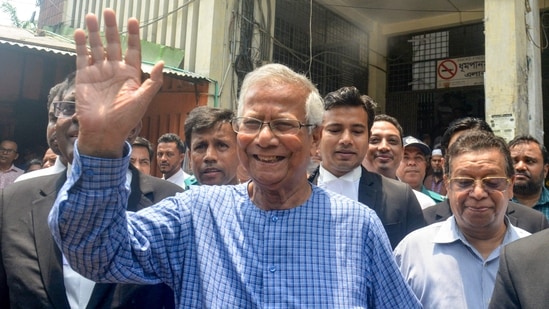

Bitcoin has surpassed $90,000 this week for the first time, marking yet another significant milestone for the cryptocurrency. The surge comes amid growing discussions about using Bitcoin to address America’s escalating national debt. Tesla, X, and SpaceX CEO Elon Musk, and vocal proponent of cryptocurrency, recently endorsed the idea of deploying digital assets to alleviate the United States’ debt burden—a sentiment echoed by President-Elect Donald Trump. Musk, […]

By Nitya Chakraborty Three months after the installation of the interim government in Bangladesh headed by chief adviser Dr. Muhammad Yunus, the politics of the 18 crore-nation has landed in fresh turmoil after the win of the Republican candidate Donald Trump in the just concluded November 5 presidential elections. Only six days have passed since […]

A clash between former president Donald Trump and tech mogul Elon Musk could be imminent, according to experts tracking the dynamics of their relationship. Despite Musk’s enthusiastic support for Trump’s 2024 presidential campaign, some predict that a power struggle may arise, driven by their competing ambitions for dominance in the public sphere. Kara Swisher, a well-known tech journalist and columnist, has voiced concerns that, while Trump has […]

Solana’s native cryptocurrency, SOL, has soared to a significant milestone, surpassing a $100 billion market capitalization for the first time. The rise in SOL’s price to $212 marks its highest value in over three years, reflecting a broader surge in the cryptocurrency market. This rally is being fueled by multiple factors, including the increasing momentum following Bitcoin’s own breakthrough above $80,000, alongside recent market catalysts such as Donald Trump’s electoral victory and the Federal Reserve’s decision to cut interest rates.

As the broader crypto market rebounds, Solana has emerged as one of the key beneficiaries, marking a dramatic rise that has reinvigorated investor interest in the digital assets space. This surge places Solana firmly in the ranks of the top five cryptocurrencies by market capitalization, signaling its growing influence in the industry. Despite the volatility that often characterizes digital currencies, Solana has managed to carve out a niche with its innovative approach to blockchain technology, which offers scalability and faster transaction speeds compared to many competitors.

The price surge is seen as a continuation of Solana’s broader recovery since the sharp decline in its value experienced during the crypto winter of 2022. Over the past year, the blockchain has regained substantial traction, driven by both technical advancements and increasing adoption by developers and decentralized finance (DeFi) platforms. As of now, Solana’s price stands well above its March-April cycle highs, marking an important psychological level for traders and investors.

Much of Solana’s recent growth is tied to its ecosystem’s increasing popularity in decentralized applications (dApps) and non-fungible tokens (NFTs). The blockchain’s high throughput capabilities, combined with low transaction fees, make it a preferred platform for developers building on Web3 and DeFi applications. These characteristics have garnered Solana a significant user base and investment, which is now paying off as market conditions favor the broader crypto sector.

The crypto rally has also been propelled by the changing economic landscape. The Federal Reserve’s decision to cut interest rates has had a ripple effect across financial markets, contributing to increased liquidity and risk appetite among investors. Cryptocurrencies, often seen as a hedge against inflation and traditional financial systems, have benefited from this environment. As the Fed’s monetary policy continues to evolve, many market participants see digital assets as a safer investment compared to traditional stocks and bonds, especially in uncertain economic times.

Meanwhile, Bitcoin’s rise above $80,000 has created a halo effect for other cryptocurrencies, including Solana. The world’s largest cryptocurrency has often set the tone for market movements, and its surge has bolstered investor confidence in the broader digital asset class. Many traders view the rally in Bitcoin as an indication that the overall cryptocurrency market is in the midst of a bull phase, with altcoins like Solana and Ethereum seeing heightened interest from institutional and retail investors alike.

Solana’s technological advancements also play a crucial role in this price surge. The blockchain’s focus on scalability through its Proof of History (PoH) mechanism allows it to process thousands of transactions per second, which significantly enhances its capacity to handle large-scale decentralized applications. This technology has made Solana an attractive choice for developers looking to build decentralized exchanges (DEXs), NFT marketplaces, and other dApps that require high throughput and low transaction fees.

Another key factor contributing to Solana’s growth is the backing it has received from prominent venture capitalists and institutional investors. Over the past few years, Solana has secured major funding rounds, positioning it as one of the most well-funded projects in the cryptocurrency space. This has helped solidify its position as a strong competitor to Ethereum, which has historically dominated the decentralized application space but has struggled with scalability issues due to high transaction costs and slower confirmation times.

Despite these positive developments, the cryptocurrency market remains volatile, and Solana’s price could still face significant fluctuations. While many analysts remain bullish on the future of Solana, there are concerns regarding broader market corrections, regulatory scrutiny, and the sustainability of the current rally. Some experts caution that the rapid rise in Solana’s price could be driven by speculation rather than fundamental growth, which could lead to a pullback in the future.

Solana’s ability to maintain its current market momentum will likely depend on its ability to scale and meet the growing demand for decentralized applications. While its technical advantages set it apart from many of its competitors, the blockchain space remains highly competitive, with Ethereum and other Layer-1 chains continuously improving their offerings. Moreover, the potential regulatory challenges posed by governments and financial institutions around the world could impact Solana and other cryptocurrencies in the coming months.

By K Raveendran Trump divides people like nobody else does. The liberal Left all over the world are united in their assessment that there would be a presidential onslaught against whatever they stand for. It is not just people who detest Trumps return; even the elements are affected. Gold is particularly allergic to Trump, as […]
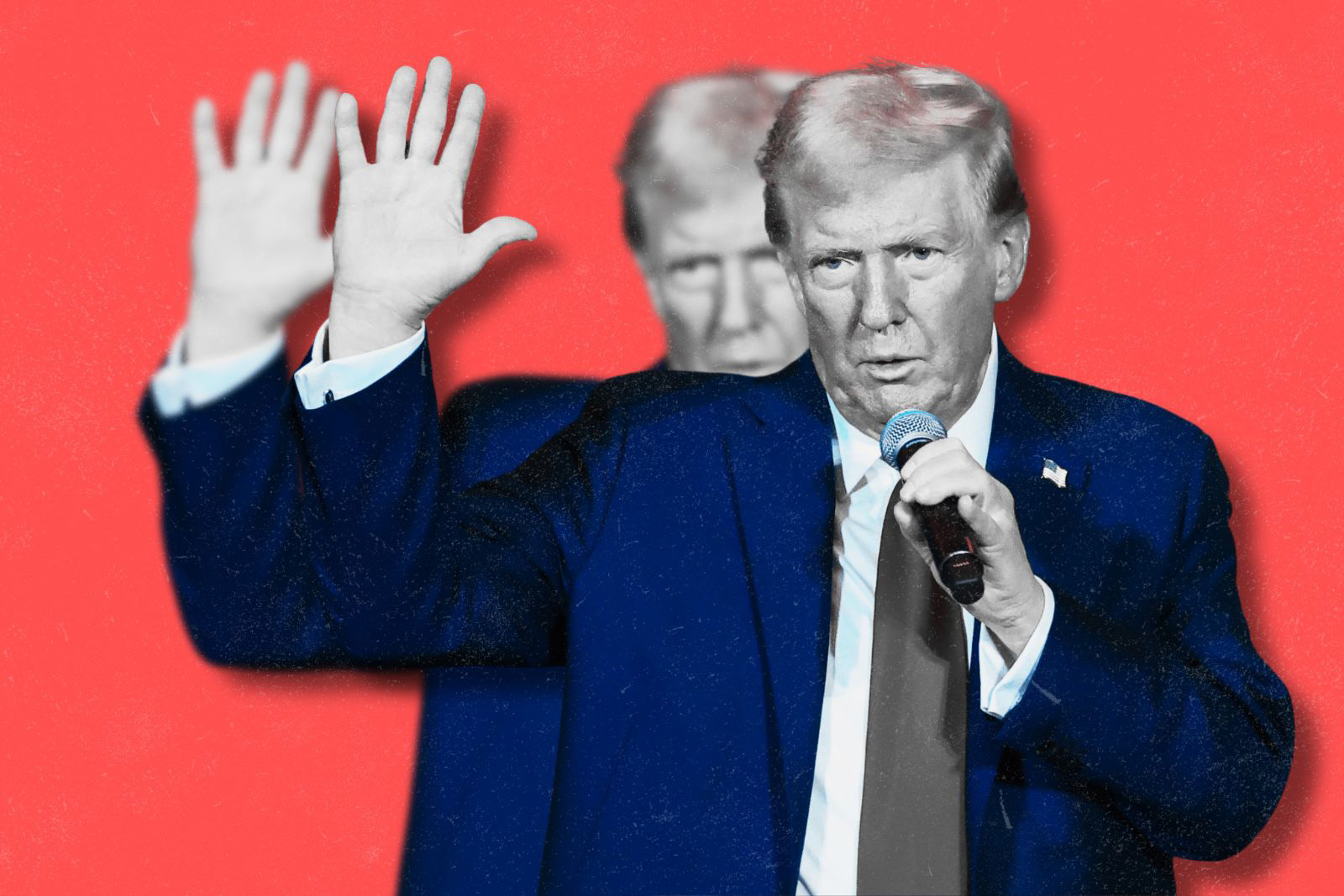
By Asad Mirza Donald Trump’s re-entry in the White House is seen with a bated breath all over the world, especially the Muslim nations across the globe, as the world waits to see in which manner his current presidency will run. Will it be “America First” like the previous one or a rather tolerant one […]


Europe is preparing for the potential implications of a second Trump presidency, concerned about renewed trade tensions and significant shifts in the transatlantic security framework. European leaders recall the policies of Trump’s first term, marked by tariffs on European imports, withdrawal from the Paris Climate Accord, and a confrontational approach to NATO contributions. With 2024 U.S. elections looming, European officials are not only bracing for a resurgence of similar tactics but also assessing ways to assert greater autonomy in defense and trade.

European officials and diplomats have begun emphasizing readiness to avoid a repeat of the challenges that caught many off-guard in 2016. Some leaders, including former French President François Hollande, advocate for a proactive stance, urging the European Union to prepare for a United States that may distance itself from Europe. This contingency plan comes amid heightened anxieties that Trump, unbound by re-election concerns, might intensify his stance on Europe’s defense spending and reduce American military presence in the region.

A renewed Trump administration could increase pressure on Europe to adjust its strategic and defense priorities. With his past criticisms of NATO members’ defense spending, particularly Germany’s, Trump’s possible return to the White House has led to a revival of European conversations on strategic autonomy. During Trump’s initial tenure, he consistently advocated for NATO countries to boost their contributions, often singling out Germany, which at the time did not meet NATO’s 2% GDP defense expenditure target. While Germany has since increased its defense spending, concerns persist that Trump may push for even more significant European financial commitments or explore alternative alliances outside NATO.

In Germany, which has experienced some of the most direct effects of Trump’s policies, the federal government is intensifying its preparations. German Foreign Minister Annalena Baerbock’s outreach to U.S. Republican counterparts exemplifies a strategic approach to establish dialogue channels with influential American conservatives. However, many German policymakers, including influential parliamentarian Norbert Röttgen, question the depth of current preparation efforts, noting that Europe’s primary response to Trump’s 2016 election was inadequate and highlighting the importance of independent defense planning as a hedge against potential U.S. policy shifts.

Across the EU, there is a growing trend to diversify defense and trade partnerships beyond the U.S. European Commission officials have coordinated increased production of military supplies, such as ammunition, to bolster Ukraine’s defense—a move that reflects a broader commitment to strengthening the EU’s defense capabilities independently of the U.S. Former Estonian President Toomas Hendrik Ilves observed that Europe has substantially ramped up its weapons support for Ukraine, surpassing even U.S. assistance in some aspects, which has reinforced confidence in Europe’s evolving defense autonomy.

Another key area of concern is the potential impact on U.S.-EU trade relations. Trump’s previous term saw the imposition of tariffs on European steel and aluminum, sparking a transatlantic trade dispute. A new administration could see these tariffs reintroduced or new tariffs placed on high-value European exports, such as automobiles, which could disrupt key European industries. European economies, particularly Germany’s automotive sector, could experience significant repercussions from any new tariffs, given the close integration of global supply chains. In light of these risks, the EU has been ramping up its trade outreach to diversify markets and secure alternative trade agreements.

The strategic and political implications of a second Trump term also extend to the sensitive issue of European alliances. Poland, for instance, has maintained strong relations with the U.S. regardless of leadership, with initiatives like “Fort Trump”—a symbolic reference to enhanced U.S. troop presence in Poland. While Poland has benefited from U.S. support, including defense cooperation, Trump’s campaign rhetoric about achieving a “peace deal” with Russia within a day has stirred unease. Given Poland’s critical position in NATO’s eastern flank and its robust support for Ukraine, Polish officials are wary of any potential pivot by Washington that could undermine NATO’s collective stance against Russia.

In response to these uncertainties, several European countries have taken steps to build relationships with influential American Republicans, including House and Senate members. Efforts to enhance diplomatic engagement have been evident in the diplomatic visits of figures like former British Prime Minister Boris Johnson, who held talks with Texas Governor Greg Abbott to anticipate changes in U.S.-UK ties in a Trump-led America.

A second term for Donald Trump could usher in significant changes for investors in the Middle East, with the potential for both increased economic opportunities and geopolitical instability. Trump’s return to the presidency would likely revive his administration’s assertive economic policies, reshaping U.S. foreign relations, particularly toward China, Europe, and Middle Eastern nations, while possibly impacting global market dynamics in ways that will directly affect Gulf economies.

Trump’s “America First” approach, previously marked by attempts to realign American foreign policy priorities, could lead to heightened trade tensions with major global economies, including the European Union and China. During his previous term, the Trump administration imposed steep tariffs on Chinese goods and withdrew from the Trans-Pacific Partnership, signaling a shift from multilateral agreements to bilateral deals with clear U.S. advantages. These policies could place Middle Eastern investors in a challenging position, especially those with extensive ties to both Western and Asian markets. His re-election could rekindle these policies, affecting key industries and the economic strategies of regional stakeholders, who may need to reassess their portfolios to navigate potential trade disruptions.

One area of likely change would be Trump’s approach to the U.S.-China trade war, which saw tariffs as high as 25% imposed on hundreds of billions in imports. The escalating tariffs strained trade flows globally, and with Trump’s potential return, the continuation or expansion of such tariffs could push China to deepen its ties with Gulf nations as it seeks alternative partners. The Middle East, particularly Saudi Arabia and the UAE, has already seen increased investment from China under the Belt and Road Initiative, and a further intensification of U.S.-China rivalry could strengthen these relations. Additionally, Gulf economies that depend heavily on oil exports may find opportunities as China looks for secure energy suppliers outside of the American sphere.

Simultaneously, Trump’s proposed policies are expected to drive further U.S. disengagement from traditional allies in Europe, compelling these countries to secure alternative economic partnerships. This shift could create an environment where European countries turn to the Middle East to establish closer trade relations, viewing Gulf states as critical energy providers and investment hubs. Regional investors could benefit from an increased inflow of European capital seeking to mitigate the effects of U.S. tariffs.

In terms of defense, Trump has consistently voiced support for reducing U.S. military commitments abroad, urging allies in Europe and the Middle East to shoulder more responsibility for their own defense. This could result in reduced U.S. military presence in Gulf nations, which may encourage these states to expand defense partnerships within the region and seek additional security alliances beyond the U.S. This shift could spur an increase in local defense spending and the development of domestic defense industries, presenting investment opportunities in these sectors. However, it may also bring heightened insecurity, which could lead to market instability, especially in oil-dependent economies that rely on stable energy production and export environments.

The Middle East’s energy sector might experience new pressures and opportunities under a Trump administration focused on American energy independence. Trump has previously supported policies that increase domestic oil and gas production in the U.S., which could lead to a drop in oil prices globally, impacting the revenue of oil-exporting countries in the Gulf. To counter this, Gulf economies may be motivated to diversify and boost non-oil sectors such as technology, real estate, and tourism, creating new avenues for regional and international investors.

Trump’s stance on Iran could also lead to renewed tensions in the region. During his first term, the administration’s “maximum pressure” campaign aimed at curbing Iran’s nuclear ambitions led to economic sanctions and heightened regional conflicts. If reinstated, such policies could escalate instability in areas around the Strait of Hormuz, a key chokepoint for global oil exports. Middle Eastern markets might face disruptions if these tensions spill over, particularly for industries dependent on steady energy flows and safe trading routes. Yet, defense and energy infrastructure investments may see a boost in response to these renewed geopolitical challenges.

Trump’s previous involvement in brokering the Abraham Accords set a precedent for Arab-Israeli normalization. A return to power could see a renewed push for expanded economic ties between Israel and more Arab states, following the precedent of UAE, Bahrain, Morocco, and Sudan establishing official relations with Israel. Investors across the Gulf could benefit from these expanded commercial ties through greater market access, technology transfers, and joint ventures, particularly in high-growth sectors like technology, renewable energy, and tourism. The prospect of regional integration holds promise for attracting further foreign direct investment (FDI) and bolstering Middle Eastern economies.

Middle Eastern investors, therefore, may need to prepare for a mixed impact, balancing potential market volatility with strategic opportunities. Gulf Cooperation Council (GCC) countries, particularly the UAE and Saudi Arabia, may find themselves in a pivotal position, with increased leverage in securing favorable trade agreements as both Western and Eastern economies seek partnerships in response to Trump’s policies. Yet, they may also have to contend with the risks of being on the frontline of fluctuating U.S. policies toward the region, especially regarding defense and energy.

By Anjan Roy Never before, an American presidential election evoked such widespread interest and concern across the world. This is because the presumptive president has given rise to fears and concerns about America’s policies which do not promise to follow the scripted lines. There is a sense of uncertainty all the way in the power […]
By Nitya Chakraborty On November 5 late night, even before the presidential election results gave Donald Trump a majority of 270, former President of Brazil Jair Bolsonaro wrote an ecstatic message in X the former Twitter congratulating his mentor on his magnificent win saying this will have a big impact on Latin American politics. Bolsonaro […]
By Nitya Chakraborty Finally, the U.S. election results are out. The Republican candidate Donald Trump has swept the polls by winning convincingly in the presidential contest as also leading the Republican Party to majority in both the Senate and the House of Representatives. There is no grey area. It is apparent that the majority of […]


KUALA LUMPUR, MALAYSIA – Media OutReach Newswire – 6 November 2024 – Current developments and key facts As of 7:00 a.m. UTC, most data providers, including ABC, CBS, NBC, and CNN, projected that Donald Trump would become the next president of the United States. However, even as Trump’s victory looks almost guaranteed at this point, it is the balance of power in the U.S. Congress that will […]

Tajul Islam Donald Trump’s recent critique of Bangladesh on social media, branding it as a nation rife with “barbaric violence” against religious minorities and claiming it exists in a “total state of chaos,” has drawn significant attention. This statement, made just days before the US presidential election, appears to be an effort to appeal to Hindu-American voters, a demographic that has increasingly urged Trump to address issues related […]

VISHNU RAJA
RYO YAMADA
HITORI GOTOH
IKUYO KITA