Just in:

News related to
Trump’s

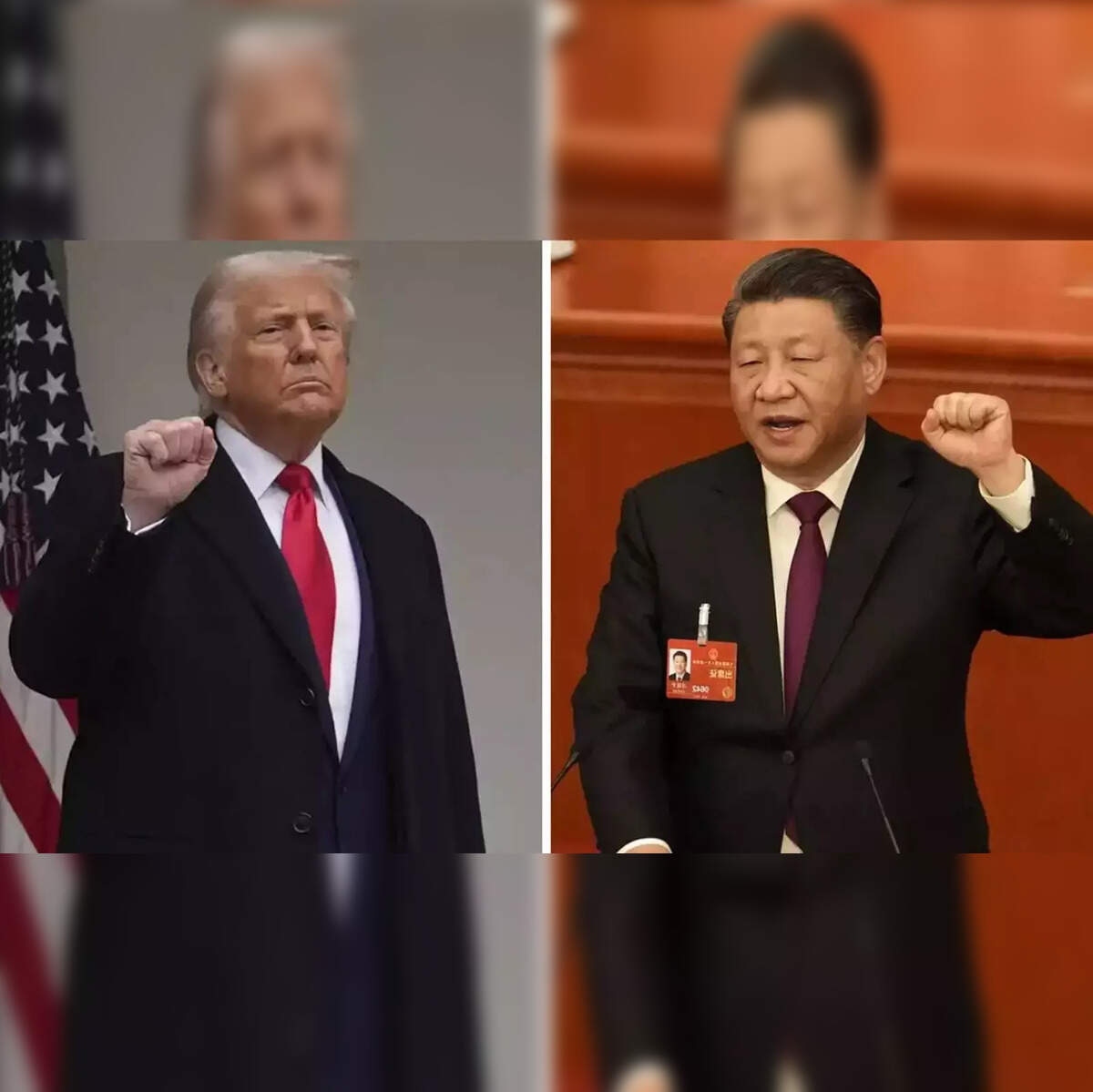
The newly announced trade agreement between the United States and China offers temporary relief from economic tensions, but it does not resolve the deep strategic rift between the world’s two largest economies. For investors, I believe, this is a short-term fix within a long-term rivalry, and portfolios must be positioned accordingly. President Donald Trump’s statement that a deal is “done” follows two days of talks in London. […]

Trump Media & Technology Group, owner of the Truth Social platform, has submitted a Form S‑1 registration to the U.S. Securities and Exchange Commission for its proposed Truth Social Bitcoin ETF, aiming to list on NYSE Arca. The application states the fund will hold Bitcoin directly, with Crypto.com serving as custodian, prime execution agent and liquidity provider, and Yorkville America Digital listed as sponsor. NYSE Arca has separately filed a Form 19b‑4 to list the fund should it receive regulatory approval.

The filing highlights an unprecedented disclosure linking the fund’s prospects to President Trump’s crypto-related initiatives. For the first time in a crypto-ETF filing, the risk section cites creation of an SEC crypto task force in January and the March executive order establishing a Strategic Bitcoin Reserve. It warns that the impact of these policies on the sponsor, the fund, TMTG, Crypto.com or affiliates “is not possible to fully predict”. Bloomberg’s Eric Balchunas noted this is likely “the first time ever the advisor is in the risk section”.

If approved, the ETF would become part of a growing cohort of spot Bitcoin funds currently active in the U.S., including BlackRock’s iShares Bitcoin Trust, which has amassed over US $70 billion in assets, BlackRock having initially launched the product in January 2024. Other major asset managers—Fidelity, Bitwise—also offer similar instruments, making the market highly competitive.

TMTG’s proposed fund is closely tied to the broader ambitions of Trump’s crypto policy platform. The earlier executive order in March 2025 mandated creation of a Strategic Bitcoin Reserve using government-forfeited assets, effectively integrating Bitcoin into sovereign reserves. The order also created a U.S. Digital Asset Stockpile, requiring federal agencies to centralise digital asset holdings and obliging the Secretaries of Treasury and Commerce to evaluate further acquisitions at no cost to taxpayers.

The regulatory backdrop has shifted markedly. January’s executive directive established a Presidential Working Group on Digital Asset Markets and directed the SEC to create a crypto task force. Gary Gensler resigned as SEC chair on the eve of Trump’s inauguration and was succeeded by Paul Atkins, a noted crypto advocate. The SEC has since dropped several previous enforcement cases and eased accounting rules, paving the way for more crypto-product filings.

Trump Media’s broader strategy involves securing a substantial Bitcoin treasury. SEC filings indicate its Form S‑3 shelf registration allows issuance of up to 85 million shares tied to its $2.3 billion private placement, earmarked to purchase roughly 23,000 Bitcoin—potentially placing the company among the top public corporate holders. Custody of these assets is expected to be shared between Anchorage Digital and Crypto.com.

Yorkville America Digital’s dual role—as sponsor of the ETF and partner to TMTG—has raised questions of conflicts of interest. The risk disclosure notes Yorkville affiliates are also involved in Truth.Fi, an investing platform tied to Trump’s “America First” agenda, and have made up to $2.5 billion in equity commitments to TMTG. The same affiliate acted as co-placement agent for the $2.44 billion private placement.

Financial markets have responded with mixed signals. While Bitcoin briefly surpassed US $111,000 following Trump’s return to the executive and policy shifts, it has since retreated to the US $105,000–$101,000 range. TMTG’s own stock dropped around 8 per cent following public disputes between Trump and Elon Musk, and remains down roughly 56 per cent over the past 12 months.

Analysts say the fund faces significant challenges. Despite its high-profile branding and alignment with Trump’s policy agenda, it competes against established firms with deep institutional credibility. ETF expert Dave Nadig remarked that long-term asset gathering for this fund is “extraordinarily unlikely”. CoinCorner CEO Danny Scott expressed unease about Trump’s use of political influence in personal financial ventures.

The ETF’s structure also contains potentially problematic clauses. Cointelegraph reports that the S‑1 includes exclusive arrangements granting Crypto.com sole custodian and liquidity provision roles, and provisions that allow the sponsor to take positions ahead of the Trust—raising transparency concerns.

Still, proponents contend the fund could redefine retail and ideological investor access. Backers assert its America‑First branding might appeal to conservative retail investors seeking regulated Bitcoin exposure. Crypto.com’s reach—serving over 140 million users and holding approximately US $30 billion in assets—could alleviate institutional concerns about custody risk.

Approval hinges on SEC review of both S‑1 and 19b‑4 filings. With multiple spot Bitcoin ETFs already approved in the U.S., the regulatory framework exists—but TMTG’s political ties, interlocking financial relationships and novel disclosures may trigger heightened scrutiny.


By Nitya Chakraborty The high level delegations of United States of America and China concluded their two day trade talks in London on Tuesday agreeing to take forward the course of negotiations for further promoting steady and healthy development of economic and trade ties between the two largest economies of the world. Both Chinese and […]

Top-level officials from Washington and Beijing convened at London’s historic Lancaster House to try to uphold a fragile trade truce. The US team—led by Treasury Secretary Scott Bessent, Commerce Secretary Howard Lutnick and Trade Representative Jamieson Greer—pressed China to lift export restrictions on rare earth minerals, a linchpin in sectors from electric vehicles to semiconductors. China’s delegation, headed by Vice‑Premier He Lifeng and joined by Commerce Minister Wang Wentao and […]

Hunter Marquez graduated from the U.S. Air Force Academy with honours, expecting to begin their career as a commissioned second lieutenant. Despite meeting all academic and training requirements, Marquez and two other graduates have been barred from active duty due to restrictions stemming from a policy introduced during Donald Trump’s presidency that prohibits transgender individuals from serving openly in the military. This decision has ignited renewed debate […]

The United Arab Emirates and the United States are preparing to initiate negotiations for a potential bilateral trade agreement aimed at reducing or eliminating tariffs imposed during President Donald Trump’s administration on UAE steel and aluminium exports. These tariffs include a baseline 10% duty and a specific 25% tariff on steel and aluminium—which the Trump administration plans to double to 50%.

The UAE, whose steel and aluminium are significant non-oil exports and accounted for 8% of U.S. steel and aluminium consumption in 2024, is looking to leverage its history of swiftly concluded trade deals with nations such as India, Turkey, and Australia. While the U.S. may pursue a limited agreement rather than a full free trade pact, it is expected to be labeled a Comprehensive Economic Partnership Agreement , consistent with the UAE’s past trade deals.

The UAE, Washington’s largest trade partner in the Middle East with $34.4 billion in bilateral trade in 2024, is also a major U.S. investor and security ally, hosting American troops and planning $1.4 trillion in future U.S. investments. Both sides reportedly responded positively to the idea during Trump’s recent visit to Abu Dhabi, though a timeline for formal talks remains unclear.

The Trump administration’s decision to double tariffs on imported steel and aluminium to 50% took effect on June 4, 2025, impacting nearly all trading partners except the United Kingdom, which has a preliminary trade agreement with the U.S. The policy significantly affects major U.S. trading partners like Canada and Mexico, with Canada being the leading exporter of aluminium to the U.S. and both countries ranking high in steel exports.

UAE-based steel producers expect to escape major impact from the latest move by the U.S. to double tariffs on steel imports. The new tariffs apply to all trading partners except the UK, which struck a preliminary trade agreement with the U.S. last month. However, steel manufacturers in the UAE don’t anticipate a hard hit. The U.S. decision to double steel import tariffs “may have an indirect effect on market dynamics but is not expected to materially impact Emsteel’s business,” said Michael Rion, chief commercial officer at Emirates Steel, part of Abu Dhabi-listed Emsteel Group. The company has a “modest exposure” to the U.S. market, with exports accounting for less than 2% of total annual sales.

The UAE’s push for a trade agreement with the U.S. is part of its broader strategy to mitigate the impact of increased tariffs and strengthen economic ties. The potential agreement, discussed during President Trump’s visit to Abu Dhabi, seeks to address the challenges posed by the new tariffs and reinforce the economic partnership between the two nations.

M A Hossain By any military measure, Ukraine’s ‘Operation Spider Web’ was an astonishing success. In a meticulously planned operation, Ukrainian drones struck deep into Russian territory, obliterating at least 40 military aircraft—including nuclear-capable Tu-95 and Tu-22M3 bombers—in a single, devastating blow. The attack revealed not only meticulous Ukrainian planning over 18 months but also the glaring vulnerabilities of Russia’s so-called impenetrable airspace. It was a coup […]

Advertisements

Emerging markets are pushing higher again, and this time, the momentum isn’t misplaced. Behind the move is a growing body of evidence that the world’s most dynamic developing economies are demonstrating real economic resilience, despite a chaotic external backdrop. For investors, it’s a signal that deserves immediate attention. The surge in sentiment has been supported by improved financial market conditions, stronger currencies, and narrowing bond spreads. Business […]

As top Gulf leaders vied to commit trillions of dollars in investment pledges during President Donald Trump’s Middle East tour, a significant shift emerged among financiers and business circles. Saudi Arabia’s appeal as the region’s primary investment hub is being overshadowed by the United Arab Emirates and Qatar, whose growing economic clout and more flexible policies are attracting greater international interest. Saudi Arabia’s challenges stem from structural […]

U.S. prosecutors are investigating whether companies linked to Gautam Adani imported Iranian liquefied petroleum gas into India, potentially violating American sanctions. The probe focuses on shipments received at the Adani-controlled Mundra port in Gujarat, with tankers suspected of using deceptive practices to obscure their origin. This development follows a prior indictment against Adani and associates for alleged bribery and securities fraud.

The U.S. Department of Justice, through its Eastern District of New York office, is examining maritime activities involving tankers that may have transported Iranian-origin LPG to Adani Enterprises. Investigators are scrutinizing whether these vessels employed tactics such as falsified automatic identification system data and forged documentation to mask the true source of the shipments. A Wall Street Journal investigation suggests that LPG shipments imported by Adani from Oman may have actually originated from Iran, using complex third-party logistics to mask the true source.

A spokesperson for the Adani Group has denied any deliberate involvement in sanctions evasion or trade with Iranian-origin LPG, stating the company is unaware of any U.S. investigation. The group maintains that it conducts thorough due diligence on all imports and complies with applicable laws.

This inquiry adds to the legal challenges facing Adani. In November 2024, U.S. authorities indicted Gautam Adani and his nephew, Sagar Adani, alleging they paid over $250 million in bribes to Indian government officials to secure power supply contracts and misled U.S. investors during fundraising activities. The indictment also accuses other individuals, including former employees of a Canadian institutional investor, of obstructing investigations by deleting evidence and providing false information to authorities. The Adani Group has dismissed those accusations as “baseless” and committed to pursuing all legal remedies.

The Adani Group, integral to India’s economy with a valuation of around $150 billion, has faced multiple allegations, including a 2023 report from Hindenburg Research accusing it of securities violations. Despite seeking legal avenues to dismiss the charges and leveraging political support from Republican legislators amid Trump’s relaxed foreign bribery enforcement, the ongoing sanctions-related probe poses a significant risk to Adani’s efforts to clear his and his conglomerate’s name.

The investigation into potential sanctions violations underscores the complexities of international trade compliance, especially for conglomerates operating across multiple jurisdictions. As the U.S. continues to enforce sanctions on Iran, companies engaged in global trade must navigate a landscape fraught with legal and regulatory challenges.

KUALA LUMPUR, MALAYSIA – Media OutReach Newswire – 30 May 2025 – Traders and investors alike are unnerved by the recent turbulence in the bond markets. After Moody’s—a major rating agency—downgraded U.S. government debt on 16 May, and Japanese long-term bond yields soared to multi-decade highs, some market participants started to fear that the world may be on the verge of a major debt crisis. Meanwhile, the […]

By P. Sudhir Yaqeen Hammad, a 12-year-old Palestinian girl, was shredded into pieces by an Israeli missile attack on her residence. Yaqeen has been aptly called the Anne Frank of Gaza. Like Anne, who kept a diary in an attic in a Holocaust-ravaged, Nazi-occupied neighbourhood, Yaqeen documented the horrors around her. Her diaries – digital […]

Bitcoin has surged to a record high of nearly $112,000, diverging from a flat and uncertain stock market. Traditionally, both assets moved in tandem, but 2025 has seen episodes of decoupling, particularly as Bitcoin has shown more resilience amid economic uncertainty spurred by President Trump’s tariff policies. Analysts attribute the crypto rally not to a broad risk-on sentiment but to growing optimism around favorable regulatory shifts under the Trump administration. Policies such as Trump’s executive order to create a federal bitcoin reserve and new state-level initiatives like Texas’s proposed strategic bitcoin reserve and New Hampshire’s law allowing public funds in digital assets have bolstered confidence.

The cryptocurrency’s ascent is further supported by institutional investors like BlackRock increasing Bitcoin allocations while reducing stock holdings, suggesting a shift in strategy. Proposed federal legislation to regulate stablecoins could further integrate cryptocurrencies with traditional finance and spur broader adoption.

Despite the mounting risks, Bitcoin has maintained a price range between $90,000 and $100,000. Jeff Park, Head of Alpha Strategies at Bitwise, has boldly declared that Bitcoin currently offers a “generational opportunity” for investors. Park highlighted BTC’s implied volatility percentile – a measure that reflects how its current volatility compares to historical levels – noting that BTC’s IV percentile is at its lowest level of the year, reinforcing his view that Bitcoin presents a “generational opportunity.”

However, some experts urge caution. Mark Hackett from Nationwide Financial emphasized it’s premature to classify bitcoin as a store of value due to its historically risk-prone nature. Analysts note that for bitcoin to be considered a legitimate alternative to safe havens like gold, it must sustain a long-term, low-correlation performance with traditional risk assets.

In emerging markets like BRIC and GCC, Bitcoin exhibits a more distinct behavior, diverging from traditional assets. This divergence may stem from less integrated financial markets, where Bitcoin can act as an alternative investment vehicle in the absence of robust traditional safe havens like government bonds. Furthermore, in these regions, cryptocurrencies may attract retail investors seeking protection against local currency devaluation or inflation, which are more common in emerging economies.

Bitcoin’s unique characteristics, continued adoption, and overall industry growth make the cryptocurrency a viable instrument for hedging against global liquidity crises, according to Grayscale Investments. The digital currency asset manager explores how bitcoin can give investors protection in uncertain political and economic situations, arguing that the digital currency “deserves a steady strategic position within many long-term investment portfolios” as it represents “a transparent, immutable, and global form of liquidity that can provide both wealth preservation and growth opportunities.”

By K Raveendran In his relentless pursuit of what he calls economic nationalism, President Donald Trump’s ‘trade jihad’ is targeting newer and more diverse sectors of the global economy. The latest front in this campaign is the high-tech industry, with a particular focus on smartphone manufacturing. This marks a significant escalation both in terms of […]
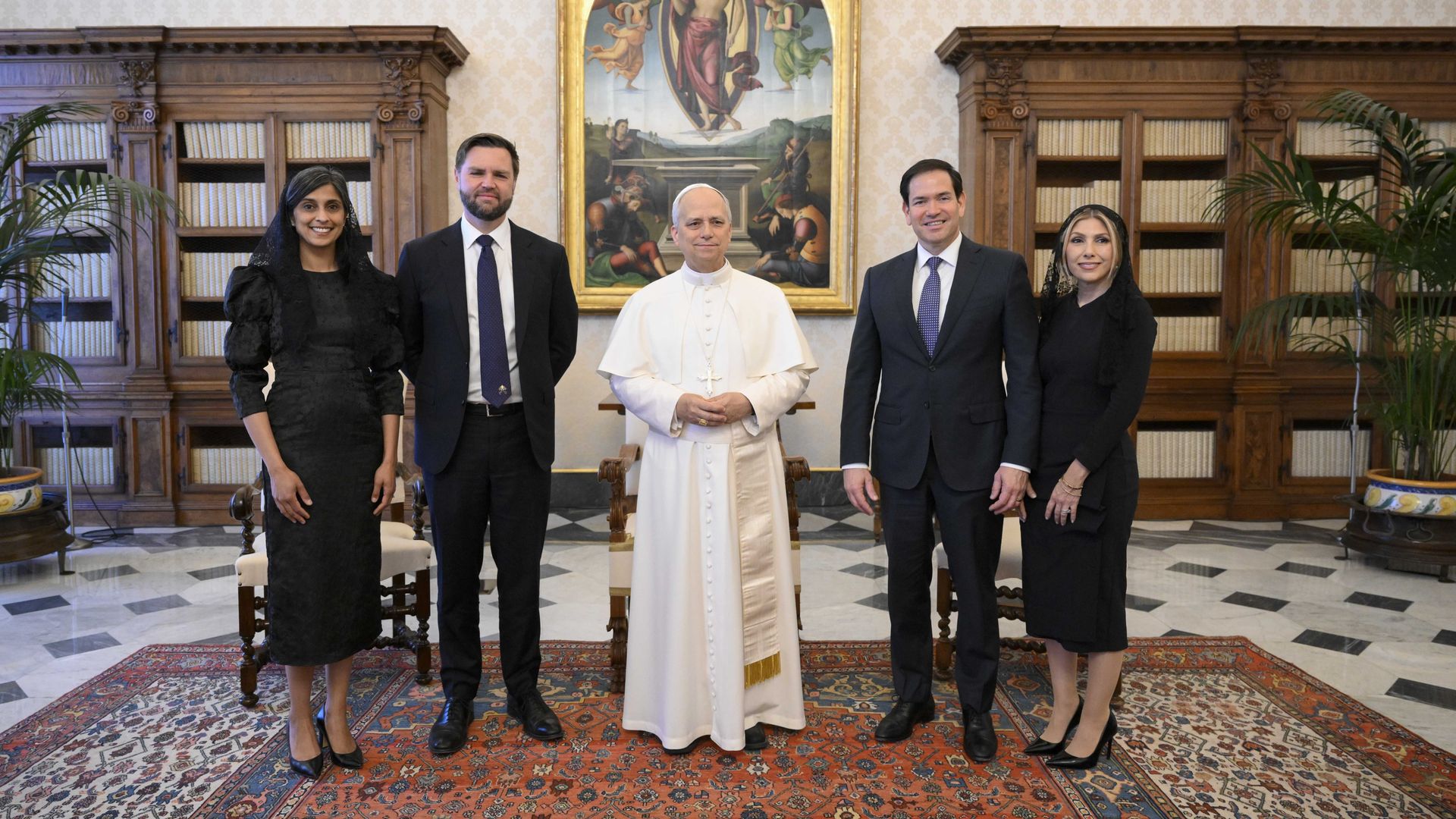
By T N Ashok NEW YORK: US President Donald Trump has virtually called off his peacemaking efforts with Ukraine and Russia to break their ongoing conflict after his two-hour talk on Monday with so-called buddy Russian President Vladimir Putin ended in a no entry zone. Now the Vatican has entered the scene to host the […]

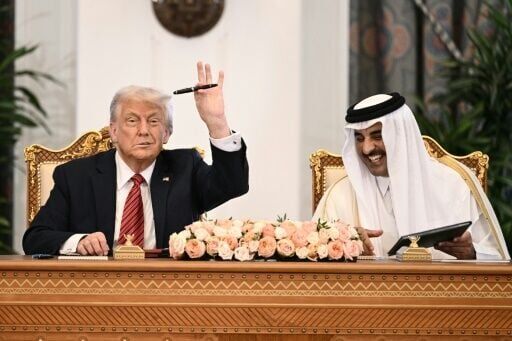
Global financial markets reeled on Monday following Moody’s Investors Service’s decision to downgrade the United States’ sovereign credit rating from Aaa to Aa1. The move, citing escalating fiscal deficits and a ballooning national debt, has intensified scrutiny over Washington’s economic policies and triggered a wave of investor unease.

The downgrade has led to a sharp rise in U.S. Treasury yields, with the 30-year bond yield climbing to 5.03%, its highest level since November 2023. The 10-year yield also surged to 4.55%, reflecting growing apprehension about the sustainability of U.S. fiscal policy. Concurrently, the U.S. dollar weakened against major currencies, while global equity markets experienced significant declines.

Moody’s action follows the narrow approval of President Donald Trump’s $3.8 trillion tax-cut package by the House Budget Committee. The legislation, which aims to extend the 2017 tax cuts and introduce new reductions on tips and overtime income, is projected to add between $3 trillion and $5 trillion to the national debt over the next decade. Analysts warn that such measures could exacerbate fiscal imbalances and undermine investor confidence.

European markets responded negatively, with the pan-European STOXX 600 index falling by 0.7%, ending a five-week winning streak. Luxury stocks, heavily reliant on Chinese demand, were particularly affected due to disappointing retail sales data from China. In the UK, the FTSE 100 index dropped by 0.8%, while the midcap FTSE 250 fell by 1.3%, influenced by the U.S. credit downgrade and anticipation surrounding a UK-EU summit.

Asian markets mirrored this trend, with key indices declining amid concerns over the U.S. fiscal outlook. The downgrade has also stalled the recent Wall Street rally, with futures dipping and the dollar weakening. Investors are increasingly wary of the U.S.’s rising debt burden and the potential implications for global financial stability.

The concept of “bond vigilantes”—investors who sell off government bonds in response to fiscal irresponsibility—has resurfaced. Analysts caution that if yields continue to rise, it could lead to instability in both bond and stock markets, potentially forcing the Federal Reserve to intervene. Some foresee a scenario where yields could exceed 6%, posing significant risks to economic growth.

Moody’s downgrade aligns the U.S. with other major economies that have lost their triple-A ratings, such as the UK and France. The agency projects that the U.S. debt-to-GDP ratio could reach 134% by 2035, up from 98% last year. The federal deficit, currently at 6.4% of GDP, is expected to rise to 9% by 2035, driven by increased interest payments and entitlement spending.

Despite these warnings, Treasury Secretary Scott Bessent dismissed the downgrade, asserting that the tax cuts would spur economic growth sufficient to offset the increased debt. However, nonpartisan analysts and some lawmakers express skepticism, highlighting the lack of substantial spending cuts or new revenue measures to balance the budget.

The political landscape remains divided, with hardline Republicans advocating for deeper cuts to programs like Medicaid and the repeal of green tax credits. Moderate Republicans and some senators oppose such measures, citing potential harm to vulnerable populations and the broader economy. The proposed cuts could result in 8.6 million people losing Medicaid coverage, raising concerns about the social impact of fiscal austerity.

By K Raveendran Donald Trump’s Gulf tour has marked a defining chapter in his post-presidential brand of deal diplomacy, delivering a staggering $2 trillion in agreements that stretch across Saudi Arabia, the United Arab Emirates, and Qatar. This campaign stands in sharp contrast to the flagging results of his so-called trade mark tariff war, which—despite […]

The United Arab Emirates has committed to increasing its energy sector investments in the United States to $440 billion over the next decade, a significant expansion from the current $70 billion. This strategic move was announced by Sultan Al Jaber, chief executive of Abu Dhabi National Oil Company , during a high-profile meeting with US President Donald Trump amid his Gulf tour aimed at fostering major business […]

Donald Trump concluded his Gulf tour with the White House touting more than $2 trillion in economic agreements, a figure that has drawn significant scepticism from financial analysts and diplomatic observers. The administration presented the headline number as a demonstration of strengthened U.S.-Gulf relations and expanded economic ties. However, a detailed examination of the announced agreements reveals a far lower total when measured against firm commitments. Official […]

President Donald Trump’s strategic tour across the Middle East has ignited internal discord within his administration, as China-focused officials express concern over expansive artificial intelligence agreements with Saudi Arabia and the United Arab Emirates . These deals, involving the acquisition of advanced semiconductors from U.S. firms Nvidia and Advanced Micro Devices , are perceived by some as potential threats to national security and economic interests. During his […]

U.S. President Donald Trump has announced plans to lift longstanding U.S. sanctions on Syria, in place since 1979 and intensified during the Syrian Civil War. During his Middle East tour, Trump revealed the decision at the U.S.-Saudi Investment Forum, describing the sanctions as historically significant yet now detrimental. The sanctions had frozen Syrian assets, banned petroleum imports, and isolated the country from the global economy. Critics highlight […]

Mukesh Ambani, chairman of Reliance Industries and Asia’s wealthiest individual, is set to attend a high-profile state dinner in Doha on Wednesday evening alongside U.S. President Donald Trump and Qatar’s Emir Sheikh Tamim bin Hamad Al-Thani, according to individuals familiar with the matter. The gathering is part of President Trump’s Middle East tour, which has centred on investment and economic diplomacy.

While no formal business discussions are scheduled, Ambani’s presence underscores his growing influence in global business and diplomacy. His conglomerate, Reliance Industries, has longstanding ties with the Qatar Investment Authority , which has invested in various Reliance ventures over the years. Additionally, Ambani maintains strategic partnerships with U.S. technology giants such as Google and Meta.

The state dinner is being hosted at Lusail Palace, the official residence of the Qatari Emir. Another prominent business figure, based in London and known for close ties to both the Trump administration and Qatari leadership, is also expected to attend the event. Further details of Ambani’s itinerary have not been disclosed, and Reliance Industries has not responded to queries regarding his visit.

This meeting follows the Qatari Emir’s visit to India in February, during which Qatar committed to investing $10 billion across various Indian industries. The commitment reflects the strengthening economic ties between the two nations.

President Trump’s visit to Qatar is part of a broader Middle East tour focused on fostering investment opportunities. Following his engagements in Doha, Trump is scheduled to travel to the United Arab Emirates on Thursday.

By Nitya Chakraborty Soon after organizing a 90 day truce last week end at Geneva through three day intensive talks between top officials of the United States and China, President Donald Trump is on a three nation tour covering Saudi Arabia, Qatar and UAE to pursue his deal making focusing on both trade and security. […]


The US Federal Reserve has stopped sugar-coating it: stagflation is no longer a fringe fear. It’s a looming threat. Last week’s sharp warning from Chair Jerome Powell confirmed what many of us in the global financial community have anticipated for months. Slower growth, persistent inflation, and rising unemployment are converging in a way that should set off alarm bells for investors worldwide. Make no mistake—this isn’t an […]

VISHNU RAJA
RYO YAMADA
HITORI GOTOH
IKUYO KITA