Federal Reserve governor Lisa Cook has filed a lawsuit in Washington’s federal district court challenging President Donald Trump’s bid to remove her from the Fed’s Board of Governors. The suit argues Trump lacked legal authority under the Federal Reserve Act to dismiss her “for cause,” citing mortgage‐fraud allegations tied to applications in 2021—claims she denies and which preceded her nomination and Senate confirmation in 2022. Cook also contends […]

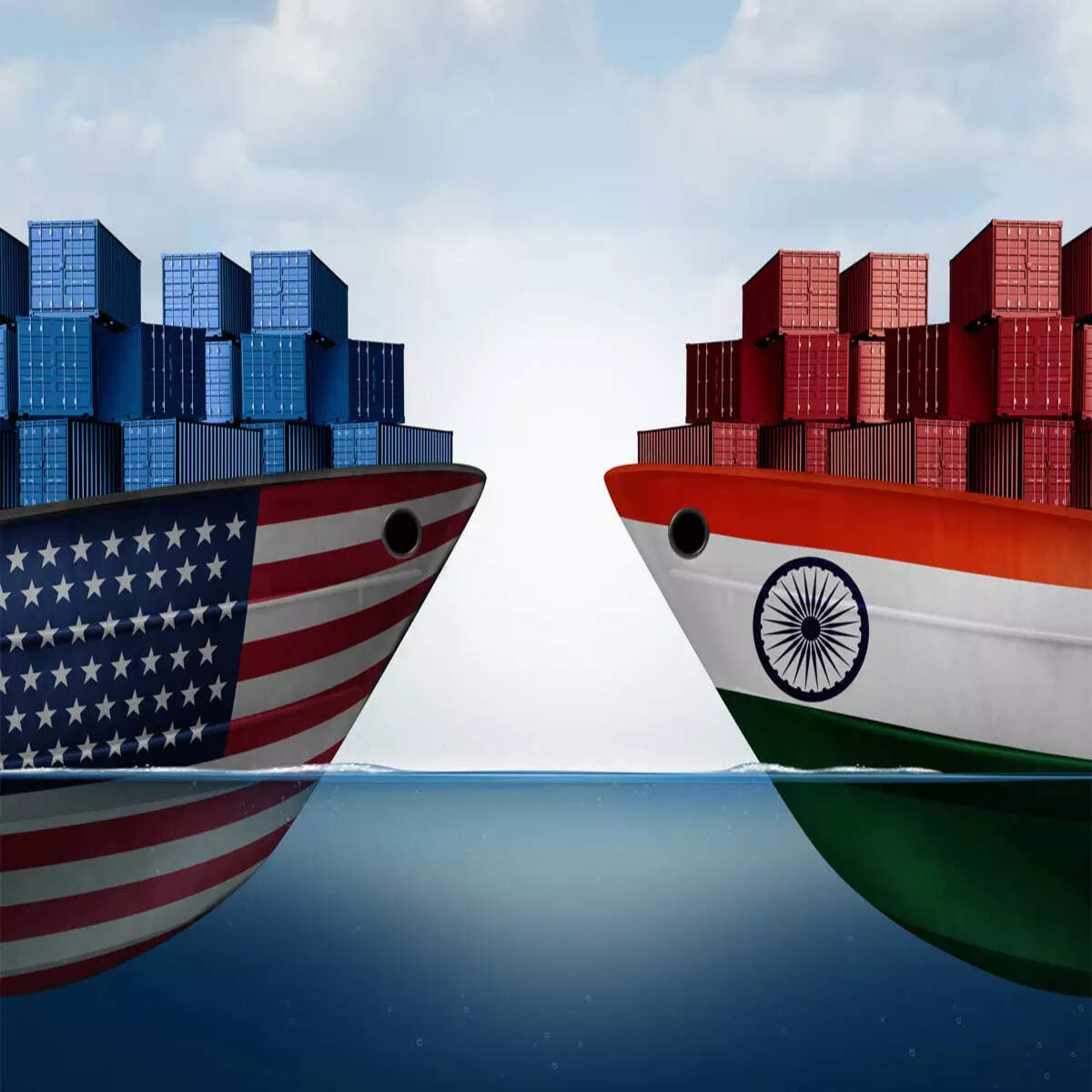
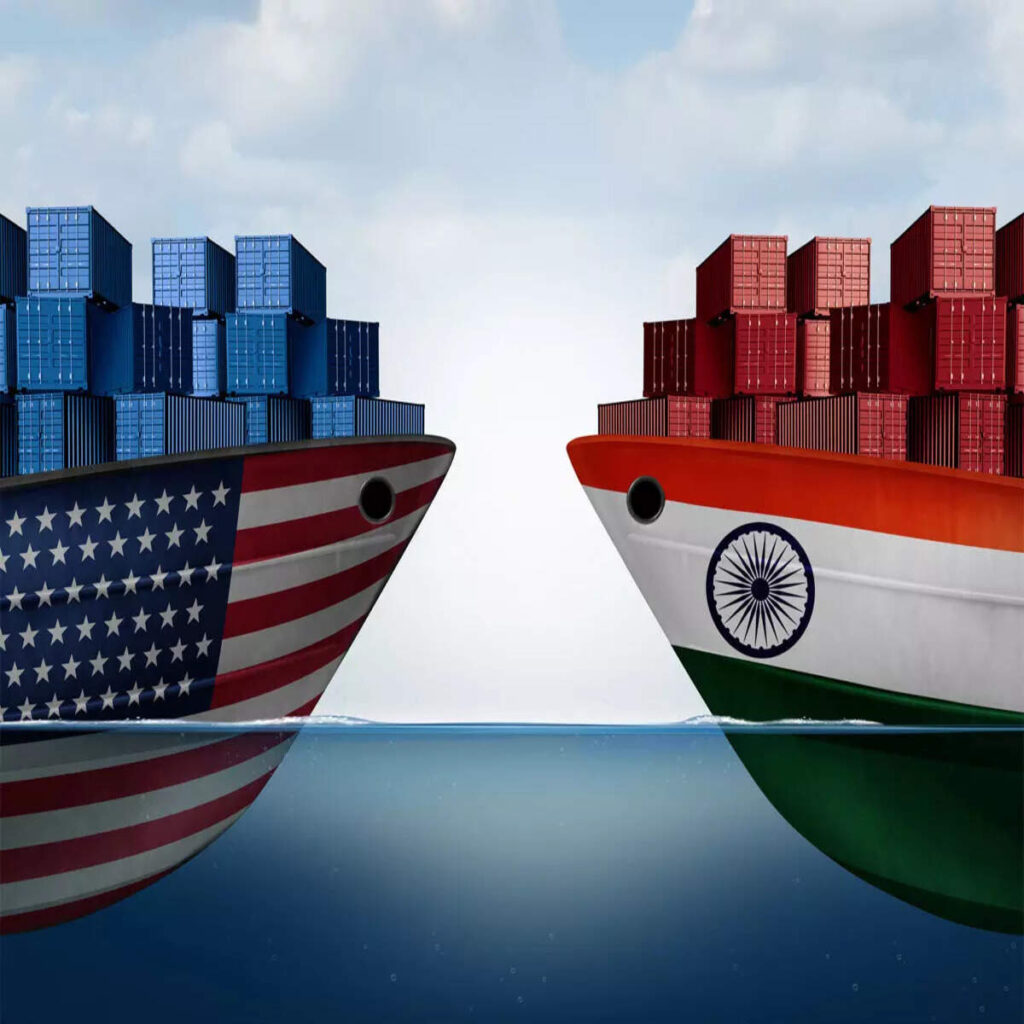
By T N Ashok NEW YORK: Trump’s 50% tariffs on Indian exports took effect from Wednesday as there has been no resolution to the dispute over Russian oil buys in by India. In a move that has stunned global markets and rattled one of America’s most strategically important partnerships, President Donald Trump on Wednesday imposed […]
By Nantoo Banerjee Notwithstanding India’s current trade tariff spat with the United States, India should apply caution to further open up imports from China with which it already suffers from massive trade deficits – nearly $100 billion last year when China had severely cut down imports from India. The latter should also avoid the Chinese […]
By Nantoo Banerjee Come August 27, the picture of the Indo-US trade may show a considerable change. India’s merchandise exports to the US will be generally subjected to a 50 percent import tax from that date. A few categories, including drugs and pharmaceuticals, have been exempted. The reason advanced by US President Donald Trump for […]
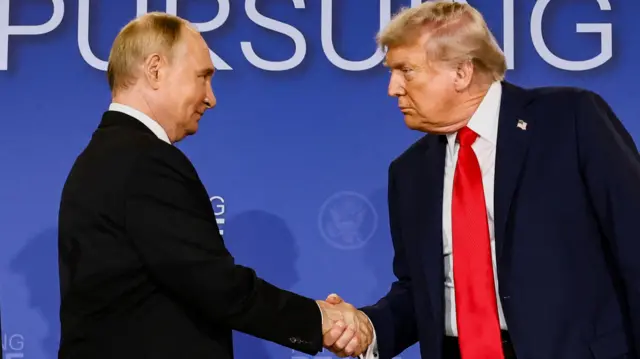
By Ashok Nilakantan Ayer ANCHORAGE, ALASKA: The much-anticipated summit between U.S. President Donald Trump and Russian President Vladimir Putin in Anchorage, Alaska, billed as a potential turning point in the grinding Ukraine war, ended without a ceasefire agreement, and without the celebratory luncheon that White House aides had originally pencilled into the schedule. After the […]
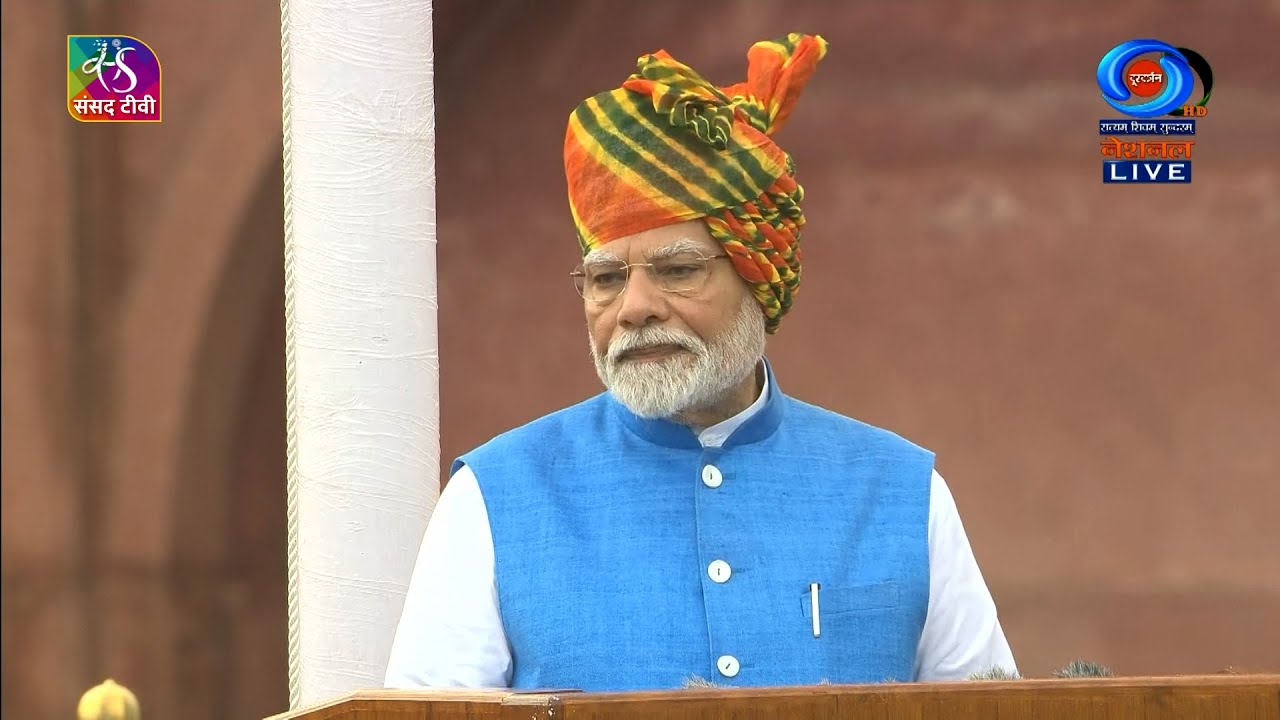
By R. Suryamurthy When Prime Minister Narendra Modi ascends the Red Fort on August 15 to deliver his Independence Day address, the nation will be listening for the usual rhetoric of progress, resilience, and pride. This year, the subtext must be different. With a possible face-off with U.S. President Donald Trump looming at next month’s […]India’s diplomatic ties with the United States have been significantly shaped by the evolving political landscape under former President Donald Trump. According to a US academic, India has paid a steep price due to Trump’s pursuit of a Nobel Peace Prize, which may have undermined its broader geopolitical interests. The scholar argues that Trump’s overtures to India during his tenure were often overshadowed by his personal ambitions […]

By Nitya Chakraborty The additional 25 per cent tariff on Indian exports to the USA announced by President Donald Trump to be effective from August 27, has led to an intense ideological and political battle within RSS, the BJP as also among the industrialist friends of Prime Minister Narendra Modi who are active members of […]
American Bitcoin Corp., a Bitcoin mining firm linked to Donald Trump, is making waves in the financial world with plans to list on the Nasdaq. The move marks a significant step for the cryptocurrency industry, highlighting how major players are seeking to establish more conventional footholds on Wall Street.
Founded in 2021, American Bitcoin Corp. aims to scale up its operations significantly by tapping into public capital markets. The company has stated that it intends to raise substantial funds to expand its mining capacity and enhance its technological capabilities. According to internal reports, the firm has already secured partnerships with several high-profile players in the energy sector to support its ambitious plans.
The firm’s connection to Trump adds a layer of political intrigue to the listing process. Trump, who has long been associated with various business ventures, is reportedly involved in an advisory capacity, lending his brand and strategic expertise to the company’s growth. His endorsement has proven valuable in garnering attention, not only among traditional investors but also among those with a keen interest in the intersection of politics and business.
The move to list on Nasdaq comes at a time when the cryptocurrency mining industry faces increasing scrutiny over its environmental impact and energy consumption. Mining operations like those at American Bitcoin Corp. use vast amounts of energy to secure Bitcoin transactions, a process that has been criticised for contributing to carbon emissions. Despite this, the firm is positioning itself as an environmentally conscious entity, touting its use of renewable energy sources as part of its long-term sustainability plan.
American Bitcoin Corp. is not alone in its ambition to go public. Several other firms in the digital asset space have followed similar paths, capitalising on the growing interest in cryptocurrency and blockchain technology. The listing process for such companies has been characterised by both enthusiasm and caution, as investors weigh the risks and rewards of entering an industry that is still in its infancy.
The company’s decision to enter the public markets through a direct listing rather than a traditional IPO is seen as an indication of its readiness to embrace the evolving financial landscape. A direct listing allows a company to bypass the usual underwriting process, allowing it to raise capital while potentially avoiding the costs and regulatory hurdles that come with a standard IPO. This strategy has been adopted by a growing number of firms in the tech and cryptocurrency sectors, where traditional methods of capital-raising are increasingly viewed as outdated.
There is no doubt that American Bitcoin Corp.’s decision to list on Nasdaq could be a game-changer for the cryptocurrency space. If successful, the company’s public debut could open the door for other mining firms and blockchain-based companies to follow suit, further integrating digital assets into the mainstream financial ecosystem. This would be a significant moment for the cryptocurrency industry, as it continues to move from the periphery of global finance into the centre stage.
However, as with any venture tied to the volatile cryptocurrency market, the risks associated with American Bitcoin Corp.’s listing cannot be ignored. Bitcoin and other digital currencies have faced wild price fluctuations over the years, and while the long-term outlook for the sector remains optimistic, many investors are still cautious about committing to assets that are prone to such dramatic swings. As a result, American Bitcoin Corp. will likely face considerable scrutiny from both the public and regulatory bodies in the coming months.
The company’s plan also raises broader questions about the future of cryptocurrency mining in the United States. With growing concerns over the environmental cost of mining and the regulatory uncertainty surrounding the sector, American Bitcoin Corp. will need to navigate a complex web of challenges in order to maintain its position as a leading player in the industry.
The involvement of high-profile figures like Trump could prove to be a double-edged sword. While his brand brings immediate attention to the company, it could also subject American Bitcoin Corp. to increased political scrutiny, particularly given the polarising nature of his public persona. The firm will need to strike a balance between leveraging Trump’s influence and distancing itself from the controversy that often surrounds his name.
India’s efforts to strengthen ties with the United States are facing significant hurdles due to key staffing gaps within President Donald Trump’s administration. Diplomatic engagement between the two countries has been hindered as vital foreign policy roles in Washington remain vacant, impacting India’s ability to effectively navigate the US political landscape.
Over the past few months, Indian officials have expressed concerns regarding the lack of permanent appointments in crucial diplomatic positions, including roles at the Department of State and the National Security Council. The vacancies have caused delays in ongoing discussions on key issues such as trade, defence cooperation, and counterterrorism. Despite a shared interest in expanding bilateral relations, the absence of key decision-makers has created a diplomatic impasse, making it increasingly difficult for Indian diplomats to secure face-to-face meetings with senior US officials.
The US has traditionally relied on a network of ambassadors and senior officials to manage foreign policy and maintain smooth relations with global partners. However, under the Trump administration, numerous diplomatic posts remain unfilled, including positions critical to managing India-US relations. These gaps have left many key policy decisions in limbo, complicating efforts to address pressing global challenges, including the Indo-Pacific security framework and trade negotiations.
India, in particular, has been affected by this lack of political continuity. For instance, while the US has reaffirmed its commitment to strengthening defence and economic ties with India, the absence of a US ambassador to India and a permanent Assistant Secretary of State for South and Central Asia has made it difficult to reach concrete agreements. Without these senior officials in place, policy coordination becomes more fragmented, forcing Indian officials to engage with temporary appointees who lack the authority to make significant policy changes.
Indian diplomats have found it especially challenging to build rapport with the Trump administration, which has demonstrated a preference for unconventional approaches to diplomacy. The absence of a steady stream of high-level communication has left gaps in the continuity of US policy towards India, further complicating efforts to resolve existing tensions, such as trade disputes and visa restrictions.
While India has attempted to address these challenges through alternative channels, such as the strategic dialogue and consultations with lower-ranking officials, these engagements have failed to produce the desired outcomes. For example, discussions aimed at resolving trade imbalances and the reduction of tariffs have stalled, with both sides unable to reach an agreement due to a lack of dedicated leadership on either side.
The Indian government, under Prime Minister Narendra Modi, has worked to bolster its position in the global order by forging closer ties with the US. However, without the necessary diplomatic infrastructure in place, India has been forced to wait for the completion of staffing appointments in the Trump administration before advancing critical bilateral agendas. While there has been progress in areas such as defence cooperation, the lack of substantive discussions on trade and technology has caused frustration in New Delhi.
At the heart of this diplomatic challenge is the ongoing uncertainty surrounding the US administration’s foreign policy direction. As key positions remain vacant, the White House’s ability to provide a cohesive strategy on international affairs has been compromised, particularly in its dealings with major global powers like India. This vacuum has also complicated the Trump administration’s broader efforts to pivot its foreign policy towards the Indo-Pacific region, an area of strategic interest to both the US and India.
India’s strategic priorities have been clear: maintaining a robust relationship with the US while balancing its growing ties with China and Russia. As India seeks to navigate these complex geopolitical waters, the Trump administration’s staffing issues continue to be a major stumbling block. The lack of clear leadership in critical areas of US foreign policy has left many in India questioning the future trajectory of their relationship with Washington.
The growing importance of economic and technological collaboration between the two countries has intensified the urgency for resolution. As the US and India aim to establish a more comprehensive partnership, delays in staffing appointments are causing significant setbacks in addressing mutual concerns in areas such as cybersecurity, trade, and investment.
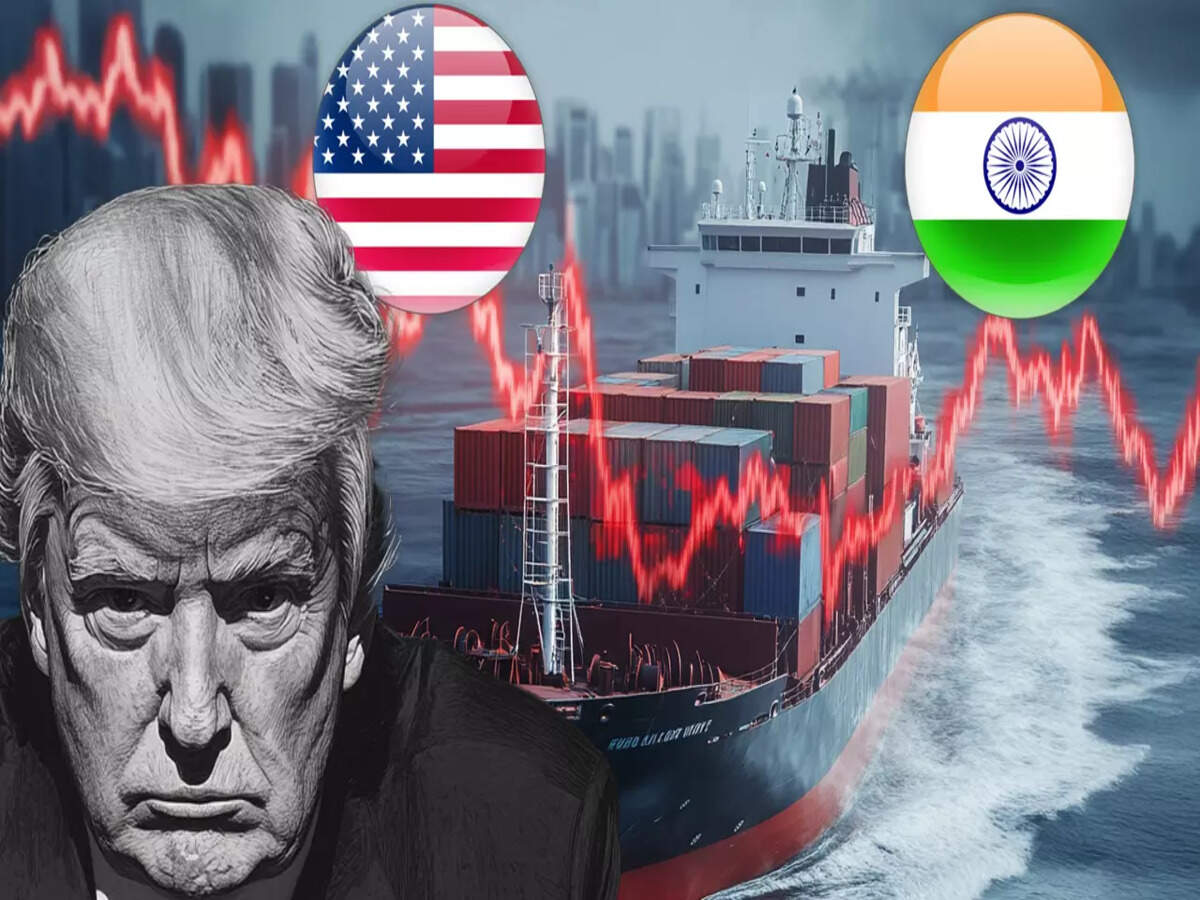
US President Donald Trump has announced plans to significantly raise tariffs on exports from India, citing the country’s oil purchases from Russia as the primary reason for the move. The statement marks an escalation in tensions between the two countries, with both sides having clashed over trade policies and geopolitical issues in recent years.
Trump’s remarks, made on social media, have ignited a strong response from New Delhi, which views the threat as unjustified and damaging to its economic interests. The US President criticized India’s ongoing imports of Russian crude oil, calling the move a betrayal, as the West intensifies efforts to isolate Moscow over its invasion of Ukraine. He pointed out that India’s purchases were then being resold on the international market for profits, further compounding the situation.
The US government has consistently condemned the sale of Russian oil to countries that are still buying from Moscow amid global sanctions designed to cripple the Russian economy. These sanctions, which were imposed by the US and its allies in response to Russia’s aggressive actions in Ukraine, have led to a complex diplomatic web, with several nations, including India, caught in the middle.
While the US and European Union have significantly reduced their oil imports from Russia, countries like India and China have stepped in to fill the gap, buying discounted crude oil from Moscow. India, in particular, has ramped up its purchases of Russian energy, a decision that is seen by many as a strategic move to secure energy resources at lower costs. These purchases have helped India maintain its economic growth amidst the energy price crisis exacerbated by the war in Ukraine.
The announcement by Trump that tariffs on Indian goods would be substantially raised could have serious repercussions for trade between the two nations. India is one of the United States’ largest trading partners, and any significant tariffs would undoubtedly affect a range of industries, from agriculture to technology. In 2022, the bilateral trade between the two countries surpassed $150 billion, with India exporting a wide array of goods to the US, including textiles, chemicals, and pharmaceuticals.
The Indian government, however, has rejected Trump’s claims, arguing that its oil purchases from Russia are in line with its energy security needs and do not violate any international laws. New Delhi has maintained a neutral stance on the war in Ukraine, calling for dialogue and diplomacy to resolve the crisis rather than escalating sanctions and pressure on Russia.
India’s position reflects a broader strategy of balancing its foreign relations with both the West and Russia. While it maintains strong ties with the US and Europe, it also values its long-standing relationship with Russia, particularly in defense and energy sectors. Over the years, Russia has been a reliable supplier of defense equipment to India, a factor that continues to shape India’s foreign policy decisions.
The economic impact of higher tariffs could have a ripple effect on both countries’ economies. India could face higher costs for its exports to the US, which might lead to inflationary pressures within certain sectors. For the US, such tariffs could result in higher prices for American consumers on imported goods, potentially exacerbating inflation at a time when the country is already grappling with economic challenges.
The political fallout from Trump’s threat to raise tariffs could further complicate efforts to resolve trade disputes between the US and India. Both nations have been working on strengthening their strategic and economic ties, but issues like tariffs and energy trade could undermine this progress. Negotiations over trade deals, such as the proposed free trade agreement, may now face significant hurdles as both sides dig in their heels.
The decision to increase tariffs on India could also have wider implications for the global economy. It might set a precedent for other nations to retaliate against countries purchasing Russian oil, particularly those in the Global South who have not been willing to fully sever their economic ties with Moscow. This could potentially fragment the global energy market even further, making it harder for countries to secure stable and affordable energy supplies.
This development highlights the growing division between the US-led West and countries that have opted to remain neutral or continue engaging with Russia. As the war in Ukraine shows no sign of abating, the economic and diplomatic repercussions of these decisions are likely to continue shaping global relations for the foreseeable future.


By Nantoo Banerjee US President Donald Trump is becoming increasingly unpredictable, if not crazy, with his freakish combination of styles to deal with countries and issues – from trade to diplomacy. The 25 percent import tariff on India since last Friday may not considerably hurt India’s export trade with the US, but it threatens to […]The U. S. Office of Special Counsel has initiated a formal investigation into Jack Smith, the prosecutor overseeing key legal cases against former U. S. President Donald Trump. This move marks a significant escalation in a series of actions targeting Smith, widely viewed as a central figure in the growing legal battle surrounding Trump. The investigation stems from allegations of misconduct during Smith’s tenure as special counsel, […]

By Nitya Chakraborty It is not a cliché to say that our powerful Prime Minister Narendra Modi’s moment truth has arrived after 11 years of ruling the country as the unchallenged leader. The 25 per cent tariff hike on Indian exports announced by the United States President Donald Trump on Wednesday and taking effect from […]
By Dr. Nilanjan Banik Before the August 1 deadline, the U.S. President Donald Trump decided to impose a 25% tariff on Indian exports. He also talked about an additional penalty on Indian exports, which could go up to100% as a surcharge, targeting countries that continue trading oil with Russia. Trump seems to care less about […]