News related to
Trump’s

M A Hossain As the United States approaches its 2025 presidential inauguration, the potential impact on US foreign policy is under close examination, particularly concerning the Global South. The countries in these regions—spanning across Latin America, Africa, and parts of Asia—face unique challenges and opportunities based on whether the next US president will be Donald Trump or Kamala Harris. The candidates’ distinct approaches to international relations, trade, […]

By Nitya Chakraborty Republican candidate Donald Trump’s Diwali message, just four days before the crucial November 5 presidential elections in USA, has enormous significance, which goes beyond the possible impact on Hindu-Americans voters on the polling day. The content of the message will have big impact on Bangladesh politics in the event of a Trump […]
By Nantoo Banerjee Domestic issues often override international commitments in diplomacy. China’s preference of Kamala Harris to Donald Trump as the next US president may look unusual but not entirely illogical from the world’s second largest economy’s business point of view. China may not mind if such a possibility could enhance diplomatic discomfort to its […]

With the upcoming U.S. presidential election casting a shadow over global financial markets, cryptocurrency stands out as an asset class poised for high volatility based on the election’s outcome. As former president Donald Trump reenters the electoral scene against Vice President Kamala Harris, crypto investors are paying close attention to how a Trump win could reshape cryptocurrency regulation and performance, particularly for Bitcoin and other key digital assets.

Historically, presidential election cycles have shown significant influence on cryptocurrency market behavior, especially for Bitcoin. Data from previous elections indicates that Bitcoin prices tend to experience substantial movements post-election, irrespective of the winning candidate. Following the 2020 election, for example, Bitcoin’s value surged, marking an increased interest among investors amid the heightened economic uncertainty tied to COVID-19 relief measures and concerns over inflation. However, as the 2024 election approaches, Trump’s potential return to the presidency introduces a new level of uncertainty that differs markedly from 2020. According to a report by Bitwise Asset Management, Bitcoin’s value could rise by an estimated 10.7% should Trump secure victory. Conversely, a Harris win is forecasted to prompt a similar decline, likely due to her administration’s alignment with current regulatory approaches under President Joe Biden.

Regulatory policies in the U.S. have tightened considerably over the past year, with the SEC leading several enforcement actions aimed at crypto firms, exchanges, and initial coin offerings (ICOs). As such, Trump’s stance on cryptocurrency, which has previously wavered, now appears more lenient compared to Harris. During Trump’s previous administration, oversight was relatively hands-off, providing crypto investors a fertile environment for market growth, albeit without structured guidelines. In contrast, Harris is expected to continue Biden’s approach, emphasizing consumer protection through regulatory frameworks, a trend currently contributing to restrained market enthusiasm among retail investors. Observers suggest that Trump’s promise to relax crypto regulations could rekindle enthusiasm among retail and institutional investors, who view clearer guidelines and reduced scrutiny as conducive to growth in both valuation and adoption rates of cryptocurrencies.

Crypto market responses are also anticipated to align with Bitcoin’s Halving cycle, a built-in scarcity feature that reduces block rewards by half approximately every four years, with the most recent event occurring in April 2024. Historically, Bitcoin rallies have closely followed Halvings, influenced further by investor interest in assets with perceived scarcity. Analysts expect this dynamic to be heightened under a Trump presidency, as reduced regulation coupled with supply restrictions could make Bitcoin a more attractive inflation hedge. Conversely, a continuation of current regulatory trends under a Harris administration might suppress these price escalations, as crypto businesses face heightened scrutiny and potential restrictions on stablecoin and DeFi protocols.

Market watchers note that alongside Bitcoin, certain altcoins such as Dogecoin and Cardano could be notably impacted by the election result. Both coins have shown sensitivity to Trump’s political narratives, especially as Dogecoin, with its origins as a meme asset, often aligns with social and speculative trends. Cardano, known for its environmentally-conscious proof-of-stake model, may also benefit from a shift in sentiment toward alternative digital assets under Trump’s policy approach, which is expected to favor financial deregulation broadly. Meanwhile, Ethereum and other blockchain projects emphasizing regulatory compliance may perform better under Harris’ administration, whose regulatory approach aligns with a systematic scrutiny of decentralized finance ecosystems.

Despite these speculations, experts caution that market sentiment may experience only short-lived spikes based on the election outcome. The long-term impact, they argue, hinges on substantial regulatory actions and the economic policies pursued post-election, especially concerning inflation and recessionary pressures. Crypto market reactions have been muted in the face of uncertainty over potential policy shifts, given that many investors prefer tangible policy enactments over rhetoric.

Economic fundamentals also play a role in investor strategies, with inflation rates, interest rate hikes, and the potential for recession forming a significant backdrop. Analysts at Coinbase Research point to the likelihood of heightened volatility for both traditional and digital assets amid interest rate adjustments and global economic challenges. The Federal Reserve’s monetary policy, particularly regarding interest rate hikes, remains a critical factor, as crypto’s inverse relationship to interest rates often leads to valuation adjustments in line with broader financial markets. Should a Trump administration adopt an expansionary fiscal stance, this may lower interest rates, encouraging borrowing and spending in financial markets, including crypto. A more cautious fiscal policy from Harris could contribute to slower crypto market growth, potentially accelerating a shift toward stablecoins as a hedge against market swings.


Donald Trump has unveiled a tax reform proposal aiming to exempt approximately 93.2 million Americans from federal income taxes. This ambitious plan focuses on eliminating income tax liabilities for individuals earning below a certain threshold, which aligns with Trump’s ongoing efforts to reshape the tax system and promote economic growth. The initiative proposes significant changes, including the removal of taxes on tips and Social Security benefits, signaling a shift in fiscal policy that may impact millions of low- and middle-income workers.

Central to Trump’s tax strategy is the introduction of a new revenue framework based on tariffs, which he argues will replace the traditional income tax model. The proposal outlines a universal 20% tariff on all imports, with an even steeper 60% tariff on goods imported from China. By doing so, the former president aims to generate substantial revenue that would fund his tax cuts and other fiscal initiatives. This approach represents a fundamental change in how the government would collect revenue, relying more heavily on trade rather than direct taxation of citizens’ incomes.

The proposed reforms have sparked debate among economists and policymakers regarding their viability and potential consequences for the economy. Proponents argue that the elimination of income taxes for a large segment of the population would increase disposable income, thereby stimulating consumer spending and fostering economic growth. They contend that individuals who currently face a significant tax burden would have more resources to invest in goods, services, and savings.

Critics, however, caution that such a tax overhaul could lead to considerable budget deficits if the anticipated tariff revenues do not materialize as projected. They highlight that a universal 20% tariff on imports could provoke retaliation from trade partners, particularly China, potentially escalating into a trade war. The economic implications of increased tariffs could also ripple through domestic industries that rely on imported materials, resulting in higher costs for consumers and businesses alike.

Key players in the political landscape are beginning to respond to Trump’s tax plan. Some members of Congress have expressed cautious optimism, suggesting that the proposal may resonate with constituents frustrated by high taxes. Others remain skeptical, voicing concerns about the long-term fiscal implications and the impact on essential government services funded by income tax revenue.

The plan’s reliance on tariffs raises questions about its impact on inflation. With increased costs associated with imported goods, the price of everyday items could rise, disproportionately affecting low-income families who already spend a larger share of their income on necessities. Economists warn that the resulting inflationary pressures could negate any short-term benefits gained from tax exemptions.

Public opinion regarding tax reforms is mixed. A recent survey indicates that while many Americans favor tax cuts, there is significant apprehension about how those cuts would be funded. The possibility of higher consumer prices due to increased tariffs creates a dilemma for many voters, who may find themselves caught between lower taxes and rising costs of living.

Amid this backdrop, Trump’s proposal has found both support and resistance within the Republican Party. Some party members see this as an opportunity to fulfill a long-standing goal of overhauling the tax system in a way that aligns with conservative principles. Others warn against the potential fallout from abandoning traditional income tax structures, emphasizing the need for a balanced approach to tax reform that safeguards government revenue and public services.

As discussions surrounding the proposal continue, financial markets are watching closely. The uncertainty around tariff policies and their economic repercussions could lead to increased volatility, especially in sectors sensitive to trade. Investors are likely to assess how the tax plan and its implementation will influence consumer behavior and corporate profits.

While the tax reform proposal seeks to simplify the tax code and alleviate the burden on a significant portion of the American population, the broader implications of such changes remain to be fully understood. Stakeholders from various sectors are encouraged to engage in the debate, weighing the benefits of tax relief against the potential economic risks associated with an untested revenue model reliant on tariffs.

A resurgence of optimism in the crypto market is gaining momentum, as JPMorgan analysts predict significant growth for Bitcoin and other cryptocurrencies, driven by a range of geopolitical and financial factors. The prospect of Donald Trump’s return to the U.S. presidency in 2025 has emerged as a key element in the bank’s optimistic outlook. Trump’s potential win is seen as a possible catalyst for regulatory shifts that could provide greater clarity and support for digital assets, with Bitcoin expected to be one of the primary beneficiaries.

While political developments are central to JPMorgan’s forecast, other significant factors are also influencing its stance. The winding down of the Mt. Gox and Genesis liquidation processes could lead to reinvestment in the market. Moreover, the potential resolution of the FTX bankruptcy case is another critical factor, as recovered assets from the exchange may be reinvested, bringing additional liquidity and stability to the crypto ecosystem.

The bank’s analysts have pointed to the rising market capitalization of stablecoins as a further indication of growing institutional confidence in the sector. Stablecoins, which provide a bridge between the fiat and crypto worlds, are increasingly being viewed as essential components of the global financial system. Their expanding role may support broader market stability, enhancing the appeal of cryptocurrencies as viable assets in traditional finance.

JPMorgan’s analysis also aligns with broader market sentiments, where Trump’s increasing odds in the upcoming 2024 presidential election have sparked renewed enthusiasm within the crypto space. His policies, particularly his prior statements on deregulation and economic growth, are viewed as favorable to a pro-crypto agenda. This has driven a rally in crypto stocks, including key players like Marathon Digital and Coinbase, with many seeing Trump’s potential presidency as a boost to the digital currency industry.

World Liberty Financial has launched its WLFI token sale to the public, attracting significant attention from investors. Approximately 655 million tokens were sold at a price of $0.015 each, generating around $9.825 million in sales. Despite over 100,000 individuals signing up for the whitelist, the company has encountered hurdles, with a staggering 19.345 billion tokens still remaining available for purchase.

The WLFI token sale is part of World Liberty Financial’s strategy to raise $300 million by offering 20% of its total token supply, which is valued at $1.5 billion. However, the initial response to the token sale has highlighted challenges in reaching its ambitious financial goals. The sale’s low performance relative to its target has raised questions about investor confidence and market demand for the WLFI tokens.

Technical difficulties have also plagued the token sale. Many potential investors reported intermittent downtimes on the official sale website, which hindered access during critical moments of the launch. This limited availability could have impacted the ability of interested buyers to participate in the sale, potentially affecting the total amount raised.

World Liberty Financial, linked to former President Donald Trump, aims to position itself in the burgeoning cryptocurrency market, which has been experiencing both volatility and growth. The launch of the WLFI token is seen as a pivotal moment for the company as it attempts to carve out a space in an increasingly competitive landscape.

The WLFI token is designed to facilitate various transactions within the World Liberty Financial ecosystem, which aims to provide innovative financial solutions. The token’s intended utility includes enabling faster and cheaper transactions while offering a platform for various financial services. However, the initial market reception and the remaining token supply may pose significant challenges in achieving these objectives.

Market analysts are closely monitoring the developments surrounding the WLFI token sale, noting that the cryptocurrency market is experiencing a period of adjustment. The fluctuating prices of cryptocurrencies and the ongoing regulatory scrutiny in various jurisdictions have created an environment of uncertainty for investors. Consequently, the initial uptake of the WLFI token may reflect broader market sentiments regarding new cryptocurrency offerings.

Investor sentiment is also influenced by the broader implications of former President Trump’s involvement in the cryptocurrency space. While some investors may view this connection as a potential advantage, others may harbor skepticism based on past controversies associated with Trump’s business ventures. This complex dynamic could play a significant role in shaping the token’s perceived value and overall market performance.

The launch of the WLFI token sale comes at a time when the cryptocurrency market is witnessing a surge in initial coin offerings (ICOs) and token sales. Many projects are vying for investor attention, making it essential for new entrants like World Liberty Financial to differentiate themselves effectively. The current landscape requires not only innovative technology and robust business models but also transparent communication and trust-building with potential investors.

As the WLFI token sale progresses, the company’s ability to adapt to market challenges will be critical. Addressing technical issues, improving accessibility for investors, and fostering confidence in the WLFI token’s value will be paramount. Analysts suggest that a proactive approach in engaging with the investor community and enhancing the overall user experience on the sale platform could mitigate some of the initial setbacks.

The performance of the WLFI token in the coming weeks will likely provide crucial insights into its long-term viability and the company’s potential to achieve its financial goals. Market watchers will be keen to see whether World Liberty Financial can capitalize on the initial interest in its token and translate it into sustained investor support.

Advertisements
By Nitya Chakraborty The U.S. Presidential elections on November 5 have assumed unusual significance in the shaping up of the future of Bangladesh which is presently ruled by an interim government headed by the Nobel Laureate Dr. Muhammad Yunus. In the last two weeks, hectic activities were on in both Dhaka as well as in […]

Donald Trump has pledged to eliminate income taxes for Americans residing overseas, a significant proposal aimed at attracting expatriates as he intensifies his campaign for the 2024 presidential election. This announcement aligns with a broader set of tax reforms Trump has advocated, positioning him as a candidate focused on reducing financial burdens for citizens living abroad. The proposal suggests that Americans who have established residency outside the […]

M A Hossain The upcoming US presidential election on November 5, 2024, carries significant implications for the entire world, including Bangladesh’s political landscape. With the recent ouster of Prime Minister Sheikh Hasina and her fleeing the country thus taking refuge in India, Bangladesh stands at a political crossroads, facing unprecedented geopolitical pressures. An intriguing aspect of this shift is the waning interest of foreign lobbyists in Washington, […]

Donald Trump staged a high-profile rally in Butler, Pennsylvania, where he narrowly escaped an assassination attempt in July. The former president was joined by Tesla CEO Elon Musk, drawing significant media attention as he made his return to the venue, a key location in his campaign trail.

Speaking behind bulletproof glass, Trump addressed a large crowd of supporters, recalling the moment when a gunman took aim at him. He emphasized that the attack, which left him with a bloodied ear, had not dampened his resolve or the momentum of his political movement. The event, which had a carnival-like atmosphere, included parachutists and a dramatic flyover of Trump’s plane, accompanied by music from the *Top Gun* movie.

Arabian Post Staff The President of the United Arab Emirates held a meeting with former U.S. President Donald Trump during his official visit to the United States, signaling ongoing ties between key figures in global politics. The discussions, described as cordial and wide-ranging, took place amidst broader diplomatic efforts aimed at strengthening economic and political cooperation between the two nations. The meeting, which took place in New […]

The future of technology in the Middle East may hinge on the outcomes of the upcoming U.S. presidential election, as candidates Kamala Harris and Donald Trump present markedly different visions for foreign policy and economic engagement. Their policies could significantly influence the region’s technological landscape, which has seen accelerated growth in recent years. Kamala Harris, the current Vice President, has been a proponent of international cooperation and […]

Donald Trump has taken a surprising turn by fully embracing cryptocurrency, unveiling a digital platform called World Liberty Financial. Once a vocal critic of Bitcoin, labeling it a “scam,” Trump’s shift comes as part of a larger political strategy, aligning with his 2024 presidential campaign. The former U.S. president announced his new project, aimed at the decentralized finance (DeFi) space, during a livestream on X Spaces, where […]

The Trump family is making its mark on the world of digital assets with the announcement of World Liberty Financial (WLFI), a new financial venture spearheaded by Donald Trump’s sons. The project centers around a governance token, which aims to offer a decentralized financial product tailored to accredited U.S. investors. WLFI plans to sell 63% of its tokens, ensuring the project remains compliant with regulatory frameworks, particularly […]

Donald Trump has unveiled a bold new strategy to safeguard the dominance of the US dollar on the global stage. During a recent rally, Trump announced his plan to impose a staggering 100% tariff on goods from countries that choose to abandon the dollar in their international transactions. This move, part of his broader economic policy platform, aims to reinforce the dollar’s status as the world’s primary reserve currency.

Trump’s declaration represents a significant escalation in his approach to trade policy. The former president’s proposal is grounded in the belief that the dollar’s supremacy is vital to US economic security and geopolitical influence. By threatening such severe tariffs, Trump intends to deter nations from adopting alternative currencies in their trade dealings.

The implications of Trump’s threat are multifaceted. On one hand, it underscores the importance of the US dollar in global finance, as it currently accounts for the majority of international trade and investment. The US dollar’s dominance is supported by its widespread use in global reserves, trade transactions, and as the primary currency for commodities such as oil and gold.

However, Trump’s tariff proposal also highlights growing concerns among some countries about over-reliance on the dollar. Nations such as China and Russia have been actively pursuing strategies to reduce their dependence on the US currency, promoting alternatives like the Chinese yuan or regional currencies in trade agreements. The aim is to mitigate the risks associated with the volatility and political influence of the dollar.

China, in particular, has been making strides in internationalizing the yuan. The country has increased its efforts to encourage the use of the yuan in trade with its partners and has set up swap lines with various central banks. Additionally, the Shanghai International Energy Exchange has launched oil futures contracts priced in yuan, a move that represents a challenge to the dollar’s dominance in the global oil market.

Russia, under Western sanctions, has also sought to reduce its dependency on the dollar. The Russian central bank has diversified its reserves away from dollar assets and has encouraged the use of the ruble in trade with countries in its sphere of influence. Russia’s efforts are part of a broader strategy to counterbalance Western economic pressures and assert greater economic sovereignty.

The threat of a 100% tariff could have far-reaching consequences for international trade. Countries considering alternatives to the dollar may view Trump’s proposal as a coercive tactic that could disrupt their economic planning. Such an extreme measure could also strain diplomatic relations, as countries may perceive it as an aggressive attempt to maintain US economic hegemony.

Economists and trade analysts are debating the potential effects of Trump’s tariff plan. Some argue that the threat could backfire, accelerating efforts by other countries to reduce their dollar exposure. The imposition of a 100% tariff might not only prompt countries to seek alternatives but could also lead to retaliatory measures that could impact US exports and global trade dynamics.

The proposal also raises questions about the effectiveness of such a policy. While tariffs can influence trade patterns, their impact on currency preferences and reserve holdings is less direct. The global financial system is complex, and countries may continue to seek diversification of their currency reserves despite the threat of high tariffs.

Trump’s proposal is part of a broader trend of using economic policy tools to achieve strategic objectives. The current geopolitical landscape is marked by increasing competition among major economies, with countries leveraging economic measures to assert their influence and secure their interests.

The announcement has elicited mixed reactions from policymakers and business leaders. Some view it as a necessary measure to protect the dollar’s role in global finance, while others criticize it as an overly aggressive strategy that could undermine US economic interests in the long run.

The 2024 U.S. presidential election is rapidly shaping up to be a fierce contest, with Pennsylvania standing at the forefront of political attention. Both Kamala Harris, the current Vice President, and Donald Trump, the former president seeking another term, have concentrated their campaigns on the Keystone State. The focus on Pennsylvania comes as the state’s electoral votes are seen as pivotal for either candidate to secure victory […]

Donald Trump’s fluctuating stance on abortion is sowing discord among his evangelical base. As he campaigns for re-election, the former president’s inconsistent rhetoric on a key issue has ignited concerns among white evangelicals, a group that was pivotal in his 2016 victory. Trump’s promises to appoint conservative Supreme Court justices who would overturn Roe v. Wade were a significant factor in rallying evangelical support in 2016. His […]

Donald Trump’s legal team submitted a not guilty plea on his behalf during a pivotal hearing held on Thursday. The hearing, tied to his federal indictment for attempting to subvert the 2020 election results, resumed after a 10-month delay. Trump’s appearance marked a significant development in an ongoing legal saga that has captivated national attention, coinciding with the release of a consequential U.S. Supreme Court ruling that […]

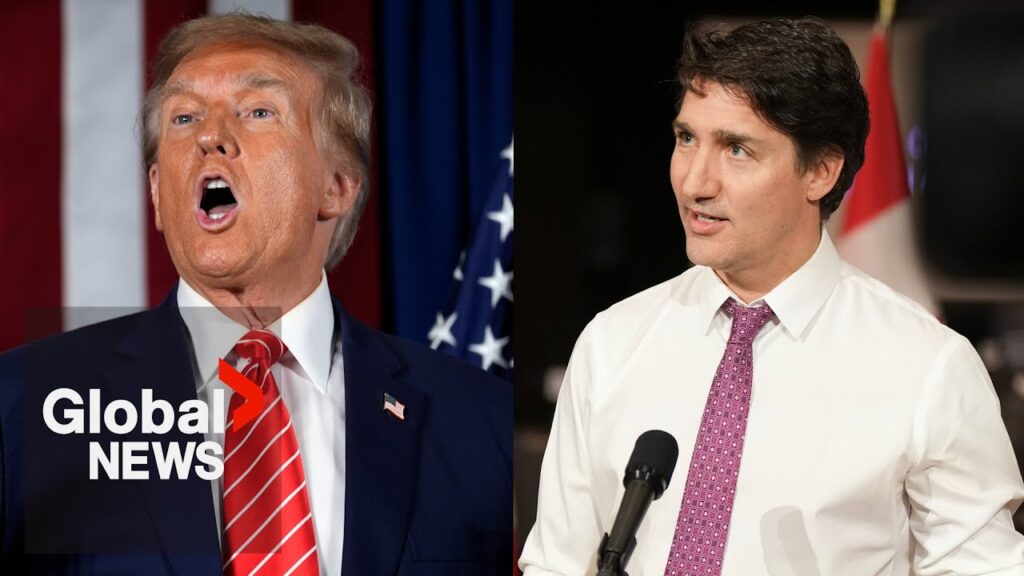
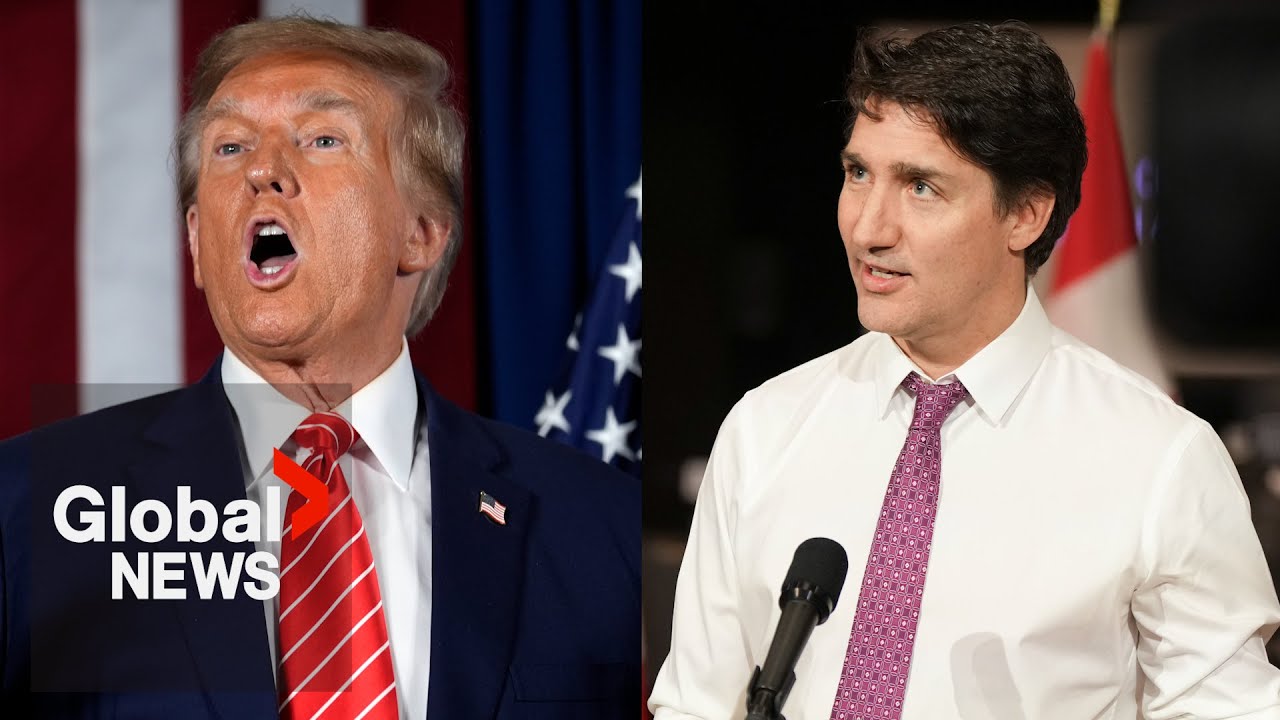
By Arun Kumar Shrivastav The US Presidential election is scheduled for 5 November 2024 while the Canadian elections to elect a new Prime Minister is expected to take place in October 2025. After Kamala Harris became Democratic Party nominee for the President in the upcoming election, Republican Party’s Donald Trump, who was seen as a […]

KUALA LUMPUR, MALAYSIA – Media OutReach Newswire – 2 September 2024 – The influence of presidential elections on financial markets is often temporary. Still, the psychological effect of elections on traders and investors can cause emotional and illogical behaviour, contributing to increased market swings. Apart from the White House, the Senate is also up for grabs this fall, and the balance of power inside the legislative branch […]

M A Hossain As the US presidential election approaches, Kamala Harris stands on the brink of making history. With approximately 70 days left in a compressed campaign, Harris is poised not only to become the first woman to ascend to the presidency but also to be the first president of Black and South Asian descent. Despite the significance of these firsts, Harris has made it clear that […]

Donald Trump’s foray into cryptocurrency has made headlines with the launch of his new venture, but the excitement has been tempered by a significant drop in Toncoin’s value and the sentencing of a bank CEO in a major scam case.

The launch of Trump’s new cryptocurrency project, the “DeFiant Ones,” marks a bold entry into the crypto market by the former President. This venture aims to offer decentralized financial solutions and attract investors with its promises of innovation and security. The project has garnered considerable attention, reflecting Trump’s continued influence and interest in emerging technologies. Despite this, the timing of the launch coincides with troubling news from the crypto world.

Toncoin, a prominent digital currency linked with the Telegram Open Network, has experienced a steep decline in value. The coin’s fall is attributed to a combination of regulatory concerns and market volatility, which have unsettled investors. The cryptocurrency’s drop has raised questions about the stability of newer digital assets and their susceptibility to market fluctuations. Analysts are closely monitoring the situation to gauge the long-term impact on Toncoin and similar projects.

Adding to the financial turbulence is the sentencing of a high-profile bank CEO involved in a cryptocurrency-related scam. The executive, who led a major banking institution, was sentenced to 24 years in prison for orchestrating a fraudulent scheme that deceived investors and embezzled millions. This case highlights the growing risks associated with cryptocurrency investments and the importance of regulatory oversight in the financial sector.

The convergence of these events underscores the volatility and complexity of the cryptocurrency market. Trump’s new project seeks to capitalize on the growing interest in decentralized finance, but it faces an environment marked by uncertainty and skepticism. Meanwhile, the Toncoin crash and the CEO’s sentencing illustrate the broader challenges facing the crypto industry, from regulatory pressures to fraudulent activities.

Investors and stakeholders are left navigating a landscape fraught with both opportunities and risks. As the crypto world evolves, the impact of these developments will likely shape future trends and regulatory approaches.

Vice President Kamala Harris emphasized the importance of maintaining the Federal Reserve’s independence, marking a clear contrast to the stance of her 2024 Republican rival, Donald Trump. This position was outlined during a speech, where Harris underscored her respect for the central bank’s autonomy, a principle that Trump has repeatedly challenged during and after his presidency. Harris’ remarks come as she gears up for the 2024 presidential […]

VISHNU RAJA
RYO YAMADA
HITORI GOTOH
IKUYO KITA