News related to
Trump’s

Elon Musk has announced the formation of the “America Party”, marking a definitive rupture with Donald Trump. The billionaire declared the project via a post on X, stating the party is “formed to give you back your freedom” and emerged in response to overwhelming support—by a two‑to‑one margin—expressed through a poll on his platform. This move comes after Musk condemned Trump’s “One Big Beautiful Bill”—a sweeping $3.3 trillion […]

By Nitya Chakraborty On the eve of the 17th BRICS Summit scheduled at Rio de Janeiro in Brazil on July 6 and 7, the ongoing discussions among the senior officials of the member countries for the preparation of the draft joint declaration from the Summit, are showing big divergence of views on the two major […]

JD. com and Ant Group have formally submitted proposals to the People’s Bank of China seeking approval for yuan-pegged stablecoin issuance, marking a key step in Beijing’s efforts to internationalise its currency. Ant Group is also preparing licence applications in Hong Kong and Singapore to deploy offshore renminbi stablecoins beyond mainland China.

The push comes after the Hong Kong legislature enacted a stablecoin licensing framework on 21 May 2025, with regulations taking effect from August. Under the new rules, issuers of Hong Kong dollar–referenced digital tokens must secure authorisation from the Hong Kong Monetary Authority. JD. com has suggested beginning issuance in Hong Kong before piloting operations in Chinese free-trade zones—a phased approach that has been met with encouraging feedback from regulators.

The strategic backdrop for this development includes a decline in the yuan’s share of global payments to 2.89% in May—the lowest in nearly two years—while dollar-pegged stablecoins control approximately 99% of the market. Former Bank of China deputy head Wang Yongli cautioned that unless yuan-based solutions gain traction, China could risk lagging behind if cross-border payments remain less efficient than dollar-denominated cryptocurrency options.

Ant Group’s global strategy is already in motion. Ant International aims to apply for licences under the new Hong Kong regime from 1 August, and then proceed to Singapore and Luxembourg. Meanwhile, JD. com intends to seek approvals in multiple major currency jurisdictions, citing ambitions to reduce cross-border settlement costs by up to 90% and speed up transaction times to under 10 seconds.

Hong Kong’s stablecoin ordinance emphasizes reserve management, redemptions and robust risk controls, operating on the principle of “same activity, same risks, same regulation”. The region’s new LEAP framework is designed to nurture asset tokenisation and stablecoin issuance, compelling global players to participate.

Remaining constraints on audience trust and onshore–offshore integration persist. China’s strict capital controls may hinder scalable adoption of offshore yuan stablecoins, and questions remain over transparency in reserve backing, redemption mechanisms, and potential surveillance—echoing critiques levelled against e‑CNY, China’s domestic central bank digital currency.

Nonetheless, analysts argue that successfully launching an offshore yuan stablecoin could enhance digital renminbi’s global footprint without conflicting with mainland crypto restrictions. It would offer exporters an alternative to dollar-linked tokens and deepen the yuan’s digital payment infrastructure.

President Trump’s support for dollar-pegged stablecoin regulation in the United States has accelerated momentum overseas. China’s tech giants appear intent on ensuring the yuan remains a competitive currency in the next-generation digital economy.

Key stakeholders, including Morgan Stanley and Crypto HK, suggest that Hong Kong could function as a vital testbed, providing a bridge between mainland policy and the global crypto market.

With licence windows opening this August and multi-jurisdictional applications in progress, the ball is now in the court of global financial regulators. Approval of these proposals could mark a significant shift in digital finance, elevating the yuan’s status in the evolving ecosystem of global trade and finance.

The U. S. House of Representatives will convene “Crypto Week” from 14–18 July to vote on three pivotal digital asset bills: the CLARITY Act, the Anti‑CBDC Surveillance State Act, and the GENIUS Act. This coordinated effort signals a major shift in federal crypto policy as lawmakers aim to clarify regulation, protect financial privacy, and foster blockchain innovation.

The CLARITY Act seeks to establish a definitive regulatory framework by delineating the roles of the SEC and CFTC, mandating the segregation of customer funds, and requiring enhanced retail disclosures. It has already passed through both the Financial Services and Agriculture Committees by decisive margins, reflecting bipartisan support and responding directly to industry demands for legal certainty.

The GENIUS Act, recently approved by the Senate in a strong 68–30 bipartisan vote, focuses on stablecoin regulation. It mandates that stablecoin reserves be held in high‑quality, liquid assets such as U. S. Treasuries, requires annual audits for issuers with over $50 billion in market cap, and clarifies regulatory oversight while allowing banks to issue their own tokens. The bill now awaits a House vote, with hopes of reaching the president’s desk by late July.

The Anti‑CBDC Surveillance State Act takes a definitive stance against a federally issued central bank digital currency, effectively prohibiting the Federal Reserve from developing or distributing a CBDC. Proponents frame it as a necessary measure to safeguard financial privacy and prevent potential government surveillance through digital currency systems.

Deputy Speaker Mike Johnson and committee chairs, including Financial Services Chair French Hill and Agriculture Chair GT Thompson, have emphasised that this legislative package aligns with former President Trump’s digital assets agenda — aiming to position the U. S. as a leader in crypto innovation. Johnson stated that the bills would deliver the full scope of that agenda, while Hill highlighted that the initiative would finally provide clarity for innovators, protecting both consumers and the broader digital economy.

Majority Leader Steve Scalise echoed the sentiment, saying the legislation would solidify the U. S.’s global leadership in digital assets. Minority voices have also weighed in: Majority Whip Tom Emmer described the moment as a “historic opportunity” to uphold “privacy, individual sovereignty, and free‑market competitiveness.” Senator Bill Hagerty voiced Senate support, noting the urgency of enacting these measures swiftly.

While the GENIUS Act has Senate backing, the CLARITY Act has faced scrutiny from Democrats and former regulators. Experts such as ex‑CFTC Chair Timothy Massad have warned that its provisions could be overly broad or convoluted, advocating instead for a collaborative regulatory approach between the SEC and CFTC. Concerns also persist among left‑leaning lawmakers that pairing the CLARITY Act with stablecoin regulation could stall progress, despite strong crypto industry support calling for their passage in tandem.

Lawmakers like Rep. Warren Davidson have promoted consolidating stablecoin, market‑structure, and CBDC ban measures into a single legislative package to ensure comprehensive reform. However, this strategy may encounter resistance in the Senate, potentially delaying the bills past the intended timeline.

The Senate’s passage of the GENIUS Act earlier this month reflected growing bipartisan agreement on stablecoin oversight but also revealed tensions over inclusion of Trump‑era cryptocurrency interests. Indeed, some critics have raised ethical questions about exempting the president’s family from the bill’s prohibitions on member profits, and the influence of Trump‑linked ventures that reportedly earned tens of millions from crypto operations.

Despite these controversies, House Republicans are pushing ahead with “Crypto Week” as a gateway to shaping U. S. cryptocurrency policy. The CLARITY Act furthers efforts made under the FIT21 digital asset law passed in May 2024, which established initial delineation of regulatory authority.

As 14 July approaches, industry stakeholders, advocacy groups, and congressional offices are bracing for intense debates. Passing these bills could redefine market structures, unlock stablecoin innovation, and reinforce constitutional privacy rights—or it may start a protracted legislative battle over oversight, accountability, and the future role of federal oversight in digital currencies.

Ukrainian President Volodymyr Zelensky has formally stated he is prepared to meet Russian President Vladimir Putin in person to negotiate a ceasefire and work towards ending the conflict. He emphasised that a direct encounter between the two leaders is the only path to a meaningful halt in hostilities. Zelensky’s announcement follows previous calls for a 30‑day ceasefire that would hold until a summit could be arranged between him and […]

By K Raveendran President Donald Trump’s latest volley in the global economic battleground — a proposal to impose a 500 percent tariff on countries that do business with Russia — marks the continuation of a pattern that has come to define his trade diplomacy: bold, blustering declarations followed by strategic backpedalling. The move, targeted at […]

U.S. former President Donald Trump has announced that a group of “very wealthy people” is set to acquire TikTok’s U.S. operations, with identities expected to be disclosed in approximately two weeks. He stated that the sale would likely require approval from China’s President Xi Jinping, whom he anticipates will greenlight the transaction.

This development follows an extension of the deadline — now set for mid‑September — under a 2024 law mandating that ByteDance divest its U.S. TikTok assets or face a ban. Trump granted this third 90‑day reprieve on 19 June, citing negotiations and U.S. investors’ desire to maintain the app while safeguarding American user data.

The Protecting Americans from Foreign Adversary Controlled Applications Act, passed in April 2024, requires a “qualified divestiture” or risk removal from U.S. app stores. ByteDance challenged it in court, but the Supreme Court upheld its constitutionality in January 2025. TikTok was removed temporarily before Trump’s administration issued executive orders delaying its enforcement.

Trump reversed his earlier stance — once favouring a complete ban — after gaining a large TikTok following during his 2024 campaign. He credited the platform with boosting his appeal among younger voters.

A consortium led by Oracle, with interest from firms such as Blackstone, Amazon and Walmart, reportedly lost momentum this spring when China refused to approve the proposed transaction. The impasse was linked to Trump’s threat of tariffs, used as negotiating leverage.

Several potential bidders have emerged in the course of discussions. Notably, real‑estate magnate Frank McCourt has confirmed he remains ready to support a $20 billion bid through his group, Project Liberty. Other names associated with interest include Kevin O’Leary, former Activision Blizzard CEO Bobby Kotick, YouTuber Jimmy Donaldson — known as MrBeast — and former Treasury Secretary Steve Mnuchin.

Negotiations have involved U.S. Vice‑President J.D. Vance’s office and TikTok, which has pledged to continue working with U.S. officials and expressed gratitude for the extensions. ByteDance has stated that any deal would require compliance with both U.S. and Chinese legal frameworks.

As the mid‑September Reuters‑mandated deadline approaches, Trump’s timeline for announcing the buyer coincides with intensifying public and legal scrutiny. Critics, including Senator Mark Warner, argue that repeated extensions exceed presidential authority and compromise U.S. national security.

Trade expert Joel Thayer noted that even if the app is sold without its proprietary algorithm, the core TikTok experience could remain affordable — possibly undervalued compared to its full potential.

Approval from China remains the primary hurdle. Trump said securing Xi Jinping’s consent will be vital to finalising the transaction. Analysts suggest that any concessions — including a rollback of U.S. tariffs — may be part of a broader trade‑off tied to China’s agreement.

TikTok continues to operate in the U.S. ahead of the deadline, with its managers asserting commitment to user safety and asserting they have no intention of relinquishing presence in the market.

Advertisements

Senate Republicans have advanced a version of President Trump’s sweeping tax and spending bill that would accelerate the end of several clean‑energy incentives, prompting fierce criticism from Elon Musk, who warned the proposal threatens millions of jobs and harms future industries. The legislation aims to eliminate the federal $7,500 tax credit for new electric vehicles and a $4,000 credit for used models by September 30, 2025, and […]

The U.S. dollar has slumped by more than 10 per cent year‑to‑date, marking its most severe first‑half decline since the mid‑1980s, as global investors pull back from dollar‑denominated assets amid doubts over U.S. economic policy and rising interest in alternatives such as cryptocurrencies.

Institutional investors across Europe and Asia are leading a broad sell‑off. European pension funds and insurers have slashed dollar‑asset exposure to levels unseen since 2022, primarily through equity divestment, while Asian bondholders have been unwinding fixed‑income positions.

Market watchers identify multiple bearish drivers: weakening Federal Reserve credibility under the spectre of political interference, dovish statements signalling potential rate cuts, and concerns over President Trump’s tariff posture and mounting debt. These factors have undercut confidence in the dollar’s role as the premier global reserve asset.

Declining yields on U.S. Treasuries have narrowed their appeal, prompting asset shifts toward Europe and emerging markets and feeding a broader investor rotation away from dollar‑centric investments. Cash strategists at Bank of America report that the net underweight position on the dollar is the most significant in two decades, signalling widespread repositioning.

Despite periodic reprieves, market technicals remain weak. The ICE U.S. Dollar Index, trading around the high‑90s, broke key support levels, triggering technical patterns that suggest further downside unless a strong reversal emerges.

The dollar’s weakness is also fueling a surge in alternative assets. Cryptocurrencies like Bitcoin have rallied, with analysts highlighting an inverse correlation to the dollar’s performance. Gold and select equities in Europe and Asia have benefited from the reallocation of capital.

Echoes of the mid‑1980s Plaza Accord era are notable, when coordinated efforts led to a sharp devaluation of the dollar. However, experts caution that the current environment reflects deeper structural trends: geopolitical uncertainties, shifting reserve currency strategies, and Asia’s growing role in capital flows.

Some analysts argue that short‑term technical bounce possibilities exist, especially if U.S. economic indicators outperform or geopolitical tensions rekindle risk‑off flows. Yet, the prevailing consensus points to a prolonged adjustment period, as “short dollar” bets remain deeply entrenched among fund managers.

The dollar’s slide has implications beyond currency markets. Weaker dollar conditions typically ease financial constraints for emerging economies with dollar-denominated debt, support commodity prices, and influence global trade balances. Conversely, U.S. consumers may experience elevated import costs.

Attention now shifts to key catalysts: upcoming Fed commentary, U.S. inflation and employment data, and whether the administration proceeds with proposed tariffs or investment taxes that could further unsettle international investor sentiment.

U.S. President Donald Trump has announced that American and Iranian officials will meet next week to discuss Tehran’s nuclear ambitions, following a concerted military campaign that he claims has effectively neutralised key Iranian enrichment facilities. The announcement came at the NATO summit in The Hague.

Trump defended the use of bunker-busting bombs against the Fordow, Natanz and Isfahan sites, asserting they had been “obliterated” and describing the bombing campaign as a decisive blow to Iran’s nuclear programme. He struck a triumphant tone, crediting the strikes with hastening the end of the 12-day conflict between Israel and Iran, though he expressed reservations about formalising a diplomatic agreement: “We may sign an agreement. I don’t know, to me, I don’t think it’s that necessary,” he told reporters.

U.S. intelligence assessments, however, diverge on the scale of success. A preliminary report from the Defence Intelligence Agency concluded the setbacks to Iran’s nuclear efforts might be limited to a matter of months, not years. CIA Director John Ratcliffe affirmed that the programme had been “severely damaged” but stopped short of declaring it destroyed. Israeli officials estimated the setbacks to be multi‑year, while the International Atomic Energy Agency emphasised uncertainties over Iran’s stockpile and called for robust inspections.

Diplomatic activity has meanwhile resumed. This U.S.–Iran meeting will follow six rounds of indirect talks mediated by Oman and Italy, which collapsed in mid‑June as the military confrontation intensified. Earlier this week, European envoys from the E‑3—France, Germany and the UK—engaged in direct negotiations in Geneva with Iran’s Foreign Minister Abbas Araghchi. Those discussions aimed to bridge differences after stalled U.S. efforts.

White House special envoy Steve Witkoff reiterated red‑line U.S. stipulations ahead of next week’s meeting: Tehran must renounce nuclear weaponisation and accept restrictions on uranium enrichment. He noted the U.S. is open to crafting a comprehensive peace framework, building on what Trump described as a de‑escalation following “a victory for everybody”.

From Tehran, Iranian officials have not confirmed next week’s meeting but emphasised national security. The Iranian parliament accelerated a bill to suspend cooperation with the IAEA, pending guarantees for the safety of nuclear infrastructure targeted in the strikes. Parliament Speaker Mohammad Bagher Qalibaf accused the IAEA of failing to condemn the U.S. attack. Meanwhile, IAEA Director General Rafael Grossi urged renewed inspections to clarify the status of enriched uranium moved before the bombings.

Regional and global actors are also weighing in. France has called for robust diplomacy to carve a sustained peace path. China has echoed the call for diplomatic restraint. Israel hailed the strikes as a critical setback to Iran’s programme; Israeli Prime Minister Benjamin Netanyahu endorsed Trump’s strong posture and emphasised the need to keep pressure on Tehran.

Analysts note the gravity of waging diplomacy in the shadow of military action. One specialist observed that while bombings may degrade enrichment infrastructure, they can complicate trust and cooperation needed for inspections and verification. Moreover, uncertainty lingers over the status of highly enriched uranium caches. Rebuilding diplomatic channels will require assurances, reciprocal transparency, and a mutual understanding of consequences.

Trump has warned that if Iran attempts to rebuild its nuclear programme, the U.S. is prepared to act again: “Sure,” he said when asked about further strikes. Yet the pendulum has swung toward a blend of military deterrence and diplomatic engagement.

As next week’s talks approach, key questions remain: who will represent each side, where the dialogue will occur, and whether the focus will be solely nuclear constraints or broader regional stability. White House administration officials have yet to disclose details, but the U.S. envoy confirmed Washington’s intent is to establish a framework that could replace the 2015 agreement.

Trump also signalled openness to exploring a bilateral relationship beyond nuclear confines: “We’ll end up having something of a relationship with Iran,” he said, as long as Tehran adheres to non‑weaponisation terms.

As the diplomatic window opens under the spectre of military force, the world watches to see whether this fragile blend of coercion and conciliation can unfold into a sustainable agreement—one that might ensure Iran never pursues nuclear weapons and stabilises a volatile region.

A U.S. intelligence assessment indicates that the air strikes on Iran’s nuclear facilities, including Fordow, Natanz and Isfahan, have damaged above-ground structures and access points but left underground enrichment infrastructure and uranium stockpiles largely undisturbed. The report by the Defence Intelligence Agency projects only a temporary setback—measured in months—to Iran’s nuclear programme, challenging assertions by the White House that the sites were “totally obliterated”.

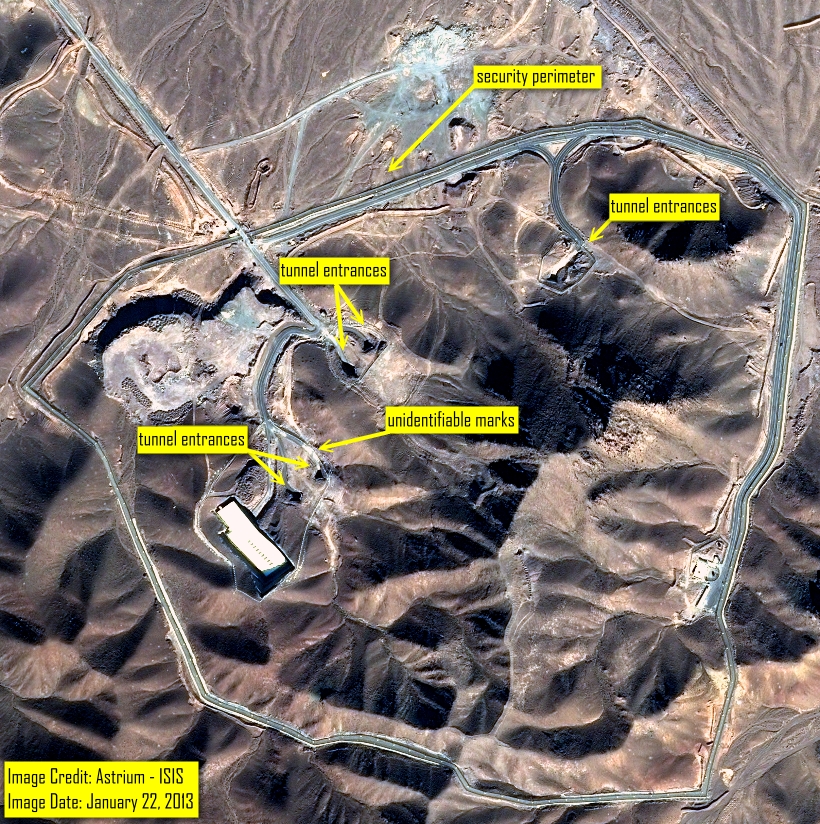
Satellite imagery released after the strikes on 22 June shows craters and blocked entrances at Fordow, where bunker-busting Massive Ordnance Penetrators reportedly hit ventilation shafts, yet analysts emphasise that the subterranean halls housing centrifuges lie too deep to evaluate via overhead visuals. WMD experts note that centrifuges are “extremely vibration-sensitive”, suggesting potential internal damage, but absent on-site inspection, the extent remains uncertain.

The United Nations nuclear watchdog, the International Atomic Energy Agency, has urged renewed inspections at the sites. Director-General Rafael Grossi told an emergency Board of Governors session that significant underground damage was plausible, yet only rigorous inspections can confirm impact and assess stockpiles of enriched uranium, including the 400 kg of material enriched to 60 percent purity.

The DIA report also confirms that Iranian authorities pre-positioned crucial nuclear materials and equipment prior to the air campaign. High-resolution satellite images captured extensive vehicle activity—bulldozers, trucks and sealed tunnel exits—on 19–21 June, indicating a deliberate evacuation of enriched uranium and centrifuges. Analysts speculate this operation undercut the campaign’s intended impact, preserving Iran’s capacity to resume enrichment and reconstitution of its nuclear programme with comparative ease.

The White House disputes the DIA’s findings. Press Secretary Karoline Leavitt described the intelligence leak as “flat‑out wrong”, citing the precision of the bombing campaign and reiterating President Trump’s declaration of a “perfectly executed mission” and “total obliteration” of Iran’s nuclear infrastructure. Similarly, the Pentagon backs the President, contending that USAF and Navy strikes, featuring B‑2 stealth bombers flying 37‑hour missions deploying MOPs, decisively hit their targets.

Despite official optimism, several non-proliferation experts question whether the attacks achieved strategic success. David Albright, president of the Institute for Science and International Security, asserted that while imagery suggests severe impact at Fordow, conclusive assessment requires internal access. Jeffrey Lewis and other analysts emphasise that intact uranium stockpiles, even if held at other sites, provide Iran with a largely intact nuclear baseline.

The conflict has escalated beyond the nuclear dimension. Intermittent Iranian missile and drone fire has targeted U.S. and allied bases in the wider Middle East, prompting a U.S.-brokered ceasefire between Iran and Israel, while global oil prices fluctuated amid tensions.

IAEA technical teams have not yet been able to return to the sites. Grossi reminded parties that uninterrupted oversight is essential for both verifying the damage and ensuring no material has been diverted for weapons purposes. Iran has not formally objected to future inspections, although parliamentary figures have suggested curbs on IAEA activity if international hostility continues.

Assessment of long‑term outcomes remains contested. Pro‑strike voices argue that disrupting operations, even temporarily, imposes significant costs on Iran’s programme architecture. Critics warn that such tactics could drive Tehran’s nuclear scientific talent further underground or accelerate development of redundant facilities.

Meanwhile, intelligence officials and non‑proliferation authorities emphasise that blunts, quarterly backtracking cannot substitute for diplomacy. Restoring negotiations with Iran, potentially via intermediaries including the IAEA, remains the keystone for ensuring non‑weaponisation and preventing recurrence.

The DIA characterises damage as limited to “core components and stockpiles”—an interpretation not aligned with politically driven portrayals of mission success. As conflict fatigue weighs on global observers, the effectiveness of military action in halting nuclear proliferation faces renewed scrutiny.

Israeli defence minister Israel Katz declared late on 24 June that he had ordered the Israel Defence Forces to resume “high‑intensity operations” against regime targets in central Tehran. The announcement followed allegations that Iran had launched missiles into Israeli territory, in what Tel Aviv described as a blatant breach of a United States‑mediated ceasefire unveiled just hours earlier by President Donald Trump.

Trump had proclaimed a “complete and total ceasefire” on Truth Social, explaining that Iran would halt strikes first, followed by Israel, in a phased arrangement ending after 24 hours. Within three hours of that declaration, Israel alleged that Iran launched missiles toward its southern regions, prompting Katz’s directive to strike key Iranian infrastructure.

Contradicting Israel’s account, Tehran’s ISNA student news agency denied firing any missiles post‑ceasefire. Iranian foreign minister Abbas Araghchi had earlier stated that Tehran would cease retaliatory actions—conditional on Israel halting operations by 04:00 Tehran time, a condition that purportedly lapsed minutes before hostilities were to pause.

President Trump, addressing the situation on social media, urged both nations to honour the agreement and warned against any violations, offering his oversight as guarantor of the pledge. His announcement followed the deployment of U.S. B‑2 bombers striking three Iranian nuclear sites, and a symbolic retaliatory missile strike from Iran against a U.S. base in Qatar—strikes reportedly calibrated to minimise escalation.

Despite conflicting claims, available evidence indicates a spike in missile exchanges. According to Reuters, Israel’s southern city of Beersheba was hit, resulting in at least four fatalities, while various townships experienced temporary power outages after sirens sounded across the region as Iranian missiles streaked overhead.

Tehran mourned significant civilian losses, with over 10 Israelis killed and more than 250 injured during Iran’s earlier onslaught, which included bombardments on central and southern Israeli regions. Meanwhile, Israel took credit for eliminating senior Iranian military personnel and striking strategic nuclear and missile infrastructure; Benjamin Netanyahu celebrated Israel’s success in degrading what he described as a dual existential threat posed by Iran’s capabilities.

Regionally, Qatar responded strongly, summoning Iran’s ambassador and condemning the attack on U.S. forces at Al Udeid Air Base as a violation of its sovereignty and international law. Saudi Arabia expressed hope that all parties would uphold the ceasefire and de‑escalate.

International markets reacted positively to the ceasefire’s initial announcement. Oil prices dropped, and equities rallied on optimism that the conflict in the Strait of Hormuz might ease—although the renewed strikes quickly revived fears of a wider conflagration.

Experts scrutinise the long‑term viability of the truce. Some analysts suggest installation damage to Iran’s nuclear programme may be reversible, with Iran’s leadership determined to rebuild. Others view the U.S. use of bunker‑buster bombs and Israel’s strategic targeting of Iranian deterrents as potential deterrents that may delay a rapid resurgence.

On the political front, Trump is leveraging the declared ceasefire as a foreign‑policy milestone ahead of an imminent NATO summit. Netanyahu affirmed Israel would respond forcefully to any violations. Tehran warned that its military exercise would persist unless the bombing ended, contending that it acted to “punish Israel for its aggression until the very last minute”.

As global attention turns to negotiations, Qatar’s mediation role and U.S. involvement loom large. The deal remains tentative, with both Israel and Iran accusing each other of breaking terms, and uncertainty surrounding whether Trump’s phased ceasefire timeline will endure.

U.S. President Donald Trump has announced a “complete and total” ceasefire between Israel and Iran, set to begin within hours, marking what he described as the end of a 12‑day war. The plan envisages Iran initiating a 12‑hour ceasefire, followed by a reciprocal Israeli hiatus, concluding with a full cessation of hostilities.

Trump’s statement on his social media platform outlined a phased process: Iran will commence the ceasefire after winding down its final missions, followed by Israel 12 hours later, and after 24 hours the war will be declared over. He praised both nations for their “stamina, courage, and intelligence” and characterised the agreement as a significant step towards lasting peace.

The announcement follows a dramatic escalation in regional tensions. Israel launched military strikes on Iranian nuclear facilities in response to Iran’s uranium enrichment activities. Tehran retaliated by firing up to 14 missiles at the U.S.-operated Al Udeid Air Base in Qatar. While 13 were intercepted and one deviated off course, no U.S. personnel were harmed—a fact President Trump described as a “very weak response.”

Despite global concerns over escalation, including warnings from France and other Western capitals, market responses have remained muted. Oil prices dropped approximately 7% in anticipation of de‑escalation, while equity markets posted modest gains.

Though the ceasefire announcement has generated optimism, it remains unverified by Israeli or Iranian leaders. As of now, neither government has publicly confirmed their commitment to the arrangement. Al Jazeera noted the absence of official statements from both sides.

The U.S. role in brokering this agreement highlights Trump’s assertive posture. He denied prior suggestions that France’s Emmanuel Macron had brokered such a deal, countering that the ceasefire plan was “much bigger than that.” Analysts warn that trust between Israel and Iran remains fragile, requiring robust verification mechanisms and potentially third-party monitoring to sustain the fragile peace.

European diplomats, including those from France, Germany and the UK, have previously urged for de‑escalation after U.S. strikes, facilitating a clash of diplomacy and military brinkmanship. Trump has also floated the prospect of regime change in Iran under the slogan “Make Iran Great Again,” sparking concerns about the endgame and durability of U.S. involvement.

In Washington, debate has emerged regarding U.S. aims. Trump’s advisors say the administration does not seek regime change, yet the use of the slogan and his rhetoric suggests otherwise. Critics warn that pushing Iran into further isolation could spark domestic instability in Tehran.

Regions across the Gulf remained on high alert during the conflict. Airspace closures in Qatar, Bahrain, and Kuwait affected international travel. Qatar has since reopened its skies following coordination with regional authorities. Countries in the region—Saudi Arabia, the UAE, and France included—expressed deep concern and reinforced calls for dialogue and restraint.

Security analysts note that the potential for a broader conflagration, particularly in the Strait of Hormuz, persisted until the ceasefire announcement. Iran’s parliamentary body had discussed strategic deterrents, including the possibility of closing the strait, a move that could severely disrupt global oil supplies. The upcoming hours will be decisive in determining whether the ceasefire is respected or if underlying tensions reignite.

The absence of casualties on either the U.S. or Israeli side contrasts with reported losses in Iran and Israel. Israeli strikes reportedly killed several hundred Iranians, including Revolutionary Guard members, while Iran was testing its limited retaliatory capabilities.

Infrastructure damage in both nations has been notable though not crippling. On the Iranian side, Tehran’s Evin prison and Revolutionary Guard sites bore the brunt of Israeli air raids; on the Israeli side, civilian infrastructure has remained largely intact, shielded by missile defence systems such as Iron Dome.

Stock markets and global commodity prices will closely monitor the ceasefire’s implementation. Should it hold, analysts suggest stability may regain foothold and prices may further retreat. However, any violation could push markets back into turmoil.

Diplomatically, Europe appears keen to reaffirm diplomatic channels. The EU and UN are reportedly preparing statements urging verification and offering mediation. Russia and China have also urged parties to uphold the ceasefire and avoid widening the conflict.

The next 24 hours are critical. The phased ceasefire hinges on mutual restraint and credible enforcement measures. U.N. observers or allied forces may be deployed to Tehran and Tel Aviv to verify compliance. Confirmation of Iran’s opening of its airspace and Israel’s military stand‑down orders will be key signals.


Oil markets swung sharply following the US Air Force’s striking of Iran’s Fordow, Natanz and Esfahan nuclear facilities on 21 June, triggering a fresh wave of geopolitical risk. Brent crude futures jumped over 11 per cent earlier this week after Israeli attacks, and traders are now preparing for further price volatility once global trading resumes.

President Trump described the operation as a “spectacular military success” and warned that more targets await if Iran does not seek peace. The US employed six B‑2 bombers laden with GBU‑57 “bunker‑buster” bombs—ordnance only capable of penetrating Fordow‘s deep underground vaults. Natanz and Esfahan were also hit, reportedly using Tomahawks from submarines.

Market analysts warn that disruption to Iran’s 2.5 million barrels per day export capacity, plus the threat of a shutdown of the Strait of Hormuz, would lift risk premiums sharply. Oxford Economics estimates oil could reach $130 a barrel if Iran decides to close the Strait, sending inflation soaring.

Investors are preparing for turbulence in equities and a rush towards safe-haven assets like the US dollar and gold. Potomac River Capital’s CIO, Mark Spindel, warned of markets being “initially alarmed” with heightened volatility continuing until the extent of the damage is confirmed.

Global markets have seen mixed signals: while crude prices surged up to 18 per cent since Israel’s June 13 raids, equities such as the S&P 500 have remained relatively steady. Predicting a deeper sell-off may depend on whether Iran follows through with threats — including disrupting the Strait, leveraging regional proxies, or escalating cyber campaigns.

Iran’s official response has been defiant rather than conciliatory. Tehran’s Atomic Energy Organisation assures no radiation has been released, and lawmakers claim the damage is superficial and repairable. Iran’s foreign ministry has labelled the strikes “outrageous” and cautioned that the consequences will be “everlasting”.

Global leaders have voiced alarm. New Zealand’s foreign minister urged all parties to “de-escalate and return to diplomacy”, while Australia and Mexico emphasised restraint and dialogue. Venezuela and Cuba condemned the strikes as violations of international law, calling for immediate halt to military action.

Oil market specialist Saul Kavonic warns Brent could move towards $100 a barrel “depending on Iran’s retaliation”. While Saudi output increases may buffer short-term shortages, traders recognise that any direct counterstrike on Gulf tanker routes or infrastructure would compound risk.

The destruction of key nuclear enrichment sites may set back Iran’s nuclear programme temporarily. Yet experts caution that the regime’s scientific expertise cannot be fully neutralised and the damage might harden Tehran’s resolve to pursue a bomb. This may also hinder diplomatic engagement, as Iran could withdraw from the Nuclear Non‑Proliferation Treaty and cease cooperation with the IAEA.

In financial hubs and oil centres from London to Shanghai, traders are reviewing risk models, stress-testing portfolios and hedging energy exposure. Asian markets, heavily reliant on Gulf crude, could face inflationary pressure if shipping routes are disrupted.

A key question now is whether the United States and its allies will pursue further strikes or shift to diplomatic pressure. Trump’s administration insists that Iran now has a binary choice: embrace peace or face further “precision” strikes. Critics warn that without congressional authorisation, deeper military involvement risks entangling the US in a long-term Middle East conflict.

By K Raveendran Last week shattered any lingering illusions about the supposedly robust camaraderie between Prime Minister Narendra Modi and former U.S. President Donald Trump—a relationship that had been paraded for years as emblematic of India’s rise on the global stage. The myth of a strategic friendship, carefully choreographed across Howdy Modi rallies and effusive […]
By Nitya Chakraborty The Israel-Iran war which entered its eighth day on Friday June 20 witnessed some major developments in the last 24 hours frustrating Tel Aviv’s desperate bid to speedily finish off its task of destroying Iran, especially Teheran. Chinese President Xi Jinping talked to Russian President Vladimir Putin late Thursday on the joint […]

Donald Trump’s family has quietly reduced its stake in World Liberty Financial, the crypto venture closely tied to his business and political interests, trimming its holding from 60 per cent to 40 per cent after June 8. The move marks a significant shift in the family’s involvement in the blockchain sector.

The reduction in equity coincided with a rising valuation for WLF, which earlier sold US$550 million in its native $WLFI tokens and has attracted substantial foreign investments, including a US$2 billion infusion from a UAE-backed entity using its stablecoin USD1 for Binance transactions. Analysts estimate the 20 per cent stake sale could have fetched around US$190 million, with approximately US$135 million potentially going to Donald Trump personally.

World Liberty Financial, launched during the 2024 election cycle, has been a central hub of the Trump family’s crypto strategy. The firm is a decentralised finance protocol that aggressively markets its connection to Trump, listing him as “chief crypto advocate” and involving his sons in senior Web3 roles. Under its structure, Trump-linked entities capture 60 per cent of ownership and 75 per cent of token sale revenues.

The firm’s high-profile stablecoin USD1, launched in March 2025, swiftly became one of the top five global stablecoins, with a circulating supply exceeding US$2 billion by April. In May, the WLF stablecoin was chosen by an Abu Dhabi investment fund to purchase US$2 billion in Binance shares—a deal criticised for merging private enterprise and diplomatic influence.

Critics have raised concerns that the share reduction, lacking any formal announcement, typifies the project’s secretive nature and the family’s opaque handling of crypto profits. DT Marks DEFI LLC—an entity renamed from DT Tower II LLC in 2024 and fully owned by Trump family—holds the WLF stake. Ownership structure has branched out to include Don Jr., Eric, and Barron Trump, each holding minor positions alongside their father within the DEFI entity.

The lack of disclosure prompted scrutiny, and no official response has emerged from the Trump Organisation or WLF regarding the transaction. This latest move mirrors an earlier reduction in January 2025, when the family lowered its control from 75 per cent to 60 per cent.

The pivot comes amid intensifying criticism of World Liberty’s entanglement with state and family interests. Steve Witkoff—Trump’s Middle East envoy—is linked to key dealmaking, with his son Zach co-founding WLF. Their collaborative efforts to court foreign investment from UAE and Pakistan have sparked concern over potential conflicts between diplomatic roles and private profit. Legal experts and ethicists question the blending of public service and personal gain in a venture that funnels income to the Trump and Witkoff families while concurrently lifting Trump administration deregulatory actions on digital assets.

The share reduction enters a broader regulatory moment. The US Senate recently passed stablecoin legislation that may reshape legal frameworks around such assets, while Circle, a peer stablecoin issuer, saw its valuation spike—heightening investor comparisons with WLF. With global crypto markets in flux and the Trump-linked coin ecosystem expanding, the timing of the sale aligns with strategic portfolio recalibration.

World Liberty continues to promote itself as the “official” Trump crypto brand, prompting its legal team to issue cease-and-desist directives against unauthorised token imitations. There is no indication that the stake reduction signals a retreat; rather, it appears to be a calculated liquidity event amid heightened scrutiny and shifting valuations.

U.S. President Donald Trump has appealed directly to the House of Representatives to pass the GENIUS Act—a bipartisan stablecoin regulation bill cleared by the Senate—without any amendments or delays, stressing that it will position the country as the “undisputed leader” in digital assets.

The Senate passed the bill on 17 June with a decisive 68‑30 vote, supported by senators from both parties. It introduces stringent rules for stablecoin issuance, including full backing of coins with liquid reserves and monthly disclosures of reserve compositions, alongside audit and Treasury oversight provisions. Trump openly praised the legislation, calling it “pure genius” and urging House Republicans to advance a “clean” version so it reaches his desk before Congress breaks for its August recess.

Major market players reacted positively. The approval spurred significant gains in related equities: shares of Circle Internet, issuer of the USDC stablecoin, surged between 16% and 27%, reflecting investor optimism for regulatory clarity and mainstream token adoption.

The GENIUS Act’s framework mandates that only permitted issuers—such as banks or federally approved payment companies—may issue stablecoins for U.S. users. It requires a one‑to‑one reserve ratio in U.S. dollars or Treasuries and monthly public disclosures about reserve composition. Additionally, it introduces safeguards for consumer protection and bankruptcy protocols prioritising stablecoin holders. Large issuers will have to undergo annual audits, and the bill prohibits stabilecoin ownership by Congress members, though it excludes the President and Vice President.

While Trump’s endorsement reflects his broader pro-crypto pivot—underscored by investments like Bitcoin, policy appointments, and support from his digital-assets advisory council—critics have flagged potential conflicts of interest. Trump and his family hold substantial stakes in crypto ventures including World Liberty Financial and its USD1 stablecoin, having earned tens of millions in 2024. Critics stress that exemption of the President from the bill’s conflict-of-interest ban leaves a loophole that some fear could be exploited.

Senators on both sides celebrated the bill. Republican sponsor Bill Hagerty described it as a “paradigm-shifting development” that moves the U.S. toward global leadership in crypto. Senate Banking Chair Tim Scott described it as “the most significant digital assets legislation ever to pass the U.S. Senate”. Treasury Secretary Scott Bessent projected that the bill could expand the stablecoin market to $3 trillion‑plus by decade’s end.

Nonetheless, the path ahead is not without hurdles. Some Democrats, including Elizabeth Warren, Jeff Merkley and others, raised objections during Senate negotiations, warning the bill could grant a “super‑highway for corruption” and fails to curtail potential for big tech firms entering the stablecoin market. Senate negotiators incorporated numerous amendments to secure support, but key concerns remain unresolved.

Senior officials in Washington have quietly activated contingency plans for military strikes against Iranian nuclear facilities, marking a dramatic shift in US posture amid escalating Israeli–Iranian hostilities. According to multiple reports, including Bloomberg and Reuters, the White House and Defence Department are preparing the operational infrastructure needed to engage Tehran directly.

President Donald Trump, speaking on 18 June outside the White House, offered only ambiguity: “I may do it. I may not do it… nobody knows what I’m going to do.” Meanwhile, senior US generals, defence secretaries and intelligence chiefs are said to be readying federal agencies for a possible weekend strike. Forces in the Middle East have been repositioned; aircraft and ships have been moved from bases such as Al‑Udeid in Qatar and Bahrain’s Fifth Fleet port to reduce vulnerabilities.

Sources indicate that the primary target could be Iran’s underground Fordow uranium enrichment plant — a hardened bunker facility situated within a mountain and long deemed beyond Israel’s military reach without US bunker‑busting capacity. With Israel continuing airstrikes on Iran as part of ‘Operation Rising Lion’, analysts assess that a US strike would dramatically escalate the conflict.

Within the White House, debate is intensifying. The New York Times and Washington Post report that Trump, influenced by hawkish advisors such as Senator Lindsey Graham and defence chiefs, has signed off on strike plans but is awaiting final approval. His delay aims to allow Iran a final diplomatic window — offering a chance to curb uranium enrichment before force is used.

Opposition persists even within Trump’s own camp. A divide between hawks, advocating for decisive action, and MAGA-aligned isolationists, including Vice President Vance and media figure Tucker Carlson, highlights the internal tug-of-war shaping presidential decision‑making. Trump has underscored this dynamic: advisors like Gen. Dan Caine and CIA Director John Ratcliffe have pressed for a more aggressive stance, while isolationists urge restraint.

Politically, the administration faces calls for a formal congressional mandate. Critics argue the Constitution requires authorisation for military action beyond self‑defence; proponents counter the urgency of neutralising Iran’s perceived nuclear threat demands swift action.

Diplomacy continues in parallel. The UK, France and Germany are convening in Geneva to press Iran on de-escalation — a track the US has distanced itself from. Tehran has responded with warnings to Washington, promising strong retaliation if US forces become involved.

Markets have reacted with caution. Observers note fears of a broader Middle East conflict, amplified oil price volatility, and rising inflationary risks tied to increased military spending. Central banks, notably the Federal Reserve and Bank of England, must weigh geopolitical shocks alongside inflation outlooks.

On the ground, Israeli airstrikes have continued across Iran, targeting nuclear infrastructure including Arak and Natanz, with over 1,100 sites reportedly struck since mid‑June. Iran has launched multiple missile barrages at Israeli territory; civilian casualties are said to be in the hundreds on both sides.

The timing of any US strike remains uncertain. Sources cite a possible weekend window, with final orders likely to be issued at the last moment. Pentagon leadership, including SecDef Hegseth and Gen. Caine, are expected to have operational control, while the president retains final authority.

As conflicting pressures swirl — military readiness, strategic diplomacy, domestic political debates — all eyes are on whether President Trump will strike at Iran’s underground sites or continue hedging amid rising global risk.

The U.S. Senate has enacted the GENIUS Act, the first-ever federal framework for regulating dollar‑pegged stablecoins, with a decisive 68–30 bipartisan vote on 17 June 2025. Eighteen Democrats joined Republicans in supporting the legislation, which now advances to the House and is expected to reshape Washington’s digital asset rules.

The bill mandates that stablecoin issuers back tokens with liquid assets such as U.S. Treasuries, require regular financial disclosures and adhere to anti‑money‑laundering measures. It grants banks the authority to issue stablecoins, while explicitly restricting executive branch officials and legislators from sharing in their profits—a direct response to concerns over conflicts of interest.

A surge in crypto-sector investment in political campaigns appears to have shifted momentum. Industry spending topped $119 million in support of pro‑crypto congressional candidates during the 2024 cycle. Lobbyists then intensified efforts to engage Democratic lawmakers, viewed as essential for reaching the 60-vote threshold in the evenly divided Senate.

Internal communications among Democratic operatives reveal strategic alignment with crypto backers. In a private group chat described in reporting by the Lever, coalition members acknowledged that, despite ethical concerns, opposing the industry would be “political suicide.” One member reportedly observed that any amendment targeting Trump‑family conflicts would be “DOA,” suggesting token amendments offered for optics rather than impact.

Legislators including Senator Elizabeth Warren have voiced misgivings, arguing that the bill inadequately shields consumers or addresses risks associated with big‑tech or foreign‑issued stablecoins. She contends it grants too much leeway to the likes of former President Donald Trump’s crypto ventures, such as the Trump memecoin and World Liberty Financial.

The crypto lobby’s efforts have extended beyond campaign funding to retention of influential political operatives. Coinbase, for instance, recently appointed veteran Democratic strategist David Plouffe to its advisory board, joining a roster of insiders from both parties. Observers note this reflects crypto’s emerging status as a “politically competitive” constituency.

The political dynamic has shifted decisively. As AP reports, Democrats are balancing distrust of Trump-linked crypto enterprises with newfound recognition of the sector’s electoral influence. Backing the GENIUS Act became for many a strategic necessity, notwithstanding deep ideological resistance to deregulation.

The Senate vote occurred amid broader legislative discussions. The CLARITY Act—aimed at clarifying agency jurisdiction across the SEC and CFTC—is under consideration in the House Financial Services Committee. Some lawmakers propose merging the stablecoin and authority-defining bills, though others caution it could delay the GENIUS Act’s passage.

Crypto industry leaders view the GENIUS Act as a critical precursor to more comprehensive legislation. Ledger’s Head of Global Policy, Seth Hertline, described the Senate’s action as “a political bellwether” for the sector’s broader legislative agenda.

The bill’s passage also intersects with Trump’s personal crypto interests. His family’s stablecoin projects have sparked accusations of profiteering and lobbying for relaxed oversight. Critics warn that current legislative safeguards fall short of preventing conflicts of interest.

The next phase lies in the House, where Republican leadership must reconcile the Senate’s GENIUS Act with its own STABLE Act or integrate it into broader regulatory plans. Some Republicans advocate adding provisions to limit central bank digital currency initiatives, though such measures may complicate Senate approval.

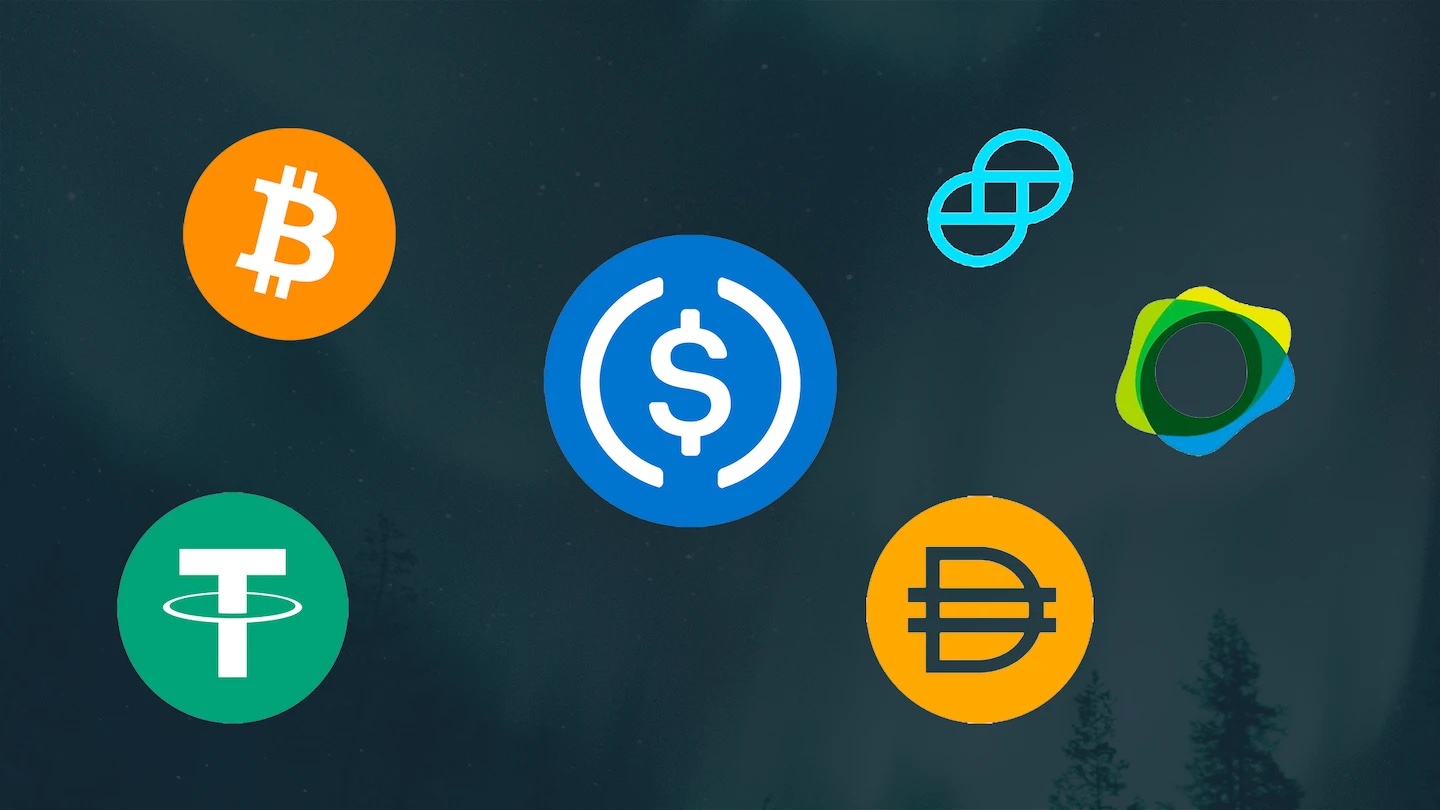
Major stablecoin issuers such as Tether and Circle —together controlling over $200 billion in supply—stand to gain regulatory clarity and legitimacy if the GENIUS Act becomes law. Recent moves by major corporates, including JPMorgan’s planned stablecoin on Coinbase’s Base chain and indications that Amazon and Walmart are exploring token issuance, signal growing private‑sector enthusiasm.

As the House deliberates, questions remain whether the Senate’s bipartisan vote marks the start of a fully fleshed-out U.S. crypto regulatory regime—or the culmination of a high-stakes battle between policy integrity and political pragmatism.

By Nitya Chakraborty Israeli missile strikes against Teheran and Iran’s counter offensive entered its fifth day on June 17 Tuesday with U.S. President Donald Trump dramatically cutting short his stay in Canada for G-7 meeting for Washington indicating that he would be busy in peace moves in the next few hours for organizing a ceasefire […]

President Donald Trump has called for the immediate evacuation of Tehran, warning that Iran “cannot have a nuclear weapon” after a series of escalating military exchanges with Israel. He issued the statement via Truth Social while attending the G7 summit in Canada, then departed early to convene his national security team. The growing hostilities, now entering a fifth day, have provoked market turbulence, prompted military deployments, and […]

Issuing its first formal financial move beyond social media, Truth Social’s parent, Trump Media & Technology Group, has filed an S‑1 registration statement with the U.S. Securities and Exchange Commission to launch a Bitcoin and Ethereum exchange‑traded fund under the Truth Social brand. The application outlines plans to list the fund on NYSE Arca, although ticker symbols and fee structures have yet to be disclosed.

NYSE Arca initiated the process on 3 June 2025 by submitting a Form 19b‑4 on behalf of TMTG and partner Yorkville America Digital, seeking approval to list the dual‑crypto ETF. The S‑1 filing followed on 5 June and provides deeper insights into structure and risk disclosures. The filings initiate the standard dual‑review process; the SEC has a 45‑day window for initial decision and up to 240 days for final approval.

The prospectus confirms that the fund will hold spot Bitcoin and Ethereum—the first dual‑crypto vehicle under the Truth Social banner. Physical custody of assets will be handled by Foris DAX Trust Company, affiliated with Crypto.com, which will also serve as execution agent and liquidity provider. Yorkville America Digital, a Florida‑based asset manager that emphasises “Made‑in‑America” digital‑asset products, is named as the sponsor.

Eric Balchunas, senior ETF analyst at Bloomberg Intelligence, noted the risk disclosures reference President Trump’s crypto‑favourable posture—highlighting regulatory shifts, the SEC’s newly launched crypto task force, and a strategic U.S. Bitcoin reserve executive order—marking the first time an ETF filing openly tied a sitting president’s actions to fund risk.

The launch is part of a broader the strategic pivot by Truth Social into financial services. Earlier this year, Trump Media announced a $2.5 billion Bitcoin treasury initiative and submitted trademark applications under its Truth.Fi brand for various crypto‑focused products. The move aligns with similar industry trends—11 spot Bitcoin ETFs have been approved since January 2024 by providers including BlackRock, Fidelity and Grayscale—a venue drawing billions in investor capital.

Yet the dual‑crypto ETF enters a saturated market, and analysts caution that without distinctive value, it may not draw substantial flows despite its political branding. Market watchers observe that assets under management in competing spot Bitcoin ETFs are heavily concentrated—with BlackRock’s IBIT holding approximately $69 billion, followed by Fidelity’s fund at around $21 billion.

The filings also highlight potential conflicts of interest. Yorkville America has financial ties with TMTG, including advising on Truth.Fi and investing in both the firm’s stock and private placement used to bolster the Bitcoin treasury. The application explicitly acknowledges these links may pose risks to investors.

Timing is politically significant, with the SEC’s current leadership under Paul Atkins perceived as taking a more crypto‑friendly stance. SEC deregulation efforts under President Trump’s administration also form part of the context.

Should the ETF be approved, it will enable investors to gain regulated exposure to Bitcoin and Ethereum—devoid of managing digital wallets or crypto‑exchange accounts—via traditional brokerage channels. The fund is poised to calculate daily net asset values, with intraday quotations updated every 15 seconds and comprehensive transparency on holdings, premiums and discounts.

However, regulatory clarity remains pending. Absent from the filings are critical operational details, including ticker symbols, expense ratios and seed capital levels. Until the S‑1 becomes effective, the ETF cannot be marketed to investors.

This marks a strategic landmark in Truth Social’s quest to diversify beyond digital media. Its expansion into crypto finance brings together political influence, regulatory momentum and mainstream investor demand, potentially reshaping its corporate identity. At stake is the fund’s ability to carve a credible and competitive space among established crypto‑ETF leaders.

By Nantoo Banerjee With the country’s consumer price inflation rate hovering around 3.20 percent in the last two years, the Reserve Bank of India’s latest decision to cut the bank rate by 50 basis points, the third consecutive reduction since February this year, may be understandable. However, it seems to have come at the wrong […]

VISHNU RAJA
RYO YAMADA
HITORI GOTOH
IKUYO KITA