News related to
World

Hong Kong’s Professional Baby Products Store 【Doremi3babies】 Introduces Caraz & Parklon BB Playpen Series HONG KONG SAR – Media OutReach Newswire – 6 February 2025 -【Doremi3babies】 has recently announced the launch of the Caraz & Parklon BB playpen series. As two of the most popular baby brands in South Korea, Caraz & Parklon are known for their practicality and safety, catering to the diverse needs of modern […]

HONG KONG SAR – Media OutReach Newswire – 6 February 2025 – XTransfer, the world-leading and China’s No.1 B2B Cross-Border Trade Payment Platform, and Ecobank Group, the leading private pan-African financial services group with unrivalled African expertise, have signed a landmark Memorandum of Understanding of Cooperation (MOU) to roll out comprehensive cross-border financial services to Africa’s small and medium-sized enterprises (SMEs) engaged in foreign trade. The collaboration […]

A widespread outage of ChatGPT has left users across the globe unable to access the AI platform, marking the latest in a series of disruptions affecting the popular service. The incident, which has persisted for several hours, has drawn attention to the platform’s infrastructure, with users reporting issues ranging from slow loading times to complete inaccessibility. The outage has disrupted work for individuals relying on ChatGPT for various professional and personal tasks, raising questions about the platform’s reliability and its impact on users.

Reports have emerged from numerous regions, including North America, Europe, and parts of Asia, where users have been met with error messages or experienced delays while attempting to interact with the AI. The outage seems to be linked to server-side issues, though specific technical details have yet to be confirmed by the platform’s operators. While the company behind ChatGPT has acknowledged the issue, the lack of detailed communication has left many users frustrated and seeking alternative solutions.

ChatGPT, developed by OpenAI, has become a staple for those seeking advanced AI-driven conversations, including students, professionals, and developers. It has been integrated into numerous platforms and services, with millions of users accessing the system for tasks ranging from content creation to coding assistance. The platform’s capabilities have transformed various industries, particularly in sectors like education, customer support, and research. However, this disruption has highlighted the inherent vulnerabilities in cloud-based systems, with many questioning how such widespread outages can be mitigated in the future.

This isn’t the first time that users have faced problems with ChatGPT. Previous disruptions have occasionally caused intermittent issues, but the scale of this outage appears to be more significant. The timing of the event has sparked conversations within the tech community, with many speculating whether the growing demand for AI-driven services may be putting an undue strain on the platform’s infrastructure. As AI platforms gain more prominence, their reliability becomes increasingly crucial, and the ability to scale effectively is now a key challenge.

The outage has sparked frustration among users who rely on ChatGPT for both personal and business needs. Several social media platforms, including Twitter and Reddit, have been flooded with posts from users seeking updates or venting their frustration about the service’s downtime. The lack of real-time communication from OpenAI has intensified concerns, as users feel left in the dark about the severity and duration of the disruption. While outages are not uncommon in the tech world, the speed at which platforms address these issues can significantly impact user trust.

OpenAI, the company responsible for ChatGPT, has yet to provide a full explanation for the outage. Typically, when issues of this nature arise, companies work to resolve them behind the scenes and communicate with users once a resolution is in place. However, the lack of a clear timeline or specific details has only heightened user frustration. Despite this, some experts within the tech industry suggest that the issue could be related to server overloads, as the platform continues to scale to meet increasing demand.

There has been speculation that the infrastructure responsible for supporting ChatGPT’s rapid growth may be under more strain than initially anticipated. With the rise of AI tools and their widespread integration into various sectors, the demands placed on cloud computing systems have intensified. As a result, ensuring stable service for millions of users worldwide presents significant technical challenges. This current disruption could serve as a wake-up call for tech companies to reevaluate their server architectures and adopt more robust systems to handle future spikes in demand.

The consequences of this outage extend beyond just user frustration. For businesses that have integrated ChatGPT into their operations, the downtime has disrupted workflows, particularly in areas where the AI system is employed for customer service, data analysis, or content generation. While alternative solutions may exist, businesses that have come to rely on ChatGPT’s unique capabilities are now left scrambling to find other ways to meet their needs.

The UAE has set a remarkable record, achieving a significant milestone in foreign trade with a total of Dhs3 trillion in 2024. This accomplishment comes as the UAE’s foreign trade expanded by an impressive 14.6 per cent, far outstripping the global trade growth, which only saw a modest 2 per cent increase. This surge in foreign trade marks a continuing trend for the UAE, solidifying its position […]

Saudi Aramco, the world’s largest oil producer, has significantly increased its official selling price for Arab Light crude oil destined for Asia. This move has sent ripples through the global energy markets, raising questions about the potential impacts on supply, demand, and the broader oil market dynamics. The price adjustment comes as the global oil market continues to face various challenges, including fluctuating demand, geopolitical tensions, and […]

UAE and Saudi Arabia are poised to dominate the MENA region’s e-commerce growth in 2024, as both countries capitalise on their technological advancements, robust infrastructure, and increasing consumer adoption. With rising digital transformation efforts and governmental support, these two nations are solidifying their position as the region’s e-commerce leaders. The digital marketplace in the MENA region is forecasted to reach new heights this year, with the UAE […]

Blue bonds, designed to finance marine conservation projects, are fast emerging as a promising avenue for investors and governments looking to meet environmental, social, and governance objectives. These financial instruments, closely linked to sustainable finance, hold great potential in the context of global climate change strategies. However, their effectiveness hinges on ensuring they align with broader net-zero policies and address the multifaceted challenges of marine ecosystems. In […]

Advertisements

A marked rise in the number of AI specialists in the UAE signals the nation’s growing commitment to becoming a global leader in artificial intelligence. According to a recent report by BCG Global, the country has seen a 40% increase in AI experts since 2022, underscoring the rapid transformation in the local tech ecosystem. This surge comes as the UAE continues to prioritise technological innovation as a key driver of its economic diversification strategy.

This surge in AI talent reflects the UAE’s ambition to develop a robust digital economy and foster new industries, creating opportunities not just for local talent, but also for international professionals looking to leverage the UAE’s forward-thinking approach to technology. The UAE government’s focus on AI, highlighted by initiatives such as the UAE Artificial Intelligence Strategy 2031, has made the country a major hub for AI investment and innovation.

The UAE’s push to lead the Middle East in AI innovation stems from the wider global trend of accelerating technological advancement, with governments and private companies racing to harness the potential of AI. Within the UAE’s strategic vision, AI has become integral to a range of sectors, from healthcare and finance to logistics and education. The significant increase in AI talent coincides with the country’s broader plans to invest heavily in technology and digital transformation, ensuring that the necessary human capital is available to drive future innovations.

Key to this growth is the country’s commitment to creating an ecosystem that supports both local and global talent. Major initiatives, such as the launch of the AI Lab and the establishment of the Mohammad Bin Zayed University of Artificial Intelligence, have provided resources and educational opportunities designed to attract and nurture talent. As AI technology continues to evolve, the UAE’s investment in cultivating a skilled workforce has played a crucial role in positioning the nation as a competitive player on the global stage.

In addition to a focus on talent development, the UAE’s thriving private sector has also contributed to this growth. Tech giants, including IBM, Microsoft, and Google, have established significant operations in the country, offering both employment opportunities and collaborative platforms to foster the development of AI technologies. These companies, in partnership with local organisations, have accelerated the pace of innovation, allowing the UAE to make substantial strides in areas like machine learning, data analytics, and robotics.

The rapid expansion of AI expertise in the UAE also reflects broader trends within the region, as neighbouring countries look to emulate the UAE’s success. The UAE’s proactive stance on AI has set an example for other Gulf Cooperation Council nations, which are also exploring ways to integrate AI into their own national strategies. Bahrain, Saudi Arabia, and Qatar have made moves towards enhancing their technological capabilities, yet the UAE remains the most advanced in terms of both AI talent and technological infrastructure.

The increase in AI specialists in the UAE is not without its challenges. While the demand for talent is high, there remains a shortage of professionals with the necessary advanced skills. This gap has led to fierce competition for qualified AI experts, with companies and institutions offering increasingly attractive salaries and benefits to recruit the best talent from across the world. For example, AI professionals with expertise in areas like natural language processing, robotics, and autonomous systems are particularly sought after, with firms willing to pay premium wages to secure such expertise.

To mitigate this, the UAE has implemented several initiatives aimed at upskilling its existing workforce. The government’s emphasis on education and training, through initiatives like the National Programme for Artificial Intelligence, has helped to bridge the skills gap. Moreover, collaboration with international educational institutions has also played a vital role in ensuring that the nation is preparing its future generations for the digital economy.

Experts point out that while the country’s investments in AI talent are impressive, further efforts are needed to maintain the momentum. As AI becomes increasingly integrated into more sectors, it will be essential for the UAE to continue fostering a culture of innovation and collaboration between the public and private sectors. The government’s vision of positioning the UAE as an AI-driven economy is dependent on a continual supply of skilled professionals capable of both advancing the technology and applying it to real-world challenges.

Everdome, a Dubai-based leader in the metaverse space, has announced a strategic partnership with Immerso, an artificial intelligence company affiliated with one of the largest film studios globally. This collaboration marks a significant milestone in the evolution of digital entertainment, blending cutting-edge technology with immersive virtual experiences. The partnership aims to harness Immerso’s AI capabilities alongside Everdome’s virtual reality infrastructure to offer innovative entertainment experiences. Immerso, a […]

Global Partners and Distributors Recognized for Outstanding Contributions to Cybersecurity SINGAPORE – Media OutReach Newswire – 6 February 2025 – SonicWall proudly honored its exceptional partners and distributors at the annual SonicWall Partner Awards, celebrating their unwavering commitment to safeguarding customers in a dynamic and increasingly complex threat landscape. This prestigious award acknowledges partner organizations worldwide that have demonstrated remarkable dedication to delivering innovative cybersecurity solutions. “While […]

SINGAPORE – Media OutReach Newswire – 6 February 2025 – 24/7 FITNESS, one of Hong Kong’s most renowned fitness brands, has officially debuted in Singapore with the opening of its flagship club on Orchard Road. This expansion follows the acquisition of local fitness chain GymmBoxx, marking 24/7 FITNESS’s commitment to providing accessible, world-class fitness solutions to Singaporeans. With plans to open 40 locations over the next three […]

SINGAPORE – Media OutReach Newswire – 5 February 2025 – Coopers Hill, an international consultancy specialising in landscape architecture, urban design and masterplanning, today announced its acquisition of Scape Design UK, Europe’s premier hospitality and luxury lifestyle landscape architects. With its new London studio, Coopers Hill establishes its first European office marking the firm’s seventh international office following its Dubai opening in 2023. With a 40-year legacy […]

HONG KONG SAR – Media OutReach Newswire – 5 February 2025 – TUMI, the leading international travel, lifestyle and accessories brand, is ushering in Spring 2025 with vibrant energy. This season marks a significant milestone—TUMI’s 50th anniversary—celebrating a legacy rich in heritage, innovation and enduring performance. From exceptional craftsmanship to groundbreaking advancements, TUMI symbolizes timeless luxury. For Spring 2025, TUMI seamlessly blends ancient and modern influences, highlighting […]

New Jersey’s AI ecosystem has received a significant boost with the addition of Microsoft and CoreWeave as founding partners of the New Jersey Artificial Intelligence Hub . The initiative, which launched in winter 2024 under the leadership of Governor Phil Murphy and Princeton University President Christopher L. Eisgruber, aims to solidify the state’s position as a frontrunner in artificial intelligence research and development. The collaboration between Microsoft, […]

Australia has moved to ban the DeepSeek AI system from all government devices due to escalating concerns over potential security threats. The decision, announced by the federal government, underscores growing fears surrounding the software’s links to the Chinese government and the risks it poses to national security and data privacy. DeepSeek, a powerful artificial intelligence tool used for data analysis and decision-making, has been increasingly scrutinised for […]

Successful Event Draws 200,000 Global Visitors with Hong Kong’s Local Creativity 29 January to 2 February 2025: 38 Featured Creations & 16 Visiting Hong Kong Comics Artists/ Illustrators Watch drawing demonstrations by Hong Kong comics artists in real-time at one of the top three major overseas comics festivals in the world February to May 2025: All the participating artists will be invited to share their exchange experiences […]

The Czech National Bank has agreed to assess the possibility of including Bitcoin in its foreign reserve strategy. This decision follows a recent meeting of the Bank Board, which reviewed a report outlining the bank’s plans for international reserve management in 2024. The move marks a significant step towards considering digital currencies, such as Bitcoin, as a potential asset in the country’s financial strategy.

As part of its ongoing efforts to modernise reserve management, the CNB has acknowledged the growing importance of cryptocurrencies in global financial markets. The move is aimed at diversifying the country’s reserves, which have traditionally been composed of more conventional assets like gold, foreign currencies, and government bonds. The bank’s evaluation will focus on the feasibility of incorporating Bitcoin, given its rising prominence in both investment and economic contexts.

The decision to review Bitcoin as an investment option reflects broader global trends. Central banks and financial institutions worldwide are increasingly exploring the role of digital currencies in their portfolios, with some even establishing direct ties to blockchain technology. The CNB’s assessment, however, is in its early stages and will require careful consideration of Bitcoin’s volatility, regulatory implications, and long-term stability.

For the Czech Republic, the potential inclusion of Bitcoin could enhance its international reserve strategy by introducing a new layer of diversification. This step could also signal the CNB’s proactive stance in adapting to the evolving landscape of global finance.

While the CNB’s proposal is yet to be formalised, the board’s willingness to examine Bitcoin is indicative of the growing recognition of cryptocurrencies as legitimate financial assets. A full review is expected to take place in the coming months, with experts predicting that the CNB could use this period to explore Bitcoin’s role within the broader context of digital finance.

Global interest in cryptocurrencies has surged over the past few years, with Bitcoin being the most prominent of the digital assets. As Bitcoin’s market capitalisation continues to grow, its appeal as a store of value has caught the attention of investors, central banks, and regulators alike. However, its inherent volatility remains a concern for many institutions considering its potential as part of official reserve holdings.

For the Czech National Bank, this proposal comes amid broader discussions on how central banks should respond to the rise of cryptocurrencies and the increasing use of blockchain technologies. Other central banks, including the European Central Bank , have expressed interest in researching the potential benefits and risks of incorporating digital currencies into their portfolios.

One of the main challenges for the CNB will be understanding how Bitcoin’s unpredictable price movements could impact its reserve strategy. Bitcoin’s value has experienced dramatic fluctuations, making it difficult for central banks to predict the asset’s future performance with any degree of certainty. Despite this, there is a growing belief that Bitcoin and other cryptocurrencies may become more stable over time, particularly as the market matures and becomes more integrated into the global financial system.

The CNB’s move also aligns with the broader shift towards digitalisation in the financial sector. The adoption of blockchain and digital currencies is reshaping traditional financial markets, with many institutions seeking to capitalise on the emerging technologies. Bitcoin’s decentralised nature and its ability to function outside of traditional banking systems are among the factors contributing to its growing popularity as an asset class.

Despite the potential benefits, several questions remain unanswered regarding the role of Bitcoin in reserve management. A key concern for the CNB will be the regulatory landscape surrounding digital currencies. As global regulators seek to establish frameworks for cryptocurrency markets, the CNB will need to carefully assess the legal and regulatory implications of holding Bitcoin as part of its official reserves.

In addition to regulatory concerns, the CNB will need to consider the impact of Bitcoin on the country’s broader monetary policy. Bitcoin’s decentralised nature means that it is not subject to the same policies as traditional currencies, which could complicate the CNB’s ability to manage the national economy in times of crisis or economic instability.

The proposal has sparked a broader debate among financial experts about the future role of cryptocurrencies in national reserve systems. While some experts view Bitcoin as a hedge against inflation and a potential safe haven asset, others caution that its volatility and lack of regulation could make it a risky addition to central bank reserves.

As the CNB moves forward with its evaluation, the decision will likely have wider implications for central banks across the globe. If successful, the Czech National Bank’s exploration of Bitcoin could serve as a model for other institutions considering the integration of digital assets into their financial strategies. It could also pave the way for greater acceptance of cryptocurrencies as a mainstream investment option, particularly in the context of government-backed reserves.

Ethereum is on the cusp of a significant upward movement, with market analysts predicting a surge towards $4,000. This optimistic outlook comes as the cryptocurrency sector experiences a wave of renewed interest, despite Bitcoin’s relatively stagnant performance around the $97,000 mark. Ethereum’s unique positioning within the broader crypto ecosystem, alongside developments in blockchain technology and growing institutional interest, has been key in driving its bullish momentum.

Ethereum’s price has seen a consistent increase over the past few months, breaking key resistance levels and showing resilience in the face of broader market fluctuations. While Bitcoin has maintained a more stable trajectory, Ethereum’s performance has been notably more volatile, attracting both retail and institutional investors. Ethereum’s recent gains are attributed to a combination of factors, including significant advancements in Ethereum 2.0, which promises to enhance the network’s scalability, security, and energy efficiency.

The transition from Ethereum’s proof-of-work to a proof-of-stake consensus mechanism, completed in 2022, has already demonstrated its potential to address long-standing issues such as high transaction fees and slow processing times. As the network continues to evolve, there is increasing confidence that Ethereum could maintain its position as a dominant player in the blockchain space. Experts believe that the enhanced infrastructure will make Ethereum more attractive to developers, encouraging the creation of decentralised applications and DeFi platforms.

A critical development driving Ethereum’s rise is the expanding interest from institutional investors. While Bitcoin has long been the preferred choice for large-scale investment, Ethereum’s appeal is growing due to its diverse use cases beyond simple transactions. The Ethereum network supports a wide range of applications, from smart contracts to NFTs , giving it a level of versatility that Bitcoin lacks. This has led to increased recognition of Ethereum’s potential as a long-term investment.

One of the most significant drivers of Ethereum’s growth is the continued expansion of the DeFi ecosystem. DeFi protocols, which allow for peer-to-peer lending, borrowing, and trading without intermediaries, have been gaining traction, with Ethereum at the centre of this movement. Ethereum-based projects such as Uniswap, Aave, and MakerDAO have attracted billions of dollars in total value locked , reflecting the growing trust in the platform’s ability to support decentralised financial services. As more individuals and institutions embrace the benefits of decentralisation, Ethereum’s role in the sector is expected to grow, further driving demand for the cryptocurrency.

The increasing mainstream adoption of blockchain technology is also playing a pivotal role in Ethereum’s rise. Ethereum’s smart contract functionality is being used by a wide variety of industries, from supply chain management to healthcare, creating new use cases that extend far beyond the traditional financial sector. As more businesses realise the potential of blockchain to streamline operations and reduce costs, demand for Ethereum’s underlying technology is likely to grow. This growing recognition of Ethereum’s capabilities has strengthened investor confidence, fuelling its price increase.

Ethereum’s transition to PoS has resulted in reduced energy consumption, positioning the network as a more sustainable alternative to Bitcoin. Environmental concerns have been a major point of contention for cryptocurrencies that rely on PoW, such as Bitcoin. As the world becomes more conscious of climate change, Ethereum’s PoS system provides a compelling case for those who are hesitant to invest in energy-intensive assets. Ethereum’s commitment to sustainability has made it an appealing option for environmentally conscious investors looking to capitalise on the growth of the crypto sector without contributing to its environmental impact.

Ethereum’s growing ecosystem of Layer-2 solutions, such as Optimism and Arbitrum, has further bolstered its scalability and transaction efficiency. These Layer-2 solutions are designed to reduce congestion on the Ethereum mainnet, enabling faster and cheaper transactions. As these solutions gain traction, they are expected to attract more users to the Ethereum network, which could lead to increased demand for ETH, the native token of the Ethereum network. With the scaling issues that once hindered Ethereum’s growth being addressed, it is expected that the network will be able to support even more users and applications in the coming months.

Another factor contributing to Ethereum’s potential rally is the broader positive sentiment within the crypto market. While Bitcoin has struggled to break through significant resistance levels, Ethereum has benefited from a more optimistic outlook among retail and institutional investors. The growing acceptance of cryptocurrencies as an asset class, combined with increased regulatory clarity in key markets, has provided a more stable environment for Ethereum to thrive. As market participants regain confidence in the sector, Ethereum is poised to capitalise on this positive sentiment, potentially reaching new all-time highs.

Despite the bullish outlook for Ethereum, challenges remain. Volatility in the broader cryptocurrency market, regulatory uncertainty, and competition from other blockchain platforms are all factors that could impact Ethereum’s price trajectory. However, as Ethereum continues to evolve and address its scalability and energy efficiency issues, its long-term growth prospects remain strong.


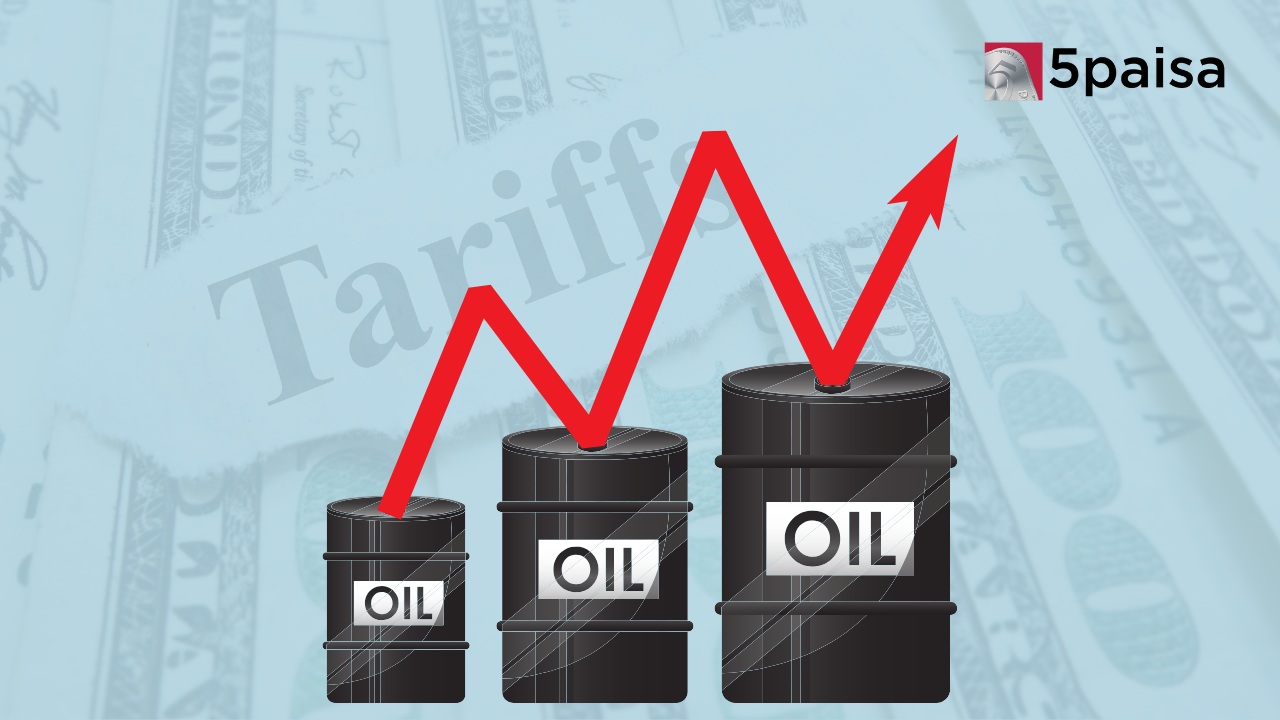
By K Raveendran OPEC+ is once again at the centre of a global energy crisis as it grapples with a new challenge posed by President Donald Trump’s tariffs on major crude oil suppliers. The tariffs, which include a 10 percent levy on Canadian oil and 25 percent on US imports into Canada in retaliation, threaten […]


Close to 22,000 tennis fans flocked to Kallang Tennis Hub across nine days Second-seed Elise Mertens bested Ann Li to claim her 9th career WTA singles title Desirae Krawczyk and Giuliana Olmos claimed victory in a thrilling Doubles Final SINGAPORE – Media OutReach Newswire – 5 February 2025 – Elise Mertens and the pair of Desirae Krawczyk/Giuliana Olmos have claimed the inaugural Singapore Tennis Open (STO) Singles […]

Ethereum has witnessed significant volatility, dropping by over 20% in a 24-hour period before making a swift recovery. Despite the ongoing fluctuations in the broader cryptocurrency market, a new entrant is making waves with the announcement of an innovative platform that promises to reshape the future of decentralised finance . Skyren DAO, a decentralised autonomous organisation , is preparing to launch its groundbreaking airdrop platform aimed at both rewarding early adopters and expanding its user base within the DeFi ecosystem.

The recent movement in Ethereum’s price has captured the attention of traders, investors, and analysts alike. The cryptocurrency saw a sharp drop, prompting concerns about its stability. Ethereum’s price plummeted by 20%, sending shockwaves through the market. However, within hours, ETH began its recovery, regaining some of the lost value. This sharp fluctuation highlights the volatility inherent in the cryptocurrency market, with digital assets often facing rapid changes in value.

While Ethereum’s volatility remains a key point of focus for investors, the announcement by Skyren DAO introduces a new dimension to the crypto landscape. Skyren DAO’s airdrop platform is being touted as a game-changer, aiming to incentivise the growth of decentralised finance projects by rewarding users for their participation. The DAO is positioning itself as a key player in the airdrop space, with its platform designed to allow users to claim tokens from DeFi projects by simply engaging with the platform and completing tasks.

Skyren DAO’s airdrop platform seeks to address the growing demand for DeFi services, providing users with an opportunity to engage directly with innovative projects. The platform will offer token distributions that can be claimed by users who complete specific actions, such as holding certain tokens, participating in governance decisions, or interacting with the Skyren ecosystem. This initiative is aimed at increasing participation and encouraging a broader audience to join the DeFi revolution.

The platform is expected to foster a sense of community by offering rewards in the form of tokens from up-and-coming DeFi projects. By doing so, Skyren DAO hopes to facilitate the growth of its ecosystem while simultaneously giving back to its users. Airdrops have become a popular marketing strategy for DeFi projects, but Skyren DAO’s approach goes beyond simple token distribution. The platform will also integrate educational resources, allowing users to learn more about DeFi, blockchain technology, and the projects they are supporting.

The DAO’s new airdrop platform is part of a broader trend within the crypto industry, where decentralised organisations and projects are looking for ways to engage more users and promote participation. Airdrops have become a standard tool for spreading awareness about new projects and incentivising users. However, Skyren DAO’s approach distinguishes itself by combining rewards with educational opportunities, creating a more inclusive and interactive experience for users.

Skyren DAO’s move comes at a time when the DeFi sector is gaining momentum, with increasing interest in decentralised applications , liquidity pools, and yield farming. The sector has seen a surge in both the number of projects and the amount of capital flowing into the space. Skyren DAO’s airdrop platform aims to capitalise on this momentum by providing users with a simple entry point into the world of DeFi, incentivising them to become more involved in the ecosystem.

The launch of the platform is particularly timely, as the broader cryptocurrency market is in a state of flux. Investors are seeking opportunities that offer more stability amid the volatility, and DeFi platforms are increasingly seen as a viable option. Skyren DAO’s innovative airdrop platform is expected to play a key role in attracting users who may be new to the space, as well as those looking to diversify their portfolios and engage with emerging DeFi projects.

While Ethereum’s volatility continues to stir uncertainty, Skyren DAO is moving forward with its plans to expand the DeFi ecosystem. The DAO’s airdrop platform, by encouraging user participation, is expected to bolster the growth of the Skyren ecosystem and provide a much-needed boost to the broader DeFi market.

As Ethereum’s market price continues to fluctuate, it remains to be seen how this will impact the DeFi sector and the success of new initiatives such as Skyren DAO’s airdrop platform. With Skyren DAO positioning itself at the forefront of this wave of decentralisation, the platform could play a pivotal role in shaping the future of DeFi and bringing more users into the fold.

Donald Trump’s administration is making significant strides towards shaping the future of cryptocurrency regulation in the United States, with new initiatives aimed at establishing the country as a leader in the global digital asset market. At the heart of this push is the creation of a National Bitcoin Reserve, a plan intended to secure Bitcoin’s position as a foundational pillar of the U.S. financial system. Alongside this, a comprehensive set of pro-crypto regulations is being crafted, promising to reshape how digital assets are treated under American law.

Trump’s crypto czar, David Sacks, has been vocal in driving this initiative, positioning the U.S. to be at the forefront of the digital revolution. Speaking to a gathering of industry leaders, Sacks emphasised the importance of a robust regulatory framework that would not only protect investors but also provide a clear roadmap for businesses and startups in the crypto space. His statements have echoed the administration’s intent to balance innovation with security, fostering a thriving digital economy.

The National Bitcoin Reserve, a key component of this strategy, aims to establish a large-scale reserve of Bitcoin, ensuring that the U.S. government holds a significant stake in the leading cryptocurrency. Proponents argue that this move would reinforce the dollar’s dominance in the global financial market, positioning Bitcoin as a safe and stabilising asset. The plan has already garnered attention from financial experts, some of whom see it as a potential game-changer, strengthening the U.S. dollar while also promoting the mainstream adoption of cryptocurrency.

Alongside this reserve, the Trump administration is working on a comprehensive package of regulations that would provide clarity and stability to the rapidly evolving crypto landscape. These regulations are set to address a range of concerns, from tax treatment to anti-money laundering measures, ensuring that cryptocurrency transactions are conducted in a secure and transparent manner. Sacks has stressed the need for a regulatory environment that encourages innovation while preventing misuse, striking a delicate balance between growth and security.

This shift in policy comes at a time when the global cryptocurrency market is experiencing rapid growth, with governments around the world racing to establish their regulatory frameworks. In Europe, regulators are moving towards stricter rules aimed at controlling the industry, while countries like China have adopted an outright ban on crypto mining and trading. Against this backdrop, Trump’s administration is aiming to position the U.S. as a haven for crypto businesses, creating an environment where innovation is encouraged, and regulatory certainty is assured.

The role of the U.S. government in this new crypto ecosystem has been a subject of much debate. Critics of the plan argue that such a large government stake in Bitcoin could lead to potential conflicts of interest, with the government holding too much influence over the digital asset market. Others have expressed concerns about the lack of international coordination on crypto regulations, fearing that differing approaches could create barriers to global crypto trade. However, Sacks remains confident that the National Bitcoin Reserve will not only benefit the U.S. economy but will also set a positive precedent for other nations looking to integrate digital currencies into their financial systems.

Key to this vision is the backing of the U.S. Senate and House, where bipartisan support for crypto regulation has been steadily growing. Lawmakers have recognised the economic potential of digital assets and the need to create a framework that fosters innovation while ensuring investor protection. This shift in legislative attitude has led to the formation of a joint committee, aimed at crafting a set of laws that will provide clarity and direction for the future of cryptocurrency in the U.S. The committee is expected to work closely with the Department of Treasury and other federal agencies, ensuring that all aspects of the crypto market are addressed in the new regulatory framework.

While the proposed regulations are still in the early stages, they are set to cover a wide range of issues. The focus will be on ensuring that cryptocurrency transactions are transparent, that businesses comply with tax requirements, and that anti-money laundering protocols are in place. Additionally, the regulations will seek to address the volatility of digital assets, with some proposing the creation of stablecoins as a more secure alternative for everyday transactions. Stablecoins, which are pegged to the value of traditional currencies like the U.S. dollar, have been gaining traction in the crypto space as a way to reduce volatility and encourage mainstream adoption.

Another key element of the plan is the proposed tax incentives for crypto businesses. The Trump administration is looking to create a favourable tax environment for companies in the digital asset space, including tax breaks for startups and incentives for blockchain-based innovations. This approach is designed to attract the best and brightest minds in the crypto world to the U.S., boosting the country’s competitiveness in the sector. With many countries struggling to balance regulatory control with business incentives, the U.S. is positioning itself as a global leader in crypto innovation.

As part of the broader strategy, Trump’s team has also been working to enhance collaboration with the private sector, bringing together industry leaders, financial institutions, and technology experts to create a cohesive and forward-thinking crypto ecosystem. Sacks has highlighted the importance of public-private partnerships in ensuring that the regulatory framework is both effective and practical, reflecting the needs of the rapidly changing digital asset landscape.

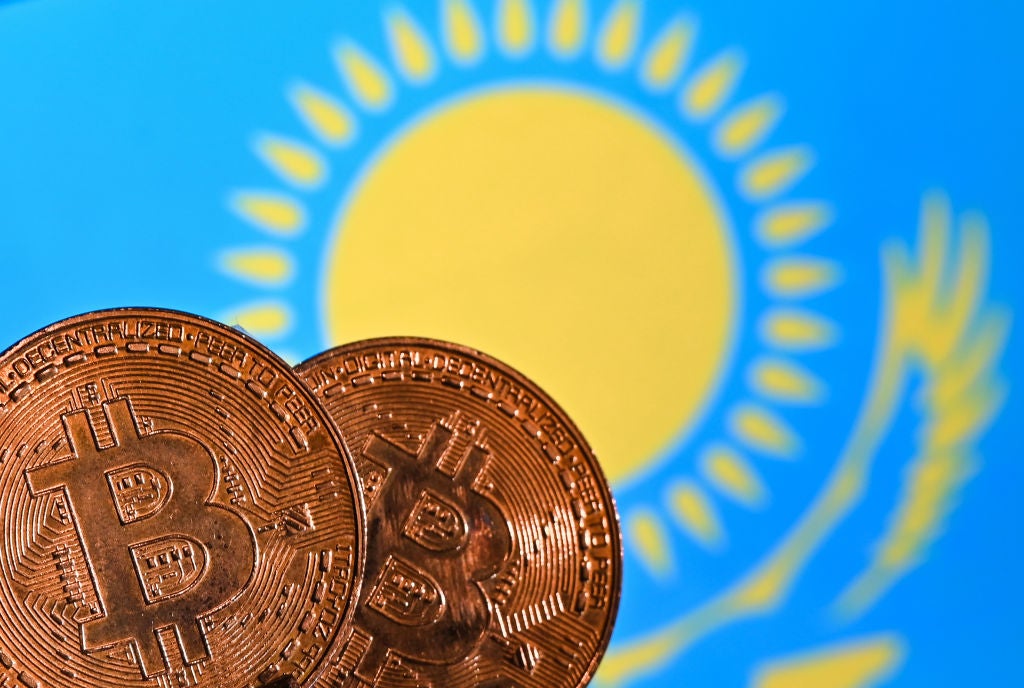
Kazakhstan’s President, Kassym-Jomart Tokayev, has called for the swift expansion of the nation’s cryptocurrency infrastructure, acknowledging its crucial role in shaping the future of the financial sector. Tokayev’s remarks, made during a government meeting on 28 January 2025, highlight the growing importance of digital currencies and assets, particularly in the face of advancements in artificial intelligence.

Addressing government officials, Tokayev pointed out that the global financial landscape is undergoing a significant transformation, with cryptocurrencies becoming a key part of economic systems worldwide. He emphasised that Kazakhstan must capitalise on these developments to stay competitive in an increasingly digital economy. The President outlined the necessity of building a robust and secure digital infrastructure that can support the growing demand for cryptocurrency transactions and services.

Kazakhstan has emerged as a critical player in the global cryptocurrency market in recent years. With a favourable regulatory environment and a relatively low cost of electricity, the country has become a hotspot for cryptocurrency mining. In fact, Kazakhstan currently ranks among the top ten countries globally in terms of Bitcoin mining hash rate, despite facing challenges such as rising energy consumption and concerns over the environmental impact of mining operations.

Tokayev’s call to action for the expansion of crypto infrastructure aligns with broader efforts to position Kazakhstan as a leader in digital finance. The government has already taken steps to strengthen the country’s position in the crypto space, including establishing regulations aimed at attracting foreign investment and enhancing market transparency. However, Tokayev stressed that the pace of development must accelerate to keep up with global trends and technological advancements.

Artificial intelligence , which Tokayev identified as a fundamental factor in the evolving financial landscape, is also seen as a major driver for the adoption of digital assets. The President pointed to the intersection of AI and blockchain technology as a pivotal area for innovation. AI’s ability to optimise blockchain processes, increase security, and enable the creation of decentralised applications is expected to drive further growth in the sector.

Kazakhstan’s proactive stance on crypto infrastructure is particularly important as the country navigates the challenges posed by global economic uncertainty and the increasing prevalence of digital assets. While digital currencies have faced volatility and regulatory hurdles in some parts of the world, Kazakhstan’s government remains committed to fostering an environment conducive to their development. Tokayev’s vision includes creating a comprehensive ecosystem that incorporates not only cryptocurrency mining and trading, but also other digital financial services such as digital banking, insurance, and payment systems.

The potential for Kazakhstan to become a regional hub for digital finance is underscored by its strategic location at the crossroads of Europe and Asia. As more businesses and individuals seek access to alternative financial systems, Kazakhstan’s crypto-friendly policies could position the country as a key player in the global digital economy.

Despite the optimistic outlook, challenges remain. One of the key concerns is ensuring the security of digital assets and protecting consumers from the risks associated with crypto investments. Tokayev acknowledged that while cryptocurrencies offer numerous opportunities, they also present risks, particularly in terms of cyber threats and fraud. As such, the President called for the development of a robust regulatory framework to safeguard the interests of investors and ensure that the benefits of digital assets are fully realised.

The government’s approach to crypto infrastructure is also focused on improving public awareness and fostering educational initiatives. As cryptocurrency adoption continues to grow, it is essential for both the public and private sectors to work together to enhance understanding and encourage responsible usage. Tokayev highlighted the need for collaboration with international experts and stakeholders to create best practices for the crypto industry and establish Kazakhstan as a trusted destination for digital asset innovation.

The push for enhanced crypto infrastructure comes at a time when global financial markets are increasingly focused on the intersection of technology and finance. Countries around the world are competing to establish themselves as leaders in the digital asset space, and Kazakhstan is determined to stake its claim. Tokayev’s remarks reflect a sense of urgency in ensuring that Kazakhstan does not fall behind in the race to capitalise on the potential of cryptocurrencies and blockchain technology.

El Salvador has made another significant acquisition of Bitcoin, despite the ongoing market volatility. The country’s Bitcoin holdings have now reached 6,068 BTC after a recent purchase of 12 BTC. This decision aligns with the nation’s unwavering commitment to embracing digital currencies, even as Bitcoin prices hover below the $100,000 mark.

This latest move is part of El Salvador’s broader strategy to integrate Bitcoin into its financial system. Despite facing ongoing pressure from international financial institutions, including the International Monetary Fund , the Central American country remains resolute in its belief in the potential of Bitcoin to transform its economy. El Salvador’s Bitcoin Office confirmed the purchase, citing favourable market conditions as the reason behind the acquisition.

The government of El Salvador, led by President Nayib Bukele, first made headlines in 2021 when it became the first country in the world to adopt Bitcoin as legal tender. At the time, the move was seen as a bold experiment, with critics questioning the wisdom of using a volatile digital asset in place of traditional currency. However, the government has continued to push forward with its plan to boost financial inclusion, foster innovation, and attract international investment through its Bitcoin-centric policies.

El Salvador’s Bitcoin purchases have often been timed when prices dip, allowing the government to accumulate more BTC at lower rates. The purchase of 12 additional Bitcoin came when the cryptocurrency’s value fell below $100,000 per coin, enabling the country to capitalise on a potential bargain. This strategic approach has raised both eyebrows and praise. Supporters argue that El Salvador is positioning itself to reap long-term benefits from Bitcoin’s volatility, while critics remain skeptical of the country’s reliance on an asset known for its price fluctuations.

The IMF has expressed concerns about the risks associated with El Salvador’s Bitcoin strategy. As part of its agreement for a $1.4 billion loan to El Salvador, the IMF requested adjustments to the country’s Bitcoin laws. While the government has complied with some of the IMF’s requirements, including regulatory changes, it has made it clear that it will not backtrack on its Bitcoin plans. The government views the digital asset as a tool for economic empowerment and financial independence, especially for the unbanked population, which constitutes a large portion of El Salvador’s citizens.

The IMF’s concerns are not without merit. Bitcoin’s extreme price volatility poses a significant risk to countries like El Salvador, whose economic stability is already precarious. Critics argue that Bitcoin’s erratic swings could undermine the country’s efforts to maintain fiscal discipline and attract foreign investment. Moreover, the Bitcoin market is still in its infancy, with questions about its scalability and long-term sustainability looming over the industry.

Despite these concerns, El Salvador has taken proactive steps to mitigate the risks associated with Bitcoin. The government has established a “Bitcoin Trust,” designed to safeguard the country’s Bitcoin holdings and prevent potential market crashes from impacting the nation’s finances. This trust acts as a financial buffer, enabling the government to liquidate some of its Bitcoin holdings if necessary, without triggering market panic. Additionally, El Salvador has launched Bitcoin-backed bonds, which aim to raise funds for infrastructure development and pay off existing debt. This innovative financial tool is expected to generate significant capital for the government, further solidifying its commitment to Bitcoin as a core component of its economic strategy.

While Bitcoin continues to be a cornerstone of El Salvador’s economic vision, the country has also sought to diversify its digital currency initiatives. In 2022, the government introduced a “Bitcoin City,” a special economic zone designed to attract global investors and foster blockchain innovation. The city will be powered by geothermal energy from nearby volcanoes, a feature that sets it apart from other cryptocurrency hubs worldwide. El Salvador’s efforts to promote Bitcoin as a central piece of its economic development have attracted attention from cryptocurrency enthusiasts and blockchain technology companies looking to establish a presence in the region.

The nation’s Bitcoin experiment has already had a significant impact on its financial system. According to the government, Bitcoin has provided millions of citizens with access to financial services for the first time. With a large percentage of the population lacking access to traditional banking services, Bitcoin’s digital nature offers an alternative to the conventional banking system. By using a mobile app, citizens can send and receive Bitcoin, facilitating faster and cheaper cross-border payments, and providing a sense of financial independence. This has proven to be especially important in a country where remittances from abroad account for a large portion of GDP.

However, despite the positive outcomes, the implementation of Bitcoin in everyday life has not been without its challenges. Volatility remains a significant obstacle, with many Salvadorans still wary of the risks associated with using Bitcoin for day-to-day transactions. The government has attempted to address these concerns by integrating Bitcoin with the country’s existing payment system, making it easier for businesses to accept the digital currency. The government also launched a Bitcoin wallet called “Chivo,” which allows citizens to convert Bitcoin into US dollars instantly, providing a safety net against price fluctuations.

VISHNU RAJA
RYO YAMADA
HITORI GOTOH
IKUYO KITA