News related to
World

Matein Khalid The last time the U.S. Dollar Index plummeted 9% in the first four months of a year was way back in 1973, when Richard Nixon sat in the White House on the eve of Watergate, the October War in the Sinai/Gulan, the Arab oil boycott and a savage 40% bear market in U.S. equities. Last week provided a respite from the tsunami of greenback selling […]

Nigeria’s government must exercise greater fiscal discipline and prioritise spending to navigate economic headwinds, the International Monetary Fund has advised. The call comes amid concerns over rising public debt and questions surrounding the efficiency of government expenditure. At the 2025 IMF/World Bank Spring Meetings in Washington, D.C., Davide Furceri, Division Chief in the IMF’s Fiscal Affairs Department, acknowledged Nigeria’s recent economic reforms, including the removal of fuel […]

By K Raveendran U.S. Treasury Secretary Scott Bessent’s declaration that India could be the first to finalise a trade deal with the United States after President Trump embarked on his reckless trade war against the world signals a strategic point. The proposed agreement offers India an escape hatch from the looming 26 percent reciprocal tariffs […]

Dr Imran Khalid President Donald Trump’s erratic dance with tariffs continues to confound not just global markets but even his own team. On April 22, in a move that underscored the White House’s habitual policy incoherence, Trump declared that the “very high” tariffs on Chinese goods would soon be “substantially reduced.” This comes after days of raising them dramatically at the start of the month, then selectively exempting key electronics sectors – moves that reflect both strategic […]

Ethereum’s dominance in the cryptocurrency market has dwindled significantly, dropping to just 7.4%, a figure reminiscent of its market standing in 2020. This sharp decline highlights a fundamental shift within the industry, as Ethereum’s market position has steadily eroded in the face of rising competition, particularly from Bitcoin, which continues to lead the digital asset space. The drop in Ethereum’s market share also mirrors a dramatic change in its relative value against Bitcoin, where one ETH now commands only 0.018 BTC, a stark contrast to the 0.08 BTC it once represented in 2021.

Ethereum’s rise as the second-largest cryptocurrency by market capitalisation was primarily driven by its smart contract capabilities, offering developers a platform for decentralised applications . However, its dominance has been challenged by several factors, including network issues, scalability concerns, and the emergence of competing blockchain networks, such as Solana, Polkadot, and Avalanche. These competitors have capitalised on Ethereum’s early technical limitations, offering faster transaction speeds and lower fees, which have attracted both developers and investors seeking more efficient blockchain solutions.

The network’s scalability challenges became particularly evident during periods of high demand, with transaction fees soaring and processing times slowing, which diminished Ethereum’s appeal for many users. These issues contributed to Ethereum’s declining market share and pushed developers to explore alternative blockchain platforms that could handle increased demand without compromising performance. Ethereum’s much-anticipated upgrade to Ethereum 2.0, aimed at improving scalability and reducing transaction costs, has been slow to materialise, leaving room for other blockchain projects to capitalise on Ethereum’s delays.

The broader market conditions also play a role in Ethereum’s reduced market dominance. While the broader cryptocurrency market has grown, Ethereum has not been able to keep pace with Bitcoin, which has consistently been viewed as a store of value akin to digital gold. Bitcoin’s appeal has been further strengthened by institutional investment and its increasing adoption as a hedge against inflation and economic instability. As Bitcoin’s market dominance continues to rise, Ethereum’s relative position has fallen, underscoring the ongoing struggle for supremacy in the evolving cryptocurrency space.

The rise of decentralised finance has shifted some of the focus away from Ethereum, as new platforms have launched to capitalise on the demand for DeFi services. Platforms like Binance Smart Chain , Terra, and others have garnered significant attention and market share due to their ability to offer faster and cheaper alternatives for DeFi applications. These developments have further eroded Ethereum’s previously dominant position, with its role in DeFi projects gradually diminishing as users flock to more efficient alternatives.

The decline in Ethereum’s market dominance also reflects broader trends within the cryptocurrency space, where investors and developers are increasingly focusing on projects that offer more than just a store of value. The rise of non-fungible tokens , for instance, has introduced new applications for blockchain technology that Ethereum has struggled to fully capitalise on. While Ethereum remains a dominant player in the NFT space, its dominance has been challenged by networks like Flow, which offer lower transaction fees and faster speeds for NFT transactions.

Ethereum’s fluctuating dominance also raises questions about the long-term viability of its position in the blockchain ecosystem. Despite its foundational role in the development of decentralised applications and smart contracts, Ethereum’s reliance on a proof-of-work consensus mechanism has become increasingly problematic in an era where energy consumption and environmental concerns are paramount. Ethereum’s transition to a proof-of-stake model, while promising, has faced delays and challenges, allowing other blockchain platforms to emerge as viable alternatives.

Regulatory uncertainty continues to cloud the future of cryptocurrencies, including Ethereum. Governments around the world are still grappling with how to regulate digital assets, and the lack of clear guidelines has led to a degree of caution among investors. This uncertainty has further complicated Ethereum’s prospects, as its network faces increased scrutiny over issues such as gas fees and its environmental impact. Other blockchain projects that prioritise energy efficiency and regulatory compliance have gained favour, putting additional pressure on Ethereum’s market position.

ARK Invest, a leading investment management firm, has updated its bullish price forecast for Bitcoin, now projecting that the cryptocurrency could reach up to $2.4 million by 2030 in a highly optimistic scenario. This marks a significant revision of their previous estimate, reflecting growing confidence in Bitcoin’s long-term potential amid shifting global financial landscapes and evolving market dynamics.

Bitcoin’s price has been hovering around $94,000, a notable position that has sparked renewed investor interest and optimism regarding the cryptocurrency’s future. Despite this, there are signs of a strong sentiment shift among holders, as evidenced by a decline in Bitcoin exchange balances. The reduction in available Bitcoin on exchanges is generally seen as a positive indicator for the asset’s value, suggesting that more investors are choosing to hold their assets in anticipation of future growth.

The recalibration of ARK Invest’s Bitcoin target follows a broader trend of institutional interest in digital assets, with firms increasingly viewing cryptocurrencies not just as speculative assets, but as a legitimate store of value. ARK’s forecast is built on the assumption that the financial system will continue to evolve in a way that supports decentralised finance, with Bitcoin playing a central role in this transformation.

The investment firm’s analysis underscores a vision where Bitcoin is not only a hedge against inflation but also a pivotal component of a digital financial infrastructure that could reshape global markets. The projection is part of ARK Invest’s broader investment thesis that views cryptocurrencies, particularly Bitcoin, as an increasingly integral part of the global economy.

A key factor influencing ARK’s bullish view is the growing trend of institutional adoption, where large-scale investors such as corporations and hedge funds have begun to allocate significant portions of their portfolios to Bitcoin. The institutional narrative around Bitcoin is evolving, with many seeing it as a store of value comparable to gold, particularly in times of economic uncertainty. The investment firm has also pointed out that Bitcoin’s deflationary characteristics, driven by its capped supply, enhance its appeal in an environment where traditional fiat currencies are under pressure from inflationary forces.

Bitcoin’s increasing scarcity is also a central argument in ARK’s optimistic projection. With a fixed supply of 21 million coins, Bitcoin’s scarcity model stands in stark contrast to fiat currencies, which can be printed at will by central banks. As the available supply of Bitcoin continues to decrease due to the halving events, in which the reward for mining new blocks is cut in half, demand for the cryptocurrency is expected to outstrip supply, driving its price upwards. This model has historically led to bull runs, with each halving event triggering price increases in the years that follow.

Bitcoin’s growing network effect is strengthening its role in the global financial system. The increasing number of users, merchants accepting Bitcoin as payment, and the rise of Bitcoin-based financial products, such as futures and exchange-traded funds , all signal that Bitcoin is gaining more mainstream acceptance. As more people and institutions embrace Bitcoin, the more entrenched it becomes in the global economic fabric, creating a reinforcing cycle of adoption and value appreciation.

The reduction in Bitcoin exchange balances indicates a shift in investor behaviour. Investors are increasingly inclined to hold onto their Bitcoin rather than trade it, which is traditionally seen as a bullish indicator. When Bitcoin is held in wallets, it is less likely to be sold in response to short-term price fluctuations, signalling long-term conviction. The lower volume of Bitcoin on exchanges further suggests that the current market is largely driven by strong holders, indicating less volatility and more stability in the asset’s price.

Despite these promising trends, Bitcoin remains a volatile and risky asset, with unpredictable market swings and regulatory uncertainties continuing to pose challenges. Governments around the world have yet to fully regulate the cryptocurrency market, and while some countries have embraced Bitcoin as a legal tender, others have imposed strict restrictions on its use. The future trajectory of Bitcoin will largely depend on how regulators approach digital currencies, particularly regarding concerns over their potential for money laundering, tax evasion, and financial instability.


HONG KONG SAR – Media OutReach Newswire – 25 April 2025 – The global spotlight has turned to Hong Kong’s luxury hospitality scene following an impromptu livestream by internationally known content creator iShowSpeed, who recently shared his experience staying in the Terrace Suite at Regent Hong Kong. His enthusiastic reaction, broadcast live to millions of followers, has since gone viral across digital platforms — generating global buzz […]

Advertisements

A sharp decline in container traffic from China to the United States has emerged, as the latest round of tariffs imposed by the Trump administration triggers significant shifts in global trade flows. Shipping data and industry reports indicate a substantial drop in U.S. imports from China, with container bookings falling by approximately one-third since early April, according to Hapag-Lloyd, the world’s fifth-largest container-ship operator. The downturn follows […]

Investing isn’t what it used to be, and that’s a good thing. Gone are the days when access to high-value assets, such as real estate, fine art, or company shares, was reserved for the wealthy few. Tokenization is a groundbreaking concept that’s opening doors for a much wider pool of investors. At its core, tokenization means converting rights to an asset into digital tokens stored securely on […]

The SPDR Gold Shares ETF , the world’s largest gold-backed exchange-traded fund, experienced a significant outflow of $1.3 billion on April 22, 2025—the largest single-day withdrawal since 2011. This substantial movement reflects a notable shift in investor sentiment, as market participants reallocate assets in response to evolving economic indicators and geopolitical developments. Sees Largest Weekly Outflow Since 2022 on Trump Win – Bloomberg)

The outflow coincided with a decline in gold prices, which fell nearly 2% to $3,318.71 per ounce. This drop followed U.S. President Donald Trump’s decision to retract his threat to dismiss Federal Reserve Chair Jerome Powell and his expression of optimism regarding a potential trade agreement with China. These developments reduced the perceived need for safe-haven assets like gold, prompting investors to reassess their portfolios.

Simultaneously, the U.S. dollar and stock markets rebounded, further diminishing gold’s appeal. Analysts, including OANDA’s Kelvin Wong, cited these factors as triggers for the selloff, though he noted that potential upside movement in gold remains. Despite this short-term dip, gold had previously surged to a record high of $3,500 per ounce, and JP Morgan anticipates it could exceed $4,000 next year.

The broader context includes a significant surge in gold prices earlier in April, driven by investor concerns over the weakening U.S. dollar and President Trump’s economic policies. Gold reached a new peak of over $3,500 per ounce before settling at $3,426, marking a nearly 30% increase since Trump’s return to office. Analysts at JPMorgan predict gold could hit $4,000 by mid-2026, fueled by purchases from central banks and retail investors.

However, the easing of trade tensions and positive developments in U.S.-China relations have led to a reassessment of risk, with investors moving away from traditional safe havens. European gold funds, for instance, experienced significant inflows earlier in April, with approximately €1 billion poured into gold exchange-traded commodities during the week ending April 18, 2025. This marked the highest level of inflows since mid-January, reflecting rising investor demand for safe-haven assets amid escalating market volatility sparked by U.S. trade tariffs.

Despite these inflows, the subsequent outflows from GLD indicate a shift in investor strategy. The Bank of America’s April 2025 Fund Manager Survey revealed that institutional investors are adjusting their portfolios in response to global economic fears driven by U.S. tariff policies and escalating concerns of a recession. The survey indicated that investor expectations for economic growth have dropped to 30-year lows, with 82% predicting a weaker global economy this year. In response, money managers are moving away from high-risk sectors like technology and U.S. equities, instead turning to safer investments.

Gold has emerged as the top asset, with 42% of fund managers favoring it—up from 23% in March—due to its reputation as a safe haven in volatile markets and hedge against inflation. This surge in interest is mirrored by the SPDR Gold Shares ETF surpassing $100 billion in assets under management and gold prices hitting record highs above $3,300 an ounce.

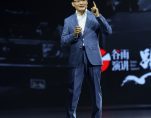
HONG KONG SAR – Media OutReach Newswire – 25 April 2025 – In an atmosphere charged anticipation and entrepreneurial urgency, GE Jun, Chairman and CEO of TOJOY Smart Enterprise Services, delivered a landmark speech at the Chengdu Financial City Performing Center as a guide to reshape the trajectory of China’s private sector. Over 2,000 business leaders, policymakers, and industry experts gathered to hear GE Jun’s Grain Rain […]

Dubai-based luxury real estate developer Omniyat Holdings has mandated a consortium of international and regional banks to arrange its inaugural US dollar-denominated green sukuk, marking its entry into the sustainable finance market. The issuance, structured as a three-year fixed-rate senior unsecured sukuk under Regulation S, is poised to attract global investors seeking Sharia-compliant green investment opportunities.

The appointed joint global coordinators for the transaction are ADCB, Citi, ENBD Capital, JP Morgan, Mashreq, and Standard Chartered. Supporting them as joint lead managers and bookrunners are Ajman Bank, Commercial Bank of Dubai, Dubai Islamic Bank, First Abu Dhabi Bank, Kamco Invest, RAKBANK, and Warba Bank. Investor calls are scheduled to commence on Thursday, setting the stage for the sukuk’s launch, subject to market conditions.

Omniyat, renowned for its high-profile developments such as The Opus in Dubai’s Business Bay—designed by the late Zaha Hadid—aims to leverage the proceeds from the green sukuk to finance or refinance projects that align with environmental sustainability criteria. This move aligns with the broader trend in the Gulf Cooperation Council region, where issuers are increasingly tapping into the green finance market to support environmentally friendly initiatives.

The UAE has emerged as a leader in green sukuk issuances, with activity in the sector doubling to $8.6 billion in the first half of 2024. This surge is attributed to a series of high-profile issuances by major financial institutions and corporations, reflecting the country’s commitment to sustainable development and its 2050 Net Zero Goals.

Omniyat’s entry into the green sukuk market follows similar moves by other prominent UAE entities. For instance, Abu Dhabi Islamic Bank successfully raised $500 million through a green sukuk offering, marking the world’s first US dollar-denominated green sukuk issued by a financial institution. The issuance was met with exceptional demand, attracting interest from over 100 global and regional investors, and was listed on the London Stock Exchange’s International Securities Market and Sustainable Bond Market.

Similarly, Majid Al Futtaim, a UAE-based developer and operator of shopping malls, has previously issued a $600 million green sukuk to finance a portfolio of green projects. The issuance, which was listed on Nasdaq Dubai, underscores the growing appetite for sustainable investment products in the region.

Reflecting the vibrancy of Hong Kong’s cultural identity and reinforcing its standing as a premier destination for global events A significant 55% of respondents were aware of the Super March campaign, with social media serving as the primary source of information 72% of respondents believe the “Super March” campaign will invigorate the city’s economy The successful execution of these events demonstrates Hong Kong’s capacity to host mega […]

  Dubai has become a premier destination for real estate investment, drawing attention from around the world due to its favorable regulatory environment, economic stability, and strategic location. The emirate’s real estate sector has consistently attracted international investors, and the regulatory changes implemented over the past few years have only strengthened its appeal. In this article, Elkhan Salikhov, CEO and co-founder of Elite Merit Real Estate LLC […]

Maximilian Crown, co-founder of MoonPay, has been appointed as the new Chief Executive Officer of the TON Foundation, marking a significant leadership transition for the organisation. Crown, who previously served as Chief Financial Officer and Chief Operating Officer at MoonPay, will continue to hold a board position at the fintech firm while steering the TON Foundation’s strategic direction.

The TON Foundation, originally developed by Telegram and now operating independently, aims to advance the adoption of The Open Network blockchain. Crown’s appointment is viewed as a strategic move to leverage his extensive experience in financial technology and regulatory compliance to bolster the foundation’s growth and integration within the global financial ecosystem.

Crown’s tenure at MoonPay, a company he co-founded in 2019, has been marked by significant achievements, including expanding the platform’s services to over 160 countries and facilitating the transfer of $2 billion in cryptocurrency. Under his leadership, MoonPay achieved a valuation of $3.4 billion and developed partnerships with major payment providers such as Mastercard, enhancing its capabilities in the NFT space through the launch of the HyperMint platform.

The TON Foundation’s decision to appoint Crown reflects its commitment to strengthening its position in the blockchain industry by integrating traditional financial systems with decentralized technologies. Crown’s expertise in navigating complex regulatory landscapes and building robust financial infrastructures is expected to be instrumental in achieving the foundation’s objectives.

The Open Network, known for its scalability and efficiency, has been gaining traction as a viable blockchain solution for various applications, including decentralized finance and digital identity verification. Crown’s leadership is anticipated to accelerate the development and adoption of TON-based solutions, fostering greater collaboration between the blockchain community and traditional financial institutions.

Industry analysts suggest that Crown’s dual role at MoonPay and the TON Foundation could facilitate synergies between the two entities, potentially leading to innovative payment solutions that bridge the gap between fiat and digital currencies. Such integration could enhance user accessibility and drive broader adoption of blockchain technologies in everyday financial transactions.

Crown’s appointment comes at a time when the blockchain industry is experiencing increased scrutiny from regulators worldwide. His proven track record in ensuring compliance and fostering transparent operations positions the TON Foundation to navigate these challenges effectively. Furthermore, his leadership is expected to instill confidence among stakeholders and attract strategic partnerships that align with the foundation’s mission.

Indulge in Extraordinary Rewards & Experiences This May Golden Week HONG KONG SAR – Media OutReach Newswire – 24 April 2025 – This May Golden Week, let DFS —the world’s leading luxury travel retailer, elevate your shopping journey with curated moments of self-delight. From tranquil moments in our Fragrance Wonderland and family adventures in teamLab Future Park, to exquisite gifts for loved ones and unique treasures that […]

By Satyaki Chakraborty Vietnam has shown how a well calibrated trade diplomacy can be conducted in the year 2025 amidst the ongoing tariff war between the two biggest economic and military powers of the world USA and China. Both countries are having best trade relations with this South East Asian nation which is a sort […]

Dubai’s Virtual Assets Regulatory Authority and the Land Department have jointly issued a warning against unauthorised promotion of the Real Estate Tokenisation Project pilot, cautioning that entities not approved by both agencies could face fines and market bans for illegal virtual asset activities.

The initiative, launched under the Real Estate Innovation Initiative , aims to transform property ownership by converting real estate assets into digital tokens recorded on blockchain technology. This approach allows for fractional ownership, enabling multiple investors to co-own a single property through tokenised real estate assets. The DLD anticipates that this groundbreaking initiative will drive significant growth in the real estate tokenisation sector, with its market value projected to reach AED 60 billion by 2033, representing 7% of Dubai’s total real estate transactions.

The pilot phase is being implemented in collaboration with VARA and the Dubai Future Foundation through SandBox Real Estate. As part of this initiative, the DLD organised a specialised workshop on ‘Real Estate Tokenization,’ bringing together leading proptech companies, including top global firms specialising in real estate asset tokenisation.

Eng. Marwan Ahmed Bin Ghalita, Director General of the DLD, emphasised that real estate tokenisation is a revolutionary tool driving fundamental change in the real estate sector. “By converting real estate assets into digital tokens recorded on blockchain technology, tokenisation simplifies and enhances buying, selling, and investment processes,” he stated. This aligns with the DLD’s vision to achieve global leadership in real estate investment, leverage technology to develop innovative real estate products, and foster an ecosystem that supports real estate innovation.

The Real Estate Tokenisation Project aims to attract global technology firms and open new investment opportunities for the investor market. It seeks to diversify property ownership by allowing multiple investors to co-own a single property through tokenised real estate assets. Additionally, the project strengthens Dubai’s position as a regional and global hub for virtual assets, enhancing its competitiveness on both local and international levels.

The DLD’s initiative reflects a broader trend of integrating blockchain into traditional markets, placing real-world assets like bonds, funds, and credit on crypto rails. The digital token versions of real-world assets can be fractionally owned and transferred on the blockchain, lowering the entry barriers for investors and increasing market liquidity. Unlike crowdfunding, which pools investor funds for property purchases, tokenisation provides a more structured ownership model.

Embark on a Scent-inspired Journey from Luxe Fragrance Wardrobe and Scent Bar Capture Delightful Moments in Life4Cuts Photo Booth, Enjoy a Complimentary Gift with Special Discount HONG KONG SAR – Media OutReach Newswire – 24 April 2025 – BEAUTY&YOU by The Shilla Duty Free Hong Kong, carrying over 200 cosmetic, skincare, perfume and fashion brands, with more than 2,600 fragrances items, is thrilled to unveil the “Shilla […]

Azizi Developments has announced a $20.4 billion master-planned community named Azizi Milan, set to rise along Sheikh Mohammed Bin Zayed Road in Dubai. This ambitious project aims to blend Italian architectural elegance with Dubai’s modern urban landscape, featuring over 30,000 residential units, including 100 mid-rise apartment complexes and more than 400 luxury villas and mansions. Spanning approximately 15 million square feet, Azizi Milan is designed to be […]

DAMAC Properties has reported a $54.45 million increase in collections, attributing this growth to the strategic integration of artificial intelligence across its operations. The Dubai-based real estate developer has implemented AI-driven tools to enhance customer engagement, streamline marketing efforts, and optimise sales processes, leading to significant financial gains.

Ali Sajwani, Managing Director of Operations and Technology at DAMAC Properties, highlighted the pivotal role of AI in transforming the company’s approach to real estate. By leveraging AI, DAMAC has been able to offer hyper-personalised customer experiences, improve lead generation, and reduce advertising expenditures. The adoption of AI-powered platforms, such as Meta’s Advantage+ Shopping Campaigns, has enabled the company to target potential buyers more effectively across various digital channels, including Instagram, Facebook, and WhatsApp.

The company’s foray into the metaverse, under the initiative named D-Labs, led by Ali Sajwani, has further exemplified its commitment to digital innovation. With an investment of up to $100 million, DAMAC aims to build digital cities, offering virtual homes and properties that allow customers to explore and customise their future residences through immersive virtual reality and augmented reality experiences. This initiative has not only enhanced customer engagement but also contributed to a notable increase in online-only sales, which currently generate over $100 million per quarter.

DAMAC’s strategic investments extend beyond AI and the metaverse. The company has announced plans to invest up to $1 billion in the data centre industry over the next few years, recognising the growing demand for digital infrastructure. This includes the launch of EDGNEX Data Centres, with facilities under construction in Saudi Arabia and plans for expansion into Indonesia, Jordan, and Turkey.

DAMAC’s collaboration with blockchain platform MANTRA to tokenize real-world assets in the Middle East, valued at $1 billion, underscores its commitment to embracing emerging technologies. This partnership aims to convert ownership rights into digital tokens, facilitating online trading and aligning with Dubai’s vision to become a global hub for digital and crypto assets.

SINGAPORE – Media OutReach Newswire – 24 April 2025 – CDNetworks, the APAC-leading network to deliver edge as a service, is reinforcing its commitment to supporting global enterprises as they expand into key emerging markets, including Latin America, South and Southeast Asia, the Middle East, and Africa. With a well-established presence in these rapidly growing regions, CDNetworks helps global enterprises accelerate their market entry and expand with […]

HAIKOU, CHINA – Media OutReach Newswire – 23 April 2025 – At the 5th China International Consumer Products Expo held in Hainan recently, Wang Kangzheng, a marketing staff member of the Hainan Haiken Marine Industry Group Co., Ltd., has been busy showcasing premium seafood. Golden pompano produced in the deep-sea aquaculture base was a bestseller at the exhibition, and many buyers and visitors stopped to inquire, taste, […]

WASHINGTON, DC and ULAANBAATAR, MONGOLIA – Media OutReach Newswire – 23 April 2025 – Delphos, a premier advisor in private emerging markets, proudly announces its role as the exclusive financial advisor for LendMN’s landmark $20 million USD debt financing. This strategic financial move marks the first significant milestone for a Mongolian fintech company, positioning LendMN and Mongolia on the international stage for fintech innovation and investment. Delphos […]

VISHNU RAJA
RYO YAMADA
HITORI GOTOH
IKUYO KITA