News related to
Years

BEIJING, CHINA – Media OutReach Newswire – 11 December 2024 – On December 10, the Beijing Municipal Government Information Office held a press conference for the 2024 Beijing’s Forum on Swift Response to Public Complaints. Scheduled for December 18-19 at the China National Convention Center in Beijing, the forum is themed “Modernizing for People-Centered Urban Governance.” The event aims to create a platform for exchange and mutual […]

On November 10, 2024, Dubai hosted the second Russian Design Forum, a key event for design and architecture professionals organized by Olga Melnikova. The Forum, which gathered more than 250 Russian-speaking professionals, became an important platform for sharing experience and establishing contacts in the international design environment. Special attention was paid to the development of design in the Emirates, where Russian designers are confidently asserting themselves, setting […]

The Game Developers Association of India (GDAI), a pivotal new entity, has been established to drive forward the video game industry in India. This body is poised to foster a more structured and collaborative ecosystem for developers, empowering the sector to reach new heights. The GDAI marks a significant milestone in India’s gaming journey, aiming to connect developers, share resources, and advocate for the industry’s growth on both national and international stages.

GDAI’s formation is linked to the evolution of the India Game Developers Conference (IGDC), which has grown in importance since its inception in 2008. Over the years, IGDC has not only provided a platform for networking but has also showcased Indian talent globally. As India’s gaming industry matures, GDAI intends to provide consistent support to developers, create better policy frameworks, and ensure that India stands as a competitive force in the international gaming landscape.

A key aspect of GDAI’s strategy is to enhance the industry’s visibility and address challenges developers face. One of the primary concerns is the lack of regulatory clarity and financial support for game development, both of which the GDAI plans to tackle. With its strong network and advocacy efforts, GDAI is expected to drive positive policy changes that could facilitate greater access to funding and resources for gaming ventures across the country.

India’s gaming market has grown significantly, driven by a burgeoning middle class, affordable mobile phones, and internet penetration. Despite this, it still lags behind some other regions in terms of production quality and global recognition. GDAI’s efforts are aimed at bridging this gap, helping Indian developers navigate international markets and create games that can compete globally.

The GDAI’s role is pivotal in uniting different facets of the gaming sector, from indie developers to large studios. The body’s upcoming plans include organizing events, workshops, and seminars that will connect developers with investors, publishers, and other key players in the industry. The goal is to facilitate collaborations that will lead to innovative gaming solutions, thus boosting India’s presence in the international gaming community.

The IGDC continues to be one of the largest annual gatherings for game developers in India, with attendance growing steadily over the years. The event serves as a crucial meeting point for both established players and emerging talents, enabling them to share insights and explore new opportunities. At the heart of IGDC is the effort to cultivate a more inclusive and diverse gaming ecosystem that encourages creativity and innovation.

In recent years, India has seen a surge in mobile game development, with several homegrown titles gaining popularity both domestically and abroad. Games like “Ludo King,” “PUBG Mobile,” and “Free Fire” have amassed millions of users in India, creating a robust gaming culture. The success of these games reflects the potential of Indian developers, and GDAI aims to amplify this success by helping them scale and reach global markets.

Alongside mobile games, GDAI is also looking to promote the growth of PC and console gaming in India, an area that has historically been underdeveloped compared to other parts of the world. The association aims to help Indian game developers overcome the technical and logistical challenges involved in producing high-quality console games. It is also working towards creating opportunities for game developers to collaborate with global game publishers and distributors.

The GDAI’s strategic initiatives include promoting the creation of game development hubs across major cities in India. These hubs would offer developers access to shared resources, industry expertise, and potential funding opportunities. By cultivating a collaborative environment, GDAI hopes to encourage the development of more high-quality games that reflect India’s diverse cultural heritage and appeal to global audiences.

Understood, I’ll craft the report now. Nintendo, expanding its influence within the gaming industry, has finalized the acquisition of the remaining shares of Monolith Soft, the acclaimed developers behind the *Xenoblade Chronicles* series. The completion of this acquisition grants Nintendo full ownership of Monolith Soft, solidifying its position as a key player in the gaming landscape. Monolith Soft, known for its innovative storytelling and open-world design, has […]

Efforts to make PlayStation 3 games playable on diverse platforms have gained a breakthrough, with the successful integration of a cutting-edge emulator compatible with Raspberry Pi 5 and Apple Silicon. This development marks a significant stride in the emulation landscape, offering wider accessibility to the PS3’s expansive game library. The new capability stems from enhancements made to RPCS3, the renowned open-source PS3 emulator. Developers focused on optimizing […]

HAIKOU, CHINA – Media OutReach Newswire – 9 December 2024 – The 27th China (Hainan) International Trade Fair for Tropical Agricultural Products took place at the Hainan Free Trade Port on Dec. 5-8. Participants from 2,200 enterprises representing over 10 countries and regions attended the event, sharing the latest agricultural advancements and innovative technologies. The 27th China (Hainan) International Trade Fair for Tropical Agricultural Products During the […]

By Nitya Chakraborty On December 9 Monday, Indian foreign secretary held crucial talks in Dhaka with his Bangladesh counterpart as also the head of interim government Dr. Muhammad Yunus to find some ways for improving the bilateral relations in the wake of reports of attacks on Hindus by the communal elements of the country. The […]
Advertisements

HANOI, VIETNAM – Media OutReach Newswire – 11 December 2024 – V-GREEN and Prime Group, a diversified conglomerate, through its UAE subsidiary, have signed a Memorandum of Understanding (MoU) to develop a network of charging stations for VinFast electric vehicles in Indonesia. This MoU does not only signify a major step forward for V-GREEN in its global mission to expand the VinFast EV charging infrastructure, but also […]

Coincheck, Japan’s largest cryptocurrency exchange, has marked a significant milestone by becoming the first crypto exchange from the country to be listed on Nasdaq. The Tokyo-based exchange is set to go public through a merger with Thunder Bridge Capital Partners IV, a special purpose acquisition company (SPAC). This development positions Coincheck as a key player in the global crypto landscape, particularly as Japan’s regulatory environment for cryptocurrencies continues to evolve.

The listing was approved by the U.S. Securities and Exchange Commission (SEC) in mid-November 2024, clearing the way for the exchange to begin trading on Nasdaq under the ticker symbol CNCK. This approval followed Coincheck’s filing of a Form F-4 registration and a successful shareholder vote held on December 5. The timing of the listing is crucial, as it coincides with a shift in the U.S. crypto regulatory scene, which could have broad implications for other exchanges and digital asset firms eyeing Nasdaq.

Coincheck’s entry onto Nasdaq reflects the growing acceptance of cryptocurrency as a legitimate financial asset class, even as regulatory scrutiny intensifies globally. The move could also inspire other Japanese exchanges, which have been cautious about entering foreign markets, to explore similar listings, particularly given the global appetite for digital asset investments.

The SPAC merger allows Coincheck to remain a subsidiary of its parent company, Monex Group, which has supported the exchange’s growth over the years. The listing is not only a triumph for Coincheck but also highlights the broader trends in the crypto industry, including the increasing involvement of traditional financial players in the digital asset sector. It also raises questions about the future of Japan’s crypto regulation, with potential changes in the U.S. under the incoming administration of President Donald Trump.

While Coincheck’s Nasdaq debut marks a significant achievement, it also points to a larger trend of global exchanges looking beyond domestic borders to secure listings on international bourses. As one of the first major crypto firms to take this step, Coincheck’s success may pave the way for others in Japan and beyond to follow suit. This trend is likely to continue as the digital asset space matures and as international regulatory standards become clearer.

A newly established venture capital fund, backed by Saudi Arabia’s Public Investment Fund (PIF), aims to accelerate the growth of start-ups in the UAE and Saudi Arabia. The $50 million fund targets early-stage companies, with a particular focus on industries such as technology, energy, and health care, aligning with both nations’ broader economic diversification efforts. The PIF-backed fund, a strategic move in the Kingdom’s and UAE’s fast-evolving […]

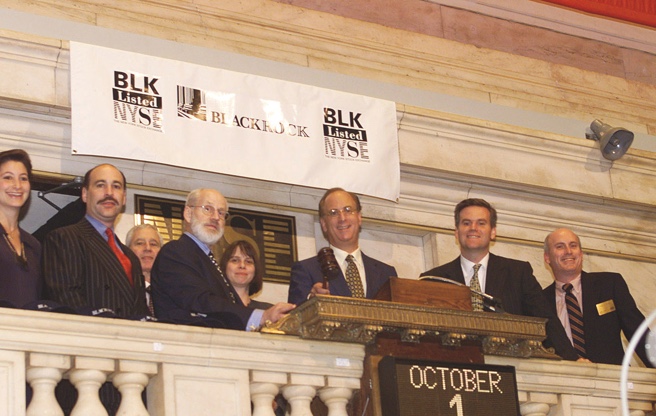
BlackRock, one of the world’s largest asset management firms, has expressed a strong interest in taking cornerstone investment roles in upcoming initial public offerings (IPOs) across the Middle East. The company’s move signals growing confidence in the region’s capital markets and a deepening commitment to its investment strategies in emerging markets.

Over the past few years, the Middle East has seen a substantial uptick in IPO activity, particularly in Saudi Arabia and the United Arab Emirates. Following the historic listing of Saudi Aramco in 2019, which set a new benchmark for the global IPO market, more companies in the region are exploring public offerings. With the backing of major sovereign wealth funds and private investors, these IPOs are seen as an attractive investment opportunity for global firms like BlackRock. The asset manager has previously been involved in such offerings, but now seeks a more pronounced stake by becoming cornerstone investors—those who commit to buying a significant portion of shares before the IPO is publicly launched.

A cornerstone investment carries considerable weight. It not only provides financial support to the issuing company but also bolsters the IPO’s credibility, often leading to greater investor confidence and successful market debuts. This dynamic is particularly critical in the Middle East, where many companies are looking to leverage their IPOs as a way to fund expansion and diversification. BlackRock’s potential involvement signals the growing maturity of the regional market, which has shifted from a reliance on local and regional investors to attracting global players.

The Middle East, particularly the Gulf Cooperation Council (GCC) countries, has become a major hub for investment in infrastructure, technology, and finance. Countries like Saudi Arabia, the UAE, and Qatar have been at the forefront of this transformation. Saudi Arabia’s Vision 2030 plan, which aims to diversify the kingdom’s economy away from oil dependency, has created an environment ripe for privatizations and IPOs in industries ranging from entertainment to healthcare and technology. Similarly, the UAE continues to open up its financial markets with initiatives like the Dubai Financial Market’s efforts to attract more international listings.

In parallel, BlackRock’s increased interest aligns with its broader strategic focus on emerging markets. The firm, which manages trillions of dollars in assets globally, has been expanding its footprint in the Middle East as part of its efforts to tap into the region’s growing wealth and investment opportunities. As the region’s financial ecosystem matures, global investors are keen to get a slice of what could be the next big opportunity.

For BlackRock, entering the IPO scene in the Middle East is not just about expanding its market share but also diversifying its portfolio with high-growth potential investments. The firm has made substantial efforts to ensure its involvement in emerging markets, viewing the Middle East as a key component of its global strategy. The region’s infrastructure development, economic reforms, and push towards diversification make it an attractive place for long-term investments. A cornerstone investment in an IPO could thus offer BlackRock the dual benefit of aligning with local growth ambitions while also capitalizing on new investment opportunities.

Saudi Arabia’s recent IPOs of major companies like the National Energy Services Company and Saudi Telecom have been highly anticipated. Both offerings demonstrated the kingdom’s ability to attract international investors, despite fluctuating oil prices and global economic uncertainty. BlackRock’s potential involvement in such high-profile deals would likely bring credibility to the process, further positioning the country as a growing investment hub. Moreover, it could drive further interest from other institutional investors looking to enter the Middle Eastern market.

The UAE’s stock exchange, the Dubai Financial Market (DFM), and the Abu Dhabi Securities Exchange (ADX) are also key players in the region. As the country looks to increase privatizations and diversify its economy, large-scale IPOs are expected in sectors such as real estate, energy, and technology. BlackRock’s interest in taking up cornerstone stakes reflects its belief in the resilience and expansion potential of the UAE’s market, particularly as it strengthens its status as a regional financial center.

The involvement of global asset managers in Middle Eastern IPOs not only signals the growing internationalization of the region’s capital markets but also highlights the increasing confidence in its long-term economic stability. While geopolitical risks and the ongoing volatility of global oil prices remain factors that could impact these markets, the resilience shown by the Middle East in navigating past crises and diversifying its economy makes it an attractive destination for investors.

Investors from the West have been particularly drawn to the region’s rapidly expanding consumer market and digital transformation initiatives. BlackRock’s strategy of anchoring cornerstone investments in this landscape reflects its commitment to these evolving markets. As companies continue to seek funds through public offerings, the expertise and financial muscle of major players like BlackRock are likely to influence the direction of the region’s IPOs.

Geely Farizon, the electric vehicle (EV) arm of Chinese automotive giant Geely, has partnered with Jameel Motors to expand its footprint in the United Kingdom. This collaboration will see Jameel Motors take charge of the distribution of Geely’s full range of new energy vehicles (NEVs) in the UK. The deal highlights the growing trend of Chinese automotive manufacturers increasing their presence in European markets, particularly in the rapidly growing EV sector.

Farizon’s commitment to expanding globally is supported by its diverse lineup, which includes electric trucks, buses, and light commercial vehicles. The UK, a key market in Europe with an increasing shift towards greener vehicles, is expected to be a crucial part of this expansion strategy. Farizon’s new energy vehicles, including hydrogen, methanol, and electric-powered models, align with the UK’s environmental goals and its push for net-zero carbon emissions by 2050.

Jameel Motors, part of the Abdul Latif Jameel Group, brings over six decades of experience in the automotive sector. Their international footprint and expertise will be pivotal as Geely Farizon seeks to capitalize on the UK’s thriving green vehicle market. Jameel’s established relationships with both customers and suppliers provide a solid foundation for Farizon’s introduction of its innovative fleet in the UK.

This partnership is part of a broader collaboration between Geely Farizon and Jameel Motors, which spans 11 countries. These markets collectively cover a population of over 450 million, offering substantial growth potential for Farizon’s products. As global demand for eco-friendly vehicles continues to rise, the strategic move into the UK market positions both Geely and Jameel as significant players in the EV revolution.

While the UK government’s incentives for electric vehicles and other green technologies have been a driving force behind this move, the increasing consumer demand for sustainable transportation options further strengthens the business case. Geely Farizon’s market entry is also timely, coinciding with the UK’s announcement of stricter regulations on fossil fuel-powered vehicles, expected to take effect in the coming years.

The UK stock market is experiencing a significant downturn in its standing as a preferred destination for initial public offerings (IPOs). As of 2024, it has fallen behind countries like Oman and Malaysia in IPO activity, facing structural challenges that have made it less attractive for new listings. Several factors contribute to the UK’s diminished role in the IPO market. The London Stock Exchange (LSE), traditionally a […]

Riot Platforms has significantly expanded its cryptocurrency holdings with the acquisition of 705 Bitcoin (BTC) tokens, valued at approximately $68.45 million. This move underscores the company’s ongoing strategy to strengthen its position in the cryptocurrency market, particularly amidst volatile market conditions. The purchase, made during the early hours of the Asian market on December 9, comes in the wake of an announcement regarding Riot’s plans for a private offering of convertible senior notes worth around $500 million.

The recent acquisition aligns with Riot’s broader strategy to boost its Bitcoin holdings as part of its corporate goals. In a statement released shortly after the purchase, Riot outlined that the funds raised from the senior notes offering would be primarily directed toward acquiring additional Bitcoin and supporting general corporate activities. The company has been steadily increasing its Bitcoin inventory, furthering its commitment to becoming a major player in the crypto space.

Riot’s decision to acquire the additional 705 BTC at this time may reflect the company’s confidence in Bitcoin’s long-term growth prospects, despite the ongoing fluctuations in its value. Bitcoin’s price has been prone to volatility, but major players like Riot continue to view the asset as a strategic reserve. By purchasing at this stage, Riot positions itself to capitalize on any potential upswing in Bitcoin prices while adding to its balance sheet.

The company’s foray into the cryptocurrency market began with a focus on Bitcoin mining but has increasingly encompassed broader crypto-related ventures. Riot Platforms, formerly known as Riot Blockchain, has made headlines for its ambitious investments in the Bitcoin ecosystem, including the development of mining facilities and the acquisition of digital assets. With this latest acquisition, Riot now holds over 10,000 Bitcoin, reinforcing its status as one of the largest publicly traded Bitcoin holders in the U.S.

Riot’s focus on Bitcoin is not unique within the industry, as other major firms also look to bolster their holdings of the cryptocurrency. Companies such as MicroStrategy and Tesla have similarly accumulated large Bitcoin reserves, viewing the asset not just as a store of value, but as a hedge against inflation and economic uncertainty. The competition for Bitcoin among institutional investors has intensified, with several firms eyeing the potential for significant long-term gains, even as the price of Bitcoin continues to experience short-term volatility.

Despite its optimism surrounding Bitcoin, Riot has also been preparing for potential risks. The company has diversified its operations, and the senior notes offering is designed to ensure financial flexibility. This move provides Riot with the ability to raise capital without diluting its shareholders through equity offerings. The issuance of convertible senior notes also offers investors the potential to convert their debt into equity under favorable conditions, making it an attractive proposition for both the company and investors.

Riot’s growth strategy appears to be driven by a mix of organic expansion and strategic acquisitions. The company has consistently reinvested its earnings into scaling its operations, including purchasing more mining equipment and enhancing its infrastructure. Riot’s growth trajectory is closely tied to the price of Bitcoin, which has seen significant fluctuations over the past year. As such, the company’s financial outlook depends in part on the broader trends in the cryptocurrency market.

The private offering of the senior notes is part of Riot’s broader plan to maintain flexibility in its financial structure. With an eye on further acquisitions, the company is positioning itself for future growth in the cryptocurrency space. As more institutional players enter the market, the demand for Bitcoin and other digital assets is expected to rise, and Riot’s strategic investments could pay off in the coming years.

In the context of the current market landscape, Riot’s purchase also serves as a signal to other investors about the company’s confidence in Bitcoin’s future potential. While many traditional financial institutions have been cautious about entering the cryptocurrency space, firms like Riot are leading the way by integrating digital assets into their core business models. This represents a shift in how mainstream corporations view Bitcoin—not as a speculative asset, but as a key component of their investment strategies.

Riot’s expansion into Bitcoin holdings is part of a broader trend in which companies are increasingly incorporating digital currencies into their balance sheets. As the regulatory environment for cryptocurrencies continues to evolve, Riot and other players in the market will likely face new challenges, particularly concerning the classification and taxation of digital assets. However, with the company’s recent moves, Riot is positioning itself at the forefront of a rapidly changing industry.

Riot’s actions are also reflective of the broader evolution of the cryptocurrency mining industry. As competition increases, mining operations are becoming more sophisticated, and companies like Riot are investing heavily in both hardware and digital assets. Riot’s expansion is an example of how miners are diversifying their business models, not just by mining Bitcoin but also by acquiring large quantities of the asset itself.

XRP saw a significant boost, climbing by 10%, following the announcement that Ripple’s stablecoin, RLUSD, received regulatory approval. This step marks a key moment in Ripple’s journey to bring its digital dollar to market, after months of regulatory scrutiny. With RLUSD’s approval, Ripple is one step closer to launching the stablecoin to the public, marking a significant development in the intersection of blockchain technology and financial services.

Ripple CEO Brad Garlinghouse confirmed the approval in a statement, emphasizing that the token’s regulatory green light would serve as a critical foundation for the company’s plans. The stablecoin, which is designed to be tied to the U.S. dollar, is still in test mode, currently running on both Ethereum and the XRP Ledger. The approval signifies a pivotal moment for Ripple as it navigates through complex financial regulations, aiming to integrate blockchain-based solutions more deeply into mainstream financial systems.

The launch of RLUSD, however, is not just about creating another stablecoin but positioning Ripple at the forefront of blockchain’s mainstream adoption. The market for stablecoins has expanded rapidly in recent years, driven by demand from investors, financial institutions, and governments seeking blockchain-based solutions with minimal volatility. Unlike cryptocurrencies such as Bitcoin or Ethereum, stablecoins aim to maintain a consistent value by being pegged to traditional assets like fiat currency. For Ripple, RLUSD represents not only an innovation in stablecoins but a potential step towards increasing its presence in the global digital asset ecosystem.

Ripple’s engagement with stablecoins comes at a time when the regulatory environment for cryptocurrency and digital assets is evolving. The United States, in particular, has seen increased regulatory oversight, as lawmakers and financial authorities seek to establish frameworks that both foster innovation and protect investors. Stablecoins have come under heightened scrutiny in these discussions, as their use in various financial transactions—from remittances to cross-border payments—raises concerns about their potential to destabilize financial markets if left unregulated.

The approval of RLUSD could be seen as a key win for Ripple in this challenging regulatory landscape. Ripple, which has faced a prolonged legal battle with the U.S. Securities and Exchange Commission (SEC) over its previous token offerings, may now find itself on firmer ground as it develops new products like RLUSD. The company’s previous legal difficulties, stemming from the classification of XRP as a security, have influenced its approach to ensuring compliance with financial regulations in future projects. The successful passage of RLUSD through regulatory channels could enhance Ripple’s reputation with both regulators and market participants.

Garlinghouse has previously expressed confidence in the future of blockchain and stablecoins, particularly in their potential to enhance cross-border payments. He believes that blockchain technology could eventually replace traditional payment networks, making transactions faster, cheaper, and more secure. RLUSD is expected to play a crucial role in this vision, facilitating faster transfers of value across borders and providing financial institutions with a stable digital asset for transactions.

The test phase for RLUSD, operating on both Ethereum and the XRP Ledger, underscores Ripple’s strategy of leveraging multiple blockchain platforms. While Ethereum has become the dominant blockchain for decentralized applications and stablecoins, the XRP Ledger offers distinct advantages, particularly in terms of transaction speed and cost. Ripple’s stablecoin could eventually be used by a range of financial institutions and businesses to handle everyday transactions, potentially competing with other major stablecoins such as Tether (USDT) and USD Coin (USDC), which have already established themselves as industry standards.

Despite the regulatory challenges Ripple has faced, the broader cryptocurrency market has welcomed the news of RLUSD’s approval. XRP’s price increase of 10% signals that the market views Ripple’s stablecoin development as a positive sign for the company’s future. Investors are hopeful that the approval will pave the way for more widespread adoption of Ripple’s blockchain solutions, positioning the company for long-term growth as it continues to expand into new markets and products.

The regulatory approval of RLUSD is also seen as a potential catalyst for further developments in the stablecoin space. As Ripple navigates its regulatory landscape, its success with RLUSD could set a precedent for other blockchain companies seeking to introduce stablecoins in compliance with global financial regulations. The pressure is now on other digital asset companies to follow suit, ensuring that their products meet stringent regulatory requirements. However, the trajectory of stablecoins, particularly those that aim to be fully regulated, remains uncertain, as different jurisdictions continue to explore their role in the global financial system.

Understood! Let me gather the required information and draft the report accordingly. This may take a moment.

Cordish Gaming Group has named John J. Chaszar as the Executive Vice President and General Manager of its upcoming Live! Casino & Hotel Louisiana, a $270 million development set to reshape the gaming and entertainment landscape in Bossier City. Slated to open in early 2025, the project marks a significant milestone as the first land-based casino in the Shreveport-Bossier region.

Chaszar brings over 30 years of experience in gaming and hospitality operations, having previously led properties in Louisiana, Texas, Mississippi, and several other states. His notable achievements include managing the transition of Tropicana Casino in Indiana from a riverboat facility to a land-based venue, a background that aligns closely with the new venture’s objectives.

SINGAPORE – Media OutReach Newswire – 11 December 2024 – JForce Employment Service, an employment agency in Singapore, continues to set the standard in providing well-trained domestic helpers by operating its own dedicated maid training centre in Indonesia. This overseas facility is central to JForce’s mission as a maid agency, supplying highly skilled domestic helpers, particularly in the area of elderly care maid training, ensuring maids are […]

10+ inventions won awards at the 4th Asia Exhibition of Innovations and Inventions Hong Kong HONG KONG SAR – Media OutReach Newswire – 10 December 2024 – The Hong Kong Exporters’ Association (HKEA)’s “Hong Kong Innovation & Invention” (HKII) today showcased over 40 locally invented innovations at Entrepreneur Day 2024. (From Left to right: 1) Eric Sun, Chairman of the Hong Kong Exporters’ Association; 2) David Taji […]

Argentina has approved the use of cryptocurrency-based exchange-traded funds (ETFs), signaling a transformative step in the nation’s financial sector. This move permits investors to engage in assets like Bitcoin, Ethereum, and gold, broadening Argentina’s investment landscape and aligning it with global market standards.

The introduction of these ETFs comes under the libertarian leadership of President Javier Milei, whose policies emphasize decentralization and financial innovation. By embracing crypto ETFs, Argentina positions itself as a forward-thinking player in a rapidly evolving global financial ecosystem. The initiative aims to attract both domestic and international investors, diversifying portfolio options and fostering economic growth.

Crypto ETFs provide a structured way to invest in volatile assets by bundling cryptocurrencies into a single financial product traded on exchanges. This development holds particular significance in a country grappling with inflation and limited access to traditional foreign investment instruments. By enabling the public to invest in alternative assets, the measure seeks to empower individuals and enhance market participation.

The country’s Comisión Nacional de Valores (CNV) played a central role in approving these ETFs, marking a pivotal regulatory shift. The CNV has outlined strict compliance measures to ensure transparency and mitigate risks associated with cryptocurrencies. These steps reflect a balancing act between innovation and safeguarding investor interests, particularly amid global concerns about the volatility and regulatory challenges of digital currencies.

Market analysts view this decision as a strategic alignment with international financial trends, where cryptocurrency ETFs have gained traction in regions like North America and Europe. Argentina now joins a league of nations pioneering regulated access to digital assets, furthering its ambition to modernize its financial infrastructure.

This approval aligns with President Milei’s broader economic agenda, which includes fostering a free-market economy and reducing state intervention. His administration’s focus on financial decentralization resonates with the ethos of cryptocurrency, which advocates for autonomy and borderless transactions. The president has frequently highlighted the potential of digital currencies to address economic challenges, including hyperinflation and currency devaluation, issues that have long plagued the Argentine economy.

Cryptocurrency adoption in Argentina has seen substantial growth in recent years, driven by a combination of economic instability and technological advancements. With limited trust in traditional banking systems, many Argentines have turned to cryptocurrencies as a hedge against inflation and currency depreciation. The legalization of crypto ETFs is expected to amplify this trend, making digital assets more accessible to a broader audience.

The move also aligns with the global shift towards integrating blockchain technology into traditional finance. Experts suggest that Argentina’s adoption of crypto ETFs could catalyze further innovations in the Latin American financial market, setting a precedent for neighboring countries to follow. This regional influence could spur economic collaboration and attract tech-focused investments across borders.

By Dr. Gyan Pathak The current week is crucial for the Chief Justice of India Justice Sanjiv Khanna. He has a new task in hand –making judiciary above suspicion. The task has come on his way through two sets of petitions – the first was relating to the Places of Worship Act, and the second […]

BEIJING, CHINA – Media OutReach Newswire – 10 December 2024 – The innovative environmental governance model of China’s Kubuqi Desert has gained international recognition, establishing itself as a benchmark for combating desertification and addressing climate change worldwide. At the heart of this success is the Three-North Shelterbelt Forest Program, one of the world’s largest ecological initiatives. Since its inception in 1978, this monumental project has built a […]

The Department of Government Efficiency (DOGE) disclosed that a significant portion of the U.S. federal government’s annual IT budget, approximately 80% of the total $100 billion, is allocated to maintaining outdated technology systems. This allocation raises concerns about the long-term sustainability of the federal IT infrastructure and its vulnerability to security threats.

Despite the substantial budget, the government faces a challenge in modernizing its technology while managing legacy systems that have become both inefficient and costly to maintain. Many of these systems were initially developed decades ago and have struggled to keep pace with rapid advancements in technology. As a result, maintaining these aging systems has grown more expensive, consuming a disproportionate share of the federal IT budget.

The situation has sparked debates about the federal government’s ability to balance its technological needs with its security priorities. Outdated systems are not only more costly to maintain but are also significantly more vulnerable to cyberattacks, raising concerns about national security risks. Experts argue that continued reliance on legacy systems could expose sensitive government data to increasing cybersecurity threats, further straining the government’s IT security efforts.

The revelation by DOGE comes at a time when federal agencies have faced criticism for their inability to modernize critical infrastructure quickly enough. A number of high-profile cyberattacks in recent years have underscored the urgency of addressing vulnerabilities in government systems. These incidents, which have targeted various agencies, have raised alarms about the resilience of federal IT networks and their capacity to defend against modern-day threats.

A primary issue is the government’s inability to fully transition from legacy technology to more secure, efficient, and adaptable systems. Experts argue that the high costs associated with maintaining outdated systems may be hindering the government’s ability to invest in cutting-edge technologies like artificial intelligence, cloud computing, and blockchain, all of which have the potential to enhance government operations and improve security.

There are concerns about the lack of skilled personnel required to manage these older systems effectively. Many IT professionals with expertise in outdated technologies are retiring or leaving the workforce, creating a knowledge gap that is challenging to fill. This lack of qualified personnel further complicates the effort to modernize federal IT infrastructure.

The burden of maintaining legacy systems has also led to inefficiencies within government operations. Modern systems are typically more agile, cost-effective, and scalable, which allows for improved service delivery and greater responsiveness to changing needs. However, due to the reliance on outdated systems, government agencies are often unable to take advantage of the efficiencies offered by newer technologies, leading to delays and increased operational costs.

In response to these challenges, DOGE has called for a reevaluation of how federal IT budgets are allocated. The department has urged a shift towards prioritizing investments in modernization initiatives, which could provide long-term savings by reducing the costs of maintaining legacy systems. Some experts suggest that adopting a more incremental approach to modernization—updating critical systems first while gradually phasing out older technologies—may offer a more practical solution.

The federal government’s struggle with outdated technology systems is not unique to the United States. Many governments around the world are facing similar issues as they attempt to navigate the complex landscape of digital transformation. However, given the scale of the U.S. government’s operations, the consequences of failing to modernize could have far-reaching implications, both in terms of efficiency and security.

Despite the challenges, there have been some steps taken towards modernization. Federal agencies have begun pilot programs to experiment with new technologies and test their applicability in government operations. Some agencies are already seeing positive results from these efforts, although the pace of change remains slow.

The financial implications of maintaining outdated systems are significant. According to estimates, the government spends billions annually on software upgrades, hardware maintenance, and security patches for legacy systems. As these systems continue to age, the costs associated with upkeep are expected to rise, further straining the federal IT budget.

As the government moves forward with its modernization efforts, the success of these initiatives will depend largely on the ability to balance cost, security, and innovation. A comprehensive, long-term strategy will be required to overhaul the federal IT infrastructure while addressing the immediate needs of maintaining legacy systems.

In light of the revelations by DOGE, there are growing calls for more transparency in the government’s IT spending, with some lawmakers pushing for increased oversight of federal IT contracts. Critics argue that without greater accountability, the government may continue to waste taxpayer dollars on outdated systems, undermining efforts to modernize and secure its infrastructure.


Gulf nations have shown a growing interest in exploring Mongolia’s vast critical mineral resources, which are essential to global supply chains, particularly in green technologies. This shift in focus was underscored by Mongolian Prime Minister Oyun-Erdene Luvsannamsrai in a recent address, highlighting the potential for stronger cooperation between Mongolia and Gulf states in the mining and energy sectors. Mongolia is rich in critical minerals, including rare earth […]

Dubai-based fintech platform Stake has officially launched its operations in Saudi Arabia, marking a significant step in its expansion strategy across the Middle East. This move is set to bolster the company’s position in the region’s growing digital financial landscape, which has seen rapid growth amid Saudi Arabia’s push to diversify its economy under the Vision 2030 framework. Stake, which has established itself as a leading player […]

VISHNU RAJA
RYO YAMADA
HITORI GOTOH
IKUYO KITA