News related to
Years

Kronos Research has strengthened its leadership team with a focus on enhancing the firm’s commitment to innovation through collaboration and technical excellence SINGAPORE – Media OutReach Newswire – 11 October 2024 – Kronos Research, a leading quant-trading firm and market maker, has strengthened its leadership team with the appointment of Vincent Wang as Chief Technology Officer (CTO), a pivotal role focused on enhancing the firm’s commitment to […]

Sainsbury’s largest shareholder, the Qatar Investment Authority (QIA), has reduced its stake in the UK-based supermarket chain. QIA sold approximately 5% of its shares, equivalent to 109.4 million shares, priced at 280 pence per share. This transaction comes after QIA previously held a 14% stake in Sainsbury’s, now lowering its ownership to around 9%. The sale was confirmed through regulatory filings, marking a significant reduction in QIA’s […]

Adani Group, led by billionaire Gautam Adani, is reportedly engaged in discussions with a Middle Eastern sovereign wealth fund to secure a significant investment in its airport business. The move is seen as part of the conglomerate’s broader strategy to raise up to $1 billion to fund its airports division. These talks come at a critical juncture as Adani seeks to solidify its position in India’s infrastructure and aviation sector while addressing concerns over its debt levels.

Adani Airports, a subsidiary of the Adani Group, currently operates several major airports across India. It has been aggressively expanding its footprint in the country’s aviation industry, holding stakes in seven airports, including those in Mumbai, Ahmedabad, and Lucknow. This push into the airport sector is part of the group’s broader goal to diversify its operations and strengthen its presence in infrastructure, energy, and transportation. Airports have become a key focus area for Adani in recent years, reflecting the company’s long-term bet on India’s growing demand for air travel and infrastructure development.

Reports suggest that the potential deal with the Middle Eastern sovereign wealth fund could result in a capital injection that would help Adani Airports scale up its operations, reduce its debt burden, and maintain financial stability. While the identity of the sovereign wealth fund has not been publicly disclosed, sources familiar with the matter indicate that the discussions are at an advanced stage. The potential investment is expected to bolster Adani’s ability to meet its expansion goals and improve its financial health, particularly after facing scrutiny over its leverage levels following a short-seller report earlier this year.

The interest from the sovereign wealth fund also signals the growing appetite among Gulf-based investors to participate in India’s infrastructure growth. The Middle East, particularly countries like the United Arab Emirates and Saudi Arabia, has increasingly turned its attention to the Indian market, recognizing the long-term potential in sectors such as energy, logistics, and aviation. Adani’s airport business, with its strategic portfolio of assets, is an attractive proposition for investors seeking exposure to India’s booming aviation industry and infrastructure projects.

For the Adani Group, securing this investment would mark a significant milestone. The company has been under pressure to demonstrate its ability to navigate financial challenges while continuing its rapid expansion across key sectors. Earlier in 2023, Adani’s financial dealings came under intense global scrutiny after a report by the U.S.-based short seller Hindenburg Research accused the group of stock manipulation and accounting fraud. The allegations triggered a sharp decline in Adani’s share prices and forced the group to undertake damage control efforts, including scaling back its capital expenditure plans and repaying debt to allay investor concerns.

Despite these challenges, the group has maintained its aggressive growth trajectory, particularly in sectors like airports, ports, power generation, and renewable energy. Adani Airports, in particular, has been a core element of the company’s infrastructure portfolio, with the group committing substantial resources to transform its airport assets into world-class aviation hubs. The airport business is seen as a long-term growth driver for Adani, especially as India continues to witness strong growth in air passenger traffic. Pre-pandemic projections had anticipated India to become the world’s third-largest aviation market by 2025, and the post-pandemic recovery has further fueled optimism about the sector’s prospects.

Adani’s push for fresh capital comes as the Indian government intensifies its focus on modernizing and expanding the country’s airport infrastructure to meet growing demand. The government has introduced several policy reforms aimed at attracting private investment in the aviation sector, including public-private partnerships and airport privatization initiatives. Adani’s airports division has been a major beneficiary of these reforms, having won competitive bids to operate several airports under long-term concession agreements.

This potential $1 billion capital raise aligns with the company’s broader strategy of attracting foreign investments to support its infrastructure ambitions. In recent years, the Adani Group has successfully secured investments from global players, including a $6 billion investment from TotalEnergies for its renewable energy business. By bringing in a strategic partner for its airport business, Adani aims to replicate this success in aviation, further boosting its ability to scale up operations and enhance the efficiency of its airport assets.

The timing of these negotiations also coincides with increasing interest from international investors in India’s growing aviation market. India is expected to witness a rapid increase in air traffic over the next decade, driven by rising middle-class incomes, urbanization, and increased business travel. With this backdrop, Adani’s airport business is poised to capture a significant share of this growth, particularly as the company continues to expand its airport operations and invest in modernizing its existing assets.

While the final terms of the deal are yet to be finalized, industry analysts believe that the investment from the Middle Eastern sovereign wealth fund could serve as a crucial catalyst for Adani’s airport ambitions. The deal would provide much-needed liquidity to the group and enhance its ability to fund future airport projects, including terminal expansions, new runway constructions, and modernization efforts at its airports.

A leading Chinese hedge fund, with an impressive 800% growth over seven years, has opted to buy the dip in Hong Kong-listed China tech stocks. This decision comes as part of a strategic response to market volatility and reduced valuations, even after a rally earlier this year. The fund’s executives believe that the current dip in stock prices presents an opportune moment to strengthen positions in undervalued […]

Elon Musk has once again captured global attention with the unveiling of Tesla’s new robotaxi concept, dubbed the Cybercab. During an event that generated significant interest among tech and automotive enthusiasts, Musk announced that the vehicle is expected to hit production by 2026. With an estimated price tag below $30,000, the Cybercab is positioned to be a disruptive force in the burgeoning autonomous transportation sector. The prototype […]

KUALA LUMPUR, MALAYSIA – Media OutReach Newswire – 10 October 2024 – Malaysia is advancing its role in global green leadership with the official launch of the International Greentech & Eco Products Exhibition & Conference Malaysia (IGEM) 2024, which aims to generate RM4.8 billion in business leads. Hosted at the Kuala Lumpur Convention Centre (KLCC), IGEM 2024 cements Malaysia’s commitment to a green economy as the country […]

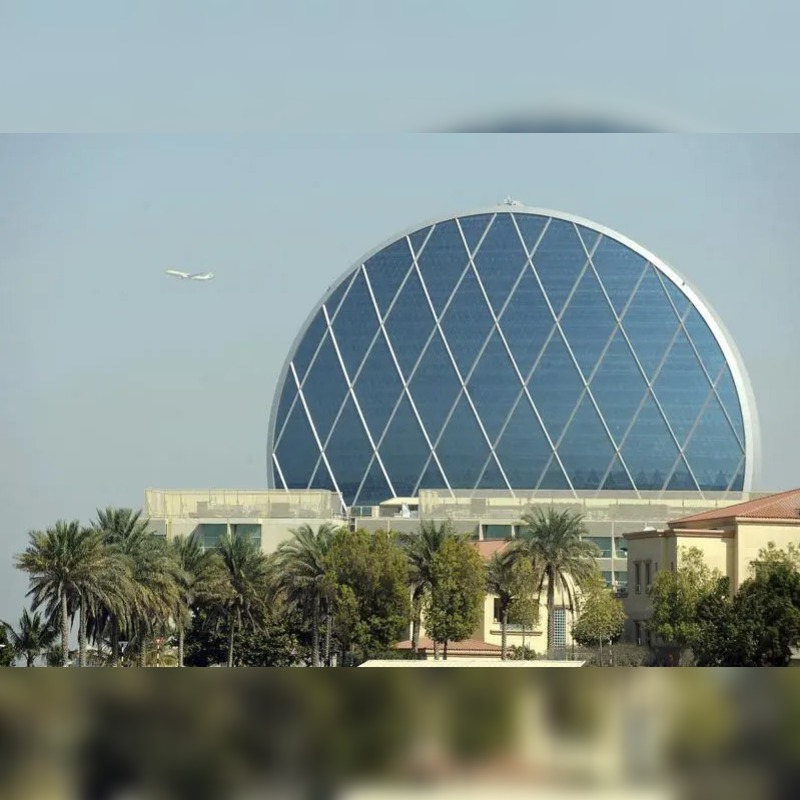
Aldar has unveiled a joint venture to spearhead a $476 million real estate development in Expo City Dubai, marking a significant move in the Emirate’s property market. The collaboration, which brings together Aldar and Dubai Holding, is expected to fuel Expo City’s transformation into a premier residential and commercial hub. The partnership will develop approximately 38,000 square meters of land within the city, with a focus on sustainability, innovation, and high-end living. This latest announcement is viewed as a strategic step for Aldar as it seeks to expand its portfolio and strengthen its presence in Dubai’s booming property sector.

Expo City Dubai, originally conceived as a site for the World Expo 2020, has been gradually transformed into a multi-functional district, serving residential, business, and entertainment needs. Aldar’s latest development aims to further enhance this district by introducing a series of new residential complexes designed to cater to the increasing demand for upscale living spaces. The development is anticipated to attract both residents and businesses looking to benefit from Expo City’s strategic location and well-established infrastructure.

This project comes at a time when the UAE’s property market is experiencing steady growth, with rising demand for luxury homes and commercial spaces. The collaboration between Aldar and Dubai Holding will leverage the strengths of both entities, with Aldar contributing its expertise in real estate development and Dubai Holding providing prime land and access to Expo City’s robust infrastructure. The project’s primary goal is to create an integrated community that aligns with Expo City’s vision of becoming a leading global destination for business, leisure, and sustainable living.

Aldar, headquartered in Abu Dhabi, has been expanding its footprint in Dubai’s real estate market over the past few years. This joint venture highlights the developer’s ambitions to play a more prominent role in shaping Dubai’s urban landscape. Aldar’s CEO has emphasized that the project will not only contribute to the city’s economic growth but also help position Dubai as a leading destination for property investment. The development, he said, aligns with the UAE’s long-term strategy to diversify its economy and boost its non-oil sectors, particularly real estate and tourism.

Expo City, which has retained much of its infrastructure and facilities from the World Expo, has seen an uptick in investment since the event concluded. Aldar’s project is one of several high-profile developments slated for the area, which is expected to attract both domestic and international buyers and investors. The city is being marketed as a hub for sustainability, innovation, and connectivity, with easy access to key locations such as Al Maktoum International Airport, Jebel Ali Port, and major highways connecting it to Abu Dhabi and the rest of Dubai.

With a focus on environmental sustainability, the development will incorporate energy-efficient designs and technologies, in line with the UAE’s broader sustainability goals. Aldar has a strong track record of integrating eco-friendly features into its projects, and this new venture is expected to follow suit, offering smart homes, green spaces, and pedestrian-friendly environments. Such features are increasingly sought after by buyers in the UAE, where the government has been promoting sustainable urban development as part of its Vision 2030 plan.

Dubai’s real estate market has shown resilience over the past year, with property prices and transactions rebounding after a challenging period due to the pandemic. Experts in the industry are optimistic about the future, pointing to Expo City’s unique selling points and its role in Dubai’s broader urban development plans. Aldar’s involvement in such a high-profile project further cements its status as one of the leading developers in the UAE, and the collaboration with Dubai Holding is expected to bring considerable synergies to the development.

Aldar’s focus on high-end residential units in this project aligns with the broader trend in Dubai’s property market, where luxury homes and apartments have seen significant growth in demand. The influx of high-net-worth individuals, particularly from Europe and Asia, has driven the expansion of the luxury segment, with properties in premium locations commanding higher prices. Aldar and Dubai Holding’s joint venture is well-positioned to capitalize on this trend, offering a blend of exclusivity, innovation, and strategic location within Expo City.

Dubai Holding, which manages an extensive portfolio of assets across multiple sectors, is expected to play a crucial role in facilitating the development’s integration with the rest of Expo City. As a key player in Dubai’s real estate and infrastructure sectors, Dubai Holding has the resources and expertise to ensure the success of this venture. Both companies have expressed confidence in the project’s potential to contribute to the city’s long-term vision of becoming a global hub for trade, tourism, and investment.

The new development is also expected to create numerous job opportunities, both during the construction phase and after the project’s completion. Expo City has already seen significant interest from businesses looking to set up offices in the area, and Aldar’s project will likely further boost its appeal as a commercial center. The mixed-use nature of the development means that it will cater to both residential and business needs, creating a dynamic community that reflects the diverse nature of Dubai’s population and economy.


Advertisements

Flydubai Cargo has partnered with cargo.one, a prominent digital booking platform, to launch its inaugural digital sales initiative. This strategic collaboration allows freight forwarders to access flydubai Cargo’s capacity seamlessly, marking a significant advancement in the company’s digital transformation efforts. Through this platform, users can leverage instant access to an array of services, including interline routes facilitated by existing partnerships with various airlines.

The digital sales launch aims to streamline the booking process, enabling customers to manage cargo reservations efficiently. This move aligns with the broader industry trend towards digitalization, where traditional logistics practices are increasingly supplemented by technological innovations. The partnership is expected to enhance operational efficiency, reduce turnaround times, and ultimately improve customer satisfaction by providing a user-friendly interface for booking cargo shipments.

With the ongoing growth in e-commerce and the rising demand for air freight services, the collaboration is timely. The global air cargo market has witnessed substantial growth, with estimates projecting it to continue expanding as companies increasingly rely on air transportation for the swift delivery of goods. Flydubai Cargo’s entry into the digital sales space is a response to this evolving market landscape, allowing it to remain competitive and responsive to customer needs.

Cargo.one’s platform is designed to simplify the booking experience for freight forwarders, offering a transparent and real-time view of available capacity. Users can make reservations at their convenience, receiving instant confirmations. This capability is particularly vital in an industry where speed and reliability are paramount. Flydubai Cargo’s capacity will include not only its dedicated routes but also options through interline agreements, enhancing its network reach.

Industry analysts suggest that the integration of digital solutions in cargo operations is becoming essential for companies aiming to optimize their services. The demand for agility in logistics has led many carriers to invest in technology that facilitates faster response times and improves customer interaction. By adopting a digital-first approach, flydubai Cargo positions itself as a forward-thinking player in the air freight sector.

This partnership also reflects a growing trend among airlines to collaborate with technology providers to enhance their service offerings. As digital platforms gain traction, more cargo carriers are recognizing the need to adapt to the shifting dynamics of freight transportation. The success of such initiatives hinges on the ability to provide seamless digital experiences that cater to the evolving expectations of customers.

Cargo.one, known for its innovative solutions in the air cargo booking space, has been instrumental in driving digital transformation across the industry. By partnering with them, flydubai Cargo is not only leveraging existing technology but also benefiting from cargo.one’s established network of freight forwarders. This symbiotic relationship is anticipated to yield significant advantages for both parties, as they aim to capitalize on the growing demand for digital solutions in air freight.

As part of this initiative, flydubai Cargo plans to continuously update its offerings on the cargo.one platform, providing customers with real-time information about capacity, pricing, and available services. The integration of advanced analytics and data insights is expected to further enhance decision-making processes for freight forwarders, allowing them to optimize their logistics strategies.

The air cargo market has seen increasing competition in recent years, with numerous carriers vying for a larger share of the business. Flydubai Cargo’s move to digitalize its sales is a proactive step to differentiate itself in this competitive landscape. By prioritizing customer experience and efficiency, the airline aims to attract new clients and retain existing ones, further solidifying its position in the industry.

Freight forwarders stand to benefit from the enhanced visibility and control offered by the digital sales initiative. With the ability to book cargo space online and receive immediate confirmations, logistics providers can better manage their operations, ultimately improving their service delivery. This transformation not only meets the current demands of the market but also prepares flydubai Cargo for future challenges as the logistics landscape continues to evolve.

As the partnership unfolds, stakeholders will closely monitor the impact of these digital sales on flydubai Cargo’s overall performance. The air freight sector is characterized by rapid changes and evolving customer expectations, making adaptability crucial for success. Flydubai Cargo’s strategic alignment with cargo.one exemplifies a forward-looking approach aimed at addressing these challenges head-on.

Hurricane Milton, now a dangerous Category 5 storm, is on a collision course with Florida’s Gulf Coast, prompting emergency evacuations for over a million residents. As it intensified over the Gulf of Mexico, authorities scrambled to clear vulnerable areas, particularly Tampa Bay, where memories of 2017’s Irma fuel concern. With wind speeds of 175 mph, Milton threatens widespread destruction, leading to clogged highways and depleted fuel supplies. […]

Jonathan Keyes has been appointed as the Head of Sustainable Finance for the Middle East by ING, the Dutch multinational banking and financial services corporation. This strategic move aligns with ING’s commitment to promoting sustainability and supporting clients in their transitions toward more sustainable business practices. Keyes, who previously held the position of Global Head of Sustainable Finance at the bank’s headquarters in Amsterdam, brings a wealth […]

Arabian Post Staff Oil varnishing, a known issue in the operation of gas turbines and other heavy-duty industrial machinery, continues to affect performance and reliability, despite years of advancements in lubrication technologies. Since the early 2000s, when General Electric (GE) released data showing that nearly one-third of its F-class turbines were experiencing varnish formation, operators have been seeking effective solutions. Varnishing, characterized by the formation of thin, […]

SINGAPORE – Media OutReach Newswire – 10 October 2024 – Twist Media, a leading event company in Singapore, is excited to mark its 10th anniversary, celebrating a decade of delivering top-tier corporate events. Since its inception, Twist Media has built a reputation for crafting unique, memorable experiences for clients across a variety of industries. To celebrate this impressive milestone, Twist Media recently hosted a special event, bringing […]

A showcase of rare, fancy colour diamonds, a 126.92-carat natural rough diamond and High Jewellery Masterpieces will be on public view from 9 – 13 October at LANDMARK HONG KONG SAR – Media OutReach Newswire – 9 October 2024 – De Beers Jewellers, the leading diamond Jewellery House, and LANDMARK, a world-class luxury shopping destination, are proud to announce a one-of-a-kind exhibition titled “Inspired by Nature” in […]

QatarEnergy has finalized a significant 20-year naphtha supply agreement with Shell, marking a pivotal development in the global energy sector. The agreement, effective from April 2025, is set to deliver up to 18 million metric tons of naphtha to Shell’s operations, primarily supporting its petrochemical ventures. This deal underscores Qatar’s growing role as a key player in the global energy market, especially in petrochemical production, where naphtha is a vital feedstock.

The announcement was made by Saad al-Kaabi, the CEO of QatarEnergy and the state’s Minister of Energy. He emphasized the importance of this agreement, stating it represents QatarEnergy’s first long-term naphtha sales contract of such duration. Al-Kaabi highlighted the collaboration as part of a broader strategy to leverage Qatar’s vast energy resources, particularly from the North Field, the world’s largest natural gas field, shared with Iran and known as the South Pars gas field in Iran.

The strategic partnership between QatarEnergy and Shell is not new; it has been built over several years through joint ventures and investments in liquefied natural gas (LNG) projects, including the Pearl GTL (Gas-to-Liquids) facility, which is a significant project in Qatar’s energy landscape. The two companies are committed to further collaboration in various energy sectors, enhancing their capabilities in energy production and distribution.

As global energy demands continue to evolve, the deal also reflects the shifting dynamics in the petrochemical industry, where companies are increasingly focused on securing long-term supply contracts to stabilize their operations. Naphtha, derived from crude oil, serves as a critical raw material in producing various chemicals and plastics. The agreement with Shell positions Qatar as a reliable supplier in a market that is grappling with fluctuating energy prices and geopolitical uncertainties.

The significance of this deal extends beyond immediate commercial interests. It aligns with Qatar’s broader vision to diversify its economy and expand its influence in the global energy landscape. By solidifying such long-term contracts, QatarEnergy aims to enhance its competitive edge, ensuring a steady revenue stream while contributing to the stability of global energy supplies.

Industry experts view this agreement as a testament to Qatar’s strategic foresight in recognizing the importance of long-term partnerships in a sector that is increasingly volatile. The collaboration not only strengthens Qatar’s energy export capabilities but also reinforces Shell’s operational efficiency as it seeks to maintain its leadership position in the petrochemical market.

As global energy policies shift towards sustainability, this agreement is also anticipated to play a role in transitioning to more sustainable energy sources. QatarEnergy has been proactive in exploring cleaner energy alternatives and investing in technologies that reduce carbon emissions, reflecting a commitment to environmental stewardship.

Abu Dhabi’s Modon Properties has announced a strategic joint venture with Candy Capital to develop a luxury real estate portfolio aimed at affluent buyers. This collaboration reflects the growing demand for high-end living spaces in the United Arab Emirates, particularly as the market rebounds from the impacts of the global pandemic. Modon, a leading developer in Abu Dhabi, has established a strong reputation for creating master-planned communities […]

The U.S. Department of Justice (DOJ) recently recognized Bitfinex as the primary victim eligible for restitution after the monumental 2016 Bitcoin hack that resulted in the theft of 119,755 BTC. The hack, considered one of the most significant thefts in cryptocurrency history, shook the industry when hackers exploited security vulnerabilities in Bitfinex’s wallet infrastructure. At the time, the stolen BTC amounted to $72 million, but its current value stands at a staggering $5.8 billion, reflecting the cryptocurrency’s meteoric rise.

Efforts to track down and recover the stolen funds have been ongoing for years, with law enforcement agencies collaborating with private-sector partners and global intelligence networks. These efforts culminated in a breakthrough when the DOJ announced in February 2022 that a substantial portion of the stolen Bitcoin was recovered from two individuals in the U.S., Ilya Lichtenstein and Heather Morgan. The couple was arrested in connection with laundering the stolen cryptocurrency, bringing a significant milestone in the recovery process.

While Bitfinex had already taken measures to compensate its users after the breach by issuing BFX tokens, the restitution process from the recovered assets now brings the company another step closer to full recovery. Following the hack, Bitfinex had credited BFX tokens to affected users at a one-to-one ratio with the U.S. dollar. These tokens were redeemable either for USD or shares in iFinex, the parent company of Bitfinex, and all tokens were fully redeemed or exchanged by April 2017.

With the DOJ officially designating Bitfinex as the rightful recipient of the recovered Bitcoin, the exchange is now legally positioned to claim these assets. However, the legal process is ongoing, and Bitfinex will need to navigate a series of procedures before securing the full restitution.

The company has already laid out plans for the recovered BTC. Bitfinex’s leadership announced that a portion of the funds, once returned, will be used to repurchase and burn the exchange’s proprietary UNUS SED LEO tokens. According to Bitfinex, up to 80% of the recovered assets will be directed toward these repurchases, in line with commitments made to the holders of UNUS SED LEO, a token issued by the exchange to raise funds following the breach.

The recovery efforts began shortly after the 2016 incident, with Bitfinex collaborating closely with law enforcement and providing critical intelligence to aid in the investigation. Since 2019, several smaller portions of the stolen Bitcoin have been recovered, including approximately 27.66 BTC in February 2019 and 6.51 BTC in December 2021. These were positive developments, but the major recovery of over 94,000 BTC in 2022 marked a turning point in the case.

Bitfinex’s handling of the hack and its aftermath has been viewed as a key test for the exchange’s resilience and transparency. By rapidly compensating users through the issuance of BFX tokens and redeeming them within eight months, the exchange sought to rebuild trust among its user base. The launch of the Recovery Right Token (RRT), a tradable asset issued to certain users in exchange for BFX tokens, also formed part of this recovery strategy. If any further BTC is recovered, Bitfinex intends to use it to cover remaining amounts owed to RRT holders, up to $1 per RRT.

Despite the progress, there are still questions about how the restitution process will unfold, particularly regarding the timeline for Bitfinex to receive the recovered Bitcoin. Legal proceedings surrounding the hack continue to unfold, and further updates from both the DOJ and Bitfinex are expected as the situation develops.

Further enhance the Company’s earnings per share and maintain long-term financial stability HONG KONG SAR – Media OutReach Newswire – 9 October 2024 – Yuexiu Transport Infrastructure Limited (“Yuexiu Transport” or the “Company”; stock code: 01052.HK) announced today that a wholly-owned subsidiary of the Company has entered into an agreement to acquire 55% equity interests in the target company which holds the toll collection rights of Henan […]

VanEck, a leading global asset management firm, has introduced a $30 million early-stage fund, VanEck Ventures, marking a significant move into the realms of fintech, digital assets, and artificial intelligence (AI). This initiative aims to capitalize on the burgeoning opportunities in technology-driven financial services, with the fund dedicated to pre-seed and seed-stage startups. The company’s focus is squarely on supporting visionary founders and entrepreneurs as they develop cutting-edge financial applications and infrastructure for the next generation.

The new fund is part of VanEck’s broader strategy to expand its presence in emerging sectors such as blockchain, cryptocurrency, and AI, which are increasingly becoming integral to the global financial ecosystem. Fintech has seen an explosion of growth, driven by rapid digitalization and consumer demand for innovative financial solutions. With this fund, VanEck is positioning itself at the forefront of this transformation, aiming to fuel the growth of promising early-stage companies.

The fund, VanEck Ventures, reflects the company’s growing interest in startups that can disrupt traditional financial systems with groundbreaking technologies. The global shift towards decentralized finance (DeFi) and blockchain-based financial services has created a fertile environment for innovation. Fintech solutions are enabling faster, cheaper, and more accessible financial services to both individuals and businesses, particularly in underserved markets. Similarly, AI is becoming a pivotal tool for enhancing decision-making, automating processes, and improving customer experiences within the financial sector.

VanEck Ventures will target a wide range of innovative companies, particularly those working on decentralized finance, AI-driven financial technologies, and blockchain-based solutions. The fund’s focus on pre-seed and seed stages highlights its commitment to backing startups during their formative years, when support and funding can have the most significant impact. With many early-stage fintech and AI companies struggling to secure financing, the creation of this fund provides crucial capital and resources to help these businesses scale.

The global fintech landscape has been evolving rapidly, with investment in the sector reaching unprecedented levels. In recent years, a growing number of traditional financial institutions and asset managers have been diversifying into fintech and digital assets to stay competitive. VanEck’s new venture fund is a testament to this shift, demonstrating how established firms are seeking to harness the potential of disruptive technologies. As the lines between traditional finance and technology continue to blur, VanEck Ventures is well-positioned to drive the next wave of financial innovation.

VanEck’s foray into venture capital follows a pattern seen in other major asset management firms. Several of these firms have launched venture funds aimed at early-stage fintech companies in the hopes of getting ahead of technological changes reshaping the financial services landscape. By investing in startups at the pre-seed and seed stages, VanEck not only aims to benefit from potential returns but also gain strategic insights into emerging technologies and business models.

AI’s role in transforming financial services has also been a key driver of investment interest. AI and machine learning are now being deployed across various financial processes, from fraud detection and risk management to customer service and algorithmic trading. The integration of AI technologies in fintech has led to more efficient, secure, and personalized services. As the sector matures, it is expected that more startups will emerge, leveraging AI to develop innovative solutions that address the complex challenges faced by the financial industry.

VanEck Ventures’ commitment to digital assets aligns with the growing institutional interest in blockchain and cryptocurrency technologies. Blockchain is seen as a foundational technology that can enhance transparency, security, and efficiency in financial transactions. VanEck has been an early advocate of cryptocurrency investments, notably with its push for a Bitcoin exchange-traded fund (ETF). The creation of VanEck Ventures represents a natural extension of the company’s efforts to foster the development of blockchain-based financial solutions.

The competitive nature of the fintech landscape, combined with the rapid pace of innovation, means that early-stage funding is critical for startups looking to make an impact. For companies in this space, having access to not only capital but also strategic guidance from an established player like VanEck could prove invaluable. The firm’s expertise in asset management and financial services positions it as a key partner for fintech and AI startups seeking to navigate the complexities of their respective industries.

VanEck’s decision to launch VanEck Ventures at this moment speaks to the broader trends driving the financial services industry. As fintech, AI, and blockchain technologies converge, the boundaries between these fields are becoming increasingly porous, resulting in a surge of new opportunities for innovation. Companies that can effectively harness these technologies stand to redefine the future of finance, and VanEck Ventures aims to be at the heart of this transformation.

The focus on pre-seed and seed-stage companies also underscores VanEck’s long-term vision for the sectors in which it is investing. While the risks associated with early-stage investments are higher, so too are the potential rewards. By backing innovative startups at an early stage, VanEck is positioning itself to not only gain financial returns but also play a pivotal role in shaping the evolution of fintech and AI.

India is set to become a global leader in sustainable aviation fuel (SAF) production by 2040, aiming for a target of 8-10 million tonnes annually. This ambitious goal is driven by the country’s commitment to decarbonizing its rapidly growing aviation sector, which ranks among the fastest-expanding in the world. The initiative is also expected to attract an estimated investment of USD 70-85 billion over the coming years, as reported by industry experts.

The planned SAF output could significantly contribute to reducing carbon emissions, with projections indicating a reduction of 20-25 million tonnes of carbon dioxide annually. This effort aligns with global sustainability goals and places India as a potential major player in the SAF market, not only meeting domestic demand but also catering to the international aviation industry. The country’s strategic location, close to major airline hubs in the Middle East and Europe, further enhances its potential as a key SAF exporter.

To realize these ambitions, India’s SAF production strategy focuses on leveraging its agricultural and municipal waste as primary feedstocks. The country produces around 230 million tonnes of surplus agricultural residue, which will be crucial for producing biofuels through advanced technologies. This includes the Alcohol-to-Jet (AtJ) process, which converts ethanol derived from agricultural waste into aviation fuel. Ethanol (second generation) produced from non-food sources like agricultural residue and municipal solid waste is expected to be a cornerstone of India’s SAF development.

The initiative aims to generate significant economic benefits. It is projected to create between 1.1 and 1.4 million jobs throughout the SAF production value chain. The reduction in crude oil imports, estimated at USD 5-7 billion annually, is another expected outcome of the country’s SAF development efforts.

India’s aviation sector has been exploring diverse feedstocks for SAF production, with options ranging from used cooking oil and municipal solid waste to more unconventional sources like sweet sorghum and seaweed. Experts believe that the scalability and success of these alternative materials will depend on technological advancements and regulatory support over the next decade.

A comprehensive SAF roadmap was recently unveiled, detailing the investments needed to meet production targets while also highlighting the environmental and economic benefits for India. Government policies, coupled with private sector involvement, are expected to play a crucial role in scaling up SAF production. The international market for SAF is expanding rapidly, and India’s competitive cost structures may position it favorably to supply global aviation giants as demand surges.

However, challenges remain in ramping up production and creating a reliable supply chain for SAF in India. Infrastructure bottlenecks, technological constraints, and the need for regulatory incentives are key issues that need to be addressed to achieve the ambitious targets set for 2040. Yet, experts remain optimistic that with sustained investment and collaboration between public and private sectors, India will be able to meet its SAF production goals.

This focus on SAF is part of a broader trend in India’s decarbonization efforts across multiple sectors. The aviation industry’s move towards cleaner fuels not only reduces greenhouse gas emissions but also aligns with India’s broader climate commitments under the Paris Agreement. As the global aviation industry looks for greener alternatives, India’s push for SAF could place it at the forefront of this transformation, catering to both domestic and international markets.

In addition to benefiting the environment, the production of SAF in India is expected to improve the incomes of local farmers by 10-15% through the utilization of agricultural residue that would otherwise be burned. This has the potential to address long-standing environmental issues like air pollution caused by crop stubble burning, particularly in northern India.

HONG KONG SAR – Media OutReach Newswire – 9 October 2024 – As the Federal Reserve adopts a more accommodative monetary policy, VT Markets emphasizes the importance for traders and investors to stay informed and proactive. The Federal Reserve’s recent decision to cut interest rates by 50 basis points on September 19, 2024, marks a significant shift from its previous aggressive rate-hiking regime to a strategy designed […]

M A Hossain The upcoming US presidential election on November 5, 2024, carries significant implications for the entire world, including Bangladesh’s political landscape. With the recent ouster of Prime Minister Sheikh Hasina and her fleeing the country thus taking refuge in India, Bangladesh stands at a political crossroads, facing unprecedented geopolitical pressures. An intriguing aspect of this shift is the waning interest of foreign lobbyists in Washington, […]

Ryan Salame, the former co-CEO of FTX Digital Markets, has commenced his 7.5-year prison sentence as a result of his role in the collapse of the FTX cryptocurrency exchange. His sentencing on October 11 follows a guilty plea in September to charges related to campaign finance violations and operating an unlicensed money transmitting business, adding another chapter to the saga that has seen multiple executives from the […]

Duos Edge AI has formed a strategic partnership with Accu-Tech to enhance the deployment of edge computing infrastructure across the United States. This collaboration aims to streamline the integration of edge solutions into various sectors, significantly improving data processing capabilities and latency for businesses relying on real-time data analytics. Edge computing has emerged as a crucial component in the digital transformation of organizations, enabling them to process […]

By Sushil Kutty The Bharatiya Janata Party lost the Jammu & Kashmir assembly elections. The National Conference-Congress alliance romped home victorious. National Conference president Farooq Abdullah announced Omar Abdullah will be the next Chief Minister. The Valley had voted enormously for the NC-Congress alliance. Almost as if there’s no tomorrow. Jammu’s Hindus gave the BJP […]

VISHNU RAJA
RYO YAMADA
HITORI GOTOH
IKUYO KITA