News related to
Years

The electric vehicle (EV) market in the Gulf Cooperation Council (GCC) is rapidly expanding, driven by the region’s commitment to energy diversification and decarbonization goals. Despite ongoing challenges, including infrastructure development and fluctuating oil prices, the momentum for clean energy solutions remains strong as GCC nations look to reduce their dependency on fossil fuels and embrace sustainable transportation.

In recent years, Gulf states have intensified efforts to diversify their economies, which historically relied heavily on oil revenues. This shift aligns with global carbon neutrality targets and the push for sustainable energy alternatives. The EV sector, in particular, has become a crucial part of this transition. Reports indicate that the GCC EV market could reach over $10 billion by 2029 as demand for electric vehicles grows both domestically and for export to other regions.

One of the main factors driving the EV boom in the GCC is the region’s ambition to reduce greenhouse gas emissions. Countries like the UAE and Saudi Arabia have set ambitious goals to decarbonize their transportation sectors. For instance, the UAE is working toward integrating EVs into public transport and encouraging private EV adoption. In Dubai, there are plans for a manufacturing hub to produce EVs, targeting exports to African markets like Egypt, Tanzania, and Kenya.

This economic shift is coupled with investments from key international players, particularly Chinese automakers. China, a global leader in the EV industry, has been establishing partnerships with Gulf nations to accelerate the deployment of electric vehicles in the region. BYD, one of the largest EV manufacturers in China, recently entered into agreements with local distributors in Jordan and Saudi Arabia, bolstering its presence in the Middle East. Other Chinese firms like NIO have also secured strategic investments, particularly in Abu Dhabi, which underscores the growing importance of the GCC market for international EV players.

The growing demand for EVs is further supported by governmental initiatives. Saudi Arabia, for instance, has invested billions into partnerships with foreign EV companies to build up its local manufacturing capacity, aiming to make the kingdom a hub for electric vehicle production. Meanwhile, other Gulf nations are focusing on building the necessary infrastructure, such as charging stations, to support the increased use of electric vehicles.

However, the transition is not without obstacles. One major challenge lies in developing a comprehensive infrastructure network that can support widespread EV adoption. While governments are making progress, the rollout of charging stations across the region remains slow compared to other global markets. Additionally, the upfront costs of EVs can be a deterrent for some consumers, although falling battery prices and government subsidies are helping to mitigate this issue.


SINGAPORE – Media Outreach Newswire – 16 September 2024 – Initial Singapore, a leader in innovative hygiene solutions, is thrilled to announce the launch of Signature Scent, the latest addition to its premium scenting range. Designed specifically for medium to large-sized washroom facilities, Signature Scent offers a customisable and versatile approach to creating pleasant and inviting environments while promoting sustainability. Initial Singapore’s Premium Scenting Solution for Washrooms […]

By Dr. Gyan Pathak Social protection gaps in India are still at alarming level. More than half of the population (51.2 per cent) in the country are still totally unprotected, while over half of the global population (52.4 per cent) are covered by at least one social protection scheme, revealed the latest ILO flagship report […]

The UAE’s clean energy sector has reached a significant milestone, with renewable energy now comprising 27.83% of the country’s total energy mix, as revealed by the nation’s energy minister. This development underscores the UAE’s continued commitment to diversifying its energy sources and reducing its carbon footprint amid growing global concerns about climate change. The country’s leadership has been keen on positioning itself as a pioneer in the […]

The UAE’s General Civil Aviation Authority (GCAA) has entered into an interim agreement with Hong Kong-based Volar Air Mobility to establish the Emirates’ first green aviation technology centre. The initiative is part of the UAE’s broader strategy to strengthen its environmental sustainability efforts, particularly within the aviation sector, which has seen significant investment in recent years to reduce carbon emissions and promote cleaner energy solutions.

The centre will focus on advancing clean energy technology and driving research and development in sustainable aviation solutions. Aiming to serve as a hub for collaboration between international stakeholders, regulators, and innovators, the project is positioned as a crucial step toward making aviation more eco-friendly in one of the world’s busiest air travel hubs.

Sustainability is a central pillar of the UAE’s Vision 2050, a national plan that targets a balance between economic growth and environmental responsibility. The GCAA has emphasized that the collaboration with Volar Air Mobility will not only bolster the UAE’s efforts to lead in green aviation but will also pave the way for future innovations that could be adopted globally. This initiative reflects a growing awareness among Middle Eastern nations of the need to integrate sustainable practices across various industries.

Volar Air Mobility, known for its cutting-edge technology in electric vertical take-off and landing (eVTOL) aircraft, has positioned itself at the forefront of green air mobility. The company’s expertise in developing low-emission transport solutions is expected to play a critical role in shaping the future of aviation in the Emirates. By leveraging Volar’s technology, the new centre will explore ways to integrate sustainable practices into existing aviation infrastructure, including the development of low-emission aircraft and green fuel alternatives.

The agreement comes at a time when the global aviation industry faces mounting pressure to reduce its carbon footprint. Aviation accounts for around 2-3% of global CO2 emissions, with air travel expected to grow significantly in the coming decades. Many countries are now focusing on developing green technologies to meet ambitious emission reduction targets set by international agreements such as the Paris Accord. The UAE’s green aviation technology centre is aligned with these goals and aims to address some of the most pressing challenges faced by the industry.

While the GCAA has not yet disclosed the specific location for the centre, officials have hinted that it will be based in one of the country’s major aviation hubs, likely in close proximity to Dubai or Abu Dhabi airports. Both cities are home to some of the world’s busiest airports, making them ideal candidates for a green aviation initiative that seeks to marry innovation with practicality.

The centre will also aim to attract global talent and research teams to the UAE, encouraging collaboration between local and international experts in green aviation technologies. In addition to research and development, the facility will provide a testing ground for new technologies that could eventually be implemented in commercial aviation. This is expected to include the trial of electric and hydrogen-powered aircraft, as well as the exploration of biofuels and synthetic fuels that promise lower emissions than traditional jet fuels.

The agreement between the UAE and Volar Air Mobility also underscores the importance of international partnerships in tackling the global challenges of climate change. The aviation sector, which is heavily reliant on fossil fuels, is one of the industries most in need of innovation to meet global climate goals. By teaming up with a tech leader like Volar, the UAE is positioning itself as a key player in the global push for sustainable aviation solutions.

The collaboration comes on the heels of other major sustainability initiatives within the UAE’s aviation sector. Earlier this year, Emirates Airline announced its commitment to using sustainable aviation fuel (SAF) across its fleet, while Etihad Airways has invested in the development of hybrid-electric and fully electric aircraft. Both airlines have signaled their intent to drastically cut their carbon emissions over the coming decades, aligning with the UAE’s broader environmental goals.

Sustainability has become a growing priority for the UAE government across multiple sectors, with aviation identified as a key area for transformation. The nation’s commitment to becoming a global leader in green technology is evident in its support for projects such as Masdar City, a pioneering green city designed to be a hub for clean energy companies, and its investments in renewable energy projects like solar and wind farms.

The new aviation technology centre is expected to build upon these efforts by promoting innovation that can be applied not only in the UAE but also globally. The centre’s emphasis on collaboration with international stakeholders suggests that the UAE sees this project as a stepping stone toward becoming a global leader in green aviation. The country’s strategic location as a global travel hub makes it an ideal place to test and implement new aviation technologies, which could eventually influence the practices of airports and airlines worldwide.

Dubai’s financial sector is experiencing a significant boom, attracting an influx of high-income professionals. With this growth, premium education institutions are seeing a surge in demand, particularly among families who are willing to pay top dollar for top-tier schooling. At GEMS World Academy, one of the city’s most prestigious educational institutions, kindergarteners use iPads in classrooms, while older students engage in interactive learning experiences at the school’s 70-seat planetarium. For parents seeking the best education money can buy, the price tag can reach as high as $33,000 annually by grade 12.

GEMS World Academy is the most expensive school in the GEMS Education network, one of the largest private school operators globally. Founded by billionaire Sunny Varkey, the chain operates schools across multiple price points, starting at as little as $3,900 annually. However, it’s the premium institutions like GEMS World Academy that have witnessed a particular spike in interest, driven by Dubai’s financial prosperity.

As Dubai continues to position itself as a global financial hub, attracting high-net-worth individuals and businesses from across the world, the demand for elite schooling has grown. Hedge fund managers, bankers, and other high-income professionals are flocking to the city, and they are looking for educational institutions that match their lifestyle and expectations. These families are willing to pay a premium to ensure their children have access to cutting-edge technology, world-class teachers, and extracurricular activities that prepare them for a globalized future.

GEMS Education has established itself as a key player in this market. Founded in the 1950s, the network has grown exponentially, now operating over 60 schools in the UAE alone. The success of GEMS has been closely tied to Dubai’s rapid development as a global business destination. The city’s cosmopolitan nature, coupled with its tax-free status and world-class infrastructure, has made it a magnet for professionals from Europe, Asia, and the Middle East. These families often seek high-quality private education for their children, and institutions like GEMS have capitalized on this demand by offering schools that range from affordable options to ultra-premium facilities.

At the heart of this boom in premium education is the intersection of technology and innovation. Schools like GEMS World Academy have integrated advanced technology into their curriculum, providing students with iPads, interactive whiteboards, and digital resources that enhance learning. The use of digital tools is not merely a supplementary activity; it is embedded in the learning experience from the early years. In kindergarten classrooms, children are exposed to interactive learning apps, fostering engagement and helping them build essential skills in literacy and numeracy.

The planetarium at GEMS World Academy is another example of how the school goes beyond traditional classroom learning. The 70-seat facility allows students to explore astronomy and other sciences in an immersive environment, bringing abstract concepts to life. These features are part of what makes the school attractive to families who are seeking more than just a standard education — they want an experience that will set their children apart on the global stage.

However, it’s not just the facilities that command premium prices. The teaching staff at GEMS World Academy, like other top-tier schools, is made up of highly qualified educators, many of whom have international experience. This global perspective is a significant draw for expatriate families, who want their children to be taught by professionals with a deep understanding of different cultures and educational philosophies.

While the demand for such high-end schooling has grown, it has also brought about concerns regarding the affordability and accessibility of quality education in Dubai. The city’s diverse population includes middle- and lower-income families who are often priced out of elite institutions. Although GEMS Education offers schools across a wide range of price points, with some starting at $3,900 annually, the growing emphasis on premium education highlights the increasing gap between affordable schooling and ultra-luxury options.

This trend is not unique to Dubai. Across global cities, including London, New York, and Singapore, high-income professionals drive demand for premium educational services. In these cities, private schools have responded by offering state-of-the-art facilities, international curricula, and exclusive extracurricular activities, positioning themselves as the preferred choice for families seeking a competitive edge for their children. Dubai’s education sector has followed a similar trajectory, with schools like GEMS World Academy leading the way in offering exclusive, high-cost education tailored to affluent families.

Dubai’s government has taken steps to regulate the private school sector, ensuring that fees do not rise uncontrollably. The Knowledge and Human Development Authority (KHDA), which oversees private education in the emirate, implements a fee framework that schools must adhere to. However, schools that offer premium services, such as GEMS World Academy, are able to command higher fees due to their unique offerings and advanced facilities.

The boom in Dubai’s financial sector has also brought about competition among schools to attract the best talent, both in terms of students and educators. Premium schools often engage in competitive hiring practices, seeking out teachers with international experience and specialized qualifications. For parents, the assurance that their children are being taught by world-class educators is a significant factor in their decision to invest in high-end education.

FHA-HoReCa will take place 22-25 October in Singapore with an expected turnout of over 45,000 attendees. First time ever, Singapore plays host to the Global Chef Challenge Finals, the biggest competition for chefs worldwide! This premier event will also welcome a series of new competitions alongside the new Future of Hospitality Seminar. SINGAPORE – Media OutReach Newswire – 12 September 2024 – FHA-Food & Beverage, Asia’s top […]

Advertisements

A more ergonomic and biometric cooling accessory tailored to safety helmet 60% of Hong Kong’s 600,000 construction workers have suffered symptoms of heat stroke.[1] With 2024 predicted to be one of the hottest years on record, the first half of the year has already been unusually warm, with five of the six months experiencing higher temperatures than normal.[2] HONG KONG SAR – Media OutReach Newswire – 12 […]

Agentic Orchestration Platform transforms the way businesses work with ​​purpose-specific AI Agents that take action and orchestrate processes SINGAPORE – Media OutReach Newswire – 12 September 2024 – Workato®, the leading AI-driven enterprise orchestration platform, today announced Workato Agentic, the company’s low-code, no-code agentic orchestration platform with two key components: Workato Genie, a framework to rapidly build and manage purpose-specific AI Agents, called Genies, that retrieve relevant […]

JCI Queensway Drives Business and Social Progress Through Four Diverse Initiatives HONG KONG SAR – Media OutReach Newswire – 9 September 2024 – JCI Queensway Celebrates 40th Anniversary with the 4th Extraordinary Branding Awards —JCI Queensway, in its 40th anniversary year, has announced the winners of the 4th Extraordinary Branding Awards. The organization meticulously selected 19 winning companies and business leaders from 23 participating companies. For more […]

AMEA Power is set to establish Africa’s largest solar photovoltaic (PV) project, with plans to construct a 1,000 MW solar PV facility in Egypt’s Aswan Governorate. The project, complemented by a 500 MWh battery energy storage system (BESS), will form a critical component of Egypt’s ambitious renewable energy goals, as the country targets a substantial increase in clean energy capacity. This initiative aligns with Egypt’s vision to […]

SHENZHEN, CHINA – Media OutReach Newswire – 14 September 2024 – The fifth (2024) Private Entrepreneur Grand Conference (PEGC) convened on Sept 5 and 6 in Shenzhen, Guangdong province. Hosted by leading Chinese educational institution Bosum Institute of Management Science and the Bosum Association, this year’s conference brought together more than 8,000 private entrepreneurs from across China, with its livestream garnering over a million views. Under the […]

India has renewed its anti-subsidy duty on Chinese imports of Atrazine Technical, a herbicide used extensively in agriculture, for an additional five years. This measure, initially enacted in 2019, aims to safeguard domestic manufacturers from the impacts of subsidized exports that could undermine local production.

The decision by India’s Directorate General of Trade Remedies (DGTR) reflects ongoing concerns over unfair trade practices in the global chemicals market. Atrazine Technical, a crucial ingredient in herbicides, has been under scrutiny due to allegations that Chinese producers benefit from government subsidies, allowing them to sell their products at lower prices. This practice has posed a significant challenge to Indian manufacturers, who face difficulties competing on price despite maintaining high production standards.

India’s extension of the countervailing duty underscores its commitment to protecting its domestic chemical industry. The countervailing duty, which imposes an additional tariff on the imported Atrazine Technical, is designed to neutralize the price advantage gained through subsidies. The original imposition of this duty followed an investigation into the pricing practices of Chinese exporters, which found that subsidized prices were harming local producers.

The global market for Atrazine Technical is highly competitive, with major players in several countries. However, the Indian market has been particularly sensitive to price fluctuations due to the significant role of this herbicide in its agricultural sector. Atrazine is used primarily for controlling weeds in maize and sugarcane crops, making it essential for crop yields and food security.

The decision to extend the duty is seen as a proactive measure by the Indian government to ensure fair competition and to foster a level playing field. Domestic producers have welcomed the move, citing that the continued imposition of the duty will help stabilize the market and encourage investment in the local industry. This extension is anticipated to provide a buffer against aggressive pricing strategies by foreign competitors.

International trade relations and economic policies are continually evolving, and measures like the anti-subsidy duty reflect the complexities of global trade dynamics. The ongoing scrutiny and regulatory actions highlight the broader issues of trade imbalances and the impact of state support on international markets.

The extension of the anti-subsidy duty is also part of a broader strategy by India to address trade issues with several countries. As global trade tensions rise, countries are increasingly using tariffs and duties to protect their domestic industries from perceived unfair competition. India’s decision aligns with this trend and reflects a strategic approach to trade policy.

The Maldives has publicly declared that it does not plan to seek financial assistance from the International Monetary Fund (IMF), despite mounting concerns over its economic stability. The archipelago, renowned for its luxury tourism industry, is grappling with significant financial challenges but maintains that these issues are temporary and manageable without external bailout support. The Maldivian government, facing growing pressure from economic analysts and international observers, has […]

Chinese appliance giant Midea Group is set to launch Hong Kong’s largest initial public offering (IPO) in more than three years, following its successful effort to raise approximately US$4 billion. The firm, known globally for its home appliances, priced its shares at HK$54.80 (US$7), marking the upper limit of its indicative range. Midea’s strategic decision to increase its share offering by 15% to a total of 566 […]

HONG KONG SAR – Media OutReach Newswire – 13 September 2024 – Digital Business Lab, a Hong Kong-born social media agency with 11 years of expertise across Asia, is pleased to announce the opening of its new office in Shenzhen, China. This expansion builds on the agency’s established presence in Hong Kong and Singapore, marking a significant step in its efforts to deepen connections within mainland China […]

HONG KONG SAR – Media OutReach Newswire – 13 September 2024 – Southco Asia Ltd., a subsidiary of Southco Inc., a leading global provider of engineered access solutions such as locks, latches, captive fasteners, electronic access solutions, and hinges/positioning technology, has introduced a next-generation 4D Captive Screw, featuring a self-aligning knob and increased tolerance. 4D Captive Screw The 4D Captive Screw is designed for both customer and […]

BEIJING, CHINA – Media OutReach Newswire – 13 September 2024 – At the invitation of China International Fair for Trade in Services (CIFTIS) in Beijing, “(Daguan · Keweiwei) The 9th China Brand Value Top 100” and “(Daguan · Keweiwei) The World Brand Value Top 900” rankings are officially released at the CIFTIS on September 12, 2024. “(Daguan · Keweiwei) The 9th China Brand Value Top 100” and […]

Hong Kong is seeking to deepen its financial and trade ties with the Gulf, focusing on attracting investment from sovereign wealth funds in Saudi Arabia and the UAE. This push comes as Hong Kong strengthens its role as a financial bridge between China and the Middle East, particularly through initiatives like the Belt and Road Initiative, which has seen significant interest from Gulf nations.

Officials in Hong Kong, including the city’s chief executive John Lee, have been actively courting Gulf investment. His visit to the UAE and Saudi Arabia earlier this year marked a significant step towards securing deeper partnerships. During his meetings, Lee emphasized Hong Kong’s potential as a gateway for Gulf capital into broader Asian markets, particularly in sectors such as technology, infrastructure, and finance.

Hong Kong’s outreach to Gulf sovereign wealth funds coincides with broader shifts in global economic alignments. As ties between China and Western economies face challenges, Hong Kong’s strategy appears focused on positioning itself as a “super-connector” linking the growing economic powerhouses of the Gulf with China’s vast market. This connection is further bolstered by the existing Belt and Road partnerships, which have laid the groundwork for increased collaboration between China and the GCC.

Both the UAE and Saudi Arabia have demonstrated keen interest in leveraging Hong Kong’s financial infrastructure to diversify their investment portfolios, particularly as part of their long-term economic visions. The Saudi Vision 2030 and the UAE’s economic diversification plans align well with Hong Kong’s offerings in sectors like fintech, biotechnology, and artificial intelligence. Sovereign wealth funds from the region, including Saudi Arabia’s Public Investment Fund and Abu Dhabi’s Mubadala Investment Company, are seen as key players in this expanded relationship.

Trade between the UAE and Hong Kong has been growing steadily, with non-oil trade reaching $11.7 billion in 2022, a 40 percent increase over the past five years. This surge in trade is part of a larger trend that sees Hong Kong acting as a vital conduit for Gulf goods flowing into China. UAE exports to Hong Kong, for instance, now exceed those to mainland China, highlighting the city’s re-export role.

The strategic importance of these partnerships is further evidenced by ongoing discussions around free trade agreements. Both Hong Kong and the UAE have expressed interest in formalizing their economic ties through a bilateral free trade agreement, which analysts believe could serve as a model for similar agreements between Hong Kong and other Gulf states. Such a deal would facilitate smoother trade and investment flows, especially in sectors like technology and infrastructure, where Gulf nations are looking to invest heavily.

As part of its efforts to strengthen ties with the Gulf, Hong Kong is also offering incentives to Gulf companies. This includes government-backed investment funds and policies aimed at making Hong Kong a more attractive destination for Gulf capital. The city’s $4 billion technology fund is a particular draw, with officials hoping to attract innovation and technological collaboration from the Middle East.

Hong Kong’s outreach to the Gulf is part of a broader effort to realign its global economic strategy. With tensions rising between China and its traditional trade partners, particularly the U.S. and Japan, Hong Kong has increasingly looked to the Middle East for new opportunities. The growth in trade and investment between China and the Gulf provides a promising alternative, and Hong Kong’s unique position as an intermediary is seen as a crucial asset.

Analysts are optimistic about the future of Hong Kong-Gulf relations, noting that the city’s role as a global financial hub aligns well with the ambitions of Gulf sovereign wealth funds. The Belt and Road Initiative, in particular, has been a key factor in strengthening these ties, offering Gulf nations a way to tap into China’s expansive infrastructure and development projects.

The legendary opera singer Plácido Domingo returns to Macau for the first time in nine years, alongside a world-class lineup of exceptional musical talent performing famous operas at Galaxy International Convention Center MACAU SAR – Media OutReach Newswire – 13 September 2024 – Building on its commitment to enhance Macau’s status as a vibrant international metropolis, Galaxy Macau™ continues its mission to bring unique global events to […]

New AWS Region Boosts Cloud Capabilities in ASEAN SUBANG JAYA, MALAYSIA – Media OutReach Newswire – 13 September 2024 – G-AsiaPacific, subsidiary of K-One Technology Berhad, recently crowned the AWS Partner of the Year Malaysia 2024, celebrates the launch of the AWS Asia Pacific (Malaysia) Region, a strategic move that positions Malaysia as a key digital transformation hub in Asia. G-AsiaPacific and AWS Celebrate for third AWS […]

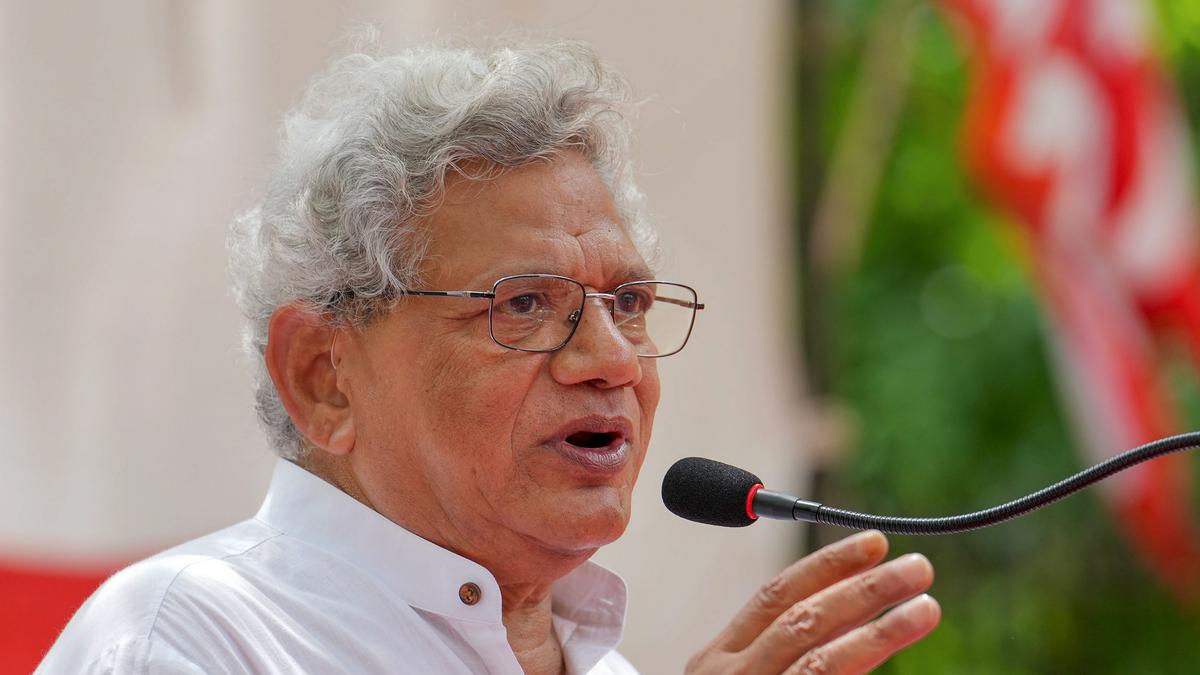
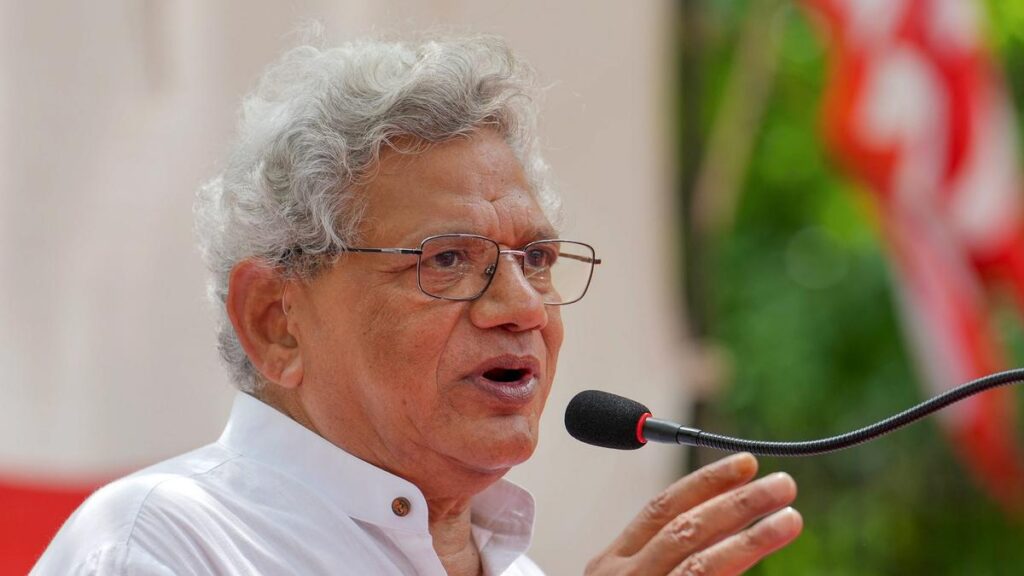
By Nitya Chakraborty The Communist Party of India (Marxist) general secretary Sitaram Yechury, who passed away on Thursday, September 12 after a fatal bout of respiratory illness at the age of 72, has left a deep void just not in the leadership of the CPI(M), but also in the functioning of the INDIA bloc, that […]


Russia is moving closer to regulating cryptocurrency trading, with plans to have a framework in place by November. Anatoly Aksakov, Chairman of the Russian State Duma Committee on Financial Markets, made the announcement, marking a pivotal moment for the nation’s evolving stance on digital assets. Initially, the new regulation will allow only a limited number of organizations to engage in cryptocurrency trading, with the potential for expansion […]

1 Innovative Product “WeMedi HK Dental Protector D2” 2 Product Offers with Attractive Discounts 3 Grand Prizes of Free Round-Trip Tickets to Saipan HONG KONG SAR – Media OutReach Newswire – 13 September 2024 – Blue, Hong Kong’s first digital life insurer, announced today that in celebration of its 6th anniversary, it is launching new product, promotions, and rewards. These include the new innovative “WeMedi HK Dental […]

VISHNU RAJA
RYO YAMADA
HITORI GOTOH
IKUYO KITA