News related to
Years

SINGAPORE – Media OutReach Newswire – 5 December 2024 – Fineline Design— a renowned name for interior design and renovation—has won its 7th Qanvast SuperTrust Award in 2024, highlighting its commitment to creative and exceptional home solutions. This award reflects the comprehensive services and expertise provided to homeowners in Singapore, transforming their spaces into blissful homes. This interior design company aims to provide unparalleled quality that exceeds […]

VYTAL Global acquires certain assets and team members from TURN to drive tech-enabled reuse solutions VYTAL Global expands to the U.S. with the launch of VYTAL US Inc. Germany-based digital reuse platform that continues global growth by acquiring certain key assets and team members from TURN, the leading U.S.-based reuse company, providing tech-enabled reuse solutions to events and venue customers. COLOGNE, GERMANY – Newsaktuell – 5 December […]

Reinventing Cantonese Culinary Classics and Cultural Heritage HONG KONG SAR – Media OutReach Newswire – 5 December 2024 – Yung’s Bistro has officially opened its second restaurant in Taikoo Place. Building on 82 years of culinary expertise from its parent company “Yung Kee Restaurant”, the brand celebrates authentic Cantonese cuisine through its philosophy of “Taste of Art, Made with Heart”. The restaurant offers traditional Cantonese dishes with […]

Matein Khalid I wrote a column on Vornado (VNO) as a buy at 18 in Sep’22 as it was slammed by the pandemic, its debt load and the Fed’s draconian rate hikes. So VNO’s price ascribed a $450 a square foot value to its prime Manhattan office/Fifth Ave retail portfolio even though its occupancy rate was 91% as the pandemic raged. To help my Dubai friends grasp […]

JAKARTA, INDONESIA – Media OutReach Newswire – 6 December 2024 – The international event brand “Phoenix Go Glocal” owned by Phoenix TV Group is officially launched during the 19th ASEAN Marketing Summit, in Jakarta, Indonesia on December 5, 2024. It is the largest marketing summit of ASEAN, attracting nearly 5,000 government officials, entrepreneurs, experts and platforms this year. Leveraging international communication advantages, Phoenix TV is a premiere […]

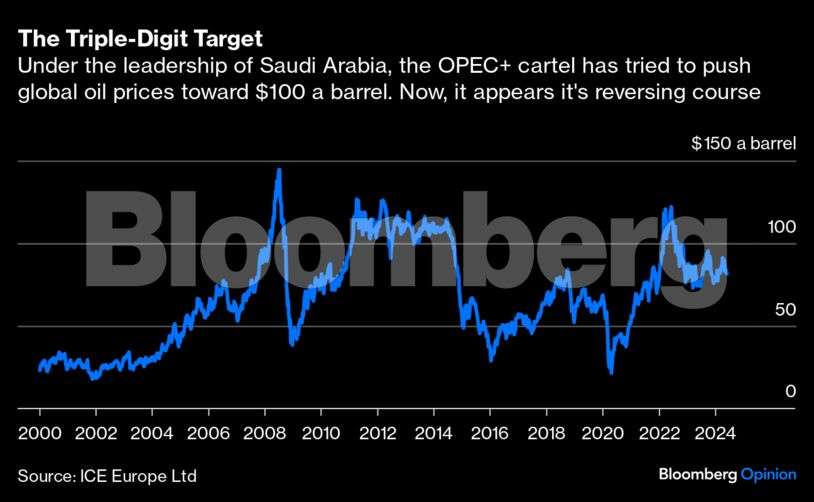
By K Raveendran OPEC+ has recalibrated its production strategy, extending voluntary output adjustments to stabilize oil markets in the face of uncertain global demand and geopolitical pressures. The alliance’s decision to prolong cuts until the first quarter of 2025 aims to counterbalance potential oversupply and demand fluctuations, particularly linked to Donald Trump’s policies and China’s […]

COLOMBO, SRI LANKA – Media OutReach Newswire – 6 December 2024 – ONYX Hospitality Group, a leading force in Southeast Asia’s hospitality industry, is proud to announce the grand opening of Amari Colombo in Sri Lanka, set to welcome its first guests on 1st December 2024. This much-anticipated launch marks the beginning of a new chapter for Sri Lanka’s hospitality sector, coinciding with the season’s start and […]

Advertisements

Hong Kong Tourism Poised for Growth; Cruise Business Fuels Economic Recovery HONG KONG SAR – Media OutReach Newswire – 7 December 2024 – Royal Caribbean International, the world’s leading and Hong Kong’s longest-standing homeporting cruise line, is set to double its Hong Kong homeport sailings next year with an extended season of 10 roundtrip sailings. The Quantum Ultra Class Spectrum of the Seas and sister ship Ovation […]

The new Long Bar at Raffles at Galaxy Macau, 8½ Otto e Mezzo BOMBANA, Feng Wei Ju, and The Macallan Whisky Bar & Lounge have been recognized as best in class by a raft of industry-leading awards MACAU SAR – Media OutReach Newswire – 6 December 2024 – Galaxy Macau™, the world-class luxury integrated resorts (referred to as “Galaxy Macau”), is proud to announce that its dining […]

HAIKOU, CHINA – Media OutReach Newswire – 6 December 2024 – From Dec. 2 to 6, the 29th Asian Seed Congress was held in Sanya, Hainan, bringing together over 1,500 participants from 52 countries and regions. It provided a comprehensive platform for seed industry enterprises worldwide to present new varieties and explore opportunities for trade cooperation. According to the Asia and Pacific Seed Association (APSA), the region […]

Mubadala Investment Company has entered into an agreement to acquire a minority stake in Zelis, a prominent US-based health technology firm. This deal, valued at approximately $1.7 billion, is poised to enhance the UAE-based investment firm’s health sector portfolio. The strategic move aligns with Mubadala’s long-term goal of expanding its footprint in high-growth markets, especially within health tech, and signals its continued interest in driving international expansion, […]

A group of 15 individuals has been charged in the UAE with orchestrating a sophisticated operation involving tax evasion and money laundering, amounting to an estimated Dh107 million. Authorities have uncovered the elaborate scheme, which spanned several years, and involved the deliberate manipulation of financial systems across multiple sectors. The accused face serious charges that include falsifying financial documents, illegal financial transactions, and laundering proceeds from illicit activities.

The UAE’s economic crime investigators worked in coordination with international law enforcement to bring down this network. The operation primarily targeted various business entities that utilized complex mechanisms to evade taxes while diverting funds to illegal channels. The group allegedly funneled money through multiple shell companies, inflating expenses, underreporting revenues, and misclassifying transactions to disguise the flow of illicit funds.

UAE authorities have stressed the importance of holding individuals accountable for such financial crimes, particularly given the impact on the nation’s reputation as a global financial hub. The case has sparked significant concern within the business community, as it underscores the need for more stringent financial controls to prevent similar occurrences in the future. The accused individuals include both local and foreign nationals, some of whom held significant managerial positions within their companies.

While the investigation is still ongoing, authorities have already identified numerous accomplices who facilitated the fraudulent transactions. As part of the investigation, multiple properties and assets have been seized, including luxury real estate and high-value vehicles, which investigators claim were purchased with the proceeds of illicit activities. The scale of the financial misdeeds has drawn the attention of both national and international regulators, prompting calls for enhanced monitoring systems and tighter enforcement of anti-money laundering laws.

The UAE government has long been committed to strengthening its legal framework to combat money laundering, tax evasion, and other financial crimes. As part of its efforts, the government has been working closely with international organizations such as the Financial Action Task Force (FATF) to ensure that the country’s financial institutions adhere to the highest standards of transparency and accountability. This case serves as a stark reminder that the UAE remains vigilant in its fight against financial misconduct and will continue to take aggressive steps to uphold its global standing as a leading financial center.

In light of these developments, experts are warning businesses to ensure that their financial operations are fully compliant with the country’s regulations. Financial institutions in the UAE are now under increasing pressure to implement enhanced monitoring systems and report any suspicious activities promptly to the authorities. With the financial landscape rapidly evolving, there is a growing emphasis on the need for businesses to maintain rigorous internal controls and transparency in their operations to avoid falling victim to similar schemes.

The accused individuals are expected to face significant penalties if convicted, including heavy fines and lengthy prison sentences. UAE authorities are taking a firm stance on white-collar crime, with an increasing number of high-profile cases being brought to trial in recent years. As the legal proceedings continue, it is expected that further revelations may emerge about the scope of the operation and the individuals involved, shedding light on the complex networks that facilitate financial fraud and money laundering.

Morgan Stanley has adjusted its Brent crude price projection for the second half of 2025 to $70 per barrel, citing OPEC+ production decisions and broader supply-demand dynamics. This revision reflects cautious optimism about the market’s ability to stabilize amid shifts in global oil supply, rising alternative energy adoption, and the evolving geopolitical landscape.

The OPEC+ coalition has opted to gradually unwind its voluntary production cuts totaling 2.2 million barrels per day starting from December, aiming to maintain price stability while balancing market cohesion. Analysts suggest this calculated strategy seeks to mitigate downward pressure on oil prices caused by oversupply fears and demand uncertainties. The move follows deliberations among key producers, including Saudi Arabia and Russia, with a long-term focus on discipline among non-OPEC+ suppliers.

Despite these measures, bearish market conditions persist. Morgan Stanley’s forecast aligns with broader trends suggesting that crude oil prices may face headwinds from an anticipated supply surplus of approximately 700,000 barrels per day by 2025. This surplus, driven by production expansions in regions such as the Americas, has tempered earlier bullish outlooks. Brazil, Guyana, and the United States are expected to collectively contribute over one million barrels per day to global output growth in the coming years.

Demand-side challenges also weigh heavily on the outlook. A slower-than-expected recovery in China’s oil consumption, attributed to rapid electric vehicle adoption and the rise of LNG-powered trucking, has raised concerns about long-term demand stagnation. Bank of America analysts have echoed this sentiment, projecting subdued growth in China’s oil usage as one of the factors leading to a potential market oversupply.

Middle Eastern tensions and disruptions to Libyan crude exports have added complexity to the short-term landscape. However, analysts anticipate these issues to have a limited impact on long-term pricing due to ongoing diplomatic efforts and the likelihood of resumed production in Libya. As such, markets remain focused on structural shifts, including the increasing role of alternative energy sources and changes in transportation fuel demand.

TAIPEI, TAIWAN – Media OutReach Newswire – 6 December 2024 – Organized by the Ministry of Education (MOE) of the Republic of China (R.O.C., Taiwan), the 2024 Taiwan International Student Design Competition (TISDC), the largest international student design competition in the world, has announced its winners. Students from the R.O.C., Taiwan achieved remarkable success, securing the competition’s highest honor, the Grand Prix as well as gold and […]

BANGKOK, THAILAND – Media OutReach Newswire – 6 December 2024 – ONYX Hospitality Group, a leading management company for hotels, resorts, serviced apartments, and luxury residences in Southeast Asia, has signed an agreement to manage Amari The Tide Bangsaen. This property, which is a significant transformation of The Tide Resort, and has been reimagined as Amari The Tide Bangsaen, is set to reveal its new look in […]

DHL’s GoHelp program equips local employees with critical disaster response skills to enhance resilience 20 years after the 2004 Indian Ocean tsunami devastated Sri Lanka COLOMBO, SRI LANKA – Media OutReach Newswire – 6 December 2024 – DHL Group has expanded its GoHelp Disaster Response Team (DRT) training to Sri Lanka, strengthening resilience and preparedness against disasters in the Asia Pacific region. DHL Group’s first GoHelp Disaster […]

Securonix, a leader in cybersecurity solutions, has appointed Dipesh Kaura as the new Head of India Sales. With over 23 years of expertise in the cybersecurity domain, Kaura is set to drive the company’s growth in the Indian market by expanding its footprint, fostering strategic partnerships, and delivering tailored security solutions. His appointment comes at a time when India is witnessing an increasingly complex cybersecurity landscape.

Kaura brings with him extensive experience from his tenure at Cyble Inc., where he played a pivotal role in driving CXO-level engagements and formulating growth strategies across South Asia. His background includes significant leadership positions at Kaspersky and PwC, where he focused on account planning, channel development, and relationship management, particularly in the cybersecurity and technology sectors.

In his new role at Securonix, Kaura’s primary focus will be on enhancing the company’s cybersecurity offerings to meet the unique challenges faced by organizations in India. His deep understanding of the region’s business and security needs is expected to position Securonix as a trusted partner for enterprises navigating the complex threat landscape. His strategic vision is aligned with Securonix’s goals of expanding its market reach and strengthening customer relationships across key sectors.

Commenting on his appointment, Kaura emphasized the growing sophistication of cyber threats and the need for organizations to implement robust, business-aligned security strategies. He expressed enthusiasm about working with Securonix’s team to address these challenges while driving the company’s growth in India.

The Permanent Account Number (PAN), long a cornerstone of India’s financial ecosystem, is undergoing a significant transformation with the launch of PAN 2.0, aimed at modernizing and streamlining taxpayer services. The revamped system is set to revolutionize how citizens and businesses interact with the country’s tax framework, enhancing transparency, accountability, and overall efficiency.

Traditionally, the PAN has served as a critical identifier for taxpayers, widely used for income tax purposes, financial transactions, and identity verification. It has been a pivotal tool in ensuring compliance and curbing tax evasion. However, as the nation continues to digitize its services and move toward a more paperless economy, the existing PAN system faced limitations. The introduction of PAN 2.0 addresses these challenges by integrating cutting-edge technology, aimed at simplifying the process for taxpayers while improving the accuracy of the system.

One of the key upgrades in PAN 2.0 is its deeper integration with digital platforms. The system now allows for easier access to tax records and services, making it possible for individuals and businesses to manage their financial obligations online more seamlessly. This digitalization has become particularly important as the Indian government continues to push for a cashless economy, promoting digital payments and reducing the reliance on traditional, in-person transactions.

Another significant improvement is the enhancement of PAN security features. With cyber threats becoming more sophisticated, the government has strengthened the encryption mechanisms surrounding PAN data, ensuring that individuals’ financial identities are protected against fraud and unauthorized access. The new PAN system uses advanced biometric data and digital signatures, allowing for better authentication processes. These security measures are expected to minimize cases of identity theft and fraudulent activities that have plagued the old system.

PAN 2.0 introduces a faster, more efficient system for taxpayers to apply for a PAN or update their details. The process, once bogged down by paperwork and delays, is now automated and simplified, reducing the time it takes to receive a PAN card. The online application process is intuitive, ensuring that even those with minimal digital literacy can easily access the services. These enhancements are designed to not only reduce administrative burdens but also ensure that people can quickly and easily resolve any issues with their accounts.

The revamped system is also tailored to assist non-resident Indians (NRIs) and foreign investors. By allowing them to track their tax obligations and make necessary amendments to their PAN details with ease, the new system fosters a more inclusive approach, particularly in attracting foreign investments. This change is expected to bolster the Indian government’s efforts to position India as a global financial hub. International businesses seeking to navigate India’s vast market will find the system more user-friendly and responsive, enhancing their overall experience with the country’s tax system.

As part of the ongoing modernization, PAN 2.0 also comes equipped with real-time data analysis and reporting tools for tax authorities. These tools allow for a more accurate and immediate assessment of taxpayers’ compliance with the country’s tax laws. The integration of artificial intelligence and machine learning into the system means that potential tax fraud and discrepancies can be identified more efficiently. The new system also incorporates features that automate tax filings and ensure that taxpayers remain up-to-date on their obligations without manual intervention.

The rollout of PAN 2.0 is part of India’s broader efforts to strengthen its tax administration and combat tax evasion. Over the years, the government has been working on initiatives like the Goods and Services Tax (GST) and the Digital India campaign, both of which aim to bring more of the economy under formal tax channels. The PAN system’s modernization serves as a key pillar in these reforms, helping to build trust in the tax system while improving tax compliance.

Despite these advancements, experts caution that the success of PAN 2.0 will depend on its adoption by the public and the business community. While the government has invested heavily in digital infrastructure and public awareness campaigns, there are still challenges related to internet access and digital literacy in some regions of the country. To address this, local support centers and helplines have been established to assist individuals who may face difficulties navigating the new system.

Consumer banking presents “Christmas Festival” to thank customers’ support HONG KONG SAR – Media OutReach Newswire – 5 December 2024 – OCBC Bank (Hong Kong) Limited (“OCBC Hong Kong”) is celebrating the festive season with customers and the community with the popular homegrown heritage pandan cake from Singapore as a special gift to thank customers and the community for their continued trust and support. In this “Christmas […]

Tesla’s long-anticipated Cybertruck production has been put on hold, marking a significant setback for Elon Musk and the electric vehicle giant. The delay follows a series of hurdles that have shaken investor confidence and raised concerns about the company’s ability to meet its ambitious targets. These setbacks compound the challenges Musk has faced this week, including a major drop in his stock valuation and continued issues related […]

Ripple has announced a delay in the launch of its RLUSD stablecoin, clarifying that it will not debut the product today as initially expected. The company, a leading blockchain-based payments firm, cited the need for final approval from the New York Department of Financial Services (NYDFS) before proceeding with the launch.

This postponement has added to the mounting attention surrounding the regulatory landscape for digital assets in the U.S., particularly in the wake of growing scrutiny by state and federal regulators. The RLUSD stablecoin, which is designed to function as a regulated digital dollar, is seen as a key component of Ripple’s strategy to expand its offerings in the cryptocurrency and payments market.

Ripple’s announcement of the delay comes as the company continues to navigate its ongoing legal battle with the U.S. Securities and Exchange Commission (SEC), which has raised questions about the classification of certain cryptocurrencies as securities. Despite this, Ripple remains confident that the stablecoin will eventually receive approval from the NYDFS, a crucial step for its broader plans to integrate stablecoin services within the existing financial ecosystem.

The NYDFS is one of the primary regulatory bodies overseeing cryptocurrency and blockchain-based financial products in New York, a state known for its strict regulations. Ripple’s delay highlights the growing regulatory complexities facing cryptocurrency firms as they seek approval for new products. Stablecoins, in particular, have become a focal point for regulators, due to concerns over their potential to affect the stability of traditional financial systems and facilitate illicit activities.

As the U.S. government tightens its oversight of cryptocurrencies, Ripple’s RLUSD stablecoin represents an attempt to align itself with regulatory expectations, especially as the company aims to create a transparent and fully compliant digital currency. The product is designed to offer greater stability and transparency compared to other digital currencies, with the backing of traditional assets such as the U.S. dollar, which would be held in reserves.

Ripple has emphasized that the RLUSD stablecoin is intended to address several key challenges within the cryptocurrency industry, including volatility and lack of regulatory clarity. By working closely with the NYDFS and other regulators, the company aims to ensure that its new product meets the highest standards of compliance and consumer protection.

This development is just the latest chapter in Ripple’s ongoing efforts to expand its influence within the digital currency space, where competition among firms is intensifying. Ripple’s existing services, including its flagship XRP token, are widely used for cross-border payments, and the addition of a stablecoin product would allow the company to further diversify its portfolio. However, the regulatory hurdles facing Ripple are significant, as the company must satisfy a variety of legal requirements to launch the RLUSD coin.

Stablecoins like RLUSD have gained increasing prominence as more people and businesses look for ways to transact with digital currencies without the extreme price fluctuations associated with assets like Bitcoin or Ethereum. In many ways, the rise of stablecoins has mirrored the growing demand for decentralized finance (DeFi) solutions, which aim to provide financial services without the need for traditional banks or financial institutions.

Despite the popularity of stablecoins, regulators have expressed concerns over the potential for these assets to be used in money laundering, terrorist financing, and other illicit activities. Some U.S. lawmakers have called for stricter oversight of stablecoin issuers, citing the risks posed by unregulated digital currencies. The delay in Ripple’s stablecoin launch underscores the challenges facing all cryptocurrency companies in balancing innovation with compliance in a rapidly evolving regulatory environment.

Ripple’s decision to delay the RLUSD launch also raises questions about the future of digital currencies and their integration into mainstream finance. While the cryptocurrency industry has seen significant advancements in recent years, including the rise of central bank digital currencies (CBDCs) and growing institutional interest, regulatory uncertainty continues to be a major obstacle.

As Ripple awaits approval from the NYDFS, the company is likely to face continued scrutiny from both U.S. regulators and international bodies, as governments around the world grapple with how to regulate cryptocurrencies. The outcome of this approval process could have significant implications not only for Ripple but for the broader stablecoin market, which has grown to become a multi-billion-dollar industry.

Ripple’s ongoing efforts to secure the necessary regulatory approvals for RLUSD reflect the broader trend within the cryptocurrency industry, as companies seek to operate within the bounds of national and international laws. While the company’s legal battle with the SEC may dominate headlines, the approval process for RLUSD could shape the future of Ripple’s product offerings and its relationship with regulators moving forward.

Bitcoin has crossed a major milestone, emerging as the world’s 10th largest asset by market capitalization. This significant shift places the cryptocurrency ahead of both the Australian dollar and the Swiss franc, marking a new chapter in the ongoing evolution of digital assets. The latest surge in Bitcoin’s value showcases its growing influence within the global financial landscape.

The cryptocurrency has made headlines with a substantial increase in its market cap, which now exceeds $500 billion. This has been driven by a combination of factors, including a stronger adoption rate among institutional investors and a renewed interest from retail investors. As the digital currency continues to gain traction, its market value surpasses that of traditional currencies, positioning Bitcoin among the top 10 global assets.

The rise of Bitcoin comes at a time when financial markets are grappling with the volatility of traditional assets and currencies. The Australian dollar and Swiss franc, long seen as safe-haven currencies, are now being overshadowed by the growing dominance of Bitcoin in the financial markets. Bitcoin’s ability to secure its place among the top assets has further solidified its reputation as a digital store of value and an alternative investment class.

What makes this development even more striking is Bitcoin’s ability to challenge conventional asset classes, particularly in the context of growing concerns over inflation and economic instability. Investors are increasingly looking for assets that are decentralized and immune to government manipulation, making Bitcoin an attractive option.

A key contributor to Bitcoin’s rise is the influx of institutional investors, including hedge funds and publicly traded companies, that have begun adding Bitcoin to their portfolios. Large financial institutions like BlackRock, Fidelity, and MicroStrategy have embraced Bitcoin as a legitimate asset, fueling its upward trajectory. These investors view Bitcoin as a hedge against inflation, as it is perceived as being less susceptible to the monetary policies that affect traditional currencies.

At the same time, Bitcoin’s growing acceptance among retail investors has been a significant driver of its value. As more individuals recognize the potential of Bitcoin as both an investment vehicle and a medium of exchange, the demand for the cryptocurrency continues to soar. This has led to a steady increase in Bitcoin’s price and, consequently, its market capitalization.

The rising popularity of decentralized finance (DeFi) platforms has also contributed to Bitcoin’s ascension. DeFi applications, which are built on blockchain technology, are providing users with more ways to earn, borrow, and lend digital assets. As Bitcoin plays a central role in the DeFi ecosystem, its value is becoming increasingly linked to the success of these platforms.

Despite the volatility that has often been associated with cryptocurrencies, Bitcoin’s market dominance is a testament to its resilience. Unlike traditional financial markets, where volatility can be exacerbated by central bank interventions and geopolitical tensions, Bitcoin operates within a decentralized network that is free from government control. This has made Bitcoin a particularly attractive option during times of global uncertainty.

The broader crypto ecosystem, however, remains highly competitive. Ethereum, which ranks second in market capitalization, continues to challenge Bitcoin for dominance in the digital asset space. Despite this, Bitcoin has maintained its position as the leader in terms of market cap, even as other cryptocurrencies such as Binance Coin and Cardano grow in value.

Experts also note that Bitcoin’s status as a store of value is likely to continue strengthening as more people move away from traditional investment vehicles. The ongoing development of Bitcoin-related financial products, such as exchange-traded funds (ETFs) and futures contracts, is helping to integrate the cryptocurrency into mainstream financial markets. This trend suggests that Bitcoin’s role in the global financial system will only expand further in the coming years.

While the current rally in Bitcoin’s market value has garnered attention, analysts remain cautious about the sustainability of its growth. Bitcoin’s price has historically been prone to volatility, with sudden fluctuations often causing uncertainty in the market. Despite this, the long-term outlook for Bitcoin remains optimistic, as its underlying blockchain technology continues to garner support from both institutional and retail investors.

As Bitcoin continues to gain ground, questions remain about its role in the broader economy. While many view it as a hedge against inflation and a store of value, others are concerned about its environmental impact, given the energy consumption associated with mining operations. Moreover, regulatory scrutiny of cryptocurrencies is intensifying in several countries, with governments and financial regulators grappling with how to treat digital assets.

Bitcoin’s rise in market capitalization also highlights the increasing integration of cryptocurrencies into the global financial system. As more financial institutions adopt Bitcoin and other digital assets, it is likely that cryptocurrencies will continue to play an influential role in shaping the future of global finance. The potential for Bitcoin to be used as a widely accepted form of payment, along with its increasing recognition as an asset class, positions it as a key player in the evolution of the financial sector.


The Dubai Marathon is set to take place on January 12, 2025, offering a chance for elite athletes, casual runners, and families to take part in one of the region’s premier sporting events. Organized annually in the UAE’s largest city, the marathon continues to attract competitors from all over the world, further establishing its reputation as a leading global race.

For 2025, participants will have the opportunity to select from three race distances: the full marathon at 42 kilometers, a 10-kilometer race, and a family-friendly 4-kilometer fun run. This range of distances ensures that runners of all experience levels can join in the festivities, making it an inclusive event for serious athletes as well as those seeking to enjoy a casual day of exercise with loved ones.

The Dubai Marathon has consistently drawn some of the world’s top marathoners, with elite runners frequently setting personal records on its fast, flat course. The race has been known for its excellent weather conditions in January, providing the perfect environment for long-distance running. Past editions have seen the fastest marathon times ever recorded in the region, with both men’s and women’s race winners setting impressive marks that often place them among the world’s best for the year.

In addition to the competitive aspect, the event is also celebrated as a festival of fitness, with spectators lining the course to cheer on participants. The 4 km family fun run, in particular, offers an accessible way for the local community to engage in the event. It is expected to attract families, schools, and casual runners, fostering a spirit of health and well-being among the population.

The 10-kilometer race, a middle distance, offers participants the chance to push their limits without the full commitment of a marathon. It has been a popular choice in past years, with a balanced challenge for seasoned runners looking to test their speed while still enjoying the atmosphere of a major marathon event.

The marathon’s reputation for world-class organization also contributes to its continued success. The event will offer participants a seamless experience, including state-of-the-art timing systems, hydration stations along the route, and on-site medical support to ensure runners’ safety. With the increasing popularity of marathons across the globe, the Dubai Marathon has successfully positioned itself as one of the premier races, drawing significant international attention.

Race organizers have also been focused on enhancing the experience for international visitors. Dubai’s status as a global tourism hub allows the event to attract not only participants but also tourists who wish to explore the city while participating in the race. The UAE’s infrastructure and amenities ensure that marathoners and their families can enjoy a comfortable stay while attending the event.

Corporate sponsorships have further contributed to the event’s growth, with major global and regional brands signing on to support the marathon in various capacities. These partnerships provide the necessary funding and logistical support that allow the event to continue evolving, offering prize money, high-end race equipment, and various promotional opportunities to attract more participants.

The marathon also serves as an important platform for promoting fitness and healthy living in the UAE. With rising awareness of the health benefits of exercise, the Dubai Marathon plays a key role in encouraging both residents and visitors to adopt healthier lifestyles. Running events, particularly marathons, have been shown to have a positive impact on physical and mental well-being, and the Dubai Marathon is no exception. Many participants use the event as a personal goal, whether for fitness improvement, weight loss, or to challenge themselves against other runners.

Alongside the marathon’s athletic and wellness significance, the event plays a key role in charitable efforts. Proceeds from various race-related activities, including registration fees and charity drives, have benefited several local and international causes. This philanthropic aspect adds an additional layer of purpose to the event, allowing participants to contribute to causes they care about while pursuing their athletic goals.

Marathons in major cities around the world are often regarded as much more than athletic events; they are social occasions that bring together people from diverse backgrounds. The Dubai Marathon is no different, with participants from various countries and cultures coming together for the common purpose of running. This element of cultural exchange adds to the event’s charm, making it a unique occasion not only for the athletes but for spectators and volunteers as well.

Ubisoft has announced that it will be shutting down the servers for its free-to-play first-person shooter, *XDefiant*, after just seven months of operation. The decision comes as a result of the game’s inability to maintain a substantial player base and continued issues with player engagement. Ubisoft has confirmed that servers will officially close on June 3, 2024, but players can continue to enjoy the game until then. […]

VISHNU RAJA
RYO YAMADA
HITORI GOTOH
IKUYO KITA