News related to
Years

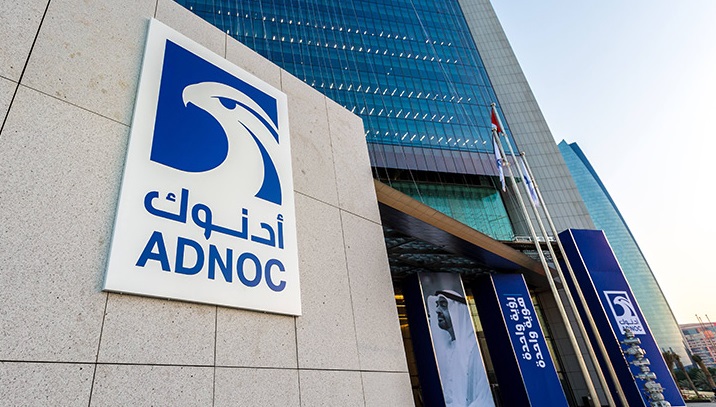
AIQ, a subsidiary of Presight, has secured a $340 million contract from Abu Dhabi National Oil Company to deploy its ENERGYai platform and associated artificial intelligence solutions across ADNOC’s upstream operations. This three-year agreement marks a significant advancement in integrating AI within the energy sector, aiming to enhance efficiency and operational performance. The contract follows the successful completion of a proof-of-concept phase, during which ENERGYai demonstrated its […]

Dubai continues to dominate the global greenfield foreign direct investment rankings, further solidifying its position as a key investment hub. According to the latest data from the Financial Times’ fDi Markets, the emirate secured its spot as the leading destination for greenfield FDI projects in 2024. This achievement highlights the city’s resilience and attractiveness as an investment destination, despite global economic challenges. Greenfield FDI refers to investments […]

Saudi Arabia has announced the establishment of the Saudi Investment Marketing Authority, a strategic initiative aimed at bolstering the nation’s attractiveness to international investors. This decision was ratified during a Cabinet meeting chaired by Crown Prince Mohammed bin Salman, underscoring the Kingdom’s commitment to economic diversification and global competitiveness.

Investment Minister Khalid Al-Falih expressed gratitude to King Salman and Crown Prince Mohammed bin Salman for their continued support, highlighting the authority’s pivotal role in advancing the objectives of Vision 2030. This initiative seeks to diversify the economy, enhance global competitiveness, and foster a sustainable economic environment. Al-Falih emphasized that the new authority would serve as a cornerstone in promoting investment opportunities both domestically and internationally, collaborating with various sectors to showcase the Kingdom’s competitive advantages and investor incentives.

The Saudi Investment Marketing Authority is tasked with marketing investment prospects within and beyond the Kingdom, working in partnership with leading entities across diverse sectors. By adopting advanced technologies and strategies in investment marketing, the authority aims to stimulate foreign direct investment inflows, bolster national investments, and support local investors. These efforts are anticipated to drive economic growth, generate quality employment opportunities, and enhance innovation and knowledge transfer, thereby contributing to the sustainability and competitiveness of the Saudi economy.

The establishment of this authority aligns with the broader goals of Vision 2030, reflecting a qualitative transformation towards a more diversified and sustainable economy. By leveraging Saudi Arabia’s strategic location, business-friendly regulations, and world-class infrastructure, the authority aims to position the Kingdom as a premier investment hub on the global stage.

In recent years, Saudi Arabia has witnessed a significant uptick in foreign direct investment, surpassing the targets set by the National Investment Strategy for 2023 by 16%. This positive trend underscores the Kingdom’s growing appeal to global investors and the effectiveness of its ongoing economic reforms. The creation of the Saudi Investment Marketing Authority is expected to further amplify these efforts, providing a structured and focused approach to investment promotion and facilitation.

The authority’s mandate includes the utilization of advanced marketing strategies, comprehensive market analysis, and the establishment of international partnerships to attract global investors. By harnessing digital platforms and innovative marketing techniques, the authority aims to effectively communicate the advantages of investing in Saudi Arabia, thereby enhancing the Kingdom’s visibility and appeal in the global investment landscape.

SINGAPORE – Media OutReach Newswire – 11 March 2025 – Stamford Catering, a caterer in Singapore, is delighted to announce the launch of its all-new Disney-themed Decoration Packages designed specially for children’s events. A Celebration Tailored for Every Little Guest With an enchanting lineup featuring Mickey’s Colourful Bash, Minnie’s Fabulous Celebration, and Elsa’s Ice Palace Party, families can now transform any kids’ event into a cherished, unforgettable […]

HANOI, VIETNAM – Media OutReach Newswire – 28 February 2025 – The rise of powerful artificial intelligence (AI) like DeepSeek is transforming the world at an unprecedented pace, sparking enthusiasm and deep concerns about its potential risks. On that subject, “AI godfather” Yoshua Bengio – Laureate of the 2024 VinFuture Grand Prize – highlighted the urgent need for national and global efforts to regulate AI and ensure […]

Abu Dhabi National Oil Company is exploring the possibility of listing its international investment subsidiary, XRG, on a stock exchange outside the United Arab Emirates. This strategic move could position XRG among the world’s largest publicly traded energy entities.

According to individuals familiar with the matter, discussions are in the preliminary stages, with Bank of America providing strategic guidance. The potential public offering would involve a minority stake and is anticipated to occur within the next five years. Prior to any listing, ADNOC must appoint a Chief Executive Officer for XRG and transfer relevant assets to the subsidiary.

Established in late 2024, XRG serves as ADNOC’s vehicle for expanding into lower-carbon energy, natural gas, and chemicals sectors. The subsidiary’s formation aligns with ADNOC’s broader strategy to diversify its portfolio beyond traditional oil revenues, reflecting a global industry trend towards sustainable and diversified energy solutions.

Potential venues for the listing include major international exchanges such as London and New York. Each offers distinct advantages, with London providing a robust investor base for energy companies and New York offering unparalleled liquidity and global visibility. The final decision will hinge on various factors, including valuation prospects and strategic alignment with XRG’s growth objectives.

With an estimated valuation exceeding $80 billion, XRG’s public debut would mark a significant milestone in the energy sector. For context, Saudi Aramco’s initial public offering in 2019 raised $25.6 billion, underscoring the scale of XRG’s potential market entry.

ADNOC’s recent activities underscore its commitment to global expansion and diversification. The company has been actively involved in international deals, including mergers and acquisitions in petrochemicals, chemicals, liquefied natural gas , and hydrogen projects. Notably, ADNOC has transferred its U.S. investments, such as stakes in an ExxonMobil hydrogen plant and NextDecade’s LNG export facility in Texas, to XRG. This move signifies ADNOC’s intent to consolidate its international ventures under the XRG umbrella, streamlining operations and enhancing strategic focus.

Spain’s second-largest bank, Banco Bilbao Vizcaya Argentaria , has officially received regulatory approval to offer Bitcoin and Ethereum trading services. This approval comes as the European Union’s Markets in Crypto-Assets regulation fully takes effect, marking a significant step forward for both the banking sector and cryptocurrency adoption within the region.

The move represents a landmark shift for BBVA, as it expands its portfolio of services to include cryptocurrencies. This decision aligns with the bank’s ongoing strategy to adapt to digital finance, meeting growing consumer demand for digital assets. With the MiCA regulation now operational, BBVA is positioning itself to take advantage of new opportunities in an increasingly digital economy.

The MiCA regulation, a major component of the EU’s broader digital finance strategy, aims to create a comprehensive framework for cryptocurrency markets across member states. The regulation provides clarity on legal aspects such as licensing, consumer protection, and financial stability, establishing a uniform approach to crypto assets across the EU. Its implementation signals a major regulatory shift that is set to influence financial institutions throughout the region.

BBVA’s approval is part of a broader trend in Europe where traditional banks are gradually integrating cryptocurrencies into their services. This comes at a time when the European crypto market is maturing, with increased institutional involvement and more regulatory oversight. The move not only represents an opportunity for the bank but also signals increasing mainstream acceptance of digital currencies.

BBVA’s entry into cryptocurrency trading follows a series of pilot programs that tested various blockchain-based solutions. The bank had already ventured into the crypto space in 2021, offering a limited range of services for clients in Switzerland, where cryptocurrency regulation is more permissive. Now, with MiCA regulation fully in place across the EU, BBVA’s decision to expand its crypto offerings into Spain is seen as a natural progression.

The decision by BBVA also highlights the growing importance of regulatory frameworks for the cryptocurrency sector. MiCA aims to ensure that the crypto market operates in a transparent, secure, and consumer-friendly manner, which has been a concern for both regulators and market participants. By adhering to these regulations, BBVA is positioning itself as a leader in responsibly integrating cryptocurrency trading into its offerings.

Other financial institutions in Europe are also taking steps to integrate digital assets into their portfolios. For instance, major banks like Deutsche Bank and Barclays are experimenting with blockchain technologies and exploring potential cryptocurrency-related services. However, BBVA stands out due to its proactive approach in securing regulatory approval and expanding its services at a time when cryptocurrency markets are still evolving.

The move comes as institutional interest in cryptocurrencies continues to rise. More investors, from hedge funds to family offices, are seeking exposure to digital assets, and this trend is expected to continue in the coming years. With its new offering, BBVA aims to cater to both retail and institutional clients, providing them with a secure and regulated platform to trade popular cryptocurrencies like Bitcoin and Ethereum.

As part of its offering, BBVA plans to integrate crypto trading into its existing digital banking services, allowing customers to manage their cryptocurrency investments alongside traditional assets. This seamless integration could offer a competitive advantage, as more banks are starting to see the benefit of combining traditional financial services with digital assets.

While some European banks are cautious about entering the cryptocurrency market, BBVA’s strategy reflects a more optimistic outlook on the long-term potential of digital currencies. The bank’s leadership has signalled that its move into the cryptocurrency sector is part of its broader strategy to embrace innovation and meet the evolving needs of its customers.

The success of BBVA’s crypto offering will depend not only on its ability to navigate regulatory frameworks but also on how well it can address concerns related to security, volatility, and customer education. As cryptocurrency markets continue to evolve, banks like BBVA will need to remain agile, adapting to both regulatory changes and shifting customer expectations.

The impact of BBVA’s decision could also ripple through the broader financial industry, pushing other institutions to consider their own approaches to cryptocurrency and blockchain technology. As more banks integrate digital currencies into their offerings, the financial services landscape could become increasingly intertwined with the cryptocurrency sector, challenging traditional business models and introducing new opportunities for growth and innovation.

Despite the promise, challenges remain. Cryptocurrency markets are still highly volatile, and many investors view digital assets as speculative. While the MiCA regulation aims to address some of these concerns, there are still risks associated with investing in crypto. BBVA’s ability to mitigate these risks through effective risk management strategies will be closely watched by both regulators and investors.

Advertisements

SINGAPORE – Media OutReach Newswire – 10 March 2025 – Temus, a Singapore-based digital transformation consultancy, has become the first OutSystems Premier Partner in Singapore. This milestone underscores Temus’ deep expertise in AI-powered low-code development and commitment to accelerating digital transformation for businesses, even more so as low-code platforms gain momentum in Singapore’s digital ecosystem. From left: Wong Seok Ling, Managing Director, Cloud, Applications & Platform (Low-Code), […]

Octa, a global contract-for-difference broker established in 2011, has been honoured with the ‘Best Use of AI in Fintech 2025’ award by Global Business Magazine. This accolade highlights Octa’s commitment to integrating artificial intelligence into its proprietary trading platform, OctaTrader, enhancing user experience and trading efficiency. The award recognises OctaTrader’s suite of AI-driven tools, notably the AI Pattern Recognition feature and OctaVision. The AI Pattern Recognition tool […]

Catalonia has solidified its position as a prominent biotechnology hub, with Barcelona at its epicenter, fostering innovation and attracting global attention. The region’s strategic investments and collaborative initiatives have propelled its life sciences sector to new heights.

A cornerstone of this success is the Parc Científic de Barcelona , established in 1997 by the University of Barcelona. As Spain’s first scientific park, the PCB was designed to enhance research, knowledge transfer, and innovation across public and private sectors. In 2002, it launched the country’s inaugural bioincubator, providing infrastructure and support to startups and spin-offs. Over the years, the PCB has integrated esteemed research institutes such as the Institute of Molecular Biology of Barcelona , the Institute for Research in Biomedicine , the National Center for Genomic Analysis , and the Institute for Bioengineering of Catalonia . The park also hosts private enterprises like Qiagen and Evonik. In 2019, the PCB expanded by adding ten new laboratories, increasing its area by over 600 square meters, and anticipates full occupancy by 2025.

The National Center for Genomic Analysis , located within the PCB, plays a pivotal role in large-scale genome projects, collaborating with researchers both locally and internationally. Equipped with advanced sequencing systems and a robust computing infrastructure, CNAG can sequence over 10,000 gigabases daily, equivalent to 100 human genomes every 24 hours. Established in 2009 through a collaboration between the Spanish Ministry of Science and Innovation and the Catalan Government, CNAG has positioned itself among Europe’s top sequencing centers.

Another significant contributor is the Institute for Bioengineering of Catalonia , which focuses on interdisciplinary research in bioengineering and nanomedicine. IBEC’s research encompasses areas such as regenerative therapies, future medicine, and active aging. The institute manages a Nanotechnology Platform, offering services in nanofabrication, manipulation, and characterization, and was the first in Southern Europe to acquire a 3D bioprinter suitable for industrial manufacturing.

The Barcelona Biomedical Research Park further enriches the region’s research landscape. This conglomerate of six public research centers, located adjacent to Hospital del Mar, employs approximately 1,400 professionals, making it one of Southern Europe’s largest biomedical research clusters. Founded through a collaboration between the Government of Catalonia, the Barcelona City Council, and Pompeu Fabra University, the PRBB aims to generate new knowledge in health and life sciences, facilitating technology transfer and providing training to research staff.

In a move to centralize and enhance its operations, Spanish pharmaceutical company Grifols announced plans to invest €360 million in constructing a new industrial plant in Barcelona for its engineering department. Scheduled to commence next year, with completion expected by the decade’s end, this initiative underscores Barcelona’s appeal as a strategic location for biotech investments.

The city’s commitment to innovation is further exemplified by the Barcelona New Economy Week . The fifth edition of BNEW attracted 12,746 professionals, offering 140 hours of content across 100 panels, sessions, and debates. The event focused on seven key sectors: Digital Industry, Mobility, Sustainability, Aviation, Talent, Health, and Experience, highlighting the region’s dedication to fostering dialogue and collaboration in emerging industries.

Addressing pressing health challenges, Barcelona launched the HUB Alzheimer Barcelona, a collaborative effort involving the Pasqual Maragall Foundation, the Barcelona City Council, four public hospitals, and specialized institutions. This initiative aims to accelerate Alzheimer’s research, fostering innovation and cooperation between public and private sectors in combating this neurodegenerative disease.

Wipro GE Healthcare has unveiled the Versana Premier R3, an advanced ultrasound system integrating artificial intelligence to enhance diagnostic accuracy and streamline clinical workflows. This state-of-the-art device aligns with the ‘Make in India’ initiative, being manufactured at the company’s production-linked incentive factory in Bengaluru.

The Versana Premier R3 represents a significant advancement in medical imaging technology. By incorporating AI-driven productivity tools, the system optimizes dynamic tissue imaging and assists in precise volume calculations, thereby improving overall workflow efficiency. These features are designed to support clinicians in delivering more accurate and timely diagnoses, ultimately enhancing patient outcomes.

Chaitanya Sarawate, Managing Director of Wipro GE Healthcare South Asia, emphasized the company’s dedication to AI advancements: “At Wipro GE Healthcare, we continue to make advancements in AI, investing in foundation models that can help enhance precision care, ease clinical workflows, and enable better patient outcomes. AI is central to building a future where healthcare is personalized, preventive, and affordable. The launch of our Versana Premier R3 is yet another testament to our commitment towards the delivery of ‘Made in India MedTech – for India and the world.'”

Anup Kumar, Business Head of Ultrasound at Wipro GE Healthcare, highlighted the system’s potential impact: “We are very proud to launch the Versana Premier R3, our state-of-the-art ‘Made in India’ ultrasound system. With the growing NCD burden in the country, there is a pressing need for advanced patient-centric technologies that can provide faster, personalized, and more accurate diagnosis. Powered by AI, Versana Premier R3 delivers exceptional image clarity and versatile organ scanning, enhancing diagnostic precision and empowering clinicians to make timely and well-informed decisions.”

The introduction of the Versana Premier R3 comes at a critical time, as India faces a rising burden of non-communicable diseases . The country’s vast population necessitates advanced diagnostic technologies to manage and mitigate these health challenges effectively. The system’s AI capabilities are expected to play a pivotal role in this regard, enabling healthcare providers to offer more precise, personalized, and preventive care.

A recent report by PwC indicates that 57% of healthcare providers in India have already integrated AI into their operations, surpassing global adoption rates. This growing embrace of artificial intelligence underscores the significance of the Versana Premier R3 in meeting the country’s evolving healthcare demands.

The system’s ‘VisionBoost architecture’ and 8-million-channel digital processing deliver exceptional image clarity. With compatibility for 23 different probes, the Versana Premier R3 offers dynamic organ scanning capabilities, enhancing diagnostic precision and empowering clinicians to make timely and well-informed decisions.

Wipro GE Healthcare has been at the forefront of the ‘Make in India – for India and the world’ initiative, manufacturing state-of-the-art medical technologies domestically. The company’s PLI factory in Bengaluru has previously developed revolutionary products such as the Revolution Aspire CT system and the Optima IGS320 AI-enabled Cath Lab. In a further commitment to India’s healthcare industry, Wipro GE Healthcare recently announced an investment exceeding INR 8,000 crore over the next five years.

The Versana Premier R3’s AI-driven features are designed to assist even less experienced practitioners in performing high-quality scans, thereby democratizing access to advanced diagnostic tools. This aligns with global trends where AI is being leveraged to empower general practitioners and other healthcare providers to perform scans more quickly and reliably, saving clinical and operational time and effort.

In addition to enhancing diagnostic capabilities, the Versana Premier R3 is equipped with a self-learning onboarding tool. This feature supports skill development among clinicians, enabling them to adapt quickly to new workflows and improve their diagnostic capabilities. Such tools are particularly valuable in low-resource settings, where access to specialized training may be limited.

The integration of AI in ultrasound technology is not unique to Wipro GE Healthcare. Other companies, such as EchoNous, are also bringing premium ultrasound technology together with industry-leading AI to transform point-of-care ultrasound and make results more accessible for providers and patients alike. This trend reflects a broader movement in the medical technology industry towards incorporating AI to improve diagnostic accuracy and efficiency.

The launch of the Versana Premier R3 is expected to have a significant impact on India’s healthcare infrastructure. By providing clinicians with advanced tools to diagnose and monitor various health conditions more effectively, the system contributes to the broader transformation of the medical diagnostics landscape. This aligns with the global shift towards personalized and preventive healthcare, where early detection and timely intervention are crucial.

Wipro GE Healthcare’s commitment to innovation and quality is evident in the development of the Versana Premier R3. The company’s focus on integrating advanced technologies into their products ensures that healthcare providers have access to the best tools available, ultimately benefiting patients through improved care.

The introduction of the Versana Premier R3 also highlights the importance of local manufacturing in the medical technology sector. By producing the system domestically, Wipro GE Healthcare not only supports the ‘Make in India’ initiative but also ensures that the technology is tailored to meet the specific needs of the Indian healthcare system.

Ras Al Khaimah has successfully issued a $1 billion sukuk, marking its return to the international debt capital markets after a decade. The 10-year senior unsecured sukuk, priced at a profit rate of 5.038%, attracted substantial global investor interest, with orders exceeding the offering by 4.4 times. This significant demand underscores the emirate’s strong creditworthiness and economic stability.

The sukuk was issued under Ras Al Khaimah’s $2 billion Trust Certificate Issuance Programme through RAK Capital, a special purpose vehicle affiliated with the government. The transaction launched with an initial pricing guidance of 10-year US Treasury plus 120 basis points . Robust investor appetite allowed the government to tighten the final pricing by 40 bps to 10-year US Treasury plus 80 bps.

The issuance garnered interest from a geographically diverse investor base. Approximately 57.8% of subscriptions originated from the MENA region, 35% from the UK and continental Europe, and 7.2% from Asia and other regions. This widespread participation reflects global confidence in Ras Al Khaimah’s fiscal management and economic prospects.

Prior to the issuance, both S&P Global Ratings and Fitch affirmed their ratings for RAK Capital’s sukuk programme at ‘A’ and ‘A+’, respectively, each with a stable outlook. These affirmations align with the credit agencies’ ratings for the Government of Ras Al Khaimah, further bolstering investor confidence.

The sukuk structure aligns with recent Shari’a developments set by the UAE Central Bank Higher Shari’a Authority, including a government decree ensuring the enforceability of real estate ijara assets. This adherence to Shari’a-compliant structures highlights the emirate’s commitment to ethical financing practices.

The government expressed satisfaction with the overwhelming response from global investors. A spokesperson highlighted that the high oversubscription and the negative new issue concession of -10 bps underscore Ras Al Khaimah’s strong credit standing and the investor community’s confidence in the emirate’s growth trajectory.

Citi and Emirates NBD Capital acted as structuring advisors for the issuance. Joint global coordinators included Abu Dhabi Commercial Bank, Citi, Emirates NBD Capital, First Abu Dhabi Bank, RAKBANK, and Standard Chartered Bank. Their collaboration played a pivotal role in the successful execution of the sukuk offering.

Ras Al Khaimah has maintained credit ratings in the ‘A’ range from Fitch and S&P for 15 years. Known for its diversified economy and strategic location, the emirate continues to attract investment across multiple sectors. This sukuk issuance not only reinforces Ras Al Khaimah’s presence in the international debt markets but also showcases its commitment to sustainable economic development.

The successful sukuk issuance is expected to have positive implications for the emirate’s future projects and initiatives. The raised capital will likely be allocated to infrastructure development, public services, and other strategic sectors, further enhancing Ras Al Khaimah’s economic landscape. Investors’ strong interest indicates a robust appetite for Shari’a-compliant financial instruments and confidence in the emirate’s fiscal policies.

The global investor community’s response to Ras Al Khaimah’s sukuk issuance reflects a broader trend of increasing interest in Middle Eastern debt instruments. The region’s economic resilience and strategic initiatives have positioned it as an attractive destination for international investors seeking diversification and stable returns.

Ras Al Khaimah’s return to the international debt capital markets after a decade signifies its strategic approach to leveraging global financial platforms. The successful sukuk issuance not only provides the emirate with the necessary capital for its developmental projects but also enhances its reputation in the global financial community.

The emirate’s adherence to Shari’a-compliant structures and alignment with international best practices demonstrate its commitment to ethical and sustainable financing. This approach not only attracts a broader investor base but also reinforces Ras Al Khaimah’s position as a forward-thinking and responsible issuer in the global financial markets.

The collaboration with leading financial institutions as structuring advisors and joint global coordinators underscores the emirate’s dedication to ensuring the sukuk issuance’s success. Such partnerships are crucial in navigating the complexities of international debt markets and achieving favorable outcomes for all stakeholders involved.

Ras Al Khaimah’s strategic initiatives and prudent fiscal management have positioned it favorably in the eyes of international investors. The successful sukuk issuance serves as a testament to the emirate’s robust economic fundamentals and its commitment to fostering a conducive environment for investment and growth.

The emirate’s diversified economy, encompassing sectors such as tourism, manufacturing, and services, continues to thrive. The capital raised through the sukuk issuance is expected to further bolster these sectors, driving sustainable economic growth and enhancing the quality of life for its residents.

The positive reception of Ras Al Khaimah’s sukuk issuance by the global investor community highlights the emirate’s strong credit profile and the effectiveness of its economic policies. As Ras Al Khaimah continues to implement strategic initiatives and invest in key sectors, it is well-positioned to maintain its upward trajectory in the global economic landscape.

The successful execution of the sukuk issuance also reflects the emirate’s ability to adapt to evolving market conditions and investor preferences. By aligning its financial instruments with Shari’a principles and international standards, Ras Al Khaimah demonstrates its commitment to meeting the diverse needs of investors while ensuring compliance with ethical financing practices.


DP World and the Saudi Ports Authority have inaugurated the advanced South Container Terminal at Jeddah Islamic Port, marking a significant milestone in Saudi Arabia’s ambition to become a global trade hub. The SAR 3 billion project has more than doubled the terminal’s capacity from 1.8 million to 4 million twenty-foot equivalent units , with plans to further expand to 5 million TEUs.

The three-year development has transformed the South Container Terminal into one of the region’s most advanced and sustainable facilities. Enhancements include the introduction of automated and electrified yard cranes, and the number of quay cranes is set to increase from 14 to 17 by the end of 2025, eventually reaching 22 as capacity expands. These upgrades enable the terminal to accommodate ultra-large container vessels, significantly boosting its operational efficiency.

The inauguration ceremony was attended by prominent figures, including the Saudi Minister of Transport and Logistic Services, Engineer Saleh bin Nasser Al-Jasser, and DP World Group Chairman and CEO, Sultan Ahmed bin Sulayem. Their presence underscored the project’s importance to the Kingdom’s Vision 2030 strategy, which aims to enhance trade connectivity and diversify the economy.

Sultan Ahmed bin Sulayem remarked, “Today marks a significant milestone in our long-term strategic investment in Jeddah Islamic Port. This expansion builds on our 25-year legacy in Jeddah and reinforces our commitment to driving trade growth in the region. With this modernised terminal, we are enhancing efficiency, improving supply chain resilience, and creating new trade opportunities for the Kingdom and beyond for decades to come.”

Technological advancements have been a cornerstone of the terminal’s modernization. The implementation of smart systems has reduced gate transaction times from two minutes to just 10 seconds. Additionally, Internet of Things -enabled cargo tracking and artificial intelligence -powered cargo tallying systems have been introduced to enhance operational accuracy and efficiency.

In response to the growing demand for perishable goods, the terminal’s capacity for refrigerated containers has been expanded from 1,200 to 2,340 units. A state-of-the-art facility capable of inspecting up to 75 reefers simultaneously is also under development, positioning it as the largest port-centric facility of its kind in the Kingdom.

Environmental sustainability is a key focus of the terminal’s operations. DP World has committed to reducing CO₂ emissions at the South Container Terminal by 50% over the next five years. Initiatives to achieve this goal include the electrification of yard cranes and trucks, installation of solar panels, exploration of floating solar platforms, and the incorporation of green building designs alongside water recycling systems.

Adjacent to the terminal, DP World is investing in the 415,000 square metre Jeddah Logistics Park, the largest integrated facility of its kind in the Kingdom. Scheduled for completion in the second quarter of 2026, the park will offer state-of-the-art warehousing, distribution, and freight forwarding services. Its integration with the terminal is expected to streamline cargo transfers and enhance overall efficiency, further solidifying Jeddah’s position as a key hub connecting trade routes across Asia, Africa, and Europe.

The South Container Terminal’s strategic location on the Red Sea positions it as a pivotal point for international trade. It serves as a major hub for trade between East and West and is a crucial gateway for Hajj and Umrah pilgrims. The terminal’s modernization aligns with Saudi Arabia’s Vision 2030 objectives, aiming to transform the Kingdom into a global logistics center.

The terminal’s infrastructure now boasts a quay length of 2,150 meters, including a deep-water quay with an 18-meter depth, allowing it to accommodate ultra-large container vessels. The planned increase in the number of quay cranes to 17 by the end of 2025, and eventually to 22, will further enhance its capacity and operational capabilities.

Matein Khalid There is no economic reason why OPEC+ chose to add barrels to the global oil market at a time when bearish psychology and positioning dominates trading as attested by the plunge in speculative long positions in both the West Texas Intermediate and Brent IPE futures contracts. The only explanation is that both Saudi Arabia and Russia faced political pressure from a Trump White House that […]

When it comes to restoring damaged or missing teeth, crowns and bridges are two of the most reliable and effective dental solutions available. Whether you’re dealing with a cracked tooth, a large cavity, or a gap in your smile, these restorative treatments can help you regain your confidence and improve your oral health. In this comprehensive guide, we’ll explore everything you need to know about crowns and […]

Apple has unveiled a monumental plan to invest $500 billion in the United States over the next four years, underscoring its commitment to domestic manufacturing, artificial intelligence development, and job creation. This initiative represents one of the largest single investments by a technology company in U.S. history. The investment encompasses several key components aimed at bolstering Apple’s infrastructure and technological capabilities. A significant portion is allocated to […]

Wealth management firm Capital Haus has acquired an 11.6% stake in Equity Story Group Ltd, an Australian Securities Exchange -listed financial media and investment advisory company. The transaction involved the purchase of 19,230,770 shares at 2.6 Australian cents per share, aligning with the last traded price on the ASX. These shares will be held in escrow for 12 months. Additionally, Capital Haus secured 12,820,513 options at an […]

President Donald Trump announced plans to visit Saudi Arabia within the next six weeks to finalize an agreement for the kingdom to invest $1 trillion in the U.S. economy over the next four years, including substantial purchases of military equipment. This development underscores the strengthening economic ties between Washington and Riyadh.

Speaking to reporters in the Oval Office, Trump highlighted that his first overseas trip during his initial term in 2017 was to Riyadh, where Saudi investments were then estimated at $350 billion. He noted that the kingdom’s financial capacity has grown since, stating, “They’ve gotten richer, we’ve all gotten older.” At Trump’s behest, the Saudis have agreed to significantly increase their investments in American companies, encompassing various sectors, notably defense. The President expressed his intention to visit Saudi Arabia to formalize this agreement, emphasizing his positive relationship with the kingdom’s leadership.

Saudi Arabia’s Crown Prince Mohammed bin Salman has been instrumental in advancing the kingdom’s Vision 2030 initiative, aiming to diversify the economy beyond oil dependence. The substantial investment in the U.S. aligns with this strategy, seeking to bolster the kingdom’s global economic footprint and strengthen bilateral relations with key allies.

The planned investment includes significant procurement of U.S. military equipment, reflecting Saudi Arabia’s ongoing efforts to modernize its armed forces amid regional security challenges. This move is expected to benefit American defense contractors and contribute to job creation within the United States.

In addition to defense, the investment is anticipated to span various sectors, potentially including technology, infrastructure, and energy. Such diversification aligns with both nations’ interests in fostering innovation and sustainable economic growth.

The announcement comes at a time when the global economy faces uncertainties, and substantial foreign investments are viewed as a positive indicator of confidence in the U.S. market. Analysts suggest that this agreement could stimulate economic activity and enhance the strategic partnership between the two countries.

However, this development is not without its critics. Some policymakers express concerns regarding the implications of deepening ties with Saudi Arabia, citing human rights issues and regional geopolitical tensions. They advocate for a balanced approach that considers both economic benefits and ethical considerations.

The forthcoming visit also holds geopolitical significance. Saudi Arabia has been taking a more prominent role in U.S. foreign policy, with plans to host a U.S.-Ukraine meeting to discuss a ceasefire in the ongoing conflict. This initiative positions Riyadh as a mediator in international affairs, potentially enhancing its diplomatic standing.

Trump’s engagement with Saudi Arabia extends to other domains. In February, he met with officials from the PGA Tour and the Saudi-owned LIV Golf to address a rift between the two organizations, indicating the breadth of U.S.-Saudi interactions beyond traditional sectors.

SINGAPORE – Media OutReach Newswire – 7 March 2025 – Every year hundreds of entrepreneurs are launching their brands on Amazon to reach millions of customers in North America and beyond. Ahead of International Women’s Day, read the inspiring stories of Singapore female entrepreneurs and innovators who are making their mark globally on Amazon through products such as dog toys, health foods, baby essentials, and lifestyle homeware. […]

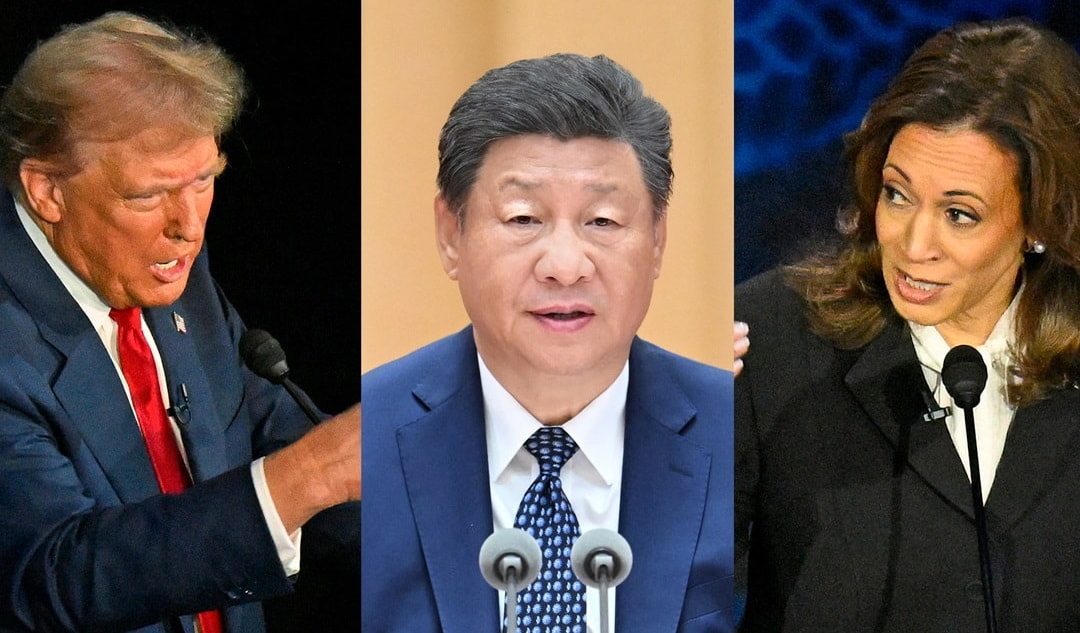
By Nitya Chakraborty How is China, the second largest economic and military power of the world after the United States is planning to confront the second term U.S. President Donald Trump’s resurgence disrupting the so long established global order to impose his total domination on international politics? Every political analyst is looking at the current […]
The Government of Ras Al Khaimah has successfully launched a $1 billion 10-year Regulation S benchmark sukuk, marking a significant development in the emirate’s financial landscape. This Islamic bond issuance is set to be listed on Nasdaq Dubai, underscoring Ras Al Khaimah’s commitment to leveraging Islamic finance instruments for its fiscal strategies. The sukuk was priced at 80 basis points over U.S. Treasuries, reflecting strong investor confidence. […]

Oil prices have experienced a significant decline, reaching multi-year lows, as a confluence of geopolitical and economic factors exerts pressure on the global energy market. The imposition of new U.S. tariffs on imports from Canada, Mexico, and China, coupled with the decision by OPEC+ to increase oil production, has led to heightened concerns about oversupply and weakened demand. Brent crude futures fell to $68.33 per barrel, while […]

Abu Dhabi-based conglomerate International Holding Company has divested 8.448 million shares, equating to a 0.73% stake, in Adani Enterprises Limited for ₹1,831.82 crore. This transaction was executed through IHC’s subsidiaries, Green Vitality RSC and Green Energy Investment Holding RSC, via open market deals on the Bombay Stock Exchange on Wednesday.

The shares were sold at an average price of ₹2,168.1 per share. Concurrently, Envestcom Holding RSC Ltd offloaded an identical number of shares in two tranches at the same price. Following these transactions, AEL’s stock experienced a 4.57% uptick, closing at ₹2,244.85 on the BSE.

IHC, a diversified entity with interests spanning agriculture, healthcare, real estate, and utilities, has been actively adjusting its investment portfolio concerning the Adani Group. In 2022, IHC invested approximately $2 billion in three Adani Group companies: Adani Green Energy, Adani Transmission, and Adani Enterprises. By September 2023, IHC announced the sale of its stakes in Adani Green Energy and Adani Transmission but increased its holding in Adani Enterprises to over 5%. As of the latest available data, Green Enterprises Investment Holding holds 40,191,038 shares in Adani Enterprises, representing a 3.48% stake.

Adani Enterprises, the flagship entity of the Adani Group, has faced significant scrutiny and market fluctuations in recent years. The conglomerate’s rapid expansion into sectors such as energy, infrastructure, and logistics has attracted both investor interest and regulatory attention. The divestment by IHC is perceived by market analysts as a strategic portfolio rebalancing rather than a reflection of the company’s performance.

The transaction has prompted discussions among investors regarding the future trajectory of Adani Enterprises. While some view the sale as a routine investment decision by IHC, others speculate about potential implications for the company’s stock performance and market perception. Notably, despite the substantial share sale, Adani Enterprises’ stock demonstrated resilience by closing higher on the day of the transaction.

In the broader market context, other Adani Group stocks also exhibited positive movements. For instance, shares of Adani Green Energy surged over 10%, aligning with a general rally in the equity market. This trend indicates sustained investor confidence in the conglomerate’s diversified business operations.

IHC’s decision to adjust its stake in Adani Enterprises underscores the dynamic nature of global investment strategies. As multinational corporations continually reassess their portfolios to align with evolving market conditions and corporate objectives, such transactions are becoming increasingly commonplace. Investors and market observers will be keenly monitoring subsequent filings and disclosures to gauge the long-term impact of this divestment on both IHC and Adani Enterprises.

A strategic gathering of House Republicans took place this week at a “Crypto Power Lunch,” which featured key players from the cryptocurrency sector, positioning the event as a precursor to the upcoming White House crypto summit. The meeting included representatives from influential organisations such as the Digital Chamber, Blockchain Association, Paradigm, a16z, CoinFlip, Coinbase, Anchorage Digital, DCG, and ConsenSys. The event highlighted the growing alignment between political leaders and crypto advocates, aiming to shape the future of regulatory frameworks for digital currencies in the United States.

The lunch, hosted in Washington, served as a platform for dialogue between legislators and crypto industry giants. Participants discussed regulatory clarity and the potential for future legislation that would address concerns about market stability, security, and innovation in the rapidly evolving digital assets space. Lawmakers who attended the meeting have voiced a commitment to creating a legislative environment that fosters innovation while ensuring consumer protection.

The move is part of a broader strategy by Republicans to engage with the cryptocurrency community, recognising its potential to drive economic growth and technological advancement. This outreach comes as digital currencies are becoming increasingly mainstream, attracting not only individual investors but also institutional players. Republican lawmakers are positioning themselves as champions of the crypto industry, which has seen explosive growth despite the ongoing regulatory challenges.

The presence of firms like Coinbase and Anchorage Digital signals the crypto industry’s continued interest in influencing policy. Coinbase, one of the largest cryptocurrency exchanges in the world, has long advocated for clear, consistent regulations that would allow businesses to thrive within a defined legal framework. Anchorage Digital, a leader in crypto custody, has similarly lobbied for clarity on how digital assets should be treated by financial regulators.

DCG, the parent company of Grayscale, one of the largest asset managers in the crypto space, also participated in the lunch. DCG’s involvement reflects its ongoing efforts to influence legislative decisions regarding the future of digital asset management. As the largest institutional player in the crypto sector, DCG is concerned about how potential regulation could impact the broader industry, especially in terms of accessibility for institutional investors.

The Blockchain Association and the Digital Chamber, both of which represent a wide array of cryptocurrency-related companies, have been active in advocating for more comprehensive regulation that allows for innovation while addressing concerns related to market manipulation and security risks. Their participation at the lunch signals the need for a more balanced approach to regulation that considers both the opportunities and risks posed by digital currencies.

The event also underscored a growing push from the crypto community to have a seat at the table when it comes to shaping policy. Many industry leaders have expressed concerns over the lack of a clear, unified regulatory framework, which has led to confusion and a fragmented approach to cryptocurrency governance in the US. While some regulators advocate for a more stringent approach, others argue that excessive regulation could stifle innovation and push the industry overseas, potentially leading to the loss of jobs and investment opportunities.

The timing of the lunch is significant, with the White House crypto summit on the horizon. At the summit, President Biden and his administration are expected to engage with both industry leaders and regulatory bodies to discuss the future of cryptocurrency policy. The Republican push to engage with crypto advocates aligns with broader political efforts to ensure that the US remains a global leader in cryptocurrency innovation and adoption.

Some policymakers have called for a more cautious approach, citing the volatility of digital currencies and the potential for misuse in illegal activities such as money laundering or fraud. These concerns have prompted calls for stronger enforcement of anti-money laundering and know-your-customer rules within the industry. However, proponents of the industry argue that the technology behind cryptocurrencies, such as blockchain, offers a more secure and transparent way of conducting financial transactions, reducing the risks of fraud and criminal activity.

As the crypto industry becomes more integrated into the global financial system, the question of how it should be regulated is becoming ever more urgent. The crypto power lunch, which served as a precursor to the summit, represents a concerted effort by Republicans to shape the narrative around digital assets and ensure that any regulatory measures taken in the future reflect the industry’s input.

The impact of these discussions could be far-reaching. Should Congress and the White House agree on a comprehensive regulatory framework for cryptocurrencies, it could set the stage for widespread adoption and integration of digital assets into mainstream financial systems. For businesses operating in the sector, such clarity would provide a level of stability that has been lacking in recent years, potentially unlocking new opportunities for growth and innovation.

VISHNU RAJA
RYO YAMADA
HITORI GOTOH
IKUYO KITA