News related to
Years

Marex Group, a prominent global financial services firm, has announced its decision to acquire Aarna Capital, a leading asset management company based in Abu Dhabi. This acquisition marks a significant move in the financial landscape of the region, enhancing Marex’s operational capacity and broadening its investment portfolio. The deal is seen as a strategic step for Marex to expand its footprint in the Middle East and take advantage of the growing investment opportunities in the area.

Established in 2020, Aarna Capital has quickly established itself as a key player in asset management, focusing on providing innovative solutions tailored to the evolving needs of its clients. The firm specializes in various investment strategies, including private equity, real estate, and alternative investments. With a strong local presence and a deep understanding of the regional market dynamics, Aarna has attracted a diverse client base that includes institutional investors, family offices, and high-net-worth individuals.

Marex Group’s acquisition of Aarna Capital is expected to create synergies that will benefit both firms. Aarna’s expertise in the regional market will complement Marex’s existing capabilities, particularly in derivatives and commodities trading. This strategic alignment aims to enhance Marex’s service offerings while providing Aarna’s clients with access to a broader range of financial products and expertise.

The deal is anticipated to close within the next few months, pending regulatory approvals. Following the acquisition, Aarna will continue to operate under its brand while integrating Marex’s operational strengths. This dual-brand strategy is intended to retain Aarna’s established client relationships while leveraging Marex’s global reach and resources.

Marex Group’s Chief Executive Officer, Ian Lowitt, expressed confidence in the acquisition, highlighting Aarna’s impressive track record and local market knowledge. He noted that this acquisition is a testament to Marex’s commitment to growing its presence in key financial hubs around the world. The UAE’s strategic location, robust regulatory framework, and rapidly growing economy make it an attractive market for financial services firms.

Industry analysts view this acquisition as a reflection of the increasing competition in the asset management sector, particularly in the Middle East. As more global financial institutions look to establish a presence in the region, strategic partnerships and acquisitions are becoming essential for growth. Marex Group’s move to acquire Aarna Capital underscores the importance of localized expertise in navigating the complexities of regional markets.

The deal also comes at a time when the UAE is positioning itself as a global financial center, attracting investments from various sectors. The government’s initiatives to diversify the economy and foster a business-friendly environment have led to a surge in foreign direct investment. As a result, firms like Marex Group are keen to capitalize on this growth potential through strategic acquisitions.

Investors are optimistic about the potential for enhanced performance resulting from this acquisition. The combined strengths of Marex and Aarna are expected to deliver innovative investment solutions that cater to the unique needs of clients in the region. This collaboration aims to enhance operational efficiencies, enabling both firms to compete more effectively against larger global players.

Marex Group, headquartered in London, has been actively expanding its global operations over the past few years. This acquisition of Aarna Capital aligns with its strategy to enhance its service offerings and strengthen its position in the financial markets. With a workforce that spans multiple continents and a diverse range of financial products, Marex is well-equipped to navigate the complexities of the global financial landscape.

Aarna Capital’s founders, who will remain involved post-acquisition, emphasized their excitement about joining Marex Group. They believe that the partnership will unlock new growth opportunities and enable them to serve their clients with an expanded suite of financial products. The founders expressed confidence that the collaboration will further enhance Aarna’s reputation as a leading asset manager in the region.

As the financial sector in the UAE continues to evolve, the acquisition of Aarna Capital by Marex Group represents a strategic move that aligns with broader industry trends. The need for localized expertise, innovative solutions, and strong client relationships has never been more critical. This acquisition positions both firms to leverage their strengths and capitalize on the burgeoning opportunities within the asset management space.
Engage with global policymakers, thought leaders, and innovators at Asia’s premier cybersecurity event SINGAPORE – Media OutReach Newswire – 3 October 2024 – The GovWare Conference and Exhibition 2024 will take place from 15 to 17 October 2024 at the Sands Expo and Convention Centre Singapore, gathering over 12,000 policy makers, cyber and corporate leaders, practitioners, and academia worldwide to address modern security issues, rebuild trust, and […]

BANGKOK, THAILAND – Media OutReach Newswire – 1 October 2024 – In commemoration of the 10th anniversary of Thawan Duchanee Day on 27 September 2024, Siam Piwat Group is proud to present the exhibition La Grotta dell’Arte Leggendario Thawan Duchanee at Siam Paragon, one of Thailand’s foremost experiential luxury destinations and home to an impressive world art collective. This exhibition honors the visionary work of Thawan Duchanee, […]

Aiming to enhance transparency and streamline access to economic data, the UAE’s Ministry of Economy has launched the National Economic Registry (NER). The initiative is set to serve as a centralized platform, providing comprehensive information on companies and economic activities across the country, supporting businesses, investors, and government entities in their decision-making processes. The move underscores the UAE’s commitment to fostering a more open and transparent business environment, vital to attracting foreign investments and promoting sustainable growth.

The NER is designed to consolidate data from various economic departments and authorities, enabling users to access up-to-date and accurate information about companies operating within the UAE. This includes company registration details, ownership structures, legal statuses, and economic licenses. By facilitating the quick and reliable retrieval of business information, the platform is expected to contribute significantly to improving the ease of doing business in the country. The government’s efforts to enhance regulatory transparency are aligned with its broader strategy to position the UAE as a global business hub.

In addition to promoting transparency, the NER aims to combat financial crime, including money laundering and terrorist financing. By providing government agencies with access to consolidated economic data, the registry will support efforts to monitor suspicious financial activities and ensure compliance with international financial regulations. Authorities view the NER as a critical tool in maintaining the UAE’s standing as a responsible global financial player, while also ensuring that businesses adhere to stringent compliance standards.

This move is part of the UAE’s broader economic reform agenda, which has seen the country implementing several initiatives aimed at enhancing competitiveness and facilitating business growth. The NER is expected to complement existing reforms, such as the introduction of new foreign investment laws and changes to the country’s commercial and corporate governance frameworks. These reforms are part of the UAE’s broader vision to diversify its economy away from oil dependency, creating a more resilient and sustainable economic model.

Business leaders in the UAE have expressed optimism about the NER, noting its potential to improve operational efficiency and foster greater trust in the country’s regulatory framework. The centralized nature of the platform is seen as a significant improvement over previous systems, which required businesses and investors to engage with multiple entities to gather necessary information. By simplifying access to economic data, the NER is expected to reduce bureaucratic hurdles and enhance the overall business environment, making the UAE a more attractive destination for both local and foreign investors.

The UAE’s Ministry of Economy has emphasized the user-friendly nature of the NER, ensuring that the platform is easily accessible to businesses of all sizes. Whether small enterprises or large multinational corporations, companies will benefit from the streamlined processes offered by the platform. Additionally, the NER is expected to aid start-ups and entrepreneurs, providing them with crucial insights into the economic landscape, helping them navigate the complexities of establishing and growing businesses in the UAE.

This initiative also aligns with the UAE’s digital transformation efforts, which have accelerated across various sectors in recent years. The development of the NER reflects the government’s commitment to leveraging technology to enhance administrative efficiency and support the country’s economic growth. The digitalization of business information is expected to reduce paperwork, improve accuracy, and allow for real-time updates, ensuring that the economic data available on the platform remains current and reliable.

Experts note that the success of the NER will depend on the seamless integration of data from different economic departments and authorities across the UAE. The Ministry of Economy has worked closely with local authorities to ensure that the platform includes comprehensive and accurate data, with mechanisms in place to update the information regularly. This collaboration between federal and local entities is seen as a crucial factor in the long-term success of the registry.

The launch of the NER comes at a time when global economic conditions remain volatile, underscoring the importance of transparency and trust in attracting foreign investments. Countries around the world are increasingly focusing on improving their business environments to stay competitive in a post-pandemic global economy. In this context, the UAE’s efforts to bolster transparency through the NER are viewed as a proactive step towards reinforcing its position as a leading global business destination.

The NER is expected to support the UAE’s ambitions in international trade, providing foreign companies with reliable data that can help them assess business opportunities in the country. By offering greater visibility into the UAE’s economic landscape, the registry will likely strengthen international business partnerships and trade relations, further integrating the UAE into the global economy.

The importation of cars from other regions to the United Arab Emirates (UAE) has gained traction over the years. Essentially, there has been an increasing trend of importing from the US to the UAE, particularly American-spec vehicles, in recent years.  Many Emiratis and the Emirate’s expatriate population now opt for U.S. spec cars for leisure drives or daily commutes. Others take them to car events and shows […]

KUWAIT CITY, KUWAIT – Media OutReach Newswire – 2 October 2024 – Novo Nordisk Gulf, a leading global healthcare company, has been recognized as one of the Best Places to Work for 2024 across Kuwait, Qatar, Bahrain, and Oman. This certification highlights the company’s dedication to fostering a supportive, innovative, and inclusive work environment for its employees while remaining committed to its mission of driving change to […]

SINGAPORE – Media OutReach Newswire – 2 October 2024 – Leading digital asset trading group Caladan is proud to announce the opening of its over-the-counter crypto options desk to offer crypto structured products for institutional and accredited investors. Caladan Announces Options and Structured Products Desk Strategic Expansion Into Structured Products Caladan’s decision to expand into structured products is a natural expansion of how it partners with crypto […]

Advertisements

Bitcoin miners have recorded their lowest monthly revenue in a year, with September earnings dropping to $816 million. This marks a significant decline in the cryptocurrency mining industry, which has faced mounting pressures from several factors, including rising operational costs and decreased market activity. The downturn has highlighted the challenges miners face in maintaining profitability as Bitcoin’s price volatility and network complexity continue to evolve.

The $816 million revenue generated in September represents a sharp fall from previous months, underscoring the financial struggles within the sector. One of the primary factors contributing to the decline was a notable drop in transaction fee revenue, which reached $13.86 million. This is the lowest level since the introduction of the BRC-20 standard in March 2023, a protocol that had initially generated a spike in transaction volumes and fees.

Bitcoin’s market conditions have been relatively stable in recent months, but this stability has translated into lower transaction activity on the network. The stagnation in trading volumes has had a direct impact on miners’ revenue, as transaction fees make up a significant portion of their earnings alongside block rewards. The decreasing transaction fee revenue suggests a reduction in on-chain activity, with fewer high-value transactions being processed.

Adding to the miners’ woes is the rising difficulty of Bitcoin mining. The Bitcoin network’s difficulty level, which adjusts based on the computational power being used to mine blocks, has been steadily increasing. This rise in difficulty has made it more challenging and resource-intensive for miners to solve the complex cryptographic puzzles required to verify transactions and add new blocks to the blockchain. Consequently, many miners are facing higher operational costs, particularly in terms of energy consumption and hardware maintenance, while earning lower rewards.

The drop in revenue has forced some smaller mining operations to scale back or shut down entirely, as they are unable to compete with larger mining farms that benefit from economies of scale. These larger players are better equipped to absorb the impact of reduced profitability, but even they are feeling the pinch as margins continue to shrink.

In addition to the technical and market-related challenges, regulatory scrutiny has also added pressure to the mining industry. Governments around the world have intensified their focus on cryptocurrency mining, particularly due to concerns over energy consumption and environmental impact. This has led to increased regulatory oversight in certain jurisdictions, with some countries imposing restrictions or outright bans on mining activities. China, which was once the dominant force in Bitcoin mining, implemented a nationwide crackdown on crypto mining in 2021, forcing many miners to relocate to more favorable environments such as the United States, Kazakhstan, and Russia.

Despite this migration, miners in these new locations have encountered their own challenges. In the U.S., for example, some states have introduced stricter regulations or raised electricity rates for mining operations, making it more difficult for miners to maintain profitability. In Kazakhstan, miners have faced power shortages and government-imposed limits on energy consumption, while Russia’s energy infrastructure has struggled to meet the demands of an influx of mining operations.

The impact of these regulatory changes has been compounded by the broader macroeconomic environment. Global inflation, rising interest rates, and increased energy costs have put additional strain on mining operations, particularly those that rely on electricity from non-renewable sources. As energy prices surge, miners with less efficient operations are finding it increasingly difficult to break even, let alone turn a profit.

While the immediate outlook for Bitcoin miners appears bleak, some industry experts believe that the downturn may ultimately benefit the ecosystem by driving greater efficiency and innovation. Miners are being forced to optimize their operations, adopt more sustainable energy sources, and explore new revenue streams beyond traditional block rewards and transaction fees. For example, some mining companies have started to offer cloud mining services, allowing retail investors to participate in mining without having to invest in expensive hardware.

Bitcoin’s next halving event, expected in 2024, could significantly alter the dynamics of the mining industry. The halving, which occurs roughly every four years, reduces the block reward by 50%, making it more difficult for miners to generate profits through new Bitcoin issuance alone. This upcoming halving is likely to further reduce miners’ reliance on block rewards and place a greater emphasis on transaction fees as a source of income. As a result, many miners are hoping for an increase in on-chain activity and higher transaction fees to offset the reduction in block rewards.

The broader cryptocurrency market is also expected to play a crucial role in determining the future of Bitcoin mining. If Bitcoin’s price experiences another bull run, as some analysts predict, the increased demand for transactions could lead to a resurgence in fee revenue and a boost to miners’ earnings. On the other hand, continued price stagnation or a prolonged bear market could exacerbate the financial pressures facing miners, leading to further consolidation in the industry.

TECOM Group, a prominent developer and operator of business parks in the UAE, has announced plans to acquire a commercial asset in Dubai Internet City for Dhs720 million. This strategic move is expected to enhance TECOM’s portfolio and strengthen its position in the burgeoning tech and innovation sector of the emirate. The acquisition is part of a broader strategy to attract and support businesses in the technology […]

Plans by Dubai-based Dragon Oil to significantly expand oil production have been outlined by CEO Ali Rashid Al Jarwan, revealing the company’s ambition to double its output to 450,000 barrels per day (bpd) within the next five years. This strategic initiative was announced during the 26th Water, Energy, Technology and Environment Exhibition (WETEX) 2024 in Dubai, highlighting the company’s commitment to leveraging its global position in the […]

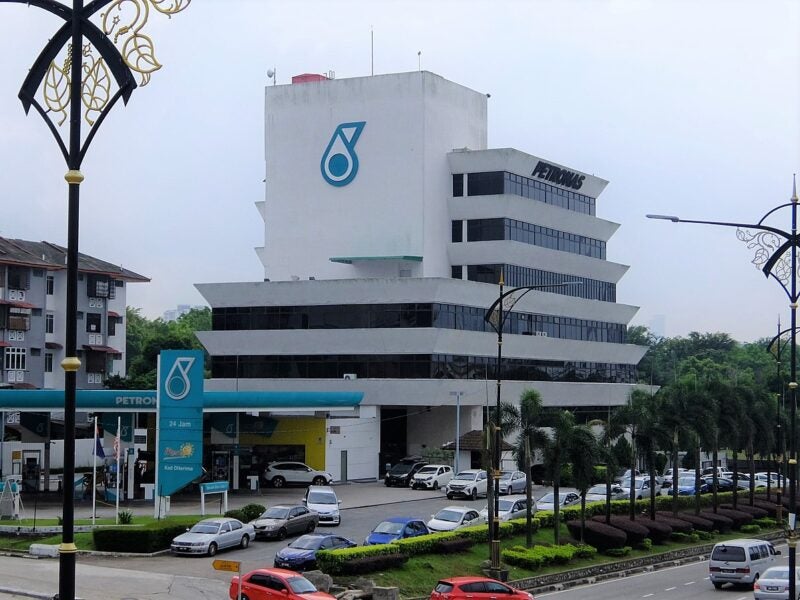
Petronas, the Malaysian oil and gas company, has achieved a significant milestone by securing an onshore concession license in Abu Dhabi. This development signals a noteworthy expansion for Petronas in the Middle East, positioning the company for increased engagement in the region’s burgeoning energy sector.

The agreement grants Petronas the right to explore, develop, and produce hydrocarbons in the concession area, an endeavor that aligns with the company’s strategic focus on enhancing its international upstream portfolio. The concession spans a 30-year term, during which Petronas aims to leverage its technological expertise and innovative solutions to optimize production while adhering to the highest environmental standards.

Abu Dhabi’s hydrocarbon-rich landscape has long attracted major oil players due to its substantial reserves and favorable investment climate. The emirate is keen on diversifying its economy and enhancing energy sustainability, and Petronas’s involvement is anticipated to contribute positively to these objectives. This concession license aligns with Abu Dhabi’s broader strategy to attract foreign investment while ensuring a sustainable energy future.

The licensing agreement underscores the UAE’s commitment to maintaining its status as a pivotal player in the global energy market. It also reflects Petronas’s strategic intention to capitalize on growth opportunities outside its home market, thereby enhancing its global footprint. The partnership with the Abu Dhabi National Oil Company (ADNOC) is expected to facilitate knowledge transfer and collaboration, fostering innovation within the energy sector.

ADNOC has actively sought international partners to strengthen its upstream capabilities, and Petronas’s involvement is seen as a testament to ADNOC’s strategy of forging alliances with leading global energy firms. The collaboration will focus on advanced technologies, including digitalization and artificial intelligence, to enhance exploration and production efficiencies.

Petronas has been expanding its international operations over the past few years, with significant investments in various countries, including Canada, Brazil, and Mozambique. The company aims to maintain a balanced portfolio while exploring opportunities in renewable energy, aligning with global shifts towards sustainable practices. The Abu Dhabi concession marks a continuation of Petronas’s efforts to adapt to evolving market dynamics and shifting energy demands.

Industry analysts view this agreement as a positive step for both Petronas and ADNOC, as it creates synergies that can drive value creation. The partnership is expected to leverage ADNOC’s extensive experience in the region along with Petronas’s technical capabilities, thereby enhancing operational efficiencies. With the global energy landscape undergoing significant transformations, this collaboration is poised to bolster the resilience and competitiveness of both entities.

The concession also comes at a time when oil prices are experiencing volatility, prompting many companies to reassess their strategies and investments. By securing this license, Petronas is positioning itself to navigate these fluctuations effectively. The company’s focus on innovation and sustainability is anticipated to enhance its adaptability to market challenges, ensuring its long-term growth prospects.

As the energy transition accelerates, the partnership between Petronas and ADNOC is likely to explore opportunities beyond traditional oil and gas. The companies may jointly investigate initiatives in carbon capture and storage, as well as investments in renewable energy projects. This strategic approach is essential for maintaining relevance in a rapidly changing energy landscape.

Both companies are well-positioned to contribute to Abu Dhabi’s goal of achieving net-zero emissions by 2050. The collaboration could lead to groundbreaking advancements in energy efficiency and sustainability practices, setting a benchmark for future partnerships in the region.

While the immediate focus is on hydrocarbon production, the strategic collaboration may pave the way for broader initiatives that align with global sustainability goals. This could include exploring alternative energy sources, enhancing energy efficiency measures, and investing in clean technologies that reduce carbon footprints.

The successful acquisition of the onshore concession license by Petronas not only highlights its commitment to expanding its operational footprint but also underscores the importance of collaboration in achieving energy sustainability. The agreement reflects a shared vision between ADNOC and Petronas to develop innovative solutions that meet the demands of an evolving energy landscape while prioritizing environmental stewardship.

As global energy markets continue to transform, Petronas’s expansion into Abu Dhabi marks a significant development in the region’s oil and gas sector. This venture is expected to enhance both companies’ operational efficiencies, drive technological innovation, and contribute to the sustainable development goals set forth by the UAE. The collaboration serves as a model for future partnerships, illustrating the potential of strategic alliances in navigating the complexities of the energy industry.

The Karl Lagerfeld brand is venturing into the luxury real estate market, announcing ambitious plans to expand its portfolio of branded residences both in the UAE and globally. This move marks a significant shift for the iconic fashion house, which has primarily been associated with haute couture, accessories, and lifestyle products. The expansion aligns with a broader trend in the luxury sector, where fashion brands are increasingly diversifying their offerings to include real estate as a means to enhance their brand presence and engage consumers in new ways.

The announcement comes as part of a collaboration between the Karl Lagerfeld brand and the luxury real estate developer, K. Group, headquartered in Dubai. The partnership aims to develop exclusive residential projects featuring the distinctive design and aesthetic synonymous with Lagerfeld’s legacy. The first of these projects is expected to launch within the next two years in one of Dubai’s upscale neighborhoods, further solidifying the city’s reputation as a global luxury hub.

This strategic expansion into branded residences capitalizes on the growing demand for luxury living spaces that offer personalized experiences, combining opulence with the allure of high fashion. Branded residences have become increasingly popular among affluent buyers seeking unique living experiences that reflect their lifestyle preferences. This trend is particularly pronounced in regions such as the Middle East, where luxury and exclusivity are paramount.

Lagerfeld’s iconic design sensibility, characterized by clean lines, bold colors, and a contemporary aesthetic, will play a central role in shaping the residential projects. Each residence is expected to showcase custom interiors inspired by Lagerfeld’s distinct style, ensuring that residents will experience a unique living environment that embodies the brand’s ethos. The integration of high-quality materials, innovative design features, and cutting-edge technology will further enhance the allure of these properties.

As the luxury real estate market continues to evolve, fashion houses like Karl Lagerfeld are leveraging their brand equity to tap into new revenue streams. This strategy not only enhances brand visibility but also creates a sense of community among residents who share an affinity for the brand. Moreover, the collaboration with K. Group will enable the Karl Lagerfeld brand to benefit from the developer’s extensive market knowledge and expertise in the real estate sector.

The global luxury real estate market is witnessing a surge in interest from high-net-worth individuals seeking investment opportunities that combine lifestyle with financial returns. According to industry analysts, the branded residences market is projected to grow significantly, driven by increasing demand for luxury properties in prime locations. The trend is particularly evident in cities like Dubai, where luxury developments have consistently attracted wealthy investors from around the world.

The partnership between Karl Lagerfeld and K. Group represents a broader trend among luxury brands diversifying their portfolios. Similar ventures have been seen with brands like Versace, Bulgari, and Armani, each establishing their own branded residences in various markets. These projects not only serve as a revenue stream but also deepen the emotional connection between consumers and the brand, fostering loyalty and enhancing the overall brand experience.

The move into branded residences also aligns with the growing consumer preference for experiential luxury, where buyers are increasingly looking for more than just a property. They seek a lifestyle that is intricately woven with the values and aesthetics of the brands they admire. By offering residences that reflect the essence of the Karl Lagerfeld brand, the company is poised to capitalize on this shift in consumer behavior, providing potential buyers with a unique living experience that transcends traditional luxury.

With the Karl Lagerfeld brand’s expansion into branded residences, the fashion house is set to redefine the luxury living experience. The move underscores the evolving landscape of the luxury market, where boundaries between fashion, lifestyle, and real estate continue to blur. As the brand prepares to unveil its first residential projects, anticipation is building among potential buyers eager to experience the unique fusion of high fashion and luxury living.

Over 80 flights have been diverted following a missile attack by Iran on Israeli territory, marking a significant escalation in tensions in the region. The attack, which occurred on a busy travel day, has triggered widespread disruptions in air travel, affecting routes across Europe, the Middle East, and beyond. As airlines scramble to adapt to the situation, travelers are facing delays and uncertainty as air traffic controllers adjust flight paths to ensure safety.

The missile assault targeted multiple locations in Israel, reportedly hitting near Tel Aviv and other key areas, prompting immediate responses from Israeli defense forces. In retaliation, Israel launched airstrikes against what it described as military installations in Iran, intensifying fears of a larger conflict. The situation has heightened anxieties among airlines and travelers, with many countries issuing travel advisories.

Air traffic management systems in various regions have been strained as the diversion of flights has created congestion in alternative airports. Affected airlines, including major carriers like Emirates, Lufthansa, and British Airways, have altered their flight schedules and routes to avoid the conflict zone. Passengers are being informed about changes, with many facing rebooking challenges due to the high volume of travelers displaced by the diversions.

Israeli officials have condemned the missile attack, describing it as a direct threat to civilian safety. The country’s Prime Minister stated that the government would respond with appropriate measures to safeguard its citizens. Analysts suggest that this incident could represent a turning point in the ongoing tensions between Iran and Israel, as well as potentially destabilizing the broader geopolitical landscape in the Middle East.

The impact of the attack extends beyond immediate safety concerns. Economists warn that prolonged instability in the region could affect global oil prices and trade routes. The fear of escalation might lead to increased insurance premiums for flights operating in and around the area, further complicating the situation for airlines and passengers alike.

Travelers currently in transit or scheduled to fly to Israel are advised to stay updated on their flight statuses and consult with airlines for the latest information. Some travelers have reported being rerouted to airports in nearby countries such as Cyprus and Greece, where they can continue their journeys after the situation stabilizes. However, the longer-term implications of this event may lead to broader shifts in airline operations, particularly for those serving the Middle East.

As airlines navigate these complex challenges, industry experts are analyzing how this incident might reshape air travel in the region. While the immediate focus is on safety and logistical adjustments, the incident raises questions about the resilience of global air travel amid geopolitical tensions. Airlines may need to reassess their risk management strategies, particularly for routes that are vulnerable to similar threats in the future.

International responses to the missile attack have also been varied, with some nations condemning the violence and calling for calm. The United Nations has expressed concern over the escalation of hostilities and the potential humanitarian consequences for civilians in the region. Diplomatic efforts are being initiated to de-escalate tensions and encourage dialogue between the conflicting parties, though success remains uncertain amid the heightened atmosphere of distrust.

In the broader context, this missile attack illustrates the fragility of peace in the region. Analysts note that the cycle of retaliation between Iran and Israel has persisted for years, and incidents like this may trigger further actions on both sides. The potential for regional instability to escalate into a wider conflict remains a concern for many observers.

KUALA LUMPUR, MALAYSIA – Media OutReach Newswire – 2 October 2024 – Technology has changed financial markets a lot in recent years. It makes trading easier, faster, and more efficient. In this release, Octa looks at how technology is changing trading in Malaysia, Singapore and other countries in Southeast Asia. Also, Octa gives an overview of algorithmic trading, AI, blockchain, cryptocurrencies, Fintech, mobile apps, cloud tech, and […]

SINGAPORE – Media OutReach Newswire – 1 October 2024 – The Agency for Integrated Care (AIC) unveiled its “Break the Silver Ceiling: One Photo at a Time” Exhibition today at Our Tampines Hub. Held in conjunction with the International Day of Older Persons, the event will run until 6 October 2024. The “Break the Silver Ceiling: One Photo at a Time” Exhibition was launched by AIC Chairman […]

BARCELONA, SPAIN – Media OutReach Newswire – 1 October 2024 – Participating in InCabin Europe 2024, VinAI will introduce DrunkSense, the world’s first system that passively detects drunk driving without a breathalyzer. This is the first time this breakthrough solution, with an accuracy rate of up to 85%, has been introduced in Europe, promising to revolutionize modern traffic safety. DrunkSense is a safety technology for next-generation smart […]

PeptiGrowth Inc., based in Chiyoda-ku, Tokyo, has unveiled an innovative synthetic peptide known as the “FGF2 alternative peptide (FGFR1c agonist),” designed to mimic the functionalities of recombinant Fibroblast Growth Factor 2 (FGF2). The launch of this product, set for early October 2024, marks a significant advancement in regenerative medicine and therapeutic applications, especially in wound healing and tissue repair.

FGF2 plays a pivotal role in various biological processes, including cell proliferation, differentiation, and angiogenesis, making it essential in tissue engineering and regenerative therapies. Traditional methods of utilizing FGF2 have relied on recombinant forms, which, while effective, come with several limitations, including high production costs and stability issues. PeptiGrowth’s novel peptide aims to address these concerns by providing a more stable, cost-effective alternative without compromising therapeutic efficacy.

This new peptide has been rigorously tested in preclinical trials, demonstrating its capacity to engage with FGFR1c effectively, thereby activating key cellular pathways that facilitate tissue regeneration. The trials showed promising results in enhancing wound healing processes, with faster recovery times and improved tissue quality compared to controls. Experts in the field have noted that the implications of such a product could extend beyond wound healing into broader applications within regenerative medicine.

Industry analysts highlight that the demand for alternatives to recombinant growth factors is increasing, particularly in the context of the rising costs associated with biopharmaceuticals. PeptiGrowth’s FGFR1c agonist could cater to this demand by offering a synthetic option that is both economically viable and functionally robust. The ability to produce this peptide on a larger scale may significantly lower production costs for healthcare providers, ultimately benefiting patients.

The market for growth factors is projected to experience substantial growth over the next few years, fueled by advances in regenerative therapies and an aging population that requires effective solutions for chronic wounds and tissue degeneration. PeptiGrowth’s introduction of the FGFR1c agonist positions the company as a key player in this evolving landscape, with potential for partnerships with healthcare institutions and research organizations focused on innovative treatment modalities.

Notably, PeptiGrowth’s commitment to innovation is underscored by its ongoing research into other synthetic peptides that could complement the FGFR1c agonist. These developments may pave the way for combination therapies that enhance the effectiveness of existing treatments. The company’s R&D team is actively exploring how these peptides can be integrated into various therapeutic protocols, particularly in oncology and regenerative medicine.

As the healthcare sector increasingly shifts towards personalized medicine, PeptiGrowth’s advancements could also align with this trend. Customizable therapeutic strategies involving synthetic peptides may offer tailored solutions for individual patients, optimizing treatment outcomes and minimizing adverse effects. Such flexibility could revolutionize approaches to managing conditions that have historically been challenging to treat.

The launch of the FGF2 alternative peptide comes at a time when the global market for peptide therapeutics is expanding rapidly, with a compound annual growth rate (CAGR) projected at over 10% in the next five years. This growth is driven by advancements in peptide synthesis technologies and a better understanding of their mechanisms of action. PeptiGrowth’s innovative approach, focusing on stability and functionality, positions it strategically within this dynamic market.

In addition to its commercial endeavors, PeptiGrowth is also dedicated to contributing to the scientific community. The company plans to publish its findings from preclinical studies in peer-reviewed journals, fostering transparency and encouraging collaboration with other researchers in the field. Such initiatives not only bolster PeptiGrowth’s credibility but also help advance the broader understanding of peptide therapeutics.

The launch of the FGFR1c agonist reflects PeptiGrowth’s strategic vision to lead in the peptide-based therapeutic space. By prioritizing research and development, the company aims to remain at the forefront of innovation while addressing the pressing needs of healthcare providers and patients alike. Stakeholders across the healthcare spectrum are closely monitoring this development, eager to assess the impact of this synthetic peptide on clinical practices and patient outcomes.

A significant shift to biofuels for dnata’s UK operations has resulted in a reduction of over 2,400 tonnes of carbon dioxide emissions annually. This transition aligns with the global push for more sustainable practices in the aviation industry and highlights dnata’s commitment to environmental responsibility. Dnata, a major player in ground handling and cargo services, has implemented a program to replace traditional fossil fuels with sustainable aviation […]

Creditors of FTX Dotcom have overwhelmingly backed a reorganization plan aimed at resolving one of the largest financial collapses in cryptocurrency history. Over 94% of the affected creditors voted in favor of the proposal, marking a significant step towards restructuring the beleaguered cryptocurrency exchange. This plan was submitted by FTX’s debtors following months of legal battles and negotiations, reflecting a major attempt to repay debts owed to […]

Bitcoin’s sharp decline, coinciding with recent shifts in Japan’s economic landscape, has raised eyebrows among analysts and traders alike. Market participants have been paying close attention to the cryptocurrency’s performance against traditional indices, particularly the Nikkei 225, amid significant fluctuations in the yen. However, the suggestion that Japan’s political dynamics, especially surrounding the potential rise of former Defense Minister Shigeru Ishiba, are driving Bitcoin’s downward momentum may […]

Sheikh Khaled bin Mohamed Al Nahyan, the Crown Prince of Abu Dhabi, arrived in Qatar on Tuesday for a significant official visit aimed at strengthening ties between the two Gulf nations. This diplomatic mission comes after years of strained relations between Qatar and some of its neighboring states, including the UAE, following the resolution of the 2017 blockade, where the UAE, Saudi Arabia, Bahrain, and Egypt severed ties with Qatar over allegations of supporting extremist groups—claims that Doha consistently denied.

The visit marks a turning point in relations, with Sheikh Khaled’s arrival signaling a renewed effort to bolster diplomatic, economic, and cultural cooperation between Abu Dhabi and Doha. The Crown Prince is scheduled to meet with Qatar’s Emir, Sheikh Tamim bin Hamad Al Thani, along with other senior Qatari officials. Their discussions are expected to focus on enhancing collaboration in areas such as energy, infrastructure, and regional security.

This visit also serves as part of a broader effort by the UAE to maintain its influential role in the Gulf Cooperation Council (GCC) and foster stability across the region. Relations between the UAE and Qatar have gradually improved since the signing of the Al-Ula Agreement in January 2021, which ended the three-and-a-half-year-long diplomatic rift.

Sheikh Khaled’s ascension as Crown Prince of Abu Dhabi earlier this year was a significant development, solidifying his position as one of the most powerful figures in the UAE. He has since been active in international diplomacy, leading state visits and launching major projects within the UAE, such as infrastructure initiatives and cultural advancements. His visit to Qatar underscores the UAE’s commitment to restoring strong bilateral ties with its neighbor and addressing shared concerns in a rapidly changing geopolitical landscape.

Observers believe the visit could yield agreements on several critical fronts, particularly in natural gas, where Qatar is a dominant player, and clean energy, a focus for both nations. As Qatar continues to expand its liquefied natural gas (LNG) exports, the UAE is keen to explore collaborations that could benefit both countries’ economies. Moreover, the two leaders are expected to discuss ongoing tensions in the broader Middle East, including the situation in Yemen and Iran’s influence in the region.

The talks come at a crucial time, as Gulf states seek to diversify their economies and reduce their reliance on oil. Both the UAE and Qatar have been investing heavily in sustainable energy and technology, areas where further cooperation could be mutually beneficial. Additionally, with Qatar set to host global events in the coming years, there is potential for Abu Dhabi and Doha to collaborate on tourism and infrastructure projects.

The broader context of Sheikh Khaled’s visit also reflects a shift in the UAE’s foreign policy approach under his leadership. While his father, Sheikh Mohamed bin Zayed Al Nahyan, focused on an assertive regional strategy, including military interventions in Yemen and Libya, Sheikh Khaled’s diplomatic approach appears to emphasize reconciliation and economic diplomacy. His visit to Qatar is seen as part of this recalibrated policy, aimed at building bridges with key regional players.

Economic ties between Qatar and the UAE are expected to be a major focal point during this visit. Despite the political fallout of the blockade, trade between the two nations resumed shortly after the Al-Ula Agreement, and both nations have expressed interest in boosting these exchanges further. Given Qatar’s vast energy resources and the UAE’s role as a regional business hub, stronger ties could lead to significant economic benefits for both nations.

Diplomatic sources indicate that beyond economic and security discussions, cultural exchanges will also be a priority. The UAE and Qatar have been vying to position themselves as cultural leaders in the region, with both countries investing in museums, art galleries, and other cultural institutions. Collaboration in this domain could enhance their global soft power and further their ambitions to be recognized as cultural hubs in the Middle East.

HANOI, VIETNAM – Media OutReach Newswire – 1 October 2024 – On 27th September, Vietnam Prosperity Joint Stock Commercial Bank (VPBank) and LOTTE C&F Vietnam Co., Ltd held a ceremony for signing MOU. This is an important milestone, opening up a new prospect to help both parties optimize theirs resources, promoting sustainable growth; simutaneously bringing flexible, economical and effective consuming finance solutions to LOTTE customers. Representatives of […]

Adnoc Drilling has initiated a significant campaign targeting unconventional oil and gas resources, with an investment exceeding $1.7 billion. This move underscores the company’s commitment to expanding its operational capabilities and enhancing its production capacity amid the growing global demand for energy. The unconventional campaign aims to unlock resources that require advanced extraction technologies, reflecting a strategic shift toward maximizing the potential of the region’s energy landscape. […]

Apple is preparing to enter the smart home market with a significant push, beginning with the launch of a new operating system called “homeOS.” This platform will power the company’s forthcoming smart home devices, signaling Apple’s increasing focus on home automation. Reports indicate that Apple plans to release two key products under this initiative: a next-generation HomePod featuring a touchscreen display and a smart home device equipped […]

VISHNU RAJA
RYO YAMADA
HITORI GOTOH
IKUYO KITA