News related to
Years

Amazon Web Services (AWS) has announced a significant $10 billion investment in Ohio’s data center infrastructure, aimed at transforming the state into a major technological hub by 2030. The move, which aligns with AWS’s broader expansion plans in the U.S., will lead to the creation of hundreds of new jobs and bolster the local economy while enhancing cloud services to meet growing demand. AWS’s investment will primarily […]

Cryptopia, the New Zealand-based cryptocurrency exchange that was forced into liquidation following a 2019 hack and a 2021 employee theft, has initiated the process of returning millions of dollars in cryptocurrency to its users. So far, the exchange has repaid over NZ$400 million (approximately $224.9 million) to 10,000 verified account holders, with plans to distribute further amounts in the coming year.

The exchange, once one of the largest in the country, had a tumultuous few years after the hack, which saw the loss of millions in cryptocurrency from user accounts. Despite attempts to recover from the breach, Cryptopia was unable to regain trust and was ultimately placed into liquidation in 2019.

Since the liquidation, efforts have been underway to recover and redistribute the funds owed to users, as the exchange’s liquidators worked through the complexities of returning assets from the frozen and compromised accounts.

Cryptopia’s situation has been a key example of the challenges faced by cryptocurrency exchanges when confronted with security breaches and internal fraud. The combination of the hack, followed by the theft of additional funds by a former employee, left the exchange struggling to meet its obligations to users. While liquidators have been able to recover significant portions of the stolen cryptocurrency, the process of returning funds to account holders has been slow, as the legal and financial hurdles surrounding such cases are often intricate and time-consuming.

The decision to liquidate the exchange followed an extensive investigation into the breach and the theft. Liquidators were tasked with identifying and recovering the stolen cryptocurrency, while also determining how to fairly distribute the recovered assets among the thousands of affected account holders.

Cryptopia’s repaid funds represent a significant portion of what users lost during the breaches. For many, the payout marks a long-awaited resolution to years of uncertainty. However, the process has been slow, and some users still await their full compensation.

The return of these funds is significant not only for the users who have been directly affected but also for the wider cryptocurrency community. It highlights the complexities of ensuring secure exchanges and the challenges of managing asset recovery after a breach. While no system can be completely foolproof, the incident underscores the importance of robust security measures and vigilant oversight in the cryptocurrency sector.

As the distribution continues into 2024, Cryptopia’s case will likely serve as a reference point for future regulatory and security measures in the cryptocurrency exchange industry. The liquidation process itself is also likely to be closely studied as an example of how the legal frameworks surrounding cryptocurrency asset recovery evolve.

The exchange’s repayment process has raised questions about how other crypto exchanges could better protect user assets and respond in the event of a breach. The emergence of new regulations for cryptocurrency exchanges in various countries may help prevent similar situations, although the industry remains largely unregulated in many areas.

This case also draws attention to the evolving nature of cryptocurrency regulations, particularly regarding the responsibilities of exchanges in safeguarding user funds. Regulatory bodies worldwide are working toward creating standards that would compel crypto exchanges to adopt stronger security practices, further ensuring that users’ assets are better protected.

While some have praised Cryptopia’s efforts to repay users, others remain critical of the delay in compensation, especially for those whose funds were tied up for years. The distribution process itself has been meticulous and slow, as the liquidators work to ensure that payouts are fair and based on the exact amounts owed to each individual.

Despite these challenges, the successful repayment to 10,000 account holders has offered hope that, even in cases where exchanges are compromised, users can still recover their assets, albeit after considerable time and effort. The unfolding process continues to unfold in New Zealand courts, with further payouts expected in the next year.

BANGKOK, THAILAND – Media OutReach Newswire – 20 December 2024 – DBP has once again been recognized as a trailblazer in sustainability with the conferment of two prestigious accolades at the ACES Awards 2024: the Outstanding Leaders in Asia Award and the Green Initiative Award. These honors recognize DBP’s enduring commitment to environmental stewardship, responsible economic growth, and social inclusion—principles that have guided the institution since its […]

KUALA LUMPUR, MALAYSIA – Media OutReach Newswire – 19 December 2024 – Commerce Dot Com (CDC) concludes its milestone 25th anniversary year on a high note by receiving the esteemed Digitech BestBrands Award 2024 – Visionary Tech. The recognition as a Visionary Tech leader underscores CDC’s pivotal role in shaping the landscape of procurement through cutting-edge technology and transformative solutions. Datuk Muzafar receiving the Brandlaureate Digitech BestBrands […]

BERLIN/ROERMOND, GERMANY – Newsaktuell – 19 December 2024 – On 1 January, Ingo Kästner, Managing Director of PMG Presse-Monitor, will also take over the management of X-CAGO. The Dutch company is a leading international specialist for data and content conversion in the international publishing industry. The previous Managing Director and founder, Koos Hussem, will be taking his well-deserved retirement at the turn of the year, but will […]

PHUKET, THAILAND – Media OutReach Newswire – 19 December 2024 – Sansiri Public Company Limited, Thailand’s leading property developer with a 40-year track record, is regarded as Thailand’s most trusted fully integrated real estate developer among Thai and international clients. The company has recently garnered a number of prestigious awards, including the top spot among Thai property developers on the inaugural Fortune Southeast Asia 500 list, two […]

UAE-based agricultural giant Al Dahra is reportedly in negotiations to lease agricultural land in Kenya, a move that could further strengthen the company’s presence in the East African market. The discussions center around large-scale agricultural operations that could span thousands of hectares, contributing to both local food production and Al Dahra’s wider global portfolio.

The proposed farmland lease is part of a growing trend in which foreign companies, particularly from the Gulf region, are investing in Africa’s agricultural sector. Kenya, with its favorable climate and strategic location, has long been a target for agribusiness investments. For Al Dahra, which operates across a diverse range of agricultural sectors such as crop production, animal feed, and trading, the potential lease offers an opportunity to tap into a fertile land base for its agribusiness operations.

Kenya’s government, eager to modernize its agricultural sector and boost exports, has been welcoming foreign investment. The nation’s agricultural policy includes initiatives aimed at increasing productivity and establishing partnerships with international players. Al Dahra’s move is in line with Kenya’s ongoing efforts to enhance its agricultural infrastructure and food security, offering both a business opportunity for Al Dahra and a potential solution to local supply chain challenges.

A key aspect of the deal is the access to Kenya’s extensive irrigation networks, which are critical for maintaining consistent crop yields in the face of fluctuating weather patterns. The UAE-based company, with its expertise in water-efficient farming technologies, would be well-positioned to utilize these systems. The partnership could also support Kenya’s ambitions to increase agricultural exports, particularly in sectors such as horticulture, floriculture, and cereals, which have seen steady growth in recent years.

Al Dahra has established itself as a significant player in international agriculture, with operations in more than 15 countries. Its move into Kenya aligns with the UAE’s broader strategy to diversify its economic interests, particularly in the agriculture and food security sectors. With the increasing pressures of climate change and growing demand for food worldwide, investments like these are expected to play a crucial role in global food production systems.

The agreement could also have broader regional implications, as Kenya is viewed as a key agricultural hub within the East African Community (EAC). If successful, it would provide a model for other foreign agribusinesses looking to expand into the region, further integrating Kenya into global supply chains.

However, the negotiations come amid a backdrop of growing scrutiny regarding land leasing practices in Africa. Critics argue that large-scale land acquisitions by foreign firms can lead to land dispossession, adversely affecting local communities. There are also concerns about the environmental impact of large agribusinesses on local ecosystems. As such, the terms of the lease will likely face close examination by both Kenyan stakeholders and international watchdogs. It remains to be seen how Al Dahra addresses these issues, but it is expected that the company will work closely with local authorities and stakeholders to mitigate potential risks.

Al Dahra’s reputation for sustainable practices could play a pivotal role in easing concerns over the environmental and social impacts of its operations. The company has made significant strides in promoting sustainable farming techniques, including using innovative irrigation methods and reducing water usage in its farming operations. These efforts are crucial in an environment like Kenya, where water scarcity is a significant challenge.

The broader context of this move is also influenced by the growing importance of food security in the UAE. With limited arable land and water resources at home, the UAE has been investing in agricultural projects abroad for years. These investments not only ensure the country’s food supply but also provide economic and strategic advantages. As the UAE looks to secure long-term food security, projects like Al Dahra’s farming lease in Kenya are central to this vision.

Kenya, too, stands to benefit significantly from such investments. The East African nation has grappled with issues such as land degradation, inconsistent rainfall, and low agricultural productivity. Foreign investments like the one proposed by Al Dahra could provide the necessary capital, technology, and expertise to address these challenges. Additionally, the job creation and technological advancements that accompany such large-scale agricultural operations could help uplift rural communities.

Advertisements
By Dr. Gyan Pathak Just a day before the scheduled end of the winter session of the Parliament of India, the confrontation between the ruling NDA and the Opposition INDIA bloc turned physical at its entrance, and several MPs were injured. It is something different from the issue-based confrontations within both the Houses of Parliament, […]

The Roads and Transport Authority (RTA) of Dubai has awarded a landmark $5.6 billion contract for the expansion of the city’s metro network. The deal, which was secured by an international consortium, marks a major step toward enhancing Dubai’s public transport infrastructure, solidifying the city’s status as a leading global metropolis. The multi-billion-dollar contract will focus on the extension of the Red Line, which forms the backbone […]

JJJ, a new hedge fund established by former Moore Capital executives, has made a significant move into Dubai’s thriving financial market, joining a growing list of hedge funds that are increasingly eyeing the Middle East for expansion. The firm’s decision to set up shop in Dubai comes as part of a larger trend in the financial world, with several major hedge funds diversifying their portfolios and strategies by targeting the region’s rapidly developing financial infrastructure.

Dubai’s status as a global business hub continues to rise, with the emirate offering a favorable regulatory environment, access to wealth management opportunities, and strategic proximity to both emerging and developed markets. While the city has long been a financial nexus, the past few years have seen an influx of hedge funds, private equity firms, and asset managers. This has been driven by various factors, including political stability, economic diversification, and reforms that have made Dubai an increasingly attractive destination for investors.

The move by JJJ is part of a broader trend of hedge funds exploring opportunities outside of their traditional bases in Europe and the United States. Firms are seeking not only the benefits of a more competitive regulatory environment but also the ability to tap into the vast capital reserves held in the Middle East. The region is home to some of the wealthiest sovereign wealth funds and private investors in the world, offering hedge funds the opportunity to manage capital from highly liquid sources.

Dubai’s financial ecosystem has been evolving to meet the demands of global investors, with key initiatives such as the Dubai International Financial Centre (DIFC) and the Dubai Financial Market (DFM) enhancing the city’s status as a financial powerhouse. The DIFC, in particular, has introduced reforms to make it easier for foreign firms to operate, including offering tax incentives, regulatory flexibility, and a wide range of financial products designed to appeal to global investors.

Hedge funds such as Bridgewater Associates, Citadel, and Renaissance Technologies have already made substantial investments in the Middle East, setting up operations or partnerships in Dubai to take advantage of these changing dynamics. The attraction is clear: with the city’s tax advantages, world-class infrastructure, and access to high-net-worth individuals, Dubai offers a unique blend of opportunity for firms looking to expand globally.

JJJ’s entrance into the market signals its belief in the growing potential of Dubai as a financial center. The firm’s founders, who built their careers at Moore Capital before launching their own venture, have chosen the UAE as a base to further expand their global strategy. Dubai’s thriving real estate, tourism, and technology sectors provide additional opportunities for diversification, and the financial ecosystem is uniquely poised to help firms manage and grow assets in these sectors.

Market analysts are observing that Dubai’s development as a financial hub is accelerating. The UAE government has focused on attracting international investors through a series of economic reforms, including the introduction of a new visa system aimed at increasing foreign talent and capital inflows. Additionally, the UAE has strengthened its financial regulations to align more closely with international standards, helping to bolster the confidence of global investors.

The UAE’s efforts to enhance its financial landscape come at a time when many traditional financial centers, particularly in Europe, are facing economic challenges. With the UK navigating post-Brexit uncertainties and European financial markets encountering growing regulatory pressures, Dubai’s business-friendly environment and stable geopolitical landscape provide an appealing alternative. As a result, Dubai has emerged as a go-to location for hedge funds seeking to reduce their reliance on markets that are less certain or experiencing instability.

One of the key factors driving hedge funds to Dubai is the emirate’s strong connection to the global oil industry, which remains a significant driver of wealth in the region. The UAE’s energy sector continues to evolve, with a growing emphasis on renewable energy investments and green technologies. Hedge funds are positioning themselves to tap into these new opportunities, aligning with the region’s broader vision for sustainable development.

Dubai’s geographic location also makes it an attractive proposition for hedge funds looking to diversify their global investment strategies. Sitting at the crossroads of Asia, Europe, and Africa, the city serves as a bridge between markets in these regions, giving hedge funds access to a wide range of assets and opportunities. Dubai’s proximity to fast-growing emerging markets, particularly in Asia and Africa, allows hedge funds to tap into growing economies while also maintaining their existing connections to established markets in the West.

JJJ’s foray into the Dubai market comes at a time when the global hedge fund industry is seeing an increasing appetite for alternative investments. These funds, which traditionally relied on traditional equity and bond markets, are now diversifying their portfolios to include private equity, real estate, and other alternative asset classes. Dubai, with its dynamic growth and diverse industries, offers an ideal environment for this kind of diversification.

As the new year approaches and the book on an eventful year in the energy world closes, 2025 looks set to bring more volatility, geopolitical tension and policy evolutions. Elections in almost all major global economies in 2024 have set the stage for a shifting policy landscape next year, most notably in the US, as President-elect Donald Trump outlines his priorities and plans for the incoming administration. […]

China has achieved a significant milestone in its clean energy efforts with the completion of the country’s first factory-based seawater hydrogen production project at Sinopec’s Qingdao Refinery. This groundbreaking initiative is poised to play a vital role in the nation’s push to reduce carbon emissions and transition toward greener energy sources. The new facility is part of Sinopec’s broader strategy to incorporate hydrogen as a central component […]

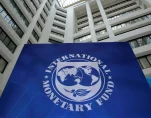
By Saifur Rahman The International Monetary Fund (IMF) on Wednesday said, it will grant US$645 million to support Bangladeshi economy, about US$105 million less than the US$750 million sought by Bangladesh Government to overcome current economic challenges. Of this, around US$426 million will be provided under IMF’s Extended Credit Facility (ECF) and Extended Fund Facility (EFF), while US$219 million will be made available under the Resilience and […]

Bitcoin has reached a historic milestone, surpassing 14% of the total market capitalization of gold. This new all-time high highlights the growing prominence of the cryptocurrency as an alternative asset class, even as gold continues to be viewed as a safe haven for investors. As digital assets gain more traction, Bitcoin’s increasing share of gold’s market cap reflects the shift in investor sentiment and the broader financial landscape.

The surge in Bitcoin’s market cap, which now stands at over $500 billion, represents a remarkable evolution for the cryptocurrency. When Bitcoin was first introduced in 2009, it was dismissed by many as a speculative asset with little to no tangible value. Today, however, it is a mainstream financial instrument, widely recognized and traded by institutional investors, hedge funds, and retail traders alike. The ongoing growth of Bitcoin’s value has contributed to a steady increase in its share of gold’s market capitalization, marking a significant milestone for digital currencies.

Gold, with a market cap of around $11 trillion, has long been considered a stable store of value. For centuries, investors have flocked to the precious metal as a hedge against inflation and market instability. Bitcoin, on the other hand, is still relatively young and volatile. Despite this, the cryptocurrency has earned its place in the broader financial ecosystem, with its market share increasingly viewed as a legitimate complement to traditional assets like gold.

The correlation between Bitcoin and gold has been the subject of much debate among financial experts. Some argue that Bitcoin’s rise signals a fundamental shift away from traditional assets, as digital currencies offer more flexibility, transparency, and security. Bitcoin’s decentralized nature allows it to function outside the influence of central banks and governments, which gives it a unique appeal in times of economic uncertainty. Proponents see it as a “digital gold,” offering similar benefits in terms of wealth preservation but with additional benefits such as greater divisibility and ease of transfer.

Conversely, others point out that Bitcoin’s volatility makes it a riskier asset compared to gold. While gold has a long history of stable pricing, Bitcoin has experienced significant fluctuations in value, with its price rising and falling dramatically over short periods. This volatility has raised concerns among some investors, particularly those who are risk-averse. Despite these concerns, the appeal of Bitcoin as an investment continues to grow, as evidenced by its increasingly large share of the global market.

A major factor contributing to Bitcoin’s rising market cap is the increasing adoption of the cryptocurrency by institutional investors. Hedge funds, family offices, and even publicly traded companies are now incorporating Bitcoin into their portfolios as a hedge against inflation and market volatility. The involvement of these institutional players has legitimized Bitcoin as an asset class, pushing its value higher. Large financial institutions like Fidelity, JPMorgan, and Goldman Sachs have begun offering Bitcoin-related services, providing additional legitimacy to the cryptocurrency market.

The growing interest in Bitcoin has been bolstered by regulatory developments that have provided greater clarity on its legal status in many countries. Governments and financial regulators around the world have taken steps to integrate digital currencies into the formal financial system, which has helped to build trust in Bitcoin. The approval of Bitcoin exchange-traded funds (ETFs) in various markets, along with clearer regulations regarding its taxation, have added to the cryptocurrency’s appeal.

However, Bitcoin still faces challenges in fully replacing gold as a store of value. For one, it is far less widely accepted as a medium of exchange than gold, which has been used as currency for thousands of years. While Bitcoin is increasingly accepted as a payment method by online merchants, it is not as universally accepted as gold, which is still widely recognized and used in various industries, from jewelry to electronics.

Bitcoin’s energy consumption has been a point of contention for many environmentalists and critics. The process of mining Bitcoin requires vast amounts of computational power, which in turn consumes significant amounts of electricity. This has led to concerns about the environmental impact of Bitcoin mining, with some countries and regions moving to restrict or ban mining operations. While efforts are being made to address these concerns through the use of renewable energy sources in Bitcoin mining, the issue remains a challenge for the cryptocurrency’s broader adoption.

Despite these challenges, the growing market capitalization of Bitcoin relative to gold underscores the shifting dynamics in the financial world. The cryptocurrency’s increasing prominence has led some to speculate that it could eventually rival gold as a dominant store of value. If Bitcoin continues to gain market share at its current pace, it could challenge gold’s supremacy in the long run, particularly if the global financial system moves further toward digitization.

One of the key factors driving this shift is the global macroeconomic environment. In the wake of the COVID-19 pandemic, central banks around the world have implemented unprecedented monetary policies, including low interest rates and massive fiscal stimulus measures. These policies have led to concerns about inflation and the erosion of traditional currencies. As a result, many investors have turned to Bitcoin as a hedge against the potential devaluation of fiat currencies. With its finite supply and decentralized nature, Bitcoin is seen by some as a more secure store of value in a world of increasingly unpredictable monetary policy.


JAKARTA, INDONESIA – Media OutReach Newswire – 18 December 2024 – PT Xanh SM Green And Smart Mobility has officially launched its electric taxi service, Xanh SM, in Indonesia. Indonesia is the third Southeast Asian country to welcome Xanh SM, following Vietnam and Laos. This milestone solidifies the company’s role as a trailblazer in bringing innovative green mobility solutions to the world under its “Go Green Global” […]

Crypto.com has withdrawn its lawsuit against the U.S. Securities and Exchange Commission (SEC) after CEO Kris Marszalek met with President-elect Donald Trump. The lawsuit, filed in October, challenged the SEC’s classification of certain digital assets as securities, alleging regulatory overreach. The voluntary dismissal, filed in the U.S. District Court for the Eastern District of Texas, coincided with Marszalek’s meeting with Trump at Mar-a-Lago on December 16.

During the meeting, Marszalek and Trump discussed the future of cryptocurrency regulation in the United States, including the President-elect’s proposal to establish a national Bitcoin reserve. This initiative aims to bolster the U.S. position in the global digital asset market. Marszalek shared a photo of the meeting on social media, expressing his honor at participating in the discussions.

The timing of the lawsuit’s withdrawal suggests a strategic alignment with the incoming administration’s pro-crypto stance. Trump’s campaign emphasized integrating cryptocurrencies into the financial system, and his victory has been met with optimism in the crypto community. Industry leaders anticipate a more favorable regulatory environment, potentially easing constraints imposed by the SEC under current leadership.

Trump’s proposal for a national Bitcoin reserve involves the U.S. government purchasing significant quantities of Bitcoin over several years, similar to strategic reserves of commodities like oil. This plan is intended to strengthen the U.S. dollar’s status as the world’s reserve currency and address national debt concerns. However, critics highlight the volatility of Bitcoin and potential risks to financial stability.

The President-elect’s engagement with crypto industry leaders, including Marszalek, signals a shift towards embracing digital assets at the federal level. Discussions have included potential appointments within the administration that could influence crypto policy, indicating a move towards regulatory clarity and support for the industry.

Binance, the world’s largest cryptocurrency exchange, has announced plans to delist the WRX token, native to the WazirX platform, effective December 25, 2024. This decision has precipitated a significant decline in WRX’s market value, with the token’s price plummeting by approximately 60% following the announcement.

The delisting is part of Binance’s routine asset review process, aimed at ensuring all listed digital assets meet the platform’s stringent standards. Factors influencing such decisions typically include trading volume, liquidity, network stability, security, and compliance with regulatory requirements. In this instance, Binance has not provided specific reasons for the removal of WRX.

The market’s reaction to the delisting has been swift and severe. WRX’s value has dropped from an intraday high of $0.249312 to a low of $0.09656, reflecting a loss of investor confidence and a rush to liquidate holdings before the delisting takes effect. This sharp decline underscores the significant impact that delisting announcements can have on a token’s market performance.

WazirX, a prominent cryptocurrency exchange in India, launched the WRX token to facilitate transactions and offer benefits such as trading fee discounts to its users. The token has been integral to WazirX’s ecosystem, and its delisting from Binance raises concerns about its future utility and liquidity.

The relationship between Binance and WazirX has been complex. In 2019, Binance announced the acquisition of WazirX, positioning it as a strategic move to expand into the Indian market. However, in subsequent years, both parties have issued conflicting statements regarding the nature of their partnership, leading to confusion within the crypto community.

In 2022, WazirX faced regulatory scrutiny from Indian authorities over allegations of money laundering, resulting in the freezing of its bank accounts. Binance publicly distanced itself from WazirX during this period, asserting that the acquisition was limited to certain assets and intellectual property, and that Binance did not own WazirX’s operations. This stance further complicated the perceived association between the two exchanges.

The delisting of WRX from Binance is perceived by market analysts as a significant setback for WazirX. Binance’s platform offers substantial liquidity and access to a global investor base; losing this avenue could hinder WRX’s marketability and adoption. Additionally, delisting often signals to investors a lack of confidence in a token’s viability, potentially leading to further depreciation in value.

For WRX holders, the delisting presents immediate challenges. They must decide whether to liquidate their holdings on Binance before the December 25 deadline or transfer their tokens to other platforms that continue to support WRX. This situation underscores the risks associated with centralized exchanges and the importance of due diligence in cryptocurrency investments.

The broader cryptocurrency market has witnessed similar instances where tokens faced significant devaluation following delisting announcements. Such events highlight the influence major exchanges wield over the digital asset ecosystem and the volatility inherent in crypto markets.

In response to the delisting, WazirX has urged its users to utilize its platform for WRX transactions and assured them of continued support for the token. The exchange is exploring listing WRX on other platforms to mitigate the impact of Binance’s decision. However, restoring investor confidence may prove challenging in the short term.

This development also brings to light the regulatory and operational challenges faced by cryptocurrency exchanges operating in jurisdictions with evolving legal frameworks. The Indian government’s stance on cryptocurrency has been ambivalent, with ongoing debates about regulation and legality. Exchanges like WazirX must navigate this uncertain environment while maintaining compliance and ensuring user trust.

Investors are advised to monitor official communications from both Binance and WazirX for further updates on the delisting process. Staying informed about deadlines for withdrawals and exploring alternative platforms that support WRX will be crucial for those choosing to retain their holdings.

Databricks, a leading global player in data and artificial intelligence (AI), has raised $10 billion in its Series J funding round, positioning itself for accelerated growth and further innovation in the AI space. This new investment brings the company’s valuation to $62 billion, reinforcing its stature as a key player in the AI and big data sectors.

The Series J round has been spearheaded by Thrive Capital, a prominent venture capital firm known for its investments in tech-driven businesses. With this substantial financial backing, Databricks plans to expand its capabilities in AI-driven data analytics, particularly focusing on enhancing its cloud-based offerings and building on its foundational AI tools.

Since its inception, Databricks has made significant strides in providing integrated solutions for data engineers, data scientists, and business analysts. The company’s unified platform leverages the power of AI to assist organizations in unlocking insights from vast amounts of data. Its tools are designed to help companies make data-driven decisions faster and more efficiently.

The raised funds will not only accelerate Databricks’ research and development efforts but also extend its reach into new markets and industries. As the demand for AI and machine learning solutions continues to grow, Databricks is positioning itself to meet these needs with advanced tools designed to optimize business operations. This strategic move is in line with the increasing reliance on AI in various sectors, from healthcare to finance, and from technology to government services.

With its cloud-based platform, Databricks provides a comprehensive suite of solutions that enables businesses to manage their data at scale while employing machine learning and AI to generate actionable insights. One of its flagship offerings, the Lakehouse platform, integrates data lakes and data warehouses into a unified architecture, allowing for seamless access to data and analytics. This innovation has been crucial in establishing Databricks as a leader in the AI-driven data analytics space.

Over the years, Databricks has forged partnerships with several high-profile companies, expanding its influence and reinforcing its role as a leading force in the global AI landscape. This includes collaborations with major cloud providers, such as Microsoft Azure and Amazon Web Services, which have helped Databricks increase its customer base across industries. These strategic partnerships have also enabled Databricks to enhance the scalability and security of its platform, ensuring that it meets the evolving needs of enterprise clients.

As part of its future growth strategy, Databricks has also been heavily investing in talent acquisition, ensuring that it remains at the forefront of AI development. The company has been actively recruiting top AI researchers, data scientists, and software engineers, fostering a culture of innovation that drives its product development. By attracting talent from prestigious institutions and technology companies, Databricks aims to continue leading the charge in AI advancements and bring even more innovative solutions to market.

The Series J funding round follows a series of successful fundraising efforts by the company, which has already raised $8.6 billion through previous investment rounds. The additional $10 billion is expected to be primarily non-dilutive, meaning it will not significantly impact the ownership structure of the company, preserving the value for existing shareholders while enabling Databricks to scale without compromising control.

Databricks’ impressive valuation is a testament to the growing demand for AI and machine learning solutions. The company’s platform continues to attract interest from large enterprises seeking to leverage AI to gain a competitive edge in their respective industries. Furthermore, as more businesses transition to cloud computing, Databricks is poised to capitalize on the increasing adoption of AI-powered cloud solutions.

The company’s expansion plans are also aligned with the growing importance of AI in shaping the future of technology. Industries such as healthcare are increasingly turning to AI to enhance diagnostics, improve patient outcomes, and streamline operations. Likewise, financial services firms are leveraging AI to gain insights into market trends, detect fraud, and improve customer service. As these industries continue to adopt AI-driven solutions, Databricks is well-positioned to support them with its cutting-edge platform.

This funding milestone also comes at a time when venture capital investment in the AI sector is seeing exponential growth. As the potential of artificial intelligence becomes more apparent, investors are increasingly focused on backing companies that are at the forefront of AI research and development. Databricks’ ability to attract such significant investment highlights its role as a key player in this rapidly growing market.

While the company is focusing on expanding its AI capabilities, it is also placing emphasis on ensuring that its technology is accessible to businesses of all sizes. By offering a robust, scalable platform, Databricks allows organizations, from startups to global enterprises, to tap into the potential of AI without needing to develop their own complex infrastructure. This democratization of AI technology is a key component of Databricks’ long-term vision for the industry.

By Dr. Gyan Pathak The twin bills introduced in the Lok Sabah on December 17 seeking ‘one nation and one election’ – ie simultaneous elections to the Lok Sabha and Vidhan Sabhas of the States and Union Territories –contains provisions of too much centralization of the governance in India that has potential risks of making […]

HONG KONG SAR – Media OutReach Newswire – 18 December 2024 – Blue Cross (Asia-Pacific) Insurance Limited (“Blue Cross”) and Public Bank (Hong Kong) Limited (“Public Bank”) today announced and signed a bancassurance agreement. Customers of Public Bank can now purchase two selected insurance products “TravelSafe Plus” and “HomeSafe Protection Insurance” offered by Blue Cross, through the bank’s branch network and website. Mr. Chong Yam Kiang, Executive […]

China has implemented an export ban on essential high-tech goods, marking a significant shift in the global semiconductor industry. The move, which targets critical technologies such as advanced chips, comes as a direct response to the United States’ increasing restrictions on Chinese access to semiconductor technology. This escalating tension between the two countries is threatening to disrupt an already fragile global supply chain, where China plays a […]

Arelion has introduced a new Gulf Coast route aimed at bolstering its North American network, enhancing connectivity between major hubs. The route, connecting Houston, Texas, to Jacksonville, Florida, will traverse key cities along the Gulf Coast, including Slidell, Louisiana, and Mobile, Alabama, marking a significant expansion of the company’s infrastructure in the U.S. The launch reflects Arelion’s commitment to providing more diverse, efficient, and reliable network services […]

AtNorth, a Nordic leader in high-performance computing (HPC), colocation, and AI services, has secured a significant plot of land in Långsele, located within Sweden’s Sollefte Municipality at Hamre Industripark. This acquisition, which spans 30 hectares, marks a key milestone in the company’s strategy to enhance its data center capabilities and reinforce its position within the global tech infrastructure market. The land, chosen for its prime location and […]

Grammarly, the AI-powered writing assistant, has acquired Coda, a productivity platform originally designed as an advanced alternative to Google Docs. Coda’s evolution into a project management tool that combines the functionalities of documents, spreadsheets, and databases aligns with Grammarly’s strategy to enhance its own suite of AI-driven tools. While the specific terms of the deal remain undisclosed, the acquisition is expected to propel Grammarly’s capabilities in integrating more sophisticated collaborative and project management features with its writing solutions.

Founded in 2014, Coda initially aimed to streamline the process of document creation by offering a more dynamic and customizable alternative to traditional word processors. However, over the years, it has morphed into a platform that allows teams to build their own tools for managing workflows, tracking projects, and creating shared documents that function like interactive applications. Coda’s shift toward AI integration, especially with the introduction of Coda Brain, appears to have been a pivotal factor in attracting Grammarly’s attention. This product, designed to leverage AI to optimize workflows and enhance productivity, aligns with Grammarly’s existing portfolio of writing aids that use machine learning and natural language processing.

The acquisition also marks a significant strategic move for Grammarly, which has primarily been known for its grammar and style-checking capabilities. With Coda’s advanced project management features, Grammarly is set to diversify its product offerings and expand into new markets, particularly in collaborative team environments. Coda’s CEO, Shishir Mehrotra, will step into the role of CEO at Grammarly, bringing his leadership experience to a broader scope of operations. Mehrotra’s leadership has been integral to Coda’s success, and his transition into Grammarly’s top spot signals a new era for both companies.

The acquisition signals growing competition in the AI-driven productivity tool market, as more companies seek to consolidate their offerings. As major players like Microsoft and Google continue to incorporate AI into their suites of tools, Grammarly’s acquisition of Coda may offer it a competitive edge in a crowded field. By blending its natural language processing strengths with Coda’s project management and workflow capabilities, Grammarly can appeal to a wider range of professionals seeking integrated AI solutions for both writing and organizational tasks.

Coda’s platform has garnered significant attention over the years due to its flexibility and user-centric design, which empowers teams to create custom workflows tailored to their specific needs. This adaptability has made it popular among startups and large organizations alike. In addition to its core document and project management functions, Coda has gained traction for its innovative use of AI, particularly in automating repetitive tasks and offering smart recommendations that improve efficiency. With the increased demand for AI solutions across industries, the integration of Coda’s capabilities into Grammarly’s platform is seen as a move to capture a larger share of the growing AI productivity tool market.

The financial details surrounding the acquisition have not been disclosed, though Coda was valued at $1.3 billion in its last funding round, which took place in 2021. Given this valuation and Coda’s established presence in the market, the purchase price is likely to be substantial. Analysts suggest that Grammarly’s decision to acquire Coda reflects a long-term investment in the development of more sophisticated AI-powered tools designed to serve a broader range of users beyond just writers.

Grammarly, which has raised over $500 million in funding to date, has seen significant growth in recent years. Its AI-powered writing assistant, which checks for grammar, spelling, and style issues, has become a staple for millions of users worldwide. The company has expanded its offerings to include tools for teams and businesses, allowing users to manage communication, collaborate on documents, and maintain consistency across written content. By acquiring Coda, Grammarly can now leverage the platform’s customizable project management tools to create a more integrated and collaborative workspace for teams, making it easier to incorporate AI-driven features directly into the collaborative process.

The acquisition also positions Grammarly to capitalize on the shift towards remote and hybrid work environments, where collaboration tools have become increasingly critical. By adding Coda’s features, Grammarly can better serve teams and businesses looking for ways to manage projects and communication in a more efficient, AI-enhanced environment. In turn, this will likely bolster Grammarly’s ability to compete against other AI-powered productivity platforms, as the company positions itself as a one-stop solution for writing, collaboration, and workflow optimization.

Grammarly’s expansion into project management and AI-driven workflows is a logical progression for the company, as it builds on its strengths in natural language processing and AI. The combination of writing tools with customizable project management capabilities enables Grammarly to offer a more comprehensive suite of tools that can appeal to a broader audience. With Coda’s advanced AI features and customizable workflows, Grammarly is well-positioned to continue expanding its offerings and meeting the needs of businesses and professionals seeking an all-in-one productivity platform.

VISHNU RAJA
RYO YAMADA
HITORI GOTOH
IKUYO KITA