News related to
Years

China is introducing a significant regulatory measure that will impose a ban of up to ten years on former regulators from participating in new stock offerings. This initiative, which aims to tackle corruption and restore confidence in the country’s $8 trillion stock market, marks a substantial shift in the enforcement of financial regulations. The new rule, announced by the China Securities Regulatory Commission (CSRC), is a response […]

HONG KONG SAR/SHANGHAI, CHINA – Media OutReach Newswire – 9 September 2024 – Hang Lung Properties (SEHK stock code: 00101) (“the “Company” or “Hang Lung”) held its annual Nationwide Volunteer Day in Hong Kong and nine Mainland cities on September 7 to celebrate the anniversary of the founding of Hang Lung Group. Now in its fifth consecutive year, the annual event this year focused on empowering young […]

India and the United Arab Emirates (UAE) are poised to reexamine their existing trade agreement this week, according to informed sources. This strategic review is part of a broader effort by both nations to enhance economic ties and address any gaps in their trade relations.

The bilateral trade agreement, which was initially signed in 2022, has been a cornerstone of the economic partnership between India and the UAE. Over the past two years, the agreement has facilitated significant trade flows, with the UAE emerging as one of India’s key trading partners. However, both governments recognize the need to update the terms of the agreement to reflect the evolving economic landscape and emerging trade dynamics.

The discussions are expected to focus on several key areas. First, there will be a review of tariff schedules and trade barriers to ensure that they align with current market conditions. Both India and the UAE aim to reduce trade impediments and enhance market access for businesses in both countries. Additionally, the review will likely address issues related to customs procedures and regulatory practices to streamline trade processes and minimize delays.

Another significant aspect of the review will be the exploration of new sectors for cooperation. As global trade patterns shift, both nations are keen on diversifying their economic engagements. The UAE, known for its strategic location and advanced infrastructure, is looking to bolster investments in sectors such as technology, renewable energy, and infrastructure development. India, with its burgeoning market and technological expertise, is seen as a valuable partner in these areas.

The discussions are also anticipated to cover the impact of recent global economic trends on bilateral trade. Factors such as fluctuations in commodity prices, supply chain disruptions, and geopolitical developments have influenced trade dynamics globally. Both India and the UAE are expected to evaluate how these factors have affected their trade and explore ways to mitigate potential challenges.

In preparation for the review, both governments have been engaging with industry stakeholders to gather insights and feedback. This consultative approach aims to ensure that the revised agreement addresses the needs and concerns of businesses operating in both countries. The input from various sectors will be crucial in shaping the final terms of the agreement and fostering a mutually beneficial trade environment.

The trade review comes at a time when global trade agreements are under increasing scrutiny. Countries around the world are reassessing their trade policies to adapt to changing economic conditions and to safeguard their national interests. For India and the UAE, this review represents an opportunity to reaffirm their commitment to a strong economic partnership and to position themselves strategically in the evolving global trade landscape.

India and the UAE have a history of collaborative efforts beyond trade. The two nations have worked together on several initiatives, including joint ventures and strategic investments. This review of their trade agreement is expected to further strengthen their economic ties and pave the way for new areas of cooperation.

Emaar the Economic City (Emaar EC), the developer behind the ambitious King Abdullah Economic City (KAEC) project, has announced a comprehensive capital optimisation strategy valued at 8.7 billion Saudi riyals ($2.32 billion). The plan, which includes restructuring existing debt and reducing the company’s capital, aims to improve the company’s financial standing as it navigates the complexities of developing one of the region’s largest economic hubs. Emaar EC’s […]

A Memorandum of Understanding (MoU) has been signed between the Comptroller and Auditor General of India (CAG) and the Accountability Authority of the UAE, marking a significant step toward reinforcing collaboration between two Supreme Audit Institutions. The agreement is designed to streamline audit methodologies in the public sector and enhance overall cooperation, aligning both entities in their goal to ensure effective public accountability. This partnership reflects a growing trend of international cooperation among audit institutions, emphasizing transparency and efficiency in public sector audits.

The MoU between the CAG and the UAE’s Accountability Authority is expected to boost the exchange of knowledge, technical expertise, and best practices in auditing. Such a collaboration is particularly relevant as both nations are witnessing the increasing complexity of public financial systems, necessitating more sophisticated audit mechanisms. Through this agreement, both countries aim to improve governance and accountability, leveraging their respective experiences in the field of public auditing.

The Comptroller and Auditor General of India, an autonomous body responsible for auditing government expenditures, has a long history of ensuring that public funds are utilized effectively and efficiently. The UAE Accountability Authority, on the other hand, plays a similar role in the UAE’s governance structure, overseeing financial control and ensuring that resources are spent in a manner that reflects transparency and integrity. The collaboration between the two is expected to bring mutual benefits, particularly in the form of shared technological advancements and innovative approaches to auditing.

The agreement comes at a time when both nations are grappling with the increasing demands for enhanced governance and accountability in the public sector. Auditing institutions worldwide are under pressure to develop more rigorous methods of auditing public expenditures. By fostering cooperation, the CAG and UAE Accountability Authority aim to remain at the forefront of these advancements.

Public sector audits play a critical role in maintaining fiscal discipline and ensuring that governments operate with integrity and efficiency. The CAG of India, recognized for its audits across various sectors, including defense, healthcare, and infrastructure, has made substantial contributions to public accountability. The UAE Accountability Authority, similarly, has been integral in ensuring that the government’s financial operations remain transparent. The MoU paves the way for the exchange of valuable expertise, as the institutions seek to learn from each other’s successes and challenges.

One of the core areas of focus in this partnership is the implementation of technology-driven audits. As governments worldwide increasingly adopt digital systems for financial management, audit institutions must keep pace with technological innovations. The exchange of knowledge in this area is expected to lead to the adoption of more advanced audit tools and techniques by both parties, enhancing the precision and effectiveness of their audits.

The CAG has already been involved in a number of international initiatives aimed at improving audit processes. As a member of the International Organization of Supreme Audit Institutions (INTOSAI), the CAG has been actively participating in global dialogues surrounding the improvement of audit standards and practices. This MoU with the UAE further cements India’s position as a key player in international audit cooperation.

For the UAE, this partnership represents an opportunity to learn from one of the most established and respected audit institutions in the world. The UAE Accountability Authority is relatively young compared to its Indian counterpart, but it has made significant strides in enhancing the transparency and accountability of public finances. By working closely with the CAG, the UAE seeks to benefit from India’s long-standing expertise in public sector auditing.

This partnership also underscores the UAE’s commitment to strengthening its governance framework in line with global standards. In recent years, the UAE has introduced several reforms aimed at improving government transparency and accountability. The collaboration with the CAG is seen as a crucial step in bolstering these efforts, ensuring that the nation continues to uphold its reputation for financial integrity.

India, on the other hand, stands to gain from the UAE’s unique approach to auditing and governance. The UAE has been a pioneer in adopting technology in government operations, and this expertise is expected to be shared with the CAG. The collaboration could lead to the implementation of more streamlined, technology-driven audit practices in India, enhancing the efficiency of the country’s auditing processes.

Beyond the technical benefits, this MoU holds symbolic significance as well. It highlights the growing partnership between India and the UAE, two nations that have deepened their ties in various sectors, including trade, defense, and education. The collaboration between the CAG and the UAE Accountability Authority reflects the broader strategic partnership between the two countries, which continues to evolve in a variety of domains.

Both audit institutions have expressed their commitment to ensuring that this partnership yields tangible benefits. The exchange of expertise, they believe, will not only improve the audit processes in both countries but also contribute to the broader global effort of enhancing public sector governance. By collaborating, the CAG and UAE Accountability Authority aim to set new benchmarks for public auditing, offering a model that can be replicated by other nations.

ASK Private Wealth, the advisory and family office arm of the Blackstone-backed ASK Asset and Wealth Management Group, is targeting non-resident Indians (NRIs) and overseas citizens of India (OCIs) with a new fund aimed at raising $100 million. The launch of this fund marks a significant strategic move by the firm to tap into the growing demand for investment in Indian capital markets by high-net-worth individuals based abroad, particularly in the Gulf Cooperation Council (GCC) region.

This newly launched ASK Wealth Advisors (ASKWA) India Opportunities Fund is specifically designed to cater to the investment preferences of NRIs and OCIs. Somnath Mukherjee, Chief Investment Officer and Senior Managing Partner at ASKWA, emphasized that the fund offers an opportunity for wealthy Indians abroad to capitalize on India’s economic growth while diversifying their portfolio. The fund, he explained, is part of a larger strategy to connect with the wealthy diaspora, particularly in the GCC, where there is a sizable population of ultra-high-net-worth individuals (UHNWIs).

ASKWA is seeking to tap into this demographic as NRIs in the Gulf region have consistently shown a strong inclination towards investing in India. The fund will primarily focus on a diversified portfolio of Indian equities, targeting sectors that are expected to benefit from the country’s robust economic growth trajectory. Mukherjee noted that India’s capital markets have shown significant resilience and continue to offer attractive long-term returns for investors. The fund aims to provide a channel for NRIs to participate in India’s growth story, particularly as global economic trends continue to favor emerging markets like India.

The GCC region, particularly countries like the United Arab Emirates (UAE), Saudi Arabia, and Qatar, remains a key source of investment for ASKWA. Mukherjee highlighted that the firm has already seen substantial interest from potential investors in these markets, with many NRIs in the GCC seeking exposure to the Indian stock market. He stated that the UAE has emerged as a hub for wealth management and investment services, attracting a large number of wealthy NRIs looking for efficient ways to manage and grow their wealth.

Mukherjee further explained that ASKWA has ambitious plans to strengthen its presence in the UAE. The firm is exploring the possibility of setting up a physical office in the UAE to better serve its clients in the GCC region. This strategic expansion is part of ASKWA’s broader goal of deepening its engagement with NRI investors, ensuring that they have access to tailored financial solutions that meet their unique investment needs. The GCC, with its concentration of wealthy NRIs, represents a significant market for the company’s growth plans.

The fund launch comes at a time when India is seeing a steady inflow of capital from NRIs worldwide. With Indian equities performing well over the past few years and the country’s economy showing signs of steady growth, NRI investors are increasingly looking at India as a key destination for their investments. Mukherjee noted that the India Opportunities Fund is poised to take advantage of this trend, offering NRI investors a structured and well-managed investment vehicle.

According to wealth management experts, the interest in Indian equities is expected to grow further, given the Indian government’s focus on economic reforms, infrastructure development, and digital innovation. These factors are expected to drive growth in sectors such as technology, financial services, and consumer goods, all of which are key areas of focus for the new ASKWA fund. The fund’s strategy will revolve around investing in blue-chip companies as well as high-growth sectors, providing a balanced risk-return profile for investors.

Mukherjee also emphasized that ASKWA is committed to maintaining high standards of governance and transparency in managing the fund, ensuring that investors’ interests are protected. He assured potential investors that the fund would be managed with a long-term perspective, focusing on delivering sustainable returns over time. This approach, Mukherjee said, aligns with the investment philosophy of many NRIs, who tend to have a long-term horizon when it comes to their investments.

The India Opportunities Fund is expected to attract a wide range of NRI investors, from those seeking growth opportunities in Indian equities to those looking for a reliable way to diversify their investment portfolios. ASKWA has already begun reaching out to its existing NRI clients, with initial feedback indicating a strong interest in the fund. The firm is confident that it will be able to raise the $100 million target, given the level of interest from the GCC and other key markets.

By Arun Srivastava The election for Jharkhand state assembly scheduled to be held in December this year is going to big challenge for the RSS, especially its chief Mohan Bhagwat. A win for BJP would help refurbish the image of Narendra Modi and boost his bargaining power, which he desperately needs to raise his declining […]
Advertisements

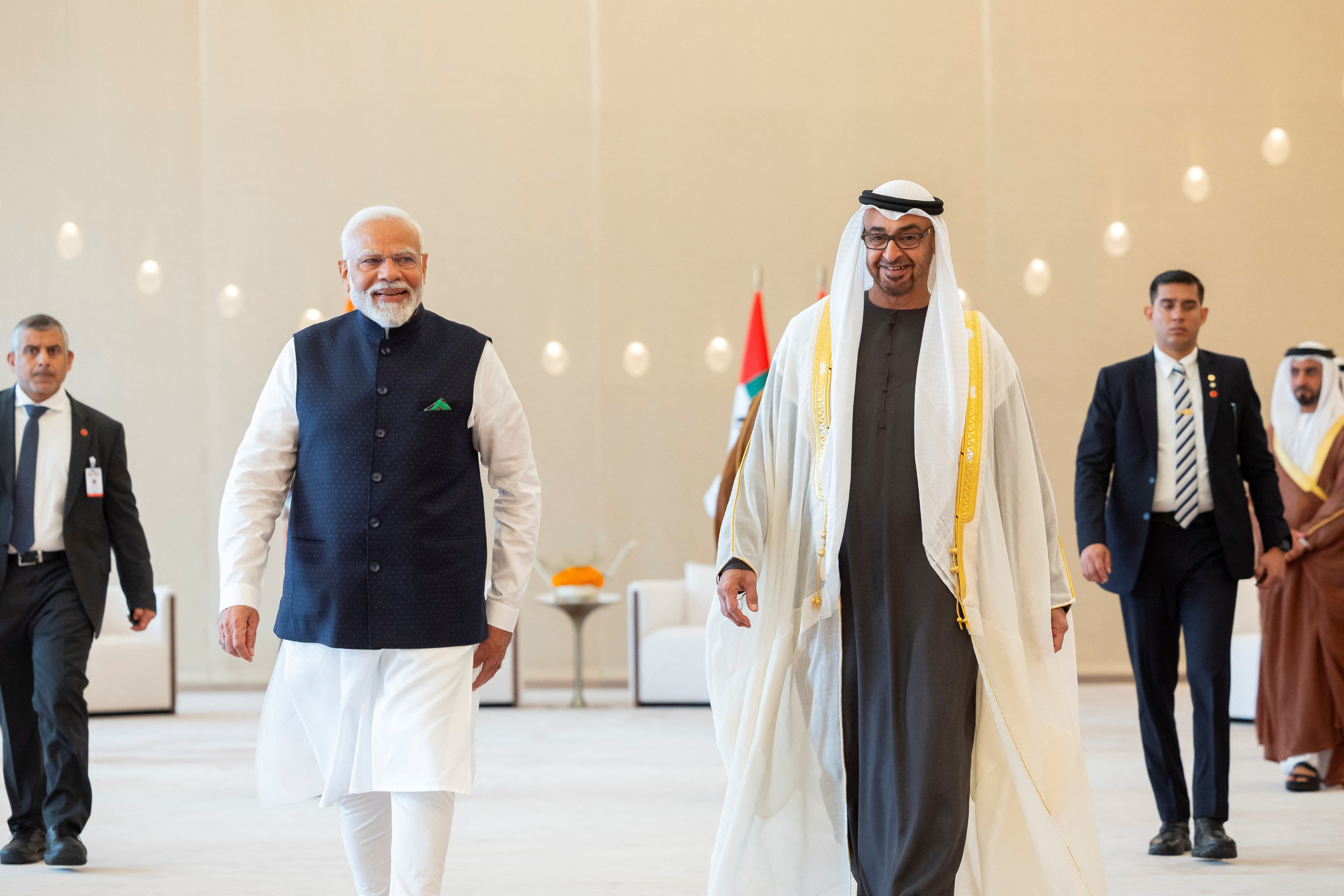
Abu Dhabi Crown Prince Sheikh Khaled bin Mohamed bin Zayed Al Nahyan is scheduled to travel to India for a state visit on Sunday, September 8, where he will engage in high-level talks with Prime Minister Narendra Modi in New Delhi. The visit marks a significant step in the growing bilateral relationship between the UAE and India, and it is Sheikh Khaled’s first visit to the country since assuming the position of Crown Prince of Abu Dhabi. The meeting will focus on advancing strategic ties, with an emphasis on key economic sectors that are mutually beneficial.

Boeing and the International Association of Machinists and Aerospace Workers (IAM), the union representing 33,000 employees, have reached a tentative agreement to avoid a looming strike that was set to begin this week. The deal, which was reached after intense negotiations, will be put to a vote by union members over the coming days. This agreement marks a crucial step in resolving a potential labor dispute that could have disrupted Boeing’s operations on the West Coast, particularly at its facilities in Washington, Oregon, and California.

The impending strike was driven by the union’s demand for better wages, benefits, and job security for its members. The original labor contract between Boeing and IAM had expired, leaving thousands of workers with the prospect of walking off the job. Boeing, already grappling with supply chain challenges and increased production demands, sought to prevent a work stoppage that could severely impact its aircraft production schedules.

The tentative deal includes a framework that addresses some of the union’s key concerns. According to union officials, the agreement offers enhanced wage increases, improved health benefits, and stronger job protections. The union’s leadership expressed cautious optimism about the terms, noting that while the deal may not meet all expectations, it represents significant progress compared to the company’s earlier proposals. Both sides had been under mounting pressure to avoid a strike, given Boeing’s critical role in global aerospace production and the potential ripple effects on the broader supply chain.

Boeing, one of the largest aerospace companies in the world, has been working to ramp up production of its 737 MAX and 787 Dreamliner models amid rising demand for commercial aircraft. A strike at this stage would have disrupted operations and exacerbated the challenges Boeing faces as it seeks to recover from the dual impacts of the pandemic and the 737 MAX grounding. Additionally, Boeing is under pressure from its airline customers to meet delivery deadlines, which have already been delayed by various logistical and technical issues.

Union members had been preparing for a strike after rejecting Boeing’s previous offers, which they deemed insufficient in addressing concerns over inflation and rising healthcare costs. The union had argued that the workers, many of whom are highly skilled machinists, deserve a greater share of Boeing’s profits, especially as the company has resumed strong financial performance following years of setbacks. Boeing had initially pushed back, citing its need to maintain cost controls to stay competitive in the global aerospace market.

The negotiations have been watched closely by other unions and industries, as the outcome could set a precedent for labor relations in sectors that rely on skilled manufacturing workers. Labor experts note that the broader economic context, marked by inflation and a tight labor market, has strengthened the bargaining position of unions across the U.S. Workforce shortages in critical industries, including aerospace, have further complicated negotiations, as companies are increasingly concerned about retaining experienced workers while managing operational costs.

Boeing’s leadership expressed relief that a tentative deal had been reached, but emphasized that it is only a step toward securing labor peace. “We are committed to providing competitive compensation packages for our employees while ensuring the long-term success of our company,” a Boeing spokesperson said in a statement. “This agreement reflects our shared commitment to meeting the needs of our workforce and delivering on our commitments to customers.”

For union members, the next few days will be pivotal as they review the details of the agreement and prepare to vote on whether to accept the terms. Union leaders have acknowledged that there may be some hesitation among members, particularly those who had hoped for more substantial gains in areas such as pensions and job security. However, they have urged workers to consider the broader context and the improvements that have been achieved compared to earlier proposals.

The possibility of a strike had sent ripples through the aerospace industry, with analysts warning that any disruption to Boeing’s production lines could have far-reaching consequences for both domestic and international markets. Airlines, already facing delays in aircraft deliveries, had expressed concerns that a strike could lead to further setbacks, complicating fleet expansion plans and route scheduling. Suppliers, too, were bracing for potential disruptions, as Boeing’s manufacturing operations rely on a complex network of parts and materials sourced from around the world.

The tentative agreement provides a temporary reprieve, but labor relations at Boeing remain a delicate issue. The company has faced criticism from workers and union representatives in the past for not doing enough to address job security concerns amid shifting industry dynamics. Boeing’s strategic decisions, including outsourcing some manufacturing operations and increasing automation in its factories, have sparked tensions with labor groups who fear these moves could lead to job losses or reductions in wages.

Moeen Ali has announced his retirement from international cricket, citing the decision to step away from the game as a response to not being selected for England’s upcoming white-ball series against Australia. The 37-year-old all-rounder, who has been a significant figure in England’s cricketing landscape, made the announcement on social media, expressing that he felt it was the right moment to conclude his international career. Ali’s retirement […]

Australia’s Treasurer, Jim Chalmers, is scheduled to visit China later this month, marking the first such trip by an Australian treasurer since 2017. This significant diplomatic gesture comes amid ongoing geopolitical tensions and a challenging global economic landscape. The upcoming visit is expected to be a crucial opportunity for both nations to address a range of bilateral issues, including trade relations, economic cooperation, and regional security. The […]

The UAE’s financial sector has achieved a notable milestone as the market capitalization of its top 20 companies surged to AED 2.8 trillion ($762 billion). This achievement underscores the country’s expanding economic footprint and growing investor confidence.

The remarkable growth in market capitalization reflects a robust performance in the UAE’s equity markets, driven by diverse sectors including banking, real estate, and telecommunications. Dubai’s stock exchange, in particular, has seen significant activity, bolstered by increased foreign investment and strong corporate earnings.

Among the leading companies contributing to this milestone are major players such as Emirates NBD, Etisalat, and Dubai Investments. These firms have shown impressive financial results and strategic growth initiatives, solidifying their positions in both regional and global markets. Emirates NBD, for instance, has been pivotal in enhancing the financial infrastructure of the UAE, while Etisalat’s technological advancements have played a crucial role in expanding the digital economy.

The UAE’s continued focus on economic diversification and infrastructure development has further fueled this growth. Government initiatives, including the Dubai Economic Agenda and Abu Dhabi Vision 2030, aim to transform the UAE into a global hub for trade, finance, and innovation. These strategic plans are designed to attract more foreign direct investment and boost the country’s economic resilience.

Furthermore, the UAE’s financial markets have benefited from favorable regulatory changes and improved market liquidity. The introduction of more transparent and investor-friendly policies has enhanced the attractiveness of the UAE’s stock exchanges to international investors. The Financial Services Regulatory Authority (FSRA) and the Securities and Commodities Authority (SCA) have played pivotal roles in ensuring market stability and promoting investor confidence.

The surge in market capitalization also highlights the growing prominence of UAE-based companies on the global stage. The country’s financial markets are increasingly seen as a viable investment destination, with many international firms looking to enter or expand their presence in the UAE. This influx of global capital not only supports local businesses but also contributes to the overall economic growth of the region.

In addition to financial performance, the UAE’s real estate sector has been a significant contributor to the increased market capitalization. Major real estate developers such as Emaar Properties and Aldar Properties have seen substantial growth, driven by strong demand for residential and commercial properties. Their successful project launches and strategic developments have played a key role in enhancing the market value of the UAE’s leading companies.

The UAE’s ambitious growth plans are expected to continue driving market expansion in the coming years. The country’s leadership remains committed to fostering an environment conducive to business growth and innovation. Initiatives such as the Dubai Expo 2020 and Abu Dhabi’s ongoing infrastructure projects are anticipated to further boost investor sentiment and economic activity.

The combined market capitalisation of the UAE’s 20 largest companies has soared to AED 2.8 trillion ($762 billion), marking a significant milestone for the country’s local stock exchanges. These companies, listed on the Abu Dhabi Securities Exchange (ADX) and the Dubai Financial Market (DFM), now represent 77.6% of the total market capitalisation across UAE markets, which stands at AED 3.59 trillion. This achievement comes as the UAE continues to pursue an ambitious strategy to double its overall market value to AED 6 trillion in the coming years.

The top performer, International Holding Company (IHC), dominates the UAE market with a staggering market capitalisation of over AED 912.3 billion, accounting for 25.4% of the local stock markets. Following IHC is Abu Dhabi National Energy Company (Taqa), which holds a market value of AED 296.8 billion. These two firms exemplify the UAE’s growing prowess in sectors such as energy, infrastructure, and diversified investments.

Several other major players have also solidified their positions in the financial landscape. Adnoc Gas has secured a market value of AED 240.2 billion, while Etisalat by e& and First Abu Dhabi Bank (FAB) follow closely with market capitalisations of AED 161.5 billion and AED 147.6 billion, respectively. Companies like Emirates NBD and Dubai Electricity and Water Authority (DEWA) are also notable contributors to the UAE’s market strength, alongside real estate giants such as Emaar Properties and Aldar Properties.

Industry experts point to the UAE’s pro-business environment and its strategic initiatives to attract foreign investment as key factors driving the exponential growth of the stock market. The UAE government has committed to fostering economic diversification, furthering innovation, and implementing financial reforms that facilitate this expansion.

HONG KONG SAR – Media OutReach Newswire – 5 September 2024 – Businesses across Hong Kong are actively seeking to attract talent to enhance competitiveness. As a vital economic pillar, the retail sector is committed to developing the next generation of professionals. Following the success of last year’s inaugural “Retail Internship Programme,” DFI Retail Group (DFI) has recently concluded its second edition, successfully recruiting over 120 secondary […]

The 2024 U.S. presidential election is rapidly shaping up to be a fierce contest, with Pennsylvania standing at the forefront of political attention. Both Kamala Harris, the current Vice President, and Donald Trump, the former president seeking another term, have concentrated their campaigns on the Keystone State. The focus on Pennsylvania comes as the state’s electoral votes are seen as pivotal for either candidate to secure victory […]

AvanStrate Inc. will chart new growth path with high-tech display products across industries to meet increasing global demand. MUMBAI, INDIA – Media OutReach Newswire – 5 September 2024 – Vedanta Limited announced that the display glass business is set to grow 10x after consolidating its holding in AvanStrate Inc. (ASI), a Japanese display glass manufacturer, to 98%, following the acquisition of 46.57% equity from Hoya Corporation. ASI […]

Typhoon Yagi, the second-most intense storm to hit Vietnam in 2024, unleashed deadly force on the country, killing at least four people and injuring 78 others. The storm made landfall on Saturday afternoon in northern Vietnam, with wind speeds exceeding 150 kilometers per hour. Vietnamese authorities have reported widespread devastation as emergency services continue to grapple with the storm’s aftermath. Homes have been torn apart, trees uprooted, […]

Saudi Arabia’s push towards sustainability and a clean energy future will take center stage at the EV Auto Show 2024, one of the most significant gatherings for the electric vehicle (EV) industry in the Middle East. From September 17th to 19th, the Riyadh International Convention and Exhibition Centre will host automakers, industry experts, and technology innovators from around the world. As the nation seeks to reduce its dependence on fossil fuels, this event marks a key moment in advancing electric mobility in the region.

The EV Auto Show 2024 is expected to attract some of the biggest names in electric vehicle manufacturing, as well as developers of charging infrastructure and related technologies. These participants will be instrumental in Saudi Arabia’s ambitious goals to become a global leader in sustainable energy. The event is more than a showcase of cutting-edge EV models; it represents a broader initiative aligned with the Kingdom’s Vision 2030 plan to diversify its economy and promote environmental responsibility.

Among the most anticipated exhibits are electric cars, commercial trucks, buses, and motorcycles that promise to reshape Saudi Arabia’s automotive landscape. Automakers from across Europe, the US, and Asia will be presenting their latest EV models, reflecting the global momentum in the shift towards electric transportation. Some companies are expected to unveil new vehicles tailored specifically to the needs of the Gulf region, focusing on extreme climate durability, high-performance batteries, and long-range capabilities that meet the challenges posed by the vast Saudi landscape.

Saudi Arabia’s commitment to electric vehicles has been clear over the past few years, as the Kingdom invests heavily in building EV infrastructure. Recent partnerships between the Saudi government and international EV manufacturers have already set the stage for increased local production and assembly of electric vehicles. The show is poised to bring these efforts into sharper focus, with an emphasis on collaborative innovation.

Several regional and international brands will showcase their EV charging solutions at the event. Saudi-based energy firms and multinational companies will demonstrate cutting-edge charging technologies and battery solutions, focusing on both residential and commercial applications. These technologies are pivotal for the growth of the EV market, as reliable and widespread charging infrastructure remains a key challenge in Saudi Arabia’s transition to electric vehicles. The event will feature panels on overcoming these hurdles, with industry leaders and government officials expected to discuss strategies for expanding the country’s EV charging network.

Energy and technology companies are increasingly looking at ways to integrate EVs with renewable energy sources such as solar power. Saudi Arabia’s abundant sunlight presents a significant opportunity to harness clean energy for EVs, reducing both emissions and energy costs in the long term. At the show, experts will discuss how solar-powered EV charging stations can support the country’s sustainability goals, especially as the Kingdom ramps up investment in its burgeoning solar industry.

Key figures in Saudi Arabia’s automotive and energy sectors have noted that the transition to electric vehicles is no longer a distant goal but an immediate priority. The EV Auto Show is expected to catalyze both consumer interest and industry momentum, with stakeholders eager to capitalize on the growing demand for sustainable transportation options. With gasoline prices fluctuating and global environmental policies tightening, EV adoption is not just a matter of preference but a strategic imperative for the Kingdom.

Public interest in electric vehicles has surged across Saudi Arabia, particularly among younger consumers who are increasingly aware of the environmental impacts of traditional gasoline-powered cars. To meet this rising demand, several local companies are making strides in EV development and marketing. In particular, Saudi Arabia’s own Public Investment Fund (PIF) has invested billions in Lucid Motors, a leading American EV manufacturer. Lucid has already established a production facility in King Abdullah Economic City (KAEC), marking a major milestone in local EV manufacturing. The partnership is seen as a crucial step in positioning the Kingdom as a future hub for electric vehicle production in the region.

Beyond private investment, government support for EVs in Saudi Arabia has been robust. In line with Vision 2030, the Saudi government has implemented policies designed to encourage both manufacturers and consumers to embrace electric mobility. Incentives such as tax breaks for EV buyers, subsidies for local manufacturers, and government contracts for EV fleets are just some of the measures aimed at fostering a supportive environment for the industry’s growth. These policies, coupled with investments in renewable energy, are part of a broader strategy to position the Kingdom as a leader in the clean energy transition.

The environmental impact of EV adoption is also a significant consideration for Saudi Arabia. While the country is one of the largest producers of oil globally, its leaders are keen to diversify its energy sources to ensure long-term sustainability. Reducing emissions from transportation is a key component of this strategy, as the sector accounts for a considerable portion of the country’s carbon footprint. With electric vehicles seen as a crucial solution to lowering emissions, the EV Auto Show serves as a platform to demonstrate the feasibility and necessity of electric mobility in achieving Saudi Arabia’s environmental goals.

PHNOM PENH, CAMBODIA – Media OutReach Newswire – 6 September 2024 – The Bay of Lights, a transformative USD 16 billion coastal township development project, took center stage at the inaugural Singapore Business Expo 2024, coinciding with Singapore’s 59th Independence Day celebrations. Showcased as the groundbreaking project, the Bay of Lights is poised to transform Cambodia’s coastal economy and create ripple effects across the Southeast Asia region. […]

Bahrain’s Economic Development Board (EDB) is set to embark on a multi-city tour across India, aiming to deepen bilateral ties and strengthen economic collaboration. The initiative, scheduled for September 9-14, comes as part of Bahrain’s broader efforts to attract investments and enhance partnerships across key sectors. Spearheaded by Noor bint Ali Al Khulaif, Bahrain’s Minister of Sustainable Development and Chief Executive of the EDB, the delegation will engage with top Indian business leaders, investors, and policymakers in Mumbai, New Delhi, Bengaluru, and Hyderabad.

Bahrain’s move to engage directly with India underscores the increasing significance of bilateral relations between the two countries. India, a rapidly growing economy and a key player in global trade, has been identified as a strategic partner for Bahrain’s economic ambitions. The tour is expected to showcase the Gulf nation’s business-friendly environment, investment opportunities, and the diverse sectors open to collaboration, including finance, manufacturing, technology, and logistics.

The Bahrain Economic Development Board, responsible for promoting investment in the Kingdom, has been working to position Bahrain as a hub for international businesses seeking a foothold in the Middle East and North Africa (MENA) region. By targeting India, Bahrain aims to tap into one of the world’s largest consumer markets and the fast-developing Indian economy, which is increasingly driven by innovation, technology, and industrial growth.

Bahrain’s strategic geographical location, coupled with its investor-friendly regulatory environment, is likely to be a focal point of discussions during the India tour. The Kingdom offers 100% foreign ownership in many sectors, low operational costs, and access to the Gulf Cooperation Council (GCC) market of over 50 million consumers. These advantages are expected to appeal to Indian companies looking to expand their presence in the Gulf region, particularly those involved in sectors such as financial services, logistics, ICT, and manufacturing.

The India visit also marks a significant opportunity for both nations to explore new areas of collaboration, particularly in emerging technologies. Bahrain has positioned itself as a leader in fintech, having launched a number of initiatives in recent years to support the sector. The Kingdom’s regulatory sandbox for fintech startups has attracted numerous international firms, and there is considerable scope for Indian technology companies to collaborate with Bahrain on financial innovation and digital services.

Moreover, Bahrain has been keen to bolster its manufacturing sector, especially in fields such as chemicals, food processing, and aluminum production. India’s robust manufacturing base makes it a natural partner for collaboration in these industries. The visit will likely focus on building synergies in these areas, with discussions centered on how Indian businesses can leverage Bahrain’s competitive edge as a production hub for the GCC market.

The tour will also provide a platform for discussions on sustainable development and climate change. Bahrain, through its Vision 2030 economic plan, has placed sustainability at the heart of its development strategy. Minister Noor bint Ali Al Khulaif, a key proponent of sustainable economic growth, is expected to highlight Bahrain’s initiatives in this area, which align with India’s own commitment to sustainable development. Both countries are signatories to the Paris Agreement and are looking to collaborate on green technologies, renewable energy, and sustainable infrastructure projects.

The Bahrain-India relationship is not limited to trade and investment. The two nations share a long history of cultural and diplomatic ties, with a sizable Indian expatriate community living in Bahrain. These deep-rooted connections are likely to be emphasized during the tour, as both sides seek to build on their historical relationship and foster stronger people-to-people ties.

On the economic front, bilateral trade between Bahrain and India has shown steady growth. According to the latest data, total trade between the two countries stood at around $1.4 billion in 2022. India is among Bahrain’s top trading partners, and there is potential for further expansion in sectors such as hydrocarbons, engineering goods, pharmaceuticals, and food products. Bahrain is also home to several prominent Indian companies, and the EDB’s tour is expected to explore new avenues for Indian firms to increase their presence in the Kingdom.

In addition to meetings with business leaders and investors, the Bahrain delegation is expected to hold discussions with Indian government officials on strengthening bilateral relations. These talks could pave the way for future cooperation agreements in areas such as trade, investment, and technology transfer. The tour aligns with India’s own foreign policy objectives of enhancing relations with Gulf countries, which have become critical economic partners for New Delhi in recent years.

The timing of Bahrain’s outreach to India is also notable, coming at a time when global economic dynamics are shifting. Both nations are looking to diversify their economies and reduce dependence on traditional industries, such as oil and gas. For Bahrain, India represents a key partner in its efforts to modernize and diversify its economic base, while for India, Bahrain provides access to the GCC and MENA markets, which are crucial for India’s energy security and trade.


A significant shake-up is underway in the Saudi retail sector as Investcorp, a prominent global investment firm, is poised to sell its stake in BinDawood Holding, a major player in the kingdom’s retail market. The decision to divest comes as the company aims to streamline its investment portfolio and focus on other strategic areas. This move has sparked considerable interest and speculation regarding the future trajectory of […]

The United Arab Emirates is poised to witness an unprecedented surge in international visitor spending, with expenditures expected to exceed $52 billion by the end of this year. This remarkable growth underscores the UAE’s expanding role as a global tourism hub, fueled by ongoing investments in infrastructure and strategic marketing efforts.

The World Travel & Tourism Council (WTTC) has reported that the UAE’s tourism sector is on track to break previous records, driven by a combination of increased international travel and robust economic conditions. The forecasted spending figure represents a substantial increase from previous years, highlighting the UAE’s resilience and attractiveness in the global tourism market.

Several factors contribute to this surge in visitor spending. The UAE has successfully positioned itself as a premier destination for luxury travel, attracting high-net-worth individuals with its opulent hotels, world-class dining experiences, and exclusive events. The country’s strategic initiatives, such as hosting major international events and enhancing its hospitality sector, have played a significant role in drawing affluent tourists.

Recent developments in tourism infrastructure have also bolstered the UAE’s appeal. The expansion of airports, the introduction of new flight routes, and the enhancement of travel experiences have made the UAE more accessible to international visitors. These advancements are complemented by the UAE’s continuous efforts to innovate and diversify its tourism offerings, ranging from cultural festivals to adventure tourism.

The UAE’s commitment to maintaining high safety and cleanliness standards, particularly in the wake of the COVID-19 pandemic, has further solidified its reputation as a safe and attractive destination. This focus on health and safety has reassured travelers, contributing to the surge in tourism-related expenditures.

Moreover, the UAE’s strategic use of digital marketing and social media has amplified its visibility on the global stage. Campaigns highlighting the UAE’s unique attractions, such as the Burj Khalifa, the Palm Jumeirah, and cultural landmarks like the Louvre Abu Dhabi, have resonated with a broad audience, driving interest and visits.

The influence of high-profile events, such as the Expo 2020 Dubai, has had a lasting impact on the UAE’s tourism sector. Although the Expo concluded, its legacy continues to attract tourists and stimulate economic activity. The influx of international visitors during the event showcased the UAE’s capacity to host large-scale global gatherings, further cementing its status as a leading destination.

The rise in international visitor spending is also reflective of broader global tourism trends. As countries recover from the pandemic, there is a noticeable rebound in travel, with tourists eager to explore new destinations and experience diverse cultures. The UAE has capitalized on this trend by offering a mix of luxury, adventure, and cultural experiences that cater to various preferences.

Key players in the UAE’s tourism industry, including major hotel chains, travel agencies, and entertainment providers, are witnessing significant growth in revenue. These businesses are investing in enhancements to attract and retain international visitors, ensuring that the UAE remains competitive in the global tourism market.

Economic analysts highlight that the tourism sector’s growth has positive implications for the UAE’s overall economy. Increased visitor spending contributes to job creation, supports local businesses, and generates substantial revenue for the government. The tourism industry’s expansion aligns with the UAE’s broader economic diversification goals, reducing reliance on oil revenues and fostering sustainable development.

Banking regulators in the United States, including the Federal Reserve, Federal Deposit Insurance Corporation (FDIC), and Office of the Comptroller of the Currency (OCC), are expected to release significant revisions to bank capital requirements this month. These changes, which aim to strengthen the resilience of the financial system, are part of the larger “Basel III endgame” framework. The upcoming rules are targeted at banks with over $100 billion in assets, with the intention of bolstering their ability to withstand future financial crises.

The planned regulations will eliminate the use of banks’ internal risk models in favor of standardized models, addressing longstanding concerns about inconsistencies in how banks evaluate their risk exposure. If implemented, the new capital requirements will be phased in over three years, beginning in July 2025. However, the proposal has met with significant resistance from the banking industry, which argues that the regulations could lead to reduced lending capacity, stifling economic growth and affecting consumer credit availability.

The proposed revisions represent a culmination of years of efforts by regulators to tighten capital standards in the aftermath of the 2008 financial crisis. Banks have faced increasing scrutiny from both regulators and lawmakers over the adequacy of their capital buffers. Stress tests conducted by U.S. authorities have consistently shown that the nation’s banking system remains well-capitalized, but concerns linger about whether current rules are sufficient to safeguard against future economic shocks.

Among the major changes expected is the implementation of higher capital buffers for banks, particularly those with significant trading operations. This would affect major Wall Street firms, including JPMorgan Chase, Goldman Sachs, and Citigroup. These institutions could be required to hold substantially more capital against their trading assets, which has drawn criticism from the financial sector. The American Bankers Association (ABA) and other industry groups have argued that excessive capital requirements could reduce profitability and hamper their ability to finance economic activity.

Despite these objections, proponents of the new rules, including key regulatory figures, have emphasized the importance of ensuring that banks are prepared for a range of potential crises. Federal Reserve officials have expressed confidence in the banking system’s current stability but have stressed that more stringent capital requirements would reduce the likelihood of taxpayer-funded bailouts in the future. They have also pointed to the Basel III guidelines as an international standard, which the U.S. must comply with to maintain financial stability on a global scale.

Opponents within the banking sector are mounting an aggressive lobbying campaign to delay or modify the rulemaking. They argue that the proposed rules do not take into account the economic impact of stricter capital standards, especially at a time when inflation and interest rate hikes are already placing significant pressure on the industry. Large banks, which are likely to be most affected by the new regulations, have voiced concerns that they will be forced to cut back on lending activities to meet the higher capital requirements.

The pushback has been particularly vocal from some of the biggest players in the financial industry, who warn that the new capital rules could lead to reduced lending to businesses and consumers. The ABA, in a statement, expressed support for strong capital requirements but urged regulators to strike a balance that does not stifle economic growth. They argue that while the banking sector remains resilient, overly stringent capital rules could inadvertently weaken it by making credit more expensive and difficult to obtain.

At the heart of the debate is the balance between financial stability and economic growth. Regulators believe that higher capital buffers will protect the economy from future crises, ensuring that banks can absorb losses without threatening the broader financial system. On the other hand, industry critics argue that the proposed rules may do more harm than good, reducing banks’ ability to lend at a critical time for the economy.

SINGAPORE – Media OutReach Newswire – 6 September 2024 – ST Telemedia Global Data Centres (STT GDC), one of the world’s fastest-growing data centre colocation services provider headquartered in Singapore, today announced a significant investment of US$3.2 billion (INR 26,000 crores) to expand its data centre capacity in India by a substantial 550MW, nearly tripling the company’s IT load capacity to meet the demands of India’s thriving […]

VISHNU RAJA
RYO YAMADA
HITORI GOTOH
IKUYO KITA