News related to
Years

UAE equity capital markets are poised for an uptick in activity, with Citi forecasting three to five initial public offerings by 31 December—assuming timely regulatory clearance and robust pre‑marketing, said Rudy Saadi, Citi’s managing director and head of MENA Equity Capital Markets. This comes amid renewed investor enthusiasm as the nation positions itself as a regional IPO hub.

Saadi noted that although privatisations have slowed, market sentiment remains firmly positive for the remainder of 2025 and into early 2026. The expected pipeline includes a mix of family‑owned concerns and state‑affiliated enterprises alongside follow‑on offerings from listed firms.

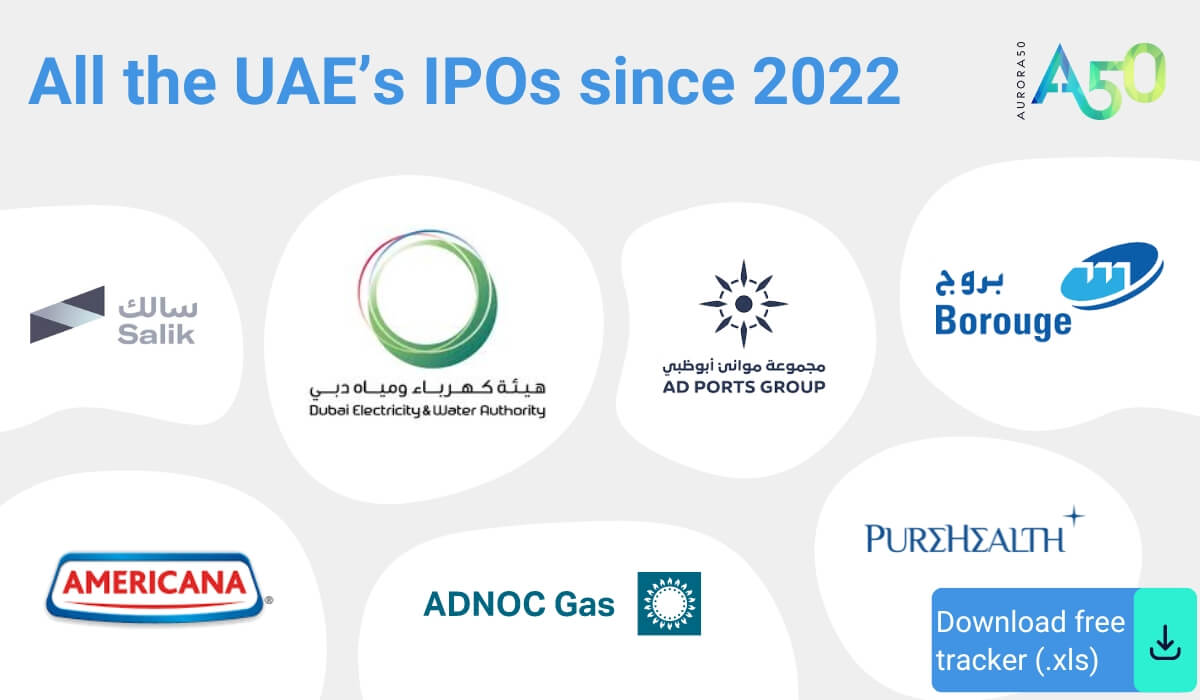
Delivering context, UAE exchanges have tapped international and domestic liquidity in recent quarters. Spinneys and Alef Education raised $375 million and $515 million, respectively, in the second quarter, channelling nearly $890 million overall through new IPOs. Dubai and Abu Dhabi exchanges continue to push private‑sector listings, underscoring wider capital‑markets evolution.

Citi’s optimism is reinforced by Bloomberg’s observation of renewed momentum in regional share sales heading into H2 2025. The uptick appears linked to improved regulatory frameworks, deeper secondary‑market liquidity and evolving investor appetite across institutional, family‑office and retail segments.

Market analysts point to several emerging trends. Firstly, regulatory authorities in both Dubai and Abu Dhabi are progressively enhancing governance and foreign‑ownership rules to attract global participants. UAE entities now find listing conditions more competitive compared with established markets in Europe or the US.

Secondly, a shift is apparent from state privatisations to private‑sector flotations. Family‑owned businesses and tech‑focused enterprises are now stepping into the spotlight—supported by increasing liquidity and appetite from international institutional investors.

Thirdly, follow‑on share sales are gaining traction, offering listed firms a refundable route for fresh capital without navigating a full IPO process. Analysts expect more such offerings in sectors including financial services, healthcare and logistics, reflecting healthier balance sheets and growth trajectories among UAE firms.

Beyond sheer numbers, quality is a key consideration. Saadi indicates that approval pace and pre‑marketing success are decisive factors. In prior cases, such as Spinneys and Alef Education, strong institutional subscription signalled robust investor interest—suggesting forthcoming listings may mirror this level of demand.

Banking and asset‑management houses in the region—among them Citi, EFG Hermes and Emirates NBD Capital—are reportedly managing a cohort of potential issuers. EFG Hermes projected a busy second half of 2025 across Saudi Arabia and the UAE, with several consumer‑focused businesses preparing to list.

This momentum positions the UAE to lead IPO activity across the Middle East. In 2024, Gulf IPO volumes reached multi‑billion‑dollar levels; UAE exchanges, buoyed by sizeable debuts like Talabat’s Dh1.6bn listing in November 2024, claimed top status in IPO fundraising for three consecutive years.

Looking ahead, investor appetite appears steady, albeit cognisant of broader economic headwinds, including global interest‑rate trajectories and geopolitical uncertainties. Saadi stressed the significance of sentiment over macroeconomic factors when gauging regional appetite, citing Middle Eastern equity capital market resilience.

Key players set to define the coming wave include family‑owned conglomerates deliberating partial listings, firms in consumer and tech verticals exploring exit paths, and existing public companies seeking growth capital via follow‑on offerings. Leading financial houses continue to harmonise local issuers with global investor pools.


Global oil consumption has shifted, with demand now peaking in the third quarter instead of the traditional fourth, signalling a structural change reshaping markets during the summer months. Analysts point to stronger consumption from Asia—particularly China and India—alongside diminished heating fuel use in advanced economies as key drivers behind this trend, which carries significant implications for trading patterns, strategic reserves and pricing dynamics.

Industry data show that consumption of heating oil and kerosene in wealthy nations has declined steadily. In the US, fewer households rely on refined petroleum for heating—dropping from 17 % in 1990 to just 9 % today—while Europe has seen even steeper falls. Conversely, jet fuel use during Northern Hemisphere summers has grown, especially as holiday travel resumes. This has pushed demand peaks into July–September, reversing a long-standing seasonal rhythm.

Fuel consumption patterns in emerging economies present a stark contrast. Many countries, including those closer to the equator, rely on oil year-round for industrial power, electricity generation, and water desalination. Saudi Arabia, for instance, burned over 800,000 barrels per day of crude in just one summer to power air conditioning—a volume comparable to Belgium’s entire daily petroleum demand.

Climate change compounds the shift. Milder winters reduce heating demand, while hotter summers elevate energy needs for cooling and travel. In 2025 so far, global oil consumption in the third quarter is projected to exceed fourth-quarter levels by approximately 500,000 barrels per day—the fifth recorded year this has happened since 1991.

This transformation carries consequences for market tightness and pricing. Although OPEC+ and rising non‑OPEC output have attempted to balance supply, physical markets appear increasingly tight during summer months. In mid-July, Brent crude hovered in the mid‑US$60s, reflecting supply constraints despite softening from spring lows. Speculative traders, noting robust seasonal demand, have also increased their net long positions in Brent and gasoil contracts.

Asia’s role has been pivotal. China ramped refinery runs to over 80 % of capacity in June—the highest levels in five years—as stockpiling alongside consumption drove strong throughput. Meanwhile, Asia’s crude imports rose by around 510,000 bpd in the first half of 2025, underscoring the region’s impact. Despite cautious forecasts from the IEA and OPEC—projecting crude demand growth of 700,000 bpd and 1.29 million bpd respectively—actual refinery intake and imports suggest potential underestimation.

India’s fuel consumption trends provide further insights. June data from the Petroleum Planning and Analysis Cell show fuel demand was 20.31 million tonnes—down 4.7 % from May but up 1.9 % year-on-year—reflecting monsoon-related dips typical through August and September. Diesel usage, especially linked to industry and logistics, is a key part of India’s expanding consumption profile.

OPEC+ has responded to these dynamics. In August, the alliance approved production increases of roughly 548,000 bpd aiming to satisfy peak Q3 demand. Simultaneously, US shale output remains robust; American producers reported nearly 13.5 million bpd in April, although well completion rates have slowed, reflecting the dependency on prices.

Nevertheless, the market outlook grows more uncertain as it heads into fourth quarter. The EIA forecasts OECD inventories will build to 62 days’ worth of supply in the second half of 2025—rising further to 66 days by end-2026—signalling a potential surplus as summer demand wanes. EIA projections for 2026 also expect US production to decline, with WTI prices retreating toward US$53 per barrel.

Pricing reflects this shift. Oil markets have shown summer tightness in 2025, but expectations for a Q4 surplus weigh on medium-term prices. The IEA forecasts refinery throughput will drop from a projected August peak of 85.4 million bpd to about 81.7 million bpd by October, implying weaker demand later in the year.

The shift in seasonality thus becomes a critical market pivot. Traders, refiners and producers must recalibrate strategies around production schedules, storage cycles and investment decisions. Q3 now demands heightened vigilance—from physical balancing to hedging strategies—while Q4 may require reassessment of storage utilisation and pricing risk.

Madame Tussauds Hong Kong’s new Taylor Swift wax figure will celebrate the folklore era, as part of the global entertainment brand’s biggest launch to date HONG KONG SAR – Media OutReach Newswire – 23 July 2025 – In news that’s sure to make every Swiftie’s wildest dreams come true, global entertainment brand Madame Tussauds today unveils its biggest figure launch to date, creating not one, but 13 […]

Emerging Markets Become the “Blue Ocean” for Enterprises Going Global SHANGHAI, CHINA – Media OutReach Newswire – 23 July 2025 – XTransfer, the World’s Leading & China’s No.1 B2B Cross-Border Trade Payment Platform, announces that its global enterprise customer base has exceeded 700,000. This significant milestone highlights the platform’s remarkable achievements in supporting small and medium-sized enterprises (SMEs) to expand globally. As a global leader in the […]

Highlights 39% underlying earnings growth Increased contributions from associates, Health & Beauty and Food Health & Beauty delivered strong like-for-like (LFL) sales growth of 4% Portfolio simplification continues with the announced divestment of Singapore Food business and sale of minority stake in Robinsons Retail Proceeds from Yonghui and Robinsons Retail divestments strengthen balance sheet to a net cash position of US$442 million Raised full-year underlying profit guidance […]

Global crude consumption is now cresting in the third quarter rather than the fourth, as China and India’s surging summer demand upends decades of winter-driven market patterns. The reversal of the traditional seasonality, first observed around 2015, is being amplified in 2025, with implications for supply strategies, prices and refinery operations worldwide. OPEC’s July report highlights strong refinery throughput in June, with intake rising by 2.1 million bpd—clear evidence […]

By nurturing talent and cultivating a high-impact culture, ONYX redefines hospitality excellence. BANGKOK, THAILAND – Media OutReach Newswire – 22 July 2025 – ONYX Hospitality Group, a leading hospitality management company in Southeast Asia, specialising in luxury hotels, resorts, serviced apartments, and residences, underscores its commitment to human resource development, reaffirming its belief that “people” are at the core of the hospitality and service industry. The company […]

Advertisements

Georgia is rapidly winning the hearts of newlyweds from all over the world, offering a unique combination of breathtaking landscapes, rich culture, and surprising simplicity in wedding organization. This is why a wedding in Georgia is becoming increasingly popular. But before every couple dreaming of a celebration in this amazing country, an important question arises: choose a symbolic ceremony or an official marriage registration? Understanding the differences […]

By Pinarayi Vijayan The life of Comrade VS Achuthanandan who passed away at the age of 101 on Monday is a remarkable chapter in the history of Kerala in general and the revolutionary movement here in particular. Comrade VS Achuthanandan was a symbol of a brilliant tradition of struggle, extraordinary determination and uncompromising fighting stance. […]

Commodore has re-emerged under new leadership, offering a modern reimagining of its cherished 64‑bit machine. The Commodore 64 Ultimate, now available to pre‑order starting at $299, is positioned as the first genuine Commodore hardware release in over three decades, combining classical design with updated performance. Christian “Peri Fractic” Simpson, a prominent retro computing content creator, has acquired the Commodore brand in a low seven‑figure deal and now serves as […]

Merz Aesthetics® Hong Kong Launches Ultherapy® Authenticity Verification Reward Program This August Consumers Urged to Verify Ultherapy® Transducers Authenticity for Safe and Effective Treatments HONG KONG SAR & MACAU SAR – Media OutReach Newswire – 30 June 2025 – Merz Aesthetics®, the world’s largest dedicated medical aesthetics business for more than 115 years, leads the industry shift with Ultherapy PRIME®, the latest innovation in hyper-personalized, non-invasive skin […]

M A Hossain It is easy to overlook the quiet revolutions in geopolitics, especially when the headlines are dominated by wars in Ukraine and Gaza, tensions in the Indo-Pacific, or the perennial drama of U.S.-China rivalry. Yet, beneath the surface of global power struggles, there is a subtler but equally consequential shift unfolding across Central Asia and the South Caucasus. And it is not Moscow, Beijing, or […]

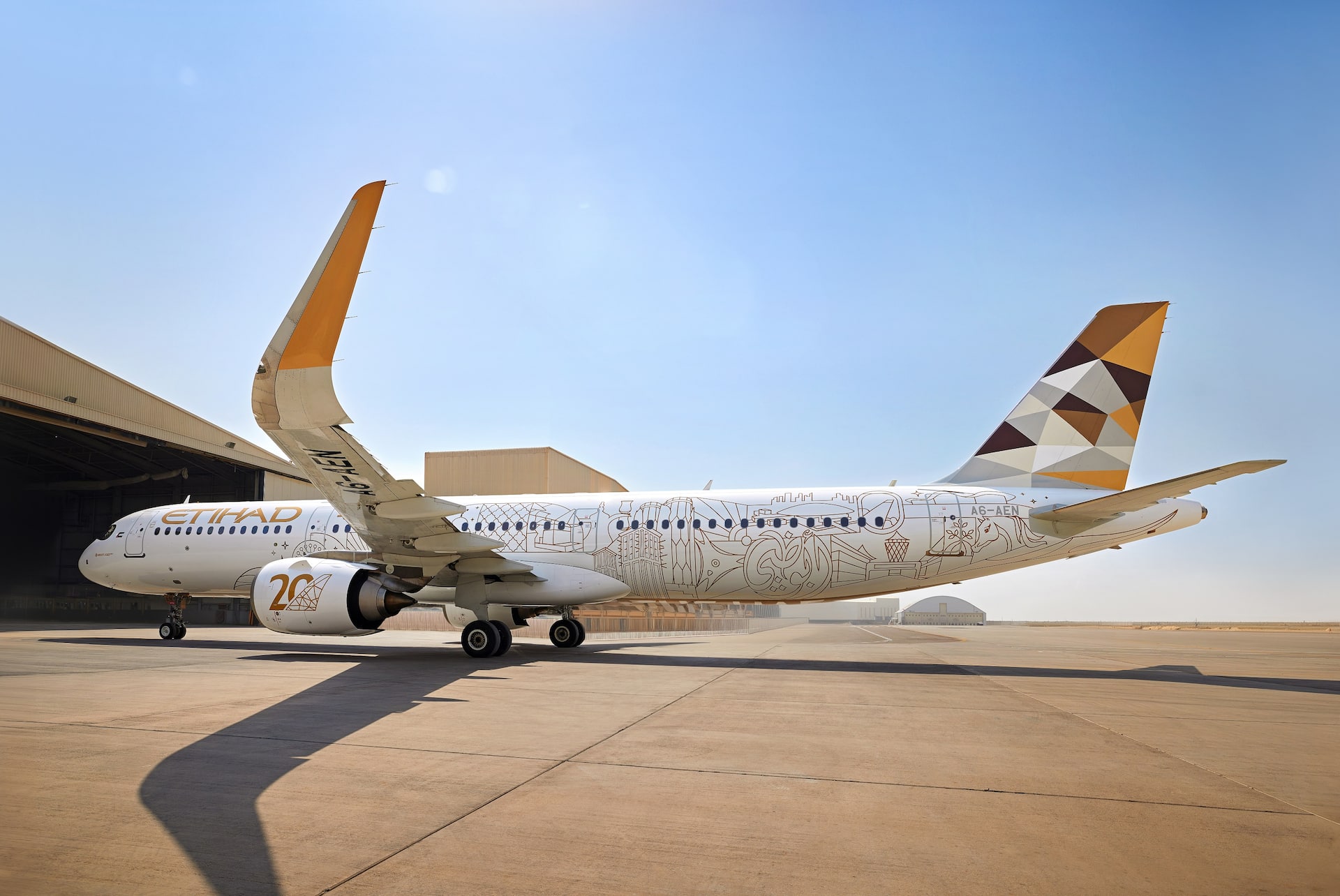
Etihad Airways has surpassed the 20 million annual passenger mark for the first time, boosted by strong first-quarter profit and rising customer satisfaction. The airline’s operating fleet now exceeds 100 aircraft as it intensifies its global expansion and pursues ambitious 2030 targets.

Etihad posted a Q1 profit after tax of AED 685 million, a 30 per cent increase compared to the same period last year. Total revenue rose 15 per cent, supported by growth in both passenger and cargo operations. Passenger revenue alone increased by 16 per cent to AED 5.5 billion, reflecting stronger demand and enhanced flight frequency. The carrier flew 5 million passengers in the quarter, a 16 per cent jump year‑on‑year, with a solid load factor of 87 per cent.

Over the past 12 months, Etihad has carried more than 20 million guests—doubling its annual passenger figures in just 30 months—and is now regarded as the fastest-growing airline in the region. Chief Executive Antonoaldo Neves described this milestone as evidence of “sustained growth driven by expanding demand, a dynamic global network, and a clear strategic focus”.

Customer satisfaction surged to record highs, with Q1 scores up 20 per cent versus a year ago. The airline attributed this to refreshed lounge and inflight menus, improved digital services, high-speed Wi‑Fi, and a revamped website and mobile app.

Etihad’s fleet currently comprises over 100 aircraft, including the return of its seventh Airbus A380 and the delivery of a Boeing 787‑9 with an Emirati crew, alongside its first of three Airbus A350‑1000s. A further 18 aircraft are expected in 2025, highlighted by the introduction of the A321LR narrow‑body fleet on 1 August, which will feature private First Suites, lie‑flat Business seats, 4K entertainment screens, and high‑speed Wi‑Fi across all cabins.

The airline has added 27 new routes so far in 2025 and plans to operate nearly 90 destinations by year‑end. These network additions form part of Etihad’s longer-term strategy to expand its global footprint to over 125 destinations and grow its fleet to more than 170 aircraft, with the aim of carrying 38 million passengers annually by 2030.

Operational efficiency gains also strengthened Etihad’s balance sheet. EBITDA rose 32 per cent to AED 1.4 billion, yielding a 21 per cent margin, while net leverage improved to 1.1×, down from 1.9× in March 2024. Cash flow from operations reached AED 1.8 billion, an 11 per cent improvement.

These developments follow a broader resurgence at Etihad. The carrier turned around from consecutive annual losses of recent years to report a record USD 476 million profit in 2024, flying 18.5 million passengers that year—a 32 per cent increase—and generating revenue of nearly USD 6.9 billion. The Q1 results affirm progress in cost optimisation, network rationalisation and fleet modernisation initiated under CEO Neves since taking the helm in 2022 under Abu Dhabi sovereign fund ADQ.

Looking ahead, Etihad plans to sustain delivery of 20-plus new aircraft annually, including further Boeing 787s and Airbus A350s, to meet projected demand. It is also preparing infrastructure and service upgrades connected to Abu Dhabi’s Zayed International Airport, whose terminal expansion tripled annual capacity to 45 million passengers, reinforcing the city’s role as a global hub.

On the route front, 16 further destinations have been announced for 2025, complementing an already swift rollout of 27 new routes. The A321LR rollout from August will unlock First Class on single‑aisle sectors, with an upgraded passenger experience including concierge transfers, chauffeur services and luggage‑free travel in Abu Dhabi.

Etihad’s turnaround, driven by disciplined execution of its “Journey 2030” strategy, has paid off. With record profits, growing customer satisfaction and a fleet age structure among the youngest globally, the airline is moving ahead of Gulf competitors as a stronger, customer‑centric global carrier.

A significant majority of sovereign wealth funds from the Middle East are poised to increase their investments in Chinese assets over the coming five years, according to the latest findings from Invesco’s Global Sovereign Asset Management Study. This shift places China at the forefront of strategic allocation decisions, reflecting growing confidence in its innovation-led sectors.

The study, conducted between January and March and covering funds and central banks managing a combined US$27 trillion, reveals that around 60% of Middle Eastern sovereign wealth funds are planning to boost exposure to China. This places the region only behind Asia‑Pacific and Africa, where 88% and 80% of funds respectively intend to raise allocations. North American counterparts also show strong interest, with approximately 73% signalling intent to increase investment in China.

Funds across regions cited strong returns—identified by 71% of respondents—as a key motivator, alongside diversification goals cited by 63% and improved market access for foreigners mentioned by 45%. Chinese innovation sectors, including digital technology, software, advanced manufacturing, automation, and clean energy, are particularly attractive, with 89% indicating interest in digital tech and software, and 70% each for manufacturing and green energy.

Participants in the study included 141 senior investment professionals—chief investment officers, asset-class heads and portfolio strategists—drawn from 83 sovereign wealth funds and 58 central banks globally. The high participation rate lends weight to the findings: China is now ranked as a high or moderate priority for 59% of funds, a notable jump from the previous year.

Despite geopolitical tensions between Washington and Beijing, sovereign funds appear more focused on structural opportunities. North American allocations towards China are framed as strategic, long-term bets in innovation rather than reactive moves to policy friction. As one Invesco executive described, investors appear driven by fear of missing out on China’s strides in semiconductors, AI, EVs and renewable energy—“a strategic urgency they once directed toward Silicon Valley”.

A regional lens reveals the Middle Eastern shift as part of a larger recalibration. Sovereign funds in the Gulf and from oil-rich neighbours are increasingly turning to China not just for commodity trades but for diversified returns and access to high-growth sectors. One Middle Eastern fund commented that the credit spectrum in fixed income markets currently offers more attractive risk-adjusted returns than public equities, underlining a broader repositioning.

Globally, sovereign investors are embracing active management, allocating more to fixed income and private credit as markets normalise post ultra-low interest rate era. Thirty‑nine per cent of funds plan to increase fixed income exposure, underscoring a pivot towards liquidity management and resilience. Private credit usage has expanded sharply, from 30% to 44% in direct or co-investments, reflecting growing appetite for yield and portfolio diversification.

Central banks are also reshaping strategy, with 64% planning to grow reserve holdings and 53% aiming to diversify further within two years. Gold remains a popular hedge: almost half intend to expand allocations over the next three years. The dominance of the US dollar persists, with 78% expecting no credible alternative supply within the next two decades.

A modest entrant in the digital asset space, sovereign wealth funds are gradually increasing exposure to digital currencies. Direct allocations rose to 11% from 7% in 2022, most pronounced in the Middle East, Asia‑Pacific and North America. Stablecoins, viewed as more accessible than traditional crypto, are gaining attention among emerging market funds.

China remains a focal point for global sovereign investors seeking exposure to growth-critical sectors and structural diversification. The convergence of strong returns, market access improvements, and sectoral opportunities is driving Middle Eastern and other funds to recalibrate their portfolios. China has transitioned from an optional allocation into a central pillar of future-focused asset strategies, marking a calculated investment pivot amid an evolving global landscape.

Bahrain’s Crown Prince Salman bin Hamad Al Khalifa has secured a deal for Gulf Air to acquire 18 Boeing 787 Dreamliner aircraft fitted with General Electric engines, marking a departure from the carrier’s previous reliance on Rolls‑Royce engines. At a meeting held in Washington with U. S. President Donald Trump, the agreement was signed alongside a broader $17 billion suite of investments from Bahrain in the United States. […]

Rania Gule The USD/JPY pair is rising, driven by renewed momentum supported by the ongoing divergence in monetary policies between the Federal Reserve and the Bank of Japan. Yield differentials between the two economies remain a key factor in explaining the pair’s price action. The dollar gained additional support following the release of U.S. retail sales data, which significantly exceeded expectations, thereby weakening the likelihood of a […]

HONG KONG SAR – Media OutReach Newswire – 18 July 2025 – Cushman & Wakefield, a leading global real estate services firm, today released its 2024 Sustainability Report, demonstrating the firm’s commitment to operational excellence and responsible business practices. The report highlights the firm’s global impact across key sustainability areas during 2024 and progress on future targets that will help shape a more sustainable and inclusive future […]

By T N Ashok WASHINGTON: In a landmark but largely silent move, the U.S. Supreme Court has paved the way for former President Donald Trump to dismantle the Department of Education, terminate thousands of federal employees, and slash funding to states — all without providing a single word of legal justification. Issued as a terse […]

ADNOC will shift its 24.9 per cent holding in Austrian oil‑and‑gas group OMV AG into XRG P. J. S. C, the UAE state oil giant’s $80 billion lower‑carbon energy and chemicals investment vehicle launched last November. The move aligns with ADNOC’s intent to centralise its international growth assets within XRG’s structure.

The shareholding transfer, subject to regulatory approval, follows ADNOC’s acquisition of the OMV stake from Mubadala in December 2022. In tandem, upon the completion of the proposed merger forming Borouge Group International —a polyolefins powerhouse valued at $60 billion—ADNOC’s resulting 46.94 per cent BGI stake will also be held by XRG.

The BGI framework merges OMV’s 75 per cent‑owned Borealis with ADNOC’s 54 per cent Borouge, and incorporates Nova Chemicals, securing the group’s position among the world’s top four polyolefins producers. OMV and ADNOC each will control approximately 46.94 per cent, with the remaining 6 per cent free‑float pending UAE Securities and Commodities Authority consent.

Khaled Salmeen, ADNOC’s downstream chief, described the move as a logical next step following the $60 billion chemicals merger, reinforcing the energy transition and investment diversification strategy. ADNOC’s transfer of both its OMV holding and BGI stake into XRG reflects its ambition to streamline governance and position XRG at the core of its international chemicals and low‑carbon energy agenda.

XRG, backed by global figures including former BP chief Bernard Looney and Blackstone’s Jon Gray, aims to build a top‑five global chemicals platform, while expanding gas, LNG, and low‑carbon energy capacity to 20–25 million tonnes annually by 2035. The unit is also said to be exploring an international listing in London or New York within the next five years.

Investors are watching for regulatory clearances across multiple jurisdictions—Austria, the UAE, and EU competition authorities—before finalising both the OMV share transfer and the formation of BGI. The new polyolefins entity is projected to deliver $500 million of annual cost synergies within three years post-merger.

By Nitya Chakraborty India-China bilateral relations have started showing cautious improvement with the signals from both the leaderships of the two biggest countries of Asia that they are keen to restore normal political and economic ties. Indian external affairs minister Dr. S Jaishankar’s meeting with the Chinese President Xi Jinping on Monday in Beijing was […]

Greenlogue/AP Telecom operator du has secured ISO 20400 certification, becoming the first telecom provider in the UAE and the second in the Gulf Cooperation Council region to attain the globally recognised standard for sustainable procurement. The certification underscores the company’s systematic approach to integrating sustainability into procurement decisions, ensuring that its supply chain aligns with international best practices for environmental, social, and economic responsibility. By adopting the […]

The National Centre of Meteorology issued an advisory este morn for southeasterly winds gusting up to 40 km/h across the UAE, leading to heavy dust and sand lifting in internal and coastal areas. The conditions are expected to significantly reduce horizontal visibility—at times below 2,000 metres—between roughly 08:45 and 17:00. Abu Dhabi Police cautioned motorists to drive with care, maintain low speeds, and avoid distractions like using phones or filming while on the move.

Winds forecast for the day have already led to hazy skies over urban centres, with dust clouds drifting across highways and neighbourhoods. Officials warn that compromised visibility on roads will heighten accident risks, prompting emergency services to remain on alert.

Abu Dhabi Police reinforced the message, urging:

“Drivers to remain alert and reduce speed … For your safety and the safety of others on the road, please avoid using mobile phones or taking videos while driving.”

The statement formed part of a broader appeal urging residents to secure outdoor items and stay informed via official channels.

High winds sweeping the region echo seasonal patterns observed in previous years. The meteorological phenomenon known as “Shamal” brings northwesterly gusts that whip up desert dust, especially during summer’s peak between April and October. These episodes often downgrade visibility to well under 2 km. In fact, storms recorded in 2008, 2009 and 2010 show how recurrent and sudden these events can be.

An Abu Dhabi dust storm struck last Thursday, when winds triggered restricted visibility and led authorities to issue similar warnings earlier in July. The NCM had foreseen rough sea conditions in the Arabian Gulf, cautioning mariners of choppy waters and advising against unnecessary travel offshore.

Studies by geophysics experts at Khalifa University and warnings from the World Meteorological Organization indicate that shifting climate patterns may be contributing to increased dust frequency in the Gulf, with “early summer and late winter” transitions becoming more pronounced.

Commuters in Abu Dhabi, Dubai, Al Ain and Sharjah were met with drifting dust obscuring visibility, particularly on highways and arterial routes. Between 1 pm and 3 pm yesterday, multiple reports noted local visibility dropping below 1 500 metres near Dubai International Airport and adjacent roadways.

Transport authorities are urging drivers to obey reduced speed limits displayed on overhead electronic boards, as fine particles may settle on windshields, diminishing visibility further. School bus operators, logistics firms, and delivery services have been advised to take precautions or suspend outdoor activities until conditions improve.

Indoor spaces and construction sites are under advisory to ensure dust mitigation measures are in place, including sealing entrances and using air filtration systems. Medical professionals have also warned individuals with respiratory concerns to limit outdoor exposure and keep medications close at hand.

The repeated advisories align with broader international efforts to establish regional early-warning systems. During last spring, the World Meteorological Organization highlighted Saudi Arabia’s leadership in a Gulf-wide sand and dust storm monitoring initiative.

Given the projected continuation of these conditions into the evening, motorists and residents are advised to remain alert. The police statement urged community action:

“For your safety and the safety of others … please avoid using mobile phones or taking videos while driving.”

The pattern of such weather events reflects the UAE’s climate trends, where extreme heat, strong winds, and suspended dust become frequent during the summer months. These conditions contribute to regional cautionary measures and highlight the interplay between natural climate cycles and growing urban risk exposure.

M A Hossain Donald Trump once campaigned on ending the war in Ukraine within 24 hours. He promised to bring an end to the proxy war with Russia, leveraging his self-proclaimed ‘Dealmaking’ skills. Yet, halfway into July, what we see instead is a new escalation dressed up as diplomacy. In a carefully choreographed appearance with NATO Secretary Mark Rutte at the White House, Trump offered Moscow a […]

Nuveen, the $1.3 trillion global asset manager under the Teachers’ Retirement System of America, forecasts its assets under management in the Middle East to double within three years. Since establishing its first regional office in Abu Dhabi’s Global Market in September 2024, Nuveen has already grown its Middle Eastern portfolio to between $3 and $5 billion. Fadi Khoury, head of Middle East operations, identifies alternative credit as the firm’s […]

VISHNU RAJA
RYO YAMADA
HITORI GOTOH
IKUYO KITA